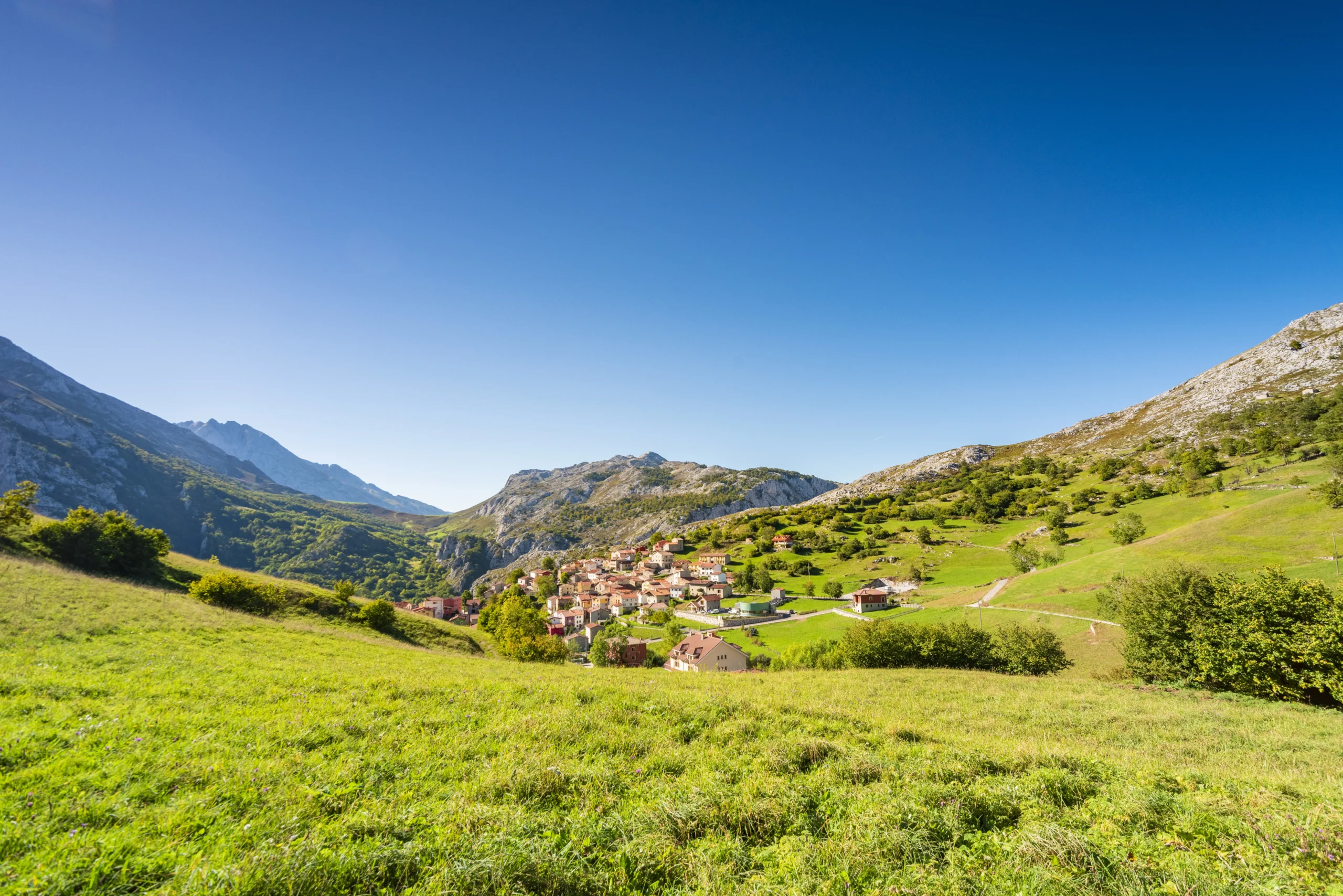
Across the world, travelers are increasingly choosing destinations based on their culinary identity. Restaurants, regional traditions, local markets, and food producers have become central to how people explore a place.
In many ways, gastronomy has become one of the most powerful motivations for modern travel.
And few regions embody this shift better than Northern Spain.
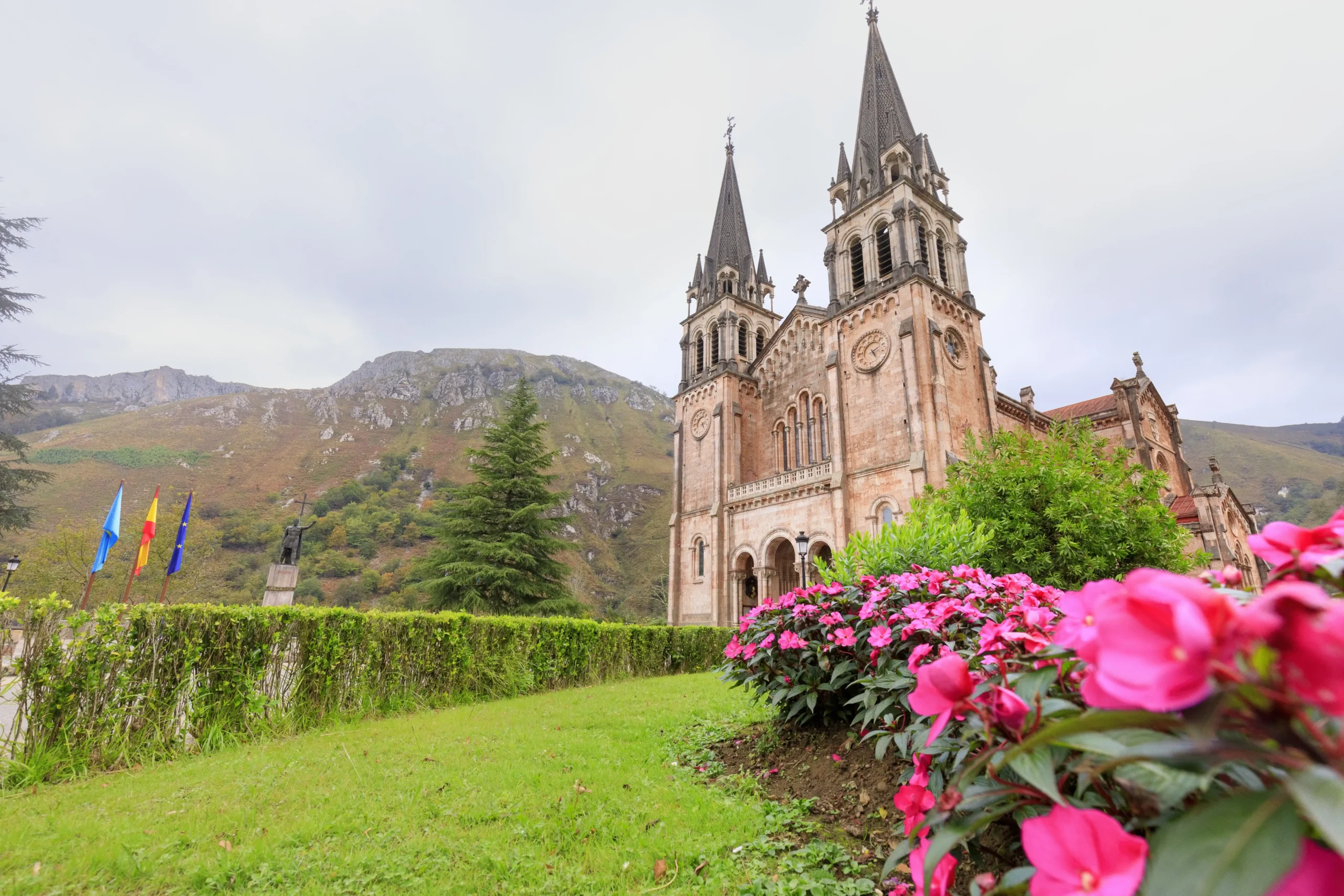
Stretching from the Basque Country through Cantabria and Asturias to Galicia, Northern Spain has quietly become one of the most exciting gastronomic regions in the world. Here, culinary culture is not simply an attraction — it is an essential part of the region’s identity.
For travelers who want to understand a place through its flavors, Northern Spain offers one of the most rewarding journeys in Europe.
A Region Where Food Defines Culture
 One of the most remarkable aspects of Northern Spain is how deeply gastronomy is embedded in everyday life.
Food here is not simply a product of restaurants or chefs. It is shaped by landscapes, traditions, and centuries of local knowledge.
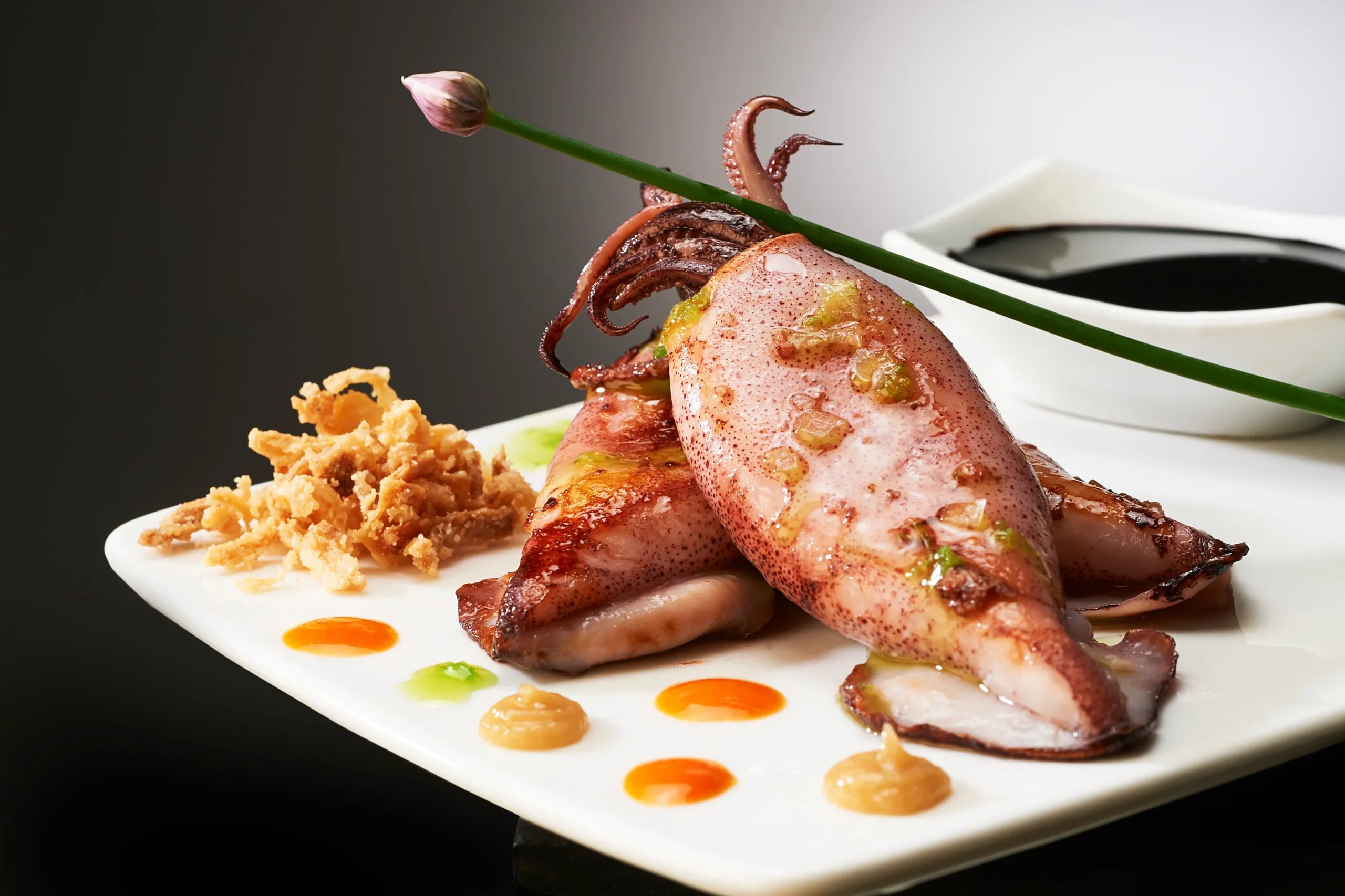
The Atlantic Ocean provides extraordinary seafood — from Galician percebes and oysters to the daily catches that define coastal cuisine.
The green valleys of Asturias and Cantabria support dairy traditions that produce some of Spain’s most distinctive cheeses.
And the vineyards of Rioja and the Basque Country represent centuries of winemaking expertise.
Across the region, meals become a way of understanding local culture.
Each dish tells a story about where it comes from.
One of the most remarkable aspects of Northern Spain is how deeply gastronomy is embedded in everyday life.
Food here is not simply a product of restaurants or chefs. It is shaped by landscapes, traditions, and centuries of local knowledge.
The Atlantic Ocean provides extraordinary seafood — from Galician percebes and oysters to the daily catches that define coastal cuisine.
The green valleys of Asturias and Cantabria support dairy traditions that produce some of Spain’s most distinctive cheeses.
And the vineyards of Rioja and the Basque Country represent centuries of winemaking expertise.
Across the region, meals become a way of understanding local culture.
Each dish tells a story about where it comes from.
San Sebastián: A Global Culinary Capital
At the heart of Northern Spain’s gastronomic reputation lies San Sebastián, a city that has become legendary among food lovers.
Few places in the world combine such a remarkable density of Michelin-star restaurants with such a vibrant everyday food culture.
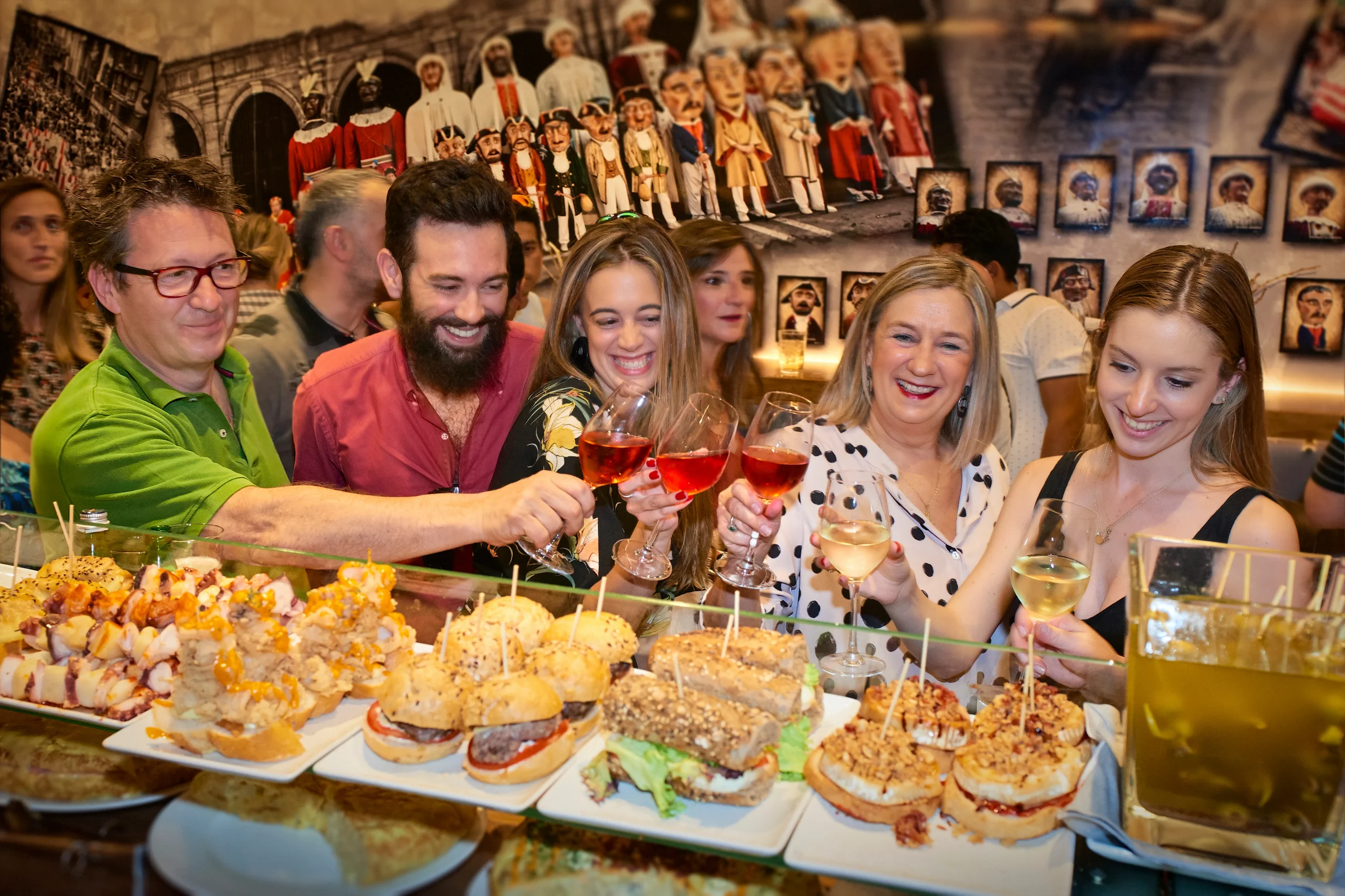
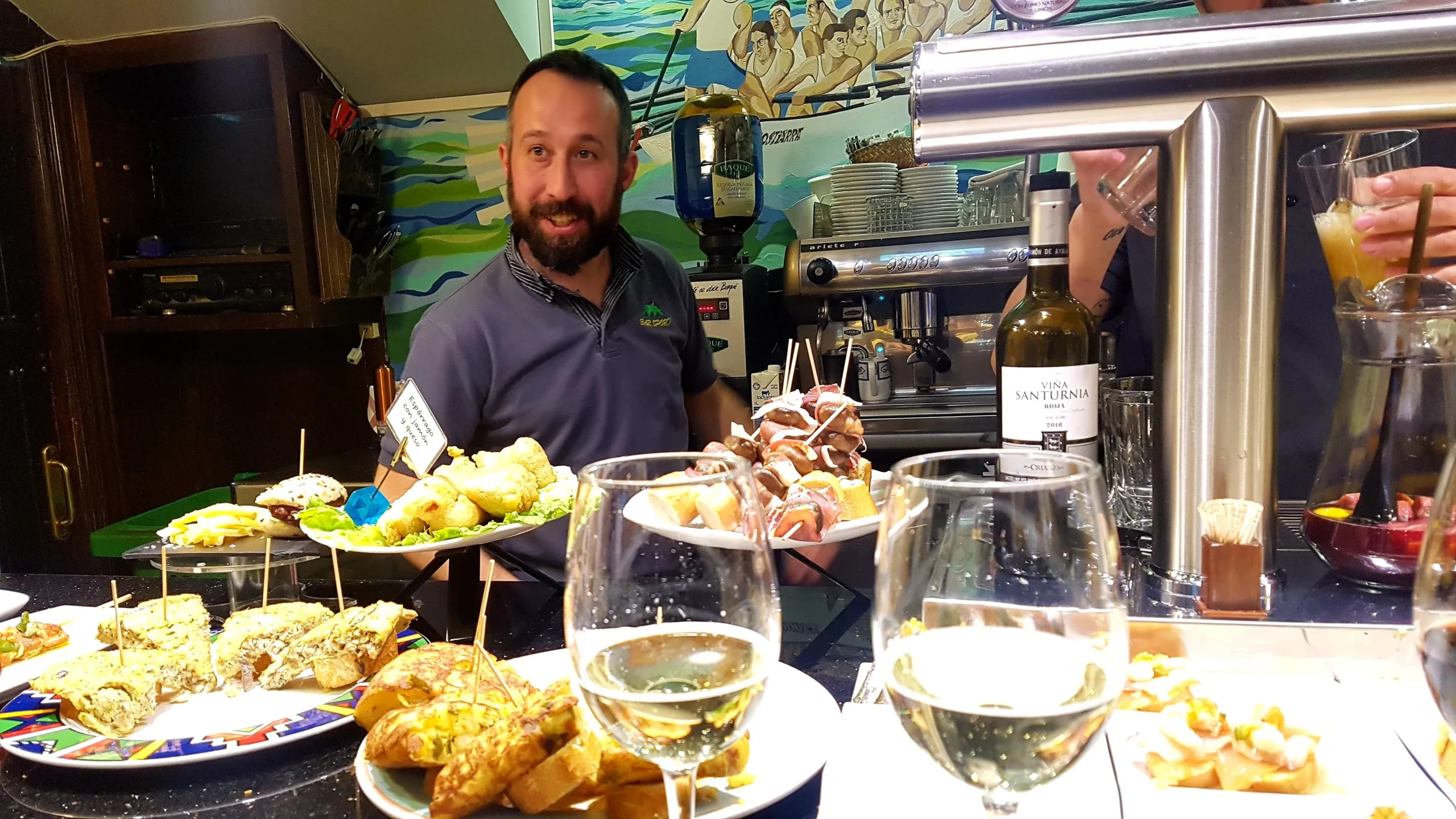
While renowned chefs have elevated Basque cuisine to global recognition, the real magic of San Sebastián often happens in its pintxos bars.
These small culinary creations — carefully crafted bites served across the counters of bustling bars — transform casual dining into an art form.
Travelers can spend an evening moving from bar to bar, discovering new flavors with every stop.
It is a dining experience that feels social, spontaneous, and deeply rooted in local life.
Beyond Fine Dining: The True Taste of Northern Spain
 While Michelin-star restaurants have helped place Northern Spain firmly on the global gastronomic map, the region’s most authentic culinary experiences often happen far from formal dining rooms.
In Asturias, traditional sidrerías (cider houses) preserve a centuries-old drinking ritual where natural cider is poured dramatically from above the glass to release its aromas.
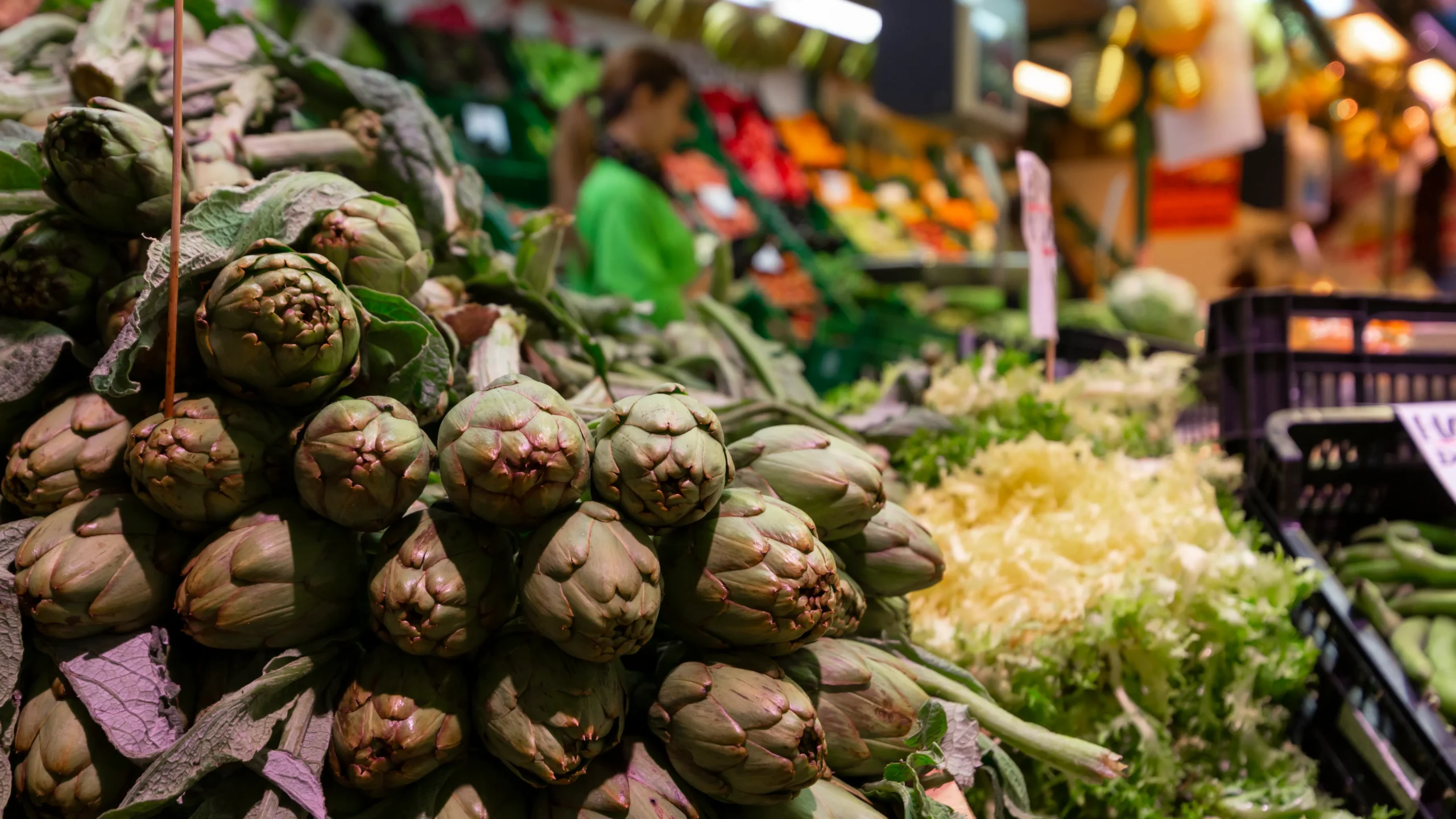
In Galicia, seafood markets supply local restaurants with some of the freshest shellfish in Europe — often served simply, allowing the quality of the ingredients to speak for itself.
In Rioja, small family-owned wineries continue traditions passed down through generations, producing wines that reflect the character of their land.
For travelers, these moments often become the most memorable parts of the journey.
While Michelin-star restaurants have helped place Northern Spain firmly on the global gastronomic map, the region’s most authentic culinary experiences often happen far from formal dining rooms.
In Asturias, traditional sidrerías (cider houses) preserve a centuries-old drinking ritual where natural cider is poured dramatically from above the glass to release its aromas.
In Galicia, seafood markets supply local restaurants with some of the freshest shellfish in Europe — often served simply, allowing the quality of the ingredients to speak for itself.
In Rioja, small family-owned wineries continue traditions passed down through generations, producing wines that reflect the character of their land.
For travelers, these moments often become the most memorable parts of the journey.
Meeting the People Behind the Food
One of the defining elements of gastronomic travel today is the opportunity to meet the people behind the products.
Travelers increasingly want to go beyond restaurants and understand the producers who shape a region’s culinary identity.
Northern Spain offers exceptional opportunities for this kind of experience.
Visitors can meet winemakers in historic Rioja cellars, walk through cheese caves in the mountains of Asturias, or join local fishermen as they return to harbor with the day’s catch.
These encounters transform food into something much deeper than a meal.
They create connections with the culture and traditions that define the region.
The Future of Luxury Travel Is Experiential
The growing popularity of gastronomic travel reflects a larger transformation in the luxury travel industry.
Modern travelers are increasingly searching for experiences that feel immersive and meaningful rather than simply comfortable or exclusive.
Food provides a perfect gateway into this type of travel.
Through gastronomy, travelers can explore landscapes, traditions, and communities in a way that feels authentic and engaging.
Northern Spain, with its extraordinary culinary heritage and strong local identity, is uniquely positioned within this movement.
A Journey Defined by Flavor
Ultimately, traveling through Northern Spain is a journey of flavors.
It is the taste of freshly grilled seafood beside the Atlantic.
The richness of slow-cooked regional stews in mountain villages.
The vibrant creativity of Basque pintxos bars.
The complexity of wines aged quietly in Rioja cellars.
Each experience adds another layer to the story of the region.
And for travelers who believe that the best way to understand a place is through its cuisine, Northern Spain offers one of the most unforgettable journeys in Europe.