Why Northern Spain Is the Next Big Luxury Destination in Europe

Scroll

Luxury travel has always evolved with the desires of the traveler

For decades, the world’s most affluent explorers followed a predictable map:
the Amalfi Coast, the Côte d’Azur, Tuscany, the Greek Islands. These destinations became synonymous with luxury, places where elegance, gastronomy, and beauty converged in ways that defined the idea of European travel. But the modern luxury traveler is changing. Today’s travelers are more experienced, more curious, and increasingly interested in destinations that feel authentic rather than iconic. They are looking for places that still carry a sense of discovery; landscapes that feel untouched, cultures that remain deeply rooted in tradition, and experiences that unfold beyond the usual tourist routes. In this new landscape of luxury travel, Northern Spain is emerging as one of Europe’s most compelling destinations. Stretching along the Atlantic coast from the Basque Country through Cantabria and Asturias to Galicia, Northern Spain offers something increasingly rare in global tourism: a region where gastronomy, culture, and dramatic landscapes combine to create journeys that feel both refined and deeply authentic. For many travelers, it represents a completely different way of experiencing Spain.

1

A Different Vision of Spain

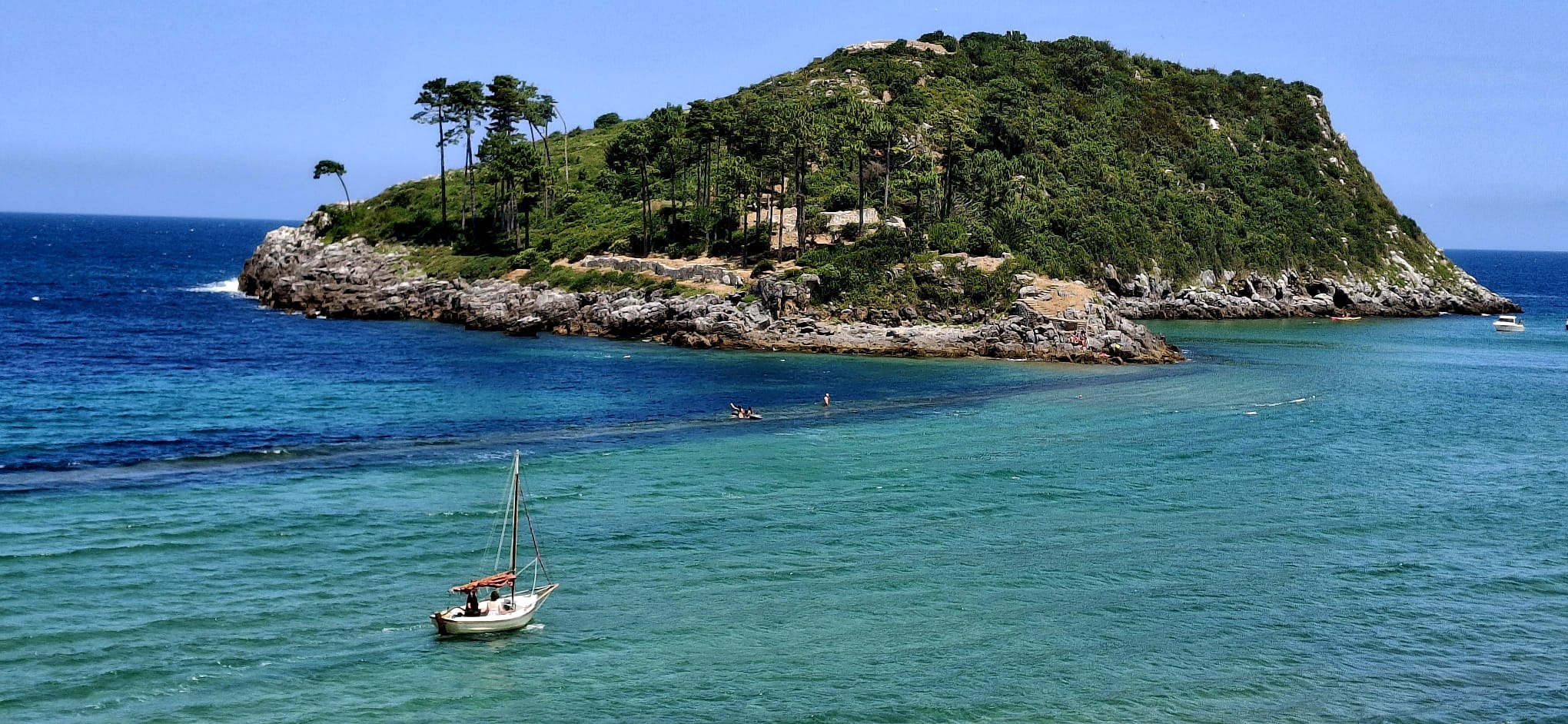
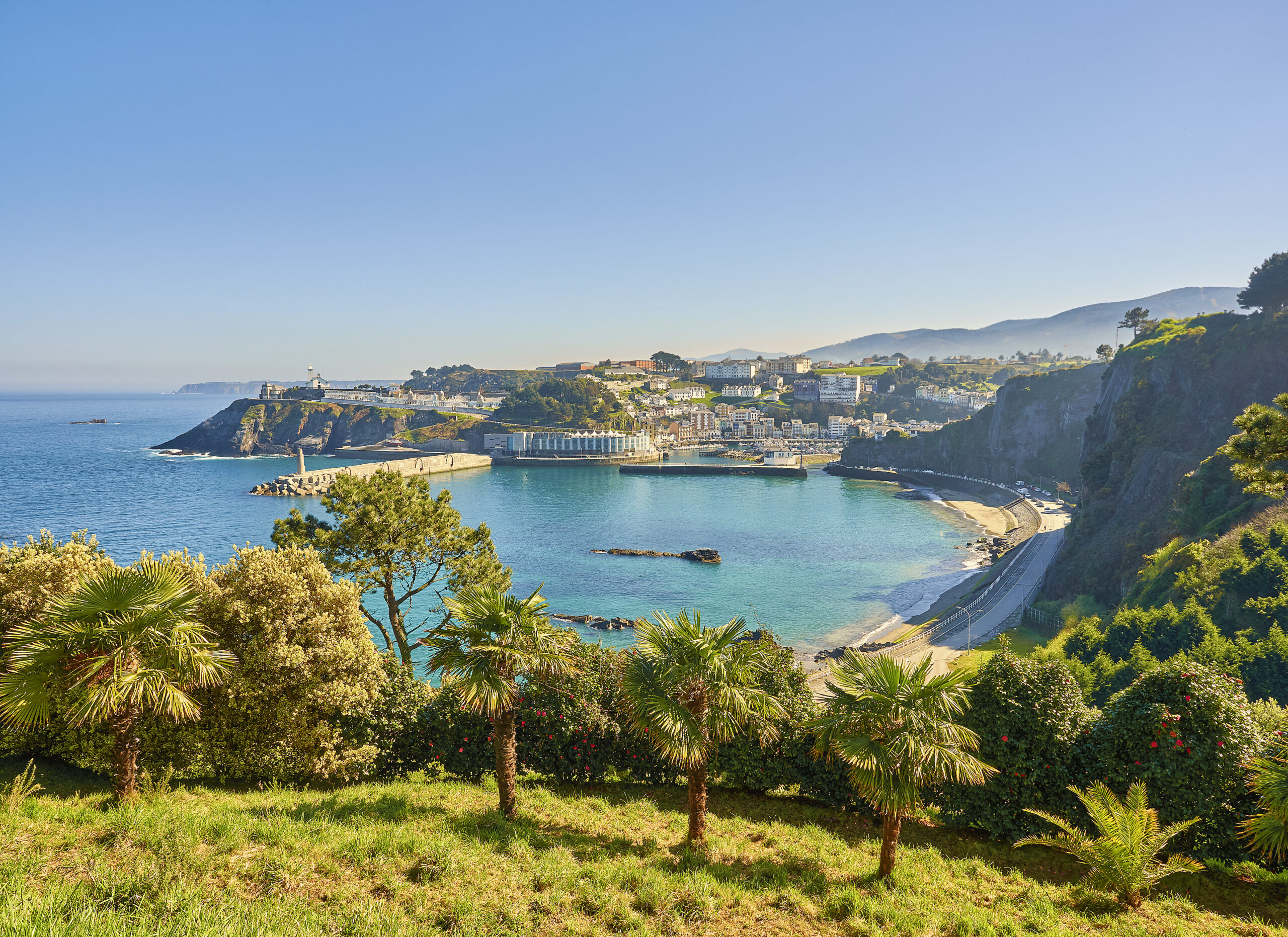
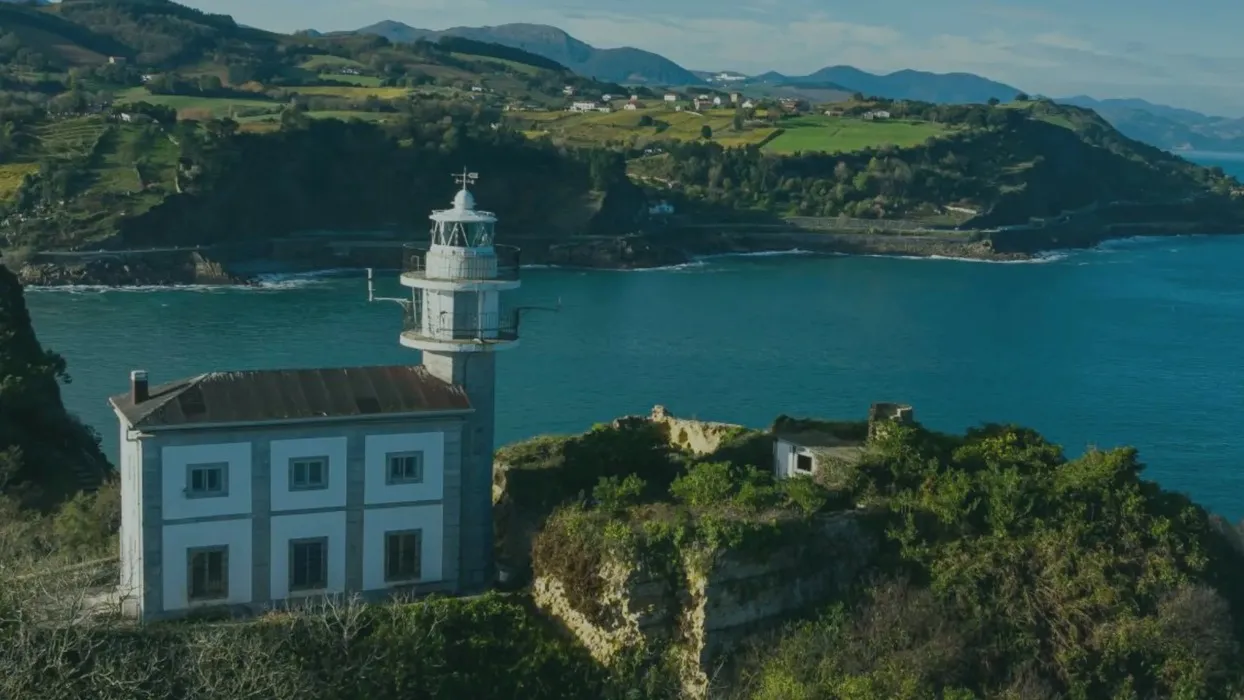
For decades, the international image of Spain has been shaped by the Mediterranean; sun-drenched beaches, vibrant nightlife, and iconic cities like Barcelona and Madrid. But travel north of these familiar destinations and the country begins to feel entirely different. Northern Spain is defined by the Atlantic Ocean, and its influence is everywhere. The climate is greener, the landscapes more dramatic, and the rhythm of life noticeably slower. Here, cliffs plunge into wild seas, fishing villages sit quietly along rugged coastlines, and mountain ranges rise unexpectedly just a few kilometers from the shore. It is a Spain that feels raw, authentic, and deeply connected to its natural environment. For travelers who have already explored much of Europe’s traditional luxury circuit, this sense of discovery is incredibly appealing.

A Culinary Capital of Europe

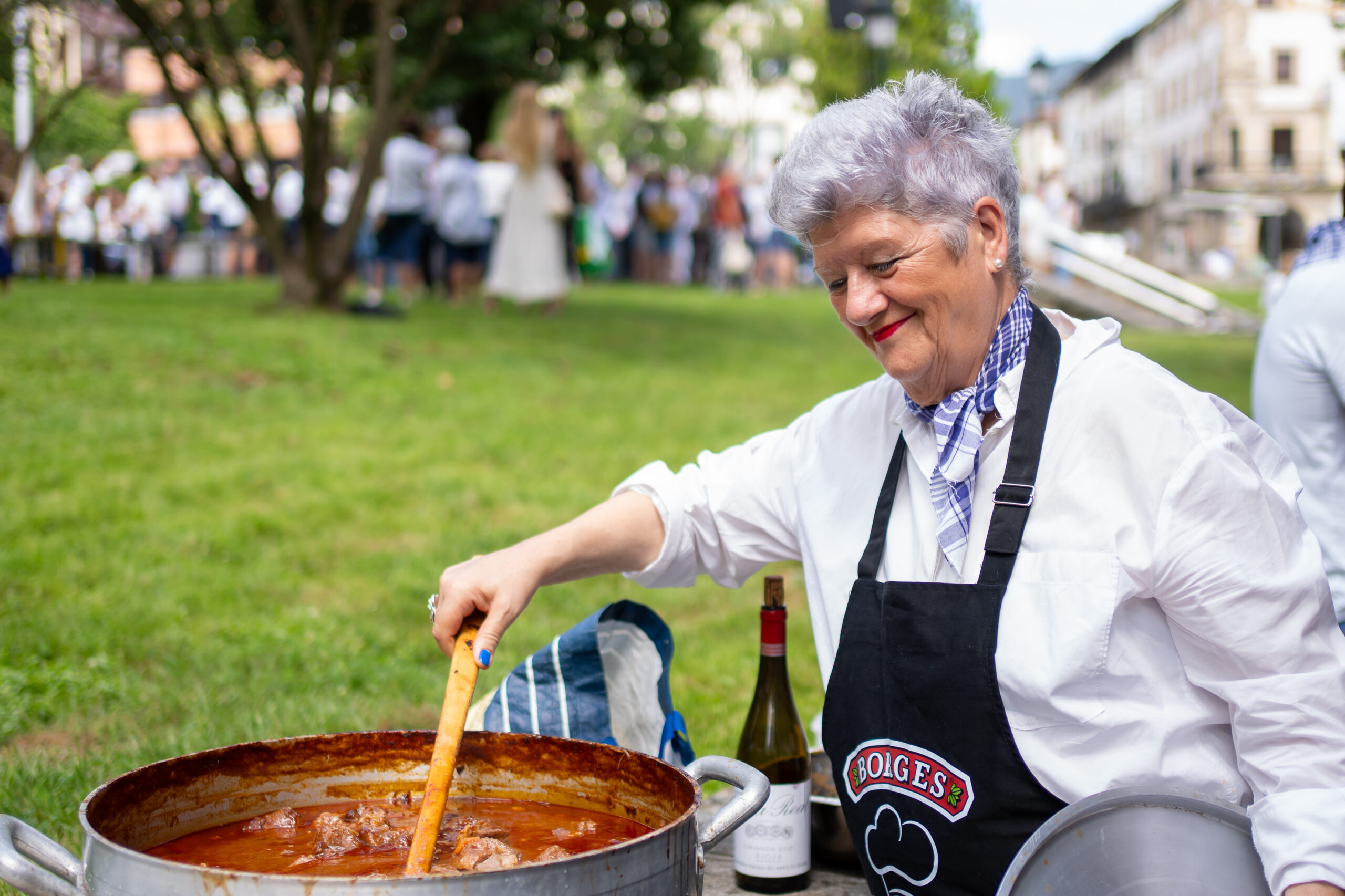
If there is one element that has helped place Northern Spain firmly on the global travel map, it is gastronomy. Few regions in the world offer such a remarkable concentration of culinary excellence. Cities like San Sebastián have become international culinary destinations, home to one of the highest densities of Michelin-star restaurants anywhere in the world. But the gastronomic culture of Northern Spain extends far beyond fine dining. Across the region, food is deeply woven into everyday life. In the Basque Country, pintxos bars transform casual dining into a form of culinary artistry. In Asturias, traditional cider houses preserve centuries-old drinking rituals. In Galicia, seafood culture revolves around some of the finest shellfish in Europe. In Rioja, winemaking traditions blend innovation with generations of expertise. Travelers don’t simply eat in Northern Spain; they participate in a living food culture. And increasingly, gastronomy has become one of the main reasons travelers are discovering the region.

Landscapes That Invite Exploration

Another defining feature of Northern Spain is the diversity of its landscapes. Within a relatively small area, travelers can experience an extraordinary variety of environments. The Basque coastline offers dramatic cliffs and elegant seaside towns. The Picos de Europa mountains create one of the most spectacular natural landscapes in Spain. The green valleys of Asturias and Cantabria feel closer to Switzerland than the Mediterranean. And Galicia’s rugged Atlantic coast reveals a mysterious landscape shaped by Celtic traditions and maritime history. For travelers interested in nature, hiking, sailing, or simply immersing themselves in breathtaking scenery, Northern Spain offers endless possibilities. And unlike some of Europe’s most famous landscapes, much of the region remains refreshingly uncrowded.

2

Cultural Depth and Regional Identity

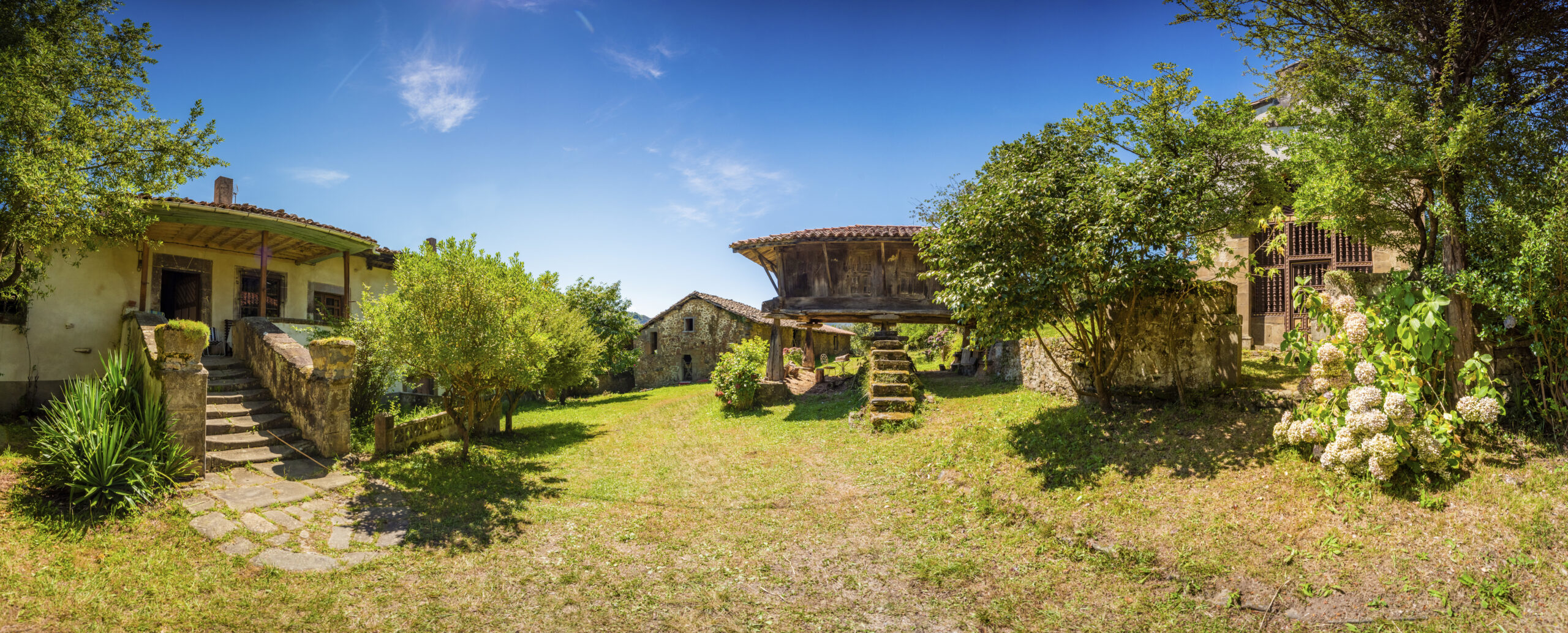
What makes Northern Spain particularly fascinating is the strength of its cultural identities. Each region possesses its own traditions, cuisine, architecture, and historical influences. The Basque Country is known for its strong language and culinary culture. Asturias maintains deep traditions linked to agriculture and cider production. Cantabria offers prehistoric caves, medieval towns, and dramatic coastal landscapes. Galicia reflects centuries of Celtic heritage, pilgrimage routes, and maritime life. Traveling through Northern Spain is less like visiting a single destination and more like moving through a collection of distinct cultural worlds. For travelers seeking deeper connections with the places they visit, this richness creates incredibly rewarding journeys.

A Destination on the Verge of Discovery

In recent years, international media and travel designers have begun to recognize Northern Spain’s growing appeal. Publications across the travel industry are increasingly highlighting the region as one of Europe’s most exciting emerging destinations. This attention reflects something many travelers are already discovering: Northern Spain offers an extraordinary balance of culture, gastronomy, natural beauty, and authenticity. It is a place where travelers can enjoy world-class experiences without the crowds often associated with more famous destinations. In many ways, Northern Spain represents the future of European luxury travel. Not louder. Not bigger. But richer, deeper, and more meaningful. For those willing to explore beyond the obvious routes, the reward is a journey that feels truly unforgettable. And for now, Northern Spain still carries the most precious luxury of all: The feeling that you’ve discovered it just in time.

The Rise of Experiential Luxury Travel

Perhaps the biggest reason Northern Spain is gaining attention is that it aligns perfectly with the direction luxury travel is moving. Modern luxury travelers are no longer satisfied with simply visiting famous places. Instead, they are searching for experiences that feel meaningful and personal. They want to meet local artisans. They want to taste wines with the families who produce them. They want to understand the traditions that shape a destination. Northern Spain offers these experiences naturally. From private tastings in historic wineries to visits with local cheesemakers in the mountains, the region allows travelers to connect directly with the people and traditions that define it. This is the essence of experiential luxury travel and Northern Spain is one of the best places in Europe to experience it.

04

Lorem ipsum

As Black Tomato turns twenty, we’re proud to reflect on two decades of uncovering the ideas, destinations, and emotions that have shaped the way we travel.

Lorem ipsum

As Black Tomato turns twenty, we’re proud to reflect on two decades of uncovering the ideas, destinations, and emotions that have shaped the way we travel.

As Black Tomato turns twenty, we’re proud to reflect on two decades of uncovering the ideas, destinations, and emotions that have shaped the way we travel.

01

Lorem ipsum

First Short bold line

As Black Tomato turns twenty, we’re proud to reflect on two decades of uncovering the ideas, destinations, and emotions that have shaped the way we travel.

As Black Tomato turns twenty, we’re proud to reflect on two decades of uncovering the ideas, destinations, and emotions that have shaped the way we travel.

As Black Tomato turns twenty, we’re proud to reflect on two decades of uncovering the ideas, destinations, and emotions that have shaped the way we travel.