Northern Spain Enters the Global Luxury Travel Conversation
Northern Spain Enters the Global Luxury Travel Conversation
There are certain places in the world that reveal themselves slowly. They don’t arrive suddenly on the travel radar. They don’t explode with instant popularity. Instead, they emerge gradually — through the stories travelers tell, the experiences they share, and the quiet realization that somewhere special has been waiting in plain sight all along. Northern Spain is one of those places.
For years, the region stretching along Spain’s Atlantic coast — from the Basque Country through Cantabria and Asturias to Galicia — has remained one of Europe’s most rewarding yet understated destinations. A place where landscapes feel wilder, traditions feel older, and the rhythm of life unfolds at a pace that feels increasingly rare in modern travel.Now, the world is beginning to take notice.Northern Spain Travel has recently been featured in Luxury Travel Magazine, highlighting the growing global interest in curated journeys through this extraordinary region.You can read the full article here: LinkBut this recognition is about more than one article. It reflects a much broader shift happening in the luxury travel industry.Northern Spain is stepping into the global spotlight, not as a trend created by tourism marketing, but as a destination perfectly aligned with how travelers increasingly want to explore the world.
The Shift Toward Meaningful Luxury Travel
Luxury travel has evolved dramatically over the past decade.Where once the definition of luxury centered on five-star hotels, private beaches, and iconic landmarks, today’s travelers are searching for something deeper. Experiences that feel personal. Destinations that still hold a sense of discovery. Journeys that connect them to culture, landscape, and people.This transformation has led to the rise of what many travel designers now call “quiet luxury destinations.”Places where luxury is not defined by spectacle, but by authenticity.Northern Spain embodies this idea perfectly.The region offers travelers something increasingly valuable: space, cultural depth, and a strong sense of place that has not been shaped primarily for tourism.Here, luxury might look like a private dinner prepared by a local chef in a traditional cider house. It might be a morning spent walking along dramatic Atlantic cliffs. Or an afternoon tasting wines inside a historic Rioja vineyard guided by the family who has been producing them for generations.These are experiences that cannot be replicated anywhere else.And increasingly, they are exactly what travelers are searching for.
A Landscape Shaped by the Atlantic
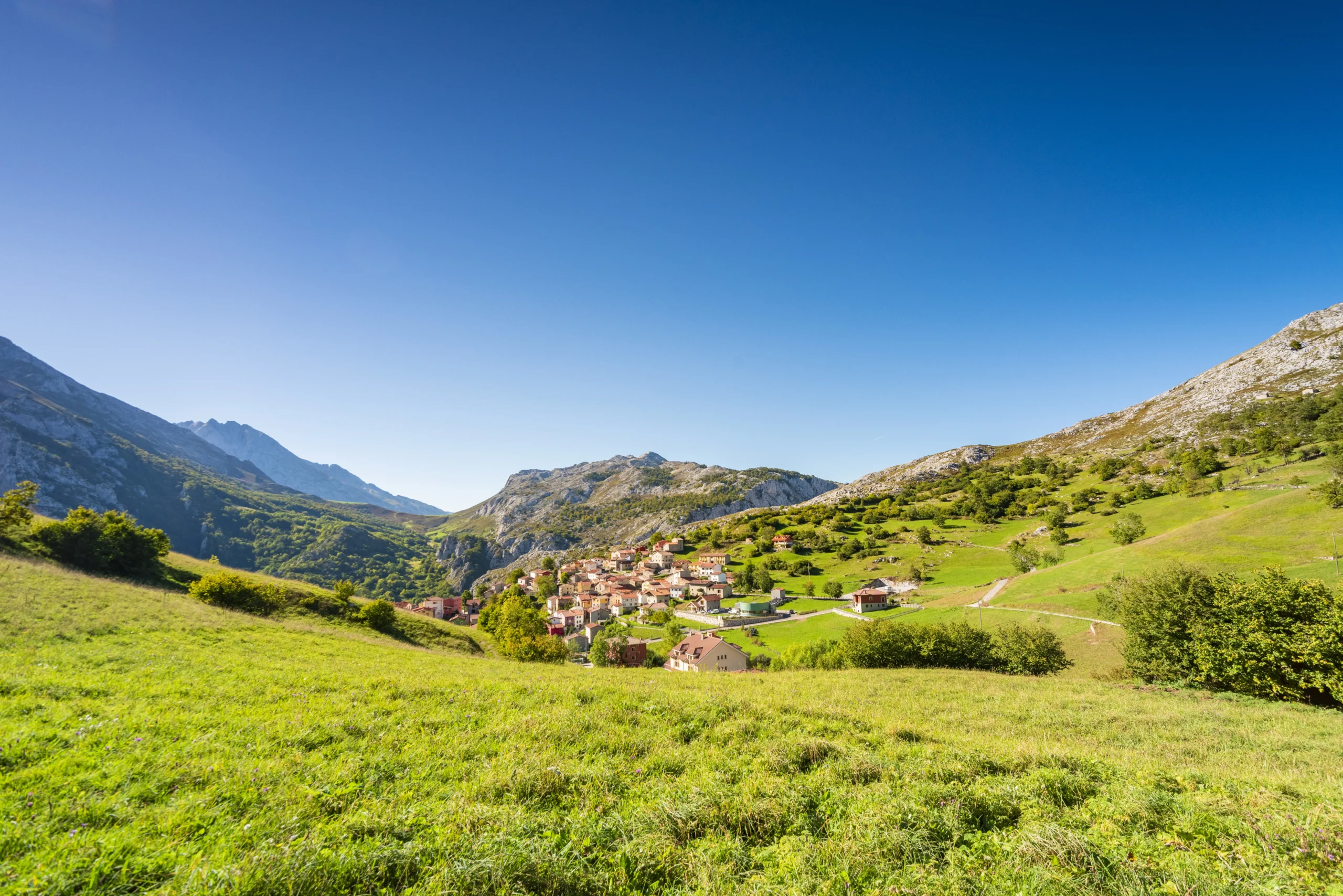
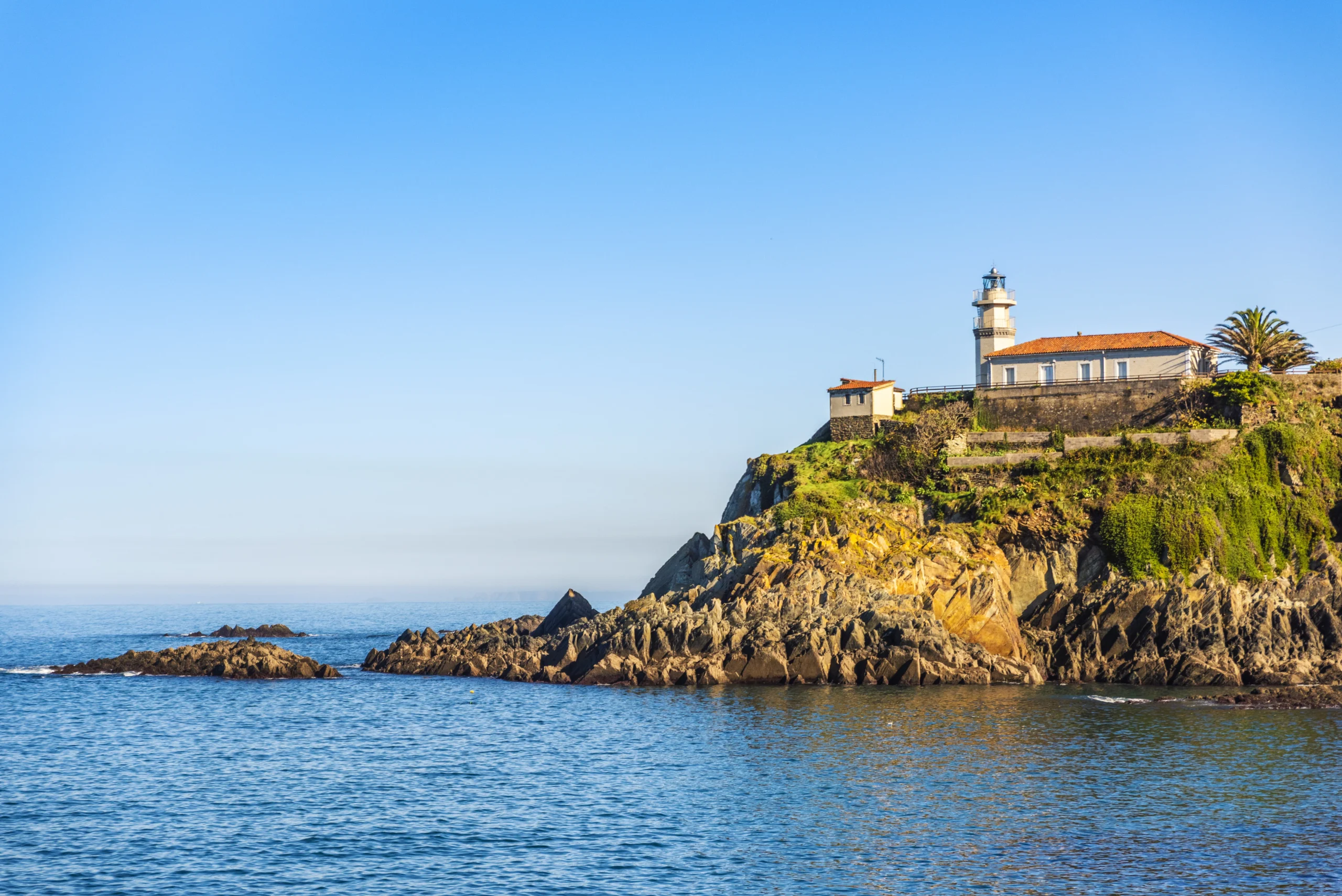
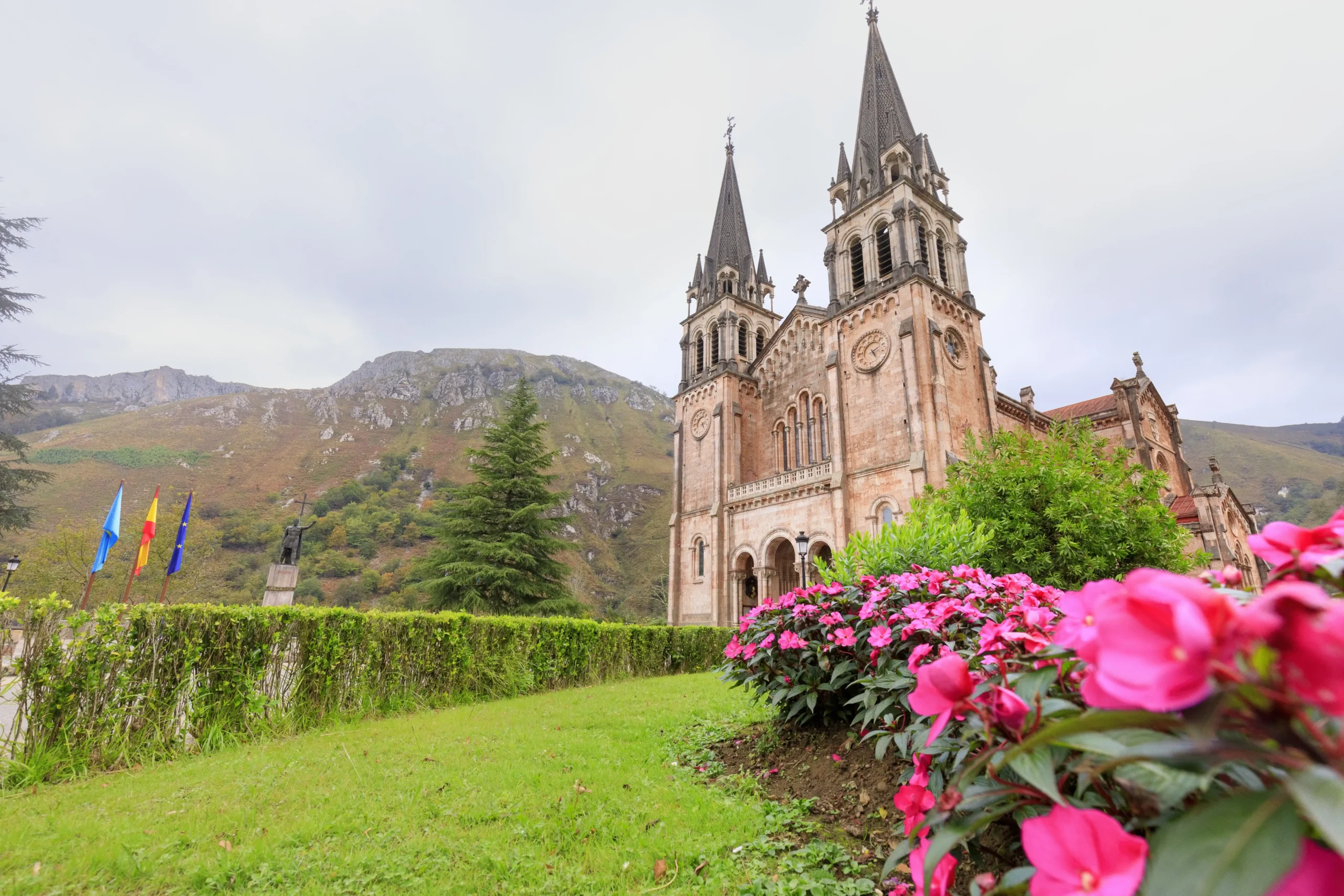
Part of Northern Spain’s magic comes from its geography.Unlike the sun-drenched Mediterranean image many associate with Spain, the north of the country is defined by the Atlantic Ocean — and that influence is everywhere.The landscape is lush, green, and dramatic.Towering cliffs drop into the sea. Fishing villages sit quietly in hidden coves. Mountain ranges like the Picos de Europa rise unexpectedly from the coastline, creating one of the most striking natural landscapes in Europe.This environment shapes not only the scenery, but also the culture of the region.Life here is closely connected to the land and sea. Fishing traditions remain central to coastal communities. Farming practices still follow centuries-old rhythms. And local gastronomy reflects an extraordinary relationship with seasonal ingredients.For travelers seeking authenticity, this connection to place is part of the experience.
Gastronomy as a Cultural Journey
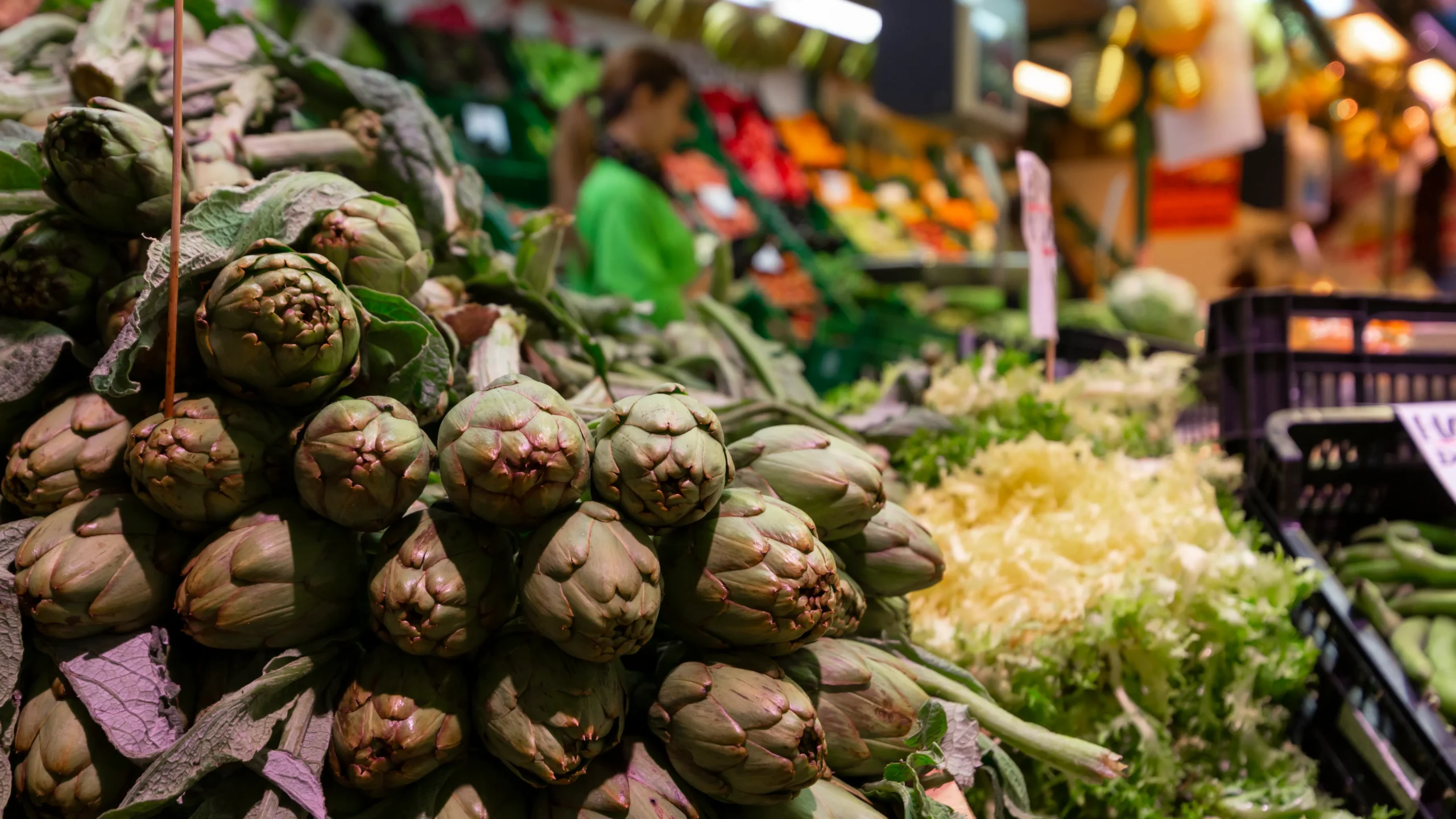
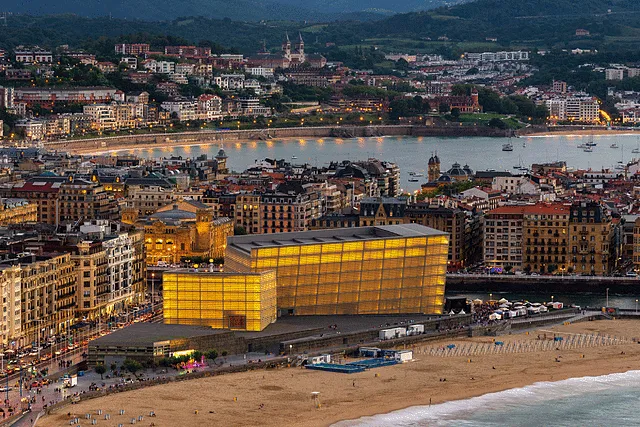
Few regions in Europe can rival Northern Spain when it comes to food.Cities such as San Sebastián have become internationally recognized gastronomic capitals, home to one of the highest concentrations of Michelin-star restaurants in the world. But the real story of Northern Spanish cuisine goes far beyond fine dining.It lives in the pintxos bars of the Basque Country, where small plates showcase incredible creativity.In the cider houses of Asturias, where traditional dishes are served alongside locally produced sidra.In the seafood markets of Galicia, where the Atlantic provides some of Europe’s finest shellfish.Food in Northern Spain is not simply something you eat. It is a cultural language and a way of understanding the history, landscape, and identity of each region.For travelers, this creates one of the most rewarding culinary journeys in Europe.
Curated Journeys Beyond the Expected
At Northern Spain Travel, our approach to travel is built around this idea of discovery.Rather than designing traditional tours, we focus on creating bespoke journeys that reveal the deeper character of the region.That might mean introducing travelers to a local cheesemaker in the mountains of Asturias. Arranging a private tasting with a winemaker in Rioja. Or guiding guests through the vibrant culinary culture of San Sebastián with someone who truly understands the city’s gastronomic traditions.Each journey is designed to connect travelers with the people, landscapes, and stories that make Northern Spain unique.This approach reflects a larger trend in luxury travel: travelers increasingly want experiences that feel personal, immersive, and meaningful.Northern Spain offers all of that — naturally.
A Destination Whose Time Has Come
The recognition from Luxury Travel Magazine is part of a growing pattern.Across the global travel industry, Northern Spain is increasingly being recognized as one of Europe’s most exciting destinations for experiential travel.What was once considered a hidden gem is now emerging as a place where travelers can experience Spain in a completely different way.Not through crowded landmarks or mass tourism.But through landscapes, traditions, and cultural encounters that feel authentic and unforgettable.For those willing to explore beyond the familiar routes, Northern Spain offers something rare in modern travel:The feeling that you’ve discovered somewhere truly special.
So, ready to start?
Every group is different, with its own dynamics and rhythm. We begin by understanding group size, interests and travel goals then design a journey that feels seamless, social and deeply personal.