
Are Kids Born Adventurous?
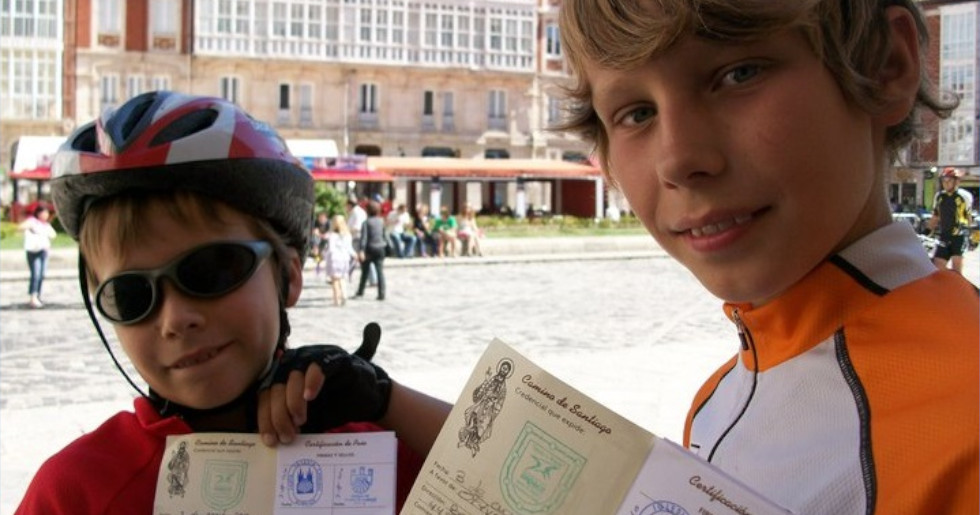
Are Kids Born Adventurous? Written by Stephanie Mutsaerts Photos by Jesus Caso and Stephanie Mutsaerts Bring out the adventurous side of your kids! One of the many questions we at Northern Spain Travel have posed ourselves is whether children are born adventurous, or do they have to be taught? To answer this, we have created three posts written in coordination with an NST video series of my kids doing the Camino de Santiago by bike. My name is Stephanie Mutsaerts, the founder of Northern Spain Travel, and these are my two Spanish – Canadian kids. The videos in this series represent what we at Northern Spain Travel do and stand by today, but also they are sweet morsels of our experience thirteen years ago when I travelled by bike along the Camino de Santiago with my sons Oliver, age 9, and Tasio, age 6. A pathway of pleasure travel This was our first Camino de Santiago trip and every day was an adventure. If you asked them today which of the many adventures we have experienced together they loved most, they would without hesitation select this particular journey on the Saint James Way. They are now 22 and 19, and that spirit of adventurer that we developed as a family is with them to this day. Give your kids the tools to live and learn under challenging situations Are kids born adventurous? The answer to this is yes, but also no. More often than not this quality that is attractive in a grown up can be fostered in kids at a young age. Over time, through exposure to exploration – a word that can be applied to many different life experiences – children become more open to new experiences as adults. Allowing children the opportunity to learn through doing, watching, and exposure to adventure, gives them a chance to shine. Will this be too difficult for my kids? True as that may be, when we demand more from our kids than they are comfortable with, or if we see them resist participation, we need to be soft and hard at the same time. I have exposed my children to so many adventurous experience because I am incredibly passionate about those things. I want to foster the same passion deep within them. Although it’s not always easy to do, focus your efforts on making them feel comfortable about what they are doing – actually what you are all doing together. Skill and confidence will naturally follow from this approach. This is all part of the slow travel concept. We have plenty of time to do adventurous activities on their terms. We Are the Champions! My kids and I would sing songs like “We Are the Champions” when the going got tough. The spirit of peddling hard to make it up the hill and the ensuing praise of their achievement would mean the world to them. We would celebrate our day’s outing on the Camino de Santiago with a trip to the ice cream parlour or a delicious foot and back massage. By praising my kids’ adventurous accomplishments they come to understand that qualities such as bravery, resilience, and effort are valuable and useful and that hard work pays off. These attributes evolve into willing and keen little adventure machines, ready for more action and more challenges. Help your kids find resilience within themselves Happy Trails! Honestly, this is the biggest key to just about anything with kids. As you know, we’re big believers that outdoor family adventures shouldn’t have to end when we have kids, so our kids have been adventuring along with us since birth. They are constantly exposed to the outdoors, so much so that they’re often more comfortable there than they are indoors. They learn by watching us, by experiencing life side-by-side with our whole family. Join us on a bike journey for familes
8-Day Luxury Walking Tour in Menorca
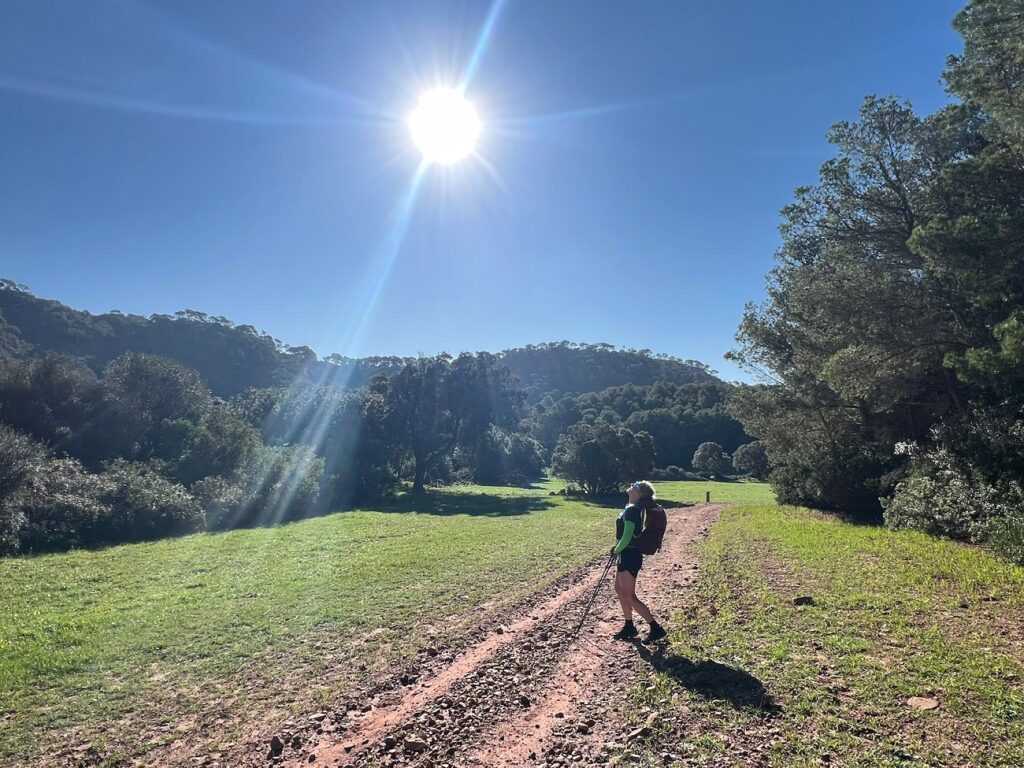
A Journeys with Soul: Menorca Article written by Stephanie Mutsaerts Northern Spain Travel Presents The 8-Day Walking Menorca Journey Learn more about this tour Journeys with Soul: Menorca A Walking Pilgrimage of Flavor, Silence, and Stone For eight days, Menorca unfolds not as a destination, but as a presence. You walk along its rugged coasts and through ancient pine forests, guided not by a map, but by the sound of wind in fig trees and the scent of wild rosemary. This is a journey for those who travel not to escape, but to encounter — the land, the silence, the self. Explore the lure of Menora with Northern Spain Travel. Menorca: A Hidden Jewel of Tranquil Luxury and Timeless Beauty Far from the bustling crowds of its Balearic sisters, Menorca is a sanctuary for discerning travelers seeking unspoiled nature, refined experiences, and quiet elegance. Designated a UNESCO Biosphere Reserve, the island offers a harmonious blend of wild Mediterranean landscapes, ancient history, and sophisticated charm. For hiking enthusiasts, Menorca is a dream. The legendary Camí de Cavalls, a historic coastal path encircling the island, guides you through a kaleidoscope of dramatic cliffs, pine forests, hidden coves, and rolling hills. Each step reveals a new vista — from turquoise waters framed by rugged rock formations to sweeping countryside dotted with wildflowers and ancient stone walls. Whether you’re trekking a gentle inland stretch or exploring cliffside trails with panoramic sea views, the serenity is unmatched. Gastronomy in Menorca is a deeply rooted and elegant affair. The island’s culinary tradition combines rustic authenticity with modern sophistication. Enjoy fresh-caught seafood, artisanal Mahón cheese, and local delicacies such as caldereta de langosta (lobster stew) in refined seaside restaurants or charming rural fincas. Pair every meal with excellent Balearic wines or a crisp gin tonic made with the island’s own Xoriguer gin, a nod to its British heritage. The true luxury of Menorca, however, lies in its peaceful rhythm. There are no loud parties, only sun-drenched days, golden sunsets over silent coves, and star-filled nights. It’s a place to slow down, reconnect with nature, and indulge in life’s simple yet profound pleasures — all in an atmosphere of understated elegance. Menorca is not just a destination — it is a retreat for the soul. Day 1: When Arrival Feels Like Belonging Mahón, is the island’s capital, where a soft light kisses honeyed stone walls. A private transfer takes you to a boutique hotel where linen curtains flutter with the sea breeze. The pace is already different here. In the afternoon, a private historian walks you through Mahón — its neoclassical façades, hidden staircases to the water, stories carved into limestone. As the sun drops, a private wine tasting offers the first sip of Menorca’s quiet richness. Whites cooled by sea air, reds rooted in clay. Local cheeses complete the ritual. Local Insight: Mahón’s history as a British stronghold lives in its architecture — and in its gin. Mahón’s history as a British stronghold lives on vividly in its architecture — and unmistakably in its gin. During the 18th century, when the British ruled Menorca, they left behind a distinct legacy: elegant Georgian-style buildings with sash windows and neoclassical facades that still define the town’s charm today. But perhaps the most enduring (and enjoyable) remnant is Xoriguer gin, a spirit crafted using traditional copper stills and infused with juniper berries. Originally created to satisfy the tastes of British sailors, Mahón’s gin has become a beloved symbol of the island’s unique cultural fusion and timeless character. Northern Spain Travel invites you not just to visit, but to experience Menorca — with heart, mind, and palate open. Day 2: Listening to the Wetlands From Cala Mesquida, the Camí de Cavalls leads into the s’Albufera des Grau Natural Park — a protected haven of marshes, cliffs, and hidden birdsong. Your guide moves slowly, letting the silence speak. Booted eagles soar above; lizards skitter below. By midday, you reach the stark elegance of the Favàritx Lighthouse. Here, the sea meets stone in a lunar dream. A picnic lunch tastes of olive oil, fresh bread, and the wild. In the afternoon, the Isabel II Fortress welcomes you with silence and wind — a monument to history and resilience. Northern Spain Travel Tip: Let the breeze at Favàritx guide your thoughts. It’s the kind of place that clears them. This is not a walking tour. It is a pilgrimage of senses. A journey with soul. Day 3: Clay Paths and Cliffside Wonder From the golden sands of Arenal d’en Castell, you trace the island’s northern spine — red earth underfoot, sea-glass waters to your right. The path climbs and curls through pine forests and dry stone terraces, toward Cavallería Beach. Here, you pause. Swim. Breathe. The clay cliffs are good for the skin and better for the soul. Afterward, you’re driven west to Ciutadella — a city of candlelit streets and Moorish echoes. A private walking tour with a local guide brings its stories to life. Evening suggestion: Let Ciutadella’s quiet alleys guide you to a tucked-away seafood tavern. No reservations. Just intuition. Day 4: Red Sands and the Geometry of Stone Today’s trail takes you from Cavallería to Cala del Pilar — one of Menorca’s wildest beaches. Reddish sands. Turquoise water. Silence layered in cicada song. Later, you visit Lithica — a former stone quarry turned labyrinth of art and shadow. You walk among carved geometry, cooled by walls that once held sea fossils. It’s not a monument. It’s a meditation. Local Hero: Margarita, the curator, speaks not of construction but of listening. “The stone knows more than we do,” she says. Evening is yours. Ciutadella waits, with its flickering lamps and open doors. Day 5: Memory Etched in Rock You hike along cliffs toward Cala Morell, where the past is carved into the earth. The Necropolis — a series of ancient burial caves — feels less like a ruin and more like a whisper from another time. Lunch arrives with sea views at a quiet cove. In the afternoon, choose your own experience: an archaeological walk, a tasting of Menorcan preserves and wines, or perhaps stargazing under skies that knew the Phoenicians. Flora Note: In spring, wild orchids line the trail like secrets waiting to bloom. Menorca is a haven for nature lovers, and one of its most enchanting treasures is the abundance of wild orchids that bloom across the island, especially in spring. With over 25 species found in its meadows, forests, and coastal paths, these delicate flowers add a splash of color to the island’s already rich biodiversity. From the striking Bee Orchid to the rare Man Orchid, each species reveals a glimpse into Menorca’s untouched ecological heritage. As part of its UNESCO Biosphere Reserve status, the island offers a uniquely protected environment where these botanical gems can flourish in serene, natural beauty. Day 6: Of Cheese, Stone, and Silence From Cala Morell, the trail winds toward the rugged west — past stone huts, grazing sheep, and a stillness shaped by wind. Punta Nati Lighthouse stands at the edge, unwavering. Your afternoon unfolds on a family-run estate. Beneath fig trees and tiled roofs, you taste artisan cheeses, sip local wines, and hear the stories of generations tied to this land. Travel Tip: Be sure to check out the circular dry stone constructions, a technique traditional to Menorca and other Mediterranean regions. This specific formation, with its stepped, circular, almost pyramid-like shape and surrounding curved wall, is a modern artistic interpretation or sculptural installation inspired by ancient Talayotic and dry stone architecture. It’s likely part of an interpretive or cultural walking route on the island — perhaps along the Camí de Cavalls, where art and nature often merge. These constructions celebrate Menorca’s UNESCO-recognized dry stone heritage, which uses no mortar and showcases the skill of shaping and balancing local stone. Day 7: Coves of Farewell On your final walk, you follow the island’s southern coast — Cala Macarella, Cala Turqueta, Son Saura. Water like cut glass. Sand fine as flour. Each cove is a farewell in slow motion. You lunch by the sea, your steps now measured not by distance, but by gratitude. Back in Mahón, your last night invites reflection — and perhaps one final toast. Day 8: The Quiet Departure You leave not hurriedly, but softly — with sun on your skin and salt in your hair. The landscapes of Menorca have walked with you. And you, with them. This is not just a holiday.It is a return — to stillness, to taste, to self. Photos by Stephanie Mutsaerts
Discover the Basque Iberian Ham: Spain’s Hidden Culinary Gem
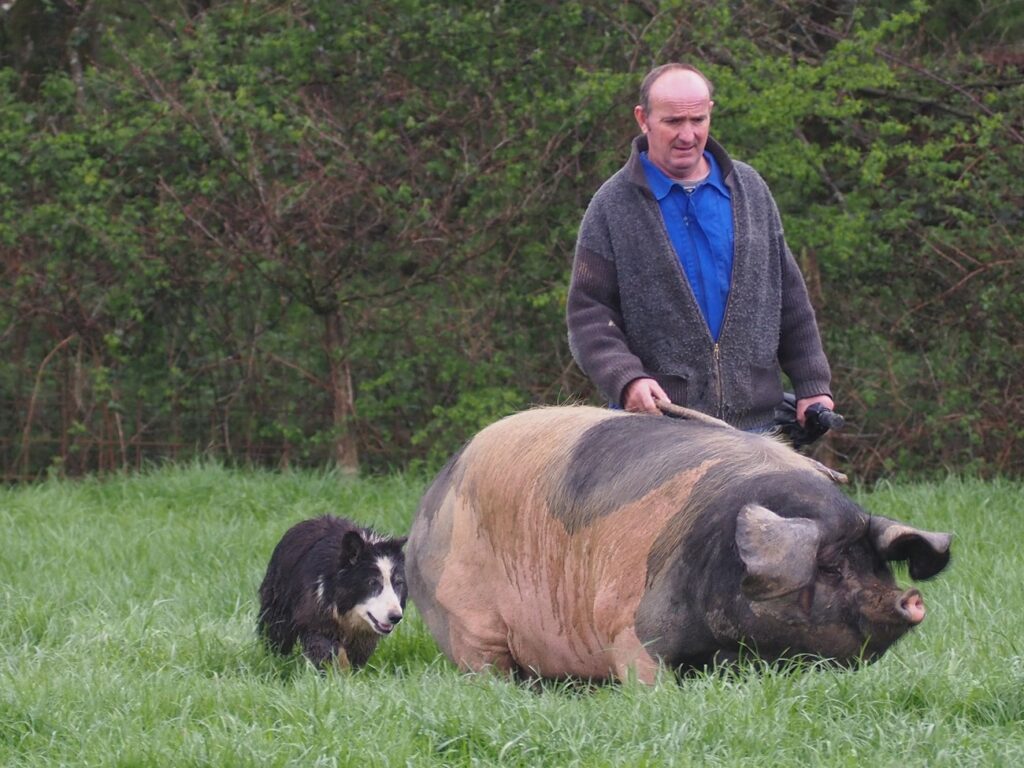
Learn about the rare Basque Iberian pig What Is Basque Iberian Ham and Why Is It So Special? Hidden in the lush valleys of Northern Spain, between green apple orchards and ancient oak forests, lives a pig unlike any other: the Euskal Txerri, also known as the Basque Iberian pig. This unique breed is acorn-fed, free-range, and deeply rooted in Basque culture, yet it remains one of Spain’s best-kept culinary secrets. While Iberian ham (jamón ibérico) is widely known, the Basque version is far rarer—and arguably even more exquisite. THE EUSKAL TXERRI PIGBasque pigs with black and white patches raised ethically on acorns and herbs.— with heart, mind, and palate open. Meet the Euskal Txerri: The Basque Iberian Pig The Euskal Txerri is easily recognized by its distinctive black and white patches, long ears, and strong, stocky frame. Unlike the typical Iberian pig from southern Spain, this breed has adapted to the cooler, wetter climates of Navarra and the Basque Country. They graze freely among beech and oak forests, feeding on wild herbs and acorns, which gives their meat unparalleled marbling and deep, nutty flavor. Once nearly extinct, this heritage breed has been brought back to life thanks to a few passionate farmers in the Mugiro province of Navarra, who have combined traditional farming methods with ethical animal husbandry. A True Farm-to-Table Experience: High-End Sampling Menu The Euskal Txerri ham and pork cuts are now celebrated in haute cuisine for their tender texture, rich umami, and diverse culinary applications—from slow-cooked cheeks to thin-sliced ham aged to perfection. At our private farm tour, we explore this rare breed up close and enjoy a 14-course tasting menu featuring every cut of this extraordinary pork—from juicy loins to cured belly and sausage—each prepared by local culinary experts using traditional Basque techniques. Northern Spain Travel invites you not just to visit, but to experience the careful craft behind each cut of meat with rich marbling and natural flavor. Want to discover the flavors of the Basque Country?Contact us to book your seat on this unforgettable gourmet experience. Rural Adventures and Authentic Flavors Surrounded by rolling green hills, we continue our journey to a nearby artisan cider house, where guests can sip on organic Basque cider straight from the barrel while soaking up local life in a charming mountain village. Then, we drive up the mountain range to visit the stunning Hermitage of San Miguel de Aralar, perched high above the valley. This 12th-century Romanesque sanctuary offers breathtaking views of the Pyrenees and is steeped in legend—said to be the site where Saint Michael slayed a dragon. Join Our Basque Ham & Heritage Tour At Northern Spain Travel, we offer exclusive access to this once-in-a-lifetime experience: Guided day trip through Navarra Private farm visit and 14-course tasting menu Local cider house digestif Visit to San Miguel de Aralar Hermitage Round-trip transportation with expert guide This is more than a food tour—it’s a journey into the heart of Basque identity and tradition. The Enduring Legacy of the Euskal Txerri: Rescuing the Basque Pig from Extinction The Euskal Txerri pig, also known as the Basque pig, is the only native pig breed of the Basque Country and one of the oldest in Europe. Its origins trace back centuries, with references found as early as the 13th century in documents from the northern regions of Navarra and the French Basque provinces. Traditionally raised by small family farms in mountainous and forested terrain, the Euskal Txerri was highly valued for its flavorful, fatty meat, ideal for making cured products. However, with the rise of industrial farming and more commercially viable breeds in the 20th century, the Euskal Txerri population plummeted, placing the breed on the brink of extinction. Thanks to a handful of passionate farmers and conservationists, the breed was brought back from the edge in the 1980s and is now celebrated for its unique genetics, exceptional taste, and cultural importance. Euskal Txerri: The Rare Jewel of Basque Gastronomy The Euskal Txerri is not just a pig—it’s a symbol of Basque heritage and agricultural resilience. Unlike more industrially raised breeds, these pigs grow slowly and naturally, resulting in meat with exceptional depth of flavor and intramuscular fat that melts beautifully when cured or cooked. Their traditional diet of wild herbs, chestnuts, and acorns enhances the meat’s complexity, giving it a buttery, nutty quality prized by chefs and food lovers alike. Because of their limited numbers and the meticulous care required to raise them, products made from the Euskal Txerri are considered artisan delicacies, rarely found outside the region, making any encounter with them a truly exclusive experience.