
3 Ways to Enjoy San Sebastian’s World Famous Cuisine
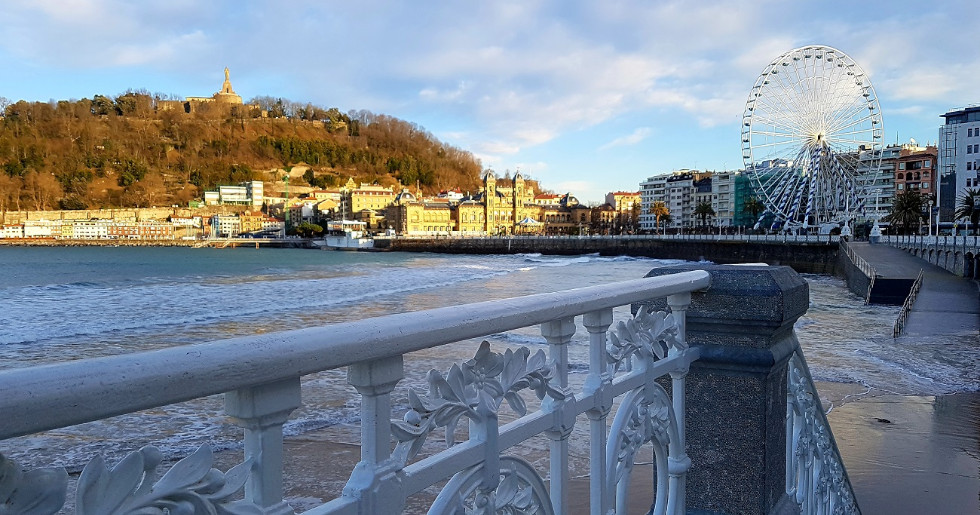
Well-placed on the coast just across the French border, and about an hour from Bilbao, San Sebastian has been lauded across time by authors such as Victor Hugo and Ernest Hemingway for its elegance, beauty, and more recently, its excellent gastronomy. Sitting on La Concha (the Seashell) Bay, encircled by green hills and a sparkling blue sea, San Sebastian evokes old-time glamor. With wide promenades along sandy beaches, pretty architecture and a quaint old port, guests often feel they have stepped back in time. But don’t let that fool you. As one of the rising stars of haute-cuisine, San Sebastian and the surrounding area boasts the greatest concentration of Michelin recommended and starred restaurants in the world. The lively nightlife and hundreds of pintxo (Basque tapas) bars give an endless selection to the most voracious of foodies. Combined with the traditional Basque cider houses, the wealth of options make the task of choosing the best places to go overwhelming. We’ve selected and highlighted a few of our favorite places from among the pintxo bars, the traditional Basque cider houses and finally, the Michelin starred haute cuisine of the area in and around San Sebastian. We have selected three ways to best enjoy the restaurants and bars in San Sebastian and is world famous cuisine from every angle. San Sebastian and its best pintxo bars Ganbara In the winding, narrow pedestrian streets of the old town, there are rows upon rows of pintxo bars serving up piles of extraordinary culinary delights of all shapes and sizes. Choose from what you see in front of you, or learn to order from the kitchen, which is how the locals do it. Either way, the quality is always good – but where are the best? Head to Ganbara on San Jeronimo Kalea, considered to be the best pintxos place in town, this third generation family endeavor combines the deeply rooted Basque traditions with world class quality. Their in-house fresh baked mini-croissants stuffed with folds of top-prized jamon iberico simply melts on your tongue. Or try their hongos (a type of wild mushroom) and their house symbol, sautéed with rich egg yolk and prawns. With a selection of fresh fish, grilled foie or steak, and many savory vegetable dishes, it is impossible to go wrong. Pair all this with a selection of top local wines, and you will feel like you have eaten a meal fit for royalty, all while standing at a bar, enjoying the buzzing atmosphere. Bar Txepetxa One of the most famous places in San Sebastian, and for good reason, is Bar Txepetxa on Calle Pescaderia, which produces an array of stunning anchovy pintxos. In fact, this place is so well-known that it has a wall of photos of all the famous people who have visited, including Glen Close, Ian McKellen and Ethan Hawke. But the real stars are, of course, the anchovies. Arranged in every manner possible, each more mouth-watering than the next, their creations are at once magically simple and yet surprisingly diverse. All of these go famously well with the local txakoli, the sweet lightly sparkling white wine, which fizzes brilliantly in your mouth after a bite of salty goodness. Mentioned in every foodie guide book worth reading, including Where Chefs Eat (Phaidon), this unassuming little bar with a charming old-time character and relaxed atmosphere is welcoming and fun. In San Sebastian and in the Basque country in general, quality does not equal pretentiousness. The quality lies in their love of food and socializing. This hospitality is still felt in the warmth of the culture and the pride in their products. San Sebastian and its best Basque Cider Houses Sidreria Petritegi Kokotxo, located in San Sebastian’s old town near the seaport, is the perfect spot to dine at another amazing Michelin restaurant. There is nothing like an authentic cider house (sidrerías in Spanish) experience anywhere else in the world. Often cavernous, with long wooden tables and a real sense of communal eating and enjoyment, you will share the dishes and drinks with your friends but also feel a wider sense of companionship with the rest of the diners. Petritegi has more than 700 seats spread over three rooms and yet you feel immediately welcome and part of a larger party. Serving up woodfire grilled chuleton, a cut of tender bone-in rib-eye steak that explodes with flavor, traditional cod omelets, fried cod and peppers and for desert, quince jelly and a hard cheese with walnuts you crack yourself, the menu is generally set. The star of the show is of course, the cider. The best cider comes out of huge barrels that sit in long rows around the restaurant . You get up with your glass and fill it yourself – it’s all you can drink. Each barrel will be different, so you are meant to try them all. The cider spouts out of the barrel in a long stream and you must catch the stream a couple feet out, in your tilted glass. The impact aerates the cider, making it fizzy, and you only fill it about an inch or two, so you can be sure to drink it before the fizz disappears. Sidrería Martitxonea If you want to venture a bit further afield into the countryside, there is a wonderful family cider house, Martitxonea, located in the heart of the Basque Country. What makes this place special is that it is in the family home, at a farm in a small, charming village called Aldatz. You enter the restaurant area by walking into the 17th century stone building, with heavy wooden beams and low ceilings and sit at the long wood tables. The restaurant is run by the family and you are waited on by the family members including their kids. The atmosphere is very warm, intimate and communal. The fun part of this place is when they yell ‘txotx!’ everyone gets up with their glasses and walk together en masse out of the dining room into the yard and across to the various barns where the cider barrels are kept. Here, they give a brief presentation (in Spanish) of the cider, the provenance of the apples used, and other aspects of taste and body. Then people take turns tasting the cider and discussing it before returning to their tables to continue eating. This can happen quite a few times over one long meal. Children end up in the yard all playing together and if, like us, you are there when it snowed, you may end up in a massive after-lunch snowball fight with other willing guests. This type of experience is seriously one-of-a kind. San Sebastian’s world famous Michelin Starred Restaurants Akelarre Restaurant in San Sebastian Akelarre is Pedro Subijana’s life and passion. Arriving at Akelarre in 1975, Subijana is the champion of the avant-garde gastronomic wave that put, and is still putting, the Basque Country on the map of international gastronomy. By 2007 Subijana had achieved his three stars in recognition of great technical and personal expertise. He achieved his first star after only three years of being a chef, in 1978. Akelarre is on Monte Igueldo with the best views imaginable, three miles west of the center of San Sebastian, about 15 minutes by taxi. Sitting on the Bay of Biscay, the view is beautiful all day long and in all weather, but it is particularly stunning at sunset. Expect to savor some of his great classics as well as his latest creations. At lunch or dinner in this restaurant, you can enjoy dishes like txangurro in salad, red chard, spinach and lettuce from Igeldo, and one of their specialities, spiced beef pojarski. Kokotxo Restaurant in San Sebastian If you would like to sit down and try a Michelin starred restaurant, Kokotxo, located in San Sebastian’s old town near the seaport, is the perfect spot. What makes the culture of the Basque haute cuisine so different, and so amazing? According to Kokotxo’s chef Dani Lopez, it goes back to the Basque culture itself and its long culinary history. The Basque chefs support each other and share among themselves, mentoring younger chefs rather than selfishly competing with each other and guarding culinary secrets, they come from a culture that believes in sharing in the delight of cooking and preparing the very best food you can. At Kokotxo, experience fine dining and this incredible cultural gift in one. There are two menus available: a market menu with 9 courses and a tasting menu of 14 courses for the whole table. The menu includes traditional themes such as pigeon on its stew or broad beans and seasonal shellfish, and some exciting new tastes like the stingray and ramen egg. Wine and tapas on the beach of Donostia San Sebastian in Spain The list of excellence goes on in and around San Sebastian. Exploring the old town and seaport area alone can take a day or two, but there is even more throughout the rest of the city and the surrounding areas. There are many great ways to get around the Basque Country. Cycling along the Basque coast, or from the Basque mountains on the Navarra to the Basque Coast Tour provides incredible scenery and luxury accommodation with plenty of time to stop and taste the wonders. The area also boasts amazing coastal hikes and even the chance to hike on the Northern Route of the Camino de Santiago. This tour Basque Coast Hiking Tour gives you the chance to sail into San Sebastian in style on an antique sailboat, docking in the Concha harbor for swimming and sunbathing before a night of pintxos, wine and nightlife. We also have tours, like A Feast for the Senses, with a chance to learn from the best chefs at a private show cooking and dinner experience at a local gastronomic society, so you can take home some of the skills to create the food you enjoyed so much. Regardless of your style of travel, whether meandering and luxuriating or cycling and high activity, or a good mix of both, the one thing that will blow everyone away is the unending brilliance of the local cuisine couched in warm hospitality, in all its forms. If you are looking for a culinary tour that includes Michelin Star restaurants, Northern Spain Travel includes first rate restaurants
The 4 Best Cities in Northern Spain
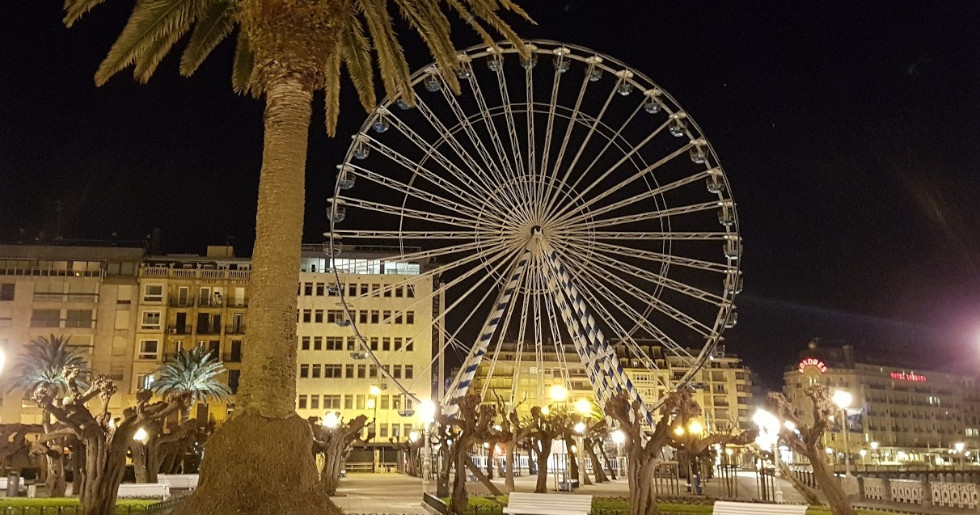
The 4 Best Cities in Northern Spain Written by Stephanie Mutsaerts Photos by Jesus Caso and Stephanie Mutsaerts Lying in Navarra and the Basque Country, and out to the west in Galicia – the 4 best city destiantions in northern Spain are not to be missed. With beautiful architecture, award-winning gastronomy and wine, a buzzing nightlife, phenomenal art and steeped in history, these cities are simply astounding. Whether sitting on a gorgeous coastline, or in the foothills of the Pyrenees, these four cities are surrounded by stunning natural beauty as well. Yet each one, due to its unique regional culture and surrounding landscape, is quite different from the others and provides an insight into the traditions and history of its area. Each of these destinations has its own soul and personality and its own compelling reasons for drawing people there. 1 – Bilbao the City of Architectural Wonders Bilbao is the de-facto capital of the Basque Country and encompasses the old and the new with stunning modern architecture such as Frank Gehry’s Guggenheim Museum and the Zubizuri Bridge, alongside the beautiful medieval buildings in the Casco Viejo at the heart of the city. As an industrial port, it is a cultural crossroads and has a thriving art and music scene. It is essential to visit the Guggenheim Museum, designed by the famous contemporary architect, Frank Gehry and opened to the public in 1997. Originally commissioned to spruce up a declining industrial port area, it is now one of the most admired and visited architectural wonders in the world and indeed one of the 4 best cities to visit in Northern Spain. On the other side of time, the Casco Viejo, or Old Town, in the center of Bilbao is a gorgeous series of tiny streets filled to the brim with lively cafés, bars and restaurants. The Siete Calles (Seven Streets) area is comprised of, well, seven streets that used to be the commercial center and a river port but are now a place to spend hours grazing on pintxos, shopping in boutiques and admiring the beauty of the old buildings. Worldwide Known Museums Apart from Frank Gehry’s Guggenheim Museum, there are many more museums to visit, such as the Archeology Museum, the Bellas Artes museum, and the unmissable Euskal Museum devoted to Basque Culture. There is also the Cathedral de Santiago, and the Gothic Basilica de Begoña as well as the Zubizuri Bridge. Just outside Bilbao, the stunning coastline has plenty more to offer, with nearby surfing beaches, plunging cliffs and the now famous Game of Thrones site, the hermitage San Juan de Gaztelugate. Bilbao is the perfect jumping off point to explore the enigmatic Basque Country and get a real taste of its heart and soul. 2 – San Sebastian the Seaside Gastronomy Star Another thriving Basque town, San Sebastian (Donostia in Basque) has become many a visitor’s new “favorite city”. Well-placed on the coast just across the French border, and just about an hour from Bilbao, San Sebastian has been lauded across time by authors such as Victor Hugo and Ernest Hemingway for its elegance, its relaxing beauty, and its excellent gastronomy. Sitting on La Concha (the Seashell) Bay, encircled by green hills and a sparkling blue sea, San Sebastian evokes old-time glamour. With wide promenades along sandy beaches, pretty architecture and a quaint old port, guests often feel they have stepped back in time. But don’t let that fool you. If you are thinking about visiting San Sebastian, do not miss this culinary tour to the hidden gems of the north San Sebastian hosts numerous festivals, including an important jazz festival and a star-studded film festival. As one of the rising stars of haute-cuisine, San Sebastian and the surrounding area boasts the greatest concentration of Michelin recommended and starred restaurants in the world. The lively nightlife and hundreds of pintxo bars give this area an incredible atmosphere. The beaches are covered during the day as people sunbathe and swim out to floats with waterslides or take up surfing in the generally forgiving waves. Sailboats and fishing vessels line the ports, and waves crash, sometimes rather spectacularly, on the rocks lining the coastal front of the city. One might wonder if they have, in fact, landed in a paradise. San Sebastian hosts numerous festivals, including an important jazz festival and a star-studded film festival. As one of the rising stars of haute-cuisine, San Sebastian and the surrounding area boasts the greatest concentration of Michelin recommended and starred restaurants in the world. The lively nightlife and hundreds of pintxo bars give this area an incredible atmosphere. The beaches are covered during the day as people sunbathe and swim out to floats with waterslides or take up surfing in the generally forgiving waves. Sailboats and fishing vessels line the ports, and waves crash, sometimes rather spectacularly, on the rocks lining the coastal front of the city. One might wonder if they have, in fact, landed in a paradise. 3 – Pamplona the Capital of Culture Pamplona is synonymous in the mind of non-Spaniards with its world-famous San Fermin festival, also known as the Running of the Bulls. This fiesta with its explosive party, non-stop music, dancing, drinking and eating, is steeped in traditions going back centuries, of which the bull run, or encierro is only one. This festival is not to be missed, as it is truly the experience of a lifetime and leaves many people mind-blown in its wake. Pamplona’s other claim to fame is as a major stop on the Camino de Santiago, as it winds down from the border of France in the Pyrenees and starts its march across the north of Spain to Santiago de Compostela. Pilgrims flow through the center of the Old Town, following the yellow or gold shell symbols you can find among the cobblestones. Their presence gives an authentic connection to living history. But Pamplona is a delightful city to visit all year round. With hundreds of bars and restaurants serving up world-class fare, and plentiful and delicious Navarran wines, the atmosphere in the streets is always sparkling and fun. You never know when a charanga band will go by belting out rousing traditional music, or when the main square will be covered in people dancing the traditional Navarran dances. Click here is you want to learn more ABOUT PAMPLONA. Ancient City Walls Historically, Pamplona was the capital of the Kingdom of Navarra and played an extremely important role in the formation of modern Spain. Because of its strategic location on the way over the Pyrenees and into France, it has been the site of many fascinating sieges and military campaigns over the centuries. This is why visitors can still marvel at the imposing 16th century defensive walls encircling the Old Town. Pamplona also has a magnificent Gothic cathedral (with a Neoclassical façade) in the center of the Old Town with beautiful relics and art work within, including the sepulcher of Charles III and his wife Eleonor. Pamplona also has several museums, including the Museo de Navarra which covers Navarran history from prehistory on up through the modern era with plenty of interesting art and artifacts. Though bullfights are only held during San Fermin, visits can be made to the imposing bullring where a guided visit will take you backstage to see how everything works behind the scenes. As a perfect base for exploring the rest of Navarra, and at the foot of the Pyrenees, Pamplona is overall so much more than just its world-famous festival. 4 – Santiago de Compostela Where the Pilgrims Go Santiago de Compostela is the endpoint of an epic spiritual journey, the Camino de Santiago pilgrimage. All routes lead here; it’s the gathering point of pilgrims from all over Western Europe and even farther afield. Even without a spiritual dimension, it is a deeply moving moment when people arrive at the end of their quest, often after weeks of walking across the north of Spain. Blistered, bleary from sleeping in dormitories and aching all over, yet accompanied by their fellow pilgrims, lifted by the joy of accomplishment, and buzzing with excitement, the pilgrims walk into Santiago de Compostela, one of the holiest cities in Europe, and the air is filled with this energy. There is nothing quite like it anywhere else. As a visitor, there is plenty more to absorb here than as simply a holy destination. Alive with its legends and mystique, a beautiful city surrounded by green fields and hills, Santiago is a pleasure to visit even in a non-pilgrim capacity. As the capital of the autonomous region of Galicia, it has a different feel from the rest of Spain. With its Celtic influence apparent in the music wafting across the squares and a local character defined by the weather and the sea – more akin to the shores of Ireland or Wales than to the southern provinces – Galicia is extolled as one of the finest, most unexplored areas of Spain to see, and Santiago makes the perfect starting point. The countless bars and restaurants spe cialize in delicious piles of fresh seafood and local wines, and as with most cities in Spain, there is a lively atmosphere at night, a beautiful center, and plenty of museums, such as the Cathedral Museum and the Pilgrim Museum, and the Museo do Pobo Galego – which gives a glimpse into the traditional Galician way of life with displays of architecture, fishing, agriculture, bagpipes, and traditional dress. Santiago de Compostela is another wonderful Spanish city among so many that the north of Spain has to offer. The Saint James Way If you are considering coming to the north of Spain and you would like to walk the Camino de Santiago pathway, we suggest you join one of your TOP Camino tours either on foot or by bike with Northern Spain Travel. Indeed Santiago de Compostela is one of the 4 Best City Destinations in Northern Spain Food and wine tours that will not leave you indifferent For those who enjoy rich and varied gastronomy and culinary traditions and at the same time reveal the true character of northern Spain we recommend the Northern Spain Travel Luxury Experiences tours that take you into the heart of the region visiting secret culinary gems hidden deep in the North of Spain.
8-Day Luxury Walking Tour in Menorca
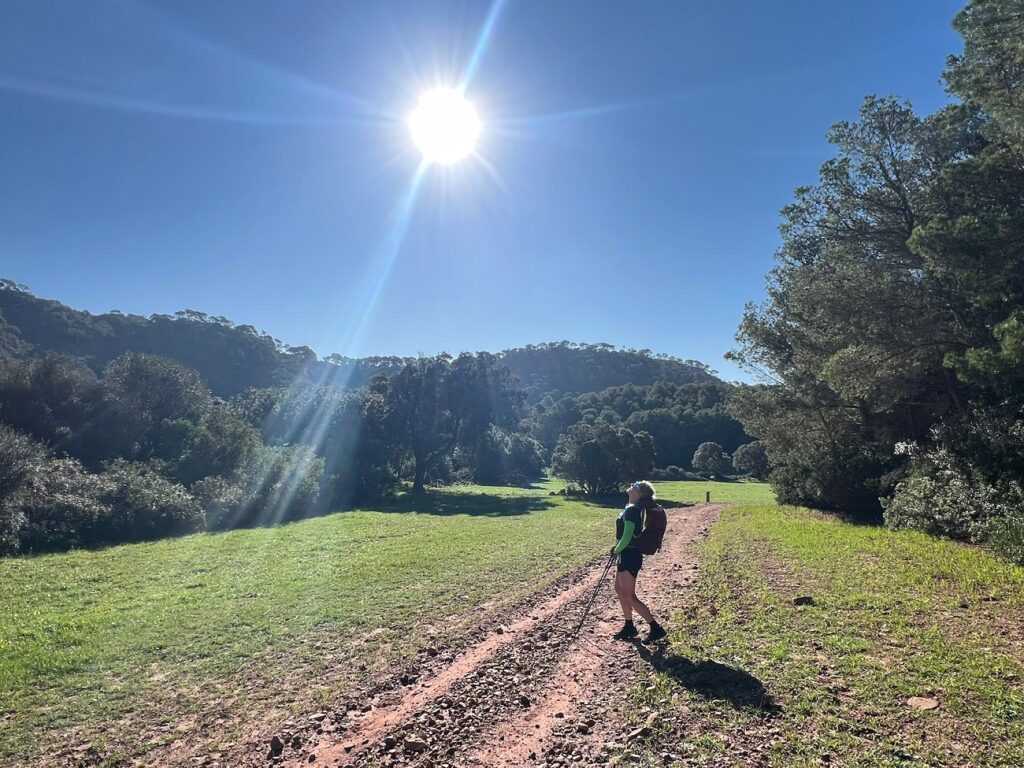
A Journeys with Soul: Menorca Article written by Stephanie Mutsaerts Northern Spain Travel Presents The 8-Day Walking Menorca Journey Learn more about this tour Journeys with Soul: Menorca A Walking Pilgrimage of Flavor, Silence, and Stone For eight days, Menorca unfolds not as a destination, but as a presence. You walk along its rugged coasts and through ancient pine forests, guided not by a map, but by the sound of wind in fig trees and the scent of wild rosemary. This is a journey for those who travel not to escape, but to encounter — the land, the silence, the self. Explore the lure of Menora with Northern Spain Travel. Menorca: A Hidden Jewel of Tranquil Luxury and Timeless Beauty Far from the bustling crowds of its Balearic sisters, Menorca is a sanctuary for discerning travelers seeking unspoiled nature, refined experiences, and quiet elegance. Designated a UNESCO Biosphere Reserve, the island offers a harmonious blend of wild Mediterranean landscapes, ancient history, and sophisticated charm. For hiking enthusiasts, Menorca is a dream. The legendary Camí de Cavalls, a historic coastal path encircling the island, guides you through a kaleidoscope of dramatic cliffs, pine forests, hidden coves, and rolling hills. Each step reveals a new vista — from turquoise waters framed by rugged rock formations to sweeping countryside dotted with wildflowers and ancient stone walls. Whether you’re trekking a gentle inland stretch or exploring cliffside trails with panoramic sea views, the serenity is unmatched. Gastronomy in Menorca is a deeply rooted and elegant affair. The island’s culinary tradition combines rustic authenticity with modern sophistication. Enjoy fresh-caught seafood, artisanal Mahón cheese, and local delicacies such as caldereta de langosta (lobster stew) in refined seaside restaurants or charming rural fincas. Pair every meal with excellent Balearic wines or a crisp gin tonic made with the island’s own Xoriguer gin, a nod to its British heritage. The true luxury of Menorca, however, lies in its peaceful rhythm. There are no loud parties, only sun-drenched days, golden sunsets over silent coves, and star-filled nights. It’s a place to slow down, reconnect with nature, and indulge in life’s simple yet profound pleasures — all in an atmosphere of understated elegance. Menorca is not just a destination — it is a retreat for the soul. Day 1: When Arrival Feels Like Belonging Mahón, is the island’s capital, where a soft light kisses honeyed stone walls. A private transfer takes you to a boutique hotel where linen curtains flutter with the sea breeze. The pace is already different here. In the afternoon, a private historian walks you through Mahón — its neoclassical façades, hidden staircases to the water, stories carved into limestone. As the sun drops, a private wine tasting offers the first sip of Menorca’s quiet richness. Whites cooled by sea air, reds rooted in clay. Local cheeses complete the ritual. Local Insight: Mahón’s history as a British stronghold lives in its architecture — and in its gin. Mahón’s history as a British stronghold lives on vividly in its architecture — and unmistakably in its gin. During the 18th century, when the British ruled Menorca, they left behind a distinct legacy: elegant Georgian-style buildings with sash windows and neoclassical facades that still define the town’s charm today. But perhaps the most enduring (and enjoyable) remnant is Xoriguer gin, a spirit crafted using traditional copper stills and infused with juniper berries. Originally created to satisfy the tastes of British sailors, Mahón’s gin has become a beloved symbol of the island’s unique cultural fusion and timeless character. Northern Spain Travel invites you not just to visit, but to experience Menorca — with heart, mind, and palate open. Day 2: Listening to the Wetlands From Cala Mesquida, the Camí de Cavalls leads into the s’Albufera des Grau Natural Park — a protected haven of marshes, cliffs, and hidden birdsong. Your guide moves slowly, letting the silence speak. Booted eagles soar above; lizards skitter below. By midday, you reach the stark elegance of the Favàritx Lighthouse. Here, the sea meets stone in a lunar dream. A picnic lunch tastes of olive oil, fresh bread, and the wild. In the afternoon, the Isabel II Fortress welcomes you with silence and wind — a monument to history and resilience. Northern Spain Travel Tip: Let the breeze at Favàritx guide your thoughts. It’s the kind of place that clears them. This is not a walking tour. It is a pilgrimage of senses. A journey with soul. Day 3: Clay Paths and Cliffside Wonder From the golden sands of Arenal d’en Castell, you trace the island’s northern spine — red earth underfoot, sea-glass waters to your right. The path climbs and curls through pine forests and dry stone terraces, toward Cavallería Beach. Here, you pause. Swim. Breathe. The clay cliffs are good for the skin and better for the soul. Afterward, you’re driven west to Ciutadella — a city of candlelit streets and Moorish echoes. A private walking tour with a local guide brings its stories to life. Evening suggestion: Let Ciutadella’s quiet alleys guide you to a tucked-away seafood tavern. No reservations. Just intuition. Day 4: Red Sands and the Geometry of Stone Today’s trail takes you from Cavallería to Cala del Pilar — one of Menorca’s wildest beaches. Reddish sands. Turquoise water. Silence layered in cicada song. Later, you visit Lithica — a former stone quarry turned labyrinth of art and shadow. You walk among carved geometry, cooled by walls that once held sea fossils. It’s not a monument. It’s a meditation. Local Hero: Margarita, the curator, speaks not of construction but of listening. “The stone knows more than we do,” she says. Evening is yours. Ciutadella waits, with its flickering lamps and open doors. Day 5: Memory Etched in Rock You hike along cliffs toward Cala Morell, where the past is carved into the earth. The Necropolis — a series of ancient burial caves — feels less like a ruin and more like a whisper from another time. Lunch arrives with sea views at a quiet cove. In the afternoon, choose your own experience: an archaeological walk, a tasting of Menorcan preserves and wines, or perhaps stargazing under skies that knew the Phoenicians. Flora Note: In spring, wild orchids line the trail like secrets waiting to bloom. Menorca is a haven for nature lovers, and one of its most enchanting treasures is the abundance of wild orchids that bloom across the island, especially in spring. With over 25 species found in its meadows, forests, and coastal paths, these delicate flowers add a splash of color to the island’s already rich biodiversity. From the striking Bee Orchid to the rare Man Orchid, each species reveals a glimpse into Menorca’s untouched ecological heritage. As part of its UNESCO Biosphere Reserve status, the island offers a uniquely protected environment where these botanical gems can flourish in serene, natural beauty. Day 6: Of Cheese, Stone, and Silence From Cala Morell, the trail winds toward the rugged west — past stone huts, grazing sheep, and a stillness shaped by wind. Punta Nati Lighthouse stands at the edge, unwavering. Your afternoon unfolds on a family-run estate. Beneath fig trees and tiled roofs, you taste artisan cheeses, sip local wines, and hear the stories of generations tied to this land. Travel Tip: Be sure to check out the circular dry stone constructions, a technique traditional to Menorca and other Mediterranean regions. This specific formation, with its stepped, circular, almost pyramid-like shape and surrounding curved wall, is a modern artistic interpretation or sculptural installation inspired by ancient Talayotic and dry stone architecture. It’s likely part of an interpretive or cultural walking route on the island — perhaps along the Camí de Cavalls, where art and nature often merge. These constructions celebrate Menorca’s UNESCO-recognized dry stone heritage, which uses no mortar and showcases the skill of shaping and balancing local stone. Day 7: Coves of Farewell On your final walk, you follow the island’s southern coast — Cala Macarella, Cala Turqueta, Son Saura. Water like cut glass. Sand fine as flour. Each cove is a farewell in slow motion. You lunch by the sea, your steps now measured not by distance, but by gratitude. Back in Mahón, your last night invites reflection — and perhaps one final toast. Day 8: The Quiet Departure You leave not hurriedly, but softly — with sun on your skin and salt in your hair. The landscapes of Menorca have walked with you. And you, with them. This is not just a holiday.It is a return — to stillness, to taste, to self. Photos by Stephanie Mutsaerts
Best Food Tour in Pamplona – Pintxos, Markets & History (4 Hours)
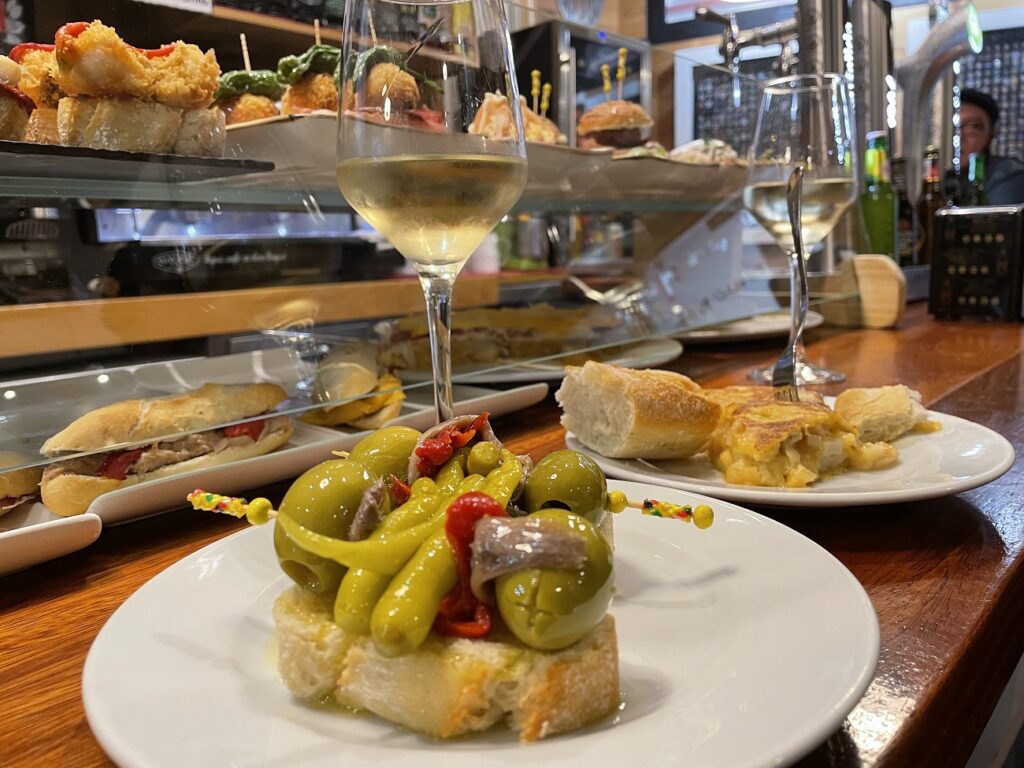
Discover Pamplona in 4 hours with a top-rated food tour Pintxos, markets, history, and views. Taste Navarra’s best flavors with a local expert guide. Article written by Stephanie Mutsaerts Northern Spain Travel Presents Book your Pamplona food and pintxos tour today and experience the city through its flavors and stories! Learn more about this tour Best food tour in Pamplona A perfect blend of gastronomy, culture, and sightseeing Looking for the best food tour in Pamplona? Taste your way through the historic Old Town with this 4-hour pintxos and culture tour—perfect for food lovers who want to explore Pamplona’s top flavors and landmarks in just one afternoon. Explore the lure of Pamplona with Northern Spain Travel. What’s Included: Pintxos & Wine Tasting at 4 Iconic Bars Savor the best traditional and modern pintxos paired with local wines at four legendary bars in Pamplona’s Old Town. A true taste of Basque and Navarrese cuisine. Guided Visit to Santo Domingo Market Explore Pamplona’s main market with a local expert. Discover fresh produce, regional cheeses, cured meats, and local delicacies. Visit Gourmet Food Shops Step inside authentic Navarrese food shops. Learn about and taste signature products like pacharán, piquillo peppers, artisanal conservas, and wines. Walk Through Pamplona’s Three Medieval Boroughs Uncover the history of Navarrería, San Cernin, and San Nicolás, the original neighborhoods of the city. Full of charm, legends, and local life. Cathedral Quarter & Optional Visit Inside Visit the Cathedral of Santa María la Real and its surroundings. If open, we’ll explore the stunning interior and cloister. City Walls Viewpoint Stop Enjoy panoramic views from a viewpoint overlooking Pamplona’s historic city walls, one of the most complete medieval fortifications in Europe. Why Choose This Pamplona Food Tour? A perfect blend of gastronomy, culture, and sightseeing Small-group experience with a local expert guide Ideal for first-time visitors or those short on time Taste the best of Navarra’s cuisine in just 4 hours Northern Spain Travel invites you not just to visit, but to experience Pamplona— with heart, mind, and palate open. Why Pamplona is a Must-Visit for Food Lovers Pamplona is not only famous for the Running of the Bulls, but also for its rich culinary traditions. Nestled in the heart of Navarra, this city offers a unique blend of Basque and Navarrese flavors, world-class pintxos bars, and vibrant local markets. From aged cheeses and premium wines to farm-fresh vegetables and artisanal meats, Pamplona is a true paradise for foodies. Whether you’re visiting in summer or winter, a guided food tour in Pamplona is the best way to discover local ingredients, meet passionate artisans, and experience the authentic taste of northern Spain. Looking for what to do in Pamplona in one day? This food and culture tour is your perfect plan. Explore Pamplona Through Its Food & Stories If you’re searching for the best things to do in Pamplona, a local food tour is a must. Walk through the city’s charming Old Town, taste award-winning pintxos, and learn about Pamplona’s rich medieval history, all in one immersive experience. This tour isn’t just about eating—it’s about connecting with the culture, understanding regional ingredients, and seeing the city from a local’s perspective. With stops at top-rated bars, the central market, and scenic viewpoints, you’ll leave with a full belly and a deeper appreciation for what makes Pamplona truly unique. Perfect for travelers, foodies, and cultural explorers alike! Photos by Stephanie Mutsaerts