
Ride and Learn Some Basque Words Along the Way
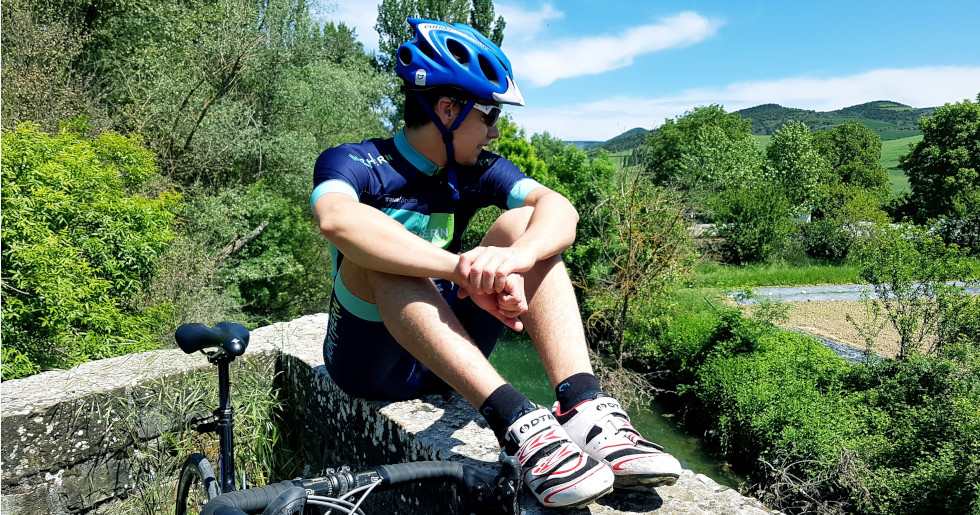
Written by Stephanie Mutsaerts Photos by Jesus Caso and Stephanie Mutsaerts A Virtual Bike Ride Take a bike ride while immersing yourself in Basque culture and language: Road bike with Tasio – a young, energetic cyclist who grew up in the Basque country and was educated in the Basque language. He will teach you some Basque words as you cycle with him through this gorgeous region of Northern Spain. We will ride through the Valley of Lizoain and up to the summit of Mount Erro. Along the way Tasio will introduce you to the differences between Basque and Spanish names of the villages we ride through. Learn a bit of Basque before you arrive… Have fun learning a bit of the language from the part of the world you are traveling in. Immerse yourself in the Basque language! Traveling is one of the greatest joys in life. Explore the world and have fun learning a bit of the language you are traveling in. It is said that the best way to learn a language is to immerse yourself in it. Unfortunately, not all of us can afford to spend months in a country where a different language is spoken. Don’t get discouraged, though. It’s still fun and easy to learn a little bit of the local language as part of the experience of travel. There are multitudes of reasons for learning to speak a few words in the language of the country you are traveling to. The most significant benefits include: You learn the cultural context of the language and its everyday use in ways not available through a textbook. The more you learn about the language and its use, the more you are able to immerse yourself in the culture that surrounds you, thus expanding your understanding of the people and their customs. You can meet new people. You can instantly reap the benefits of learning, as you will be able to communicate more easily with the people around you. Studies show that learning a new language produces a memory boost resulting from growth in the cerebral cortex and hippocampus, the areas in the brain responsible for memory. Cycling Northern Spain Cycling through northern Spain is one of the most rewarding trips you could experience. Here are some of our suggestions for exploring this amazing region: Camino de Santiago by Road Bike Flowing over with medieval beauty and transcendent history , the north of Spain is unlike anywhere else in the world. Following the Camino de Santiago on your bike is pure magic, a challenge, and total joy. Biking Navarra to the Basque Coast The perfect combination of the best of cycling, gastronomy, culture, and refinement. Northern Spain Travel takes you road biking through Navarra and into the Basque Country with a final day on the coast in the elegant city of San Sebastian. Immerse yourself in Basque and Navarra culture and language!
What to Do in Northern Spain
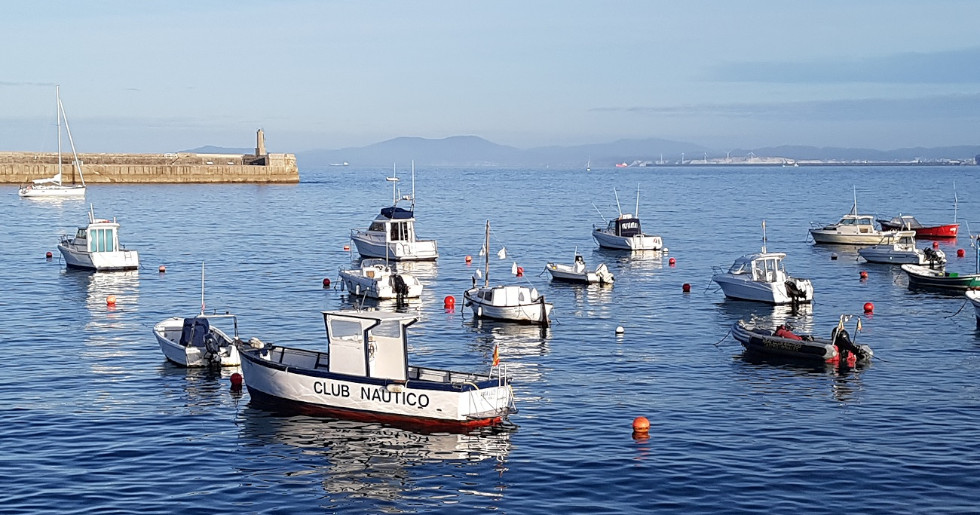
Written by Stephanie Mutsaerts Photos by Jesus Caso and Stephanie Mutsaerts Often people think of Spain and what comes to mind is flamenco and guitars or the Alhambra in Granada, or the architecture of Barcelona. But in northern Spain, there is not only a unique and rich culture full of music and history, and a lush green landscape thanks to the plentiful rains, but also an abundance of activities to occupy every type of traveler. This allows them to experience the culture, traditions and beauty of the region in many different and diverse, fun ways. Whether you like to glide through mountains on a bike, or surf on easy, sandy beaches, hike an ancient pilgrimage route, or play a round of golf, there are endless activities on offer in northern Spain, adaptable to anyone’s level or desires. Cycling in Northern Spain Whether you are a passionate pro rider or an enthusiastic novice, the north of Spain has enough bike paths of every kind to keep you happy: sleek roads or gravel, packed dirt, cobblestones, or mud and rock. Taking you through the stunning Pyrenees scenery and vibrant cities, along sweeping coastlines and through enchanted forests, this area has everything to offer cyclists. The opportunity to stay in top-notch hotels and eat at the best restaurants, along with immersion in the traditional ways of life and cultures, allows cyclists to really enjoy and understand this part of the world. It is noted throughout Spain as the best area for cycling, and the drivers show respect for people traveling on two wheels. It is common on the weekends to see plenty of riders flying down smooth, hilly roads, or pumping up a steep mountain pass. For more relaxing rides, there are the Via Verdes, a series of routes made on old railroad tracks, which are generally flat and fun for families to cruise along. You can follow the coastline and enjoy the vistas and beautiful sandy beaches. The Tour de France often dips down into this area, and La Vuelta, Spain’s annual bike race always includes a portion in the Pyrenees. It is also possible to join the famous Camino de Santiago, and bike with other pilgrims on this historic path. There is no question that if you love cycling, you will be blown-away by the options for world class riding in northern Spain. Hiking and Trekking in Northern Spain There is no doubt that the Camino de Santiago is now one of the most famous hikes in the world. Winding down from France, through the Pyrenees or down along the Basque Coast, this route is actually a pilgrimage. Dating from the medieval era it was, even then, the third most trodden pilgrimage route only after the ones to Rome and Jerusalem. There is evidence that it was a route long before that, according to one legend, as a path following the Milky Way to the end of the Earth. In any case, it is an ancient road, and hiking along it with the other pilgrims through history is an incredible experience, even if just for a day or two. But that is not even close to all of what northern Spain has to offer hikers. Extensive trekking and hiking can be done in the Pyrenees, allowing even the most intrepid to explore wild forests and the top of mountain peaks. Or, walk through the rolling vineyards of Rioja, passing through tiny medieval villages on your way to sampling delicious wines at 300 year old wineries. The coast of the Basque Country is another beautiful area to hike, with views of the Cantabrian Sea and the wide sandy beaches. Stopping for a fresh seafood lunch in a pretty fishing village is one of life’s great pleasures. Plentiful accommodation and high quality eateries make hiking in northern Spain accessible to everyone, including families with children and less avid hikers. Ocean Adventure in Northern Spain Basque Country sits facing the Atlantic Ocean, looking north and westwards, offering a long and beautiful coastline lined with sandy beaches, festive beach towns, and a surfing culture dating back to the 1960s when it trickled down from France’s Basque surf city, Biarritz. By the 70s several “tribes” of surfers had formed up and down the coast at beaches such as Gros, Zarautz, Bakio and Sopela. Zurriola Beach in San Sebastian attracts surfers from all over the world who can take surf lessons and then enjoy the fun nightlife. There are also opportunities to kite surf and windsurf all over that area with schools providing private or group lessons. For the truly adventurous, there are numerous diving shops which take people out to scuba dive and visit rock caves or to look for blue sharks. Sailing is another popular and accessible activity with a fishing and mariner culture that is still thriving. Sailing along the coast into the harbor of San Sebastian at sunset while sipping sparkling wine and eating fresh sardines on bread is unbeatable. For more of a taste of Basque culture, the trainera is a type of traditional rowing boat originally used for fishing in rough seas, but now it has become a popular racing sport with annual competitions called estropadak in Basque (trainera regatta) where 13 oarsmen and women fight it out through waves and choppy seas to be number one. This competitive tradition can be traced back to the fact that the first fishermen arriving from a day at sea would usually get the best prices at the market for their catch. It was essential to be among the first vessels to arrive. Of course there is one last “water sport” and everyone’s favorite: luxuriating on the beach in the sun all day and going for relaxing swims in the blue sea. La Concha beach in the heart of San Sebastian’s Old Town is the perfect spot for this, with a pontoon to swim out to that has water slides, and a great atmosphere. Or you can go further afield along the coast and find wide, empty beaches to have to yourself. Adrenaline in Northern Spain If you are looking for a good rush or two, the north of Spain will not disappoint. Equestrian activities are abundant, with horseback rides over longer distances, or dressage and jumping lessons. Amble through beautiful countryside and medieval towns, through woods and vineyards, past castles and Romanesque churches on well-trained and well-kept horses. Spanish culture is still deeply connected to horses and riders’ expertise and love of them is clear. If speed is more up your alley, there is skiing and snowboarding in the Pyrenees mountains in the winter easily accessible from Pamplona. If you like to get airborne, there are many paragliding schools in the Pyrenees and the best in all of Spain where you can do a tandem jump with an experienced professional. Soaring high over the mountains and forests of the Pyrenees is simply magical. The Pyrenees also provide great rock climbing, both sport and trad with hundreds of accessible routes for all levels. And of course, if you are very brave (or crazy enough) the north of Spain has numerous summer village and town festivals where you can try to run with the bulls. The most famous bull run is in Pamplona during the San Fermin festival, but plenty of smaller towns have their own encierro (bull run) which are always much less crowded and free of other tourists. This is a truly dangerous activity with no guarantee of safety but it is an incredibly moving and traditional local experience that will provide an adrenaline rush for hours following. Even the spectators get a thrill and a buzz from the event. Whatever your taste in intrepid activity is, northern Spain has some of the best. Relaxing Activities in Northern Spain There are plenty of options for those who prefer to have a relaxing time in northern Spain. There is a culture of hot baths going back to the last century when people came to unwind and relax or recover from health issues. The spas in the area carry on this tradition with plenty of luxury options attached to hotels in beautiful locations. San Sebastian has a famous therapeutic bath house on La Concha beach, where you can move from cold pools to hot pools or out onto the beach to go for a swim in the sea before returning to the baths again. The salt baths at ElGorriaga Hotel and Spa are also divine and will melt away all the stresses of life. Get in lots of massages and treatments so you return from your trip refreshed and glowing. Yoga is also on offer all over the north of Spain. Yoga can be therapeutic as well as great for fitness and flexibility in a gentle way. Breathe deeply, stretch and sweat out the troubles of life on the mat at numerous locations and retreats. And finally, there is golf in La Rioja wine region, on the Basque Coast and Navarra inland in Ulzama. In Conclusion Northern Spain is the perfect place to do any of these activities. With less tourism than other parts of Spain, you can really get immersed in the culture, gastronomy and history, as well as have fun and relax. The area also boasts amazing coastal hikes and even the chance to hike on the Northern Route of the Camino de Santiago. The Basque Coast Hiking Tour gives you the chance to sail into San Sebastian in style on an antique sailboat, docking in the Concha harbor for swimming and sunbathing before a night of pintxos, wine and nightlife. For incredible scenery and luxury accommodation cycle along the Basque coast on the Navarra to the Basque Coast Tour. A Feast for the Senses, is a chance to learn from the best chefs at a private show cooking and dinner experience at a local gastronomic society, so you can take home some of the skills to create the food you enjoyed so much. Regardless of your style of travel, whether meandering and luxuriating or cycling and high activity, or a good mix of both, the one thing that will blow everyone away is the unending brilliance of the local cuisine couched in warm hospitality, in all its forms. If you are looking for an adventure Northern Spain Travel will certainly create one that is just right for you.
Cycling the Northern Spain Coast
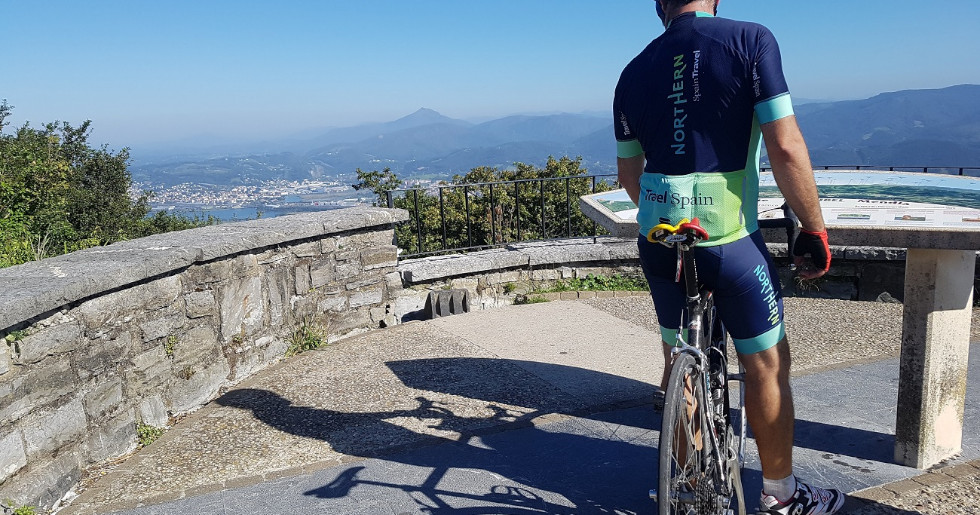
Written by Stephanie Mutsaerts Photos by Jesus Caso and Stephanie Mutsaerts Road bike cycling along the northern coast of Spain is among one of the most delightful and rewarding routes Spain has to offer. Not only does it provide endless views of seascapes along plunging cliffs and forested hills, but it brings you through an area of Spain that is spilling over with culture and world renowned gastronomy, Michelin starred restaurants, and delightful fishing villages serving up exquisite platters of seafood and locally made cider or txakoli. Roll along quiet coastal roads or push yourself on challenging routes with sustained climbs and steep hills, all in an area known for its wide empty beaches and dramatic views. At the end of the day the plentiful hotel and dining options range from charming and rustic to world-class luxury. Cycling the Northern Coast Camino de Santiago Cycling in the north of Spain, inevitably, brings riders in contact with the famous pilgrimage route of the Camino de Santiago, or Saint James Way. The Camino de Santiago follows a path that has existed since ancient times – and is even said to have been an early path following the Milky Way to the end of the Earth – but became an official Catholic pilgrimage route in the Middle Ages. Following yellow shell signs across the north of Spain, most people walk it, but the bicigrinos (bicycle pilgrims) are becoming more and more prevalent, with thousands completing the entire route each year. People travel from all over the world to walk, bike, or even ride horses – and hilariously enough occasionally camels – the several hundred kilometers across parts of France and Spain. Whether for spiritual or personal reasons, the challenge of completing the Camino is for some, if not most, the experience of their lifetime. One of the most beautiful routes for cycling the north of Spain coast, called the Northern Route, follows the northern coast of Spain down from the border of France, by Irun, through San Sebastian and past Bilbao. It continues for hundreds of kilometers, but the most spectacular parts are definitely the coastal parts. Joining this route even for a day or two is an experience of a lifetime, as you feel the joy of communion with the centuries of pilgrims before you. Cycling alongside a Food Culture on the Northern Coast Another great advantage of cycling around the north coast of Spain is without a doubt the spectacular gastronomy. Cycling from one incredible culinary city to the next, in an area with the second most Michelin starred restaurants in Europe, not to mention the delicious local cuisine and fresh ingredients from the earth and sea, it is nearly impossible to go wrong. Even the most simple dish seems to be infused with magic in this area and bursts with flavor. The local pintxo culture means evening meals can simply be drifting from bar to bar eating the varied and unique Basque tapas and sipping on local txakoli a sweet lightly sparkling white wine, or a glass of local cider. Whether you explore the sophisticated yet beachy San Sebastian seeking out the best pintxos after a day of riding, or sit for a five course three star meal at a top restaurant, or go rustic and enjoy a sidreria meal of wood fire grilled steak and bottomless cider, there is no end of ways to replenish your energy each day with the actual best food in the world. If you are looking for idyllic road biking, whilst exploring the culture, landscapes and authentic gastronomy this region has to offer, then Navarra to the Basque Coast is a road biking tour you are sure to love. La Vuelta España on the Northern Coast In 2020 Spain’s biggest bike race, usually just referred to as La Vuelta, will be running from August 14th to September 6th, is made up of 21 stages, and will cover a total distance of 3245 kilometers. Most of it will take place in the north of Spain (and a little bit in France and Portugal), with 5 mountain stages, and 6 hilly stages. Running through Pamplona as well as by Logroño and the Basque Country, these routes are accessible to everyone. One of the most beautiful routes they will cover is along the Basque coast from the border of France to a pretty village deep in the Basque countryside. The world renowned cycling team Movistar trains in this region for good reason and the Tour de France also regularly dips into this part of northern Spain, along this same coast. These road routes are undeniably some of the best in Europe. Whether you are a passionate pro rider or an enthusiastic novice, the north coast of Spain has enough bike paths of every kind from sleek roads to gravel and packed dirt to cobblestone or mud and rock. Taking you through stunning scenery and vibrant cities, along sweeping coastlines and enchanted forests, by empty beaches and quaint fishing villages, this area has everything. The opportunity to stay in top-notch hotels and eat at the best restaurants along with access to traditional ways of life and exposure to the wonderful and welcoming local culture, allows cyclists to really understand this part of the world, to experience its living history and to partake in its daily rituals. Cycling the north to the coast of Spain is one of the most rewarding trips you can experience. Here are some of our suggestions for exploring this amazing region: Biking La Rioja to the Basque Coast that takes you deep into the part of Spain where ancient routes cross golden fields and wind through medieval cities. Cycle from Rioja, through rolling vineyards, on parts of the legendary Camino de Santiago, skirting the foothills of the Navarran Pyrenees, and on to the Basque Coast and the town of San Sebastian on the sparkling blue sea. Biking Navarra to the Basque Coast which is the perfect combination of the best of cycling, gastronomy, culture, and refinement. Northern Spain Travel takes you road biking through Navarra and into the Basque Country with a final day on the coast in the elegant city of San Sebastian.
The Weather in Northern Spain
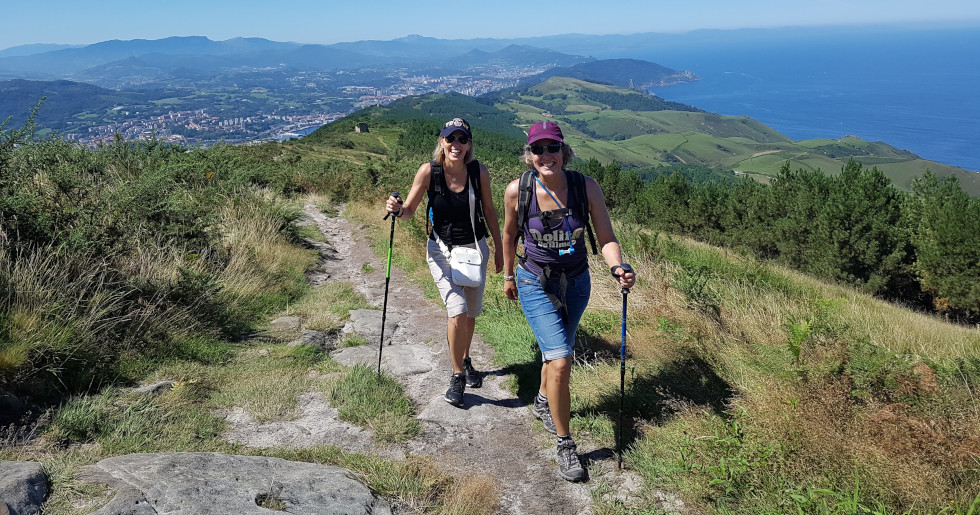
The Weather in Northern Spain Written by Stephanie Mutsaerts Photos by Jesus Caso and Stephanie Mutsaerts Are you planning a trip to Northern Spain? Then you absolutely must look at the one week Northern Spain Tour. The best time to visit northern Spain depends on your passions and your timing options and, of course, the weather. If you are looking for warm days and blue skies the best time to visit northern Spain is the months of June through to late November. But there are other options and Northern Spain Travel offers a series of travel ideas, some of which work well at other times of the year. The “best time of the year” could be any time! The High Season – from June to late September You will be pleasantly surprised by how great the weather is in the high season even though the variations in altitude and overall topographical differences of the region give rise to several mini- or micro-climates. Many travellers select Spain as their travel destination because of its reputation as a good weather destination where the sun shines all year round but this reputation does not always hold true, especially in the north where weather can be a little more unpredictable. It is recommended that you research the regional weather predictions before taking your travel decisions. So – its OK to think about the weather…. If what you are looking for is a high season travel destination that is not overly crowded, the north of Spain should be your choice. While in July and August, tourist-tangled destinations like Barcelona or Valencia are experiencing high humidity, and provinces in southern Spain are suffering from high temperatures, the north of Spain offers temperate weather conditions….so your best choice for both city and country destinations which are not overcrowded must surely be Northern Spain. You want a high season destination but want to avoid a sunburn? Then the north of Spain is a great option. Of course, wherever you choose to travel, applying sun block and avoiding the direct sunlight at peak hours is important, but the north of Spain offers destinations that keep sun intensity to a more comfortable level. As already stated, the north of Spain has a variable climate depending on the specific destination that you have in mind and the time of year you wish to be there. This article briefly describes different places to visit and events that you may wish to participate in – so possibly the best reason to come to northern Spain. The Weather in the Pyrenees Parts of northern Spain, such as some sections of Aragon and Navarra which are in the Pyrenees, form one of the most mountainous regions of Europe. Some areas offer warm days and cool evenings. Temperatures in the heart of the Pyrenees can reach highs of 38C and lows of 10C degrees, but in general you can expect an average temperature of 26 degrees Celsius/centigrade. You wish to go cycling and hiking? Take a look at this biking trip in North of Spain The weather on the Atlantic Coast For more information on what you can do in northern Spain, check out Northern Spain Travel. The climate of the Atlantic and Cantabrian (Galicia, Asturias, Cantabria and the Basque Country) is predominantly a maritime climate, where you can expect warm summers and mild winters. The humidity level is lower than on the Mediterranean coast, but there may be more cloudy days. The best time of the year to visit the coastal region is between June and November when the weather is generally unbeatable. But then, of course, the weather can be unpredictable even in the summertime. The Weather in the La Rioja Wine Region The weather in the wine regions of Navarra and la Rioja during the months of June to late November typically ensures the optimal months for visiting the area. In autumn these regions are paradise for wine lovers. The autumn weather is mild and the wineries are at their peak activities of harvesting the grapes. The vineyards turn from green to spectacular orange, ochre, and red, thus making the wine regions ideal for wine exploration in the months of October to mid-November. Expect to enjoy the comings and goings of tractors loaded with ripe grapes, and a sweet scent of wine on the breeze. In conclusion, the best time of the year to visit the northern region of Spain is from June through to late November, these being the warmest months of the year, but within this wider time frame you may narrow your selected months depending on the specific regions of the north you would like to explore and the activities you wish to engage in. Weather for Golfing in Northern Spain The north of Spain, within its diversity of landscapes, offers some excellent golf courses making this a true paradise for golfers – there are many jewels in the rough (yes, pun intended!) that are not widely known and are pleasant surprises to those who have come to this region with their putters and golf clubs. Just a one hour flight out of Madrid, Barcelona or Frankfurt, the airports of Bilbao, Pamplona, Vitoria or Biarritz will bring you to the golf courses along the Cantabria Coast, in the wine region of la Rioja, or the medieval landscapes of Navarra. While some months are better than others for golfing in The north of Spain, as all true golfers know, any time of the year is a good time to be out on the course! During the summer months from June to November, the temperatures can range from 20 degrees Celsius to 40oC depending on the region you choose to visit for your golfing pleasure. In the months of July and August, the wine regions of Navarra and La Rioja can easily reach upward of 40 degrees which for most is a little too hot, however, golf in these regions in the months of June, September, October and November is considered ideal. Perhaps choose the months of July and August for golfing in the coastal Basque lands and the Baztan region of Navarra which remain cooler and where the sunshine is your happy companion. Thinking of travelling to Northern Spain? In conclusion, the best time of the year to visit the northern region of Spain is from June through to late November, which are the warmest months of the year, but this will depend on the specific regions of the north you would like to explore. For more information on customized travel in northern Spain, check out Northern Spain Travel.
Are Kids Born Adventurous?
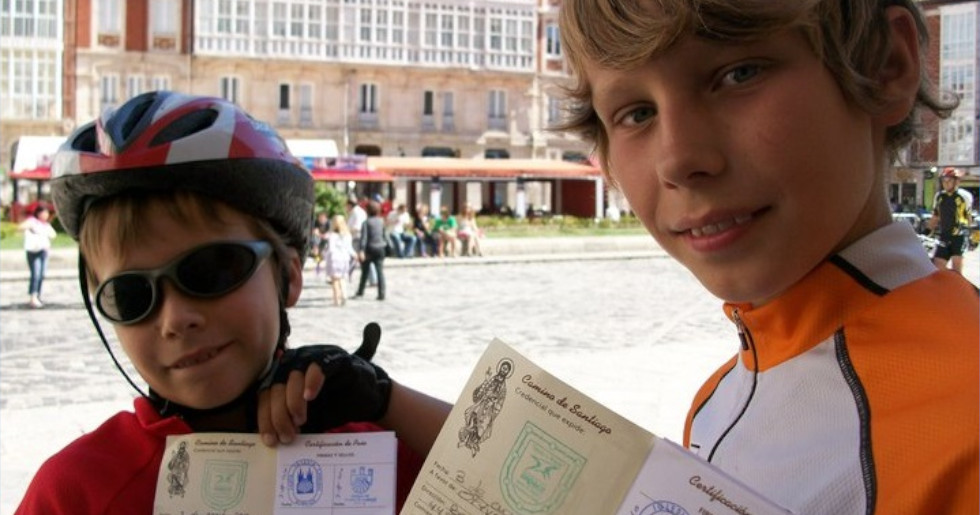
Are Kids Born Adventurous? Written by Stephanie Mutsaerts Photos by Jesus Caso and Stephanie Mutsaerts Bring out the adventurous side of your kids! One of the many questions we at Northern Spain Travel have posed ourselves is whether children are born adventurous, or do they have to be taught? To answer this, we have created three posts written in coordination with an NST video series of my kids doing the Camino de Santiago by bike. My name is Stephanie Mutsaerts, the founder of Northern Spain Travel, and these are my two Spanish – Canadian kids. The videos in this series represent what we at Northern Spain Travel do and stand by today, but also they are sweet morsels of our experience thirteen years ago when I travelled by bike along the Camino de Santiago with my sons Oliver, age 9, and Tasio, age 6. A pathway of pleasure travel This was our first Camino de Santiago trip and every day was an adventure. If you asked them today which of the many adventures we have experienced together they loved most, they would without hesitation select this particular journey on the Saint James Way. They are now 22 and 19, and that spirit of adventurer that we developed as a family is with them to this day. Give your kids the tools to live and learn under challenging situations Are kids born adventurous? The answer to this is yes, but also no. More often than not this quality that is attractive in a grown up can be fostered in kids at a young age. Over time, through exposure to exploration – a word that can be applied to many different life experiences – children become more open to new experiences as adults. Allowing children the opportunity to learn through doing, watching, and exposure to adventure, gives them a chance to shine. Will this be too difficult for my kids? True as that may be, when we demand more from our kids than they are comfortable with, or if we see them resist participation, we need to be soft and hard at the same time. I have exposed my children to so many adventurous experience because I am incredibly passionate about those things. I want to foster the same passion deep within them. Although it’s not always easy to do, focus your efforts on making them feel comfortable about what they are doing – actually what you are all doing together. Skill and confidence will naturally follow from this approach. This is all part of the slow travel concept. We have plenty of time to do adventurous activities on their terms. We Are the Champions! My kids and I would sing songs like “We Are the Champions” when the going got tough. The spirit of peddling hard to make it up the hill and the ensuing praise of their achievement would mean the world to them. We would celebrate our day’s outing on the Camino de Santiago with a trip to the ice cream parlour or a delicious foot and back massage. By praising my kids’ adventurous accomplishments they come to understand that qualities such as bravery, resilience, and effort are valuable and useful and that hard work pays off. These attributes evolve into willing and keen little adventure machines, ready for more action and more challenges. Help your kids find resilience within themselves Happy Trails! Honestly, this is the biggest key to just about anything with kids. As you know, we’re big believers that outdoor family adventures shouldn’t have to end when we have kids, so our kids have been adventuring along with us since birth. They are constantly exposed to the outdoors, so much so that they’re often more comfortable there than they are indoors. They learn by watching us, by experiencing life side-by-side with our whole family. Join us on a bike journey for familes
Camino de Santiago with Kids
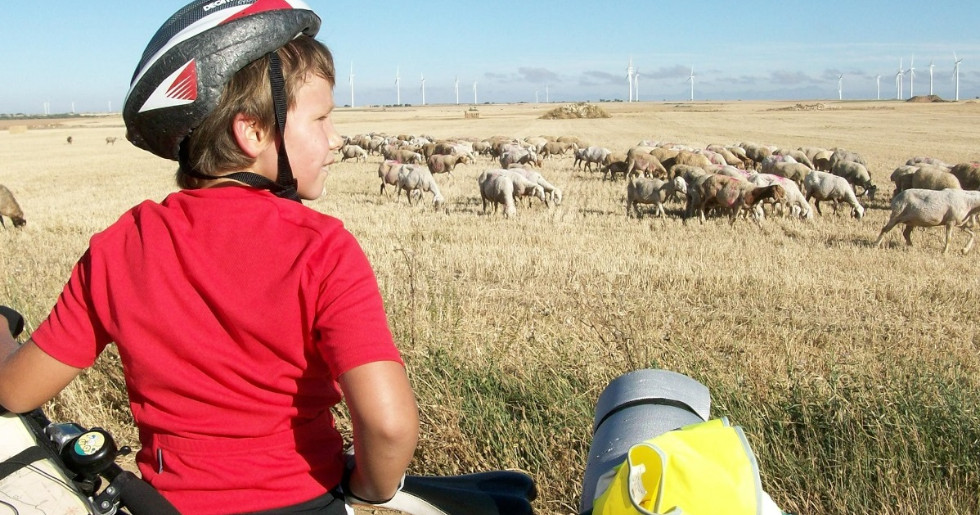
Camino de Santiago with Kids Written by Stephanie Mutsaerts Photos by Jesus Caso and Stephanie Mutsaerts Open their world to New Experiences One of the greatest things about travelling the Camino de Santiago with kids is the opportunity they have to interact with pilgrims from all walks of life, all the cultures and languages under the sun. Fostering chit chat along the Way and developing their international – friendly social skills is wonderful. We are social creatures and the Camino is the ideal playground for them to expand their horizons. My children made ‘amigos’ every day. Kids ride about the same speed as a walking pilgrim, so the days’ pathway would likely end in a shared dinner with the pilgrims we met and travelled with that day. What better way for kids to speak and share moments with people they would otherwise not have the chance to meet? Life-long learning It was a high priority for me that my children find joy in alternative travel, learn to appreciate a challenge, do their best to reach their goal with a smile on their face. And to find a comfort zone even when they are out of their element – broaden their horizons. It is about building their confidence through living experiences that are unique and life changing. Today their confidence reflects years of experience of, among other things, spending countless days (and nights) in the outdoors, cycling or hiking hundreds of kilometers, scaling the heights of vertical rock walls, or skiing and snow-boarding on challenging slopes. Monkey See Monkey Do Clearly there is a correlation between how you live your life and what your kids will choose to do and copy from it. That is to say, young kids tend to want to do what you do. So, if you spend your free time in front of the TV, in all likeliness and, given the ease in which one can fall into that routine or habit, your kids will become the next generation of couch potatoes. Make the effort to take your kids on a travel adventure and broaden their horizons, like doing the Camino de Santiago. You will have them cycling along country trails, skiing the white peaks of the Pyrenees, or climbing a ‘ferrata’ – let them be the next generation of adventurers in the family. If you yourself become enthralled in adventure they will follow in your footsteps! NST makes travelling with kids Better We would love you and your family to join us on the Camino. Find out more about what we can do for you and your little adventurers by writing us an email or plain old whatsapp me, Stephanie Mutsaerts. Let’s get connected! https://northernspaintravel.com/tour/camino-de-santiago-family-bike-tour/
Camino de Santiago with Kids – Slow Travel
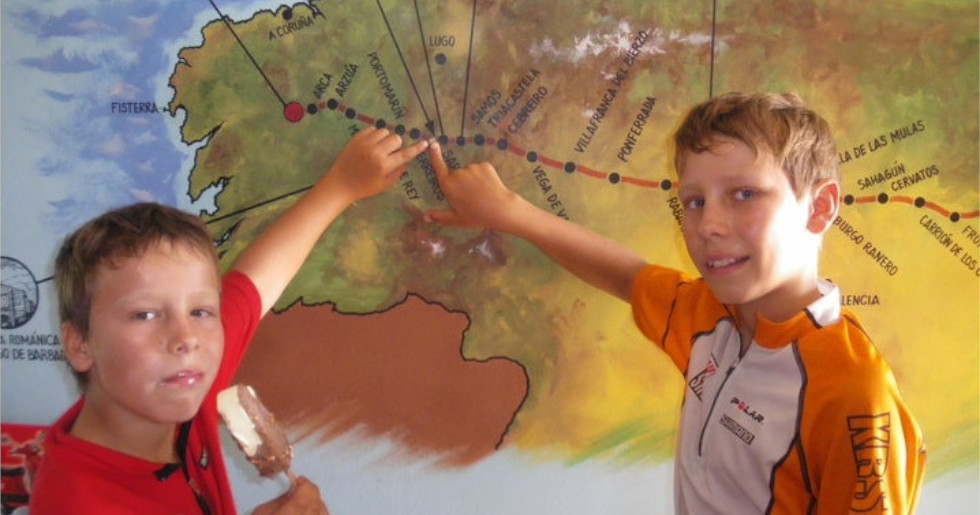
Camino de Santiago with Kids – Slow Travel Written by Stephanie Mutsaerts Photos by Jesus Caso and Stephanie Mutsaerts Viva Slow Travel with kids! For those of you who are contemplating slow travel the Camino de Santiago with your kids, whether by bike or on foot, our aim is to inspire you to take on the challenge and be pleasantly surprised at how much your family will enjoy and grow every peddle or footstep of the WAY. Taking the time to travel, as you can see in this “Camino de Santiago with Kids” sequel is a step in the direction of “going slowly”. Travelling with kids on the Camino provides moments that can be thought provoking or sweet and cozy, each day presenting plenty of time to be together, sharing a challenge, discussing an observation, feeling a thousand year old pathway beneath you, and all this as you travel at your own gentle pace. The significance of Slow Travel You have plenty of time to reach your destination, and revel in the day’s events, always remembering that it is the path, not the destination that matters. As stated in the famous poem by Antonio Machado – one of Spain’s most famous 20th century poets – “Walker, there is no path, you make the path as you go.” Slow Travel on the Camino with kids My name is Stephanie Mutsaerts, the founder of Northern Spain Travel, and these are my two Spanish–Canadian kids, Oliver, age 9, and Tasio, age 6, back in 2010. With all of the extra time on our hands due to the COVID situation, I have attempted to organize our many video files. In the process, I came across photos and footage that brought to mind many sweet memories of my experiences as a mother and adventurous traveller with young kids as we travelled along the Camino de Santiago by bike. Slow Down and Enjoy your Family Leave your worries at home. For the time being forget those things that interfere with your connecting with one another. As you and your kids travel on the Camino de Santiago your goal should not be just the single one of reaching the final destination, the beautiful city of Santiago de Compostela, but should include the many special moments to be experienced along the way. Help your kids find resilience within themselves Every Day is a Treasure Every day of the journey brings a special gift in the form of leisurely peddling or striding forward and feeling the kilometers pass beneath you as you follow the yellow arrows and concha shells, the Camino route markers, on the pathway. That sensation of moving forward as a family adds to the sense of adventure, of undertaking an authentic journey together with all the time in the world to take it slowly and savour every moment. The Adventurous Spirit This was our first Camino de Santiago trip and every day was an adventure. If you the boys today which of the many adventures we have experienced together is their favourite, they would, without doubt, select this particular journey on Saint James Way. They are now 22 and 19, and that spirit of adventurer that we developed as a family is with them to this day. NST makes travelling with kids Better We would love you and your family to join us on the Camino. Find out more about what we can do for you and your little adventurers by writing us an email or plain old whatsapp me, Stephanie Mutsaerts. Let’s get connected! https://northernspaintravel.com/tour/camino-de-santiago-family-bike-tour/