
Carlos Ciriza – Renowned Artist from Navarra
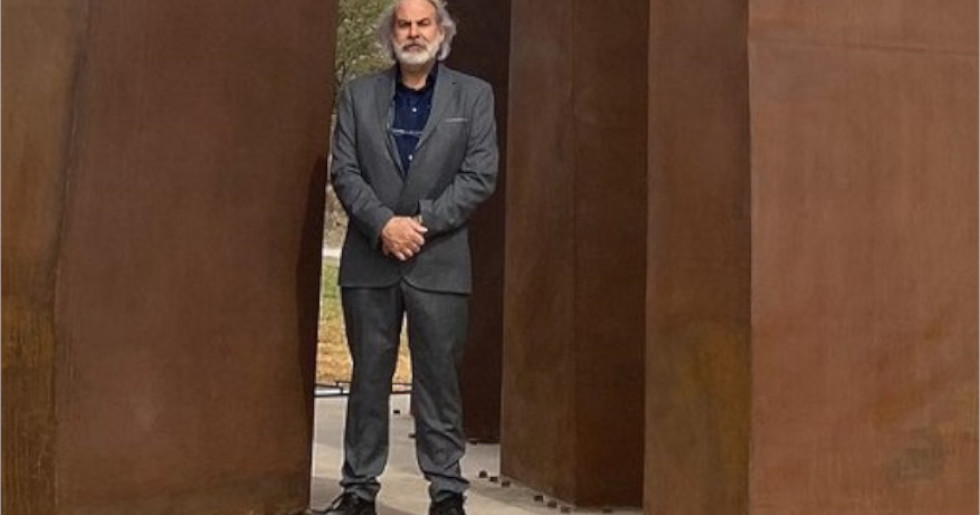
Written by Stephanie Mutsaerts Photos by Jesus Caso and Stephanie Mutsaerts Carlos Ciriza is one of the most renowned artists of Navarre, Spain. His large-scale sculptures and art creations are exhibited around the world. His installations and works are integrated into architectural, urban and natural environments and reflect his ever-present motif of volume, movement and circulation of spaces and voids. Since his first public exhibition in 1984, his work has been exhibited in many galleries and institutions around the world. His sculptures and paintings are displayed in museums, parks, and public and private collections in countries of the world including Andorra, Armenia, Argentina, Austria, Canada, Chile, Cuba, Ecuador, Finland, France, Germany, Italy, Mexico, Philippines, Portugal, Scotland, Slovenia, Spain, Switzerland, United Arab Emirates, Uruguay, Venezuela and U.S.A. Who is Carlos Ciriza? Carlos was born in 1964 in the town of Estella, Navarra in northern Spain. Carlos began his artistic career in painting before exploring sculpture, working with wood, stone, industrial metals, and alabaster. From there he turned his attention to wrought iron and cast iron, which became his preferred materials as he sought inspiration through the forms, textures, volume, gravity, and balance these materials provided. Carlos was inspired by artists such as Richard Serra, Julio González, Chirino, Henry Moore, and, most notably, two artists from Northern Spain Eduardo Chillida and Jorge Oteiza. This prolific artist always has several ambitious projects under way – commissions for both public spaces and for the private sector. His installations and works are integrated into architectural, urban, and natural environments. Learn more about where Carlos Ciriza was born Documentary on Carlos Ciriza Navarra Television broadcasts the documentary “Carlos Ciriza” this Saturday, April 25, from 9:00 p.m., and on Sunday, April 26, from 4:00 p.m., The documentary profiles the work of this prolific artist from Pamplona, Spain, his phenomenal versatility and mastery of many techniques. As recounted in the documentary, Carlos Ciriza is an artist who specializes in large-format installations – sculptures for public and private spaces. His works are an integral part of parks, squares, roundabouts, or even locations along highways. The documentary, which was produced by Miguel Tabar and Patxi Tiberio, provides testimonies from people like María Concepción García Gainza the award winner of the Príncipa de Viana de la Cultura Prize, José María Muruzábal del Solar, a Doctor in History, or Mercedes Jover, the Director of the Museum of Navarra, who are familiar with Ciriza’s work The Documentary Visiting Carlos Ciriza in Person Become acquainted with Carlos Ciriza’s works in person. He always has ambitious projects underway – commissions for both public spaces and for the private sector. Join us in his private workshop, an art lover’s paradise, tucked away in the heart of the city of Pamplona. This will be a visit to remember as Carlos Ciriza takes us into his private ‘museum’ his grandioso mundo of enormous paintings hung on vast walls, and canvases displayed in the majestic corridors. Here you can also see some of his small format sculptures in their final stages of completion as well as giant sculptures. You can also visit the firing room and his painting studio where his masterpieces take shape. Feel free to visit the Carlos Ciriza website. If you would like to meet him in person or to become acquainted with his works of art, or to commission pieces for commercial or private spaces feel free to contact us at Northern Spain Travel. Learn more about this charismatic world renowned local artist and meet him in person by the hand of Northern Spain Travel Important Sculptural Works in Spain, Europe and the United States In 1992 Carlos Ciriza traveled to New York, where he made a series of paintings and works for which he achieved great acclaim and critical success. These works consist of schematic impressions of the city. Later, this set of works is exhibited in different locations in Spain and France. In 1993, he received the Silver Medal of the international competition “L’Ecologia, Ambiente e Natura” from Salerno (Italy). In 1996, he was appointed member of the Navarre Council for Culture (body to the Department of Education and Culture of the Government of Navarra). He chaired the Commission for Artistic and Cultural Activities from 1999. In 1999, he was invited to represent Spain in the “XII International Painting Weeks Slovenia 99”, where he spent 40 days with an important group of European artists: Ashot Bayandour, Mario Benedetti, Gustav Gnamus, Matjaz Gruden, Andrej Jemec, Tommy Lydon, Valentin Oman, Rudi Benétik, Hamlet Housepyan, Anna Löbner, Richard Nott, Jann Räisäen and Sasä Kladnik. In 2000, the Godoy publishing house made a panoramic and biographical book on Carlos Ciriza, his facets as a painter and sculptor. The book is 548 pages and includes 586 color illustrations., and is translated into English, French, German and Spanish. The texts are by Francisco Javier Zubiaur Carreño (director of the Museum of Navarra), Rosa Martínez de Lahidalga (president of the Association of Art Critics of Spain and International), José M. Muruzabal del Solar (researcher and art critic) and J Ignacio Urricelqui Pacho (art historian, University of Navarra), many of the autors are interviewed in the documentary on Carlos Ciriza presented April 26 2020. In 2002, he was won the Third Navarra Prize for Sculpture. At the same time he mounted a large exhibition of 103 large-format and monumental sculptures in parks and other public spaces in Bordeaux (France). In July 2002, he received the Prix d’Excellence at the Foire Exposition in Montargis (France). In 2003, he exhibited 38 large-format sculpture for 6 months in the Yamaguchi Park in Pamplona. Bridge of Europe In May 2003, the Academic Society of Arts, Sciences and Letters of Paris awarded him the Vermeil Diploma and Medal 2003, in recognition of his artistic and professional career. Milky Way – Parallel Roads In 2005, he placed the second sculpture in the monumental sculpture called “Los Símbols del Camino”(the symbols of the Camino (de Santiago) otherwise knowns as the “Milky Way-Parallel Paths” in the Tunnels of Perdón (Navarra). This same year another monumental work “Leku-Berria”, was installed at the main roundabout in the village Lekunberri (Navarra). In 2006 one of his creations was selected by Merrill Lynch to be installed in the 9/11 memorial sites of Ground Zero in Manhattan This was rhe first significant recognition of his works in the United States. In the same year his monumental work “Red de Caminos” was installed at kilometer 67 of the Autovía del Camino, as part of a project featuring sculptural symbols along the “Camino de Santiago”. In 2007 he installed three large sculptures in the United States, one in San Francisco and two in Beverly Hills.
What is a Cofradia?
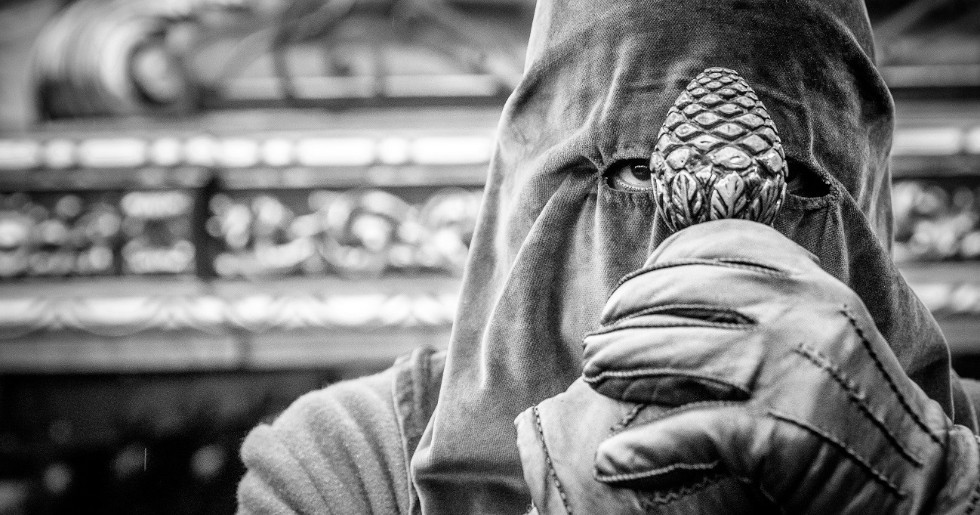
Written by Stephanie Mutsaerts Photos by Jesus Caso and Stephanie Mutsaerts The Cofradia in Spain is a social institution created for the purpose of promoting special Christian works. In this article we are going to explain the religous cofradia in Spain, what they are, when these Cofradías began and what they are do. The Term Cofradía The term Cofradía – pronounced in three syllables co·fra·día – emphasis falls on the last syllable – stems from Old Spanish confrade, from con — from Latin com = with — + frade = brother, monk, priest, from the Latin word fratr, frater, which can be translated into English as Cofraternity – Fraternity. The word Cofradia is used in two different ways in reference to social institutions. One is related to the Catholic Church and the other to gastronomy. In this article, we describe the Catholic Church Cofradía, give some background history of when and how the Cofradías began, and outline what they are and what they do. What are Religious Cofradías in Spain? A religious Cofradía is a fraternity of laypersons, both men and women, young and old, who have come together for the purpose of promoting special, church approved, deeds of Christian charity or piety in the community. Cofradia members have not taken the vows of any religious order, but they conform to rules laid out by the Church. Photographer Alex Simon A little bit of History about Cofradías The Link between Charitable Acts and Eternal Reward In many parts of Spain, religious devotion and daily worship in the Catholic Church were at the center of daily life. Cofradías, or religious charitable organizations, developed during the 16th Century as members strove to find deeper meaning in their religious devotion and to ensure suitable reward in the afterlife. The importance of charitable works that helped the poor was felt so strongly by some members of the cofradias that they made bequests to certain charities in their wills, leaving items such as bedding, clothing, or monetary gifts. Photographer Alex Simon One of the First Institutions Created by Members of the Public Many cofradias, had a positive religious, social, and economic impact on society. They were one of the few institutions formed by the public to meet the needs of the public. Even though each cofradia had its own set of rules or by-laws which every member promised to live by, they worked in harmony with the Church. Photographer Alex Simon In the late middle ages, Popes would grant permission for the creation of cofradias, and would grant members rewards such as physical protection, eternal membership in the Cofradías both in life and in death, along with access to indulgences and forgiveness of sins. “He who gives charity, extinguishes hunger and covers nakedness, extinguishes his own faults and covers his own sins.” Friar Tomas Trujillo Cofradias Cradle of the Arts Originally, the Cofradias were advocacies of supporting strong professional institutions. Thus, for example, in medieval Europe the creation, legislation, and regulation of theatrical performances depended on Cofradias, some of which were created by kings or bishops. Among the best known and most important were the “Cofrères de la Passion” in Paris or the “Disciplinados de Jesus Cristo”, in Umbria. Other examples are the brotherhoods of Dutch or guild painters, and the Spanish theatrical la Cofradía de la Pasíon y Solitud (brotherhood of The Passion and Solitude) as well as the 17th Century Brotherhood in Madrid, Los Escalabos del Sacramento Bendecido (Slaves of the Blessed Sacrament), whose members included highly talented poets, playwrights, and writers. Photographer Alex Simon Cofradías Today Cofradias still work and are created in the same way and with the same criteria as they were from the beginnings. There are about three million Cofrade members in approximately 10,000 brotherhoods throughout Spain today. One of their key roles is the preparation of the Easter Festival, a religious event that is currently going through its “silver age” although within the framework of a “secularized” society in which processions become a way to bring the Church closer to the people. Most brotherhoods organize a procession, at least once a year, either alone or together with other brotherhoods. Photographer Alex Simon Visiting Spain during Easter Hidden Gems of the North Hidden Gems of the North is a gastronomical adventure that can be enjoyed during Semana Santa – the Holy Week in Spain. This journey in spring is a fabulous way to discover the northern region, participate in its traditions and culture, and of course, savour world-class gastronomy. https://northernspaintravel.com/tour/hidden-gems-of-the-north/ Walking & Wine in Northern Spain Tour Walking & Wine in Northern Spain Tour is an active travel walking aventure that can be done during Semana Santa – the Holy Week. Spring is the ideal time of the year to visit the North of Spain, as the countryside bursts back to life with its blossing almond trees, Olive groves, and vineyards a lively green. During the Holy Week, our walking and wine tour is designed taking into account the special festivities dates so that we walk during the morning and enjoy the Semana Santa festivities in the afternoon. We include a visit to Los Picaos de San Vicente de Sonsierra and the evening procession in Ezcaray to view the fantastic centuries-old rituals and processions. Walking & Wine in Northern Spain Check out our adventures in Spring https://northernspaintravel.com/luxury-walking-holidays-northern-spain/ https://northernspaintravel.com/luxury-food-tours-spain/ https://northernspaintravel.com/luxury-spain-bike-tours/
What to See in Northern Spain
Written by Stephanie Mutsaerts Photos by Jesus Caso and Stephanie Mutsaerts What to include in a trip to Northern Spain Northern Spain is somewhat of a mystery to the average visitor. It is a mistake, however, to overlook this part of the country. It is culturally distinct from the rest of Spain, though retaining the best of Spanish alegria, so to say, the simple joy of being alive. The area is known throughout Spain for its culinary expertise and outstanding produce, including the world-renowned Rioja wine region. Historically, with its strategic location on the way over the Pyrenees into France, it has seen many fascinating military campaigns, sieges, and battles dating back centuries to before Roman times. As such, the abundant castles and medieval towns with towering defensive walls and Romanesque churches give unending possibilities for exploration. This article is about what to see in Northern Spain. Traditions and Festivals in Spain The Basque Country has produced some of Spain’s greatest artists and Bilbao is a cultural crossroads with a thriving art and music scene. Participating in the festivals of Navarra, Rioja and Basque Country can feel like stepping back in time. They are always family friendly and full of music, dance, celebration, food and wine, and traditions that connect the locals to the past. These festivals are not mere shows put on for tourists. The people of northern Spain are still very much living and breathing their culture and are welcoming to visitors wanting to experience it along with them. The possibilities feel limitless when it comes to visiting northern Spain. See the Living History and Castles of Northern Spain Spain is peppered with castles. Some are small and crumbling on a remote hilltop, recalling an era of wandering knights and lonely journeys, while others are magnificent and well-preserved, where the kings and queens of Spain lived and fought bloody battles of succession and dominance. Navarra, Aragon, Castile and Leon were territories and kingdoms that were constantly at each other’s throats since before medieval times. With the Moorish threat constantly pressing up from the south, the story of this region would make the series Game of Thrones blush with modesty. Olite Castle If you are wonder what to see in Northern Spàin, the castles and fortifications around this area are numerous and mostly intact. The most magnificent by far in Navarra is in Olite. It was one of the seats of the Court of the Kingdom of Navarra, since the reign of Charles III “the Noble” until its conquest in 1512 by Castile. While it was a military fortification, it was also described by many of that period to be more like a sumptuous palace, with all the gilded luxuries of its time. Beginning in the 13th Century, it was built up over time, before finally being badly damaged during the Napoleonic Wars in the early 19th century. It was beautifully restored to its previous glory in the 1930s and is now one of the finest castles in Europe to visit. Surrounded by grape vines and a medieval town of twisty cobbled streets and beautiful old stone buildings, you cannot but feel like you have time traveled to another era. Olite also has a fantastic medieval festival in August where the town’s people come out dressed in their best period clothing, carrying falcons, and playing and singing music from a bygone era. The Post Civil War Bunkers in Northern Spain For more modern history, there are a series of military bunkers dug during Franco’s era into the Pyrenees along the border of France. Numbering in the thousands and stretching from the Atlantic to the Mediterranean, they went unused in the end, as Franco’s paranoia of an attack arriving overland from France proved to be unmerited. It is now possible to visit some of them on trails in the mountains by foot or bike. Hunkering down inside them peering out over the Pyrenean mountain passes gives you a sense of what it would have been like to have lived through this turbulent time in the early to mid 20th century. For history buffs, ask us about our visits to the Bunkers between Spain and France Of course, there are so many historical sites in northern Spain, it would impossible to highlight them all. From sitting in a 400 year old monastery in Aragon listing to monks reciting Gregorian chants, to visiting cathedrals such as the one in Pamplona where the kings of Navarra were crowned, or the one in Vitoria that inspired Ken Follet for his fictional cathedral in Pillars of the Earth, to sleeping in luxury hotels that are remodeled 10th century castles, it is impossible not to feel a connection to the past of this captivating region of northern Spain. See and Experience the Magic of a Festival in Northern Spain San Fermin Summer Festival There is perhaps nothing more iconic in northern Spain than its yearly festivals or fiestas. The king of fiestas is the festival of San Fermin, taking place in Pamplona, the capital of Navarra, in early July each year. Known around the world as the Running of the Bulls, it goes on for eight days of revelry, endless music and dancing in the streets, taurine events such as the daily bull run each morning, and other traditions that go back centuries. Everyone is dressed in all white with a red sash around their waist and a red pañuelo or kerchief, around their neck. This dress is not specific to Pamplona but is rather a Basque tradition you can see all over the region at the various fiestas. San Fermin is for Everyone While it is a non-stop party and celebration of life itself, it is absolutely inclusive of everyone. Navarran and Basque families attend from babies to the elderly – it is not just about flinging sangria and dancing the night away. In fact, the fiesta is in honor of one of the patron saints of Pamplona, San Fermin. A fact overlooked by tourists, it is a religious festival with masses and prayer honoring their saint. It even evokes some moments of solemnity and gravitas throughout the week. Village Patron Saint Festivals in Northern Spain Each village in northern Spain has a fiesta in honor of their specific patron saint. Some fiestas are quite small and intimate, and others feel like smaller versions of the famous party in Pamplona, with lesser-known bull runs and almost no other tourists. Many of the rituals and activities are specific to that village. Hence, going to one in Estella will feel very different from the one in Lesaka, where you can see the bell dancers balancing on the edge of the canals, leaping and jumping on narrow walls, with bell-clad legs creating the most wonderful music. What they all have in common is the joy of celebration, the traditional music and dance, and the comradery among participants. Summer Festivals in Northern Spain Moving away from purely traditional, there are other kinds of festivals in northern Spain. San Sebastian boasts several huge fiestas every year. It hosts a star-studded film festival, a summertime jazz festival on the beach, and in January a drumming festival called La Tamborrada where hundreds of people drum together in the large square, creating an effect that is hard to imagine unless you have witnessed it yourself. Another favorite is in La Rioja where participants load giant water guns with wine and run around shooting each other with sprays of wine in the hills while drinking plenty of it as well. These festivals are sprinkled throughout the year, so visitors to northern Spain would have a hard time not hitting one or two of them. If fun is to be had, the locals will be having it. See the Art and Museums of Northern Spain The Basque Country and Navarra have produced many of the great artists, writers and musicians of Spain. Creativity and imagination is felt everywhere around the region. The Basques have a very rich folklore with pre-Christian pagan elements still evident in their art and storytelling. Rife with fantastical creatures and sorcery, perhaps inspired by the deep forest valleys draped in curtains of mist, the area inspires an artistic culture. Northern Spain has artists that in many ways represent the region, such is the case as with Eduardo Chillida. One of his masterpieces that have grown into an icon is El Peine de los Vientos, where the wind and the sea are one. Another such artist that works with large sized sculptures and painting is Jorge Oteiza, or the modern day artists Carlos Ciriza and Fernando Pagola. For those who are passionate about sculpture ask us more about private visits to the artists’ private homes, workshops and museums. Agustin Ibarrola One very good example of this connection of art, nature and folklore is the Enchanted Forest of Oma, a grove of trees that have been painted by the Basque artist Agustin Ibarrola. It is done in such a way as to create a sense of mystery and otherworldliness using optical illusions and tricks on the mind. Even if the idea of painting trees at first makes one balk, once experienced, it is hard to not appreciate the fine lines between magic, art and nature. Jorje Oteiza Eight kilometers outside Pamplona is the Oteiza Museum, which houses the art of the great and very influential Basque artist, Jorge Orteiza. His sculptures brought him massive success and fame by the 1950s, and using various mediums and abstract theories, he created an enormous quantity of work. The museum contains 1,690 sculptures, 800 drawings, 2,000 chalk laboratory studies, about 5,000 books from his personal library, and his countless writings. Navarra Museum Pamplona is not only a living museum in and of itself, it benefits from the engaging Museo de Navarra with a wonderful collection of items from pre-historic artifacts and human bones to great works of art. There is the 1st century Roman mosaic Triumph of Bacchus and other mosaics from the same period excavated from Roman homes and palaces that existed in the area. There are many mural from across the ages – Romanesque, Gothic and Renaissance – and artwork from artists such as Baroque painter Mateo Cerezo and the famous Spanish painter Goya. Taking you on a journey through Navarra from pre-historic times to the present day, this museum is not to be missed. Guggenheim Museum Bilbao encompasses the old and the new with stunning modern architecture such as Frank Gehry’s Guggenheim Museum and the Zubizuri Bridge, alongside the beautiful medieval buildings in the Casco Viejo in the center of the city. With endless sites of aesthetic and historic interest to visit and a thriving art and music scene, Bilbao is a feast for the mind. In 2010 Bilbao was recognized with the Lee Kuan Yew World City Prize, considered the Nobel Prize for urbanism because of its spectacular transformation from grimy industrial port to modern wonder. As the largest city in the Basque region and as one of the most important port cities of Europe, it is bustling with activity, art and industry. How to Experience it All There are endless sights in northern Spain, and these are but a few. The region is welcoming of visitors and there are many ways to visit the region, whether by bike, on foot or by car. Along with such amazing culture to see and experience, northern Spain is also covered in Michelin-starred restaurants as well as rustic, delicious traditional cuisine, wineries, luxury hotels, quaint villages and gorgeous landscapes. Northern Spain Travel has a collection of outside-the-box travel journeys throughout the region.
What to Do in Northern Spain
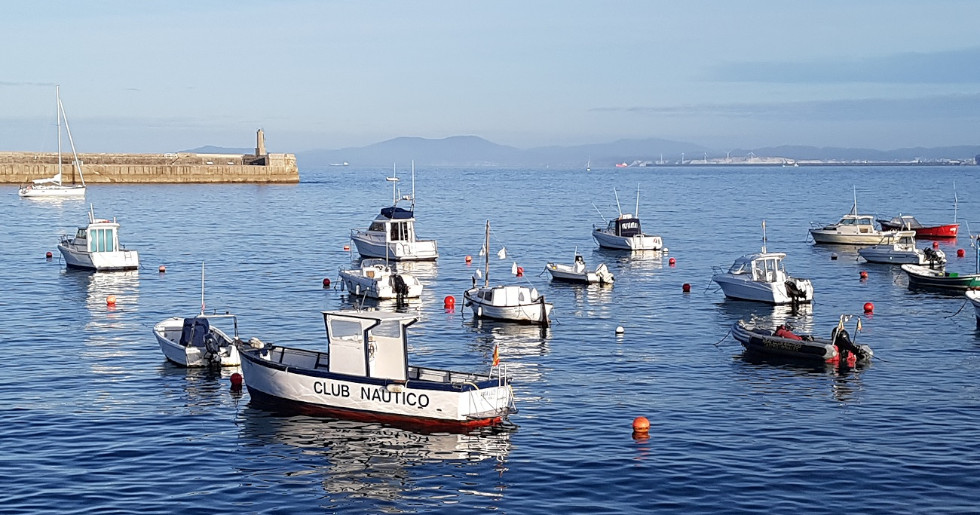
Written by Stephanie Mutsaerts Photos by Jesus Caso and Stephanie Mutsaerts Often people think of Spain and what comes to mind is flamenco and guitars or the Alhambra in Granada, or the architecture of Barcelona. But in northern Spain, there is not only a unique and rich culture full of music and history, and a lush green landscape thanks to the plentiful rains, but also an abundance of activities to occupy every type of traveler. This allows them to experience the culture, traditions and beauty of the region in many different and diverse, fun ways. Whether you like to glide through mountains on a bike, or surf on easy, sandy beaches, hike an ancient pilgrimage route, or play a round of golf, there are endless activities on offer in northern Spain, adaptable to anyone’s level or desires. Cycling in Northern Spain Whether you are a passionate pro rider or an enthusiastic novice, the north of Spain has enough bike paths of every kind to keep you happy: sleek roads or gravel, packed dirt, cobblestones, or mud and rock. Taking you through the stunning Pyrenees scenery and vibrant cities, along sweeping coastlines and through enchanted forests, this area has everything to offer cyclists. The opportunity to stay in top-notch hotels and eat at the best restaurants, along with immersion in the traditional ways of life and cultures, allows cyclists to really enjoy and understand this part of the world. It is noted throughout Spain as the best area for cycling, and the drivers show respect for people traveling on two wheels. It is common on the weekends to see plenty of riders flying down smooth, hilly roads, or pumping up a steep mountain pass. For more relaxing rides, there are the Via Verdes, a series of routes made on old railroad tracks, which are generally flat and fun for families to cruise along. You can follow the coastline and enjoy the vistas and beautiful sandy beaches. The Tour de France often dips down into this area, and La Vuelta, Spain’s annual bike race always includes a portion in the Pyrenees. It is also possible to join the famous Camino de Santiago, and bike with other pilgrims on this historic path. There is no question that if you love cycling, you will be blown-away by the options for world class riding in northern Spain. Hiking and Trekking in Northern Spain There is no doubt that the Camino de Santiago is now one of the most famous hikes in the world. Winding down from France, through the Pyrenees or down along the Basque Coast, this route is actually a pilgrimage. Dating from the medieval era it was, even then, the third most trodden pilgrimage route only after the ones to Rome and Jerusalem. There is evidence that it was a route long before that, according to one legend, as a path following the Milky Way to the end of the Earth. In any case, it is an ancient road, and hiking along it with the other pilgrims through history is an incredible experience, even if just for a day or two. But that is not even close to all of what northern Spain has to offer hikers. Extensive trekking and hiking can be done in the Pyrenees, allowing even the most intrepid to explore wild forests and the top of mountain peaks. Or, walk through the rolling vineyards of Rioja, passing through tiny medieval villages on your way to sampling delicious wines at 300 year old wineries. The coast of the Basque Country is another beautiful area to hike, with views of the Cantabrian Sea and the wide sandy beaches. Stopping for a fresh seafood lunch in a pretty fishing village is one of life’s great pleasures. Plentiful accommodation and high quality eateries make hiking in northern Spain accessible to everyone, including families with children and less avid hikers. Ocean Adventure in Northern Spain Basque Country sits facing the Atlantic Ocean, looking north and westwards, offering a long and beautiful coastline lined with sandy beaches, festive beach towns, and a surfing culture dating back to the 1960s when it trickled down from France’s Basque surf city, Biarritz. By the 70s several “tribes” of surfers had formed up and down the coast at beaches such as Gros, Zarautz, Bakio and Sopela. Zurriola Beach in San Sebastian attracts surfers from all over the world who can take surf lessons and then enjoy the fun nightlife. There are also opportunities to kite surf and windsurf all over that area with schools providing private or group lessons. For the truly adventurous, there are numerous diving shops which take people out to scuba dive and visit rock caves or to look for blue sharks. Sailing is another popular and accessible activity with a fishing and mariner culture that is still thriving. Sailing along the coast into the harbor of San Sebastian at sunset while sipping sparkling wine and eating fresh sardines on bread is unbeatable. For more of a taste of Basque culture, the trainera is a type of traditional rowing boat originally used for fishing in rough seas, but now it has become a popular racing sport with annual competitions called estropadak in Basque (trainera regatta) where 13 oarsmen and women fight it out through waves and choppy seas to be number one. This competitive tradition can be traced back to the fact that the first fishermen arriving from a day at sea would usually get the best prices at the market for their catch. It was essential to be among the first vessels to arrive. Of course there is one last “water sport” and everyone’s favorite: luxuriating on the beach in the sun all day and going for relaxing swims in the blue sea. La Concha beach in the heart of San Sebastian’s Old Town is the perfect spot for this, with a pontoon to swim out to that has water slides, and a great atmosphere. Or you can go further afield along the coast and find wide, empty beaches to have to yourself. Adrenaline in Northern Spain If you are looking for a good rush or two, the north of Spain will not disappoint. Equestrian activities are abundant, with horseback rides over longer distances, or dressage and jumping lessons. Amble through beautiful countryside and medieval towns, through woods and vineyards, past castles and Romanesque churches on well-trained and well-kept horses. Spanish culture is still deeply connected to horses and riders’ expertise and love of them is clear. If speed is more up your alley, there is skiing and snowboarding in the Pyrenees mountains in the winter easily accessible from Pamplona. If you like to get airborne, there are many paragliding schools in the Pyrenees and the best in all of Spain where you can do a tandem jump with an experienced professional. Soaring high over the mountains and forests of the Pyrenees is simply magical. The Pyrenees also provide great rock climbing, both sport and trad with hundreds of accessible routes for all levels. And of course, if you are very brave (or crazy enough) the north of Spain has numerous summer village and town festivals where you can try to run with the bulls. The most famous bull run is in Pamplona during the San Fermin festival, but plenty of smaller towns have their own encierro (bull run) which are always much less crowded and free of other tourists. This is a truly dangerous activity with no guarantee of safety but it is an incredibly moving and traditional local experience that will provide an adrenaline rush for hours following. Even the spectators get a thrill and a buzz from the event. Whatever your taste in intrepid activity is, northern Spain has some of the best. Relaxing Activities in Northern Spain There are plenty of options for those who prefer to have a relaxing time in northern Spain. There is a culture of hot baths going back to the last century when people came to unwind and relax or recover from health issues. The spas in the area carry on this tradition with plenty of luxury options attached to hotels in beautiful locations. San Sebastian has a famous therapeutic bath house on La Concha beach, where you can move from cold pools to hot pools or out onto the beach to go for a swim in the sea before returning to the baths again. The salt baths at ElGorriaga Hotel and Spa are also divine and will melt away all the stresses of life. Get in lots of massages and treatments so you return from your trip refreshed and glowing. Yoga is also on offer all over the north of Spain. Yoga can be therapeutic as well as great for fitness and flexibility in a gentle way. Breathe deeply, stretch and sweat out the troubles of life on the mat at numerous locations and retreats. And finally, there is golf in La Rioja wine region, on the Basque Coast and Navarra inland in Ulzama. In Conclusion Northern Spain is the perfect place to do any of these activities. With less tourism than other parts of Spain, you can really get immersed in the culture, gastronomy and history, as well as have fun and relax. The area also boasts amazing coastal hikes and even the chance to hike on the Northern Route of the Camino de Santiago. The Basque Coast Hiking Tour gives you the chance to sail into San Sebastian in style on an antique sailboat, docking in the Concha harbor for swimming and sunbathing before a night of pintxos, wine and nightlife. For incredible scenery and luxury accommodation cycle along the Basque coast on the Navarra to the Basque Coast Tour. A Feast for the Senses, is a chance to learn from the best chefs at a private show cooking and dinner experience at a local gastronomic society, so you can take home some of the skills to create the food you enjoyed so much. Regardless of your style of travel, whether meandering and luxuriating or cycling and high activity, or a good mix of both, the one thing that will blow everyone away is the unending brilliance of the local cuisine couched in warm hospitality, in all its forms. If you are looking for an adventure Northern Spain Travel will certainly create one that is just right for you.
3 Ways to Enjoy San Sebastian’s World Famous Cuisine
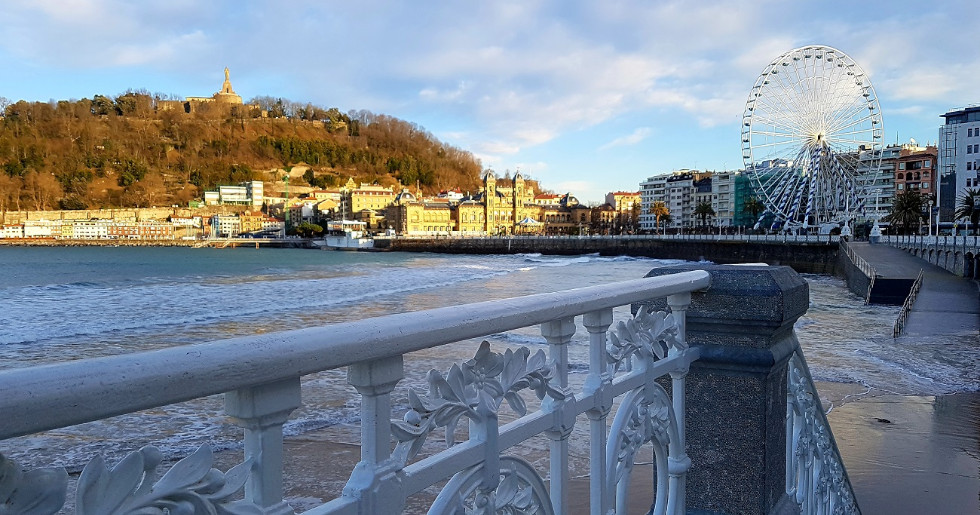
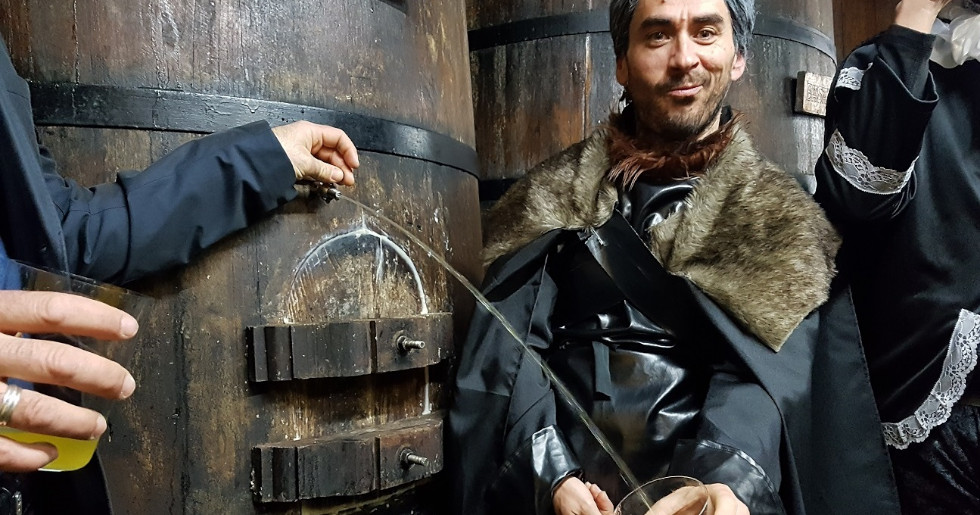
Well-placed on the coast just across the French border, and about an hour from Bilbao, San Sebastian has been lauded across time by authors such as Victor Hugo and Ernest Hemingway for its elegance, beauty, and more recently, its excellent gastronomy. Sitting on La Concha (the Seashell) Bay, encircled by green hills and a sparkling blue sea, San Sebastian evokes old-time glamor. With wide promenades along sandy beaches, pretty architecture and a quaint old port, guests often feel they have stepped back in time. But don’t let that fool you. As one of the rising stars of haute-cuisine, San Sebastian and the surrounding area boasts the greatest concentration of Michelin recommended and starred restaurants in the world. The lively nightlife and hundreds of pintxo (Basque tapas) bars give an endless selection to the most voracious of foodies. Combined with the traditional Basque cider houses, the wealth of options make the task of choosing the best places to go overwhelming. We’ve selected and highlighted a few of our favorite places from among the pintxo bars, the traditional Basque cider houses and finally, the Michelin starred haute cuisine of the area in and around San Sebastian. We have selected three ways to best enjoy the restaurants and bars in San Sebastian and is world famous cuisine from every angle. San Sebastian and its best pintxo bars Ganbara In the winding, narrow pedestrian streets of the old town, there are rows upon rows of pintxo bars serving up piles of extraordinary culinary delights of all shapes and sizes. Choose from what you see in front of you, or learn to order from the kitchen, which is how the locals do it. Either way, the quality is always good – but where are the best? Head to Ganbara on San Jeronimo Kalea, considered to be the best pintxos place in town, this third generation family endeavor combines the deeply rooted Basque traditions with world class quality. Their in-house fresh baked mini-croissants stuffed with folds of top-prized jamon iberico simply melts on your tongue. Or try their hongos (a type of wild mushroom) and their house symbol, sautéed with rich egg yolk and prawns. With a selection of fresh fish, grilled foie or steak, and many savory vegetable dishes, it is impossible to go wrong. Pair all this with a selection of top local wines, and you will feel like you have eaten a meal fit for royalty, all while standing at a bar, enjoying the buzzing atmosphere. Bar Txepetxa One of the most famous places in San Sebastian, and for good reason, is Bar Txepetxa on Calle Pescaderia, which produces an array of stunning anchovy pintxos. In fact, this place is so well-known that it has a wall of photos of all the famous people who have visited, including Glen Close, Ian McKellen and Ethan Hawke. But the real stars are, of course, the anchovies. Arranged in every manner possible, each more mouth-watering than the next, their creations are at once magically simple and yet surprisingly diverse. All of these go famously well with the local txakoli, the sweet lightly sparkling white wine, which fizzes brilliantly in your mouth after a bite of salty goodness. Mentioned in every foodie guide book worth reading, including Where Chefs Eat (Phaidon), this unassuming little bar with a charming old-time character and relaxed atmosphere is welcoming and fun. In San Sebastian and in the Basque country in general, quality does not equal pretentiousness. The quality lies in their love of food and socializing. This hospitality is still felt in the warmth of the culture and the pride in their products. San Sebastian and its best Basque Cider Houses Sidreria Petritegi Kokotxo, located in San Sebastian’s old town near the seaport, is the perfect spot to dine at another amazing Michelin restaurant. There is nothing like an authentic cider house (sidrerías in Spanish) experience anywhere else in the world. Often cavernous, with long wooden tables and a real sense of communal eating and enjoyment, you will share the dishes and drinks with your friends but also feel a wider sense of companionship with the rest of the diners. Petritegi has more than 700 seats spread over three rooms and yet you feel immediately welcome and part of a larger party. Serving up woodfire grilled chuleton, a cut of tender bone-in rib-eye steak that explodes with flavor, traditional cod omelets, fried cod and peppers and for desert, quince jelly and a hard cheese with walnuts you crack yourself, the menu is generally set. The star of the show is of course, the cider. The best cider comes out of huge barrels that sit in long rows around the restaurant . You get up with your glass and fill it yourself – it’s all you can drink. Each barrel will be different, so you are meant to try them all. The cider spouts out of the barrel in a long stream and you must catch the stream a couple feet out, in your tilted glass. The impact aerates the cider, making it fizzy, and you only fill it about an inch or two, so you can be sure to drink it before the fizz disappears. Sidrería Martitxonea If you want to venture a bit further afield into the countryside, there is a wonderful family cider house, Martitxonea, located in the heart of the Basque Country. What makes this place special is that it is in the family home, at a farm in a small, charming village called Aldatz. You enter the restaurant area by walking into the 17th century stone building, with heavy wooden beams and low ceilings and sit at the long wood tables. The restaurant is run by the family and you are waited on by the family members including their kids. The atmosphere is very warm, intimate and communal. The fun part of this place is when they yell ‘txotx!’ everyone gets up with their glasses and walk together en masse out of the dining room into the yard and across to the various barns where the cider barrels are kept. Here, they give a brief presentation (in Spanish) of the cider, the provenance of the apples used, and other aspects of taste and body. Then people take turns tasting the cider and discussing it before returning to their tables to continue eating. This can happen quite a few times over one long meal. Children end up in the yard all playing together and if, like us, you are there when it snowed, you may end up in a massive after-lunch snowball fight with other willing guests. This type of experience is seriously one-of-a kind. San Sebastian’s world famous Michelin Starred Restaurants Akelarre Restaurant in San Sebastian Akelarre is Pedro Subijana’s life and passion. Arriving at Akelarre in 1975, Subijana is the champion of the avant-garde gastronomic wave that put, and is still putting, the Basque Country on the map of international gastronomy. By 2007 Subijana had achieved his three stars in recognition of great technical and personal expertise. He achieved his first star after only three years of being a chef, in 1978. Akelarre is on Monte Igueldo with the best views imaginable, three miles west of the center of San Sebastian, about 15 minutes by taxi. Sitting on the Bay of Biscay, the view is beautiful all day long and in all weather, but it is particularly stunning at sunset. Expect to savor some of his great classics as well as his latest creations. At lunch or dinner in this restaurant, you can enjoy dishes like txangurro in salad, red chard, spinach and lettuce from Igeldo, and one of their specialities, spiced beef pojarski. Kokotxo Restaurant in San Sebastian If you would like to sit down and try a Michelin starred restaurant, Kokotxo, located in San Sebastian’s old town near the seaport, is the perfect spot. What makes the culture of the Basque haute cuisine so different, and so amazing? According to Kokotxo’s chef Dani Lopez, it goes back to the Basque culture itself and its long culinary history. The Basque chefs support each other and share among themselves, mentoring younger chefs rather than selfishly competing with each other and guarding culinary secrets, they come from a culture that believes in sharing in the delight of cooking and preparing the very best food you can. At Kokotxo, experience fine dining and this incredible cultural gift in one. There are two menus available: a market menu with 9 courses and a tasting menu of 14 courses for the whole table. The menu includes traditional themes such as pigeon on its stew or broad beans and seasonal shellfish, and some exciting new tastes like the stingray and ramen egg. Wine and tapas on the beach of Donostia San Sebastian in Spain The list of excellence goes on in and around San Sebastian. Exploring the old town and seaport area alone can take a day or two, but there is even more throughout the rest of the city and the surrounding areas. There are many great ways to get around the Basque Country. Cycling along the Basque coast, or from the Basque mountains on the Navarra to the Basque Coast Tour provides incredible scenery and luxury accommodation with plenty of time to stop and taste the wonders. The area also boasts amazing coastal hikes and even the chance to hike on the Northern Route of the Camino de Santiago. This tour Basque Coast Hiking Tour gives you the chance to sail into San Sebastian in style on an antique sailboat, docking in the Concha harbor for swimming and sunbathing before a night of pintxos, wine and nightlife. We also have tours, like A Feast for the Senses, with a chance to learn from the best chefs at a private show cooking and dinner experience at a local gastronomic society, so you can take home some of the skills to create the food you enjoyed so much. Regardless of your style of travel, whether meandering and luxuriating or cycling and high activity, or a good mix of both, the one thing that will blow everyone away is the unending brilliance of the local cuisine couched in warm hospitality, in all its forms. If you are looking for a culinary tour that includes Michelin Star restaurants, Northern Spain Travel includes first rate restaurants
Cycling the Northern Spain Coast
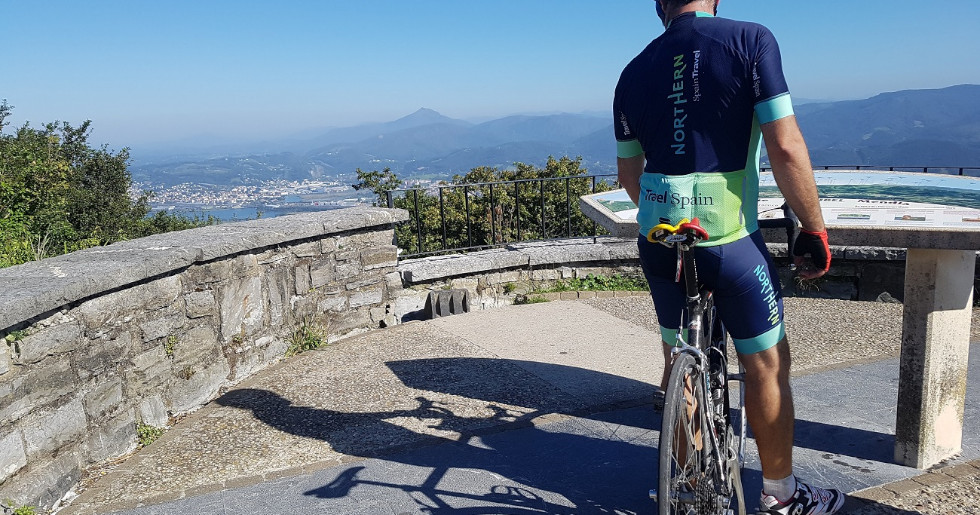
Written by Stephanie Mutsaerts Photos by Jesus Caso and Stephanie Mutsaerts Road bike cycling along the northern coast of Spain is among one of the most delightful and rewarding routes Spain has to offer. Not only does it provide endless views of seascapes along plunging cliffs and forested hills, but it brings you through an area of Spain that is spilling over with culture and world renowned gastronomy, Michelin starred restaurants, and delightful fishing villages serving up exquisite platters of seafood and locally made cider or txakoli. Roll along quiet coastal roads or push yourself on challenging routes with sustained climbs and steep hills, all in an area known for its wide empty beaches and dramatic views. At the end of the day the plentiful hotel and dining options range from charming and rustic to world-class luxury. Cycling the Northern Coast Camino de Santiago Cycling in the north of Spain, inevitably, brings riders in contact with the famous pilgrimage route of the Camino de Santiago, or Saint James Way. The Camino de Santiago follows a path that has existed since ancient times – and is even said to have been an early path following the Milky Way to the end of the Earth – but became an official Catholic pilgrimage route in the Middle Ages. Following yellow shell signs across the north of Spain, most people walk it, but the bicigrinos (bicycle pilgrims) are becoming more and more prevalent, with thousands completing the entire route each year. People travel from all over the world to walk, bike, or even ride horses – and hilariously enough occasionally camels – the several hundred kilometers across parts of France and Spain. Whether for spiritual or personal reasons, the challenge of completing the Camino is for some, if not most, the experience of their lifetime. One of the most beautiful routes for cycling the north of Spain coast, called the Northern Route, follows the northern coast of Spain down from the border of France, by Irun, through San Sebastian and past Bilbao. It continues for hundreds of kilometers, but the most spectacular parts are definitely the coastal parts. Joining this route even for a day or two is an experience of a lifetime, as you feel the joy of communion with the centuries of pilgrims before you. Cycling alongside a Food Culture on the Northern Coast Another great advantage of cycling around the north coast of Spain is without a doubt the spectacular gastronomy. Cycling from one incredible culinary city to the next, in an area with the second most Michelin starred restaurants in Europe, not to mention the delicious local cuisine and fresh ingredients from the earth and sea, it is nearly impossible to go wrong. Even the most simple dish seems to be infused with magic in this area and bursts with flavor. The local pintxo culture means evening meals can simply be drifting from bar to bar eating the varied and unique Basque tapas and sipping on local txakoli a sweet lightly sparkling white wine, or a glass of local cider. Whether you explore the sophisticated yet beachy San Sebastian seeking out the best pintxos after a day of riding, or sit for a five course three star meal at a top restaurant, or go rustic and enjoy a sidreria meal of wood fire grilled steak and bottomless cider, there is no end of ways to replenish your energy each day with the actual best food in the world. If you are looking for idyllic road biking, whilst exploring the culture, landscapes and authentic gastronomy this region has to offer, then Navarra to the Basque Coast is a road biking tour you are sure to love. La Vuelta España on the Northern Coast In 2020 Spain’s biggest bike race, usually just referred to as La Vuelta, will be running from August 14th to September 6th, is made up of 21 stages, and will cover a total distance of 3245 kilometers. Most of it will take place in the north of Spain (and a little bit in France and Portugal), with 5 mountain stages, and 6 hilly stages. Running through Pamplona as well as by Logroño and the Basque Country, these routes are accessible to everyone. One of the most beautiful routes they will cover is along the Basque coast from the border of France to a pretty village deep in the Basque countryside. The world renowned cycling team Movistar trains in this region for good reason and the Tour de France also regularly dips into this part of northern Spain, along this same coast. These road routes are undeniably some of the best in Europe. Whether you are a passionate pro rider or an enthusiastic novice, the north coast of Spain has enough bike paths of every kind from sleek roads to gravel and packed dirt to cobblestone or mud and rock. Taking you through stunning scenery and vibrant cities, along sweeping coastlines and enchanted forests, by empty beaches and quaint fishing villages, this area has everything. The opportunity to stay in top-notch hotels and eat at the best restaurants along with access to traditional ways of life and exposure to the wonderful and welcoming local culture, allows cyclists to really understand this part of the world, to experience its living history and to partake in its daily rituals. Cycling the north to the coast of Spain is one of the most rewarding trips you can experience. Here are some of our suggestions for exploring this amazing region: Biking La Rioja to the Basque Coast that takes you deep into the part of Spain where ancient routes cross golden fields and wind through medieval cities. Cycle from Rioja, through rolling vineyards, on parts of the legendary Camino de Santiago, skirting the foothills of the Navarran Pyrenees, and on to the Basque Coast and the town of San Sebastian on the sparkling blue sea. Biking Navarra to the Basque Coast which is the perfect combination of the best of cycling, gastronomy, culture, and refinement. Northern Spain Travel takes you road biking through Navarra and into the Basque Country with a final day on the coast in the elegant city of San Sebastian.
The Weather in Northern Spain
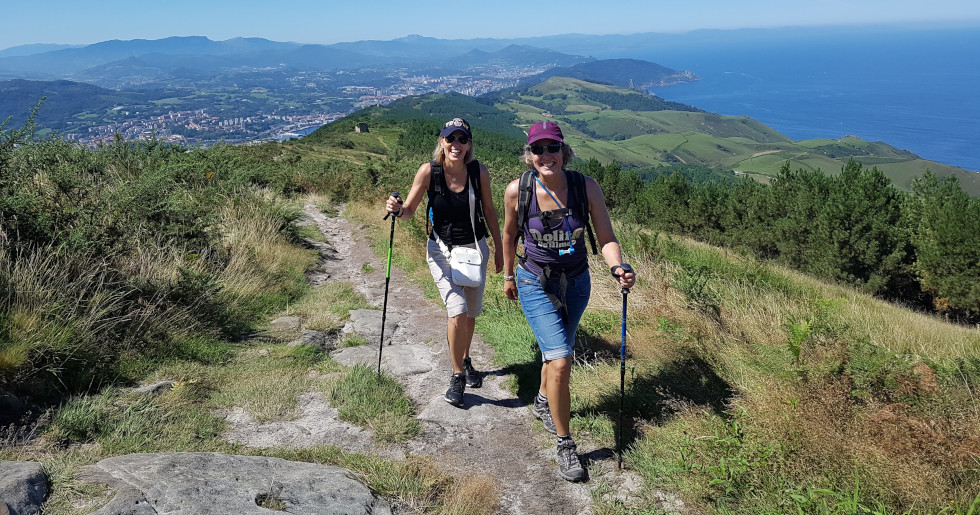
The Weather in Northern Spain Written by Stephanie Mutsaerts Photos by Jesus Caso and Stephanie Mutsaerts Are you planning a trip to Northern Spain? Then you absolutely must look at the one week Northern Spain Tour. The best time to visit northern Spain depends on your passions and your timing options and, of course, the weather. If you are looking for warm days and blue skies the best time to visit northern Spain is the months of June through to late November. But there are other options and Northern Spain Travel offers a series of travel ideas, some of which work well at other times of the year. The “best time of the year” could be any time! The High Season – from June to late September You will be pleasantly surprised by how great the weather is in the high season even though the variations in altitude and overall topographical differences of the region give rise to several mini- or micro-climates. Many travellers select Spain as their travel destination because of its reputation as a good weather destination where the sun shines all year round but this reputation does not always hold true, especially in the north where weather can be a little more unpredictable. It is recommended that you research the regional weather predictions before taking your travel decisions. So – its OK to think about the weather…. If what you are looking for is a high season travel destination that is not overly crowded, the north of Spain should be your choice. While in July and August, tourist-tangled destinations like Barcelona or Valencia are experiencing high humidity, and provinces in southern Spain are suffering from high temperatures, the north of Spain offers temperate weather conditions….so your best choice for both city and country destinations which are not overcrowded must surely be Northern Spain. You want a high season destination but want to avoid a sunburn? Then the north of Spain is a great option. Of course, wherever you choose to travel, applying sun block and avoiding the direct sunlight at peak hours is important, but the north of Spain offers destinations that keep sun intensity to a more comfortable level. As already stated, the north of Spain has a variable climate depending on the specific destination that you have in mind and the time of year you wish to be there. This article briefly describes different places to visit and events that you may wish to participate in – so possibly the best reason to come to northern Spain. The Weather in the Pyrenees Parts of northern Spain, such as some sections of Aragon and Navarra which are in the Pyrenees, form one of the most mountainous regions of Europe. Some areas offer warm days and cool evenings. Temperatures in the heart of the Pyrenees can reach highs of 38C and lows of 10C degrees, but in general you can expect an average temperature of 26 degrees Celsius/centigrade. You wish to go cycling and hiking? Take a look at this biking trip in North of Spain The weather on the Atlantic Coast For more information on what you can do in northern Spain, check out Northern Spain Travel. The climate of the Atlantic and Cantabrian (Galicia, Asturias, Cantabria and the Basque Country) is predominantly a maritime climate, where you can expect warm summers and mild winters. The humidity level is lower than on the Mediterranean coast, but there may be more cloudy days. The best time of the year to visit the coastal region is between June and November when the weather is generally unbeatable. But then, of course, the weather can be unpredictable even in the summertime. The Weather in the La Rioja Wine Region The weather in the wine regions of Navarra and la Rioja during the months of June to late November typically ensures the optimal months for visiting the area. In autumn these regions are paradise for wine lovers. The autumn weather is mild and the wineries are at their peak activities of harvesting the grapes. The vineyards turn from green to spectacular orange, ochre, and red, thus making the wine regions ideal for wine exploration in the months of October to mid-November. Expect to enjoy the comings and goings of tractors loaded with ripe grapes, and a sweet scent of wine on the breeze. In conclusion, the best time of the year to visit the northern region of Spain is from June through to late November, these being the warmest months of the year, but within this wider time frame you may narrow your selected months depending on the specific regions of the north you would like to explore and the activities you wish to engage in. Weather for Golfing in Northern Spain The north of Spain, within its diversity of landscapes, offers some excellent golf courses making this a true paradise for golfers – there are many jewels in the rough (yes, pun intended!) that are not widely known and are pleasant surprises to those who have come to this region with their putters and golf clubs. Just a one hour flight out of Madrid, Barcelona or Frankfurt, the airports of Bilbao, Pamplona, Vitoria or Biarritz will bring you to the golf courses along the Cantabria Coast, in the wine region of la Rioja, or the medieval landscapes of Navarra. While some months are better than others for golfing in The north of Spain, as all true golfers know, any time of the year is a good time to be out on the course! During the summer months from June to November, the temperatures can range from 20 degrees Celsius to 40oC depending on the region you choose to visit for your golfing pleasure. In the months of July and August, the wine regions of Navarra and La Rioja can easily reach upward of 40 degrees which for most is a little too hot, however, golf in these regions in the months of June, September, October and November is considered ideal. Perhaps choose the months of July and August for golfing in the coastal Basque lands and the Baztan region of Navarra which remain cooler and where the sunshine is your happy companion. Thinking of travelling to Northern Spain? In conclusion, the best time of the year to visit the northern region of Spain is from June through to late November, which are the warmest months of the year, but this will depend on the specific regions of the north you would like to explore. For more information on customized travel in northern Spain, check out Northern Spain Travel.
The 4 Best Cities in Northern Spain
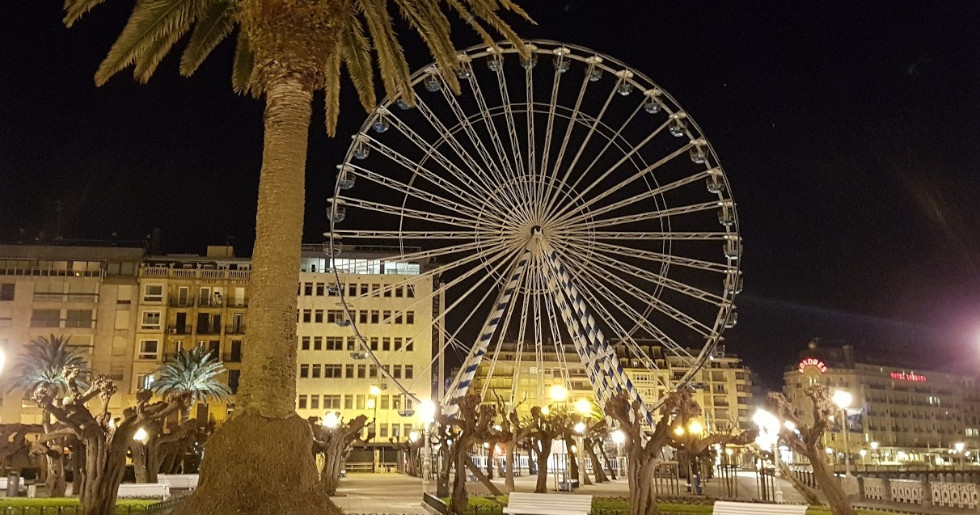
The 4 Best Cities in Northern Spain Written by Stephanie Mutsaerts Photos by Jesus Caso and Stephanie Mutsaerts Lying in Navarra and the Basque Country, and out to the west in Galicia – the 4 best city destiantions in northern Spain are not to be missed. With beautiful architecture, award-winning gastronomy and wine, a buzzing nightlife, phenomenal art and steeped in history, these cities are simply astounding. Whether sitting on a gorgeous coastline, or in the foothills of the Pyrenees, these four cities are surrounded by stunning natural beauty as well. Yet each one, due to its unique regional culture and surrounding landscape, is quite different from the others and provides an insight into the traditions and history of its area. Each of these destinations has its own soul and personality and its own compelling reasons for drawing people there. 1 – Bilbao the City of Architectural Wonders Bilbao is the de-facto capital of the Basque Country and encompasses the old and the new with stunning modern architecture such as Frank Gehry’s Guggenheim Museum and the Zubizuri Bridge, alongside the beautiful medieval buildings in the Casco Viejo at the heart of the city. As an industrial port, it is a cultural crossroads and has a thriving art and music scene. It is essential to visit the Guggenheim Museum, designed by the famous contemporary architect, Frank Gehry and opened to the public in 1997. Originally commissioned to spruce up a declining industrial port area, it is now one of the most admired and visited architectural wonders in the world and indeed one of the 4 best cities to visit in Northern Spain. On the other side of time, the Casco Viejo, or Old Town, in the center of Bilbao is a gorgeous series of tiny streets filled to the brim with lively cafés, bars and restaurants. The Siete Calles (Seven Streets) area is comprised of, well, seven streets that used to be the commercial center and a river port but are now a place to spend hours grazing on pintxos, shopping in boutiques and admiring the beauty of the old buildings. Worldwide Known Museums Apart from Frank Gehry’s Guggenheim Museum, there are many more museums to visit, such as the Archeology Museum, the Bellas Artes museum, and the unmissable Euskal Museum devoted to Basque Culture. There is also the Cathedral de Santiago, and the Gothic Basilica de Begoña as well as the Zubizuri Bridge. Just outside Bilbao, the stunning coastline has plenty more to offer, with nearby surfing beaches, plunging cliffs and the now famous Game of Thrones site, the hermitage San Juan de Gaztelugate. Bilbao is the perfect jumping off point to explore the enigmatic Basque Country and get a real taste of its heart and soul. 2 – San Sebastian the Seaside Gastronomy Star Another thriving Basque town, San Sebastian (Donostia in Basque) has become many a visitor’s new “favorite city”. Well-placed on the coast just across the French border, and just about an hour from Bilbao, San Sebastian has been lauded across time by authors such as Victor Hugo and Ernest Hemingway for its elegance, its relaxing beauty, and its excellent gastronomy. Sitting on La Concha (the Seashell) Bay, encircled by green hills and a sparkling blue sea, San Sebastian evokes old-time glamour. With wide promenades along sandy beaches, pretty architecture and a quaint old port, guests often feel they have stepped back in time. But don’t let that fool you. If you are thinking about visiting San Sebastian, do not miss this culinary tour to the hidden gems of the north San Sebastian hosts numerous festivals, including an important jazz festival and a star-studded film festival. As one of the rising stars of haute-cuisine, San Sebastian and the surrounding area boasts the greatest concentration of Michelin recommended and starred restaurants in the world. The lively nightlife and hundreds of pintxo bars give this area an incredible atmosphere. The beaches are covered during the day as people sunbathe and swim out to floats with waterslides or take up surfing in the generally forgiving waves. Sailboats and fishing vessels line the ports, and waves crash, sometimes rather spectacularly, on the rocks lining the coastal front of the city. One might wonder if they have, in fact, landed in a paradise. San Sebastian hosts numerous festivals, including an important jazz festival and a star-studded film festival. As one of the rising stars of haute-cuisine, San Sebastian and the surrounding area boasts the greatest concentration of Michelin recommended and starred restaurants in the world. The lively nightlife and hundreds of pintxo bars give this area an incredible atmosphere. The beaches are covered during the day as people sunbathe and swim out to floats with waterslides or take up surfing in the generally forgiving waves. Sailboats and fishing vessels line the ports, and waves crash, sometimes rather spectacularly, on the rocks lining the coastal front of the city. One might wonder if they have, in fact, landed in a paradise. 3 – Pamplona the Capital of Culture Pamplona is synonymous in the mind of non-Spaniards with its world-famous San Fermin festival, also known as the Running of the Bulls. This fiesta with its explosive party, non-stop music, dancing, drinking and eating, is steeped in traditions going back centuries, of which the bull run, or encierro is only one. This festival is not to be missed, as it is truly the experience of a lifetime and leaves many people mind-blown in its wake. Pamplona’s other claim to fame is as a major stop on the Camino de Santiago, as it winds down from the border of France in the Pyrenees and starts its march across the north of Spain to Santiago de Compostela. Pilgrims flow through the center of the Old Town, following the yellow or gold shell symbols you can find among the cobblestones. Their presence gives an authentic connection to living history. But Pamplona is a delightful city to visit all year round. With hundreds of bars and restaurants serving up world-class fare, and plentiful and delicious Navarran wines, the atmosphere in the streets is always sparkling and fun. You never know when a charanga band will go by belting out rousing traditional music, or when the main square will be covered in people dancing the traditional Navarran dances. Click here is you want to learn more ABOUT PAMPLONA. Ancient City Walls Historically, Pamplona was the capital of the Kingdom of Navarra and played an extremely important role in the formation of modern Spain. Because of its strategic location on the way over the Pyrenees and into France, it has been the site of many fascinating sieges and military campaigns over the centuries. This is why visitors can still marvel at the imposing 16th century defensive walls encircling the Old Town. Pamplona also has a magnificent Gothic cathedral (with a Neoclassical façade) in the center of the Old Town with beautiful relics and art work within, including the sepulcher of Charles III and his wife Eleonor. Pamplona also has several museums, including the Museo de Navarra which covers Navarran history from prehistory on up through the modern era with plenty of interesting art and artifacts. Though bullfights are only held during San Fermin, visits can be made to the imposing bullring where a guided visit will take you backstage to see how everything works behind the scenes. As a perfect base for exploring the rest of Navarra, and at the foot of the Pyrenees, Pamplona is overall so much more than just its world-famous festival. 4 – Santiago de Compostela Where the Pilgrims Go Santiago de Compostela is the endpoint of an epic spiritual journey, the Camino de Santiago pilgrimage. All routes lead here; it’s the gathering point of pilgrims from all over Western Europe and even farther afield. Even without a spiritual dimension, it is a deeply moving moment when people arrive at the end of their quest, often after weeks of walking across the north of Spain. Blistered, bleary from sleeping in dormitories and aching all over, yet accompanied by their fellow pilgrims, lifted by the joy of accomplishment, and buzzing with excitement, the pilgrims walk into Santiago de Compostela, one of the holiest cities in Europe, and the air is filled with this energy. There is nothing quite like it anywhere else. As a visitor, there is plenty more to absorb here than as simply a holy destination. Alive with its legends and mystique, a beautiful city surrounded by green fields and hills, Santiago is a pleasure to visit even in a non-pilgrim capacity. As the capital of the autonomous region of Galicia, it has a different feel from the rest of Spain. With its Celtic influence apparent in the music wafting across the squares and a local character defined by the weather and the sea – more akin to the shores of Ireland or Wales than to the southern provinces – Galicia is extolled as one of the finest, most unexplored areas of Spain to see, and Santiago makes the perfect starting point. The countless bars and restaurants spe cialize in delicious piles of fresh seafood and local wines, and as with most cities in Spain, there is a lively atmosphere at night, a beautiful center, and plenty of museums, such as the Cathedral Museum and the Pilgrim Museum, and the Museo do Pobo Galego – which gives a glimpse into the traditional Galician way of life with displays of architecture, fishing, agriculture, bagpipes, and traditional dress. Santiago de Compostela is another wonderful Spanish city among so many that the north of Spain has to offer. The Saint James Way If you are considering coming to the north of Spain and you would like to walk the Camino de Santiago pathway, we suggest you join one of your TOP Camino tours either on foot or by bike with Northern Spain Travel. Indeed Santiago de Compostela is one of the 4 Best City Destinations in Northern Spain Food and wine tours that will not leave you indifferent For those who enjoy rich and varied gastronomy and culinary traditions and at the same time reveal the true character of northern Spain we recommend the Northern Spain Travel Luxury Experiences tours that take you into the heart of the region visiting secret culinary gems hidden deep in the North of Spain.
Best Food Tour in Pamplona – Pintxos, Markets & History (4 Hours)
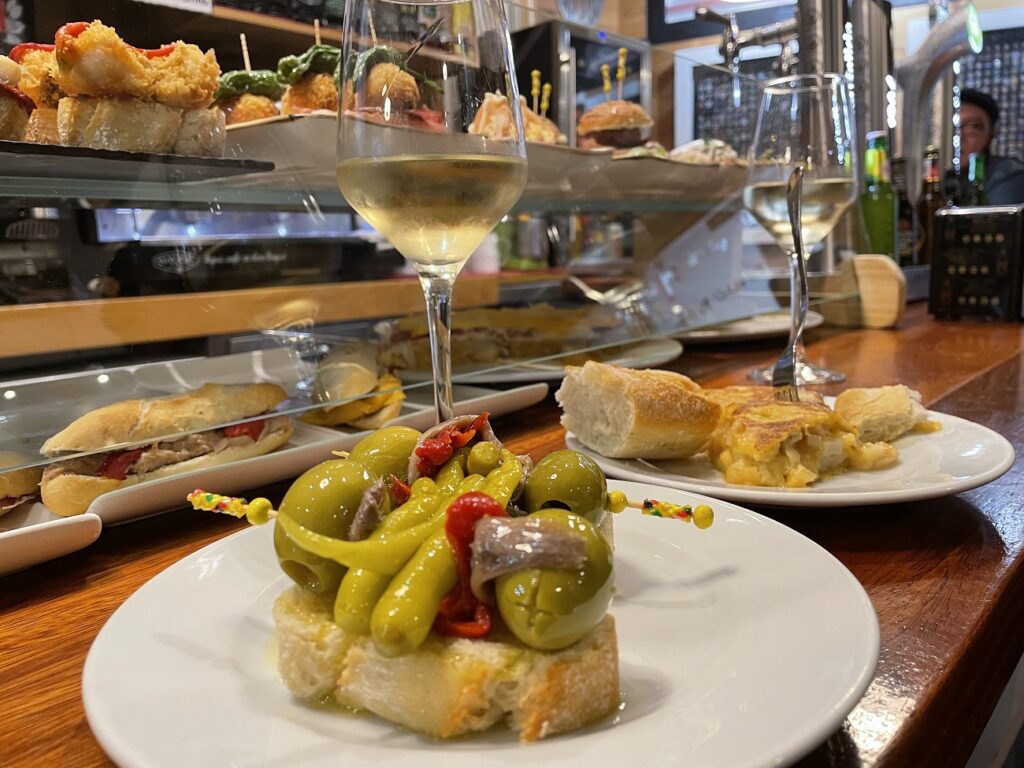
Discover Pamplona in 4 hours with a top-rated food tour Pintxos, markets, history, and views. Taste Navarra’s best flavors with a local expert guide. Article written by Stephanie Mutsaerts Northern Spain Travel Presents Book your Pamplona food and pintxos tour today and experience the city through its flavors and stories! Learn more about this tour Best food tour in Pamplona A perfect blend of gastronomy, culture, and sightseeing Looking for the best food tour in Pamplona? Taste your way through the historic Old Town with this 4-hour pintxos and culture tour—perfect for food lovers who want to explore Pamplona’s top flavors and landmarks in just one afternoon. Explore the lure of Pamplona with Northern Spain Travel. What’s Included: Pintxos & Wine Tasting at 4 Iconic Bars Savor the best traditional and modern pintxos paired with local wines at four legendary bars in Pamplona’s Old Town. A true taste of Basque and Navarrese cuisine. Guided Visit to Santo Domingo Market Explore Pamplona’s main market with a local expert. Discover fresh produce, regional cheeses, cured meats, and local delicacies. Visit Gourmet Food Shops Step inside authentic Navarrese food shops. Learn about and taste signature products like pacharán, piquillo peppers, artisanal conservas, and wines. Walk Through Pamplona’s Three Medieval Boroughs Uncover the history of Navarrería, San Cernin, and San Nicolás, the original neighborhoods of the city. Full of charm, legends, and local life. Cathedral Quarter & Optional Visit Inside Visit the Cathedral of Santa María la Real and its surroundings. If open, we’ll explore the stunning interior and cloister. City Walls Viewpoint Stop Enjoy panoramic views from a viewpoint overlooking Pamplona’s historic city walls, one of the most complete medieval fortifications in Europe. Why Choose This Pamplona Food Tour? A perfect blend of gastronomy, culture, and sightseeing Small-group experience with a local expert guide Ideal for first-time visitors or those short on time Taste the best of Navarra’s cuisine in just 4 hours Northern Spain Travel invites you not just to visit, but to experience Pamplona— with heart, mind, and palate open. Why Pamplona is a Must-Visit for Food Lovers Pamplona is not only famous for the Running of the Bulls, but also for its rich culinary traditions. Nestled in the heart of Navarra, this city offers a unique blend of Basque and Navarrese flavors, world-class pintxos bars, and vibrant local markets. From aged cheeses and premium wines to farm-fresh vegetables and artisanal meats, Pamplona is a true paradise for foodies. Whether you’re visiting in summer or winter, a guided food tour in Pamplona is the best way to discover local ingredients, meet passionate artisans, and experience the authentic taste of northern Spain. Looking for what to do in Pamplona in one day? This food and culture tour is your perfect plan. Explore Pamplona Through Its Food & Stories If you’re searching for the best things to do in Pamplona, a local food tour is a must. Walk through the city’s charming Old Town, taste award-winning pintxos, and learn about Pamplona’s rich medieval history, all in one immersive experience. This tour isn’t just about eating—it’s about connecting with the culture, understanding regional ingredients, and seeing the city from a local’s perspective. With stops at top-rated bars, the central market, and scenic viewpoints, you’ll leave with a full belly and a deeper appreciation for what makes Pamplona truly unique. Perfect for travelers, foodies, and cultural explorers alike! Photos by Stephanie Mutsaerts
Heming-WAY: Luxury Road Trip Tours Through Northern Spain in the Footsteps of Ernest Hemingway
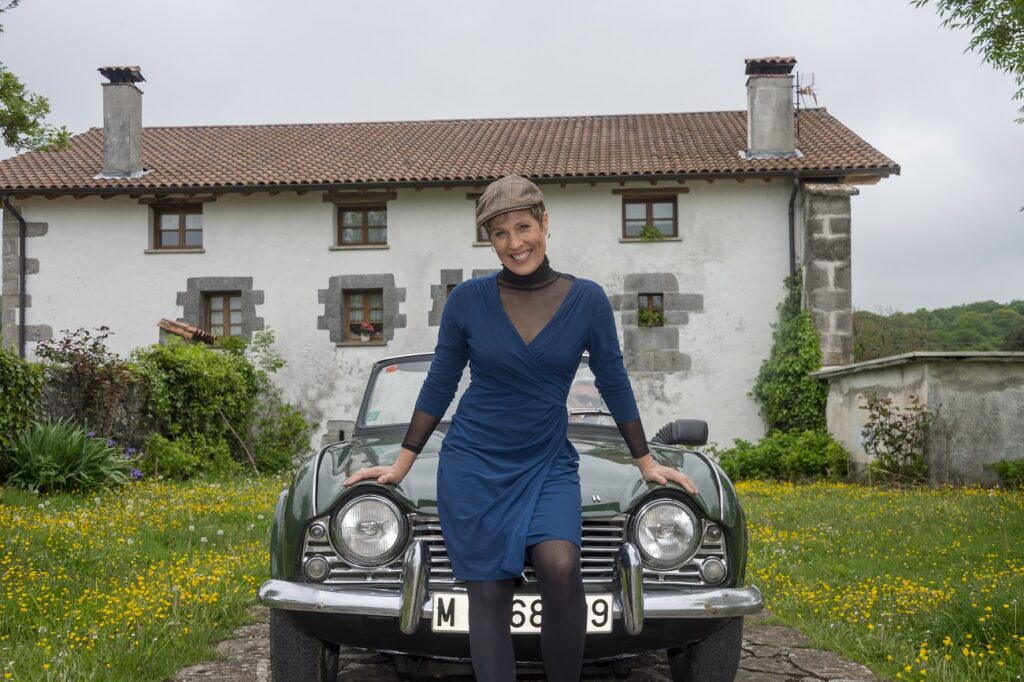
Our Hemingway Road Trip Tour is a purely experiential travel adventure. It is a road trip through Northern Spain full of diverse and local experiences connected to the life and writing of Ernest Hemingway. Heming-WAY: Luxury Road Trip Tours Through Northern Spain in the Footsteps of Ernest Hemingway If you’re dreaming of luxury travel in Northern Spain, there’s no better inspiration than Ernest Hemingway. The Nobel Prize-winning author fell deeply in love with the region’s raw beauty, fine wines, and warm hospitality. Our Heming-WAY Semi-Guided Tour is your invitation to follow in his footsteps on a curated luxury road trip through Spain, exploring the Basque Country, the La Rioja wine region, and Navarra—our jewel in the raw. With private local guides in select destinations, exclusive wine tastings, and boutique stays, this is a luxury tour of Spain with soul. Ready to travel the Heming-WAY?Let us design your luxury tour of Northern Spain, where every glass of Rioja, every sea breeze, and every cobblestone street tells a story worthy of Hemingway himself. Ask us for a paper copy of The Hemingway Traveler Magazine Send us a whatsapp at +34 628 601560 or send us an email at info@northernspaintravel.com Hemingway Traveler Magazine The magazine ‘Hemingway Traveler’ describes the journeys taken by Hemingway in each region, featuring the places known as ‘Hemingway’. It explains the development of the American writer and Nobel Prize winner’s ties to his beloved and admired Navarra, during his stays in Pamplona for San Fermin, Aoiz, Burguete; Orreaga / Roncesvalles, Selva de Irati; Lekunberri, Sunbilla and Tudela. In Gipuzkoa, he visited San Sebastian, Tolosa, Hondarribia, Irun, Txingudi Bay, Zarautz, Zumaia, Loiola, Deba (with its geopark on the Basque Coast), Markina, Etxebarri, Eibar (Armera Industry Museum). In Bizkaia he traveled to Bilbao, Ermua, Gernika, Urdaibai, Mundaka, Bermeo and Orduña. In Álava, Vitoria and Ollauri. In Iparralde he walked through the streets of Hendaia, and in La Rioja his stays are recorded in Logroño, Haro and Calahorra. The magazine presents photographs of all the locations that the writer visited from 1923 to 1960. Along with the images you can read Ernest Hemingway’s phrases highlighting the main characteristics and annual events of those municipalities. Recipes from some of the oldest restaurants in each region is also included – Gipuzkoa, Alameda de Hondarribia (1880); in Navarre, the Benta Miguel, from Ventas de Arraitz (1800); in Bizkaia, Los Fueros de Bilbao (1878); in Álava, El Portalón de Vitoria, which has been a post house and inn since the 15th century; and in La Rioja, Casa Terete, in Haro (1877). That the American writer and Nobel Laureate Ernest Hemingway was in love with Gipuzkoa and its bordering territories is no secret. uniqueness of Ernest Hemingway as the thread of its storyline, connects the links between Euskadi, Iparralde, Navarra and La Rioja through a variety of proposed trips and getaways. The places, people, parties, and customs that the Nobel Prize winner knew in these three neighboring autonomous communities left a strong mark on both his life and his writing. These experiences went beyond those of San Fermin which Ernest Hemingway made famous through the world with his first great novel, published in 1926 ‘The Sun Also Rises’ (titled ‘Fiesta’ in its Spanish version). Where Are We? Hemingway had a gift for finding places with a unique flavour and identity of their own — and our “Heming-WAY” territory is no exception. It spans three distinct cultural communities with more than 3,000 years of history to uncover, nestled in the angle formed by the Bay of Biscay and the Franco-Spanish border. In less than 300 kilometers, you’ll travel through: Two UNESCO biosphere reserves One of Europe’s best-preserved ancient forests A European Cultural Capital and a European Green Capital Some of the world’s most beloved festivals A dazzling variety of landscapes — from Atlantic beaches to vineyard hillsides — plus a culinary scene renowned across the globe. All this lies within a short trip from Europe’s great cities: 6 hours by train from Paris, 4 hours from Barcelona, 3.5 hours from Madrid. Day-by-Day Highlights of the Heming-WAY Tour From the Gipuzkoa Basque Coast to the rolling vineyards of La Rioja and the untamed Pyrenean valleys of Navarra, Hemingway discovered a Spain far from the tourist crowds—a place of deep tradition, authentic flavors, and landscapes that stir the imagination. On this semi-guided luxury tour, you’ll enjoy the freedom of your own pace combined with exclusive experiences only possible through our insider network. Day 1 – Pamplona: Pintxos, History & Private Hemingway Haunts Begin in Pamplona with a private guided walking tour of the charming Old Town, tracing the legendary bull run route, visiting the Cathedral of Santa María la Real, and pausing at Hemingway’s favorite spots. Step inside the historic Café Iruña and a members-only 1920s gastronomy club for a welcome drink, then indulge in gourmet pintxos paired with Basque cider or fine Navarra wine. Northern Spain Travel invites you not just to visit, but to experience the careful craft behind each cut of meat with rich marbling and natural flavor. Semi-guided tours SpainContact us to book your seat on this unforgettable road trip experience. Day 2 – La Rioja: Private Wine Tastings & Gourmet Dining Travel to La Rioja wine country, where Hemingway famously spent days exploring the vineyards. Visit handpicked wineries—some with centuries-old underground cellars—for intimate tastings of Gran Reservas and elegant blends. Savor a Michelin-worthy lunch at top hotels, surrounded by vineyard views. Day 3 – Navarra & the Pyrenees: Rustic Luxury in Wild Landscapes Experience Navarra’s “jewel in the raw” as you follow Hemingway’s fishing trails along the Irati River. Enjoy artisanal sheep cheese and txistorra sausage in the village of Aribe, then dine on freshly caught trout at Hemingway’s favorite hotel in Burguete—still run by the same family who served him nearly a century ago. Day 4 – Basque Country & San Sebastian: Culture, Coast & Culinary Bliss Immerse yourself in Basque traditions before arriving in San Sebastian, one of Europe’s top luxury coastal destinations. Enjoy a private pintxos and wine tour, discovering why this city is a global gastronomic capital. Relax on La Concha Beach or stroll the elegant Belle Époque promenade. Day 5 – Sailing the Basque Coast: A Hemingway-Style Escape Board a privately chartered antique sailboat from the fishing port of Pasajes. Cruise along the emerald Atlantic coastline toward San Sebastian, champagne glass in hand, just as Hemingway would have done. End the day with a curated bar hop to taste the city’s finest pintxos and wines. Why Choose a Semi-Guided Luxury Tour in Spain? Our Heming-WAY experience blends independent travel with exclusive guided moments, giving you the best of both worlds. You enjoy the freedom of a self-paced road trip, while we arrange the luxury stays, insider access, and gourmet experiences that make the journey unforgettable.