
A Day of Delights
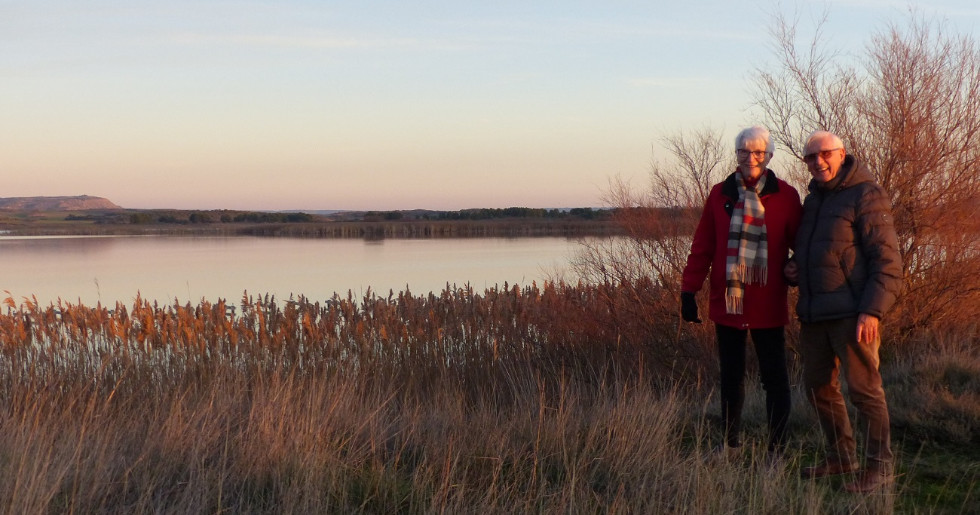
Written by Stephanie Mutsaerts Photos by Jesus Caso and Stephanie Mutsaerts This is a travel story A Day of Delights with Northern Spain Travel into Navarra for truffles, Bardenas Desert and a migrating bird santuary. Black Diamonds We drove south west of town for a day of delights to a tiny village where we met two men – father and son – Angel and Raoul. We also met their two scruffy dogs – Sara and Tommy. As a group we all set off to their holm oak plantation – ta dah – drum roll- in search of truffles!!! Yes, truffles are considered to be “black diamonds” in Spain and these two men cultivate trees that support the growth of truffles. Holm Oaks are one of the few species that support the growth of the fungus on their roots – the knobbly, dark, rather ugly, but totally delicious truffle. The dogs are trained from an early age to smell the truffle odour and indicate where the black diamond is to be found. We were hoping to witness such a moment. The Family Plantation The plantation we visited is just over 6 acres in size and is home to 770 trees, all neatly planted in rows, suitably spaced. Only about 100 of the trees are supporting truffles – they rest not having developed the required ability to “foster” the truffles. The trees are planted in very rocky ground – this is supposed to provide a good supply of nourishing calcium for the trees but does not provide easy walking for humans – we wobbled and tottered over the rocks, trying to be dignified as we did so. Of course the rough walking was no problem for Tommy and Sara who dashed about, thoroughly enjoying their outing beneath the trees. We are also noticed large numbers of abandoned, small, fragile, white snail shells – but not a sign of a live snail anywhere. A mystery! Tommy was just as interested in making friends with us as he was in serious hunting, constantly coming to us for a pat and a rub on his dirty and knotted long haired coat! Playful Truffle Hunting Dogs I got the feeling that truffle hunting was not high on the dogs’ agenda – just having fun in the woods was more to their liking. We walked, back and forth, back and forth. At the eleventh hour, as if to save the day, Tommy stopped at a tree and indicated that there was hidden treasure there. Angel knelt down at the base of the tree, carefully placing his knee of a special truffle hunting cushion. With sharp digging knife in hand he removed the surface rocks and broke through the soil. Not such a treasure it turned out to be but rather an over-ripe and pretty putrid truffle it was…. stinky as could be and full of maggots. Angel quickly broke it up and put the dirt and rocks back on top of it. Such a disappointment. But, the exercise and fresh air did us good! Not a Regular Oak Forest We talked as we walked through the plantation and learned that once a tree becomes productive it can produce for only 10 – 15 years. Once past its truffle-bearing years it must be allowed to grow old at its own pace until the plantation becomes a regular oak forest. Under law the trees may not be cut down and the land may not be replanted. While at first this seems a little harsh it is all part of a government program to reforest the area that once, years ago, before it was cleared to produce crop lands, was covered in oak trees. Our Adventurous Outing We were headed to The Bardenas on our adventurous outing. Now, the Bardenas is a semi desert area in the south of Navarre – a landscape of wind swept and eroded clay, chalk, and sandstone hills, mesas, and escarpments. I have seen photos of the dramatic landscapes and have long wanted to go and, finally, my wish was to come true. The landscape lived up to every one of my expectations, and very much more. Here were vast stretches of plain, dotted with greyish/greenish scrubby plants, dried gullies, collapsed mud towers and pinnacles, wind scraped slopes, rainwater washed mounds, tortured trenches, and occasional simple dwellings which provide housing for shepherds in the seasons when sheep graze this semi-desert. No wonder this place has become a popular backdrop for movies such as Game of Thrones. It was all breathtakingly beautiful, the landscape colours of yellowy beige, dusty orange, dull greys and greens, set against a brilliant blue sky. We drove through the area (it is now a UNESCO heritage site), stopping occasionally to admire, walk a little, and take photographs. Even René, who was not wild on the idea of seeing a desert or semi-desert, thinking that once you have seen one sand dune you have seen them all, was quite bowled over by the beauty of it all. I’ve seen several deserts around the world, each one of them different, and The Bardenas is different again. I just love deserts and find their beauty compelling. This desert is one of the winners. A Sanctuary of Migrating Birds The outing ended with a short visit to a lake which is protected as a sanctuary for migrating birds. Alas, this is not the migration season so there were few birds visible, but the evening light and the reflections of the golden reed beds in the still water, were beautiful. We saw one swan in the distance and a few moorhens (or similar water fowl) in a sheltered inlet. The silence was almost deafening and occasionally disrupted by burpy frog voices. A perfect place to end our perfect outing. The drive back to Pamplona was accompanied by a deep red sunset …. A final flourish was the bag of hot roasted chestnuts as we walked through the streets of the old city back to our accommodation. Join us on an adventure into Navarra
Truffle Hunting and Desert Crossing
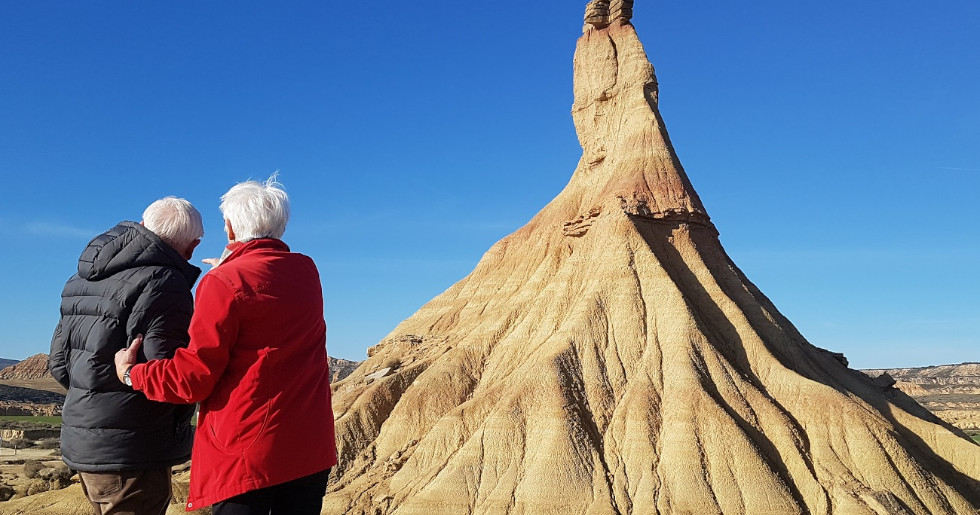
Written by Stephanie Mutsaerts Photos by Jesus Caso and Stephanie Mutsaerts Truffle Hunting in Northern Spain Today is a day for truffle hunting and Bardenas desert crossing. At 10 o’clock on Saturday our Northern Spain Travel Guide arrived to drive us south west of town to a tiny village where we met two men – father and son – Angel and Raul. We also met their two scruffy dogs – Sara and Tommy. As a group we all set off to their holm oak plantation – ta dah – drum roll- in search of truffles!!! Yes, truffles are considered to be “black diamonds” in Spain and these two men cultivate holm oaks, the roots of which support the growth of knobby, dark, rather ugly, but totally delicious truffles. The dogs are trained from an early age to smell the truffle odour and indicate where the black diamond is to be found. We were hoping to witness such a moment. Into the Truffle Plantation The plantation we visited is just over 6 acres in size and is home to 770 trees, all neatly planted in rows, suitably spaced. Only about 100 of the trees are supporting truffles – the rest not having developed the required ability to “foster” them. The trees are planted in very rocky ground – this is supposed to provide a good supply of nourishing calcium for the trees but does not provide easy walking for humans – we wobbled and tottered over the rocks, trying to be dignified as we did so. Of course the rough walking was no problem for Tommy and Sara who dashed about, thoroughly enjoying their outing beneath the trees. We also noticed large numbers of abandoned, small, fragile, white snail shells – but not a sign of a live snail anywhere. A mystery! Truffle Hunting Dogs Tommy was just as interested in making friends with us as he was in serious hunting, constantly coming to us for a pat and a rub on his dirty and knotted long haired coat! I got the feeling that truffle hunting was not high on the dogs’ agenda – just having fun in the woods was more to their liking. We walked, back and forth, back and forth. At the eleventh hour, as if to save the day, Tommy stopped at a tree and indicated that there, at that spot, was hidden treasure. Angel knelt down at the base of the tree, carefully placing his knee of a special truffle hunting cushion. With sharp digging knife in hand he removed the surface rocks and broke through the soil. Not such a treasure it turned out to be but rather an over-ripe and pretty putrid truffle it was…. stinky as could be and full of maggots. Angel quickly broke it up and put the dirt and rocks back on top of it. Such a disappointment. But, the exercise and fresh air did us good! The Truffle Plantation We talked as we walked through the plantation and learned that once a tree becomes productive it can produce for only 10 – 15 years. Once past its truffle-bearing years it must be allowed to grow old at its own pace until the plantation becomes a fully developed oak forest. Under law the trees may not be cut down and the land may not be replanted. While at first this seems a little harsh it is all part of a government program to reforest the area that once, years ago, before it was cleared to produce crop lands, was covered in trees. Crossing the Bardenas Desert in Northern Spain The Bardenas Reales In the car once more we headed to The Bardenas. Now, the Bardenas is a semi-desert area in the south of Navarre – a landscape of wind-swept and eroded clay, chalk, and sandstone hills, mesas, and escarpments. I have seen photos of the dramatic landscapes and have long wanted to go there and, finally, my wish was to come true. The landscape lived up to every one of my expectations, and very much more. Here were vast stretches of plane, dotted with greyish/greenish scrubby plants, dried gullies, collapsed mud towers and pinnacles, wind scraped slopes, rainwater-washed mounds, tortured trenches, and occasional simple dwellings which provide housing for shepherds in the seasons when sheep graze this semi-desert. Game of Thrones Zone No wonder this place has become a popular backdrop for movies such as Game of Thrones. It was all breathtakingly beautiful with the landscape colours of yellowy beige, dusty orange, dull greys and greens, set against a brilliant blue sky. We drove through the area (it is now a UNESCO heritage site), stopping occasionally to admire, walk a little, and take photographs. I’ve seen several deserts around the world, each one of them different, and The Bardenas is different again. I just love deserts and find their beauty compelling. This desert is one of the winners. The Bardenas desert crossing is part of a Northern Spain Tour called Shepherd’s Way by bike tour
Easter Weekend
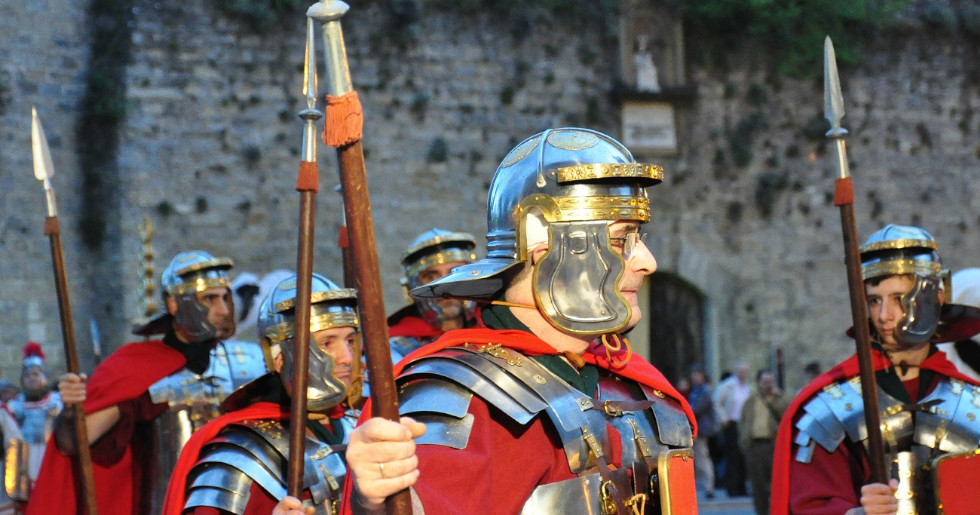
Written by Stephanie Mutsaerts Photos by Jesus Caso and Stephanie Mutsaerts Religious and not-so-religious activities The Easter Procession We came to northern Spain for the Easter weekend. Easter is a time of public religious celebrations – mostly in the form of processions through the ancient city. Groups, or guilds, carry heavy floats depicting scenes from the story of the passion, the stages of Christ’s arrest, trial, and crucifixion. Participants are dressed as Roman soldiers, residents of Jerusalem, or other characters that are part of the Easter story. Many carry lighted candles, palm fronds, weapons – whatever fits their part of the story. Musicians in bands also form part of the procession which moves slowly through the streets either to the beat of the music or to the beating of drums that set the pace. The floats are very heavy so frequent stops are made to allow the bearers to step aside and let new bearers take their place. While carrying the floats on shoulders is the traditional method, one of two floats on wheels that are pushed like hand carts have also been observed – these seem to lack the true sense of penance that is part of the Easter tradition however. We were able to observe a procession from the balcony of our luxury apartment in the old city centre. Lanz during Easter Pamplona is a city of ancient streets and buildings, surrounded by successful industries and some dense areas of apartment blocks. The greater city, in turn, is surrounded by rich green rolling hills, dotted with tiny villages and farms. On Easter Saturday our Northern Spain Travel guide took us to the local village of Lanz to get a feel for Navarran rural life. It was a fairly short journey to the village but the contrast between city and village life was striking. We walked the main (the only) street and enjoyed the stillness, the architecture, the bird song. It was definitely worth exploring this small, bucolic treasure, unwinding and relaxing before returning to the bustle of Pamplona. Easter Evening Mass in Spain That evening our guide picked us up and accompanied us to midnight Easter mass in the cathedral. As we walked uphill through narrow streets towards the cathedral we were startled by a very loud cracking and rattling. It sounded almost as though some sort of armed insurrection was underway! The noise we soon realized was coming from one of the cathedral towers from a huge wooden drum covered with wooden spikes which rattled as the drum was rotated – the signal to the town, at a time when the bells were silenced for the days leading up to Easter Sunday, that mass was about to start. The Easter weekend mass was quite a grand ceremony, spectacular with candles, bells, organ, singing, incense, costumes, processions etc. Bunkers from the Franco Era Easter weekend Sunday was a quiet day (our choice) but things became busy again on Monday (a holiday here in Spain). With our guide we drove out into the mountains making our first stop at a cafe on the Camino de Santiago (the pilgrim route to Santiago). Many pilgrims were already there, enjoying coffees, sausage, pastries, etc. outdoors in the sunshine. We talked to pilgrims from France, England, Canada, and Australia and wished them Buen Camino as they headed down the path, staff in hand, the symbolic scallop shell of Santiago pilgrims bouncing jauntily on their backpacks. With our guide we walked through a local nature preserve in search of bunkers that had been built during the Franco era. Franco had planned 10,000 of these bunkers all along the Pyrenees but only 6,000 were built. They were to deter the French, later the allies, and later still the Spanish who had fled from Franco during the civil war, from entering the country. The bunkers were never used and their existence was denied until about 10 years ago but now they have become of archeological interest and tours o bunkers, most of which are tucked into the mountain sides, are available. We found two of the bunkers – one in very good condition, the other all overgrown with weeds and brambles. In the years since they were built many have been used as animal shelters or storage barns by the locals who were aware of their existence despite the fact that they were supposed to be secret and hidden. Our guide was not only a history buff, but also a naturalist, archaeologist and general explorer of the area. He talked about plants, mushrooms, ferns, bird feathers – in many cases producing examples of the things he was talking about – a sort of Show and Tell of the area! One particularly unusual find he showed us was the remains of a tiny leather shoe that he had found in a mountain cave. After considering various possibilities regarding the possible history of the shoe, its shape and size, its construction, he hypothesized that it had probably belonged to a female dwarf who had perhaps been part of a travelling carnival troupe. Perhaps she had died in the area and her body left in the cave. Where were the bones? It may have been removed by wolves or other predatory animals that roamed the area until fairly recent times. A story without proof, but it made an interesting tale. Our walk also took us through meadows where beautiful horses grazed …. horses wearing bells with deep tones like the bells worn by mountain cattle. Alas, these lovely horses are bred to be eaten which is a sobering thought for any horse lover or admirer. Our walk ended with a yummy lunch of simple mountain food (no horse meat!!) This tour was tailor made by Northern Spain Travel, and reflects some of the elements of their Hidden Gems of the North Tour
Our Romantic Getaway in Navarra and Aragon
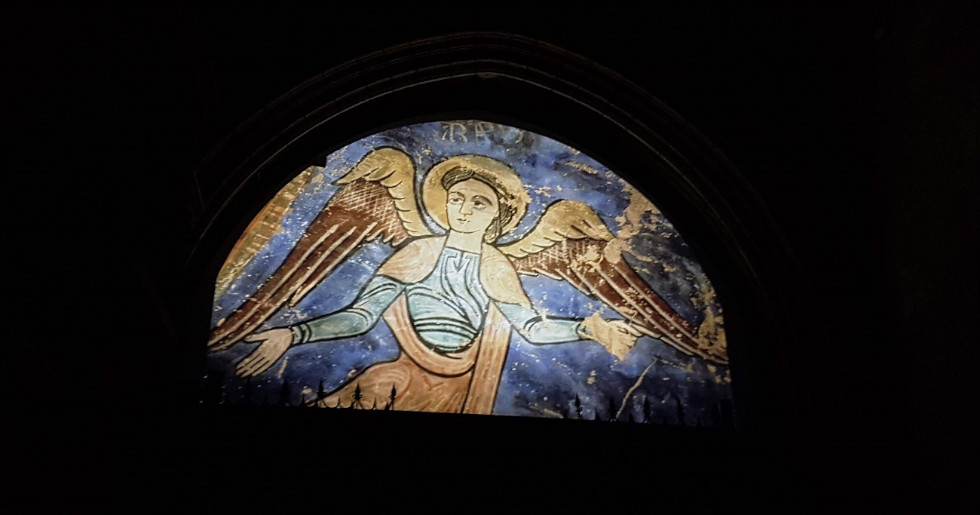
Our Romantic Getaway in Navarra and Aragon Written by Stephanie Mutsaerts Photos by Jesus Caso and Stephanie Mutsaerts Brace yourselves- this is going to be long and possibly too full of enthusiasm for all the wonderful things we saw…. but here goes….. Javier Castle in Navarra We met our Northern Spain Travel guide around 4pm on Saturday afternoon, overnight bags at the ready. We were about to begin a portion of the Kingdoms of the North tour territory. Our first stop was Javier, a hamlet on the border between Navarre and Aragon …consisting mainly of a partially ruined castle, a chapel or two, and a restaurant all surrounded by rolling, green, country side. The claim to fame of this community is that it was the birth place of St. Francis Xavier in 1506. He became one of the founders of the Jesuit community. What had been a tiny chapel back in the day is now a much larger chapel that was opened in 1901. It is still pretty modest and has none of the decorations lavished in gold stolen from the colonies in South America that one sees in so many Spanish churches. I was pottering around on my own, taking photos and enjoying the stillness when I heard myself being summoned by a casually dressed man close to the altar “Señora” he said, making beckoning signs that I should approach. I thought I was probably going to be reprimanded for being in the wrong place or taking photos when I shouldn’t or some other transgression. But no, he wanted me to stand next to him, turn around and look at the rose window over the entrance door. Having established that my Spanish was not up to snuff he rattled on in very good English to tell me that the window was a gift to the chapel from Notre Dame in Paris and that most people stick their noses into the chapel, take a quick look around but never look up behind them to see the window. The conversation went on from there …. he himself was a Jesuit priest and had worked in India for about 40 years. He was full of interesting stories – both of the life of St. Francis and of his own. I was attracted by his relaxed personality, his sense of humour, his wealth of history and anecdotes. Finally he said he had to leave to take mass in a local church – off he went, still in what looked almost like casual gardening clothes. I was very taken with him and his attitude to life – if I lived close by I’d go to hear his sermons on a Sunday morning! Sos del Rey Catolico in Aragon Our romantic getaway in Navarra and Aragon took us driving toward the Pyrenees. We drove on to Sos del Rey Catolico. The approach to the town is up a steep, windy, mountain road, twisting and turning until eventually the town appears perched on the tippy top of the mountain – a totally mediaeval town of windy, narrow, cobbled streets, some so steep that they were built as stairs. we went to the tower, the only remains of the once-long-ago fortress, some of us huffing and puffing as we went, but the view from there was worth it – old, terra cotta roof tiles on higgledy piggledy roofs and, in the distance, the mountains and the snow capped high Pyrenees beyond. Fabulous. Romantic Uncastillo and Luesia in Aragon Our way back down through the town included a stop in an ancient bar (wine for some, paxaran for me) before we returned to the car and drove on to Uncastillo, a journey across scrubby, craggy, uplands passing rows of hilltop wind turbines which have an eery quality of their own, especially in the light of early dusk. Finally down into the valley of the Luesia and, as darkness fell, into the ancient town of Uncastillo. The “road” to our hotel was barely wide enough for our small SUV to pass through. The last few yards were on foot. The hotel was in an ancient building dating back to the 18th century but furnished with the best of comforts and in understated elegance. It was lovely, quiet, very comfortable. By the time we arrived it was 9.30pm and we were in need of food. The owners called their buddies in a local restaurant and all was arranged for us. A walk along darkened, cobbled streets flanked by buildings from the 13, 14, 15 centuries and into a welcoming upstairs room in an ancient inn. What a perfect day this had been…. Our hotel with the balcony of our room over the entrance door view from our balcony. We slept in great comfort in the silence of the town. Breakfast at 9am by a cozy fire. After breakfast we made our way through more tiny cobbled streets to the church of St. Martin which is now the information office. There we were invited into the church in total darkness. We were guided to seats and waited for action. Slowly and mysteriously a video and sound show started – projected into the apse of the church ahead of us – the history of the church, of the town, of the surrounding areas. From time to time different areas of the church were floodlit – golden altars, ancient manuscripts, old bronze bells, ancient organ etc. It was all very well done. At the end we were taken on a guided tour of what was in fact a museum of church artefacts housed in the ancient church. Some of the pieces were old and primitive, others were newer (16th century??) and gaudy. All were interesting. Once that tour was completed and we had had a chance to just wander around inside the church on our own, we joined a larger group with the same guide and set off on a tour of the town. The guide spoke Spanish only but we managed to follow much of what he had to say and we had the NST team closeby to translate. There was no major history in the town but many small details regarding architecture, daily life over the centuries, etc. Definitely worth it all. Into the Countryside of Navarra and Aragon Then on to our surprise lunch spot with a stop en route at yet one more hill top village with fortress ruins and ancient church. This village had been modernized to a large extent, alas, and the bar where we stopped for coffee/beer late morning was definitely in a 50s time warp. Historic in its own way when you stop to think that the 50s were 70 years ago!! Our lunch destination was in a nature reserve about 8km down a gravel road. The “restaurant” was a sort of glorified snack bar surrounded by a large, tree shaded, parking lot. The building had glass walls on three sides and was furnished with picnic benches and plastic chairs! This was quite a contrast to all we had seen thus far, and was definitely not mediaeval!! we were the only people there which was surprising as it was a lovely sunny day and ideal for being outdoors in the reserve. The owners attributed the lack of clientele to the fact that the elections were on and people were staying home to vote. The food turned out to be superb. Freshly cooked meat and fish, fresh crisp salads. A perfect meal, eaten at our picnic table with an occasional dog coming to visit us. After lunch we walked to the river a few yards away – deep natural swimming pools and shallow water falls surrounded by craggy cliffs. Very attractive and inviting. As it was so warm and sunny we paused there for a while, just soaking in the sun and the sound of the water. Lumbier in Navarra But that was not the end of our weekend adventure. On the way back to Pamplona we stopped in Lumbier and walked along a disused, now paved, railway track that ran through a deep narrow gorge along the river bank. There were quite a few people there but the place never felt crowded and it was great to listen to the bird song echoing through the gorge, and watch the eagles and kites soaring overhead. And so ended the day. We drove back to Pamplona. At our request our guide dropped us off at the perimeter of the pedestrianised centre and we walked back to the apartment along more cobbled, but definitely wider, streets. No medieval houses but 18th and 19th century buildings and a couple of urban palaces (now government offices) on the street where we live. Sherry and spicy crackers rounded out the day. Thank you Northern Spain Travel for a fabulous trip!
Three Days in Pamplona
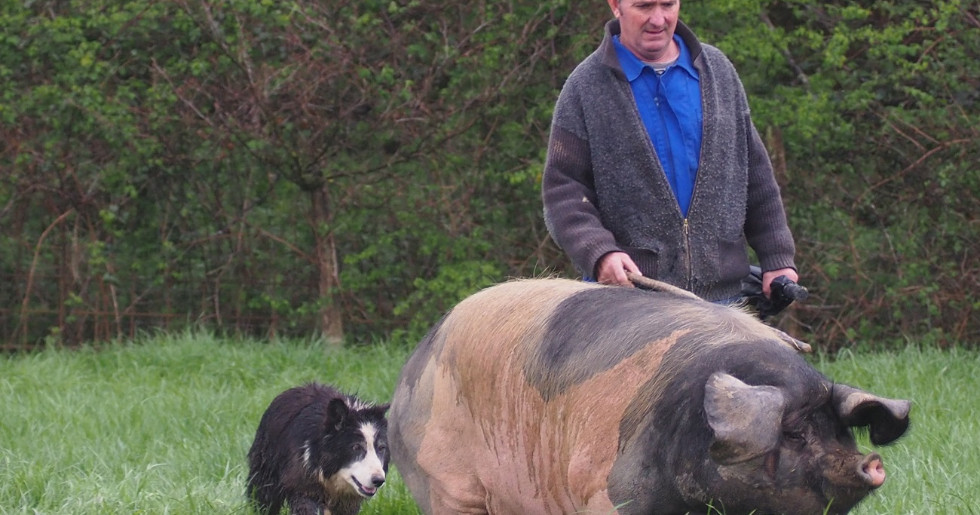
Written by Stephanie Mutsaerts Photos by Jesus Caso and Stephanie Mutsaerts Day One in Pamplona Three days in Pamplona were fun-packed. On day one of our three day program we walked around the city but the plan was definitely derailed by the weather. Soon after we left the apartment it started to rain, then it poured, and then the wind blew, and then a gale blew. Even Northern Spain Travel with all its skills and talents was unable to manage the weather for us! We staggered on, doing our best to be cheerful (stiff British upper lip, remember), but finally we gave in and spent almost an hour in a very cozy bar sipping coffee!! We then continued our sightseeing, building in as many indoor stops as possible!! Two o’clock saw us in a local restaurant for lunch. I’m sure I’ve mentioned before that lunch is the main meal of the day here, most restaurants offering 3-course menu lunches for very reasonable prices. The price also includes 1/2 bottle of wine per person! A siesta followed and we wandered out again in the evening to see more of the town and be taken on a gastro tour by a young Northern Spain Travel guide. Our guide picked us up at 8pm and we walked to a nearby street which is home to many many bars. In addition to serving drinks these bars feature pintxos – the local equivalent of tapas. It is quite customary for friends to meet at the end of the day for drinks and pintxos – sort of making that the evening meal. Our guide took us to a bar which had won first prize in the recent annual city-wide pintxo competition. She ordered a couple of the winning munchies for us to try – and glasses of vermouth to go with them. The pintxo in question included oxtail and fish – not mixed together but separate parts of the whole concoction. They were served on sort of lurid, fake seashore rock, complete with fake starfish, all looking rather like a washed up piece of flotsam. Not very attractive but pretty good to taste. Vermuth is a local speciality rather like, but not really the same as, Italian sweet vermouth. Bars here make their own so each recipe has a tiny twist of its own. I noted that most of the locals in these bars were drinking wine or beer – not many were taking the vermuth. When we first arrived in the bar our guide told us that in addition to the prize-winning pintxo she was going to order a surprise pintxo for us. First we were disappointed when she was told that the surprise item was not available, but just as we were leaving the bar a waiter dashed up to us to say that the chef had indeed made one of the surprise items and was about to bring it to us. It was called a Bomba – indeed it looked like a bomb complete with black plastic bomb-shaped container. A mystery liquid was poured over it, creating a white smoke effect. It was all very dramatic but the downside was that the pintxo itself, nestled inside the bomb, was floating in the liquid and had become a soggy mess – not easy to eat as finger food. It was spectacular to see and, despite its soggy condition, it tasted delicious!! Then to a second bar which serves our favourite pintxo – duck liver (not duck liver paté) on tiny rounds of toast…. This pintxo is freshly cooked, outrageously delicious, probably loaded with cholesterol, but liver is liver and liver is supposed to be good for one!! Alas, no photos of this bar…. We enjoyed good local red wine with this delicacy! Our third, and final, stop was at the oldest bar in Pamplona – very small, pretty dingy, with a careworn and slight down-at-heel look, but what do you expect when your age is in the 100s! Here we enjoyed a glass of Patxaran (pronounced patcharan) which is liqueur of distilled aniseed with overtones of sloe. So delicious and a definite favourite. Day Two in Pamplona The following day we travelled by road with our guide to San Sebastian – an hour’s ride through the Pyrenees to the coast on the Bay of Biscay. A lovely city which was the gathering place of wealthy Spaniards back in the 30s. There is an old city of narrow streets, ancient churches, bars, markets, and then there is the great stretch of the three bays with their elegant hotels, posh apartment buildings, and pristine golden sand. San Sebastian was quite a hit with our friends and we enjoyed showing them around. We walked about 10km that day, loving it all. Day Three in Pamplona The next day we were out again with Northern Spain Travel – a visit to a pig farm, to be followed by a demonstration of how the pig meat is processed into jamon, sausages, etc. followed by a 13 course tasting menu of various pig products. This sounded intriguing. We met one of the part owners of the business and he became our guide to the farm which we reached after a lengthy drive along a muddy, rutted, farm road (typical of farms just about everywhere in the world). On arrival we were all issued with what looked like large, elastic-topped, plastic bags. These were for us to put on over our shoes and provide protection pretty much up to our knees. Things of beauty they were not but they served their purpose very well – thank goodness! By now we were experiencing heavy rain so, clutching brollies in one hand and cameras in the other, we walked a muddy farm path the length of the property, skirting hillside fields with hundreds of pigs wandering, sometimes running, around. The pigs were divided into separate fields depending on their age and most would be on the farm until around the age of 12 months at which time they would be taken to the slaughter house. From there the hams go to Salamanca and are hung and cured for 30 months. Who knew that a good jamon would take that long to dry out? Seems that Salamanca has the perfect climate for ham air-drying! The pigs are Iberian Basque pigs – quite a rare breed – sort of pink with black rumps and black blotches on them, and they have big, floppy ears. The very fat pig in the photos below is a mascot pig and will never go to the slaughter house – her name is Felica! (pronounced Felitha) Only one farm in Spain and one in France breed these pigs and they are specially prized for the quality of their ham. One very valuable piece of information I gleaned is that the noise I assumed was the pigs grunting as they wandered about was in fact farting brought on by the huge quantities of grass they eat! For the last few weeks of their lives they also get large quantities of acorns added to their diet. They all looked like very happy pigs as they were free ranging in their large fields. Finally we tore ourselves away from the muddy fields and drove back to “headquarters”, too late for the production demo, but in time for the exquisite lunch. This was a great experience. The dining room was very elegant with light, Scandinavian type furniture, crisp white (real fabric) table cloth. The food was prepared to the standards of at least one Michelin star. The chef came to the table with each course to explain what we were eating, the process of making it etc. The portions were small – just right to get a good sample taste. We ate cured ham, cured pork loin, various sausages, bacon cut so finely it was almost transparent, crackling cooked very very slowly in lime juice so it was soft and tender and could be eaten with a spoon. And so it went on – one dish after another, each one very special, and all washed down with a crisp, white, Navarran wine. A light dessert and coffee rounded it off …. so wonderful. There were no nap options following lunch but we drove to a nearby village and into the bar for a post-lunch patxaran (it was going on for 5pm by this time!) and from the pub a brief ramble around the village. Finally – up, up, up into the mountain tops to the church of St. Miguel de Aralar. Our guide explained to us that this church was built as a penance by a warrior – perhaps a crusader – who, on returning home from the wars, found a couple in his bed and, on the assumption that this was his wife with a lover, killed them both. He then found that he had actually killed his mum and dad who were spending the night in his castle and that his wife had moved to a smaller room. He was very very upset. For years wandered the world in chains and, at some point, built this church as part of his seeking forgiveness for the bad thing he had done. It’s very simple romanesque style, rounded arches, small windows. It has a great atmosphere that let’s one feel holy no matter what. The mountain top was swathed in fog so we saw nothing of the supposedly magnificent view. And thus the day ended – a trip home, simple supper of paté, jamon, local cheese, fruit, and – of course – wine. Day Four in Pamplona – Farewell The next day – not really part of our three day program – a visit to the local fresh food market – more oohing and aahing, this time over huge assortments of meat, fresh fish, lots of veg, including the phallic white asparagus which is now in season, and several monster green leafy things called Cardo in Spanish (Cardoon in English). A quick lunch before our friends took a taxi to the airport and time for us to pick up our bags and join a Northern Spain Travel guide for what was billed as “a romantic weekend away”, a part of their Hidden Gems of the North Tour.
A Brief History of Mount San Cristobal
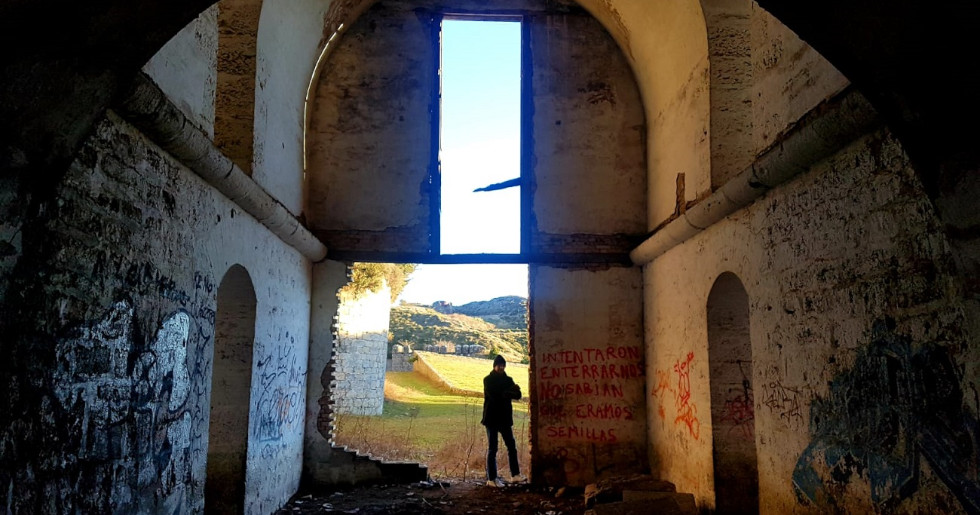
Ghosts over Pamplona Article written by Tim Pinks ‘’We looked out at the plain. The long lines of trees were dark in the moonlight. There were the lights of a car climbing the road of the mountain. Up on the top of the mountain we saw the lights of the fort.’’ Ernest Hemingway – Fiesta/The Sun Also Rises. A winter’s day excursion What a typically exquisite set of sentences from the maestro of the crisp, understated phrase. A genre he invented…so no wonder it’s good. Another exquisite set of circumstances relating to the mountain mentioned above was down to Stephanie, who suggested going up there one very early January day in the new year of 2020. Okay, the wee mountain (more a hill – it’s just under 900 metres high) Hemingway refers to may not feature as much as the big mountain Kilimanjaro in another Hemingway story, but it does feature quite big in the history of one of Pamplona’s, and thus Spain’s – and hence the Basque Country’s – darkest periods. Cold days in hell must have come true for some of those imprisoned up there… Tim Pinks entering the southern flanks of the San Cristobal Fort. This is a winter’s day excursion to El Fuerte de San Cristobal In contrast, it was a gloriously sunny, but bitingly cold day as I finally got to go somewhere I’d been meaning to go for a long time, thanks to Stephi. That previous summer I’d just completed thirty-six years in a row of Pamplona’s famous, fabulous and fantastic Fiesta of San Fermín, where six noble and ferocious beasts, the toro bravo, or ‘fighting bull’ are let loose in the streets to run with a couple of thousand of dumb animals. Us humans. El Fuerte de San Cristobal or Ezkaba Pamplona is the capital of the Spanish state of Navarra, officially called The Kingdom of Navarra. I’ve been up and down and around and around Navarra many a time, but somehow I’ve always managed to miss something that’s actually just outside the city. The mountain is really called Ezkaba but has become popularly known by the name of the fort on top of it, San Cristobal. There was also a hermitage called San Cristobal dating from around the 13th Century, which lasted until about the 16th. Patxaran is the Navarre Firewater Apparently it offered travellers cures for varying things…including headaches. Which always makes me smile. One of THE party capitals of the world and a region famed for its wines…offering a headache cure. Well I never…! And beware the local firewater, patxaran, folks…it may have the colour of a smooth punch but it packs a sucker one too! One of the simplest and most delicious ways to eat wild mushrooms is in an egg scramble. Do we hike up or drive up? On the roads from the north and south a giant tourist sign with a simple painting of it lets everyone know what it’s called. Many countries let you know the name of the river you’re crossing, and to me, mountains, like rivers, are living, breathing things. So I like it that some countries sign post them. It adds to the journey, knowing the names of things. And talking of journeys, walking up San Cristobal would have been lovely, but it hadn’t been planned it until Stephi suddenly mentioned it as an option, and as daylight time would be limited, she decided the only way to get up was to drive. But one day, rather than driving up on a super cold day in winter, I’d like to walk up on a lovely day in the summer. And talking of the weather…gosh, but it must have been a very, very, cold posting back in the day if you were on duty at the fort in the depths of winter. I was dressed up in modern warm clothing but crikey I was brass monkeyed! A prison during Spain’s Civil War And as we wandered around on that beautiful, early January day, I also thought of what the conditions might have been like when it was a prison during Spain’s Civil War. It would have been bad enough working there on your ‘friendly’ side as a guard or whatever, but as an enemy prisoner, conditions don’t bare thinking about. But let’s go back further in time, to when the mountain first appears in printed history. In the 13th century it appears in several similar spellings to the one used now, and there was also mention at the same time of that little hermitage named San Cristobal up there, from which a fortification subsequently built took its name. I have used those ultra-reliable internet sources Google and Wikipedia for some of the info in this piece, so eat your heart out, Encyclopaedia Britannica…but trust me folks, as far as we know, these are the facts. The 3rd Carlist War – 1872-1876 Fast forward several hundred years and after the 3rd Carlist War – 1872-1876 – they’re all too complicated to go into here, (but there’s always that Encyclopaedia Britannica!) a major fort had replaced the various castles and fortifications developed over time. ‘Modern’ artillery of that era had made the massive defensive walls of Pamplona obsolete, so yet another fort was planned. In 1878 construction of the Alphonso 7th Fort began, soon to be commonly known as the San Cristobal Fort. El Fuerte de San Cristobal. It must have been a cold and uncomfortable posting in the depths of winter, but at least ‘you’ were on the ‘right’ side. But to be a prisoner there…oh my. And so it came to pass that in 1934 it was converted into a jail. A big, on-top-of-a-mountain, miles-from-anywhere, (‘modern’ Pamplona had only just began to expand outwards) soul destroying, built-into-a-mountain prison. The only thing going for it as a prisoner must have been the views. Out over the landscape of freedom… And then…the shadows began to fall over this beautiful land and Spain fell into the darkness of the Civil War and horrors began at the once-upon-a-time fort that was now a prison. Now, I’m not going to tread into the politics concerning the Spanish Civil War here…it’s even more confusing than the Carlist Wars, but one day… The prison break in 1938 … One day there was a breakout from the prison. Conditions were pretty bad up there and on May 22nd, 1938, 792, or 795 (some say 900) Republican (anti Nationalist, so anti-Franco) prisoners escaped. After the revolution of 1934, the prison had housed some 750 inmates. By the time of the escape there were some 2000 prisoners and conditions were not pleasant. Unfortunately for the escapees, a guard managed to get down to Pamplona and raise the alarm. A manhunt was set in place. By the end of the incident, 585 had been arrested, 211 shot dead, and 14 of those who had been arrested were sentenced to death. Of all those involved, only three made it the 33 miles to the French border. Yup, just three. Many of those caught and returned, were left to die of famine, disease…or both. Four hundred of them. A memorial was erected to the event in 1988, 33 years after it closed as a prison. Although still owned by the Ministry of Defence, the last troops left in 1991 and it is now a place of ‘good cultural interest.’ There is more to this of course, but as in many parts of the world since time immemorial, great cruelty has been done by one human to another surrounded by the most beautiful countryside. And so, on this most gorgeous of sunny but cold early January days, thanks to Stephanie, I finally got up to see the Fort of San Cristobal. But even under the sunshine surrounded by nature’s beauty…there be ghosts out there. May they be at rest and in peace now. And so we returned to Pamplona. I can’t really remember what we did next, but for those of you who don’t know her, I’ll let you into a little secret. The thing about Stephanie is…just when you want to suck a wet sponge and nibble on a cardboard flavoured wafer…she inevitably drags you, kicking and screaming, to a bar or five for some pintxos and copas. Think tapas and vinos. Or, if you’re English, grog and snacks. (But quality!) So we no doubt – it would have taken me about half an eye-blink to agree – ended up ensconced in some warm and welcoming bar with wonderful pintxos and fine wines to sustain us after the wee day trip. Thank you Stephanie. She’s my friend folks, but I promise you…I wouldn’t be writing about this if she didn’t merit it. Northern Spain Travel…where the journey begins and the adventures unravel! And so it came to pass…I was supposed to be in Pamplona for New Year’s Eve this year, (2021-2) but that dashed doodle-hopping Covid devil spawn has got in the way and it’s not to be. But writing this has brought back great memories of the end of 2019 and the perfect start to 2020 in that amazing town, thanks to all the friends who went or I have who live there…and Steph. What a hostess! Written by Tim Pinks Photos by Stephanie Mutsaerts
CNN Benefits from Northern Spain Travel Insider Knowledge
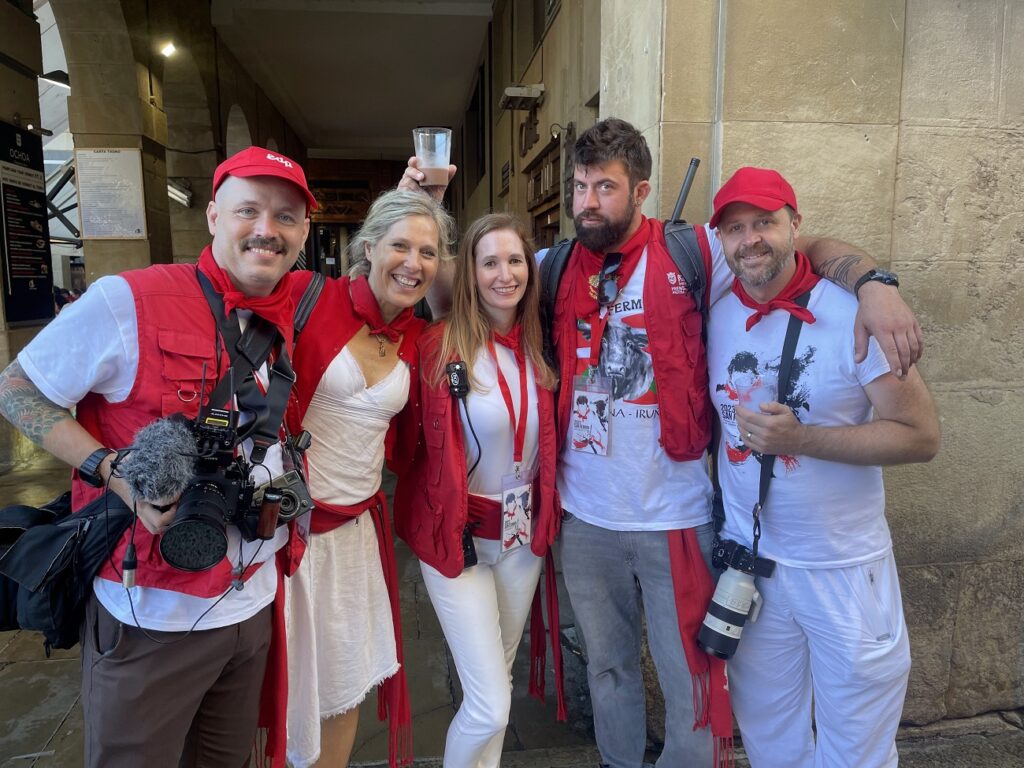
Northern Spain Travel: Adding Sophistication to your Adventure Article written by Stephanie Mutsaerts “It’s a tradition that dates back to the 14th century, but what is it really like to experience running with the bulls in Spain? David Culver heads to Pamplona to explore the lure of running with bulls, as well as the controversy around it.” The Whole Story, an Original CNN documentary Northern Spain Travel oversees ground production Northern Spain Travel is proud to have contributed to the CNN documentary on the running of the bulls, which is both informative and entertaining. It is a classic example of journalists maintaining objectivity while allowing viewers to form their own opinions. Beyond the Bulls: Extending Your Adventures in Northern Spain Explore the lure of the running of the bulls with Northern Spain Travel. The main focus of this documentary The documentary by David Culver focuses on presenting an objective view of the culture and traditions of the running of the bulls in the context of the San Fermn Festival. The result is a stunning documentary that delves into the many facets and hot button issues surrounding bull running and bullfighting, allowing viewers to make their own decisions. Culver’s documentary begins by following the lives of North American runners who return year after year to take part not only in the annual running of the bulls, but also in the weeks and days preceding San Fermn. Surprisingly, only 16 people have died while watching the bulls run since records began in 1910. Culver joins a group of runners who are receiving technique and tactics advice from seasoned competitors. As the race day approaches, Culver decides to don the traditional white pants and shirt, as well as the red scarf worn by runners, in order to experience and comprehend the thrill that so many runners seek. The documentary also addresses the contentious issue of bullfighting, which is condemned by animal rights organizations but considered an integral part of heritage and culture in many regions of Spain. Bill Hillmann from North America: An Important Perspective The CNN documentary, in our opinion, provides the best representation of the Pamplona bull runs by providing a comprehensive account of the runs provided by North American runners, one of whom is Dr. Bill Hillmann, a novelist and professor of creative writing at East-West University in Chicago. Bill Hillmann fell in love with the encierro (bull running) and now runs in several other Spanish towns, in addition to San Fermin in Pamplona, and has participated in well over 100 runs. We highly recommend Bill’s books “Mozos” or his most recent novel “Los Pueblos” for advice or inspiration to be a part of a San Fermin adventure. Bill Hillmann does an excellent job of sharing his passions with the rest of the world. Bill Hillmann is giving our Northern Spain Travel guests a private tour of the running of the bulls. A Personal Highlight of the Dangers of Running with the Bulls The Risks of running with the bulls One of the documentary’s personal highlights was seeing Tasio Blazquez, the 22-year-old son of Northern Spain Travel’s founder Steph Mutsaerts in action. Tasio tripped and fell in front of the entire herd on July 8th, the day the bulls from the Cebada Gago ranch ran the course, right where the CNN cameras were filming. Tasio had no idea where the cameras were, and the CNN crew had no idea who Tasio was. He was clearly performing for the cameras, making it a hilarious and awesome moment for his fifteen minutes of fame. Northern Spain Travel founder Steph Mutsaerts recounted the event as follows: “Here’s how the story goes: I wake up to a phone call from Ander Echanove, a Basque/North American runner and novelist, informing me that Tasio had been trampled by the herd but was fine. As I learn more, I realize that the fall occurred precisely where the cameras were installed. I tell CNN producer Natalie, ‘You must have seen my son get trampled today because it was exactly here’ (I point to the location). ‘That was your son?’ Natalie asks, puzzled. We witnessed the entire incident, in which the entire herd jumped over him and he miraculously escaped unharmed. We were going to interview him, but he bolted into the crowd. ‘And this is how Tasio was interviewed and filmed as he described a local runner’s experience running with the bulls.” Northern Spain Travel Gives Thanks: CNN Production Behind the Scenes First and foremost, we’d like to thank Bill Hillmann for recommending us to CNN as the best fixer in the region, with the know-how and contacts required to make this documentary a success. Second, it was a true pleasure to work with the lovely people behind this CNN production, the ‘A’ team, which included producer Natalie Angley, reporter David Culver, and cameramen Jordan Guzzardo, Martin Bourke, and Joe Teahan. David Culver is an incredible journalist, an incredible interviewer, and a kind and sensitive soul. He truly entered our community with an open heart, as evidenced by the film. The Trailer for the CNN San Fermin documentary Northern Spain Travel invites you to experience the allure of running with bulls Sign up for one of our tours to experience San Fermin from the inside. We offer packages that combine some of Spain’s best festivals, museums, gastronomy, and wine experiences. In a San Fermin experience, we highlight the true essence of Spain’s greatest festival of all. San Fermin is a once-in-a-lifetime ‘must’, a true bucket list adventure. Highlights of a sample package San Fermin from the inside. Watch the running of the bulls from the right balcony. Join us to private venues for insider cultural experiences. Day trip to to the wine regions from the historic and modern wineries. Boutique accommodation throughout your journey. Photos by Stephanie Mutsaerts
A Gastronomic Club Experience in Northern Spain
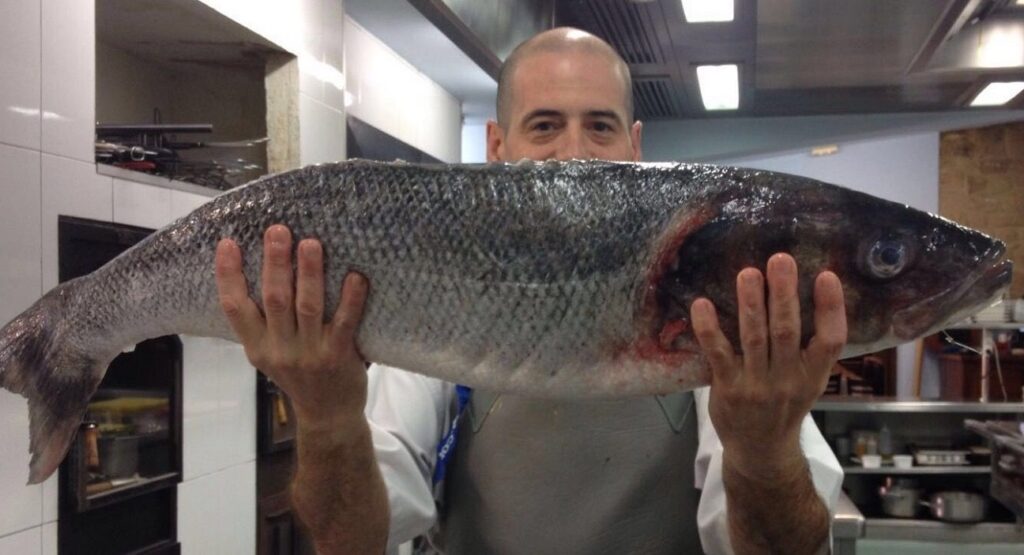
A fabulous Gastronomic Club Experience in Northern Spain Article written by Jennifer Manly ‘’“I drink to make other people more interesting.” Ernest Hemingway A Gastronomic Club Experience in Pamplona It was a very exciting prospect. We had been invited to have Sunday lunch in a gastronomic club in Pamplona, not just in any club but a club in a venerable, elegant, Belle Epoque building on the Plaza Castillo in the centre of this historic city. These clubs have the aura of secret societies – of places guarded by mystic beings and requiring super-secret passwords for entry! A family member had invited us to join her, her Pamplona family, and several international friends for a gastronomic experience in the magic palace of her gastronomic club. We set aside several hours for the event. Gastronomic Clubs are to be found only in the Basque Country. Early Beginnings of Gastronomic Clubs Gastronomic clubs exist in several cities, all built on more or less the same principles. Dating back in some cases over a hundred years these clubs were created by men, for men, and for the purpose of preparing and enjoying food, and socializing together. These principles apply pretty much unchanged today although in some clubs women are now welcomed as guests and, in more progressive clubs, women are even allowed to become members. The kitchen space and the process of cooking and creating is still mostly reserved for the men. As far as I could tell Gastronomic Clubs are to be found only in the Basque Country. My husband and I felt very privileged to be invited. Private and Very Local Many gastronomic clubs are housed in what from the outside look like ordinary buildings with unpretentious doorways in unpretentious streets. In our case the club was housed in what at one time had been an elegant casino facing a grand plaza surrounded by shady chestnut trees. We walked along the cool arcades bordering the plaza, past the tourist-magnet of the cafe restaurant made famous by Hemingway’s many hours spent at the bar there, and found the simple door leading to the gastronomic club. An elevator worthy of an expensive attorneys ‘s office lifted us up one story and we then found ourselves in an elegant space of dark paneled walls, huge crystal chandeliers floating overhead like ponderous jellyfish, red velvet chairs and sofas, a silence blurred by softly muttered conversations. The scene and the atmosphere shifted as we entered a small hallway next to the bar and, almost in Alice-in-Wonderland-rabbit-hole style, we descended stairs into a lobby leading to a bright, shiny, efficient working kitchen. Patxaran is the Navarre Firewater We visitors, of course, were not allowed into the what was once a sacred man-space of the kitchen but as it opened directly into the dining area, rather like a kitchen for cooking demonstrations with the dining room being the audience space, we were not at all cut off from the action. The kitchen was large enough for probably four separate dinners to be prepared simultaneously by four different men cooking on gas ranges or in ovens for their friends and families. The dining area held several tables that could be arranged to meet the required configurations of the groups eating there that day. We were in a group of about 12 at a long table. There were three other families in the club that day so the dining space was full. We visitors were invited to help setting up the table for our group and this involved nothing more complicated than finding table cloths, napkins, cutlery, and glassware from open shelves. That job done we relaxed and watched the men at work in the kitchen. We watched the peeling, the chopping and slicing, the dicing and the deboning. Things were minced and marinated, were seasoned and sautéed, filleted and fried, toasted and tossed. It was like watching Cirque du Soleil perform on a small stage – performers wielding super-sharp knives, spoons and spatulas, all while refreshing themselves with local wines or beers. The chefs were forever open to questions “from the audience “ responding with relevant, interesting, and invariably witty, answers or comments. Things were minced and marinated, were seasoned and sautéed, filleted and fried, toasted and tossed. Feeling part of a community We in the audience were also allowed to enjoy pre-dining drinks and the flavors of the local wine and the increasingly heady and intoxicating savory aromas from the kitchen were an excellent prelude to our meal. Cooking up a storm Our “chef” had prepared an outsize paella in a flat, shallow, paella pan about 40” in diameter. In addition to the excellent culinary skills strong stirring arms were required to incorporate all the ingredients and move them around as needed. While paella originated in the rice-growing areas on the Mediterranean coast, it is a dish that accommodates itself to local ingredients and tastes throughout the country, often using up the excess of local products season by season. Our paella was heavily flavoured with onion, succulent tomatoes, and garlic, which created the sauce for chicken and sea food (mussels, prawns, chunks of cod) all bathed in a tang of saffron. We had watched the creative process layer by layer as ingredients were added, the mix was sampled for taste, adjusted, and then finalized. Other chefs cooking for their families prepared other dishes – some with meat, some with fish, some with chicken. Salads were tossed, cheeses were laid out on platters, crunchy-crusted breads were sliced and piled into baskets. Mirth, Jollity and laughter Slowly the kitchen genii finished their work, delivered food to their tables, and joined their guests. There was an initial silence as people tasted the scrumptious foods but soon sounds of mirth, jollity, and general well-being filled the air and, in true Basque style, laughter resounded around the room. The honor system The gastronomic clubs require payment of membership fees and at the end of each meal the members pay for whatever basic ingredients and wine they used from the club’s stores as well as a basic fee for the room and table wares. It all runs on an efficient honour system. A delightful evening comes to an end. After three hours of delicious food and wine, shared companionship, we felt even more privileged to have been allowed to participate in a gastronomic club experience.