As Black Tomato turns twenty, we’re proud to reflect on two decades of uncovering the ideas, destinations, and emotions that have shaped the way we travel.
First Short bold line
As Black Tomato turns twenty, we’re proud to reflect on two decades of uncovering the ideas, destinations, and emotions that have shaped the way we travel.
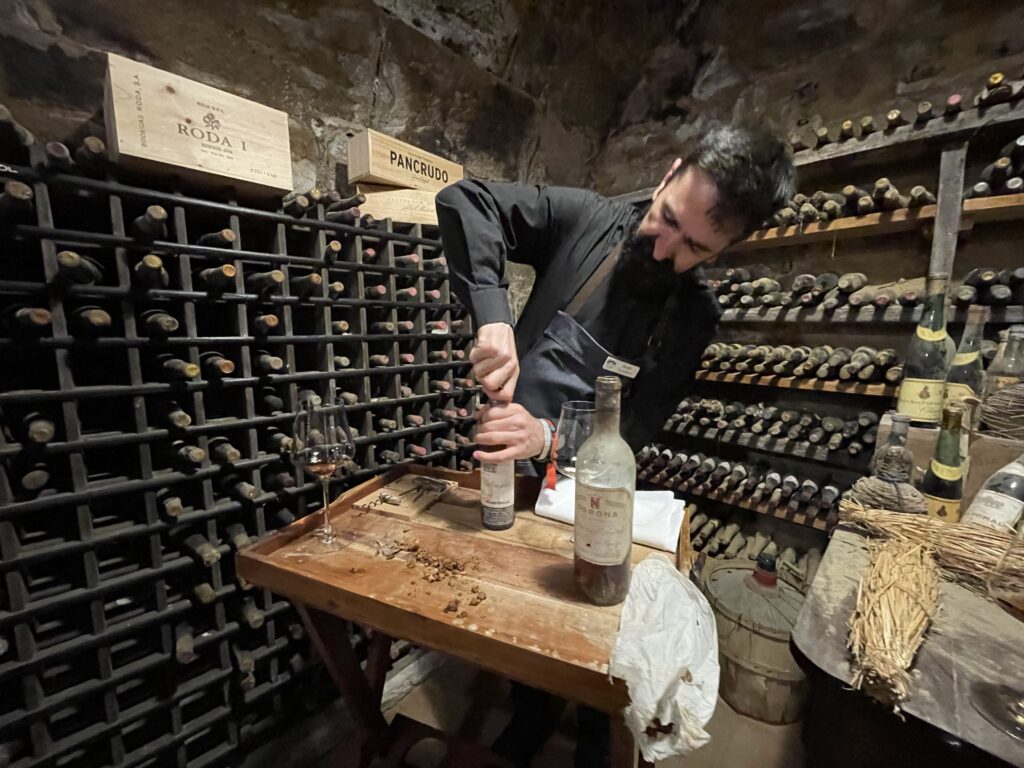
The next stop was Conde de los Andes, in Ollauri. Beneath the village, cellars dug across centuries run for nearly a kilometre, some of them forty metres down, and still hold bottles from the 1890s. The house carries the legacy of Paternina, one of the great names of Rioja.

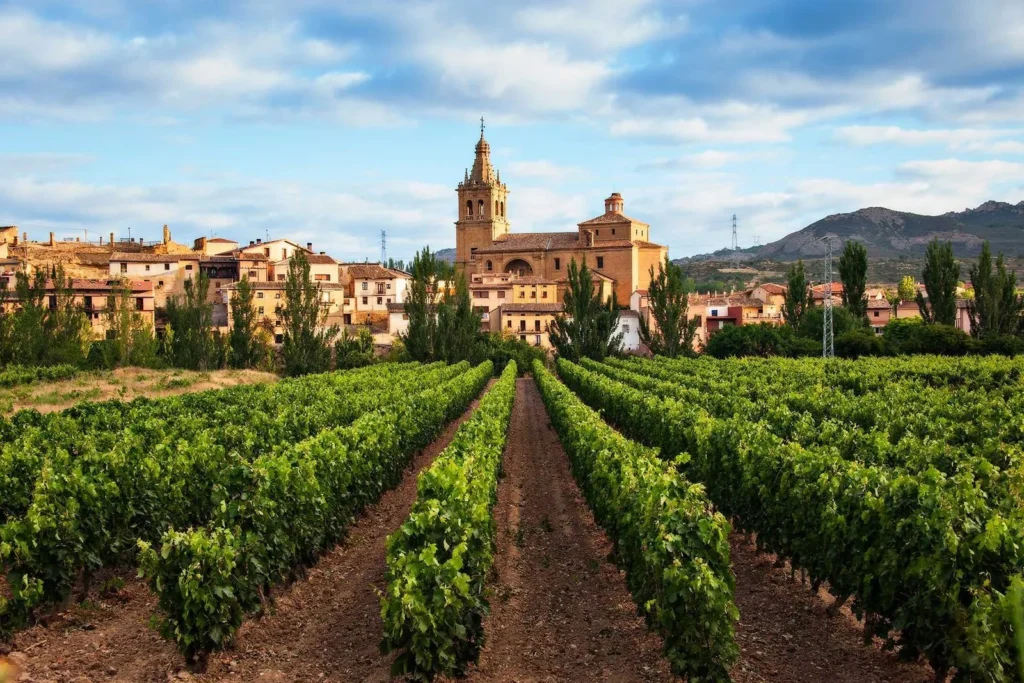
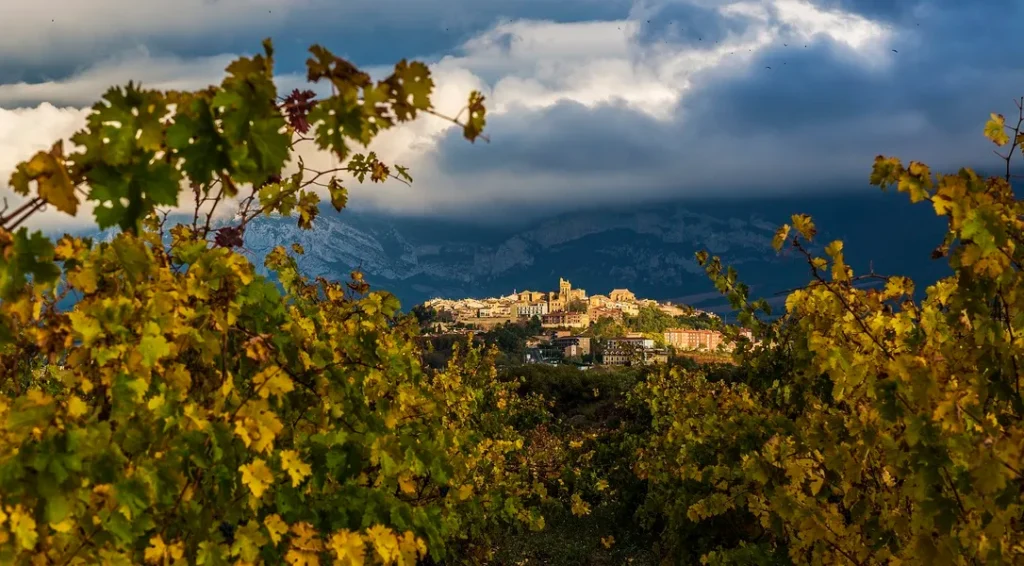
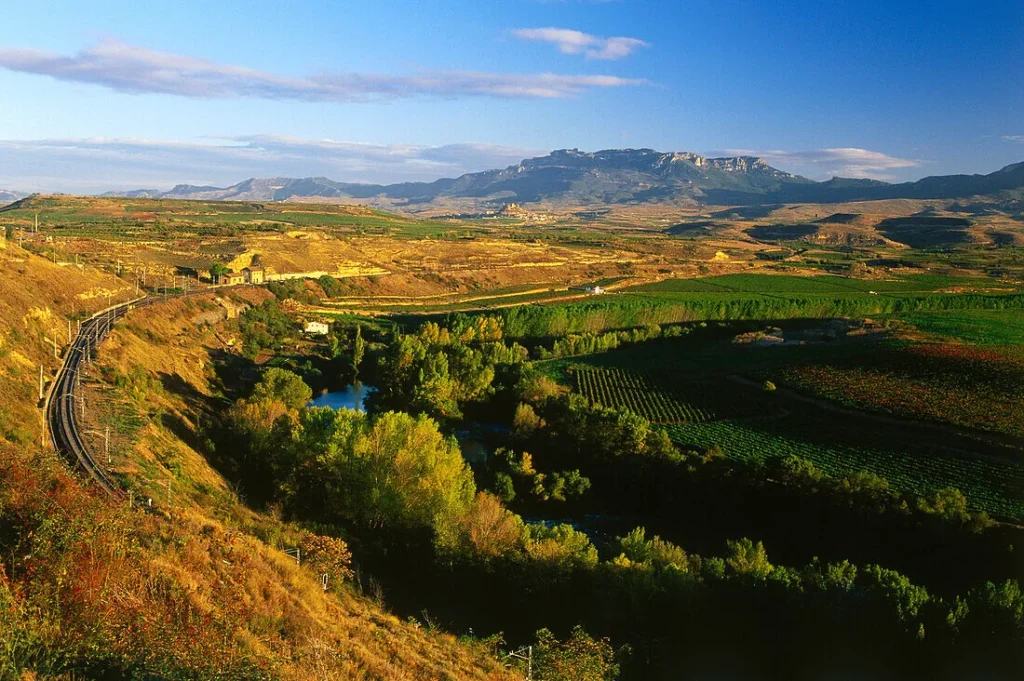
Then came Haro and the Station Quarter. It exists because phylloxera destroyed the vineyards of France and French merchants came to Rioja looking for wine. Many of them never quite left. Three of the great houses stand on the same avenue, at numbers 3, 6 and 8 of Avenida de Vizcaya.
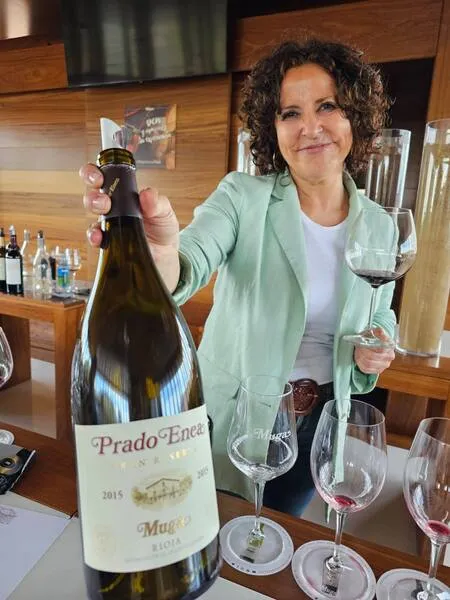
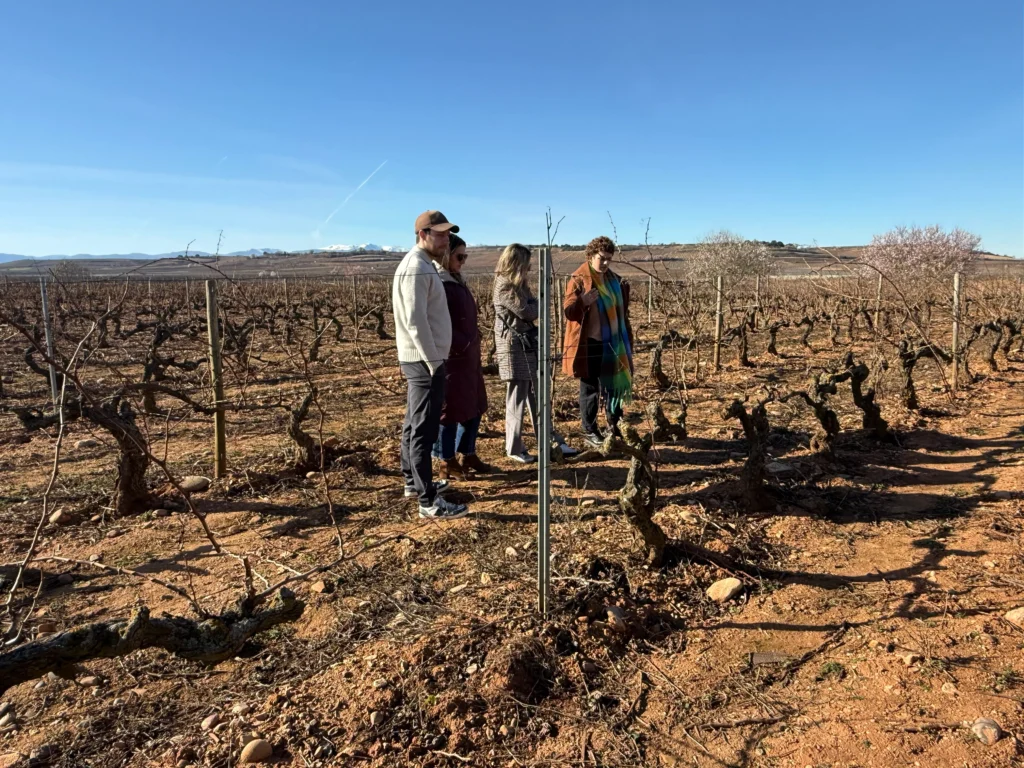
We asked José María to guide the travellers through the quarter. He is a winemaker with a small cellar of his own. He makes very few bottles from a single vineyard and uses only its grapes. He knows wine from both ends: how it is made, and how it is sold. That is the point of view we wanted them to hear. With him they tasted vertically, several vintages of the same wine side by side, at López de Heredia,


begun in 1877 and the oldest winery in Haro; at La Rioja Alta, S.A., where its own coopers make the barrels; and at Gómez Cruzado, the smallest cellar in the quarter.
Lunch was at Echaurren Tradición, a family-run restaurant in Ezcaray.
Read: A Rioja Winemaker Who Only Uses His Own Grapes
The travellers saw the cathedral of Burgos in the morning and had lunch at Cobo Tradición, which one of them called “great.” In the afternoon they drove south to Bodegas Portia, in Gumiel de Izán: a Norman Foster building opened in 2010, part of a family company that has made wine since 1861.

That evening the total solar eclipse crossed Spain from west to east, through A Coruña, León, Burgos and Bilbao. It was the first visible from the country in more than a century. In Burgos, totality lasted about a minute and three-quarters, and the Sun sat only around eight degrees above the horizon, with sunset less than an hour away. A good view needed open sky.
After the first tasting at Portia, the travellers asked for a place better than the one planned. We took the question up to the village. A woman there gave us a phone number: that of the man who owned a medieval tower above it. He opened it for us. We looked around and asked whether the eclipse could be watched from the top. We decided against it. He told us to follow his four-by-four: he knew a better place.


We followed. When we reached it, we agreed it was the best spot. We went back down to the winery, collected the rest of the party and chose the finest wines the cellar had, and drove up again with everything ready.
It was a place among fields of wheat and sunflowers, with no city around and no one else in sight. The light changed across the fields as it faded. The birds stopped singing. The sky turned dark. The travellers were completely alone. They had watched several total eclipses before. They told us this one was different. Afterwards they came down to Portia for a concert and a long tasting dinner. Read: The Tower Was Not the Best Seat
The gates of Bodegas Mauro were closed that day. They are closed most days. The estate sits in a 17thcentury manor house in Tudela de Duero, just outside the boundary of the Ribera del Duero appellation, and takes its name from the founder’s father. It rarely opens its doors beyond industry professionals.

Mariano ran Vega Sicilia for more than thirty years before making wine under his own name. The door did not open for money. It opened for a friendship that began in San Sebastián, and for a phone call. The travellers were not booked in. They were vouched for. One of the family could not be there that day. His father came instead.
He walked them through the vineyards and opened barrels himself. With more than four decades in wine, he showed what he had innovated and what he recommends when other wineries ask him for advice, and shared a few tips and secrets of the trade that make the difference. One of the travellers later listed the day among the elements he found “extra-special.”


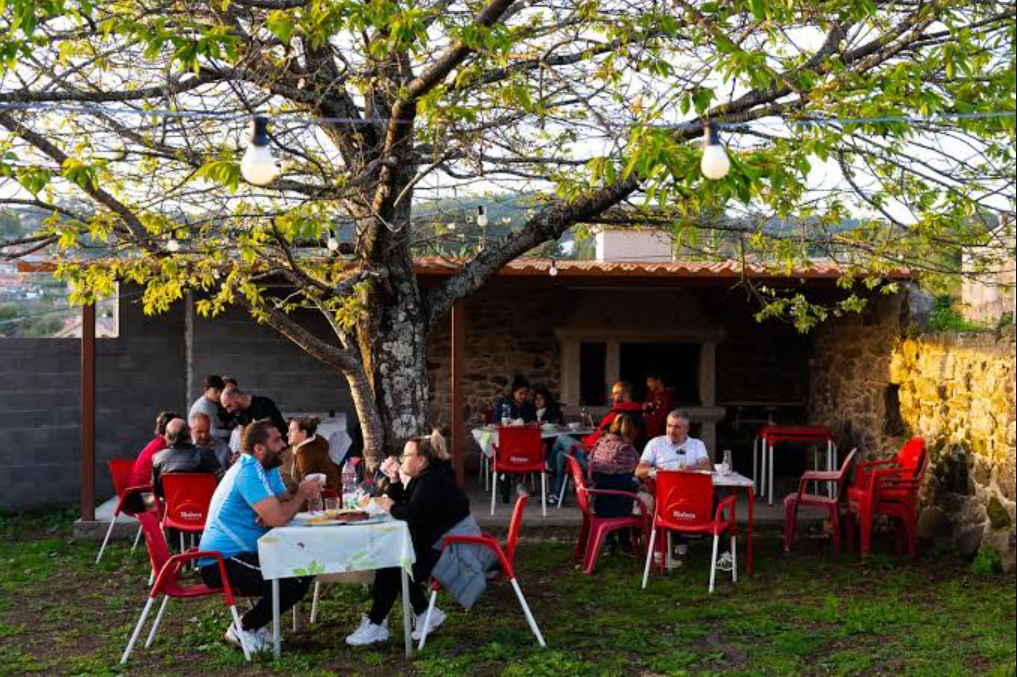
Lunch was at Bodegas Garmón, in Olivares de Duero, built in 2014 and named from his sons’ surnames, García and Montaña: one winery for a father, another for his children. A long table was set in a room made for exactly this, with the Garmón team and the family. Somewhere between courses, we put a bottle on the table: a sweet Rioja from 1960, from a Paternina that no longer exists as it once did. It was our nod to the cellars of Conde de los Andes, which the travellers had walked in Ollauri two days before. Mariano knew those people. He put down the tasting notes and started telling stories.
The afternoon ended at Abadía Retuerta, an abbey founded in 1146 whose monks planted vines around it. Winemaking lapsed there in the 1960s and returned in 1988. Read: The Cellar Was Closed
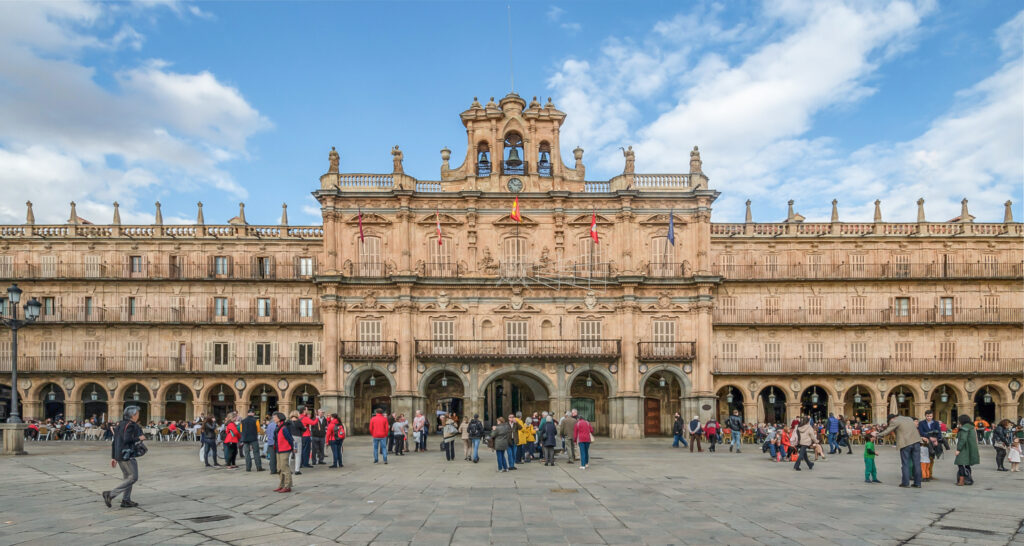
In Salamanca the travellers slept in a 16th-century Dominican convent, the Hospes Palacio de San Esteban. Their guide was Eneida, deeply knowledgeable, warm, and a reference in her own city. With her they walked the old city, a UNESCO World Heritage site built in warm golden sandstone, and tasted its flavours.

They dined at En la Parra, which holds a Michelin star and sits across from the church of that same convent. Its two tasting menus are named after the granite and slate of the vineyards around the city. The next day, Nacho took them through Ávila and El Escorial.
He was born in Madrid, knows this country well and loves its history. We chose one guide for both places so the day moved at the travellers’ pace, not at the pace of two schedules.


In Ávila, the 11th-century walls still circle the old town, with the cathedral’s apse built into them.
At El Escorial, they read the Spain of Philip II: a library of 45,000 volumes, and the Panteón de Reyes, where the kings and queens of Spain have rested since Charles V. Then they drove to Madrid.
In Madrid the travellers stayed at the Mandarin Oriental Ritz and dined in its garden. At the ThyssenBornemisza, they asked for the whole museum. We closed all of it for the three of them, for two hours, at the hours they wanted, and built the visit around the works most tied to wine.

The museum opened in 1992 in the Villahermosa Palace, with a collection built over two generations of one family and bought by the Spanish state in 1993: more than seven hundred works across seven centuries. It keeps its own themed route on wine in art.
One of the travellers called the private tour:
“Really great.” — an American traveller
Read: A Museum for Three
They spent four hours at the Prado with a guide, and ended the evening with flamenco, a tasting menu and the wines to go with it.


Not everything worked. One day went to Segovia, for the Roman aqueduct and a lunch of roast suckling pig. It was the one stop the travellers said they would skip: “Longish drive and not so interesting.” — an American traveller
They also told us that the best food came in long tasting menus, and that three-hour dinners often ran longer than they wanted.
A private transfer took them to the airport in Madrid. Some of what they saw took sixty million years, some took centuries, and the eclipse took less than two minutes.

The north has a word for missing a place: morriña. A journey with us starts the same way as this one did: a call, then a door. It ends with a word for missing you.
Where They Slept
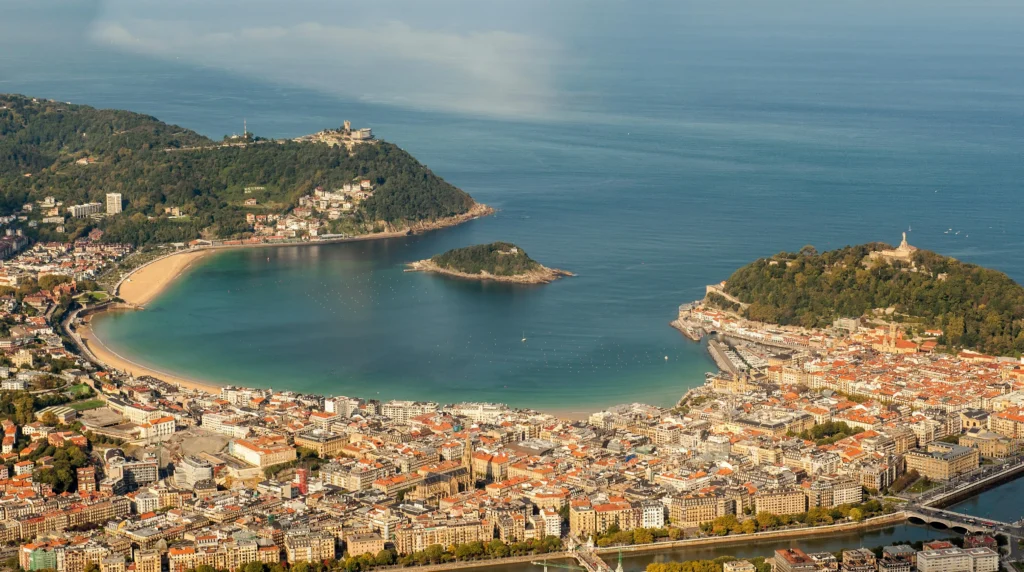
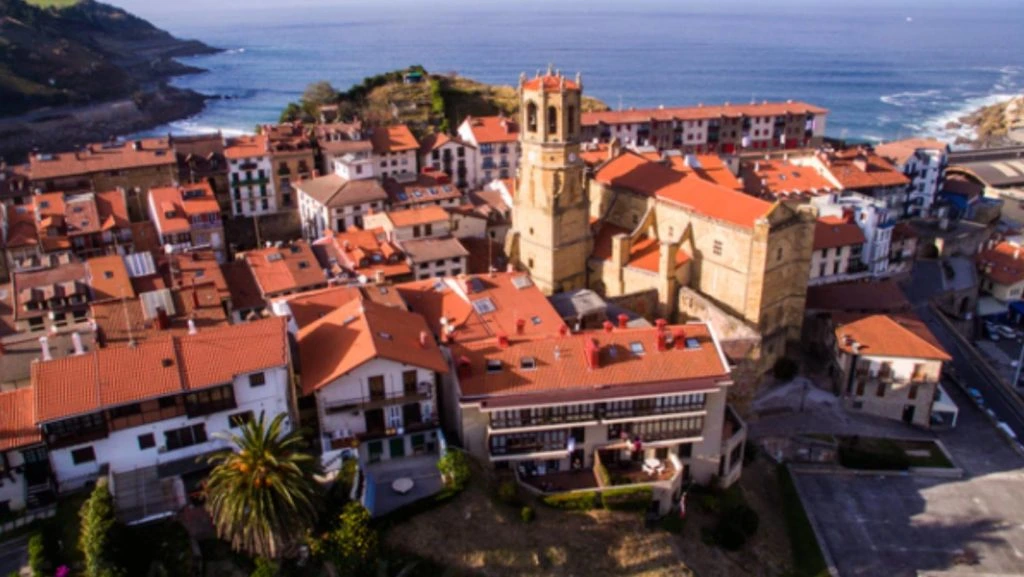
Hotel María Cristina, San Sebastián. A historic landmark since 1912, on the Urumea, a short walk from La Concha.
Hospes Palacio de San Esteban, Salamanca. A 16th-century Dominican convent in the old city.
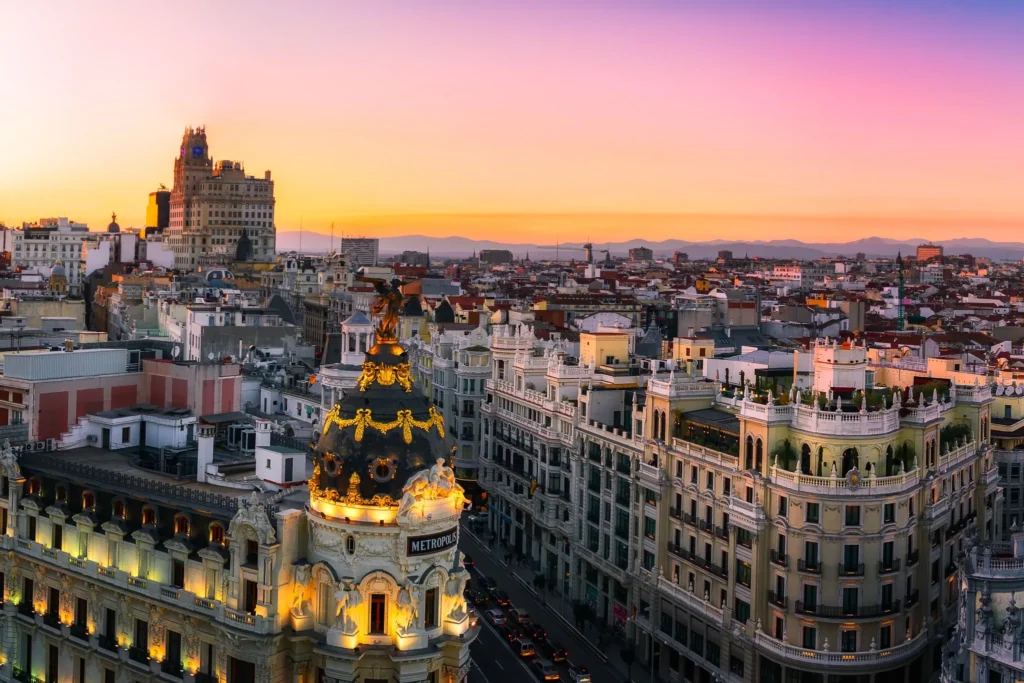
Mandarin Oriental Ritz, Madrid. Belle Époque architecture in the heart of the city.
How a journey works. It begins with a call. We ask what the traveller wants to accomplish and what has surprised them on other journeys.


Then we introduce them to the people who hold the places: families, producers and guides who have lived here for generations, and we put their projects on the map. Behind every journey, a team watches every transfer and every driver.
Hotels and hosts know the hour of arrival and say the traveller’s name before it is given. One person of ours is assigned to each journey, and the phone is answered at any hour. Start the conversation.
Questions
How much does a journey like this cost?
Journeys range from about €600 to €2,000 per person, per day, depending on two things. The first is where you sleep: a regular room, a sea-view room and a suite are not the same journey. The second is the experiences built around you. Closing the Thyssen-Bornemisza for a private visit, as was done for this journey, carries a cost of its own. This one came to about €1,800 per person, per day.
Do you drive?
No. Every transfer is private, with a driver. One of the travellers described the driving as “very good and comfortable,” and, with so much travel, “very important.”
Can the route change?
Always. Every journey is rebuilt around the people travelling. Start the conversation.
Can you see Rioja on foot?
Yes. See our Walking & Wine journeys.
When is Semana Grande in San Sebastián?
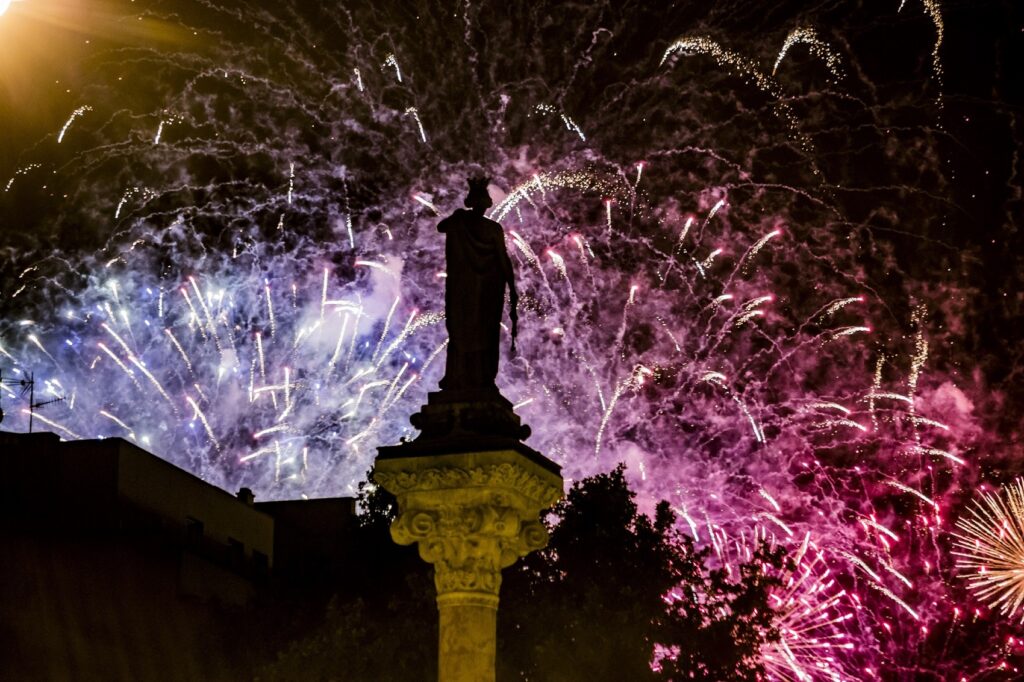
It runs for a week around 15 August, with the international fireworks competition over La Concha bay every night at 22:45.
What is flysch, and can you see it at Zumaia?
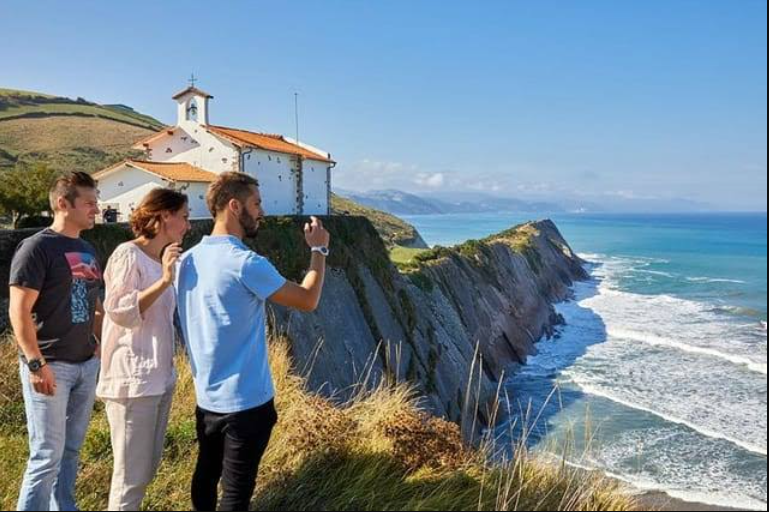
Flysch is a sequence of alternating rock layers laid down under the sea. At Zumaia the cliffs preserve more than sixty million years of the Earth’s history and are best read at low tide.
What is a vertical tasting?
A tasting of several vintages of the same wine side by side, so you can taste what each year left in the bottle.
Can you visit Bodegas Mauro?
Rarely. The estate does not usually open to visitors beyond industry professionals. This day was arranged through a friendship with the family.
Who founded Bodegas Mauro?
Mariano, a winemaker with more than four decades in the trade. He ran Vega Sicilia for more than thirty years, founded Mauro and, with his sons, Garmón, and advises other wineries.
What happens during a total solar eclipse?
The light fades, the birds go quiet and the sky turns dark. In Burgos in 2026, totality lasted about a minute and three-quarters.
When is the next total solar eclipse in Spain?
On 2 August 2027, over southern Spain. After that, Spain will not see another total solar eclipse until 2053.
Written by Oliver, founder of Northern Spain Travel.