In October the red peppers in Espelette hang from the white façades in long strings, so many of them that the whole village looks decorated for a festival. They are drying, not decorating. The pepper has its own protected designation, and it ends up in the piperade, the stew of pepper, tomato and onion that turns up on many tables in the French Basque Country.
Espelette sits a few kilometres from the border, and the border is the point of this route. On one side the Basque Country is French, on the other it is Navarra, and the pantry is the same: peppers and sheep’s cheese, cured ham, chocolate, corn. Basque is still spoken in villages on both sides.
France: chocolate, cake and a harbour
The route starts in Bayonne, where chocolate has been made since the seventeenth century and the central market sells the ham, the cheese and the pastry that set the tone. A workshop makes the story tangible. You taste slowly, the way the town always has. The next morning the coast turns elegant in Biarritz, with its covered market and its lighthouse, and then practical in Saint-Jean-de-Luz, a working harbour whose church saw Louis XIV married in 1660.
Then comes the day that gives the route its name. In Sare a pastry maker teaches the Basque cake, which comes with cream or with black cherry jam depending on whose grandmother you ask, and you leave with your own. Lunch is in Espelette, built around that pepper. In the afternoon an easy walk follows country paths from Espelette to Ainhoa, one of the most beautiful villages in France, on routes smugglers once used to cross the frontier.
Navarra: talo, chocolate and pintxos
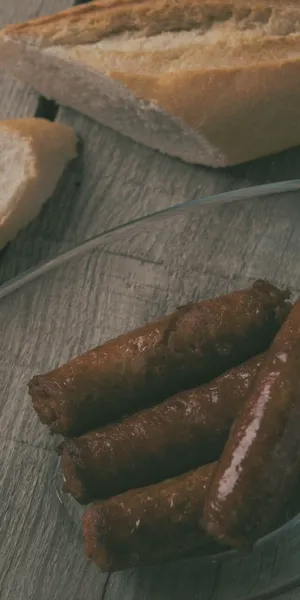
You cross into Navarra without noticing and sleep in Urdax, beside its monastery, after a tasting of sheep’s cheese. The next day belongs to the Baztán valley. At Amaiur the ruins of a castle and a small museum tell of the last stand of the Kingdom of Navarre. A gentle stretch of the Camino del Baztán leads to Arizkun, and lunch comes with a lesson in talo, the valley’s corn flatbread, which the cook will fill with txistorra if you ask nicely.
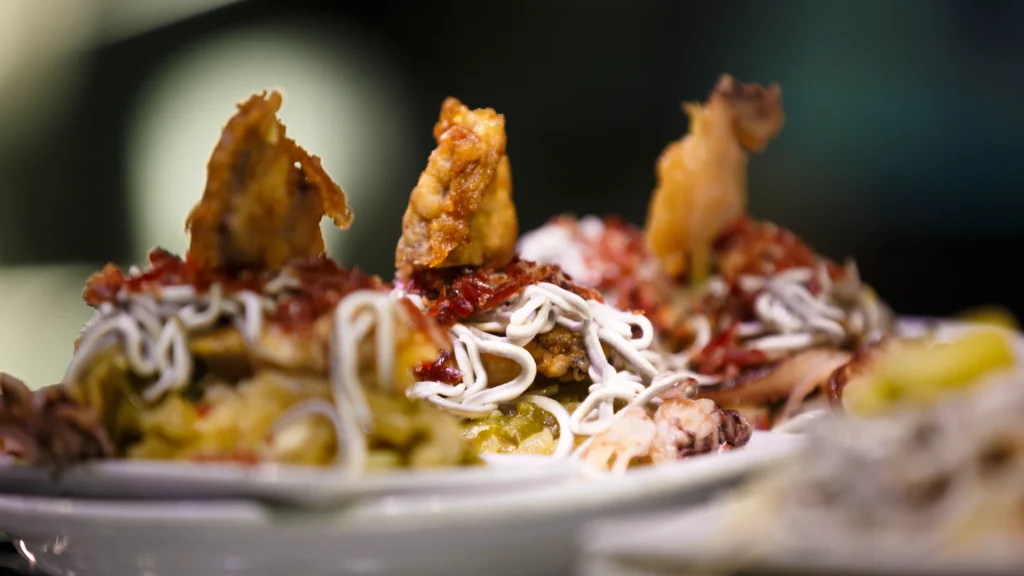
© Francis Vaquero / Turismo de Navarra
In Elizondo a chocolatier gives the morning small, deliberate tastes before the road crosses the hills to Pamplona. The old town takes the afternoon: the cathedral and its cloister, the ramparts above the river, the market where the produce of Navarra arrives each morning. Dinner is a private show-cooking evening with a chef who specialises in Navarrese vegetables, with Navarra wines to go with it. The last morning is for pintxos, one small bar at a time, which is how Pamplona says goodbye.
When to go
May and June for green valleys, September and October for the peppers drying in Espelette. July and August are busier, and early July belongs to San Fermín.
We run this route as a five night private journey, Where Two Basque Countries Meet at the Table, by private vehicle with two short walks and a local specialist at each stop. If you would rather do the same border on foot, the Camino del Baztán guide has the stages.