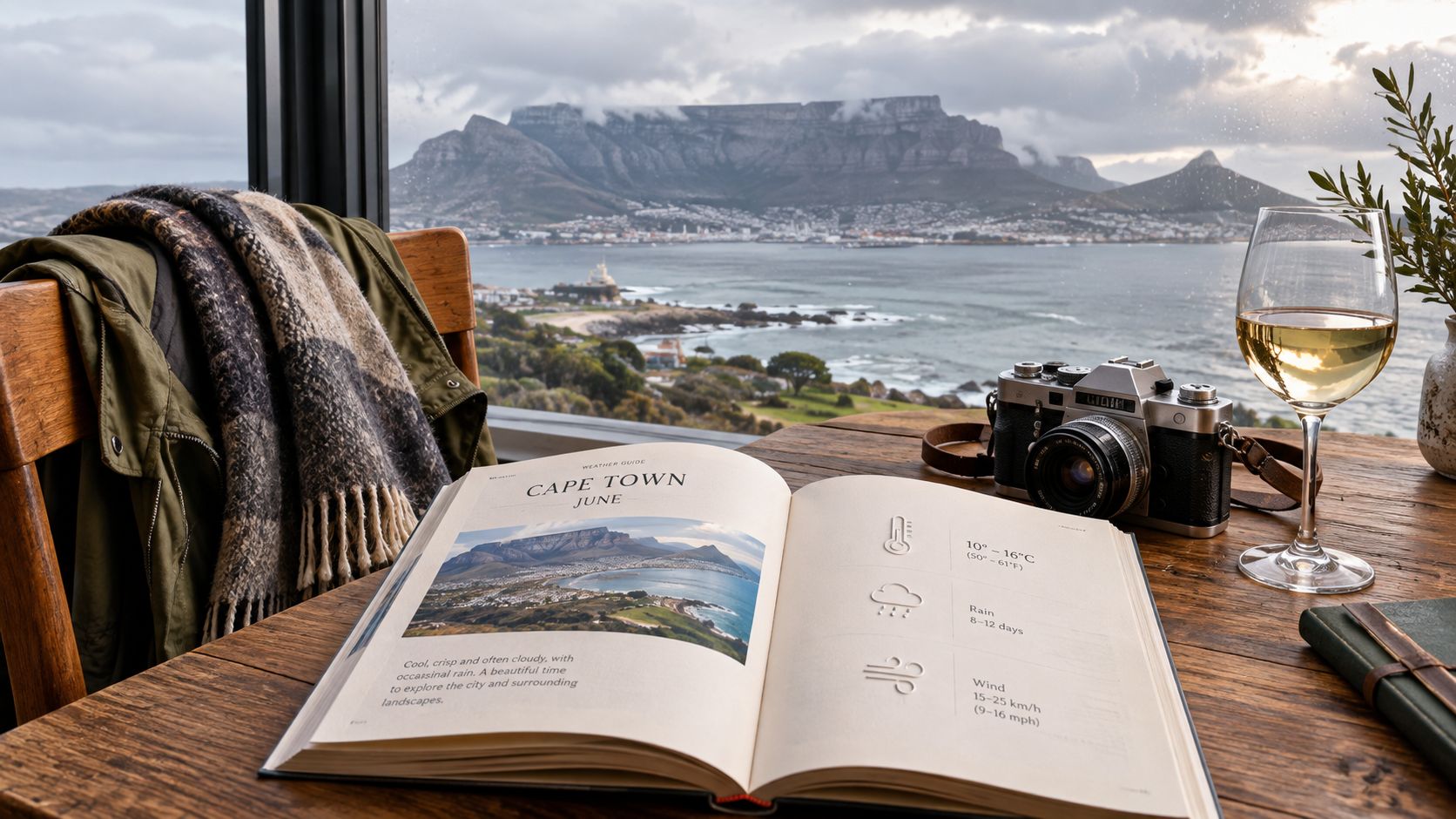
You could be planning a polished autumn escape right now, one that avoids the late-summer crush but still gives you terraces, good wine, and a city that feels alive rather than closed for the season. Portugal in October is exactly that kind of trip, but only if you route it intelligently. Treat the month as a set of different climates and different moods, not one neat national forecast.
Table of Contents
- Why Portugal in October Charms Affluent Travelers
- October Weather and Daylight Across Regions
- Lisbon Porto Douro and Algarve Highlights
- Madeira and Azores Autumn Escapes
- October Festivals Food Wine and Luxury Stays
- Sample Itineraries with Northern Spain
- Practical Logistics and Booking Tips
Why Portugal in October Charms Affluent Travelers
A couple who has already done Madrid in style, lingered in the Algarve in high summer, and now wants something quieter usually lands on Portugal in October for the wrong reason. They assume it is just “less crowded.” That's true, but it undersells the month.
The better reason is control. Boutique hotels are easier to secure, city restaurants are less frantic, and cultural life feels more legible because the tourist noise has dropped. October also carries a real civic charge in Portugal, since 5 October marks both the Treaty of Zamora in 1143 and Republic Day in 1910, giving the month a rare blend of statehood memory and modern national identity. For travelers who care about substance, that matters. The country feels less like a backdrop and more like a place with a clear historical spine. You can see that continuity in routes that pair Lisbon with the north, or the mainland with island stays, without the trip feeling stitched together.
There's also a strategic advantage for anyone building an elegant Iberian itinerary. Portugal in October can anchor a wider journey into Northern Spain, especially if you want to move from Portuguese wine country into Galicia, Rioja, or San Sebastián without the summer frenzy. If that is your style of travel, the logic is straightforward, and a useful starting point is this guide to the best place to travel in October.
Practical rule: In October, choose Portugal for depth, not just weather. The month rewards travelers who value museums, food, wine, and refined pacing more than pure beach time.
For affluent travelers, that is the true appeal. October is not a compromise. It is the month when Portugal becomes more composed, more local, and easier to enjoy well.
October Weather and Daylight Across Regions
Portugal in October is not one weather story. It is a north-south negotiation, and smart travelers should plan around that instead of hoping the whole country behaves the same way. In Lisbon, October averages about 22.9°C highs and 15.7°C lows, with roughly 111.7 mm of rainfall over 8.3 days according to the cited weather history for the capital. Porto is materially wetter, while the Algarve sits much drier at around 70 mm, which is why the same week can feel very different depending on where you sleep. Lisbon's October weather pattern makes that split obvious at a glance.

What the numbers mean for your route
The practical takeaway is simple. Lisbon stays comfortable enough for long lunches, gallery visits, and terrace time, but you should still expect some wet spells. Porto needs more flexibility because rain is more likely to interfere with riverside strolls, wine-country transfers, and outdoor tasting schedules. The Algarve is the safest mainland bet if you want sun-drenched coastal drives and late-season beach moments. The difference is not cosmetic, it changes how you build the trip.
Best routing choice: Put the north earlier in the month and keep the south for later October. That gives you more room to absorb weather volatility without sacrificing the outdoor parts of the itinerary.
Why daylight still works in your favor
October still gives you enough usable daylight for proper sightseeing, so the month never feels cramped. That matters for travelers who dislike rushing from hotel to hotel. You can still do a long lunch, a private cellar visit, and a late-afternoon walk without everything collapsing into darkness too early.
For premium planning, the rule is not “Portugal is mild everywhere.” The rule is “Portugal is usable everywhere, but not equally.” Madeira and the southern mainland are the most forgiving; the north asks for more contingency. If your trip includes Porto, the Douro Valley, or the Atlantic coast, don't overbook your days. Keep one layer of flexibility in the schedule, and let the weather dictate whether that extra hour goes to a vineyard, a spa, or a city museum.
Lisbon Porto Douro and Algarve Highlights
The biggest mistake travelers make in October is treating Lisbon, Porto, the Douro, and the Algarve as interchangeable. They are not. Lisbon is the most reliable choice if you want a city break with cultural weight and enough climate slack for stylish wandering, while the Algarve is the strongest play for people who still want a coastal rhythm and late-season sun. Porto sits in the middle, but it is the region most likely to ask you for patience.
For anyone who wants to map the capital with precision, things to do in Lisbon 2026 is a helpful reference point because it shows how much can be layered into a Lisbon stay beyond the obvious monuments. That matters in October, when the city's galleries, dining rooms, and historic quarters become more appealing than a beach-first approach.
Where each region wins
Lisbon is for travelers who want urban elegance. Stay in a polished townhouse hotel, book the better restaurants early, and use the city as a cultural base. It is the right choice if you care about design, museums, and polished urban energy more than water temperature or resort time.
The Douro is for people who understand that October wine country can be magical but less predictable. Rain matters there more than it does in the south, so I would schedule tasting days with a private driver and avoid trying to cram the valley into a tight, weather-dependent loop. Porto itself is ideal if you want architecture, port wine, and a city that still feels regional rather than generic.
The Algarve is the smartest choice for the end of the month if you want a strong outdoors component. It is the part of Portugal I would trust most for cliff walks, seaside lunches, and long scenic drives when you want a warmer finish. Don't expect peak-summer energy. Expect a more adult version of it.
My blunt recommendation
Choose Lisbon if you want culture first, Porto if you want food and wine with some weather risk, the Algarve if you want dependable warmth. If you try to split the difference too evenly, you end up with too many transfers and not enough depth.
Luxury travel rule: In October, one base should do one thing brilliantly. Lisbon for city life, Porto and the Douro for wine, the Algarve for sun.
That is how you keep the trip elegant. The month rewards clarity, not range for its own sake.
Madeira and Azores Autumn Escapes
Madeira and the Azores solve very different problems, and affluent travelers should stop treating them as twins. Madeira is the safer premium choice in October because Funchal averages about 24°C daytime highs and 18°C lows, with only around 78 mm of rainfall. That gives you a real chance of getting the hikes, gardens, and resort time you came for without spending the week watching the sky. The October climate data for Madeira and the Azores makes the contrast clear.
Madeira is the dependable luxury pick
If you want a polished island stay, choose Madeira. It suits travelers who like outdoor comfort without drama. Levada walks, botanical gardens, scenic hotel terraces, and unhurried pool time all work better here than on the wilder islands because the weather is more forgiving.
I would send couples here first, especially if one person in the pair wants activity and the other wants a strong resort base. Madeira lets both happen without compromise. It is also the better fit if you want a trip that feels restorative instead of adventurous.
The Azores are for travelers who accept weather swings
The Azores are cooler and wetter. Ponta Delgada sits around 22°C/16°C with roughly 108 mm of rain, and Flores reaches 147 mm. That means the islands ask for flexibility, especially if your idea of a successful day includes whale-watching, crater viewpoints, or inter-island movement. You can absolutely have a wonderful trip there, but it needs a looser frame and a higher tolerance for change.
The Azores work best for people who like movement, scenery, and a bit of unpredictability. They are less suited to travelers who want every day to feel calm and pre-set.
My advice: If you want the most reliable October island experience in Portugal, book Madeira first and the Azores second.
A simple way to decide is this. If your priority is weather-resilient luxury, choose Madeira. If your priority is nature-forward exploration, choose the Azores and build contingency into the schedule. That distinction keeps the island segment from becoming an expensive gamble.
October Festivals Food Wine and Luxury Stays
October in Portugal has more cultural density than most visitors expect. The standout date is 5 October, when the country observes Republic Day and remembers the proclamation of the First Portuguese Republic in 1910 after the monarchy ended. The monarchy had already fallen after a military revolt on October 4, 1910, and the new regime later introduced the 1911 constitution that separated church and state, according to the British Historical Society of Portugal and EBSCO. That history gives Lisbon and other cities a distinctly civic feel in October, not just a decorative one. The historical record on October 5 in Portugal is worth understanding before you go.
Why the month tastes different
October is harvest season in the emotional sense even when you are not on a farm. You notice it in the Douro, where grape work becomes part of the scenery, and in the Alentejo, where olive culture shapes the rural rhythm. That is the right month for private cellar visits, if you want wine conversations that feel tied to the season rather than staged for visitors.
For wine lovers who care about vocabulary as much as provenance, Drinkist's tasting tips for wine lovers is a useful companion before any serious tasting room visit. If you're going to spend money on private access, you should be able to describe what you're drinking.
Where to stay and eat
Lisbon suits boutique palaces and discreet urban hotels. The city has the densest mix of history, style, and restaurants that can carry a whole weekend. The Douro is where you want a quinta hotel with real vineyard context, not just a river view. The Algarve still makes sense for cliff-top resorts, especially if you want a warmer and more relaxed finish to the month.
Food-wise, October is excellent because chefs are working with a fuller shoulder-season pantry and less pressure from peak-summer turnover. I would prioritize long lunches, tasting menus, and winery dinners over overpacked sightseeing. The month is strongest when you let dining shape the day rather than squeezing it in as an afterthought.
Best move: Build one Republic Day-adjacent night in Lisbon, then move into a harvest region for wine and food. That sequence gives the trip a clear cultural arc.
The result is a month that feels rich rather than transitional. Portugal in October works because history, food, and lodging all line up at the same time.
Sample Itineraries with Northern Spain
The most elegant way to handle Portugal in October is to extend it north into Spain, not because the border is a gimmick, but because the geography and history make sense together. The Treaty of Zamora, signed on 5 October 1143, formally recognized Portuguese independence and linked Portugal's early statehood to León and Castile. That matters less as trivia than as a reminder that the Iberian northwest has always been connected. The historical note on the Treaty of Zamora is a useful anchor for that wider story.

A route that actually makes sense
Start in Porto, spend time in the Douro, then cross into Galicia for seafood villages and Atlantic scenery that still feels coherent with northern Portugal. From there, move to San Sebastián for the culinary finish, then drop into Rioja if your priorities include private cellars and a slower, more structured wine experience. That sequence gives you a trip with contrast, but not chaos.
The benefit is logistical. If the north of Portugal is damp, you can lean on Spain's protected coastal and inland options without losing the character of the trip. If the Algarve is still warm, you can reverse the order and finish south. The point is not to cross borders for novelty. The point is to build weather resilience into a luxury itinerary.
Keep the pace private
This kind of route only works if the transfers are discreet, the hotels are small, and the driver situation is settled in advance. Use a dedicated car and keep the nights spaced so you can still enjoy lunch, cellar visits, and seaside stops without feeling like you are racing a map. A rigid self-drive plan is the wrong choice for this level of travel.
For travelers who like to see how a broader peninsula route is framed, the Spain and Portugal travel angle is useful because it reinforces how naturally the two countries can work together in a private trip.
Cross-border rule: Don't use a Portugal-Spain extension as a rushed add-on. Use it as the organizing logic of the journey.
That is the cleanest October solution for travelers who want depth, good food, and less weather risk than a single-country plan can always guarantee.
Practical Logistics and Booking Tips
If you want Portugal in October to feel effortless, book it like a private itinerary, not a loose holiday. Boutique hotels in the strongest locations can disappear well before the month arrives, especially around Republic Day week, and you do not want to be left choosing between inconvenient locations. The same is true if you are adding Northern Spain. The good rooms go first.
Start with transfers. In Lisbon and Porto, a private airport pickup removes friction immediately, which is exactly what you want after an overnight flight. If you're connecting into a broader Iberian route, it's smarter to lock down transportation before arrival rather than improvising once you land. For a polished arrival, you can book your VIP airport transfer in advance and skip the scramble.
What to pack and when to book
Bring layers, not a giant wardrobe. You need something light for warmer southern afternoons, something structured for cooler northern evenings, and a compact rain layer if your route includes Porto, the Douro, or any Atlantic-facing stop. Don't overpack beachwear unless the Algarve or Madeira is a major part of the plan.
Use these rules:
- Book early for October highlights: Secure boutique hotels and private drivers before the month fills up.
- Keep the route flexible: Give the north less fixed outdoor programming than the south.
- Reserve meals strategically: The best restaurants are easier to access than in peak season, but the best tables still go first.
- Match transport to the itinerary: A cross-border route works best with a driver, not a patchwork of casual bookings.
For broader concierge-style planning resources, the concierge services tag is a useful reference if you want to think about the trip in terms of private coordination rather than simple reservations.
Portugal in October works because it lets you travel with intention. You get heritage in Lisbon, wine in the north, better weather in the south, and a real chance to extend the journey into Northern Spain without losing comfort. Plan it that way, and the month feels excellent.
If you want this kind of trip designed with the right hotels, the right drivers, and the right pacing, visit Northern Spain Travel. They build fully private luxury journeys across Northern Spain and nearby Iberian routes, and they're well suited to travelers who want October to feel smooth from the first arrival to the last dinner.