Most advice on a Spain luxury tour is outdated. It still assumes luxury means repeating the same circuit through Madrid, Barcelona, Seville, and perhaps Mallorca, then upgrading the hotel category and adding a driver.
That works for a first visit. It rarely works for travelers who already know Spain and want something quieter, sharper, and more personal.
A key shift in Spanish luxury travel is away from visibility and toward control. The most discerning trips now prioritize privacy, pacing, food, and access over famous checklists. In practice, that often points north. While classic gateways still dominate broad market attention, many affluent repeat travelers are better served by the Basque Country, La Rioja, Asturias, Cantabria, Galicia, and the Pyrenees, where the rhythm is slower and the experience feels less staged. For travelers who care about what enters the villa kitchen as much as what appears on the tasting menu, resources on Spanish provisions can also be useful when shaping food-led villa stays or private chef programs.

A standard luxury trip in Spain gives you polished surfaces. A bespoke one gives you space, discretion, and days that fit the way you personally travel. That difference matters more than ever.
Table of Contents
- Rethinking the Classic Spain Luxury Tour
- The Undiscovered North Spain's New Luxury Frontier
- Crafting Your Bespoke Itinerary Sample Journeys
- Understanding the Investment in a Luxury Spain Tour
- How to Choose Your Luxury Travel Partner
- Essential Logistics for a Flawless Spanish Journey
Rethinking the Classic Spain Luxury Tour
The old model of a Spain luxury tour still sells familiarity. It promises grand hotels, a few marquee museums, flamenco, and reservation-heavy dining in the biggest cities. For some travelers, that's enough. For many repeat visitors, it feels like paying more for less intimacy.
The problem isn't that Madrid, Barcelona, or Andalusia lack quality. They don't. The problem is that high visibility tends to attract standardized luxury. You get the same routes, the same restaurant lists, the same suite categories, and often the same timing as everyone else, just with better transport.
The most valuable luxury in Spain now is insulation from friction.
That changes how a trip should be designed. Instead of asking which famous city to add next, ask where Spain still feels generous with space. Ask where a private guide can move without battling crowds all day. Ask where dinner can still feel like discovery instead of performance.
Northern Spain answers those questions well. It offers serious gastronomy, strong boutique hotel culture, Atlantic scenery, vineyard stays, and a much better fit for travelers who don't want their holiday to feel like a public event.
Luxury is no longer just about hotel category
A lot of people still use luxury as shorthand for five-star accommodation. In Spain, that's too narrow. A polished hotel can improve the trip, but it doesn't define it.
Modern luxury is better understood through three working pillars: personalization, privacy, and exclusive access. If those aren't in place, the trip may be expensive, but it isn't especially refined.

CaixaBank Research makes clear why this market matters. Spain's luxury travel segment generates disproportionate spending. Luxury visitors represent only about 3% of international cards but account for roughly 20% of in-person spending by foreign tourists, with an average daily spend of €731 versus €46.6 for all foreign cards, according to CaixaBank Research's snapshot of international luxury tourism in Spain.
That spending pattern reflects the very nature of premium travel. Luxury guests don't just buy better rooms. They buy time saved, doors opened, quieter environments, and service that anticipates problems before they appear.
The four styles that work best in Spain
Not every high-end traveler wants the same kind of trip. Spain works especially well when you define the travel style first, then build the route around it.
| Travel style | What it looks like in practice | What often goes wrong |
|---|---|---|
| Food-led luxury | Pintxos with a culinary specialist, market visits, chef-hosted lunches, cellar dinners | Too many restaurants, not enough recovery time |
| Wine immersion | Private tastings, vineyard stays, conversations with producers, scenic drives between regions | Overloaded tasting schedules that flatten the experience |
| Cultural depth | Early access visits, focused guiding, artisan workshops, historic stays | Trying to cover too many monuments in one trip |
| Soft adventure with comfort | Coastal walks, light hiking, sailing, scenic mountain routes, spa downtime | Pairing active days with difficult transfers |
A strong Spain luxury tour usually combines only two of these. Three can work. Four becomes cluttered.
Some practical distinctions matter:
- Historic stay or design hotel: A former palace, parador, or manor gives atmosphere and context. A contemporary boutique hotel often gives better privacy and service flow.
- Driver-guided or fully guided: Some travelers want a guide every day. Others prefer a private driver, select expert guides, and room to move independently.
- Signature dining or local depth: Michelin-starred meals can be memorable, but too many in a row create fatigue. A private cider house lunch or a long seafood meal on the coast often lands better.
Practical rule: Choose the moments that require precision, then leave breathing room around them.
That is the difference between a polished itinerary and a well-composed one.
The Undiscovered North Spain's New Luxury Frontier
The biggest weakness in the Spain luxury tour market is obvious once you look at how trips are packaged. Most still orbit the same gateways, while Northern Spain gets a few lines at the margin. That gap matters because the north often suits the experienced luxury traveler better than the classic circuit does.
The pattern is visible in mainstream luxury-trip discovery pages. Much of the category still centers on Madrid, Barcelona, and Seville, while regions like the Basque Country receive far less prominence, even though they fit what affluent repeat travelers often want: privacy, food-led travel, and lower-density movement, as seen on TourRadar's luxury Spain listings.
Why the classic circuit feels thinner now
The south and the major cities still offer extraordinary heritage. But on the ground, they can also produce the exact problems high-end travelers are trying to avoid. Public-facing luxury tends to create choreography you can feel. Timed entries, visible queues, busy hotel lobbies, and restaurants that require military planning all eat into the sense of ease.
The issue isn't quality. It's saturation.
For first-time visitors, saturation can be tolerated because the landmarks are essential. For return travelers, it becomes harder to justify. If you've already seen Gaudí, the Prado, the Alhambra, and the postcard-white villages, the next question isn't what else is famous. It's what still feels private.
What Northern Spain does better
Northern Spain offers a different kind of richness. Its terrain is greener, the food culture is denser, the coast is more varied, and the mood is generally more restrained. That restraint is useful. It allows high-touch travel to happen without theatricality.
A few practical advantages stand out:
- Privacy: Boutique properties in vineyard country, coastal estates, and small historic towns usually create a calmer arrival and departure experience than flagship urban hotels.
- Food with place: In the north, gastronomy often feels anchored to its natural surroundings and season rather than performance alone. You taste the region, not just the chef's brand.
- Lower-density cultural travel: Romanesque churches, fishing towns, old quarters, contemporary art spaces, and local festivals can be experienced with far less compression.
- Better rhythm for longer stays: Travelers settle in faster when every day doesn't require fighting logistics.
If you're weighing whether this is a niche choice or a durable one, this guide on why Northern Spain is the next big luxury destination in Europe lays out the case from a regional perspective.
Northern Spain doesn't ask you to lower your expectations. It asks you to refine them.
Where this plays out on the ground
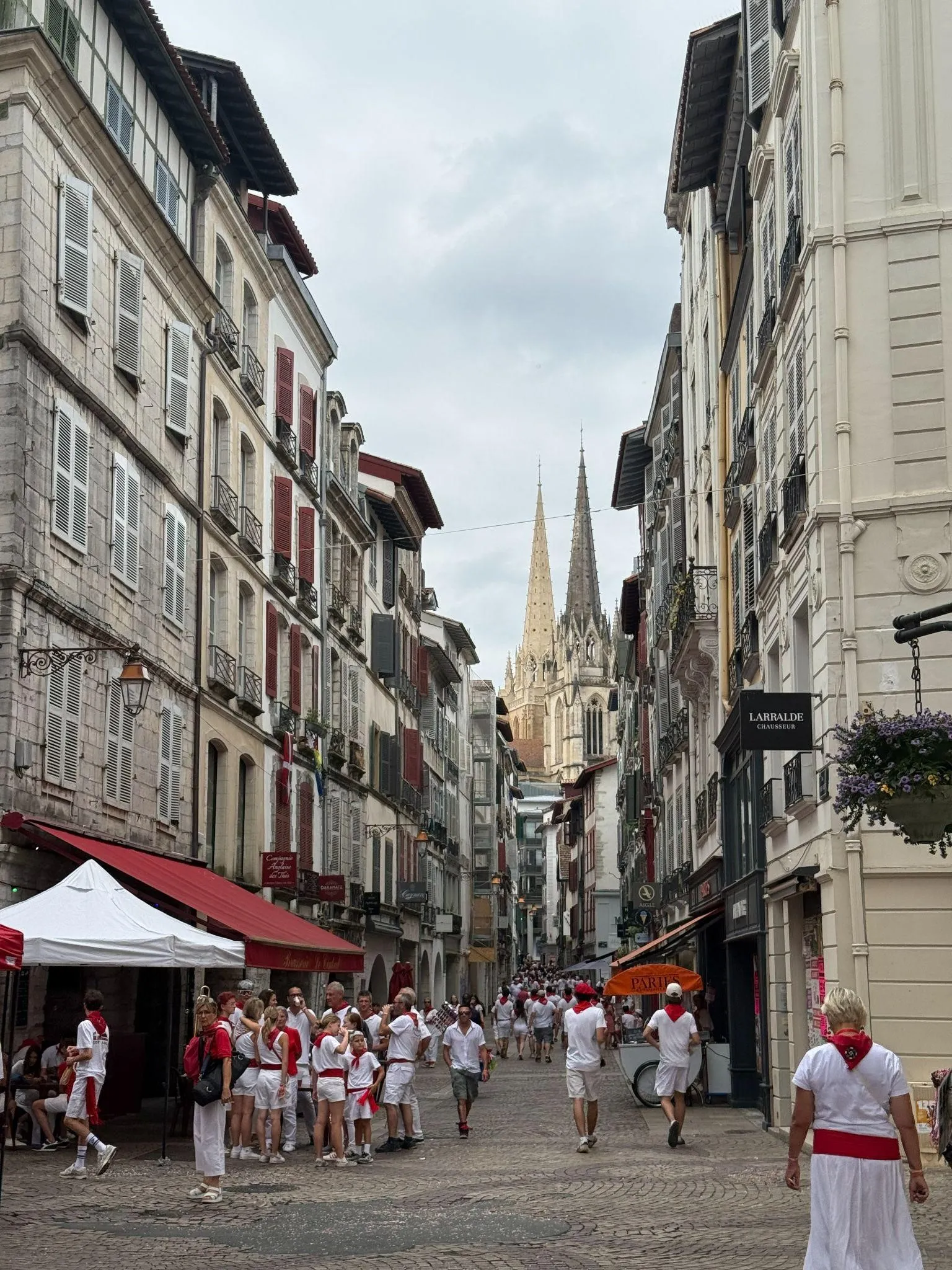
The Basque Country is the clearest example. San Sebastián delivers major culinary prestige, but true luxury isn't just securing a celebrated dining room. It's combining that dinner with a driver who knows the local rhythm, a guide who can shape the day lightly, and a hotel that doesn't feel like a showcase.
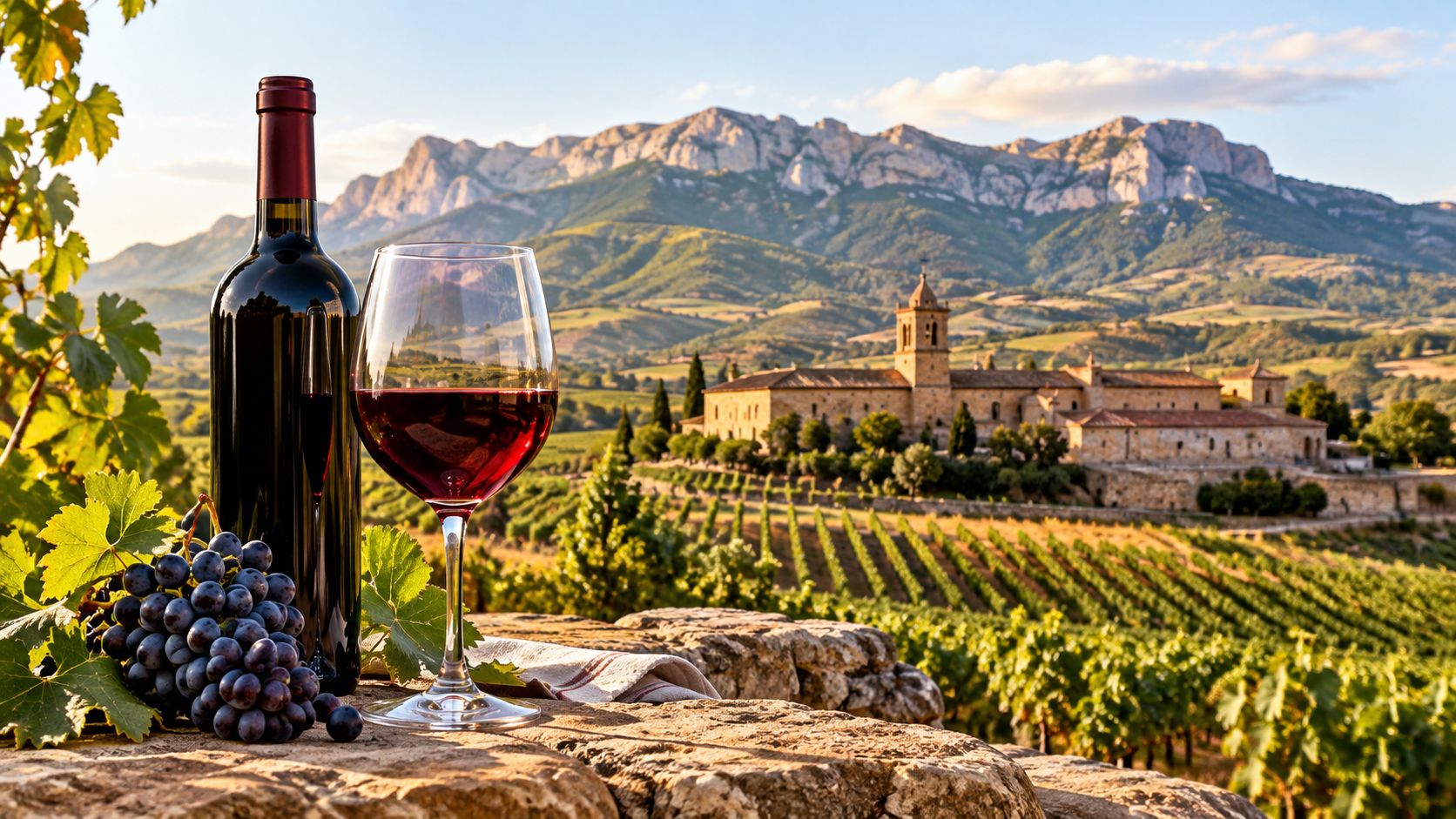
La Rioja works differently. It rewards travelers who like long lunches, architecture, private cellar conversations, and a sense of cultivated quiet. A rushed Rioja stop is pointless. A well-paced wine stay can become the emotional center of the trip.
Asturias and Cantabria suit travelers who want coast, mountain, and heritage without social noise. You can pair village stays, gentle hiking, cider culture, and excellent seafood while keeping the overall tone relaxed.
Galicia is often the most surprising region for repeat visitors. It feels Atlantic, introspective, and authentically local. Seafood, old stone towns, estuary scenery, and thoughtful rural luxury all come together there.
That is why the north has become the stronger answer for a certain kind of traveler. Not because it is unknown, but because it still allows discretion.
Crafting Your Bespoke Itinerary Sample Journeys
The easiest way to understand a high-level Spain luxury tour is to stop thinking in destinations and start thinking in sequence. What matters isn't just where you sleep. It's how each day hands off to the next, how energy rises and falls, and where the trip creates a feeling of access rather than consumption.
In Northern Spain, the best itineraries are usually private by design. That's not just a style preference. It's operationally smarter. The strongest luxury format here relies on privacy plus controlled access, with private departures, flexible starts, full customization, and special-interest experiences rather than group touring, as reflected in Artisans of Leisure's Spain luxury travel model.

For travelers who want to see how that planning works in practice, bespoke journeys in Northern Spain offer a useful reference point because they show how a route can be shaped around interests rather than fixed departures.
Journey one for food first travelers
This route suits couples who care more about a private table and the right producer than about ticking off monuments.
Arrive in Bilbao or San Sebastián and keep the first day deliberately light. A private transfer, a quiet hotel with strong service, and a late lunch are usually enough. If clients land and head straight into a demanding tasting menu, they lose the next day.
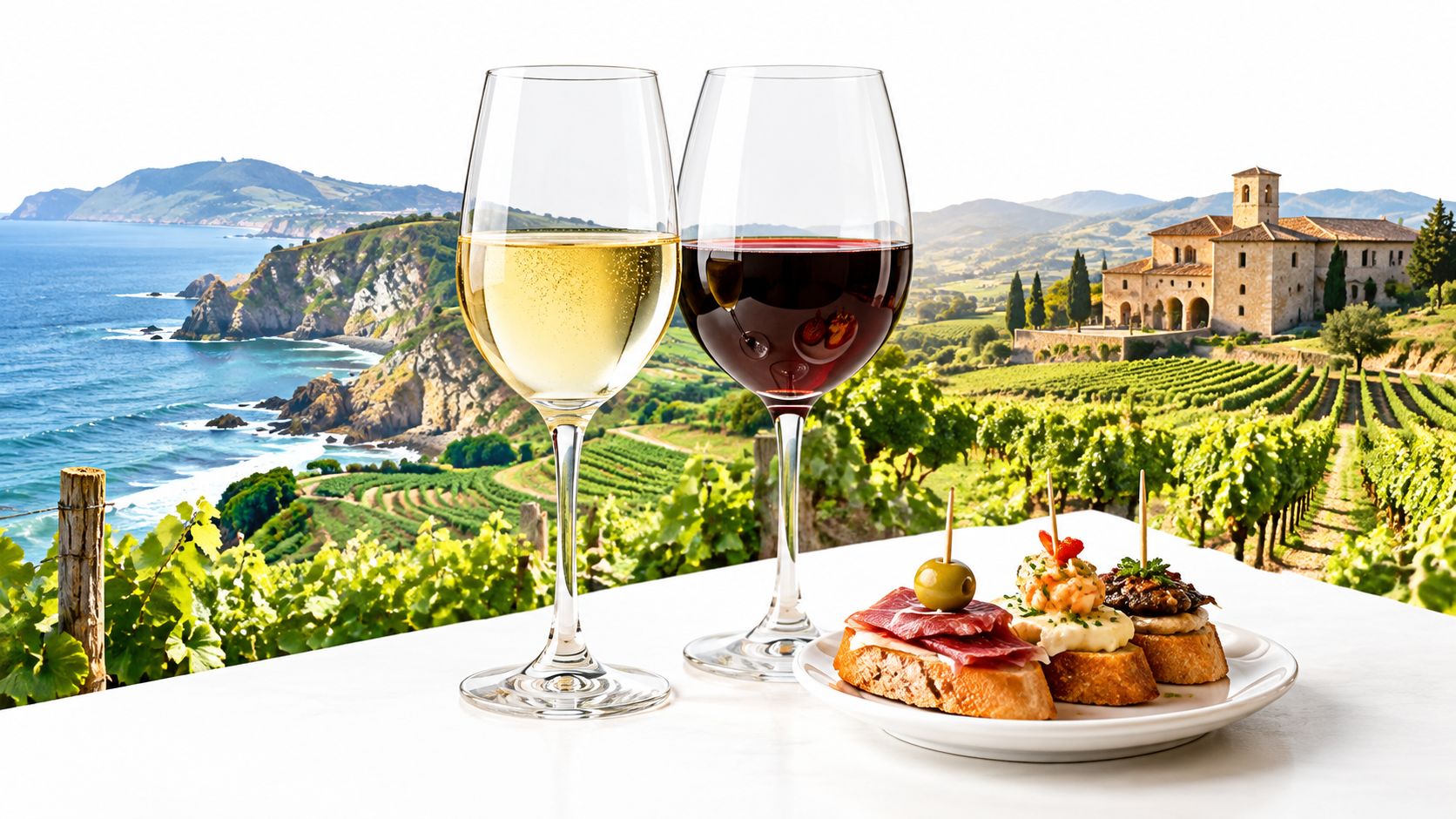
From there, move into the Basque food world gradually. One day might center on a market-led walk with a local culinary expert and a focused pintxos circuit built around timing, not volume. Another might pair a coastal drive with a txakoli visit and a long seafood lunch overlooking the Atlantic.
A good designer leaves room for contrast. After one serious restaurant dinner, the next meal should feel looser. A grill house, cider house, or private cooking session often gives more emotional payoff than stacking prestige reservations night after night.
Best fit
- Couples who return to Spain for food
- Travelers who want a social but still private atmosphere
- Guests who enjoy cities but don't want a city-only trip
What makes it work
- One anchor reservation a day, not three
- A driver who can handle changing meal times
- Hotels close enough to the action, but insulated from noise
Journey two for wine landscapes and mountain culture
This is a stronger route for travelers who want depth and scenery rather than restaurant intensity every night.
Start in La Rioja, ideally with a vineyard or design-forward wine hotel that feels calm on arrival. The first full day should never be a marathon of tastings. Better to organize one substantial private cellar visit, one architectural estate, and a long lunch with proper downtime afterward.
The second movement of the trip takes you into Navarra or the western Pyrenees. That's where the mood changes. Wine gives way to mountain villages, Romanesque heritage, scenic drives, and lower-volume cultural experiences. The shift matters because it resets the palate and the pace.
A great itinerary doesn't keep raising the volume. It changes texture.
This kind of journey works especially well for travelers celebrating anniversaries or milestone birthdays. It balances polish with silence. You can include a private guide in historic towns, a relaxed walk through high-country scenery, and one standout dinner in a converted manor or small gastronomic hotel.
A typical mistake here is adding too many stops. The route looks elegant on paper, but guests end up packing constantly. In practice, two bases often work better than four.
Journey three for multigenerational privacy on the coast
Families need a different kind of luxury. They need movement without stress, activities that don't force everyone into the same day, and accommodations that solve problems discreetly.
For that, the Cantabrian coast, Asturias, or Galicia often outperforms Spain's busier luxury zones. A private villa or small coastal estate creates flexibility from the start. Grandparents can rest, teenagers can surf or take a boat outing, and younger children can keep a gentler schedule without anyone feeling trapped in a hotel corridor.
The route might begin with a few nights near a handsome seaside town. One day could be a guided cultural visit for the adults while younger travelers join a hands-on food or nature activity. Another day might be fully unstructured except for a driver on standby and a long family lunch.
Then shift inland for contrast. A rural manor, a spa hotel, or a refined country property gives the trip a second chapter. Add a local guide who understands family pacing, and the whole itinerary becomes easier.
| Family need | What works | What doesn't |
|---|---|---|
| Different energy levels | Split activities with coordinated reunions | One guide dragging everyone through the same schedule |
| Meal flexibility | Mix restaurant bookings with in-villa dining | Formal dinners every night |
| Comfortable transfers | Door-to-door private transport and realistic drive times | Frequent hotel changes |
The strongest family journeys don't force togetherness. They create easy moments for it.
Understanding the Investment in a Luxury Spain Tour
A serious Spain luxury tour isn't priced like a standard private holiday with upgraded hotels. The difference sits in the invisible layers: access management, reservation strategy, vetted guides, transport choreography, and the ability to adapt when the day changes shape.
That matters in Spain because volume is high. In July 2024 alone, nearly 11 million international tourists visited Spain, and that level of traffic means premium itineraries have to maximize experience density through private transfers, fixed-time reservations, and tightly sequenced bookings, as noted in this report on Spain's record-breaking tourist season.

What you're paying for
The headline room rate rarely tells you much. Most of the value in a high-end journey comes from design and execution.
- Private transport infrastructure: Dedicated drivers, coordinated pickups, luggage handling, and route planning reduce fatigue.
- Reservation control: Prime restaurants, winery appointments, specialist guides, and timed cultural access all need active management.
- Human judgment: Someone has to know which hotel fits your style, which guide can read a room, and when a scenic detour is worth the extra hour.
- Contingency support: Luxury means a missed connection becomes an adjustment, not a ruined day.
For some clients, aviation becomes part of that equation as well. If you're comparing whether to add private air segments between European points, a practical primer on the cost of flying private can help frame the trade-offs between speed, convenience, and budget.
What usually increases cost fast
Some upgrades are worth it. Others mainly sound expensive.
The most common cost accelerators are:
-
Multiple one-night stays
These create more staffing, more vehicle hours, and more transition friction. -
Peak-date exclusivity
Popular festivals, headline dining rooms, and iconic small hotels compress availability quickly. -
Full-day guiding every day
Sometimes it's justified. Often selective guiding is more elegant. -
Hard-to-replicate private access
Owner-hosted visits, closed-door tastings, and after-hours arrangements require relationships and coordination.
Spend on moments that change the experience. Save on status purchases nobody remembers.
What good value looks like
Good value in a luxury journey doesn't mean cheap. It means coherent.
A well-priced trip usually has a clear center of gravity. Perhaps it's wine and architecture in Rioja, or food and coast in the Basque Country, or a family villa stay with curated day experiences. Once that center is clear, the investment works harder because every component supports the same outcome.
Poor value usually looks like overbuying. Too many hotels. Too many guides. Too many famous names with no flow between them.
If the trip feels effortless, calm, and subtly precise, the money is usually being spent in the right places.
How to Choose Your Luxury Travel Partner
A glossy proposal doesn't tell you much. Almost any operator can assemble premium hotels, arrange airport transfers, and add a few known restaurants. The ultimate test is whether they can shape the trip around your habits, protect your time, and make intelligent decisions before small issues become visible.
That is why choosing a travel partner for a Spain luxury tour should feel closer to selecting an advisor than buying a package.
Questions worth asking before you commit
Start with how the itinerary is built.
-
Do they design from scratch or adapt templates?
Template-based work isn't always bad, but you should know whether the trip is being assembled around your priorities or around what they already sell. -
Who selects the guides and why?
Good operators don't use one generic guide profile. They match personalities and subject expertise to the client. -
How local is their knowledge?
A regional specialist can usually make better decisions on pacing, routing, hotel fit, and meal planning than a broad reseller covering many countries. -
What support exists once the trip starts?
A polished document is one thing. Responsive on-the-ground help is another.
If you're curious how a specialist frames that planning relationship, Northern Spain Travel outlines its bespoke process for private journeys in a way that's useful when comparing operators.
Signs of a strong operator
You can usually spot quality quickly in conversation.
A strong partner asks better questions than a weak one. They want to know how you like to dine, whether you prefer one long lunch to two formal dinners, how you handle early starts, whether you enjoy walking through towns or being dropped at the door, and how much social energy you want from guides.
They'll also challenge weak ideas. If you suggest too many hotel moves, they should say so. If a famous property doesn't match your style, they should redirect you. Agreement is easy. Judgment is harder.
A few signs are especially useful:
| Strong sign | Why it matters |
|---|---|
| They edit your wish list | Curation is better than accumulation |
| They explain trade-offs clearly | You can see where compromises sit before booking |
| They know the quieter alternatives | This usually signals genuine local knowledge |
| They discuss pacing in detail | Good trips are built around energy, not maps |
The right planner protects your attention, not just your reservation list.
Client testimonials matter, but direct conversation matters more. Chemistry counts in luxury travel because the work is personal. If the operator doesn't seem to understand your style in the planning stage, that gap usually widens on the ground.
Essential Logistics for a Flawless Spanish Journey
Even the most elegant Spain luxury tour can unravel if the practical foundations are weak. In Spain, logistics aren't just background details. They shape the mood of the whole trip.
Seasonality and pacing
Northern Spain tends to reward travelers who value moderate weather, greener scenery, and a less compressed atmosphere. Shoulder periods often suit luxury travel especially well because the rhythm is easier and top places can feel more accessible.
That doesn't mean summer is wrong. It means summer requires tighter handling. Transfers, dining times, and sightseeing windows all need more discipline, especially if the trip mixes cities, coast, and wine country.
A few planning rules help:
- Build around two or three strong bases: Constant movement erodes comfort.
- Protect arrival days: Don't schedule your most important experience right after a long-haul flight.
- Use lunch strategically: In Spain, lunch can be the social and culinary center of the day. Treat it as such.
- Leave margin around premium bookings: A private winery lunch followed by a long scenic transfer and a late tasting-menu dinner usually backfires.
Practical habits that smooth the trip
Entry requirements depend on passport and point of departure, so travelers from the US, UK, Canada, Australia, and elsewhere should verify current official rules before flying. For high-end travel, this is usually straightforward, but it still belongs on the checklist early.
On the ground, card payment is common, though having some euro cash remains sensible for small purchases, gratuities, and certain local situations. Spain is generally easy to get around for seasoned international travelers, but ease increases when someone has already aligned transport, reservations, and timing.
For villa stays and celebratory trips, dining logistics deserve special attention. Even if your trip is in Spain rather than the French Riviera, this guide to choosing a private chef for Riviera holidays is still useful because the underlying questions are the same: menu style, dietary handling, staffing, kitchen suitability, and whether you want the chef to perform or make the evening flow.
The cultural details that improve everything
Spain rewards travelers who stop fighting Spanish time. Dinner is often later than many North American guests expect. Midday can carry more weight than evening. In smaller towns, the day may still breathe differently than in major cities.
The smartest clients adapt instead of resisting. They take a slower breakfast, accept that lunch may stretch, and understand that not every premium experience has to feel rushed to feel productive.
That adjustment changes the whole journey. You stop trying to consume Spain and start living in it, which is usually when the trip becomes memorable.
If you're planning a private journey focused on the Basque Country, La Rioja, Galicia, Asturias, Cantabria, Navarra, or the Pyrenees, Northern Spain Travel designs tailor-made itineraries with private guides, drivers, boutique stays, food and wine access, and on-the-ground support shaped around your pace and priorities.