Planning family vacations with teens often starts the same way. You suggest a destination, they shrug. You mention a museum, they ask about Wi-Fi. You try to build a trip everyone will enjoy, and suddenly the whole project feels less like anticipation and more like negotiation.
That tension is normal. Teens have opinions, and they should. Purdue researchers noted that children, especially teenagers, have become “advisers” to parents on destinations, lodging, and trip length, and the same research highlighted that one in five parents had taken children out of school for family getaways and that 58% of 13- to 18-year-olds shared family vacation memories online in a U.S. Travel Association survey, which helps explain why family vacations with teens work best when the trip gives them some ownership and memorable moments they want to document (Purdue family vacation research).
Northern Spain suits this stage of family travel unusually well. It has surf towns, mountains, design-led cities, medieval villages, serious food, and enough variation to keep a culture-loving parent and a skeptical teenager engaged on the same itinerary. It also rewards good planning. In the 2025 U.S. Family Travel Survey, the average family spent approximately $8,052 on travel in 2024, up about 20% from the prior year, while 73% of parents said affordability remains a challenge, a reminder that when travel is expensive, every day needs to earn its place (2025 U.S. Family Travel Survey highlights).
The smartest approach isn't to overschedule. It's to match the trip to the teen in front of you. If you also want more ideas for getting everyone outside without turning the outing into a battle, this guide on outdoor family experiences simplified is worth a look.
Table of Contents
- 1. Culinary Immersion & Cooking Classes in San Sebastián
- 2. Adventure & Active Luxury in Picos de Europa & Pyrenees
- 3. Wine Country Experiences & Rioja Cellar Tastings
- 4. Coastal Villages, Fishing Communities & Seaside Escapes
- 5. Cultural Immersion & Historical Exploration with Local Guides
- 6. Festival & Events Access San Fermín, Formula 1 & Celebrations
- 7. Multi-Generational Family Retreats with Bespoke Logistics
- 8. Artistic & Creative Workshops Photography, Painting & Design
- 9. Wellness & Spa Retreats in Northern Spain
- Family Vacations with Teens: 9-Option Comparison
- Your Tailor-Made Spanish Family Adventure Awaits
1. Culinary Immersion & Cooking Classes in San Sebastián
San Sebastián is one of the easiest wins for family vacations with teens because the city turns food into an activity, not just a reservation. A private market visit, a hands-on cooking class, and an evening pintxos crawl give teens something to do, taste, learn, and remember. That combination matters more than another long lunch with formal service.
Start with a proper food-focused base. The city's reputation as a gastronomic destination makes it ideal for families who want substance behind the glamour, and San Sebastián as Europe's culinary capital by the sea gives you the right frame for building the trip around cuisine rather than squeezing food in between other plans.
A cooking class makes the trip collaborative from the first day.

Why San Sebastián works for teens who need participation
A teen who would tune out during a passive tasting often comes alive when asked to fillet fish, assemble pintxos, or compare ingredients at the market. That's the difference between consuming a destination and engaging with it. In practice, families do best when the culinary day includes one anchor experience, then plenty of air around it.
Private chef-led classes at respected kitchens, family-friendly Basque cooking schools, and guided market-to-table experiences all work well. So do tastings at casual bars instead of stacking one formal restaurant after another. I'd also pair the food day with beach time on La Concha or a light walk through Parte Vieja so the trip doesn't feel like a marathon of eating.
Practical rule: Book the culinary highlight first, then build the rest of the day around appetite, walking distance, and recovery time.
How to keep the day from becoming too much food
Meal fatigue is real, especially with teenagers who may love food but not endless courses. A shorter tasting menu often lands better than an elaborate one, and informal pintxos bars usually outperform a rigid fine-dining schedule if you're traveling as a family.
A strong San Sebastián sequence looks like this:
- Early market visit: Go in the morning when the stalls feel lively and easy to get around.
- Hands-on workshop: Choose a class that accommodates preferences like vegetarian or gluten-free cooking.
- Light afternoon: Keep the post-lunch window open for the beach, shopping, or downtime at the hotel.
- Casual evening crawl: End with a few carefully chosen bars instead of trying to “cover” the whole old town.
Later in the trip, a short visual introduction can help teens connect what they tasted with the wider Basque food scene.
2. Adventure & Active Luxury in Picos de Europa & Pyrenees
Some teens don't need another city. They need movement. For them, Northern Spain's mountain regions are where family vacations with teens stop feeling staged and start feeling earned.
The Picos de Europa and the Pyrenees work especially well because you can scale the challenge. One family might do a scenic hike above alpine villages and a cheese stop in Cabrales. Another might add mountain biking, canyoning, or a via ferrata with a private guide who knows how to pace a family group.
The right version of adventure
The mistake is assuming “active” means “maximally strenuous.” It usually doesn't. Most families are happier with soft adventure layered onto comfort. That means a beautiful lodge, a proper dinner, private transfers to trailheads, and a guide who can read the room when energy drops.
This is also where bespoke planning matters. Picos de Europa trails and alpine villages can be approached in a way that feels scenic and confidence-building rather than punishing. Parents get the scenery and polish they want. Teens get challenge, freedom, and the satisfaction of doing something physical.

What works better than a hardcore trekking plan
A mountain itinerary should breathe. Two demanding days in a row often backfire, especially if one teen is enthusiastic and another is only cautiously on board. Families usually do better with one active anchor per day.
A reliable mix looks like this:
- Guided morning hike: Choose a route with a visual payoff early, not only at the very end.
- Regional food stop: Cheese dairies, village lunches, and terrace meals turn effort into reward.
- Flexible afternoon: Spa time, a scenic drive, or time by the pool helps everyone reset.
- Optional challenge day: Reserve the bolder activity for the teen who wants it, without forcing the whole group into the same format.
Mountain trips fail when every day asks for grit. They succeed when the hard parts are selective and the comforts are consistent.
3. Wine Country Experiences & Rioja Cellar Tastings
By the second cellar of the day, many teens are done. Their parents are ready for one more tasting. That mismatch is exactly why Rioja needs a family format, not an adult wine itinerary with children added to the van.
Rioja works best for families when wine is only one layer of the day. The region gives you strong material beyond the glass. Sculptural winery architecture, fortified hill towns, vineyard roads, long lunches, and small producer visits all hold a teen's attention better than a string of technical tastings. This is especially true for teens drawn to food, photography, design, or social content.
The best plans combine contrast. A visually striking winery near Laguardia can satisfy the adults' interest in wine while giving teens something concrete to react to and photograph. A smaller family-run cellar often lands better afterward because the conversation feels human. They remember the tunnels, the barrels, the dog in the courtyard, or the winemaker explaining why one plot ripens earlier than the next.
Why Rioja can work surprisingly well for older teens
Older teens usually respond to access and narrative. Underground cellars in a medieval village, a private walk through the vines before lunch, or a table set inside the bodega gives the day shape. They do not need to drink wine to enjoy Rioja. They need context, variety, and a role in the experience.
That is also why bespoke planning matters here. A good travel curator does not stack three similar appointments and hope the scenery carries the day. Northern Spain Travel, for example, can arrange a Rioja day that balances one serious winery visit with a chef-led lunch, village time, and logistics that keep parents relaxed instead of watching the clock.
Social sharing plays a part too, but it does not need a forced strategy or a weak study to justify it. In practice, teens engage more when a destination is visually distinct and gives them moments worth capturing on their own terms. Rioja has that in abundance.
How to avoid the classic vineyard mistake
The usual mistake is simple. Families overbook wine and underplan everything around it.
A stronger Rioja day looks like this:
- One anchor bodega: Choose a winery with architecture, views, or a private host who can read the room.
- A food element with substance: Long lunch, cheese pairing, olive oil tasting, or a market stop gives teens a clear point of entry.
- Time in a village: Laguardia, Haro, or a smaller wine town gives everyone space to browse, snack, and reset.
- A private driver: Parents can enjoy the wines, and nobody spends the day managing directions, parking, or timing.
One more trade-off is worth stating plainly. Rioja suits older teens better than younger ones. If your teenager likes stories, aesthetics, or regional food, it can be one of the most unexpectedly successful stops in Northern Spain. If they need constant activity, keep the wine piece short and build the day around design, scenery, and lunch.
A well-built Rioja itinerary leaves adults satisfied and teens included. That is the difference between a wine trip they tolerate and a family trip they actually remember.
4. Coastal Villages, Fishing Communities & Seaside Escapes
By day three of a family trip, the pattern is usually clear. One teen wants space to wander, another wants something active, and parents want a setting that still feels polished and worth the flight. Northern Spain's Atlantic coast handles that mix well because the day does not need to be overproduced to feel memorable.
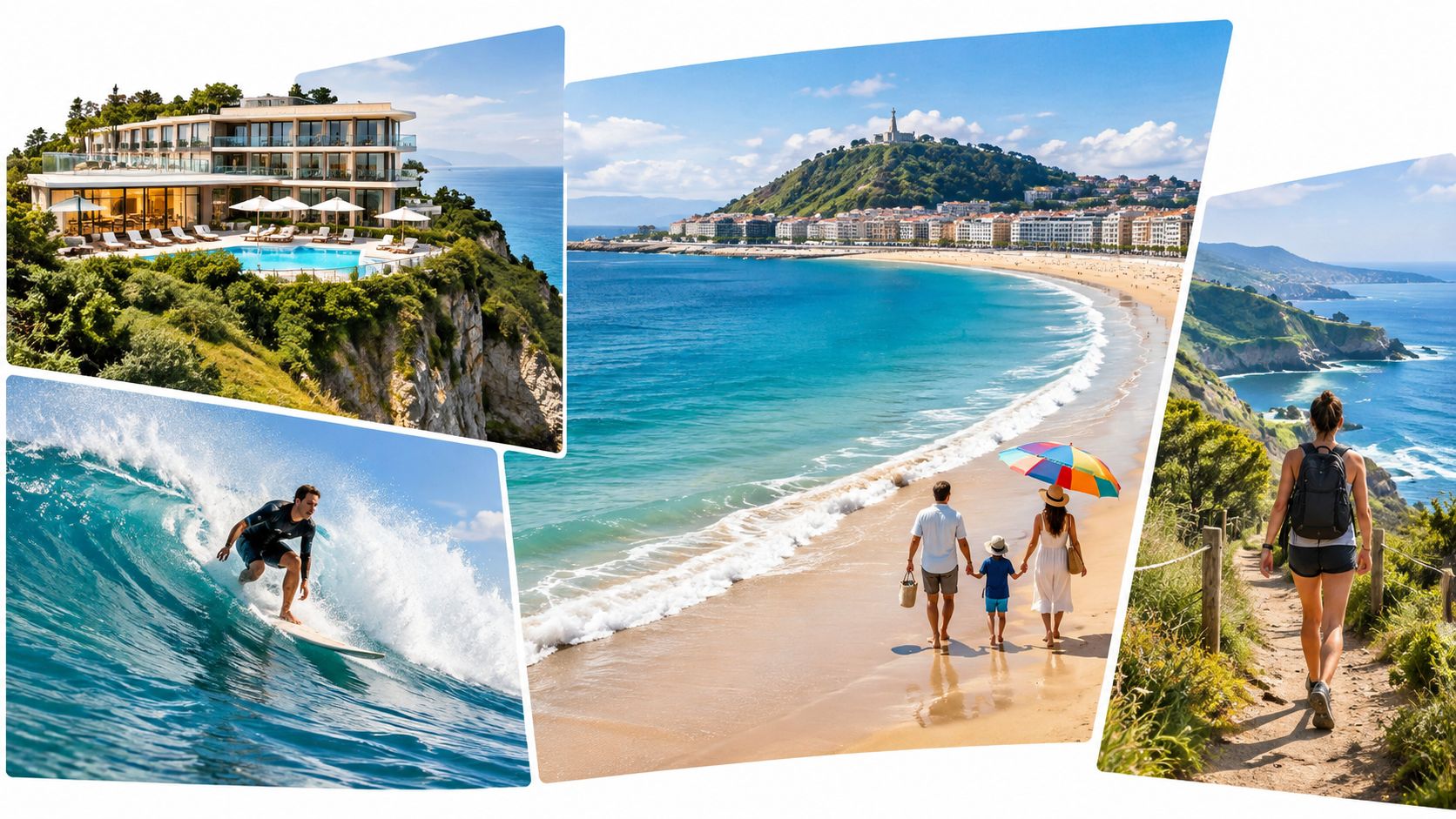
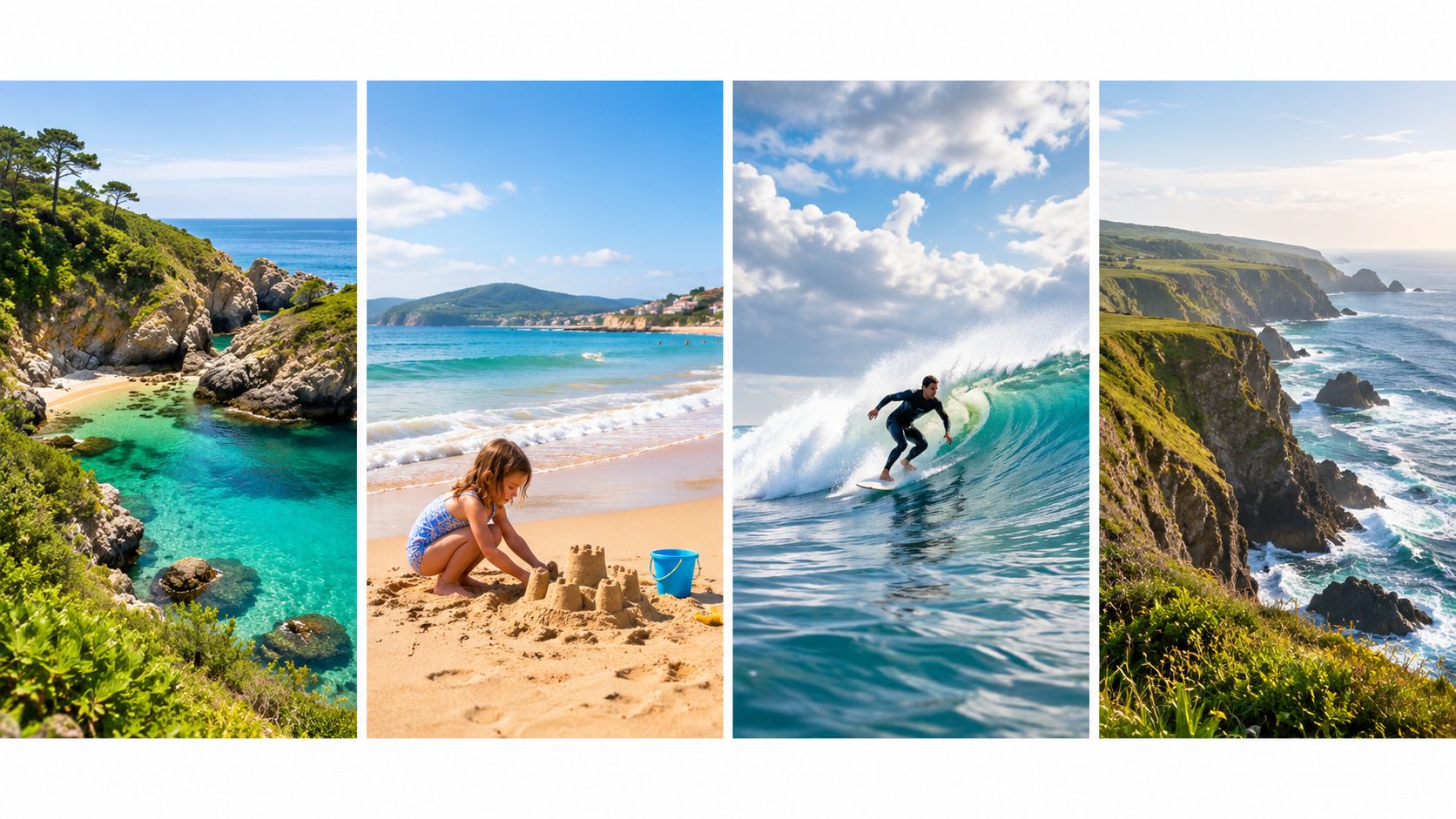
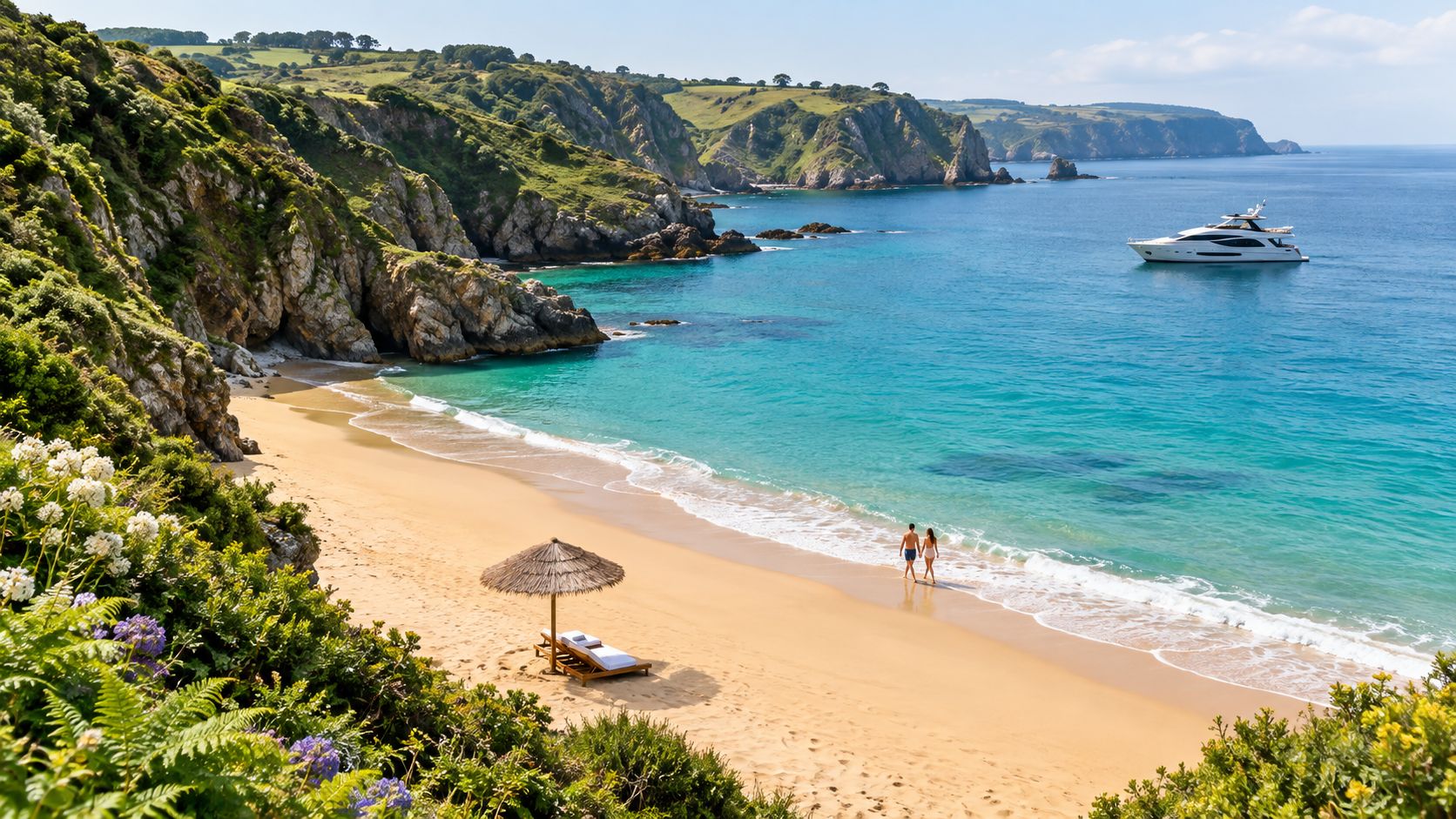
Cudillero, Lastres, Combarro, Mundaka, and Getaria each suit a different kind of teenager. A surfer will respond to Mundaka. A teen who always has a camera in hand will get more from Combarro's granaries, harbors, and changing light. A food-focused teen usually connects fast with Getaria, where fishing culture, grilled seafood, and small-town energy all sit within a short walk. That is a key advantage of this stretch of coast. It gives families a way to match the route to personality instead of forcing everyone into the same beach formula.

Why coastal days work so well with teens
The rhythm is the point.
Fishing towns naturally break the day into parts that feel easy rather than scheduled to the minute. Start with the market or port. Add a boat outing, surf lesson, or guided walk that explains how the town lives. Stop for a long lunch with a view of the water. Then leave room for teens to browse, photograph, paddle, swim, or sit with an ice cream and do very little. Families usually get better results from that structure than from trying to stack four villages into one day.
Private planning improves this category more than families expect. The difference is rarely “luxury” in the obvious sense. It is having the right base, restaurant timing that avoids the worst waits, a skipper or guide who knows how to keep teens engaged, and a wet-weather alternative ready before the forecast turns. Northern Spain Travel can arrange that kind of bespoke coastal routing, which removes several common friction points at once.
Best rhythm for a coastal route
The mistake here is not doing too little. It is changing places too often.
A stronger coastal stay usually looks like this:
- Two or three nights in one harbor base: Teens settle in faster, parents stop managing bags, and the place starts to feel familiar.
- One signature experience: Surf in Mundaka, a private boat excursion near the Galician coast, or a seafood walk in Getaria gives the stay a clear center.
- A real half-day of freedom: Good family itineraries need breathing room. Coastal towns are one of the few settings where independent time can feel safe and rewarding.
- A weather-proof second plan: Atlantic conditions shift quickly. An indoor food experience, artisan visit, or small museum keeps the day intact without disappointment.
One trade-off matters here. These villages are strongest for families who value atmosphere, local character, and a slower pace over big-ticket attractions. For some teens, that sounds perfect. For others, the coast works best as a two or three-night contrast within a broader Northern Spain itinerary that also includes adventure, culture, or city energy.
Handled well, a coastal stop becomes the part of the trip where everyone exhales. Teens get freedom without boredom. Parents get beauty, good food, and a calmer tempo. That balance is hard to manufacture elsewhere.
5. Cultural Immersion & Historical Exploration with Local Guides
Culture is where many family trips lose teenagers. Not because teens dislike history or art, but because adults often present it in the least engaging format possible. Long museum circuits, too much talking, and too little relevance will flatten almost any audience.
Northern Spain offers a much stronger option. In Bilbao, a private art historian can turn the Guggenheim into a conversation about form, scale, and why certain works provoke people. In Santiago de Compostela, a local guide can connect pilgrimage, architecture, and daily life in a way that feels human, not academic.
Culture lands better when it feels alive
The best cultural itineraries are selective and interest-led. A teen into design may respond to Bilbao's architecture and street art. A teen who likes making things may care more about meeting a ceramicist, textile artist, or instrument maker than about a canonical museum route.
Current content around family vacations with teens often says to pick places with “a mix of activities” or let teens help choose. That advice isn't wrong, but it's incomplete. The more useful principle is sequencing. Culture tends to land better when the day has fewer transitions, shorter formal visits, and clear chances for teens to respond with a camera, sketchbook, or their own questions rather than passively receive information.
How to make museums and history stick
A private guide changes the experience because they can cut what isn't resonating and lean into what is. That flexibility matters far more than trying to see everything.
I'd structure a cultural day like this:
- Short museum or cathedral visit: Keep the core guided segment focused and intentional.
- Practical follow-up: Street photography, a studio visit, or a food stop that echoes the theme.
- Teen role in the day: Let them choose one neighborhood, one café, or one visual stop.
- Space to absorb: Avoid stacking another “important” site immediately afterward.
“Teens don't need less culture. They need culture delivered with context, pace, and permission to engage on their own terms.”
6. Festival & Events Access San Fermín, Formula 1 & Celebrations
Some family vacations with teens should feel electric. A milestone birthday, graduation trip, or reunion often calls for a different register altogether. Northern Spain's event calendar gives you that, whether the draw is San Fermín in Pamplona, a major sporting weekend, harvest celebrations in Rioja, or a high-profile cultural event in Bilbao.
These trips can be unforgettable, but only if someone controls the logistics. Event travel magnifies every weak point in a family itinerary. Traffic gets worse. Hotels become less forgiving. Dining windows narrow. Safety decisions need to be made in advance, not on the pavement in a crowded square.
High-energy travel needs structure
Families usually benefit from premium viewing access, private transfers, and a hotel location chosen for more than prestige. During a major event, the “best” hotel isn't always the one with the biggest name. It's often the one that lets you move in and out with less stress and gives everyone a quieter reset point.
This is also where a concierge-style planner earns their keep. A family might spend one day in the event atmosphere, another in nearby wine country, and a third recovering through a softer cultural or coastal experience. That contrast keeps the high-energy centerpiece from consuming the whole trip.
What parents often underestimate
Teens may love the spectacle, but they still need boundaries and recovery. A packed event day followed by another packed event day can sour quickly, especially if sleep, meals, and movement aren't handled well.
Keep these principles in mind:
- Decide participation level early: Viewing San Fermín is one conversation. Joining anything active is another.
- Pre-book meals: Event towns get crowded fast, and hunger lowers everyone's tolerance.
- Build exits into the day: Private transport makes leaving easy when the energy shifts.
- Add a decompression day: Even adventurous families need one.
A great event trip leaves the family exhilarated, not depleted.
7. Multi-Generational Family Retreats with Bespoke Logistics
Add grandparents to the mix and the trip changes shape immediately. That isn't a problem. It just raises the planning standard. Multi-generational family vacations with teens succeed when nobody is forced into the same pace all day, yet everyone still gets meaningful time together.
Many families underestimate the operational side. Different mobility levels, dietary needs, sleep patterns, and interests don't sort themselves out on arrival. They need an itinerary built with branches, not a single line.
Where these trips succeed or fail
The strongest version usually centers on one or two high-quality bases rather than constant movement. A coastal villa or a boutique hotel with suites and adjoining rooms often works better than a sequence of short stays. Grandparents can rest when needed. Teens can have some autonomy. Parents stop acting as the sole transport department.
A strong reference point is this Spain family travel guide for 2026, which reflects the kind of private, flexible planning affluent families often need in Northern Spain. The appeal isn't excess. It's coherence.
The planning standard that changes everything
Before the trip, I'd want clarity on must-haves for each generation. One person may care most about food. Another may need a slow morning. A teen may want surfing, shopping, or reliable downtime. Once that's on the table, the itinerary can become much more elegant.
A useful pattern is:
- Shared morning or dinner anchor: One daily moment everyone reliably joins.
- Parallel midday options: Hiking for some, village time for others, spa or rest for grandparents.
- Single transport plan: Private drivers eliminate the friction of splitting cars or parking.
- Daily check-in: A quick recalibration prevents small annoyances from growing.
On-the-ground advantage: The best family itineraries aren't rigid. They're well supported, so adjustments feel easy instead of disruptive.
8. Artistic & Creative Workshops Photography, Painting & Design
The creative teen is often underserved in mainstream travel planning. Not every older child wants adrenaline, and not every cultural experience needs to revolve around formal history. Some teens want time to observe, make, document, and leave with work they created themselves.
Northern Spain is excellent for this. The Atlantic coast offers dramatic light for photography. San Sebastián and Bilbao support contemporary art and design-focused experiences. Galicia opens the door to ceramics, craft traditions, and textural scenery that reward slower attention.
A better option for the creative or quieter teen
A private photography walk at sunrise can transform how a teen sees a place. So can a studio session with a local painter or a mixed-media travel journal project built over several days. These experiences are especially strong for families who want the trip to feel refined without making every day restaurant- or museum-led.
This also taps into what current teen-focused travel advice often misses. Much of the strongest guidance is still anecdotal, but one pattern is clear. Teens respond better when they can document the trip, have some control over planning, and come away with one-of-a-kind experiences they can talk about later. Creative workshops satisfy all three.
How to build a creative itinerary that still feels luxurious
Creative travel shouldn't feel like school, and it shouldn't feel improvised. The luxury version is carefully arranged. Materials are ready. The teacher is good. The location is beautiful. The workshop is paired with the right hotel, meals, and pacing.
A polished format might include:
- One expert-led workshop: Photography, painting, ceramics, or design.
- One context visit: A gallery, artisan studio, or architecture walk.
- Time to review work: A terrace lunch or hotel lounge where the family looks at what was made.
- A meaningful takeaway: Prints, sketches, or a handmade object beats another souvenir.
This kind of itinerary often creates the most lasting memories because it gives teens authorship, not just attendance.
9. Wellness & Spa Retreats in Northern Spain
Some families arrive in Spain needing restoration as much as excitement. That's particularly true when the trip follows exams, an intense school year, or a season when everyone has been living on separate schedules. In that case, a wellness-focused plan can be the smartest answer.
Northern Spain gives you several versions of this. A thermal spa stay near the coast, a mountain retreat in the Pyrenees, or a boutique wellness hotel with strong food and access to nature can all work. The key is making the retreat feel shared rather than parental.
Rest can be the point
Many parents feel they must justify a family trip through activity. With teens, that instinct can be counterproductive. Rest itself can be productive if the setting is beautiful and the rhythm is intentional.
That matters in the current travel climate because families are more value-sensitive and more aware of how they spend time together. Existing coverage about teens often overlooks the appeal of flexible Wi-Fi-enabled downtime, creator-friendly moments, and enriching experiences that don't turn the trip into a supervised youth program. A wellness itinerary can answer that well when it includes privacy, comfort, and a few memorable outdoor or cultural elements around the edges.
How to make wellness feel inclusive, not parental
The mistake is booking a spa hotel and assuming everyone will fall into line. Teens usually need choice. They may enjoy a thermal circuit, a nature walk, or a healthy cooking session, but they rarely want an all-day retreat built around adult treatments.
A better formula looks like this:
- Age-appropriate wellness options: Confirm treatment policies before booking.
- Movement plus rest: Coastal walks, paddleboarding, or light hikes complement spa time.
- Excellent food without preachiness: Wellness cuisine should still feel generous and local.
- Room for devices and downtime: Fighting every screen battle on vacation is rarely worth it.
A good wellness trip leaves the family calmer and more connected, not bored and overmanaged.
Family Vacations with Teens: 9-Option Comparison
| Experience | 🔄 Implementation complexity | ⚡ Resource requirements | 📊 Expected outcomes | 💡 Ideal use cases | ⭐ Key advantages |
|---|---|---|---|---|---|
| Culinary Immersion & Cooking Classes in San Sebastián | Medium–High: coordinate chefs, market timing | High: private chefs, Michelin reservations, transport | Practical cooking skills; cultural appreciation; strong family bonding | Food-focused multigenerational trips; culinary milestone celebrations | Hands‑on learning; Michelin access; social-media moments, ⭐⭐⭐⭐⭐ |
| Adventure & Active Luxury in Picos de Europa & Pyrenees | Medium: guide-based logistics and safety planning | Medium–High: certified guides, gear, transfers, lodges | Confidence building; fitness gains; memorable outdoor achievements | Active families and teens seeking soft‑adventure | Blend of adventure and comfort; adjustable difficulty levels, ⭐⭐⭐⭐ |
| Wine Country Experiences & Rioja Cellar Tastings | Low–Medium: winery appointments and seasonal timing | Medium: private tastings, drivers, boutique stays | Wine education; cultural maturity; memorable harvest experiences | Food & wine lovers; teens 16+; romantic or educational trips | Exclusive bodega access; educational tastings, ⭐⭐⭐⭐ |
| Coastal Villages, Fishing Communities & Seaside Escapes | Low–Medium: village logistics and weather contingencies | Medium: boutique hotels, optional private driver, activity rentals | Authentic cultural immersion; relaxed pace; beach and surf activities | Families seeking slow travel, surfers, photography enthusiasts | Off‑the‑beaten‑path authenticity; fresh seafood, ⭐⭐⭐⭐ |
| Cultural Immersion & Historical Exploration with Local Guides | Medium: needs skilled guides to engage teens | Medium: expert guides, private museum access, possible fees | Enhanced cultural literacy; intergenerational conversation; project material | Families valuing art/history; education‑oriented travel | Personalized expert access; deep contextual learning, ⭐⭐⭐⭐ |
| Festival & Events Access: San Fermín, Formula 1 & Celebrations | High: fixed dates, VIP logistics and safety planning | High: VIP packages, concierge, early bookings | High‑energy memorable events; exclusive VIP access | Milestone celebrations; VIP event seekers; private groups | Turnkey VIP access; unforgettable milestone experiences, ⭐⭐⭐⭐ |
| Multi‑Generational Family Retreats with Bespoke Logistics | High: complex coordination of needs and pacing | High: dedicated concierge, vehicles, medical & dietary planning | Seamless multi‑gen experience; reduced planning stress; inclusivity | Large families, reunions, mixed‑ability groups | Tailored flexibility; safety and comfort for all ages, ⭐⭐⭐⭐⭐ |
| Artistic & Creative Workshops: Photography, Painting & Design | Medium: instructor sourcing and studio scheduling | Low–Medium: materials, instructor fees, studio or field time | Creative skill development; tangible keepsakes; portfolio pieces | Creative teens, art families, educational groups | Hands‑on creativity; portfolio and memory building, ⭐⭐⭐⭐ |
| Wellness & Spa Retreats in Northern Spain | Low–Medium: program customization and age checks | Medium–High: spa facilities, therapists, wellness cuisine | Restorative recovery; reduced travel stress; family‑friendly wellness | Health‑conscious families, couples seeking restorative breaks | Restorative focus; structured downtime and expert care, ⭐⭐⭐⭐ |
Your Tailor-Made Spanish Family Adventure Awaits
The best family vacations with teens don't happen because everyone suddenly likes the same things. They work because the itinerary respects difference without letting the trip fragment. One teenager wants autonomy. Another wants activity. A parent wants cultural depth. A grandparent wants comfort and manageable pacing. Northern Spain can absorb all of that remarkably well, but only if the trip is designed with intention.
That's the very distinction between a decent family holiday and a memorable one. A decent trip gets you to good places. A memorable trip sequences those places intelligently. It knows when to put a cooking class before a beach afternoon, when to cut a museum visit short, when to add a private driver, and when to stop trying to do more. With teens, that judgment matters as much as the destination itself.
I'd also be realistic about the stakes. Travel is expensive, and family time is finite. Parents aren't just looking for somewhere beautiful. They're looking for a trip that justifies the effort, avoids unnecessary friction, and gives their teenagers something better than passive sightseeing. They want stories that will still come up at dinner months later. Northern Spain is especially good at producing those moments because it offers contrast without chaos. You can move from a vineyard to a medieval town, from a surf village to a design museum, from a mountain trail to a polished boutique hotel, often without the exhausting overland days that drain family energy.
That's why bespoke planning has so much value here. A specialist can shape the route around personalities rather than forcing everyone into a standard program. They can choose the right bases, the right guides, the right balance of private structure and free time. They can also solve the boring but decisive details: transfers, room configurations, dietary notes, timing, backup plans, and local access. Those details are where many otherwise promising family trips either hold together or come apart.
If you're also thinking about the budget side of the equation, this perspective on making family vacations affordable can help you think more clearly about priorities, even within a premium trip.
For families who want Northern Spain done privately and with real curation, Northern Spain Travel is one relevant option. The company designs tailor-made itineraries across the Basque Country, Rioja, Galicia, Asturias, Cantabria, Navarra, and the Pyrenees, with private guides, drivers, and customized pacing for different kinds of travelers. That kind of support is especially useful when the trip includes teenagers, grandparents, or a milestone worth getting right.
Stop trying to build this from scattered tabs and generic destination lists. Start with the kind of family you are, then design the trip around that reality. That's how Northern Spain becomes more than a vacation. It becomes shared history.
If you want a private itinerary built around your family's pace, interests, and travel style, reach out to Northern Spain Travel to start planning a tailor-made journey through Northern Spain.