A grandparent grandchild trip usually starts with a lovely idea and turns serious the moment dates, stamina, food preferences, and attention spans enter the conversation. The families who get this right look beyond selecting an attractive destination. They choose a rhythm that lets both generations feel well cared for, interested, and at ease with each other.
Northern Spain does this especially well. Distances are manageable, standards are high, and the region gives you several very different styles of trip within one journey. A few nights built around food in San Sebastián can suit a grandparent who values comfort and a grandchild who wants energy and variety. A slower stay in Rioja works better for families who prefer quiet mornings, short drives, and one memorable activity each day. The difference matters.
In practice, the strongest trips are built around one clear theme, then shaped around the age of the child, the grandparent's pace, and the family's appetite for structure. That is why this guide goes further than a standard destination roundup. It lays out eight distinct luxury trip concepts across Northern Spain, with recommended hotels, age-appropriate experiences, routing considerations, and bespoke upgrades that can turn a good family holiday into a trip people still talk about years later.
I often advise families to start with the shared interest before they choose the hotel. Cooking, art, gentle adventure, heritage, language, wellness, celebration. Once that is clear, the planning becomes much sharper. If food is the natural point of connection, these San Sebastián cooking classes for 2026 give a good sense of the kinds of experiences that work well across generations.
Travel can be one of the most meaningful gifts a grandparent gives. Done well, it creates comfort, curiosity, and private family memories in equal measure.
Table of Contents
- 1. Multi-Generational Culinary Journey Through San Sebastián & Basque Country
- 2. Wine Country Slow Travel Through Rioja & Navarra
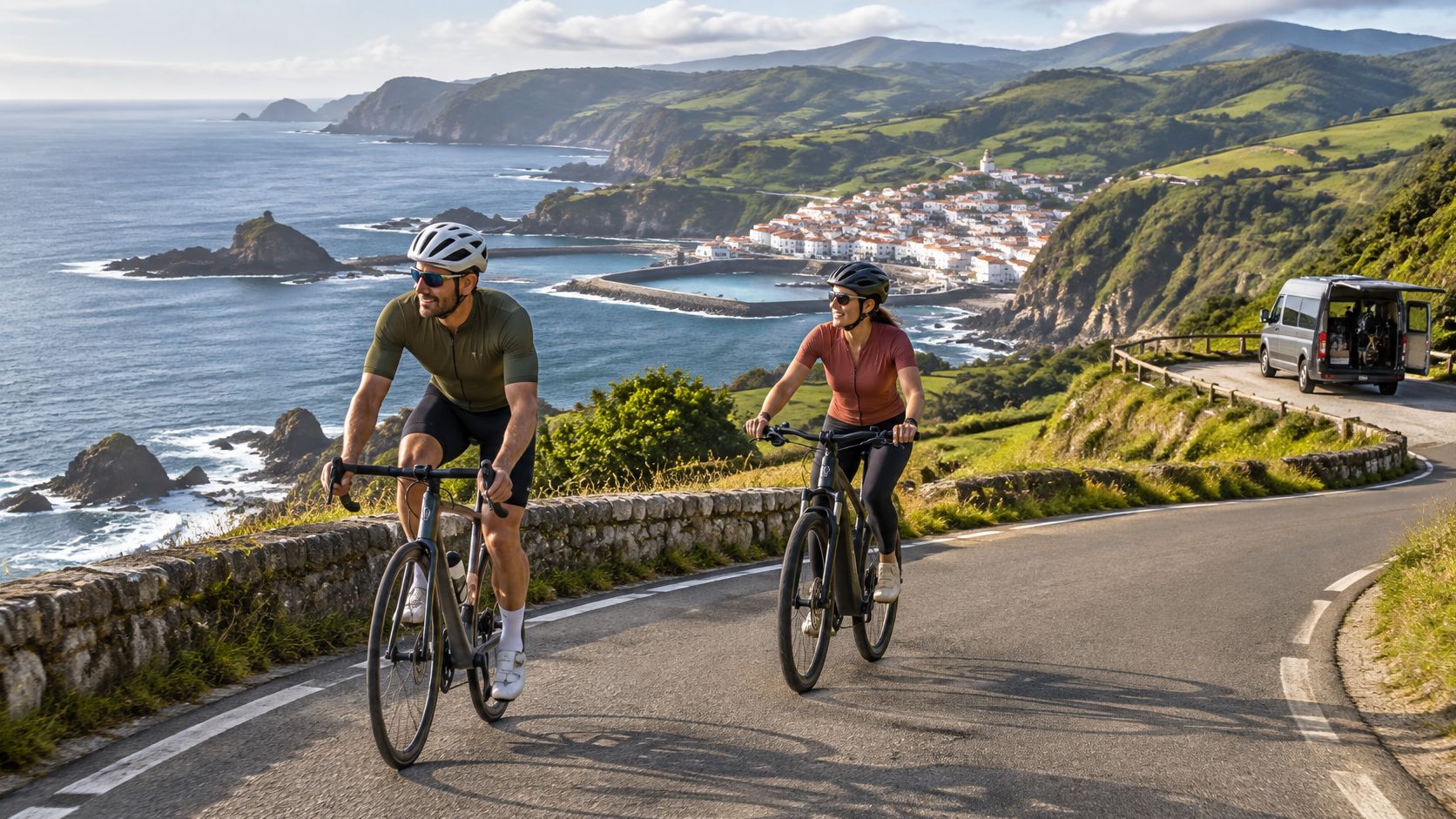
- 3. Coastal Heritage & Fishing Village Discovery Along the Green Coast
- 4. Art, Culture & Hidden Heritage Through Private Access
- 5. Multi-Generational Adventure in Picos de Europa & the Pyrenees
- 6. Milestone Celebration Journeys With Real Emotional Shape
- 7. Educational Deep Dives in History, Heritage & Language
- 8. Wellness & Rejuvenation Retreats for Restful Connection
- Grandparent-Grandchild Trips: 8 Options Compared
- Your Bespoke Northern Spain Journey Awaits
1. Multi-Generational Culinary Journey Through San Sebastián & Basque Country
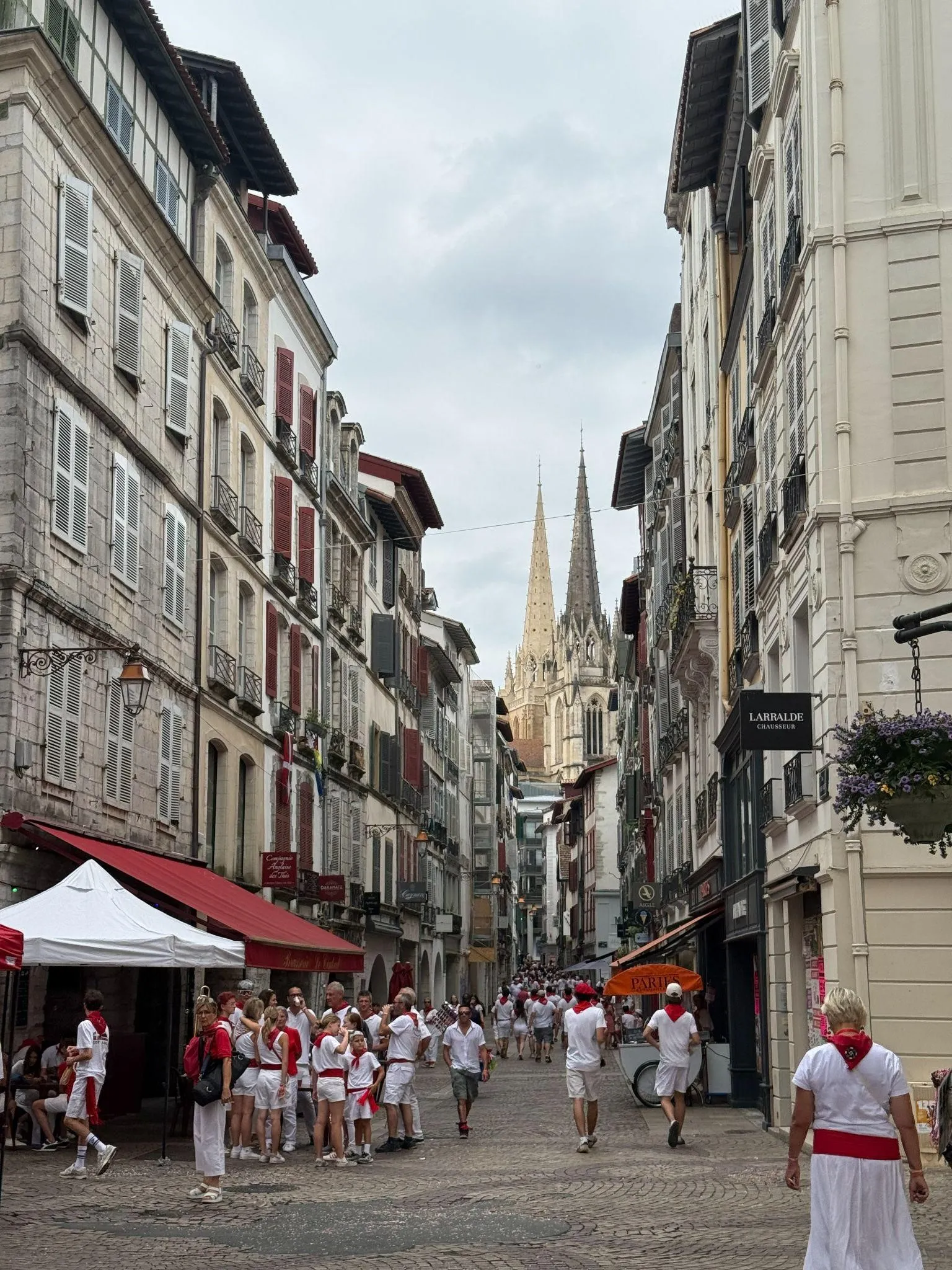
San Sebastián is the easiest place in Northern Spain to make a trip feel luxurious from the first hour. You can arrive, check into a polished hotel, walk a short distance, and be in the middle of one of Europe's great food cities without needing a complicated program. For grandparents traveling with teens or young adults, that immediacy helps.

The right version of this trip mixes polish with informality. A private market visit in the morning, an afternoon pause at the hotel, then an evening pintxos route through Parte Vieja usually lands better than stacking formal dining every night. Michelin meals impress. Casual bar-hopping creates the stories.
Good hotel choices include Hotel Maria Cristina for old-world grandeur, Villa Favorita for a more intimate luxury feel on La Concha, and Akelarre if you want the stay itself to be part of the gastronomic narrative. If walking tolerance is a concern, staying close to Parte Vieja or the beachfront saves energy for the moments that matter.
Where to stay and how to pace it
A smart culinary itinerary usually includes one serious tasting menu, one private cooking experience, and one flexible evening with no reservation pressure. For families who want a hands-on element, these top cooking classes in San Sebastián for 2026 are a strong starting point.
What doesn't work is culinary overkill. Two grand dinners back-to-back can leave everyone fatigued, especially if the grandchild is enthusiastic but not yet used to long tasting formats.
- Book signature restaurants early: The most coveted tables don't reward spontaneity.
- Use a private driver for out-of-town meals: That keeps the day elegant and removes stress around timing.
- Teach a little context in advance: A few basic food terms and Basque dining customs help younger travelers engage confidently.
Practical rule: In San Sebastián, one exceptional formal meal and one relaxed pintxos night usually deliver more connection than an itinerary built to impress every evening.
2. Wine Country Slow Travel Through Rioja & Navarra
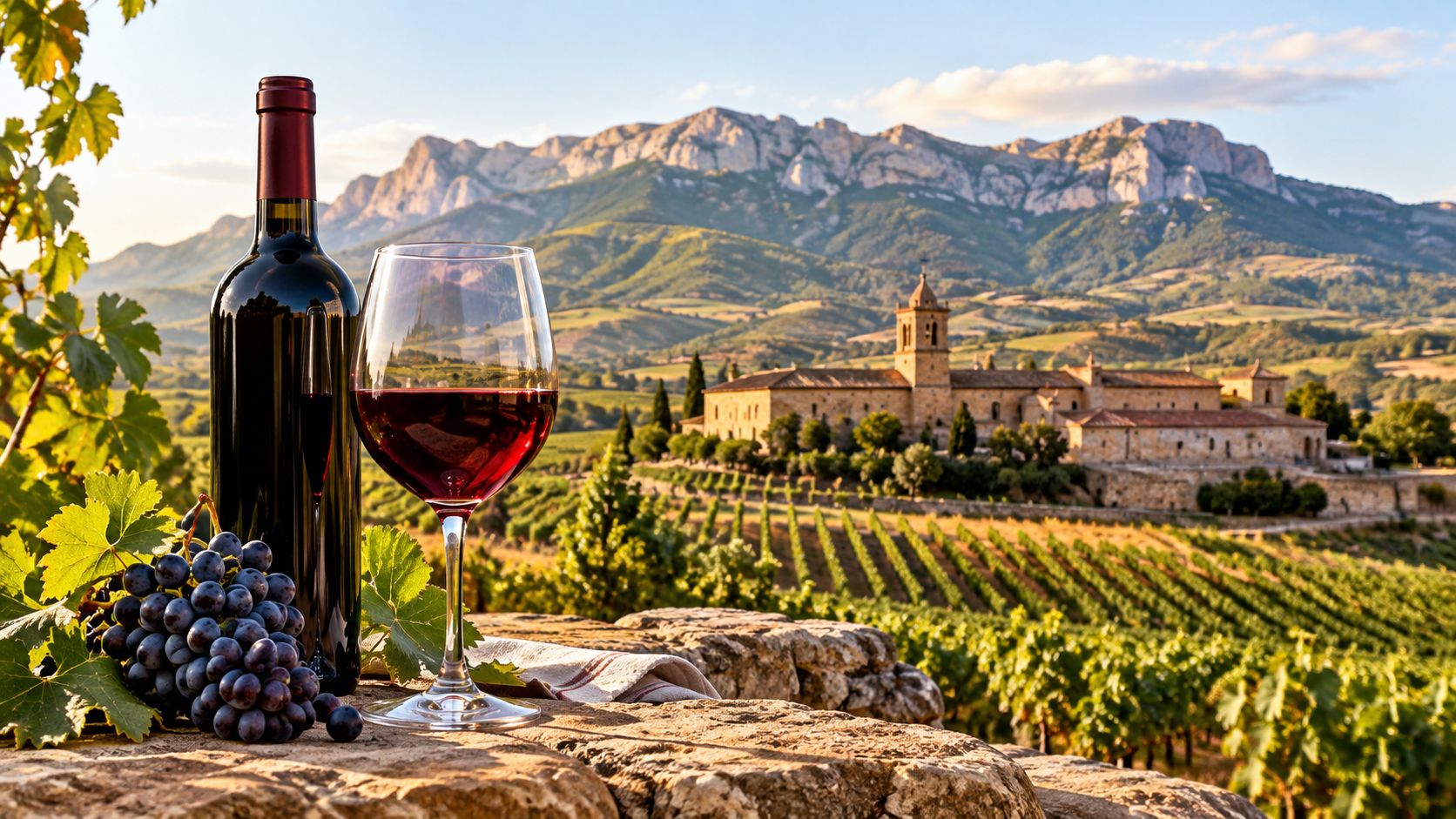
A well-planned wine country trip often starts with a quiet hotel terrace, a grandchild asking why vines are planted in rows, and a grandparent finally having the time to answer without watching the clock. Rioja and Navarra suit families who want room for conversation, beauty, and a gentler daily rhythm. Done well, this is less about wine consumption and more about setting, storytelling, and choosing experiences that hold the attention of both generations.
The best base depends on how polished or intimate you want the trip to feel. Hotel Marqués de Riscal in Elciego delivers architectural drama and full-service comfort. A boutique stay in Laguardia feels more connected to the village itself, which is often better for families who like to walk out for an ice cream or an unplanned aperitif. Palacio de Samaniego is a strong choice for travelers who want design, calm, and excellent food without the scale of a major resort. In Navarra, manor-style hotels near Olite or refined country estates work particularly well if you want to pair vineyards with castles, open countryside, and shorter sightseeing days.
This style of journey rewards curation. Families usually enjoy two or three sharply different winery visits more than a packed schedule of labels that blur together by day three.
What works best for mixed ages
For younger teens, the day should not depend on tasting. It should depend on variety. The most successful winery visits combine architecture, cellar atmosphere, a simple explanation of how wine is made, and a food component that gives the grandchild a clear role in the experience. Bodegas such as Marqués de Riscal, Ysios, and López de Heredia tend to work well because each feels distinct in mood, history, and visual identity.
Pacing matters more here than families expect. A mid-morning visit is usually best because energy is higher and the day still feels open. Follow that with a long lunch, then add one non-wine stop in the afternoon, perhaps Laguardia's hilltop streets, Olite's royal palace, or a short countryside walk. That rhythm keeps the trip from becoming too adult-coded.
The trade-off is simple. If you try to cover all of Rioja, everyone spends more time in the car and less time enjoying where they are. If you narrow the plan to a few meaningful visits, the trip feels calmer, smarter, and more personal.
A specialist-designed version of this itinerary can also include private vineyard picnics, family blending workshops, behind-the-scenes cellar access, or a harvest-season experience for older grandchildren. Those upgrades are worth considering when the trip marks a milestone, because they turn a pretty wine country holiday into something the family will still talk about years later.
3. Coastal Heritage & Fishing Village Discovery Along the Green Coast
Some grandchildren open up more on a harbor wall than at a formal dinner table. The Green Coast is ideal for that kind of trip. It gives you villages with working identity, excellent seafood, Atlantic light, and enough weather drama to make the journey feel alive.

Getaria is one of my favorite choices when you want refinement without fuss. Bermeo feels more working and maritime. Cudillero has that amphitheater-of-houses drama people remember for years. Llanes is especially useful if you want a base with beaches, old-town atmosphere, and easy day planning.
This style of trip suits travelers who don't need a packed schedule. It thrives on a fish market visit at dawn, a late breakfast back at the hotel, a scenic coastal drive, and a lunch built around the day's catch.
Best bases and weather strategy
The best hotel strategy is to choose one or two bases and let the coast unfold from there. Constant hotel changes make seaside itineraries feel more tiring than they should. A private driver helps tremendously because Atlantic weather can shift your best-laid plans within hours.
Useful upgrade ideas include a private boat outing from a fishing port, a chef-arranged seafood lunch with a harbor view, or a bespoke picnic set up on a sheltered stretch of coast. If rain arrives, switch to an indoor seafood meal, a local museum, or a cooking session rather than forcing an outdoor plan.
The families who love the Green Coast most are usually the ones who stop trying to conquer it. They let the weather, appetite, and energy shape the day.
One practical note. Early-morning fish market visits are rewarding, but they aren't for every grandchild. If your companion isn't a dawn traveler, preserve the romance and skip the alarm.
4. Art, Culture & Hidden Heritage Through Private Access
For intellectually curious families, Northern Spain offers far more than one famous museum. Bilbao, San Sebastián, and Cantabria can create a beautifully layered cultural route if you focus on depth instead of volume.
A refined version often starts in Bilbao with the Guggenheim and the Museo de Bellas Artes, then moves into Basque cultural interpretation at San Telmo Museum or prehistoric context at Altamira. The pairing matters. Contemporary art is more memorable when balanced with something older, more tactile, or more regional.
Private museum guides are worth the expense here. Not because the collections are inaccessible, but because mixed generations rarely want the same level of detail. A strong guide can shift tone quickly. With a teenager, that may mean focusing on one sculpture, one room, or one story, rather than attempting a full survey.
How to keep cultural days engaging
A cultural itinerary fails when it becomes dutiful. The fix is simple. Shorter guided visits, better pacing, and well-placed lunches.
Consider these design choices:
- Choose two anchor institutions: More than that can blur together.
- Break up museums with architecture or food: A walking route through Bilbao or lunch in the old quarter resets attention.
- Request focused private tours: Ask for highlights shaped around age, interests, and stamina.
Hotel options that complement this style include The Artist Grand Hotel of Art in Bilbao, Hotel Tayko Bilbao for a design-forward city stay, and Villa Soro in San Sebastián for quieter elegance after a museum-heavy day.
Ask guides to build a visit around questions, not lectures. Grandchildren stay engaged when they're invited to interpret what they see instead of being talked at for ninety minutes.
5. Multi-Generational Adventure in Picos de Europa & the Pyrenees
This is the version of adventure I recommend most often to families who say they want nature but not hardship. Picos de Europa delivers scale fast. Deep gorges, high viewpoints, mountain villages, and the Fuente Dé cable car make it possible to feel immersed in dramatic terrain without committing to punishing hikes.

A good base might be around Cangas de Onís, Sotres, or a refined country hotel positioned for scenic access and easy dining. In the Pyrenees, luxury becomes more discreet. Think mountain lodges, beautifully restored rural properties, and private guiding rather than flashy resorts. These luxury Pyrenees hiking tours in Spain show the kind of soft-adventure pacing that tends to work well.
The mistake is assuming everyone wants a “full day outdoors.” Most successful mountain trips with grandparents include one strong outing, one scenic transfer, and one restorative meal. That's enough.
The health and logistics piece most families miss
If the grandchild is very young and the trip is international, medical planning deserves serious attention. Existing coverage often overlooks health insurance and care continuity for grandparents traveling abroad with small children, and the concern is especially sharp under age three. More than 25% of U.S. children lack continuous health coverage in their first three years, and coverage gaps of more than six months raise the risk of fragmented care by 52%, according to the PubMed summary provided in the planning brief.
That doesn't mean mountain travel is a bad idea. It means you should confirm pediatric coverage abroad, understand emergency access, carry copies of prescriptions, and know where the nearest hospital or pharmacy sits relative to your route.
For active families, this trip pairs well with the best family outdoor activities mindset. The luxury version adds private logistics, better lodging, and smarter pacing.
6. Milestone Celebration Journeys With Real Emotional Shape
The strongest celebration trips don't feel like event planning pasted onto a holiday. They feel like a story with rhythm. An anniversary in Rioja, a significant birthday in the mountains, or a family reunion in a private villa can all work beautifully if the days build toward meaningful moments instead of shouting “celebration” from the start.
Northern Spain Travel's style is key. A private welcome dinner in San Sebastián, a special bottle tied to a family year, a surprise musician in a vineyard courtyard, or a photo session in a place meaningful to the family can carry far more emotional weight than generic luxury extras.
Among U.S. grandparents, 35% of leisure travelers took trips with their grandchildren in the last year, and that rises to 41% among those earning over $250,000 annually, according to the NTA family travel market guide. In practice, that affluent demand shows up in one clear preference. Families want privacy, flexibility, and careful curation. Milestone travel has almost no tolerance for clumsy logistics.
How to make it feel personal instead of performative
Start with the family narrative. Was there a honeymoon in wine country decades ago? Does the grandchild care more about music than fine dining? Is the point reflection, fun, or reunion? Once that's clear, the itinerary can be shaped around it.
The most useful planning move is usually to reserve the hardest pieces first: top restaurants, private villas, special-access experiences, and photography. Then build the softer parts around those anchors.
For ideas on balancing celebration with actual family enjoyment, this guide to luxury family vacations in Northern Spain is a helpful complement.
Celebrations become memorable when the family feels looked after, not managed.
7. Educational Deep Dives in History, Heritage & Language
This is one of the most underestimated formats for grandparent grandchild trips. Families often assume “educational” means worthy but dry. In reality, it can be one of the richest ways to create conversation across generations, especially with teens and college-age grandchildren who want a trip to feel substantial.
Northern Spain gives you excellent themes. Basque identity and language. Medieval Navarra. The history of Guernica. Pilgrimage routes. Prehistoric art in Cantabria. The smartest itineraries choose one subject and let it unfold through private guiding, site visits, meals, and informal discussion.
Global grandparent spending on grandchildren exceeds $60 billion annually, with $32 billion directed to education-related support, according to the Grandparenting Landscape overview. That matters because the educational trip isn't a niche indulgence. It aligns with what many grandparents already value: enrichment with emotional purpose.
Designing for teens and college-age grandchildren
Research cited in the planning brief notes that identity gaps can affect communication and relationship quality, and that problem becomes especially relevant on trips with older grandchildren. The useful response isn't more entertainment. It's shared learning framed around curiosity, not instruction, as discussed in the identity-gap research reference.
That means:
- Choose a theme with room for interpretation: Politics, food culture, regional identity, and memory work well.
- Use expert guides who invite discussion: A lecturer is less useful than a guide who can handle questions from both generations.
- Leave time for conversation afterward: The drive back or lunch afterward often matters as much as the site visit.
What doesn't work is trying to turn the trip into school. One strong morning session followed by a relaxed afternoon is usually the sweet spot.
8. Wellness & Rejuvenation Retreats for Restful Connection
A late breakfast overlooking the sea, an easy walk on the promenade, a thermal circuit before lunch, then a quiet afternoon with no pressure to be anywhere. For the right grandparent and grandchild pairing, that kind of trip creates more connection than a packed schedule ever will.
Wellness trips in Northern Spain work best when rest has real structure. The days still need shape. I usually recommend one anchor experience each day, then leave generous room around it. That might be a private yoga session in the morning, a long seafood lunch, or a scenic drive to a coastal village with time to sit, talk, and return without watching the clock.
This style suits grandchildren who can appreciate calm and comfort. Teens often respond well if the hotel has strong design, good food, and a sense of place rather than a generic spa setup. Older grandparents tend to enjoy it for obvious reasons, but I also see it work well for high-achieving grandchildren who rarely slow down at home.
The best bases depend on energy level and setting. San Sebastián works for families who want polished hotels, excellent dining, and easy sea air without long transfers. The Basque coast offers refined stays with a quieter rhythm. Further inland, thermal properties make sense for travelers who want treatment-led days. In the Pyrenees, a mountain retreat with spa access adds fresh air and privacy, though the transfer time is longer and should be worth it for everyone involved.
The main trade-off is pace. A wellness journey falls flat if one traveler expects constant sightseeing or a long list of cultural stops. It succeeds when both travelers value comfort, conversation, and the pleasure of doing a few things well.
A strong plan might include a sea-view suite, one well-chosen treatment each, a private movement session adjusted for different ages, a farm-to-table lunch, and one easy excursion with a driver. That creates a trip that feels generous, calm, and fully considered, rather than empty or underplanned.
Grandparent-Grandchild Trips: 8 Options Compared
| Experience | 🔄 Implementation complexity | ⚡ Resource requirements | ⭐ Expected outcomes | 📊 Ideal use cases | 💡 Key advantage / Tip |
|---|---|---|---|---|---|
| Multi-Generational Culinary Journey Through San Sebastián & Basque Country | High, coordinates private chefs, Michelin reservations and mixed-age programming | High budget & lead time, $8k–$15k+, book Michelin 2–3 months ahead | ⭐⭐⭐⭐⭐, deep culinary bonding, high-quality private experiences | Food-focused families; grandparents 55+, grandchildren 13+; 5–7 days | Book top restaurants early; mix pintxo bars with one formal tasting to balance energy |
| Wine Country Slow Travel: Rioja & Navarra Vineyard Escapes | Medium, arranges private bodegas and guided vineyard walks | Medium–High, $6k–$12k+, private drivers recommended, book wineries 3–4 weeks ahead | ⭐⭐⭐⭐, memorable educational tastings and relaxed landscape enjoyment | Wine-curious families; ages 12+ (or 8+ for cultural framing); 4–6 days | Limit to 3–4 bodegas per trip; pair tastings with food and a private driver |
| Coastal Heritage & Fishing Village Discovery: Green Coast Adventure | Low–Medium, logistics of coastal drives and small-boat outings | Medium, $5k–$10k+, flexible timing; some remote transfers | ⭐⭐⭐⭐, authentic, low-stress nature and seafood experiences | Nature/seafood lovers; grandchildren 10+; 4–5 days (shoulder seasons best) | Use a local driver, choose 1–2 village bases, and plan a rainy-day backup |
| Art, Culture & Hidden Heritage: Museum & Landmark Private Tours | Medium–High, secures expert guides and occasional after-hours access | Medium, $5k–$10k+, book private tours 2–4 weeks ahead | ⭐⭐⭐⭐, deep intellectual engagement and private access to collections | Culturally curious families; grandchildren 12+; 3–5 days | Hire museum historians for focused 30–45 min viewings and mix in culinary breaks |
| Multi-Generational Adventure: Picos de Europa & Pyrenees Soft Hiking | Medium, needs guided hikes, cable-car bookings, mixed-ability pacing | Medium, $6k–$11k+, seasonal planning (May–Sept), possible private transport | ⭐⭐⭐⭐, strong bonding through accessible outdoor adventure | Outdoorsy families; grandchildren 8+; grandparents 55–75 (fit-dependent); 4–6 days | Choose short 1–3 hour hikes, use cable cars for views, and book guides familiar with mixed ages |
| Milestone Celebration Journeys: Tailored Anniversary & Birthday Adventures | High, bespoke event coordination, logistics and surprises | Very High, $10k–$25k++, 3–6 months planning recommended | ⭐⭐⭐⭐⭐, highly personalized, emotionally resonant outcomes | Any-age multi-generational celebrations; 5–10 days | Start planning 3–4+ months out; prioritize photography and key reservations first |
| Educational Deep Dives: History, Heritage & Language Immersion Programs | High, coordinates expert lecturers, language classes and archives | Medium–High, $7k–$13k+, book specialists 4–6 weeks ahead | ⭐⭐⭐⭐, substantial learning, lasting cultural understanding | Lifelong learners; grandchildren 14+; 5–7 days | Pick a single focus, prepare pre-trip reading, and balance study with leisure |
| Wellness & Rejuvenation Retreats: Spa, Slow Living & Relaxation Escapes | Low–Medium, schedules spa programs and mixed-age wellness sessions | Medium–High, spa pricing, 7–10 day ideal duration, book 2–3 months ahead | ⭐⭐⭐⭐, restorative, low-stress family time with health benefits | Rest-focused families; grandchildren 12+; grandparents 55+; 7–10 days | Ensure grandchildren are interested; schedule treatments mid-morning and allow downtime |
Your Bespoke Northern Spain Journey Awaits
These eight trip styles show what's possible, but the essential magic in grandparent grandchild trips comes from fit. The right journey matches the grandchild's age, the grandparents' pace, the family's comfort level, and the emotional reason for traveling in the first place. That's why one family thrives in San Sebastián with market visits and Michelin dinners, while another remembers a mountain cable car ride, a harbor picnic, or a quiet conversation after a museum more than anything else.
The biggest mistake I see is overbuilding the itinerary. Grandparents often want to make the trip count, so they add too much. Too many hotel changes. Too many reservations. Too many “must-sees.” Luxury family travel in Northern Spain works better when it feels composed, not crowded. You need room for appetite to change, energy to dip, weather to shift, and spontaneous moments to take over.
That's especially true for families traveling internationally. A beautiful plan still needs practical underpinnings. Private transfers matter. Room configuration matters. Walking distances matter. Meal timing matters. Medical continuity matters when young children are involved. For older grandchildren, emotional design matters too. Shared learning, humor, and the right guide often do more for connection than a long list of attractions.
Northern Spain is unusually well suited to this kind of travel because it offers range without demanding chaos. You can combine Basque culinary culture with vineyard calm, Atlantic village life with polished hotels, or mountain scenery with soft adventure and still keep the trip private and elegant. The distances are manageable, the character is strong, and the experiences feel grounded in real place rather than tourism theater.
The most successful trips also acknowledge a simple truth. Grandchildren don't always remember luxury the way adults define it. They remember being given full attention. They remember the table where the conversation ran long. They remember the fisherman who showed them the morning catch, the guide who made history feel alive, or the moment the clouds lifted over the Picos. Luxury makes those moments easier to access because it removes strain, but the memory itself is always relational.
That's the standard worth aiming for. Not a perfect trip on paper, but a journey that makes closeness more likely.
At Northern Spain Travel, that's exactly how bespoke planning should work. Secure the difficult reservations. Build in the right pace. Match hotels to personality, not just rating. Arrange private access where it improves the experience. Then support the journey, ensuring the family can stay present inside it. When that happens, a holiday becomes something much more enduring: a shared family story that keeps being told.
If you're considering a private grandparent-grandchild journey, Northern Spain Travel can design it around your family's pace, interests, and standards. From San Sebastián food experiences to vineyard stays, mountain lodges, private guides, and smooth door-to-door logistics, the team creates fully bespoke itineraries that make Northern Spain feel effortless.