Most travelers make the same mistake with Asturias vs Cantabria. They treat them like interchangeable slices of Green Spain, then wonder why the trip feels either too spread out or too predictable. It's a lazy comparison, and for a luxury traveler it's the wrong one.
The decision isn't which region is “better” in the abstract. It's which one fits your style of travel, your tolerance for moving parts, and how much remoteness you want. Asturias and Cantabria are both compelling, but they reward very different kinds of itineraries.
| Factor | Asturias | Cantabria |
|---|---|---|
| Scale | 10,604 km² and 1,021,733 residents, larger and more expansive | 5,321 km² and 597,281 residents, smaller and more compact |
| Density | 96 people per km², more room and a stronger sense of space | 112 people per km², easier base-to-base logistics |
| GDP 2024 | €30.012 billion | €17.700 billion |
| GDP per capita | €29,660 | €29,893 |
| Climate feel | Wetter, slightly cooler, more damp coastal character | Marginally milder and a little drier |
| Best for | Remoteness, cider culture, dramatic contrast | Polished short stays, easier transfers, refined coastal towns |
That table tells you the core truth. Asturias is the larger, looser, more atmospheric region, while Cantabria is denser and more manageable. If you're designing a private trip, that difference matters more than any generic “Green Spain” label.
Table of Contents
- Why Asturias and Cantabria Are Not the Same Trip
- Geography, Climate and Regional Character
- Coast, Mountains, Towns and Cultural Texture
- Food and Dining Scenes Compared
- Which Region Fits Which Luxury Traveler
- Getting There and Getting Around
- The Verdict and a Sample Combined Itinerary
- Frequently Asked Questions for Luxury Travelers
Why Asturias and Cantabria Are Not the Same Trip
The market likes to group these two together, but on the ground they behave differently. Asturias and Cantabria both sit on Spain's northern coast, both are green, both combine mountains and beaches, and both appeal to travelers who want a cooler alternative to the usual Spanish circuit. That is where the similarity ends.
Asturias is the larger, looser proposition. It has 10,604 km² of territory and 1,021,733 residents, compared with Cantabria's 5,321 km² and 597,281 residents, so Asturias has roughly twice the land area and a far more spread-out feel CountryEconomy comparison. Even with that scale, Asturias does not feel crowded in the way some well-known Spanish regions do. It feels more rural, more dispersed, and more self-contained.
Cantabria works better if you want a tighter trip with less friction. Its higher density, 112 people per km² versus Asturias' 96 people per km², translates into shorter driving distances and easier connections between coast, towns, and inland stops. For travelers who dislike long transfer days, that difference matters.
Practical rule: if your ideal luxury trip is one elegant base, a few easy excursions, and no logistical drama, start with Cantabria. If you want more space and a slower, more reflective rhythm, choose Asturias.
Visibility splits them too. Asturias is still only starting to register with many international tourists, while Cantabria sees more international tourism, especially in summer Routes and Revelations comparison. If you care about arriving before a destination becomes overexposed, Asturias has the edge. If you care about smoother, more familiar tourism infrastructure, Cantabria is the safer bet.
For a clearer read on Cantabria as a standalone destination, the Cantabria travel guide for discerning travelers is worth reading before you book anything. It shows how the region works beyond brochure-level descriptions.
Geography, Climate and Regional Character

Asturias has the bigger personality. It runs from the Picos de Europa to a long, shifting coast, with western coves, working fishing villages, and inland valleys that still feel properly rural. Cantabria is tighter and easier to grasp on arrival, which is useful if you want a trip that reads cleanly from the first day. You can move between coast, town, and mountain edges with less backtracking and less decision fatigue.
That difference in scale matters on the ground. Asturias gives you more room, more contrast, and more of a sense that each part of the region keeps its own rhythm. Cantabria feels more compact, so it works better for travelers who want shorter hops and fewer moving parts without sacrificing access to sea and mountains.
Climate is where the planning stops being abstract. One comparison dataset classifies Asturias as Csb and Cantabria as Cfb, with mean annual temperatures of 13.5°C and 14.01°C, respectively Weather and Climate comparison. Asturias also receives more rainfall overall, based on the monthly precipitation figures in the same table. That does not make Asturias a poor-weather choice. It means you should design the trip around the weather, not around wishful thinking.
What that means for your itinerary
Asturias suits travelers who do not mind a damp morning if the rest of the day delivers atmosphere. The extra moisture feeds the green interior, sharpens the coastline, and gives the region the moody Atlantic character people come north to find. Cantabria is a touch milder and a little drier, so it gives you more flexibility for long scenic drives, outdoor lunches, and beach time without having to watch the sky quite so closely.
If you want active days, timing matters. A mountain walk or a coastal drive can feel very different in Asturias depending on cloud cover and rain, so I would build in indoor alternatives rather than rely on constant sun. For trail planning, the Picos de Europa hiking overview for 2026 is a better tool than a generic weather app.
My rule for premium clients: Asturias is the region I choose when the trip can absorb weather and still feel special. Cantabria is the region I choose when the itinerary needs to stay smooth even if the sky stays grey.
Coast, Mountains, Towns and Cultural Texture

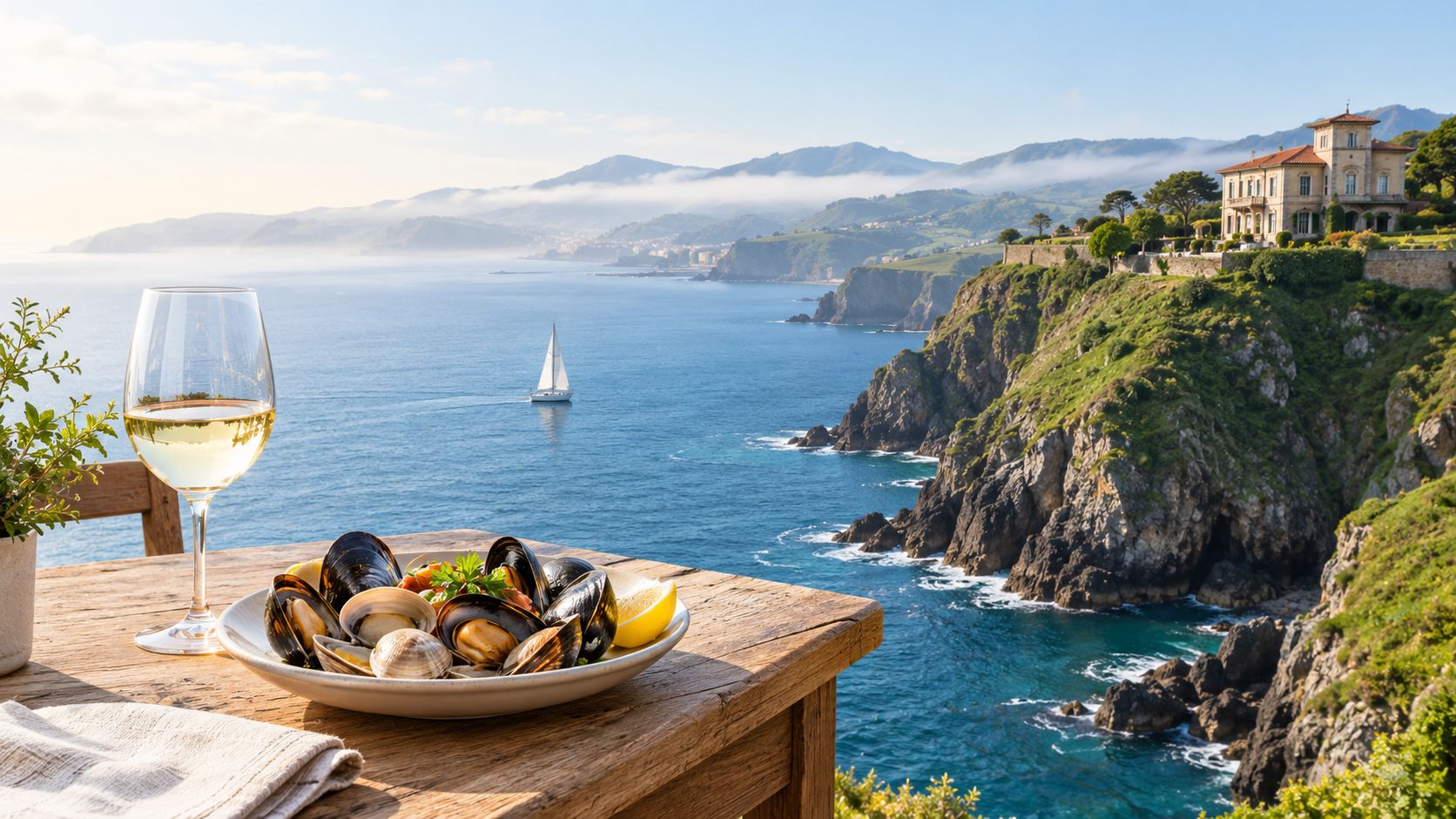
On the coast, Asturias feels more rugged and less polished in the best sense. Eastern Asturias gives you fishing villages, coves, and a coastline that seems to unfold slowly rather than announce itself. Cantabria's shoreline is easier to pair with elegant resort stays and town-based dining, especially around Santander and Comillas, where the whole rhythm feels more compact and a touch more cosmopolitan.
The mountain layer is shared, but it doesn't feel identical from each side. The Picos de Europa frame both regions, and the villages around them are part of the same broader northern Spanish mountain culture. Still, Asturias often gives you the stronger sense of distance, while Cantabria tends to make the mountain fringe feel closer to your base.
Cultural texture matters more than people expect
Asturias carries a stronger rural identity and a deeper sense of regional pride. You feel it in the architecture, the music, the local routines, and in the way the region presents itself without trying to be universally fashionable. Its cultural profile includes pre-Romanesque heritage, Celtic-rooted traditions, and the cider-house ritual that still shapes social life, as reflected in long-standing regional culture references Asturias culture background.
Cantabria is more outward-facing. Santander reads as more cosmopolitan than most northern Spanish coastal cities of similar size, and the region has an easier, more polished tourism face. The Altamira heritage adds historical weight, while places like the Centro Botín bring a contemporary edge that Asturias doesn't try to mimic.
That's the key distinction. Asturias feels like a place with an inward confidence. Cantabria feels like a place that's more comfortable being browsed, sampled, and combined with a stylish short stay.
If you're building a trip around atmosphere rather than checklist travel, Asturias wins on raw character. If you want cleaner transitions between coast, town, and culture, Cantabria is the better editing choice.
Food and Dining Scenes Compared
Food is where the difference becomes unmistakable. Asturias is a cider region first and a dining region second, and that's exactly why it's interesting. Sidra natural is poured from height, not just served, and that ritual shapes the entire mood of a meal. It's informal, social, and rooted in habit rather than performance.
Cantabria is more seafood-led and more polished in tone. You still get character, but the dining rhythm is cleaner, often more suited to a refined lunch in Santander or a careful dinner along the Comillas-to-Santillana corridor. If Asturias leans rustic and ritualistic, Cantabria leans sleek and coastal.
What each region tastes like
In Asturias, think cabrales, hearty stews, cider houses, and meals that feel like they belong after a wet walk or a mountain day. Oviedo and Gijón give you the strongest culinary circuits, and they do it without the overly staged feeling some Spanish food cities can fall into. The Taste of Oviedo culinary guide is a useful reference if you want to build the Asturian side around food rather than scenery.
In Cantabria, seafood takes a more central role, and the sweets lean into regional comfort rather than showmanship. Sobaos and quesadas matter here because they tell you the region doesn't need to shout to be memorable. The dining experience feels easier to fold into a boutique-hotel stay without turning the whole trip into a food pilgrimage.
For luxury travelers, this creates a real choice. Asturias is for people who want food to feel embedded in local life. Cantabria is for travelers who want good meals that slide neatly into a more polished itinerary.
My candid take: if food is the emotional core of your trip, Asturias gives you more personality. If food is one pillar of a broader elegant getaway, Cantabria is cleaner and less demanding.
Which Region Fits Which Luxury Traveler
A luxury trip here should be chosen by temperament, not by habit. If you want quiet inland drives, long lunches that feel earned, and a sense that you've deliberately gone off the obvious route, Asturias is the sharper pick. If you want a polished coastal base, shorter transfers, and an itinerary that feels elegant without asking as much from you, Cantabria is the cleaner choice.
Couples are the easiest to sort. Asturias suits travelers who value privacy, slower pacing, and a stronger feeling of place. Cantabria suits travelers who want comfort, a neat coastal rhythm, and less friction between check-in, meals, and sightseeing. Neither choice is wrong, but one will feel more restorative depending on how you like to travel.
Families need a harder filter. Cantabria wins because it is easier to run. The region is compact, so you spend less time in the car and more time doing things, which matters when you are balancing grandparents, teenagers, and younger children. One base can cover a lot without wearing everyone down, and that matters more than scenery for a three-generation trip.
Matching traveler type to region
- Luxury couples: Choose Asturias if you want space, mood, and fewer international crowds. Choose Cantabria if you want a refined, easier-to-manage coast-and-town stay.
- Multigenerational families: Choose Cantabria first. The shorter logistics are the advantage, not the compromise.
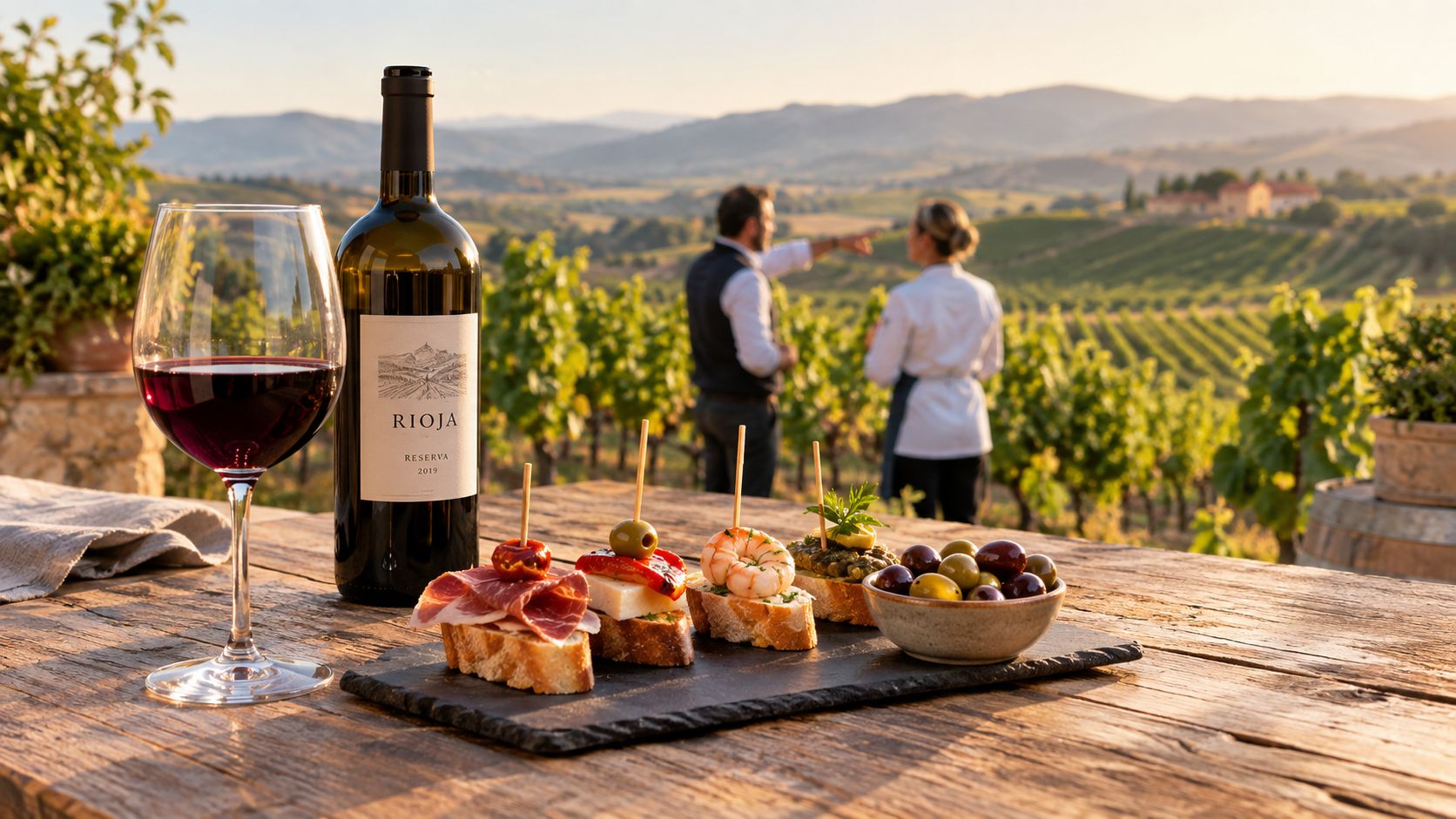
- Food and wine travelers: Choose Asturias for cider-house culture and a more distinct culinary identity. Choose Cantabria for seafood, stylish dining, and a smoother pairing with other northern stops.
- Soft-adventure travelers: Choose Asturias if the Picos de Europa matter most. Choose Cantabria if you want lighter scenic days and less weather sensitivity.
For milestone trips and private groups, the answer depends on the tone of the celebration. If the group wants somewhere that feels discovered, Asturias is the stronger call. If the group wants an easier rhythm with less unpacking and repacking, Cantabria is the better fit. Boutique-hotel depth matters here too. Asturias usually rewards travelers who care more about atmosphere than polish, while Cantabria gives you a more straightforward luxury fit for a shorter stay.
For clients who want both regions handled by a single planning team, Northern Spain Travel builds private itineraries across Asturias, Cantabria, and the rest of the north with drivers, boutique stays, and custom pacing. That is the right kind of support if you do not want to guess your way through the decision.
Getting There and Getting Around
Air access shapes this trip more than people like to admit. Asturias usually pulls arrivals through Asturias Airport near Oviedo, while Cantabria is most naturally paired with Santander Airport. In practice, many high-end itineraries still start in Bilbao because it gives more routing flexibility for long-haul travelers and works cleanly as a gateway into the north.
That matters because the wrong arrival point can cost you a day of calm. If you're doing Cantabria only, Santander is simple and efficient. If you're doing Asturias only, Bilbao can still be the smarter entry point if your flight schedule is better and you're using a private driver anyway.
How to think about bases
Cantabria is the region where one base goes furthest. That's the luxury advantage. You can stay put more easily, and the region's compactness keeps transfer fatigue down. Asturias tends to ask for either a more strategic single base or two carefully chosen stops, because the space opens out more and the scenery pulls you in different directions.
If you're combining them, don't try to turn it into a same-day marathon. Plan an internal transfer that feels like a real transition, not an afterthought. For travelers comparing drive costs more broadly before they decide on a full northern Spain trip, even a resource like car rental Madrid rates can help you benchmark what private-road travel feels like in Spain, even though this region is better handled with a driver.
Best practice: use a private driver for the north if you want the trip to feel effortless. Self-driving can work, but it rarely improves the luxury experience once you start adding mountain roads, weather changes, and multiple bases.
The simplest planning rule is this. Cantabria works better for short luxury breaks. Asturias works better for slower, more immersive journeys. Combining them is smart only when you give the road enough breathing room.
The Verdict and a Sample Combined Itinerary

Pick Asturias only if you care most about remoteness, cider culture, and a more dramatic coast-to-mountain contrast. Pick Cantabria only if you want easier logistics, gentler town-and-coast transitions, and a more polished short-stay luxury feel. Combine both only if you have enough nights to let each region breathe.
My honest recommendation is simple. If this is your first Green Spain trip and you want one region to do the heavy lifting, choose Cantabria. If you've already done Spain's obvious routes and want something moodier and less traveled, choose Asturias. If you have a week or more and want the full arc, combine them.
A clean sample itinerary would start in Santander, move through the elegant coastal corridor toward Comillas and Santillana del Mar, then cross into Asturias for a slower inland or coastal stay, and finish with a Picos de Europa or eastern coast base. That sequence works because it begins with the easier logistics and ends with the more atmospheric, spacious terrain. It also avoids wasting the trip's energy on early transfers.
If you want help shaping that into something private and bookable, My Global Trips itinerary builder is a practical place to map the bones of the journey before you finalize hotels, drivers, and dining. The best itineraries in this part of Spain are the ones that respect distance instead of pretending it doesn't matter.
Frequently Asked Questions for Luxury Travelers
How many nights should you spend in each region? Give either region enough time to settle. Cantabria suits a shorter, polished stay, with easier movement between town, coast, and hotel. Asturias rewards a slower pace, and it loses impact when you try to rush it.
Is this a good first Green Spain trip? Yes, if you choose the right region. Cantabria is the cleaner first introduction because the logistics are simpler and the rhythm is easier to read. Asturias is the stronger choice for travelers who already know Spain well and want something moodier, quieter, and less obvious.
When should you go? Plan around the weather instead of pretending both regions behave the same way. Asturias is the one where damp days are more likely to shape plans, while Cantabria usually gives you slightly milder and a bit drier conditions, as noted earlier. That makes shoulder-season timing the smarter bet if you care about outdoor lunches, clear coastal drives, and fewer compromises.
What about families with young children? Choose Cantabria unless you are intentionally building a slower, nature-heavy family trip. The shorter distances make the day easier to manage, and that matters fast when naps, snacks, and mood shifts are part of the itinerary.
Can you combine both without making the trip feel rushed? Yes, but only if you stop planning it like a road trip and start planning it like a luxury itinerary. One move between bases is enough for many travelers. More than that, and you usually eat into the part of the trip that should feel restorative.