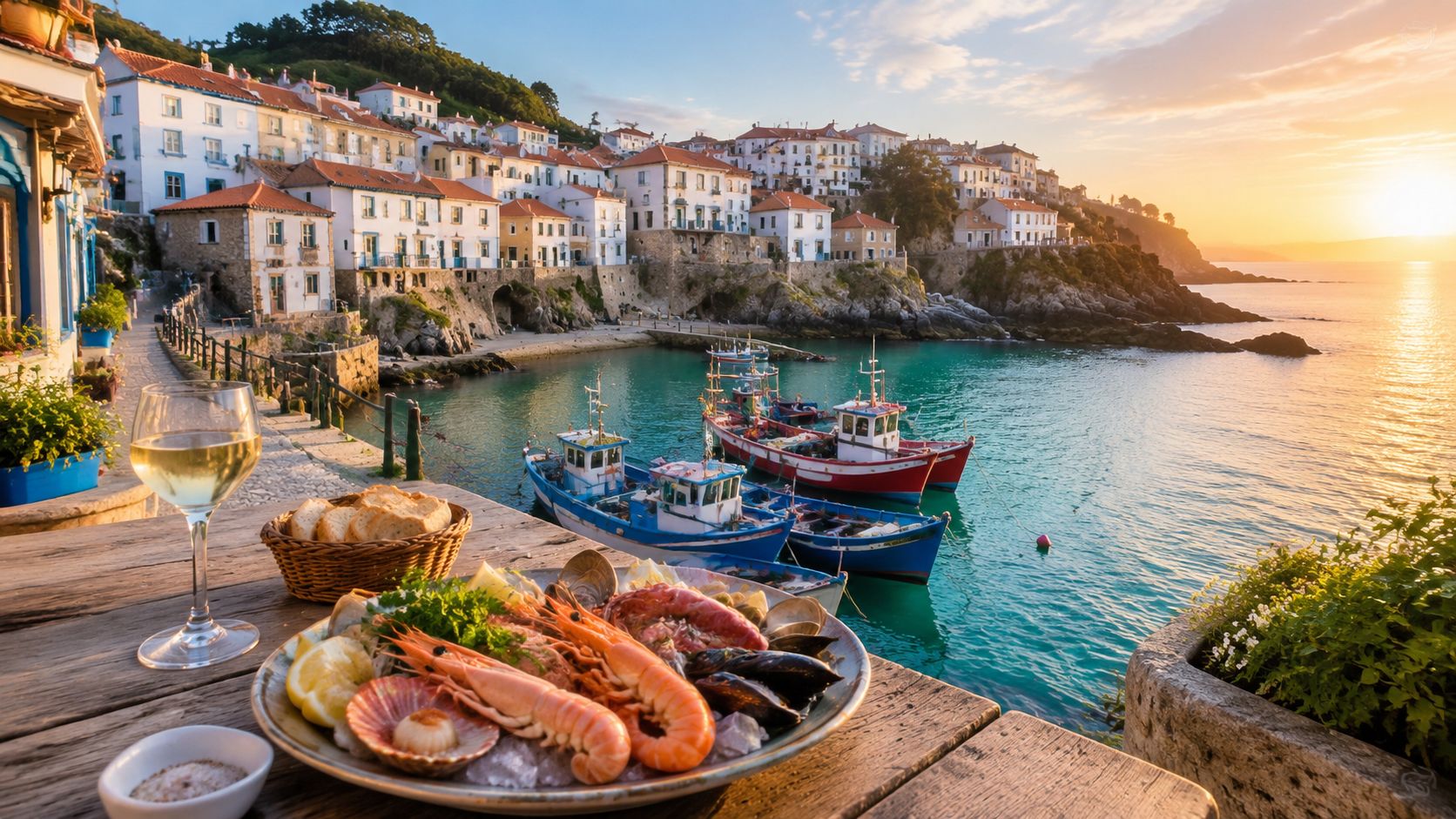
The best village experiences in northern Spain aren't interchangeable postcard stops. Getaria is for a working port and exceptional grilled fish, Laguardia is for Rioja immersion, Elizondo is for Basque mountain culture, and Cudillero is for Atlantic character shaped by the sea. Treating them as variations on the same charming village misses the reason to travel north.
The region's rural tourism economy confirms that village travel is no longer a minor sidetrack. In 2025, rural tourism accommodation recorded 11.9 million overnight stays across 16,420 establishments, with average occupancy at 20.4% and weekend occupancy at 34.8%. Nearly 80% of overnight stays came from Spanish residents, a pattern that helps explain why northern villages often work best as short-break and slow-travel destinations rather than mass-market resorts. Rural tourism also increased its share of total tourism expenditure from 10.9% in 2019 to 11.9% in 2023, according to Spain's rural tourism reporting.
This curated guide covers the Basque Country, Navarra, Rioja Alavesa and Asturias. Every selection is judged by the luxury experience it enables, including food, wine, nature, culture, boutique accommodation potential, access and the villages that pair naturally with it. Northern Spain Travel can arrange private drivers, guides, boutique stays and local access when the best experience lies beyond a standard booking.
Table of Contents
- 1. San Sebastián Donostia for Culinary Capital and Coastal Elegance
- 2. Getaria for Fishing Village Charm, Txakoli and Michelin Dining
- 3. Hondarribia for Fortified Streets and Border Culture
- 4. Laguardia for Rioja Alavesa Wine Immersion
- 5. Oñati for Renaissance Heritage and Mountain Quiet
- 6. Gernika for Memory, Market Culture and Basque Identity
- 7. Durango for Medieval Streets and Artisan Encounters
- 8. Bermeo for Working Harbor Life and Maritime Heritage
- 9. Elizondo for Pyrenean Basque Culture and Soft Adventure
- 10. Cudillero for Atlantic Character and Asturian Seafood
- Top 10 Northern Spain Villages Comparison
- Turn Village Stops into a Seamless Journey
1. San Sebastián Donostia for Culinary Capital and Coastal Elegance
San Sebastián is the essential starting point for travelers who want northern Spain through food. Its elegant bay, Belle Époque streets and beaches create an easy rhythm, but gastronomy gives the city its real distinction. Spend an evening moving through the Old Town with a private guide, stopping for carefully chosen pintxos rather than treating every bar as an equal, then reserve a serious dining experience for the following night.
The city also provides the strongest service base on this list. An official tourism quality assessment gave Donostia a satisfaction score of 8.97 out of 10, while a later survey reported 8.87 out of 10 in 2022. Stay-over visitors rated their experience 9.98 out of 10, making San Sebastián a useful benchmark for travelers who expect polished logistics as well as memorable food. These figures come from the official 2022 tourism assessment.
Design the stay around access
Book Michelin restaurants many months ahead, especially if the trip falls during a celebration or a major cultural event. A private market visit, cooking class, txoko dinner and guided pintxos route create a more rounded experience than collecting restaurant reservations.
Practical rule: Use San Sebastián as a culinary base, not just a one-night arrival point.
Choose a refined city hotel with restaurant access, such as Hotel María Cristina, or a smaller boutique property that keeps you close to the Old Town. Add a day excursion to Getaria for txakoli and seafood, or continue inland toward Rioja Alavesa. A particularly effective private route combines three nights in San Sebastián, two nights in Rioja wine country and mountain villages in the Pyrenees.
The city is busier during major events and summer weekends, so reserve early and let a local operator coordinate restaurants, transfers and guides. For travelers seeking the best villages in northern Spain but unwilling to sacrifice dining depth or comfort, San Sebastián is the most complete anchor.

A private culinary itinerary can also include nearby top Spanish olive oil regions for travelers who want to extend the food theme beyond the Basque coast.
2. Getaria for Fishing Village Charm, Txakoli and Michelin Dining
Getaria earns its place because it still feels like a working fishing village while offering a level of dining that attracts highly discerning travelers. The harbor, medieval streets and steep coastal setting create the atmosphere, but the experience is built around the plate. Order grilled fish, taste local txakoli and allow lunch to take precedence over a rushed sightseeing schedule.
Elkano is the obvious signature reservation, and it should be treated as a central event rather than an afterthought. Reserve well in advance, request a sea-facing table where possible and arrange a txakoli tasting with a small family producer. The best visits feel conversational and personal, not like a large commercial tasting.
Make Getaria a coastal day, or stay nearby
Getaria works beautifully as a day excursion from San Sebastián, but an overnight stay can make the coast feel less programmed. Nearby Zarautz offers a broader accommodation base, while Deba provides a quieter position for travelers who want coastal walks and less evening activity.
- Start at the harbor: Visit in the late morning, when the port and seafood trade provide a stronger sense of daily life.
- Reserve lunch first: The village is compact, and the best tables determine the shape of the day.
- Take the coastal road: Pair Getaria with Zumaia and Deba for dramatic scenery, short walks and a private-driver route that avoids parking frustration.
- Use local wine knowledge: Small producers often offer a more intimate experience than formal tasting rooms.
A private driver is worthwhile because coastal roads can be narrow and parking can complicate an otherwise simple visit. The ideal pairing is San Sebastián for two nights, Getaria for one night, then Rioja. That sequence moves naturally from pintxos and fine dining to port-side seafood and finally vineyard estates.
Getaria suits travelers who want authenticity with a culinary payoff. It isn't the place for a long list of monuments or extensive nightlife. It is the place to spend a slow afternoon eating fish, looking across the Bay of Biscay and understanding how Basque food remains connected to its working coast.

3. Hondarribia for Fortified Streets and Border Culture
Hondarribia offers a different kind of coastal luxury. Its appeal comes from the meeting of cultures at the Bidasoa River, where Basque identity, Spanish history and French influence create a destination with more texture than a conventional seaside resort. The fortified old town is compact, atmospheric and highly walkable, while the harbor supplies a more grounded, maritime counterpoint.
Stay at the Parador if the idea of sleeping inside a historic fortress appeals to you. Request a room with a town or sea view, then arrange a private walking tour with a historian who can explain the military architecture, border politics and evolution of the old town. Without that context, the colorful facades and cobbled lanes can become purely visual. With it, Hondarribia becomes a compelling study in geography and power.
Cross the border without changing the pace
Hondarribia is particularly effective for travelers who want to add France without committing to a separate French itinerary. A private route can include Hendaye, a coastal walk toward the lighthouse and a long lunch before returning to the Spanish side for dinner.
April to May and September to October offer a calmer setting than the height of summer, with enough flexibility for walking, harbor visits and nearby excursions. Weather can shift quickly on the Atlantic coast, so build indoor alternatives into the day, including historic interiors, markets and restaurant time.
Hondarribia is best used as a cultural hinge, linking the Basque coast with the Pyrenean valleys and French Aquitaine.
Pair it with Elizondo for two nights in the mountains, or use it as a coastal night before continuing toward Rioja. The route from Hondarribia through Lesaka, Arizkun and the Baztan Valley rewards a private driver who knows which roads suit the vehicle and which villages deserve a longer stop.
Dining is strongest when you balance the harbor with the old town. Reserve seafood for lunch, then keep dinner more flexible. Hondarribia is a better choice than San Sebastián for travelers who value atmosphere, historic character and cross-border access over a concentrated fine-dining scene.
4. Laguardia for Rioja Alavesa Wine Immersion
Laguardia is the strongest choice for travelers who want wine to define the itinerary. The walled medieval village sits among Rioja Alavesa vineyards, with cellars beneath its streets and estates across the surrounding countryside. Vineyard walks, architecture-led bodegas and dinners hosted by winemakers give the stay a focused sense of place.
Build the visit around contrast rather than a string of similar tasting rooms. Arrange private appointments with an organic estate, an architecturally significant winery and a traditional house. A skilled guide should connect regional differences, aging methods and producer philosophies in clear terms, while leaving time for conversation and the setting itself.
Make the village the base, not a stop
Give Laguardia two nights when wine is a primary reason for the journey. Start with a morning bodega visit, continue to lunch, then keep the afternoon open for a vineyard walk or private barrel-room tasting. An estate-terrace dinner or cellar meal creates a stronger evening than returning to town for an ordinary restaurant experience.
Harvest season, from September 15 to October 15, brings the possibility of seeing grape picking and arranging hands-on participation. Spring and autumn offer softer light and more comfortable walking conditions than the hottest summer period. Winery access and sought-after restaurants require advance planning, particularly during harvest.
Choose the day according to the experience you want:
- For architecture: Include Ysios and other design-focused estates.
- For tradition: Select a historic producer with a deep cellar culture.
- For participation: Request grape picking, a bodega lunch and a guided tasting during harvest. The guide to bespoke Rioja wine tours can help structure private cellar access, transfers and a coherent progression between producers.
- For hotel-led luxury: Stay at Marqués de Riscal, where the property is integrated with the winery experience.
Laguardia pairs naturally with San Sebastián for a food-and-wine route. Add Hondarribia and Navarra if the itinerary should include coastal culture and a broader regional arc. Private transfers matter here, since the best estates are dispersed and a car allows the day to follow the producers rather than a fixed public timetable.
The village suits couples, private groups and food-and-wine travelers who value quiet roads, boutique accommodation potential and direct conversations with producers. Evening variety is limited, so travelers seeking a lively nightly scene should use Laguardia as a concentrated wine stay rather than a long base. Before appointments begin, use this resource to master the art of tasting, then apply the guidance during producer-led tastings.

5. Oñati for Renaissance Heritage and Mountain Quiet
Oñati suits travelers who want cultural substance without the coastal demand of San Sebastián. Set in the Gipuzkoa mountains, the town combines Renaissance architecture, university heritage and the dramatic Sanctuary of Arantzazu. It appeals especially to intellectually curious couples, multigenerational families and travelers who prefer a local guide with specialist knowledge to a conventional highlights tour.
The university should anchor the visit. Arrange a private tour that explains the institution's role, architecture and collections, then continue to Arantzazu for its mountain setting and spiritual importance. The sanctuary has an emotional force that photographs don't capture, particularly when mist or changing mountain light alters the view.
Turn a day trip into a personal encounter
A private scholar-led visit can transform Oñati from a pleasant historic stop into an experience with real depth. Ask a guide to connect the university, religious heritage and Basque identity rather than presenting each site as an isolated monument. For families, the town works well because the cultural material can be adapted to different ages while a mountain walk adds movement to the day.
Visit the sanctuary in the morning, when the surrounding slopes often have the most dramatic light. Spring and autumn are strongest for walking and photography, though weather remains changeable in the mountains. Comfortable shoes and a flexible route matter more than an ambitious hiking plan.
Oñati rewards travelers who want to understand a place, not simply photograph it.
Use San Sebastián as the overnight base for a focused excursion, or combine Oñati with Rioja for a journey that moves from Basque intellectual heritage to wine culture. A spiritual route can include Arantzazu, a coastal walk around Getaria and the fortress history of Hondarribia.
Oñati doesn't offer the dining breadth or hotel inventory of the coast. That limitation is part of its appeal, but it means accommodation and dinner logistics should be settled before arrival. For travelers who value privacy, context and mountain atmosphere, Oñati is one of the most rewarding less-obvious selections among the best villages in northern Spain.
6. Gernika for Memory, Market Culture and Basque Identity
Gernika is one of Northern Spain's most important cultural stops, though its appeal depends on context rather than postcard beauty. The Peace Tree and assembly heritage express Basque political identity, while the town's twentieth-century destruction and the cultural legacy associated with Picasso give the visit real emotional weight. Choose Gernika for understanding, not only for a quick image.
Book a private history guide first. The right specialist will connect the town's institutions, the bombing and its continuing place in Basque collective memory. Afterward, visit the market, where producers, shoppers and regional food culture bring a contemporary rhythm to the historic setting. Morning offers the strongest experience, especially for travelers interested in local ingredients and a private food-focused encounter.
A thoughtful itinerary gives Gernika room to breathe.
Pair history with living culture
Gernika fits naturally into a Bilbao-centered journey. Combine its civic and historical sites with the Guggenheim, creating a clear contrast between international modern art and local memory. Continue to Durango for artisan production, or choose Bermeo for maritime heritage and a seafood-led coastal finish.
- For art-focused travelers: Pair the town with Bilbao's museums and use a guide who can explain Picasso's response without reducing Gernika to one painting.
- For families: Balance the heavier history with the market and a hands-on food or craft encounter.
- For private groups: Schedule the guide early, then reserve time for an unhurried market lunch and conversation with local producers.
Gernika works best as a day visit. Its accommodation choice is narrower than Bilbao's, so base the group in the city and use a private driver, unless surrounding villages justify an overnight stay. Weather is manageable for a cultural itinerary, with indoor historical sites and market time providing flexibility when the coast is unsettled.
Gernika is less conventionally romantic than Getaria or Cudillero. Its reward is more substantial: a direct understanding of Basque identity through memory, civic tradition and the region's relationship with twentieth-century Europe. Pair it with Bilbao for culture, then move toward Durango or Bermeo to add craft, harbor life and a more relaxed evening.
7. Durango for Medieval Streets and Artisan Encounters
Durango is the practical choice for travelers who want to see how the Bilbao hinterland connects architecture, markets and craft. Its medieval center provides an approachable historic setting, while local artisan production gives the visit a more personal dimension than a standard old-town walk. The town works particularly well for private families and small groups who enjoy meeting makers.
Arrange workshop visits in advance. A private introduction to ceramics, textiles or another regional craft allows travelers to ask questions, see tools in use and understand how the work fits into local life. Open studios can be rewarding, but a planned encounter creates better access and a more relaxed pace.
Use Durango as the middle of a heritage route
Durango is strongest between Gernika and Bermeo. A private driver can begin with Gernika's market and historical sites, pause in Durango for architecture and lunch, then continue to Bermeo for a harbor walk and seafood dinner. That sequence gives the day three distinct textures without requiring excessive backtracking.
Market days should determine the schedule when possible. Morning is the right time for community activity, while the afternoon can be reserved for a workshop or a slower walk through the historic center. Weather is less of a concern than on exposed coastal routes, but the itinerary should still include indoor craft experiences.
A good Durango visit has a human host at its center. The artisan, market vendor or local historian matters more than a long list of monuments.
Durango isn't a destination for travelers seeking a large selection of luxury hotels or destination restaurants. Stay in Bilbao or another comfortable regional base, and let the private driver handle the route. This keeps the logistics efficient while preserving the town's authentic, unpolished character.
For a discerning traveler, Durango is valuable precisely because it isn't overdesigned for visitors. It provides the practical local texture that makes a broader Basque itinerary feel connected to real communities rather than assembled from famous viewpoints.
8. Bermeo for Working Harbor Life and Maritime Heritage
Bermeo earns its place for travelers who want the Biscay coast as a living culture, not a polished backdrop. Fishing remains central to the harbor's identity, while seafood traditions and the maritime museum give the village substance for food lovers, families and culturally curious guests.
Start early. Morning brings the strongest sense of harbor activity and fish trade, and a private local guide can explain fishing practices, boat design and Bermeo's ties to nearby coastal communities. Build lunch around fresh seafood in a straightforward waterfront setting. Bermeo rewards attention more than ceremony.
Choose Bermeo for access and atmosphere, then pair it with stronger luxury bases. Bilbao provides the best accommodation and cultural infrastructure, while nearby Gernika and Durango add historical and inland contrast. A private driver keeps the route comfortable and leaves time for the museum, harbor and meal without parking concerns or rigid public transport.
A smart itinerary could run as follows:
- From Bilbao, visit the Guggenheim on one day and reserve another for maritime Basque culture.
- From Gernika, continue from civic history and market life toward the working coast.
- After Durango, reach Bermeo for a harbor walk and seafood dinner, creating a clear inland-to-coast progression.
- For families, combine the museum with a short waterfront walk and a cooking experience.
The guide to fishing villages in northern Spain helps position Bermeo within a broader coastal route. Keep the visit focused rather than filling every hour. Its strongest private experiences come through a knowledgeable guide, a producer-led meal or an unhurried look at harbor life.
Bermeo offers less polish than Hondarribia and less concentrated gastronomy than Getaria. That trade-off is clear, yet it gives the village a working character the more refined stops cannot reproduce. Include Bermeo when maritime heritage, local access and authentic coastal texture matter more than postcard perfection.
9. Elizondo for Pyrenean Basque Culture and Soft Adventure
Elizondo is the right mountain base for travelers who want active days without giving up private guiding, strong food and comfortable logistics. Set in Navarra's Baztan Valley, the village brings together stone architecture, riverside walks, local traditions and access to the Pyrenean area. Its greatest strength is functional. Stay here, and you can explore the valley instead of treating the mountains as a rushed excursion.
Give Elizondo two or three nights. That allows one day for a guided valley walk, another for a scenic mountain road or cross-border excursion and enough flexibility for weather. A local mountain guide adds value beyond navigation, explaining trails, folklore, agriculture and the relationship between villages in the valley.
Combine coast, mountains and France
The strongest route begins in Hondarribia, continues to Elizondo and then returns toward San Sebastián or crosses into French Basque country. Espelette, French Aquitaine villages and mountain passes can all fit naturally into this framework, provided the itinerary doesn't attempt to cover too much ground in a single day.
Arrange tastings with small family producers rather than relying only on commercial venues. Txakoli and local food traditions become more meaningful when the producer explains the farming and seasonal rhythm behind them. A private cooking class can also give families and groups a welcome indoor activity if rain interrupts a hike.
The best luxury Pyrenees hiking tours in Spain are built around flexible routes, experienced guides and drivers who understand mountain roads. Visit in spring or autumn for better walking conditions and atmospheric light, while keeping a weather reserve in the schedule.
Elizondo isn't ideal for travelers who want nightlife, a dense restaurant scene or effortless rail connections. It is excellent for couples and families who want quiet mornings, mountain air, private encounters and a genuine Basque interior that feels distinct from the coast.
10. Cudillero for Atlantic Character and Asturian Seafood
Cudillero delivers the strongest visual drama on this list. Colorful houses climb around the harbor in an amphitheater, while fishing remains central to village life. The best experience moves from scenery to food: walk the port, climb to the viewpoints, then settle into a seafood lunch shaped by Atlantic weather.
Build a focused coastal day
Use Cudillero as a full-day excursion from an Asturias base, especially Oviedo or a comfortable inland hotel. Arrive early for quieter harbor views and reserve lunch in advance. A private guide can take photographers to less obvious viewpoints while explaining the port's working history, giving the visit more depth than a quick stop.
Keep the afternoon flexible. Add a nearby coastal viewpoint or scenic drive, then finish at a cider house. Asturian cider belongs to the region's social and culinary culture, and a knowledgeable host can explain its pouring ritual and pairings with local food.
- For couples: Plan a slow coastal day, a long seafood lunch and a sunset viewpoint.
- For families: Keep the harbor walk manageable, add a scenic drive and choose a relaxed meal.
- For food travelers: Pair the catch of the day with a cider-house visit instead of booking another formal restaurant.
- For active travelers: Add a gentle coastal walk, then return to a more comfortable hotel.
Cudillero suits travelers who value atmosphere over an extensive luxury hotel or restaurant scene. Choose a well-appointed base elsewhere in Asturias, use a private driver, and treat the village as a concentrated coastal experience rather than an overnight destination.
Asturias draws increasing nature tourism, with summer demand concentrating around popular coastal and mountain locations. The Picos de Europa national park report recorded 1,632,805 visitors in 2024, following 1,698,780 in 2023 and 1,798,534 in 2022. Those fluctuations support early starts, driver-led logistics and off-peak timing. Pair Cudillero with Oviedo for culture and dining, or continue west along the coast for a broader Atlantic itinerary.

Top 10 Northern Spain Villages Comparison
| Destination | Planning Complexity 🔄 | Booking & Budget ⚡ | Experience Quality ⭐ | Ideal Use Cases 💡 | Key Advantages 📊 |
|---|---|---|---|---|---|
| San Sebastián (Donostia), Culinary Capital & Coastal Elegance | 🔄 High, Michelin tables & festival slots require 6–12 months planning; peak-season crowds | ⚡ High cost, luxury hotels & top-tier dining; concierge/local contacts beneficial | ⭐ Exceptional, world-class Michelin scene, pintxo culture, beaches | 💡 Food & Wine lovers, HNW couples, VIP events, culinary immersion | 📊 Michelin 3★ restaurants, pintxo-hopping, film festival access, compact walkable Old Town |
| Getaria, Fishing Village Charm with Txakoli Wine & Michelin Dining | 🔄 Moderate, Elkano bookings (weeks), narrow roads/parking require logistics | ⚡ Moderate, Michelin value vs city; small txakoli visits low‑to‑moderate cost | ⭐ High, authentic fishing-port atmosphere + one Michelin & vineyard tastings | 💡 Intimate coastal dining, txakoli tastings, photography, short day-trips from San Sebastián | 📊 Txakoli vineyards, seafood focus, dramatic coastal walks, less crowded experience |
| Hondarribia, Fortified Coastal Town with Spanish‑French Border Culture | 🔄 Moderate, Parador booking recommended; cross‑border planning advised | ⚡ Moderate, good dining value; limited luxury options beyond Parador | ⭐ High, historic fortified town with cross‑border culinary influences | 💡 Cultural travelers, HNW couples, coast+Pyrenees hub, bilingual groups | 📊 Unique border culture, castle Parador, fortified old town, gateway to Pyrenees |
| Laguardia, Wine Village Heart of Rioja Alavesa | 🔄 Moderate, private bodega access & harvest season require 3–6 months booking | ⚡ Moderate, excellent value vs coastal luxury; winery experiences may add cost | ⭐ Exceptional for wine, historic underground bodegas and DOCa Rioja provenance | 💡 Wine‑focused HNW travelers, private groups, harvest/harvest‑season itineraries | 📊 Direct vineyard access, centuries‑old cellars, Michelin dining in wine context |
| Oñati, Cultural & Intellectual Heritage in Gipuzkoa Mountains | 🔄 Low, easy day‑trip; private university/sanctuary tours enhance depth | ⚡ Low, generally lower costs; limited haute‑cuisine options locally | ⭐ Moderate, strong cultural, spiritual and academic significance | 💡 Cultural/intellectual travelers, pilgrimage groups, multigenerational education trips | 📊 Renaissance university, Sanctuary of Arantzazu, mountain scenery and authentic community |
| Gernika, Historic Town: Peace Tree, Market Culture & 20th‑Century Legacy | 🔄 Low, straightforward half‑day or day integration; sensitive history needs context | ⚡ Low, budget‑friendly; pair with Bilbao visits for art/culture | ⭐ Moderate, historically significant with active market culture | 💡 Art/history visitors, day trips from Bilbao, market‑culture exploration | 📊 Peace Tree heritage, civil‑war history, artisan markets, proximity to Guggenheim |
| Durango, Medieval Market Town & Artisan Workshops | 🔄 Low, easy to integrate; schedule artisan workshops in advance | ⚡ Low, good value for dining and local experiences | ⭐ Moderate, authentic artisan and market experiences | 💡 Craft‑focused travelers, families, multivillage itineraries from Bilbao | 📊 Medieval architecture, live artisan workshops, txakoli links |
| Bermeo, Working Fishing Village & Maritime Heritage | 🔄 Low, best as half/full‑day from Bilbao; morning harbor timing advised | ⚡ Low, affordable seafood and accessible logistics | ⭐ Moderate, genuine maritime culture and photography opportunities | 💡 Families, seafood lovers, soft‑adventure travelers, photo trips | 📊 Active fishing port, maritime museum, daily catch markets, waterfront dining |
| Elizondo, Gateway to Pyrenees with Basque Mountain Culture & Txakoli Vineyards | 🔄 Moderate, car or private driver recommended; hiking guides enhance safety | ⚡ Moderate, good value; specialized guides or transport add cost | ⭐ High for soft‑adventure & culture, mountain scenery + Basque traditions | 💡 Soft‑adventure travelers, mountain hubs, multigenerational groups, cross‑border day trips | 📊 Baztan Valley hub, accessible hikes, traditional caseríos, cross‑border French excursions |
| Cudillero, Picturesque Atlantic Fishing Village in Asturias | 🔄 Low‑Moderate, narrow streets/parking; private driver advised; weather sensitive | ⚡ Low, moderate seafood prices; limited luxury lodging locally | ⭐ High for scenic & authentic port experience | 💡 Photographers, seafood lovers, Asturias coastal itineraries | 📊 Amphitheater harbor, pastel houses, cider culture, proximity to Picos de Europa |
Turn Village Stops into a Seamless Journey
The strongest northern Spain itineraries don't try to visit every attractive village. They create a sequence in which each base adds something different. San Sebastián and Getaria form the finest culinary-coastal pairing, with city gastronomy, pintxos, grilled fish, txakoli and the working character of the Basque coast. Stay in San Sebastián for the strongest hotel and restaurant infrastructure, then use Getaria for a slower day or a more intimate overnight.
For border and mountain culture, combine Hondarribia and Elizondo. Hondarribia supplies fortified streets, harbor life and access to France, while Elizondo delivers valley walks, Basque traditions and Pyrenean scenery. This pairing works particularly well for couples who want a balanced itinerary, and for multigenerational families who need a mix of gentle walks, cultural visits and comfortable transfers.
Laguardia deserves its own wine-focused base rather than a hurried stop between cities. Give Rioja Alavesa enough time for private bodega appointments, vineyard walks, producer conversations and estate dining. The official rural-tourism data shows why availability and seasonality deserve attention. In 2025, Spain's rural accommodations recorded 11.9 million overnight stays, but average occupancy was 20.4%, with weekend occupancy rising to 34.8%, so weekday planning and advance coordination can materially improve the experience. The official rural tourism occupancy survey provides the framework for understanding those regional and monthly differences.
A Bilbao-centered heritage route should combine Gernika, Durango and Bermeo. Begin with history and market culture in Gernika, continue inland for artisan encounters in Durango, then finish at Bermeo's working harbor. Bilbao supplies the museum, hotel and dining infrastructure, while the villages add the local context that an urban stay alone can't provide.
Northern Spain is also becoming more popular during summer. Across Galicia, Cantabria, Asturias and the Basque Country, summer tourism has grown by more than 35% over the last decade, with Asturias up 45% since the pandemic and Galicia up 34%, according to the Picos de Europa and northern tourism reporting. That growth makes timing and routing essential. The most famous villages can feel very different at a summer midday than during a carefully planned spring or autumn visit.
Choose two or three regional bases, not a long chain of one-night stops. That gives your driver room to adapt to weather, your guide time to arrange meaningful encounters and your restaurants and wineries the chance to deliver their best service. It also protects the central luxury of northern Spain, an unhurried pace.
Travelers researching Spanish real estate buying tips may already appreciate how different regions can be from one another. The same principle applies to travel planning. Northern Spain isn't one uniform destination, and the right village depends on whether you want food, wine, coast, culture, mountains or a combination that can be delivered without exhausting transfers.
Northern Spain Travel designs fully private, tailor-made journeys around those decisions. The agency can coordinate boutique hotels, private drivers, local specialists, chefs, winemakers and flexible day plans, with support throughout the trip. That approach is particularly valuable when a village's best experiences depend on personal introductions, narrow-road logistics, seasonal timing or reservations that aren't easy to secure independently.
Northern Spain Travel can build a private itinerary around the villages that fit your interests, from San Sebastián and Getaria's culinary coast to Laguardia's wineries, Elizondo's mountain culture and Asturias' fishing ports. Visit Northern Spain Travel to request a tailor-made journey with boutique stays, private drivers, local specialists and on-the-ground support.