You've arrived in Santiago de Compostela with a few precious days left, and the obvious question is already competing with the better one. Should you spend the day ticking off famous viewpoints, or choose a slower experience built around a long coastal lunch, a private Albariño tasting, a contemplative pilgrimage, or a hands-on visit with a local producer?
The best Santiago de Compostela day trips aren't defined by how many stops fit on the route. They're shaped around drive time, interests, mobility, weather, and whether the day works better as a half-day, a full-day, or an overnight experience. Santiago welcomes both overnight guests and same-day visitors, with day-trippers historically making up a substantial share of visitation and often staying only part of the day. Tourism research on Santiago's visitor patterns helps explain why thoughtful pacing matters.
This guide compares rugged Atlantic routes with polished wine country, quieter cultural villages, rural food experiences, and beach-led escapes. Private drivers, specialist guides, boat charters, and advance reservations turn those ideas into a smooth journey. Families planning wider outdoor travel can also use this guide alongside recommendations for national parks with kids in 2025.
Table of Contents
- 1. Costa da Morte for dramatic Atlantic cliffs and fishing villages
- 2. Rías Baixas for estuary villages, white wine, and coastal elegance
- 3. Ponte Maceira and Noia for medieval villages and pilgrimage history
- 4. Monasterio de Oseira and the Osera Valley for spiritual retreat and rural Galicia
- 5. Cambados and O Salnés for Albariño, beaches, and gastronomy
- 6. Arteixo and Oleiros for artisan food producers and rural markets
- 7. Finisterre and Muxía for land's end and Atlantic reflection
- 8. Noia beaches and Arco da Vella for archaeology and coastal calm
- Compare 8 Day Trips from Santiago de Compostela
- Turn a Day Trip Into a Seamless Private Journey
1. Costa da Morte for dramatic Atlantic cliffs and fishing villages
The Costa da Morte is the right choice when you want Galicia to feel elemental. Granite cliffs, windswept beaches, lighthouses, and working fishing villages create a setting far removed from polished resort culture. From Santiago, the route generally takes about one to one and a half hours, depending on the village and coastal stops you choose.
This is an excellent day for couples who prefer photography, geology, and seafood to formal sightseeing. It also suits multigenerational families if the driver keeps the coastal walks short and selects accessible viewpoints rather than treating the route as a hiking challenge.
Build the day around one coastal experience
Start with a private drive toward Camariñas or Muxía, then choose one principal activity. A specialist guide can lead a gentle coastal walk from Camariñas toward a secluded beach, explain the area's maritime history, and finish near a lighthouse for evening light. A private photography guide can instead focus on cliff formations, abandoned stone villages, and changing Atlantic conditions.
Lunch should be reserved before departure. A family-run marisquería in Muxía, with the day's catch prepared by the owner, offers more character than a rushed stop between viewpoints. These restaurants often operate on a local schedule and may close in the afternoon, so your driver should coordinate the timing rather than leave lunch to chance.
Practical rule: Pack layers even in summer. The coastal wind can feel cool when Santiago is warm.
Camariñas adds a distinctive cultural dimension through its lace-making tradition. A private workshop visit, arranged through a local guide, lets travelers meet an artisan, watch the technique, and purchase directly from the family workshop. For families with different energy levels, that visit can replace a longer walk without making the day feel less authentic.
Late spring and early autumn are the strongest seasons for this route, particularly if you want softer weather and a calmer atmosphere. Ask the driver to finish at Punta da Barca lighthouse in Muxía when conditions allow. The western light gives the day a natural conclusion, but don't force sunset if cloud, wind, or mobility concerns make the timing uncomfortable.
2. Rías Baixas for estuary villages, white wine, and coastal elegance
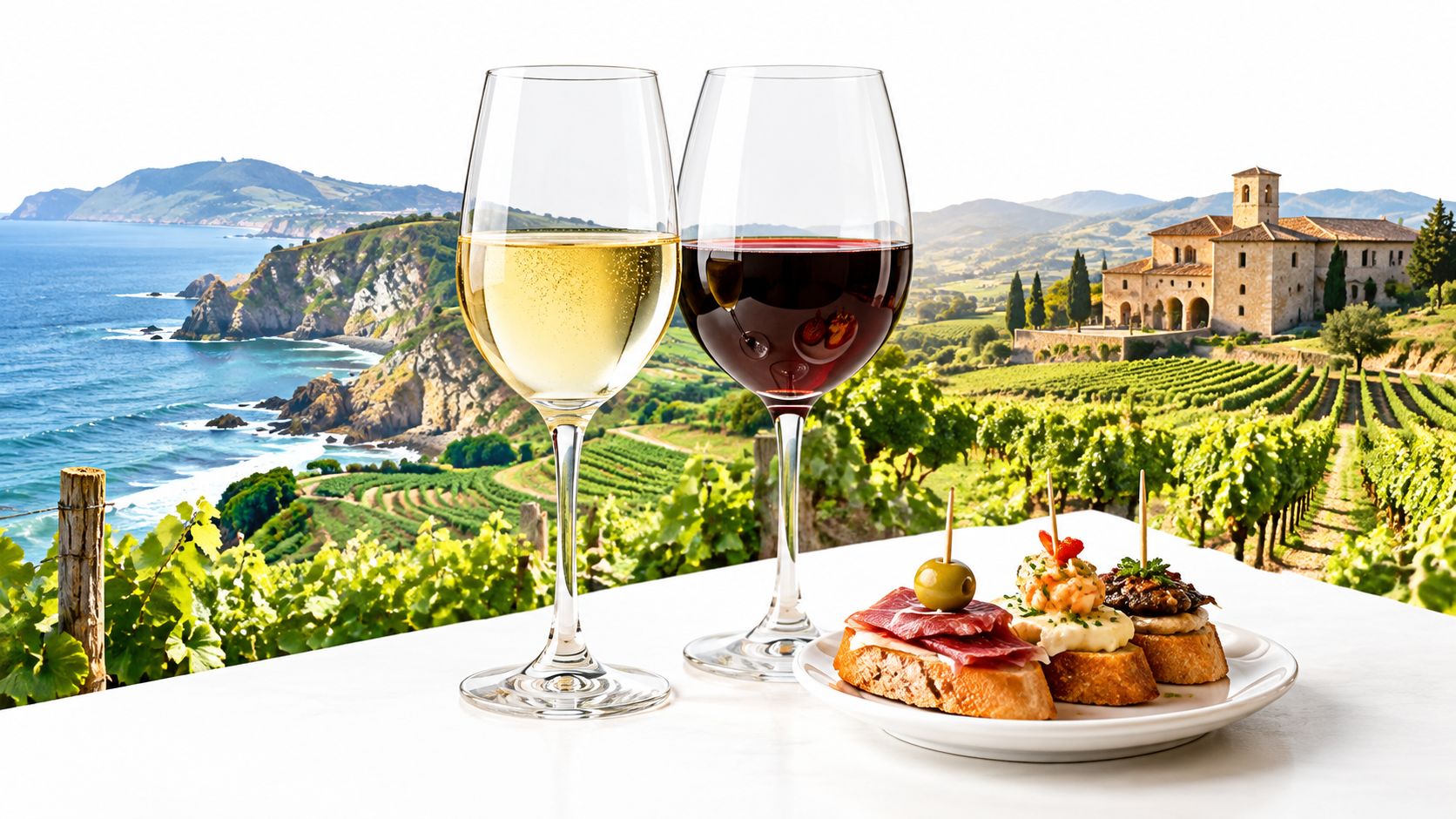
Choose the Rías Baixas when your ideal day combines Albariño, seafood, architecture, and water. The region lies roughly one to one and a half hours south of Santiago, and its deep estuaries provide a gentler contrast to the exposed Atlantic coast. Whitewashed villages, granite hórreos, historic pazos, and waterfront restaurants create a refined route without sacrificing local character.
This is the most naturally polished option for a couple celebrating an anniversary or for a family that wants culture without demanding terrain. The itinerary can remain almost entirely driver-led, with short guided walks and a leisurely meal as its anchors.
Prioritize a small producer over a large estate
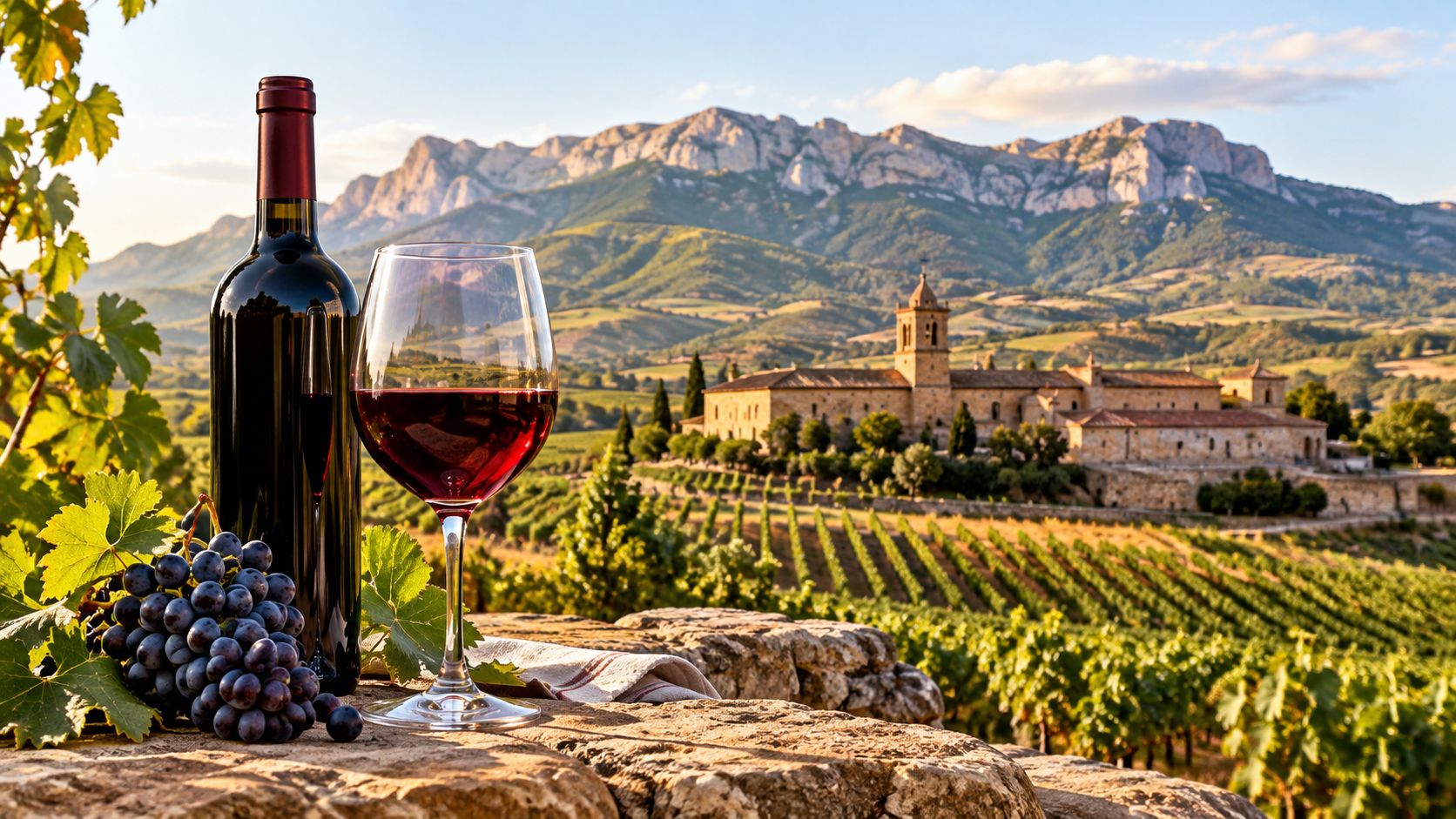
Ask for a private tasting at a family-owned vineyard where the winemaker can discuss the land, cellar practices, and the differences between individual bottlings. A specialist guide should translate the technical details into a relaxed conversation, especially when some guests are interested in wine and others are more drawn to food or scenery.
Combarro makes a strong cultural stop. Its narrow lanes, hórreos, and pazo architecture are best understood with a guide who can explain how the village developed rather than pointing out attractive buildings. Keep the walk short and let the driver handle the road logistics.
For travelers who want time on the water, arrange a private boat excursion through the estuaries or toward Isla de Ons. A seafood picnic, beach time, or a quiet cruise can replace another inland stop. That choice usually improves the day because it changes the rhythm instead of adding another similar village visit.
The strongest months are May, June, and September, when the route can support outdoor dining, village walks, and boat access without the intensity of the busiest summer period. Reserve the winery, lunch, and boat separately, then have one local coordinator connect the timings. A Friday-morning food market can add useful texture if it fits naturally, but it shouldn't displace the principal tasting or lunch.
For a more focused version of the route, consider this private Rías Baixas wine tour, particularly when wine should remain the day's central theme.

3. Ponte Maceira and Noia for medieval villages and pilgrimage history
Ponte Maceira rewards travelers who'd rather follow a story than chase a landmark. The village sits in a green river area with a medieval stone bridge, manor houses, pilgrim associations, and a quieter atmosphere than Santiago's cathedral quarter. Depending on the route, the drive takes roughly 45 minutes to one and a half hours.
The experience works particularly well for culturally curious couples, older travelers who prefer shorter walks, and families interested in how the Camino shaped rural Galicia. It's also one of the easiest routes to personalize because the guide can adjust the walking distance without losing the historical thread.
Let the guide connect the places
Begin in Ponte Maceira with a private history walk across the bridge and through the surrounding lanes. A guide familiar with local Camino traditions can connect the village to pilgrim routes, hermitage churches, river crossings, and the everyday stories that organized excursions tend to overlook.
Noia provides a natural second stop. Its historic center and church architecture add urban texture after the rural calm of Ponte Maceira. Rather than schedule several distant monuments, use Noia for a slow lunch and an unhurried walk through the old streets.
The best version of this route feels like a conversation with Galicia's past, not a race between photo stops.
A village tasca can be an excellent lunch setting, but opening hours need confirmation in advance. Ask the guide to reserve a table and, if appropriate, arrange a simple cooking demonstration using regional ingredients. That hands-on element gives children and teenagers a role while adults enjoy the food and stories.
A private winery or organic farm can extend the day, but choose only one addition. A winery visit in the Monte Aroei area creates a logical continuation, while an organic farm offers a more tactile experience for families. A local photographer can also arrange a sunrise or sunset session at the bridge, though that works best with an overnight stay rather than a compressed day trip.
Spring, particularly April and May, and early autumn are the most comfortable periods for walking and photography. Travelers who want deeper immersion should spend the night in a restored pazo, then return to Santiago after breakfast instead of trying to fit every experience into one afternoon.

4. Monasterio de Oseira and the Osera Valley for spiritual retreat and rural Galicia
Monasterio de Oseira is for travelers who value atmosphere over convenience. Founded in 1137, the Cistercian monastery sits in a remote valley where stone architecture, silence, countryside, and monastic traditions shape the experience. The drive from Santiago takes approximately one and a half to two hours, making this a demanding day unless you build the route carefully.
The monastery is particularly suitable for couples seeking reflection, travelers with a serious interest in religious history, and families whose older children can appreciate a slower cultural experience. It isn't the right choice for anyone expecting a rapid sequence of attractions.
Coordinate access before you leave Santiago
Contact the monastery in advance to arrange a private guided visit. A knowledgeable guide can explain the Cistercian order, the architecture, and the role of monastic life without turning the experience into a generic heritage tour. If the schedule permits, plan around Vespers so the visit includes the living rhythm of the monastery rather than only its rooms and cloisters.
Monastic products, including wines, beers, and liqueurs, can add a grounded sensory element. Arrange the tasting through the monastery shop or guesthouse where possible, then continue to a rural restaurant serving local cheese, seasonal dishes, and other products from the surrounding area.
A private driver matters here. Rural roads require patient navigation, and the day becomes much more comfortable when guests can focus on the valley instead of following directions or monitoring the return journey.
For travelers interested in extending the scenery and wine conversation, combine the monastery with a curated Ribeira Sacra river canyons and vineyards experience. Keep the combination selective. Oseira plus one rural producer is usually more satisfying than several unrelated stops.
May through October offers the most reliable conditions for walking around the grounds and valley. Between November and March, fog and rain can deepen the atmosphere but also reduce visibility and make the drive less appealing. An overnight stay at the monastery guesthouse creates the most coherent experience, especially for travelers who want to attend services, eat plainly, and let the setting dictate the pace.
5. Cambados and O Salnés for Albariño, beaches, and gastronomy
Cambados is the strongest choice when wine should lead the itinerary but you still want a coastal setting. Located about one and a half hours south of Santiago, the town combines Albariño heritage, historic architecture, a promenade, nearby beaches, and a dependable restaurant scene. It feels more structured than the Costa da Morte and more intimate than a major resort.
The day suits couples who enjoy long lunches and cellar conversations, as well as families who need a mix of food, open space, and manageable walking. It also provides enough flexibility to become either a half-day wine outing or a full day with a boat excursion.
Make the vineyard the anchor
Start with a private visit to a small producer. A family winemaker can explain the vineyard's character, show the cellar, and lead a tasting that feels personal rather than scripted. Your guide should select producers according to your interests, whether that means traditional styles, food pairing, or a deeper look at the local wine.
A market visit followed by a private cooking class gives the day a more participatory shape. Guests can choose seafood, watch preparation, and sit down to a meal paired with Albariño. That format works particularly well for multigenerational groups because it allows different members to engage at different levels.
Reserve lunch several days ahead, especially if you want a waterfront table or a chef-led meal. A private table and a well-planned wine pairing matter more than adding another tasting. After lunch, choose between a walk near Praia de Fefiñans, a sunset aperitif, or a private boat ride around the Ría de Arousa.
Pacing decision: If the wine visit runs long, drop the beach stop. A good tasting and a properly timed lunch are the experience, not obstacles between attractions.
May and June, followed by September and October, offer a comfortable balance for outdoor dining and village walks. A private driver should know the small producers and the back roads, while a specialist wine guide can explain why one estate is worth visiting over another. For travelers who want a longer food-and-wine focus, this guide to Sanxenxo flavors, seafood, and wine provides a useful regional extension.
6. Arteixo and Oleiros for artisan food producers and rural markets
A luxury day trip doesn't need a dramatic cape or a famous monastery. Arteixo and Oleiros offer a more intimate alternative, with working farms, cheese makers, bakeries, cured-meat producers, and rural markets within a relatively short drive of Santiago. The journey generally takes 30 to 45 minutes, leaving more time for conversations and hands-on experiences.
This is the best route for food-focused families, travelers with mixed mobility, and anyone who wants to meet the people behind Galicia's produce. The shorter transfer also makes it practical as a half-day experience after a morning in Santiago.
Arrange access through local relationships
Producer visits should be booked through a guide, local destination manager, or agency with established relationships. Contact farms one to two weeks before arrival, confirm the opening hours, and ask what production will be taking place during your visit. A working cheese farm is most interesting when guests can see the process, taste fresh products, and ask questions directly.
A strong route might include a cheese maker, a cured-meat artisan, and a bakery, followed by lunch at a rural family restaurant. Don't add every possible producer. Three well-matched visits create a richer narrative than a long sequence of tastings.
- For families: Request hands-on cheese-making, egg collection, or supervised farm activities where appropriate.
- For food enthusiasts: Ask for pairings with local bread, wine, and cured meats at the producer's premises.
- For groups: Arrange a private farm-to-table lunch so the food can be served at a relaxed pace.
- For market lovers: Schedule a Saturday-morning farmers' market visit with a guide who knows the vendors.
Wear comfortable clothing that can handle a farm environment. The experience should feel polished in its planning, not formal in its dress code. A private driver removes the awkwardness of connecting rural locations, where public transport rarely supports a coherent luxury itinerary.
The route also works well for travelers who don't want a full-day excursion. Return to Santiago for an afternoon rest, cathedral visit, or private cooking session, rather than stretching the rural program into an evening when everyone's attention has faded.
7. Finisterre and Muxía for land's end and Atlantic reflection
Finisterre, or Fisterra, is the choice for travelers who want the journey to carry emotional weight. The western cape, lighthouse, open Atlantic, and nearby Muxía sanctuary create an environment associated with pilgrimage, endings, and personal reflection. The drive from Santiago takes about two to two and a half hours, so this is not a casual add-on.
Treating Finisterre as a checklist stop is the main mistake. A private driver should plan a route that leaves room for the cape, a seafood meal, and silence. The experience becomes much stronger when travelers aren't hurried from one viewpoint to the next.
Choose an overnight when the cape matters
The most rewarding format is an overnight stay. Drive to Fisterra, arrive in time for the lighthouse and sunset, enjoy dinner overlooking the harbor, then walk the cape in the morning before returning to Santiago. This removes the pressure created by a long return drive and gives the scenery room to change with the light.
A specialist guide can interpret the route's pilgrimage history and explain the spiritual significance of both Fisterra and Muxía. Travelers who want a more personal experience can request a private spiritual guide, quiet meditation time, or a photography session with a professional who understands the coast.
The route also supports a longer pilgrimage continuation. Travelers who want to walk rather than drive can plan a supported journey from Santiago toward Finisterre and Muxía, with luggage transfers and carefully chosen accommodations. That isn't a day trip, but it may be the more authentic decision for someone whose Santiago visit follows a Camino.
Weather planning is essential. May, June, and September offer a more comfortable balance, while the Atlantic can remain windy and changeable even during summer. Pack waterproof layers, confirm the restaurant reservation, and let the driver adjust the sequence if visibility deteriorates.
Don't reduce Finisterre to a photograph. The value lies in the unhurried transition from Santiago's cathedral city to the open edge of Galicia.
8. Noia beaches and Arco da Vella for archaeology and coastal calm
Noia offers the gentlest coastal escape on this list. The town sits on the Ría de Noia and combines a medieval center, beaches, estuary views, and a relaxed village atmosphere. At roughly one and a half hours south of Santiago, it works well for travelers who want water, local food, and a modest cultural element without committing to a rugged Atlantic drive.
This route suits families, couples who prefer a quiet beach day, and travelers who want a flexible itinerary. It can be planned as a half-day escape or expanded with wine, a market visit, kayaking, or an overnight stay.
Keep the beach central
Begin at Praia d'Areas, allowing time for a swim or a walk before lunch. Reserve a table at a beachfront family restaurant so the meal follows the beach naturally rather than requiring another transfer. Fresh seafood should remain the focus, with a local guide or host adding context about the estuary and fishing culture.
In the afternoon, visit Arco da Vella with a private archaeological guide. The guide can explain the Neolithic significance of the stone structure and connect it to the wider area. This is more valuable than arriving without context, especially for children or teenagers who need a story to make the site memorable.
A private kayaking excursion on the estuary adds gentle activity without turning the day into an expedition. If the weather isn't suitable, replace it with a harbor walk, a seafood cooking class, or a private wine tasting with a nearby producer.
Build in a weather option
June and September offer a strong balance of beach conditions and manageable visitor levels. Keep the schedule flexible because a beach-led itinerary loses its appeal in poor weather. A driver can shift the emphasis toward Noia's historic center, local food, or a nearby wine experience without forcing guests to sit through a long coastal circuit.
An overnight stay in a boutique hotel or rural pazo is worthwhile for travelers who want a slower morning. You can combine Noia with Cambados or the wider Rías Baixas, but only if the beach and lunch remain the day's center of gravity.
Compare 8 Day Trips from Santiago de Compostela
| Destination | 🔄 Implementation complexity | ⚡ Resource requirements | 📊 Expected outcomes | 💡 Ideal use cases | ⭐ Key advantages |
|---|---|---|---|---|---|
| Costa da Morte (Coast of Death) | 🔄 Moderate–High, winding coastal roads; private driver recommended | ⚡ 1–1.5 hr drive; limited luxury lodging; weather-dependent | 📊 Dramatic cliff photography, authentic fishing-village encounters | 💡 Soft-adventure travelers, photographers, couples seeking off‑beat nature | ⭐ Rugged cliffs, low crowds, authentic seafood & artisan lace |
| Rías Baixas | 🔄 Moderate, requires curation and reservations for top venues | ⚡ 1–1.5 hr drive; boat access for islands; boutique hotel options | 📊 Refined gastronomic & wine experiences with calm estuary scenery | 💡 Food/wine lovers, HNW couples, relaxed coastal luxury seekers | ⭐ Albariño excellence, Michelin restaurants, elegant estuary villages |
| Ponte Maceira & Noia | 🔄 Low–Moderate, walkable villages but limited services and schedules | ⚡ 45–90 min; private transport advised; compact day/overnight options | 📊 Deep cultural immersion in Camino history and pastoral landscapes | 💡 History buffs, pilgrimage enthusiasts, photography-focused visitors | ⭐ Iconic medieval bridge, authentic pazos, quiet village atmosphere |
| Monasterio de Oseira & Osera Valley | 🔄 Moderate, remote site with monastic schedules and access limits | ⚡ 1.5–2 hr drive; limited nearby lodging; best with private guide | 📊 Spiritual, architectural and contemplative experiences; monastic tastings | 💡 Spiritual seekers, architecture/history lovers, retreat guests | ⭐ UNESCO/Cistercian complex, authentic monastic life and products |
| Cambados & O Salnés | 🔄 Moderate, bookings needed for top wineries/restaurants, festival crowds | ⚡ ~1.5 hr; well-developed infrastructure; easy overnight stays | 📊 High-quality wine tourism combined with beach & gastronomy | 💡 Wine professionals, food-focused travelers, upscale couples | ⭐ Albariño capital, festivals, strong restaurant & hotel offering |
| Arteixo & Oleiros | 🔄 Low, short logistics but producer schedules require coordination | ⚡ 30–45 min; half-day to full-day; hands-on farm visits possible | 📊 Authentic artisan food education and producer-to-table tastings | 💡 Families, food enthusiasts, experiential travelers on short drives | ⭐ Direct access to cheese/cured‑meat producers; excellent value |
| Finisterre (Fisterra) & Muxía | 🔄 High, long drive, exposed cape conditions; best with experienced driver | ⚡ 2–2.5 hr; advisable overnight; weather can limit activities | 📊 Profound spiritual impact and dramatic coastal photography | 💡 Pilgrims extending Camino, photographers, spiritual milestone travelers | ⭐ Iconic lighthouse, pilgrimage significance, dramatic Atlantic vistas |
| Noia Beaches & Arco da Vella | 🔄 Low–Moderate, beach town logistics simple; archaeological context benefits from guide | ⚡ ~1.5 hr; beach infrastructure; kayak/boat options available | 📊 Relaxing beach days combined with unique Neolithic/medieval interest | 💡 Families, beach‑oriented couples, archaeology-interested visitors | ⭐ Quality beaches, Neolithic Arco da Vella, accessible estuary activities |
Turn a Day Trip Into a Seamless Private Journey
The right choice depends on the experience you want to remember, not the number of places you can claim to have visited. Choose Rías Baixas or Cambados for wine, seafood, and polished coastal gastronomy. Choose Costa da Morte or Finisterre for dramatic scenery, photography, and reflection. Choose Ponte Maceira or Oseira for pilgrimage history, architecture, and a quieter connection with Galicia's past. Choose Noia or the artisan producers for a gentler day, hands-on food experiences, and flexible pacing.
Santiago is especially well suited to this kind of itinerary design because its visitor economy serves both overnight guests and substantial same-day demand. The wider Camino market is also exceptionally large. The Pilgrim's Office recorded 530,987 Compostelas in 2025, an average of 1,450 per day, while August 2025 recorded 77,110 certificates, or about 2,490 per day. The official Santiago pilgrim statistics show why an annual average can conceal the intensity of peak periods.
That pressure makes seasonal and daily timing part of the luxury experience. A municipal tourism study gave Santiago an overall satisfaction score of 4.45 out of 5, and 96% of respondents said they were very or fairly satisfied. The same study recorded 4.38 out of 5 for the statement “it was worth the visit,” supporting the value of paying for private transfers, timed entries, specialist interpretation, and reservations that remove friction. The municipal tourism study provides the relevant visitor-satisfaction context.
Use that information practically. Avoid building a full-day excursion around multiple distant destinations. Instead, select one principal experience, one properly timed lunch, and one flexible secondary stop. If the weather turns, the driver and guide should be able to replace a cliff walk with a workshop, a boat trip with a market visit, or a beach afternoon with a cultural route.
For a couple, that might mean one winery, one long lunch, and a quiet estuary cruise. For a multigenerational family, it might mean a short village walk, a private producer visit, and a restaurant where the meal can stretch without pressure. For a Camino traveler, it might mean an overnight at Finisterre or a reflective visit to Oseira rather than another packed excursion.
Northern Spain Travel can design that journey with a private driver, bespoke guide, reserved tastings, boat access, carefully chosen restaurants, and accessibility planning. Share your travel dates, preferred pace, mobility needs, and priorities, then let the route be built around how you want to experience Galicia.
Northern Spain Travel creates fully private, tailor-made journeys across Galicia and Northern Spain, including driver-led day trips, specialist guides, wine tastings, seafood experiences, and carefully paced cultural routes. Visit Northern Spain Travel to request an itinerary designed around your interests, mobility, weather preferences, and the kind of day you want to remember.