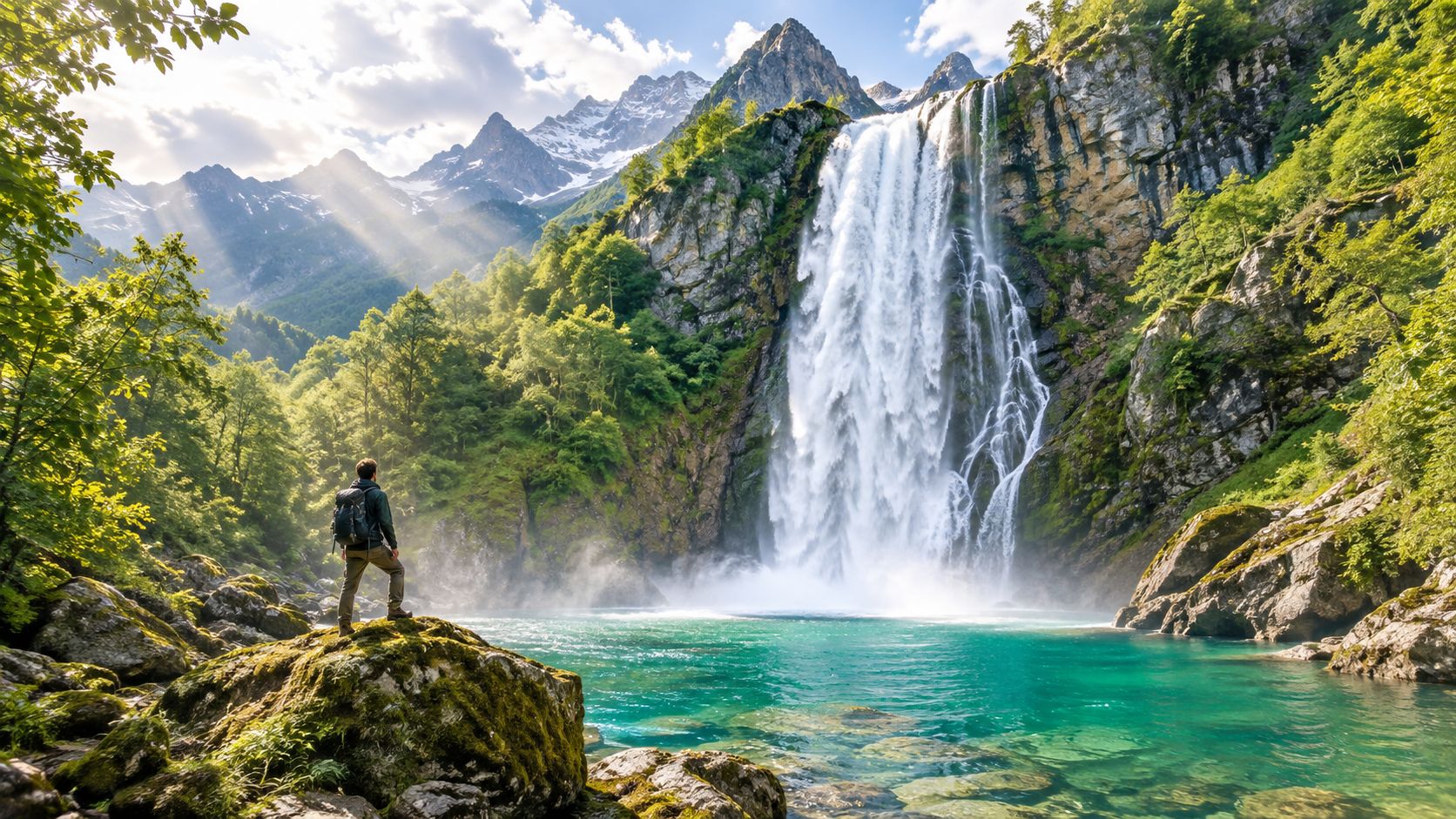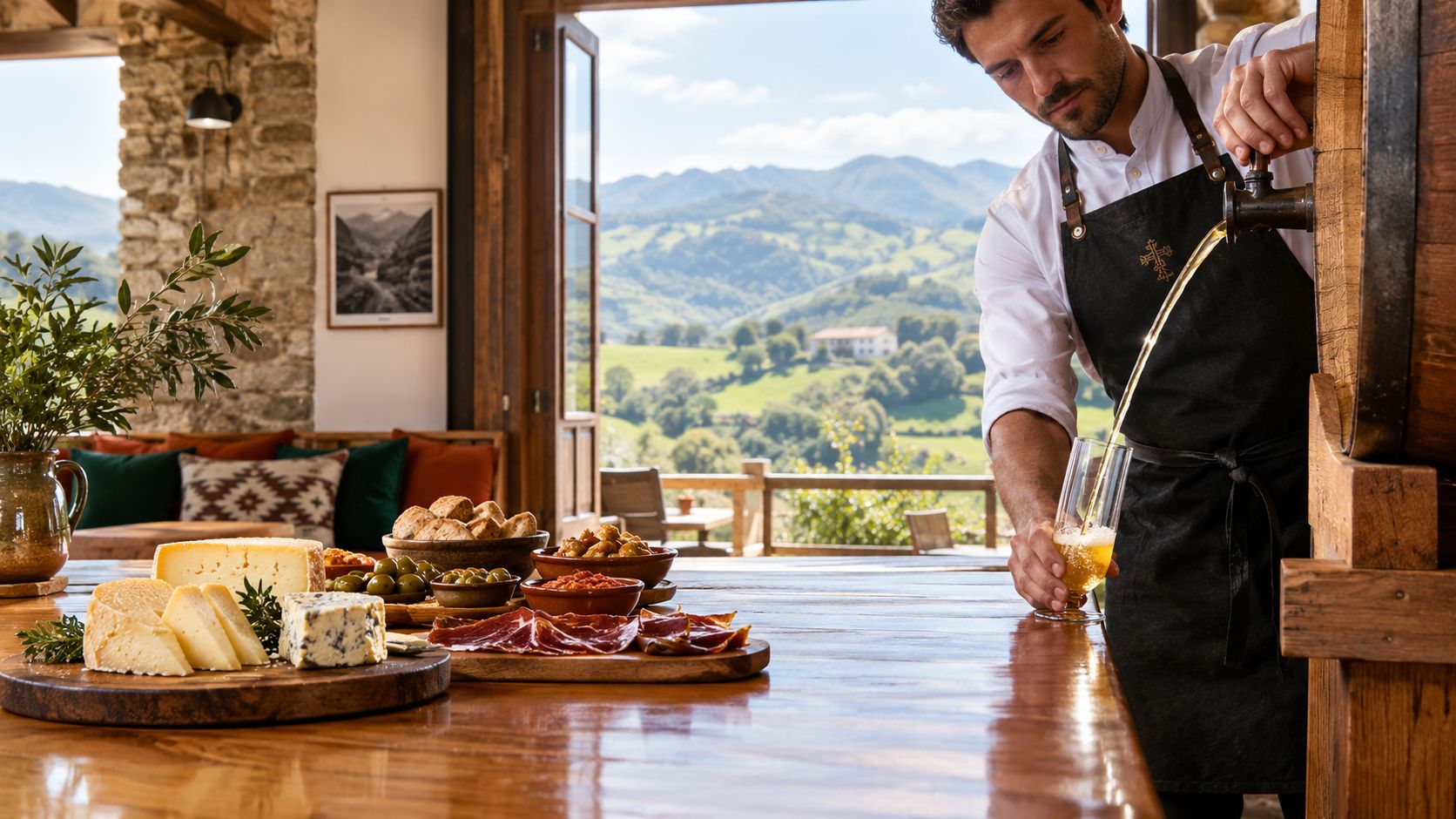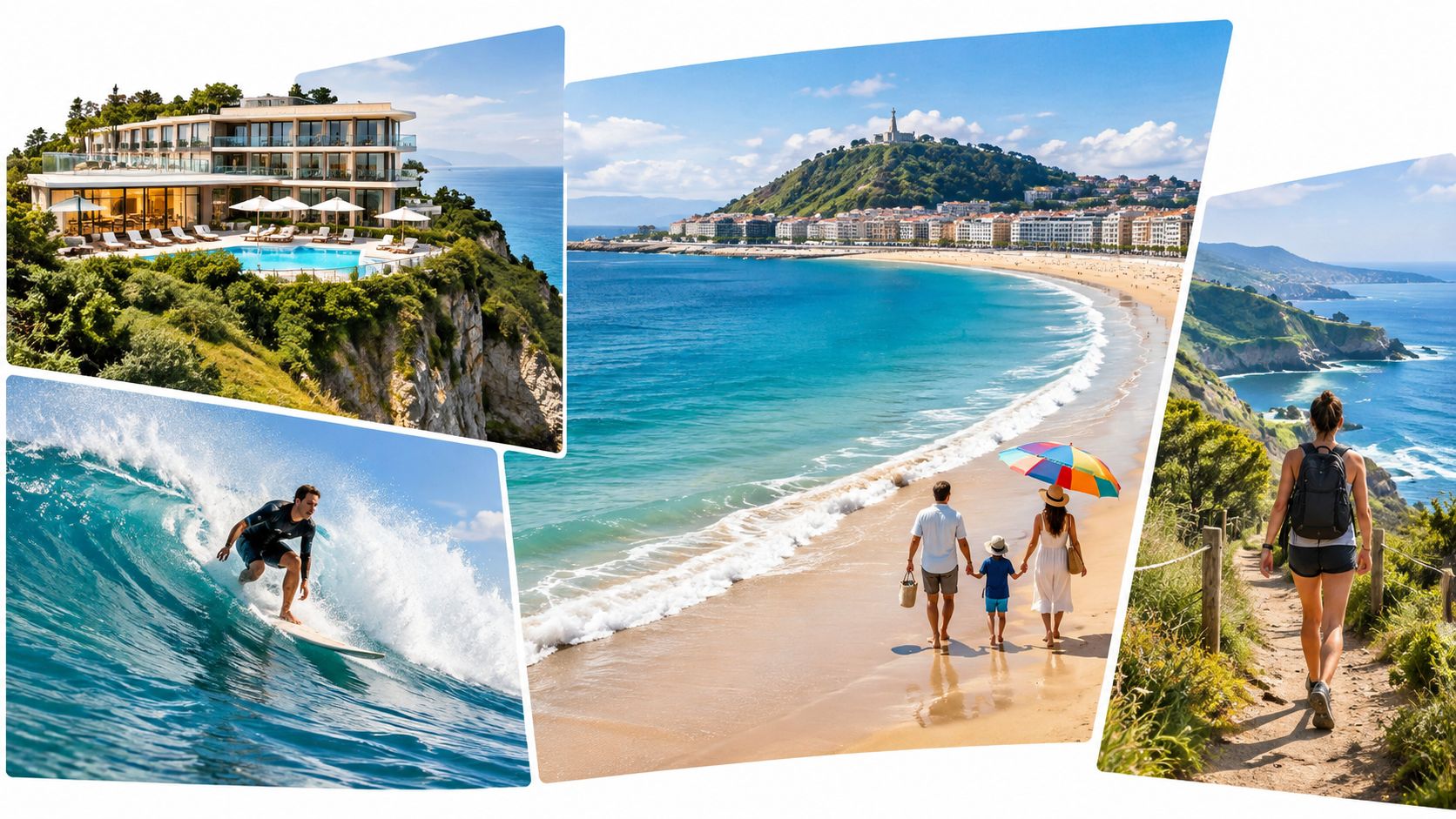
Northern Spain isn't short on dramatic scenery. It's short on good viewpoint advice. Most travelers still choose lookouts by postcard appeal alone, even though weather, access, comfort, and onward logistics matter more once you're on the ground. That matters in a region where mountain and cliff destinations can feel entirely different by hour and season, and where places like Picos de Europa already draw heavy summer demand, with average daily visits reaching 10,818 in summer versus 1,429 in winter according to ThinkSpain's report on Spain's national parks.
The best viewpoints in Northern Spain open out in very different ways. Some frame urban bays and Belle Époque facades. Others give you folded Atlantic cliffs, limestone walls, vineyard basins, or pilgrimage passes where terrain and history meet. The right choice depends on what you want the view to give you: an easy morning before lunch in San Sebastián, a mobility-friendly mountain reveal, a geology-focused coastal day, or a wine-country detour that feels quieter than the headline stops.
That's the approach here. These ten recommendations are ranked by the experience around the view, not scenery alone. You'll get direct advice on timing, walking effort, crowd trade-offs, photography windows, and what to pair each stop with nearby.
If panoramic travel is part of how you design trips, this guide sits well alongside these 360 tour business benefits because the same principle applies on the road: context changes the value of the view.
Table of Contents
- 1. Monte Urgull, San Sebastián
- 2. Picos de Europa National Park, Cabrales Viewpoint
- 3. Cape Ortegal, Galicia
- 4. Las Plazaoletas Viewpoint, Picos de Europa
- 5. Roncesvalles Mountain Pass, Navarra
- 6. Flysch Geopark, Deba Coastal Cliffs
- 7. Mirador del Fito, Asturias
- 8. Itsaso Viewpoint, Getaria
- 9. Balcón de Pilatos, La Rioja
- 10. Costa Verde Viewpoint, Asturias, Playa de Torimbia Area
- Top 10 Northern Spain Viewpoints, Comparison
- Build the Viewpoint Journey Around You
1. Monte Urgull, San Sebastián
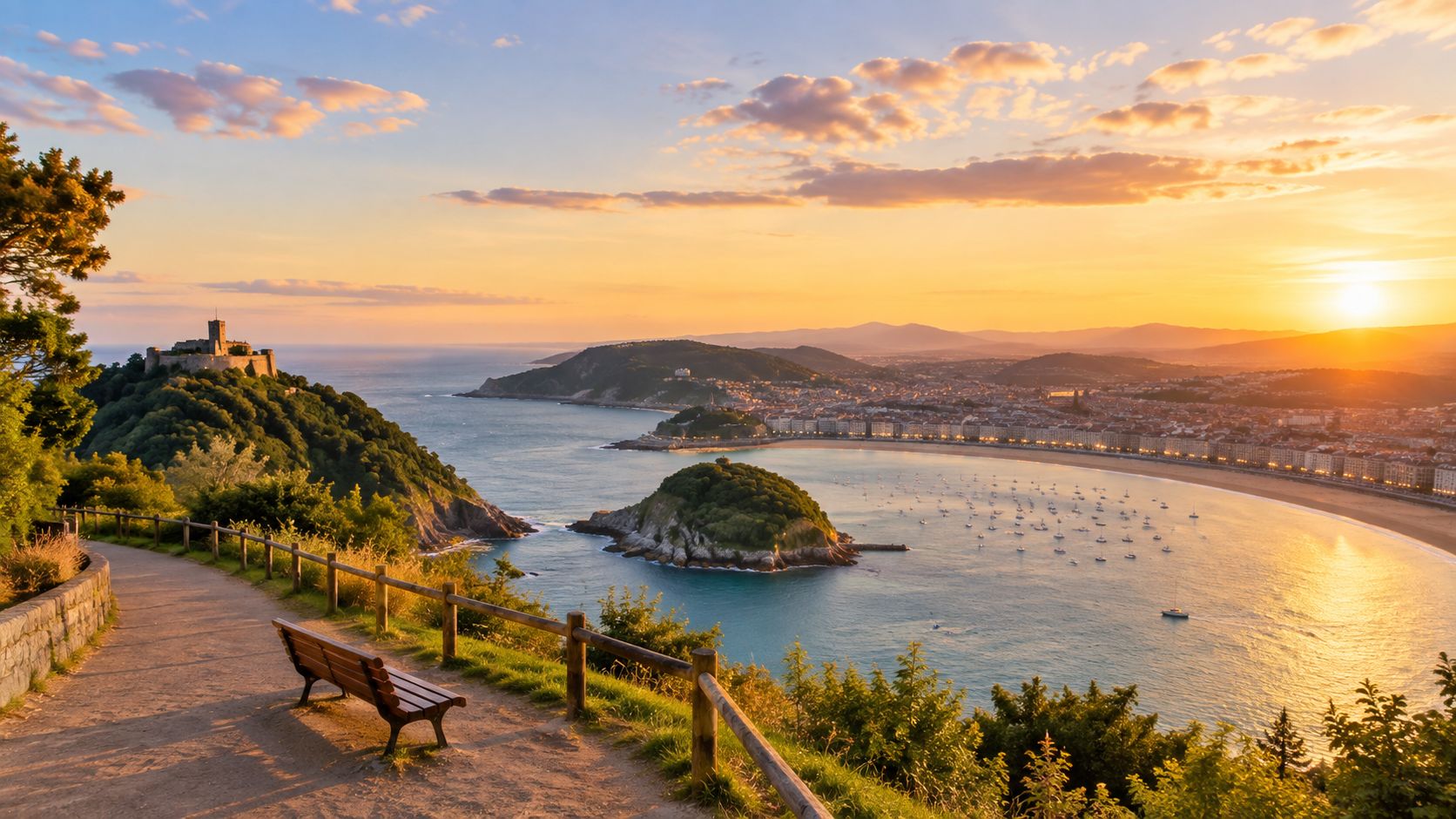
Monte Urgull is the best urban viewpoint in Northern Spain because it gives you orientation, not just a photo. From the top, San Sebastián makes immediate sense. La Concha curves cleanly below, the old town tightens into a grid behind the port, and the surrounding hills show why this city feels both polished and protected.
For first-time visitors, go early. Morning light is cleaner, the paths are quieter, and you can descend straight into Parte Vieja while the day still feels unclaimed.
Best for a city-and-food day
A couple staying in central San Sebastián should treat Monte Urgull as a dawn or early-morning stop, then turn the day toward food. Walk up before breakfast, spend time at Castillo de la Mota, and descend into the old town for coffee and pastries before a market visit, pintxos crawl, or reserved lunch.
For multigenerational families, this works better mid-morning than at sunrise. Grandparents can move at a steady pace, younger travelers still get a proper outing, and the afternoon remains free for beach time or a private city tour.
Practical rule: Use Monte Urgull at the start of your stay, not the end. It helps you read the whole city.
A private driver only needs to handle the approach to the base. After that, flexibility matters more than speed. If the group wants a short walk and fast payoff, choose one of the lower sections with bay views and save the summit for fitter travelers.
- Best timing: Early morning for clarity and space, or late afternoon if you want the city lights transition.
- Best pairing: Old Town walk, private pintxos experience, or a lunch reservation soon after descent.
- Trade-off: Strong reward, but it still involves walking uphill. It's not the easiest viewpoint on this list.
2. Picos de Europa National Park, Cabrales Viewpoint
Use Cabrales as your mountain base if you want more than a quick panorama. This part of Picos de Europa gives you the strongest combination on the list of big-scale scenery, believable rural life, and food worth planning around. The appeal is not one signed mirador. It is the freedom to catch changing mountain conditions, then turn the day into cheese, cider, and a serious lunch.
Picos also carries unusual historical weight. It was Spain's first national park, first protected as Montaña de Covadonga before later expansion into the broader park visitors know today. That matters less for bragging rights than for atmosphere. The area still feels protected in the right way. Villages remain working places, not stage sets.
Plan this as a stay, not a stop.
A two or three night schedule works best because visibility shifts fast. One clear morning can outperform an entire rushed day. If you are building the trip around mountain time, these Picos de Europa itinerary ideas for luxury travel are useful for choosing the right base and pace.
For active couples, the smartest version is simple: early viewpoint time, a light private walk suited to your fitness, then a Cabrales cheese visit in the afternoon when the peaks often lose definition. For families or travelers with mixed mobility, keep the walking short, use scenic driving between villages, and make lunch the anchor. Arenas de Cabrales gives you the easiest logistical spine.
Photography is strongest in the morning, before haze softens the ridgelines and valley contrast flattens. Sunset can work, but only if the forecast is stable and you are willing to commit time without a guaranteed return. If your priority is clean mountain definition, choose first light over golden-hour optimism.
Use Cabrales for flexibility. The best experience here comes from keeping one half-day loose so you can go when the mountains are actually visible.
- Best for: Travelers who want a full mountain day with food and culture built in, not just a roadside photo.
- Best timing: Early morning in clear weather.
- Best pairing: Cabrales cheese producer visit, traditional lunch, or a privately guided gentle walk.
- Trade-off: Outstanding depth and variety, but poor planning wastes the stop. Give it at least one night nearby, preferably two.
3. Cape Ortegal, Galicia
Skip Cape Ortegal if you want an easy coastal photo stop. Choose it if you want the strongest sense of Atlantic edge in this list, with enough time to build a day around it.
The appeal is not complexity in the view. It is exposure. Cliffs, open water, hard light, and weather that can shift the mood in minutes. That makes Cape Ortegal one of the most rewarding stops for travelers who care as much about atmosphere and timing as the panorama itself.
Plan this as a coastal sequence, not a standalone lookout. Start at the cape early, while the light is still clean and the headland feels empty, then continue to Cariño or another nearby fishing town for a late breakfast or long lunch. If you are choosing between squeezing this into a transfer day or giving it proper time, give it proper time.
For photographers, morning is the clear choice. You get better definition along the coastline and less visual clutter from midday glare. Sunset sounds tempting, but this is a poor place for optimistic timing. Cloud, wind, and Atlantic haze can flatten the scene fast, and the return drive asks more attention after dark.
Cape Ortegal also works well for travelers who want a high-reward stop without a demanding walk. Access is straightforward by car, and the viewpoint gives a strong result without turning the day into a hiking exercise. That makes it a smart pick for mixed-energy groups, provided everyone is comfortable with exposed, windy conditions near the coast.
A good version of the day is selective: viewpoint first, a short coastal stroll second, then a serious seafood meal. The best pairing is practical and local. Turbot, percebes, razor clams, or whatever the boats have brought in. Add a small winery visit or a private maritime history guide only if you are staying nearby. Do not overpack the route.
Use Cape Ortegal for Atlantic character, not checklist value. It pays off most for travelers willing to commit half a day to the coast and let weather shape the experience.
- Best for: Coastal drama, serious Atlantic atmosphere, and food-led day trips.
- Best timing: Early morning, especially in clear or changeable weather.
- Best pairing: Seafood lunch in a fishing village, short coastal walk, or private maritime context.
- Trade-off: Easy physical access, but remote enough that poor routing turns it into too much driving for too little time.
4. Las Plazaoletas Viewpoint, Picos de Europa
Las Plazaoletas is one of the smartest mountain choices for travelers who want alpine atmosphere without committing to a serious hike. That's rare value in Northern Spain, where many famous lookouts either demand effort or become stressful in peak season. Here, the appeal is balance: meadow scenery, strong peak views, and a lighter access profile than the headline mountain walks.
For families and mixed-ability groups, this is often the better Picos decision than chasing a harder summit or a crowded hero shot.
The comfort-first mountain option
Use the cable car strategically. Arrive early, before parking and boarding become the day's main story, then keep the outing modest. A short walk through the meadow is enough to make the ascent worthwhile. You don't need to force mileage to justify the trip.
This works particularly well for three-generation travel. Grandparents get the mountain reveal. Parents avoid an all-day logistics exercise. Teenagers still get a proper sense of altitude and scale.
- Best timing: First ascent of the morning if possible.
- Best pairing: Late lunch below, cheese-focused stop, or a relaxed afternoon back at your hotel.
- Trade-off: Easier than many Picos viewpoints, but that accessibility means it can feel busier if you arrive late.
If your group includes anyone who dislikes exposed trails or steep descents, choose this over more strenuous mountain viewpoints. The view is generous enough that you won't feel like you compromised.
5. Roncesvalles Mountain Pass, Navarra
Choose Roncesvalles for context, not drama. This is the pass on this list that makes northern Spain feel connected: Navarra to France, pilgrimage route to frontier, mountain crossing to village culture. The view matters, but the key payoff is understanding why this route carried so much weight for so long.
It suits travelers who like a place to tell them something.
Arrive early and keep the stop deliberate. Morning usually gives you cleaner light, cooler air, and a quieter mood that fits the setting far better than a rushed midday stop. If you only pause for ten minutes, you will miss the point.
The best version of Roncesvalles is part of a wider day rather than a standalone photo stop. Start here, add a short walk or private Camino interpretation, then continue toward the Baztán Valley or a well-chosen village lunch. For couples, this is one of the stronger cultural detours in the region. For mixed-age groups, it works because you can keep the walking light while still giving the day shape and substance.
A practical way to judge it is simple:
- Choose it if: you want pilgrimage history, a mountain crossing with real atmosphere, and an easy-to-pace stop that can lead into food or village time.
- Skip it if: your priority is a huge visual reveal with minimal interpretation.
- Go when: late spring or early autumn, when conditions are usually easier and the route feels more pleasant.
- Pair it with: Pamplona, the Baztán side of Navarra, or a guide who can connect the terrain to pilgrimage history.
Roncesvalles rewards travelers who plan for meaning, not just a viewpoint checklist.
6. Flysch Geopark, Deba Coastal Cliffs
Pick Flysch Geopark for the walk, not just the overlook. This is one of the few coastal viewpoints in northern Spain where timing changes the experience more than the weather does. At the right tide, the cliffs and rock platforms make immediate sense. At the wrong one, you still get drama, but far less detail.
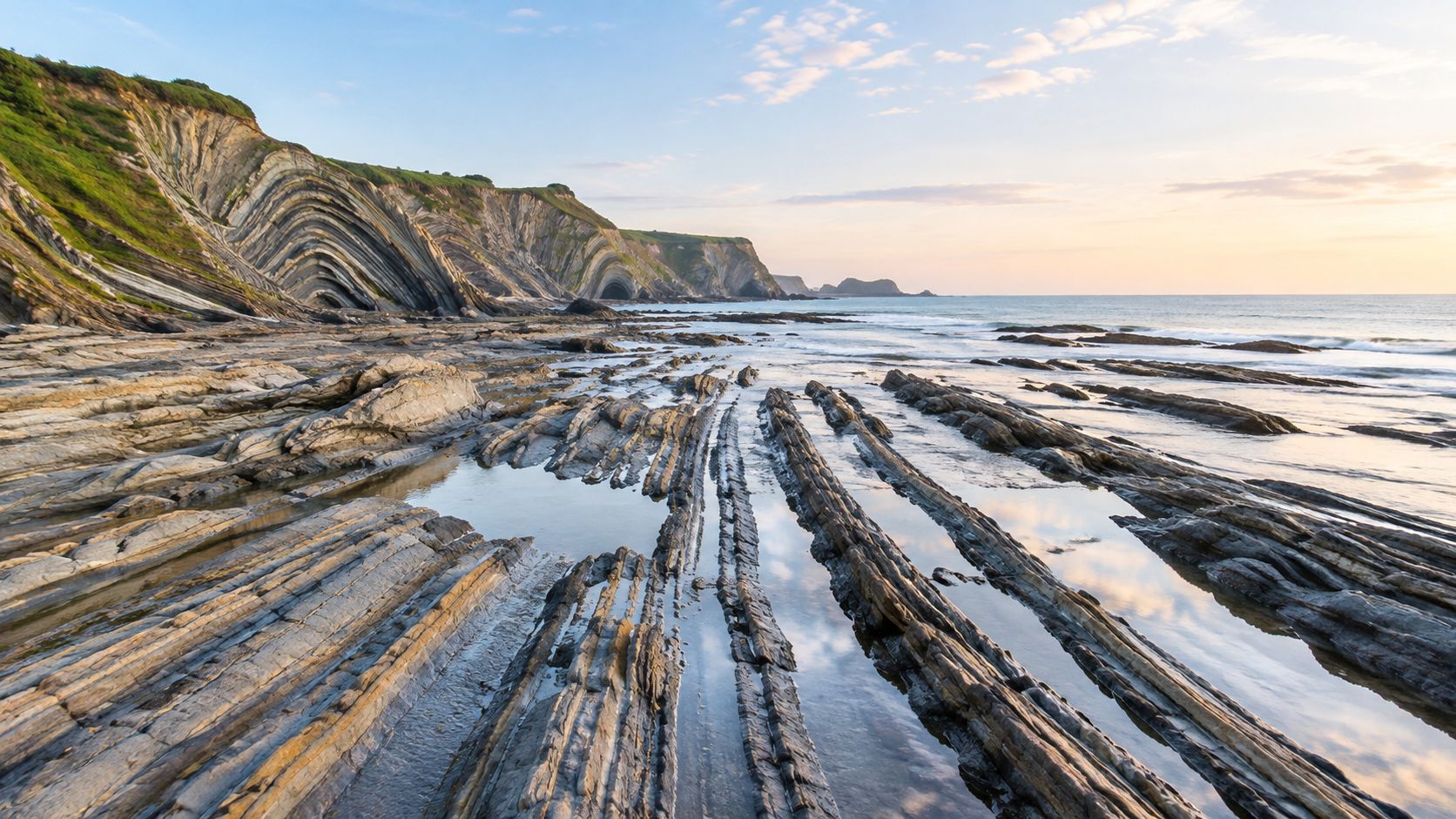
Travelers who enjoy context will get more here than at a simple cliff stop. The rock layers are the attraction, so low tide should shape your plan first. Light comes second. Morning usually gives cleaner definition on the formations, while later light is better if your priority is atmosphere and photography rather than reading the geology clearly.
Do not treat Deba and Zumaia as interchangeable bases. Zumaia is usually the easier choice if you want a polished half-day with a coastal walk, a good lunch, and straightforward logistics from San Sebastián. Deba suits travelers who want a quieter feel and are happy with a less curated stop. If mobility is limited, keep this as a viewpoint-and-lunch outing rather than a longer cliff path day.
A private geology guide is worth the spend here. Few viewpoints improve so much with interpretation. Pair it with a serious seafood lunch or a Txakoli stop nearby, and the day gains shape instead of turning into another scenic detour.
For a closer sense of the terrain, this video gives a useful visual preview before you go.
Use this quick filter before you commit:
- Choose it if: you want a coastal stop that rewards planning, walking, and interpretation.
- Skip it if: you want an effortless roadside panorama with no dependence on tide or path conditions.
- Best window: low tide, with morning for clarity or late day for mood.
- Best pairing: Zumaia or Deba, a private geology walk, seafood, or a nearby winery visit.
Flysch is one of the smartest picks in this ranking for travelers who like scenery with structure. Plan it precisely and it will outperform flashier stops.
7. Mirador del Fito, Asturias
Mirador del Fito is the most efficient coast-and-mountain viewpoint in Asturias. That's its advantage. You don't have to choose between the Green Coast and the Picos mood. You get both in one frame, which makes it especially useful for travelers with limited time or mixed interests.
It's also one of the more practical scenic stops for people who don't want a full mountain day but still want a sense of Asturian scale.
Best for one broad Asturian read
Late afternoon suits this viewpoint well. Cloud movement can add shape to the surroundings, and the angle of light often improves the contrast between coastline and inland peaks. If you're staying near Llanes, this is an easy half-day outing that still feels substantial.
A good pairing is an afternoon stop here followed by a cider house visit and dinner. That sequence works for couples who want a scenic outing without sacrificing a strong evening meal, and for families who'd rather avoid a dawn departure.
- Best timing: Late afternoon into early evening.
- Best pairing: Llanes, a cider-focused experience, or a slow coastal village circuit.
- Trade-off: Easy and rewarding, but less immersive than committing fully to the Picos.
This is the viewpoint to pick when your group wants a polished Asturian sample, not a mountain expedition.
8. Itsaso Viewpoint, Getaria
Choose Itsaso if you want a view that improves the rest of the day. The panorama matters, but the advantage is context. From here, Getaria makes immediate sense as a working fishing town, a txakoli base, and one of the smartest lunch stops on the Basque coast.
This stop suits travelers who value pacing over scale.
Go early and keep the sequence disciplined. View first, village second, tasting third, lunch last. That order gives you better light, easier parking, and a cleaner transition into Getaria before the streets get busier. If you start with a long meal, the viewpoint becomes an afterthought.
For mobility-conscious travelers, this is also a practical Basque coast option. You can get a strong return without a demanding hike or a full-day mountain commitment. Photographers should aim for morning light, when the town and shoreline read more clearly and the day still feels crisp rather than crowded.
The strongest pairing is private and simple. Add a txakoli cellar visit, then book a serious seafood lunch, preferably with enough time for a short harbor walk afterward. Couples staying in San Sebastián will get more from this than from forcing in a bigger scenic detour with more driving and weaker food.
- Go for: A polished half-day centered on coastal culture, wine, and lunch.
- Best timing: Morning into an early lunch.
- Main trade-off: Refined and efficient, not expansive. Pick it for texture and itinerary flow, not for Northern Spain's biggest dramatic sweep.
9. Balcón de Pilatos, La Rioja
Choose Balcón de Pilatos if you want Rioja to make sense before the tasting starts. The view is broad, calm, and unusually useful. You see how the vineyard basin sits between higher ground, villages, and the folds of the region, which gives real context to the wines you drink later.
This stop rewards travelers building a wine-first day, not travelers chasing Northern Spain's biggest dose of drama.
Go late in the day. The warmer light suits the vines, the atmosphere softens, and the stop fits neatly before a cellar appointment or a serious dinner. If you arrive at midday, the viewpoint can feel exposed and flatter than it should.
A good plan is simple: viewpoint first, then a private winery visit, then dinner nearby. Travelers staying at a wine hotel will get more from this sequence than from stacking multiple bodegas back to back. One well-timed lookout and one strong tasting usually beats a crowded tasting schedule with no sense of place.
For mobility-conscious visitors, this is one of the easier scenic additions in this ranking. You can get a satisfying return without a demanding hike, which makes it a smart choice for mixed-energy groups or anyone protecting the evening for a longer meal and proper tasting.
- Go for: A Rioja day built around wine, geography, and a polished evening.
- Best timing: Late afternoon into sunset.
- Main trade-off: Less dramatic than the coastal and high-mountain entries, but more useful for travelers who care about wine country context and itinerary flow.
10. Costa Verde Viewpoint, Asturias, Playa de Torimbia Area
Pick Torimbia if you want Asturias at its most tactile. This stop gives you more than a pretty frame. You get a full wild-coast sequence: cliff approach, beach reveal, salt air, and the option to turn a short scenic stop into an easy half-day without committing to a hard hike.
Access decides whether this place feels effortless or irritating. Arrive early, park before the area fills, and treat the viewpoint as a first stop rather than a midday add-on. Late arrivals deal with tighter parking, harsher light, and a less calm experience overall.
For photographers, morning is the right call. The light is softer, the beach shape reads more clearly from above, and the scene feels cleaner before foot traffic builds. If your group cares more about swimming than images, stay flexible and check conditions first. Wind and exposure change the mood fast here.
Mobility is the main trade-off. You can get a rewarding coastal view without a major trek, but this is not one of the article's easiest pull-up lookouts. Mixed-ability groups should decide in advance whether the goal is the viewpoint itself or time on the beach below. Trying to do both at a relaxed pace can drag out the stop more than expected.
The best use of Torimbia is simple: base yourself near Llanes, go early, take the view, then follow with a long private lunch or a low-key seafood meal inland or in a nearby village. That sequence works better than stacking more viewpoints afterward. Torimbia is strongest when it sets the tone for a slower coastal day.
Choose this stop for a half-day built around coastline, light walking, and an unpolished Asturian mood.
Skip it if your group wants easy access, weather-proof planning, or a tightly timed sightseeing circuit.
Top 10 Northern Spain Viewpoints, Comparison
| Viewpoint | 🔄 Accessibility / Complexity | ⚡ Logistics & Resources | 📊 Expected Outcomes | 💡 Ideal Use Cases | ⭐ Key Advantages |
|---|---|---|---|---|---|
| Monte Urgull, San Sebastián | Low, gentle walking paths and stairs; city-central | Low, walkable from city; limited summit facilities | Panoramic bay & city views; strong sunset photography potential | City itineraries, gastronomy pairings, sunset aperitifs | Central location; blends history (castle) with coastal views |
| Picos de Europa – Cabrales Viewpoint | Moderate, 1–4 hr hikes; mountain terrain | High, private driver, mountain hotels, guides recommended | Dramatic limestone peaks; alpine photography and cheese experiences | Multi-day adventure + gourmet itineraries; active couples/families | Dramatic massif, authentic cheese tastings, luxury mountain lodges |
| Cape Ortegal (Cabo de Ortegal) | Moderate–High, remote, exposed cliff access; winding roads | High, base in Ferrol/A Coruña; experienced driver; limited nearby lodging | Wild Atlantic panoramas; powerful cliff-and-wave photography | Photography-focused trips; seafood & coastal culture journeys | Europe's highest sea cliffs (620 m); raw, untamed Atlantic scenery |
| Las Plazaoletas Viewpoint (Picos de Europa) | Low, cable car access; short walks | Moderate, seasonal cable car operation; parking management | Intimate alpine meadow & peak views; family-friendly photography | Multigenerational families; soft-adventure days with minimal effort | Cable car accessibility; alpine authenticity with easy access |
| Roncesvalles Mountain Pass (Puerto de Roncesvalles) | Moderate, mountain pass roads; historic trails | Moderate, base in Pamplona; seasonal snow closures possible | Expansive Pyrenean vistas coupled with pilgrimage history | Pilgrimage/history tours; Pamplona/San Fermín logistics integration | Strong cultural narrative (Camino); strategic location for Navarre itineraries |
| Flysch Geopark (Deba Coastal Cliffs) | Low–Moderate, coastal walks; tide-dependent | Moderate, base in Deba/San Sebastián; geological guide recommended | Unique stratified cliff visuals; educational geological insights | Geology-focused tours; photography and intellectual travelers | UNESCO Global Geopark; distinctive, educational geology features |
| Mirador del Fito, Asturias | Moderate, narrow access roads; short walk to viewpoint | Moderate, drive from Llanes; limited on-site facilities | Combined coastal and mountain panoramas with fewer crowds | Private photography, uncrowded coastal-mountain itineraries | Uncrowded vantage combining Green Coast and Picos de Europa views |
| Itsaso Viewpoint, Getaria (Gipuzkoa) | Low, walkable village access | Low–Moderate, limited luxury lodging; restaurant reservations essential | Harbor and Mt. Gatzagatxo views plus txakoli and seafood experiences | Wine & food day trips from San Sebastián; short cultural escapes | Integrates coastal views with txakoli wine and seafood culture |
| Balcón de Pilatos, La Rioja | Moderate, hikes 1–3 hrs across vineyards | Moderate, requires routing within wine region; heat planning | Panoramic vineyard vistas; strong wine-tourism outcomes | Wine-focused travelers; multi-night luxury wine stays | Direct integration with bodegas and vineyard experiences |
| Costa Verde Viewpoint (Playa de Torimbia Area) | Moderate, cliff and beach trails; variable access | High, base in Llanes/Oviedo; private driver and tide awareness | Secluded coves, cliff-to-beach vistas; excellent nature photography | Nature/photography enthusiasts; soft-adventure coastal itineraries | Multiple viewpoints and hidden beaches; authentic, low-development character |
Build the Viewpoint Journey Around You
The smartest way to use these viewpoints is to stop treating them as isolated photo opportunities. Northern Spain rewards sequencing. A lookout becomes more valuable when it clarifies a city before a food tour, opens a mountain stay with the right sense of scale, or frames a wine region before you sit down with a winemaker. The point isn't to collect ten panoramas. It's to choose the few that match your pace, access preferences, and interests, then build days around them properly.
If you want compact, high-reward days with minimal transfers, start in the Basque Country. That region already sits inside a major tourism economy, with 2,127,910 international arrivals in 2025 and tourism expenditure of €6,665 million in 2024 according to Country Economy's regional tourism figures for Spain. In practical terms, that makes San Sebastián, Getaria, and the Flysch coast especially easy to package into polished private days with strong dining and short drive times.
For coast-to-mountain contrast, Asturias and Picos de Europa are the strongest pairing. They suit travelers who want visual range and don't mind building in weather flexibility. That matters because the region's most famous mountain areas are high-season draws, while many of the best coastal stops depend heavily on visibility and timing. For travelers who want big views without hard walking, choose easier mountain reveals like Las Plazaoletas and efficient broad reads like Mirador del Fito.
Galicia is the right move when you want the Atlantic to feel more elemental and less curated. Cape Ortegal works best for travelers comfortable with a little remoteness and happy to give a day over to scenery, seafood, and shifting weather. Roncesvalles and Balcón de Pilatos, by contrast, appeal to travelers who want a wider trip anchored by culture or wine rather than pure coastal drama.
There's also a comfort question that many viewpoint roundups ignore. Some of Northern Spain's famous lookouts are physically demanding, and that's not always the right choice for private family groups, older travelers, or anyone who values ease over effort. Spain's official tourism material and broader travel coverage often celebrate dramatic access and cliffside drama, but that leaves a gap for travelers who need smoother drop-offs, less walking, and better day structure. As noted in Spain's official feature on impressive lookout points, iconic viewpoints can be spectacular, yet the right one still depends on weather window, accessibility, and how comfortably it fits the day.
If you want help turning these stops into a coherent private route, Northern Spain Travel is one option for planning a tailor-made journey with drivers, guides, boutique hotels, and weather-flexible sequencing across the Basque Country, Asturias, Cantabria, Galicia, Navarra, La Rioja, and the Pyrenees.
Northern Spain Travel designs fully private journeys that make viewpoints work as part of the day, not as disconnected pins on a map. If you want Monte Urgull paired with a Michelin lunch, Picos timed around mountain visibility, or Getaria folded into a wine-and-seafood route, visit Northern Spain Travel to plan a trip built around your pace, access needs, and interests.