
What is a Cofradia?
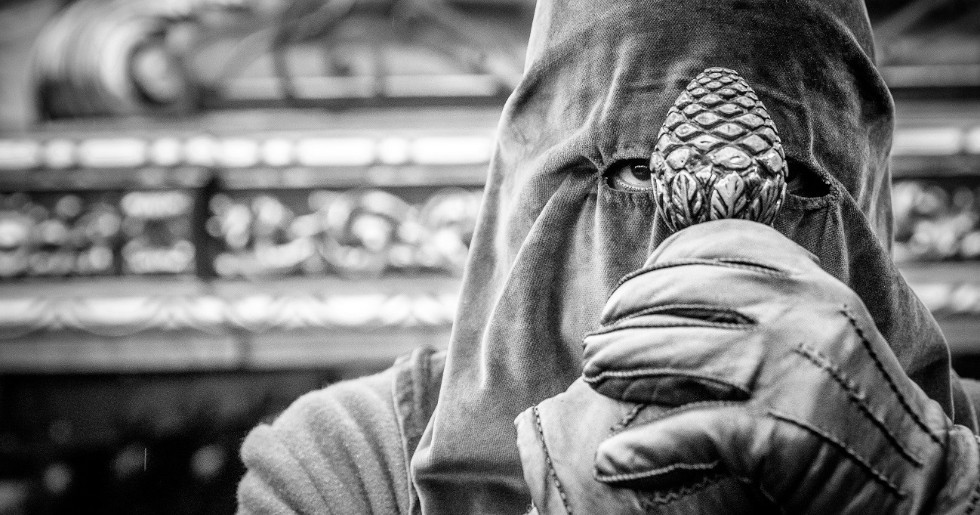
Written by Stephanie Mutsaerts Photos by Jesus Caso and Stephanie Mutsaerts The Cofradia in Spain is a social institution created for the purpose of promoting special Christian works. In this article we are going to explain the religous cofradia in Spain, what they are, when these Cofradías began and what they are do. The Term Cofradía The term Cofradía – pronounced in three syllables co·fra·día – emphasis falls on the last syllable – stems from Old Spanish confrade, from con — from Latin com = with — + frade = brother, monk, priest, from the Latin word fratr, frater, which can be translated into English as Cofraternity – Fraternity. The word Cofradia is used in two different ways in reference to social institutions. One is related to the Catholic Church and the other to gastronomy. In this article, we describe the Catholic Church Cofradía, give some background history of when and how the Cofradías began, and outline what they are and what they do. What are Religious Cofradías in Spain? A religious Cofradía is a fraternity of laypersons, both men and women, young and old, who have come together for the purpose of promoting special, church approved, deeds of Christian charity or piety in the community. Cofradia members have not taken the vows of any religious order, but they conform to rules laid out by the Church. Photographer Alex Simon A little bit of History about Cofradías The Link between Charitable Acts and Eternal Reward In many parts of Spain, religious devotion and daily worship in the Catholic Church were at the center of daily life. Cofradías, or religious charitable organizations, developed during the 16th Century as members strove to find deeper meaning in their religious devotion and to ensure suitable reward in the afterlife. The importance of charitable works that helped the poor was felt so strongly by some members of the cofradias that they made bequests to certain charities in their wills, leaving items such as bedding, clothing, or monetary gifts. Photographer Alex Simon One of the First Institutions Created by Members of the Public Many cofradias, had a positive religious, social, and economic impact on society. They were one of the few institutions formed by the public to meet the needs of the public. Even though each cofradia had its own set of rules or by-laws which every member promised to live by, they worked in harmony with the Church. Photographer Alex Simon In the late middle ages, Popes would grant permission for the creation of cofradias, and would grant members rewards such as physical protection, eternal membership in the Cofradías both in life and in death, along with access to indulgences and forgiveness of sins. “He who gives charity, extinguishes hunger and covers nakedness, extinguishes his own faults and covers his own sins.” Friar Tomas Trujillo Cofradias Cradle of the Arts Originally, the Cofradias were advocacies of supporting strong professional institutions. Thus, for example, in medieval Europe the creation, legislation, and regulation of theatrical performances depended on Cofradias, some of which were created by kings or bishops. Among the best known and most important were the “Cofrères de la Passion” in Paris or the “Disciplinados de Jesus Cristo”, in Umbria. Other examples are the brotherhoods of Dutch or guild painters, and the Spanish theatrical la Cofradía de la Pasíon y Solitud (brotherhood of The Passion and Solitude) as well as the 17th Century Brotherhood in Madrid, Los Escalabos del Sacramento Bendecido (Slaves of the Blessed Sacrament), whose members included highly talented poets, playwrights, and writers. Photographer Alex Simon Cofradías Today Cofradias still work and are created in the same way and with the same criteria as they were from the beginnings. There are about three million Cofrade members in approximately 10,000 brotherhoods throughout Spain today. One of their key roles is the preparation of the Easter Festival, a religious event that is currently going through its “silver age” although within the framework of a “secularized” society in which processions become a way to bring the Church closer to the people. Most brotherhoods organize a procession, at least once a year, either alone or together with other brotherhoods. Photographer Alex Simon Visiting Spain during Easter Hidden Gems of the North Hidden Gems of the North is a gastronomical adventure that can be enjoyed during Semana Santa – the Holy Week in Spain. This journey in spring is a fabulous way to discover the northern region, participate in its traditions and culture, and of course, savour world-class gastronomy. https://northernspaintravel.com/tour/hidden-gems-of-the-north/ Walking & Wine in Northern Spain Tour Walking & Wine in Northern Spain Tour is an active travel walking aventure that can be done during Semana Santa – the Holy Week. Spring is the ideal time of the year to visit the North of Spain, as the countryside bursts back to life with its blossing almond trees, Olive groves, and vineyards a lively green. During the Holy Week, our walking and wine tour is designed taking into account the special festivities dates so that we walk during the morning and enjoy the Semana Santa festivities in the afternoon. We include a visit to Los Picaos de San Vicente de Sonsierra and the evening procession in Ezcaray to view the fantastic centuries-old rituals and processions. Walking & Wine in Northern Spain Check out our adventures in Spring https://northernspaintravel.com/luxury-walking-holidays-northern-spain/ https://northernspaintravel.com/luxury-food-tours-spain/ https://northernspaintravel.com/luxury-spain-bike-tours/
What to See in Northern Spain
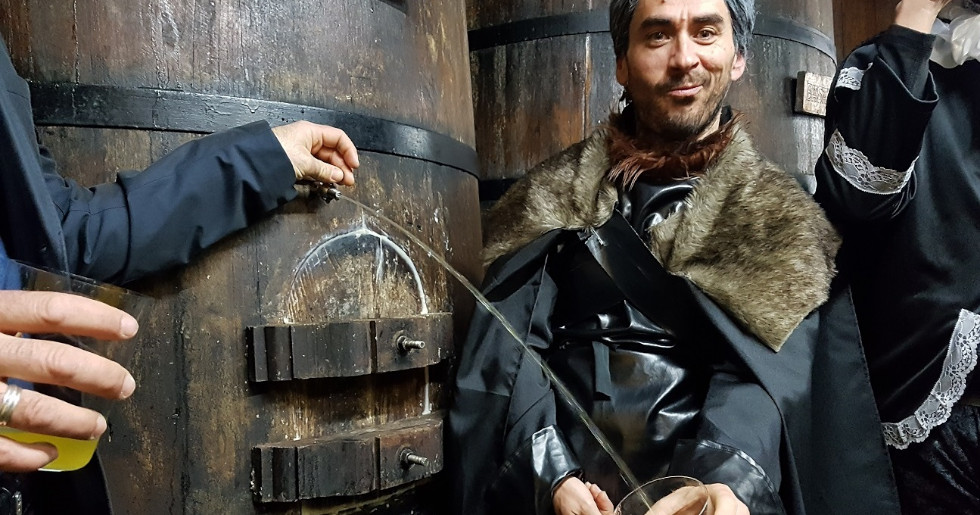
Written by Stephanie Mutsaerts Photos by Jesus Caso and Stephanie Mutsaerts What to include in a trip to Northern Spain Northern Spain is somewhat of a mystery to the average visitor. It is a mistake, however, to overlook this part of the country. It is culturally distinct from the rest of Spain, though retaining the best of Spanish alegria, so to say, the simple joy of being alive. The area is known throughout Spain for its culinary expertise and outstanding produce, including the world-renowned Rioja wine region. Historically, with its strategic location on the way over the Pyrenees into France, it has seen many fascinating military campaigns, sieges, and battles dating back centuries to before Roman times. As such, the abundant castles and medieval towns with towering defensive walls and Romanesque churches give unending possibilities for exploration. This article is about what to see in Northern Spain. Traditions and Festivals in Spain The Basque Country has produced some of Spain’s greatest artists and Bilbao is a cultural crossroads with a thriving art and music scene. Participating in the festivals of Navarra, Rioja and Basque Country can feel like stepping back in time. They are always family friendly and full of music, dance, celebration, food and wine, and traditions that connect the locals to the past. These festivals are not mere shows put on for tourists. The people of northern Spain are still very much living and breathing their culture and are welcoming to visitors wanting to experience it along with them. The possibilities feel limitless when it comes to visiting northern Spain. See the Living History and Castles of Northern Spain Spain is peppered with castles. Some are small and crumbling on a remote hilltop, recalling an era of wandering knights and lonely journeys, while others are magnificent and well-preserved, where the kings and queens of Spain lived and fought bloody battles of succession and dominance. Navarra, Aragon, Castile and Leon were territories and kingdoms that were constantly at each other’s throats since before medieval times. With the Moorish threat constantly pressing up from the south, the story of this region would make the series Game of Thrones blush with modesty. Olite Castle If you are wonder what to see in Northern Spàin, the castles and fortifications around this area are numerous and mostly intact. The most magnificent by far in Navarra is in Olite. It was one of the seats of the Court of the Kingdom of Navarra, since the reign of Charles III “the Noble” until its conquest in 1512 by Castile. While it was a military fortification, it was also described by many of that period to be more like a sumptuous palace, with all the gilded luxuries of its time. Beginning in the 13th Century, it was built up over time, before finally being badly damaged during the Napoleonic Wars in the early 19th century. It was beautifully restored to its previous glory in the 1930s and is now one of the finest castles in Europe to visit. Surrounded by grape vines and a medieval town of twisty cobbled streets and beautiful old stone buildings, you cannot but feel like you have time traveled to another era. Olite also has a fantastic medieval festival in August where the town’s people come out dressed in their best period clothing, carrying falcons, and playing and singing music from a bygone era. The Post Civil War Bunkers in Northern Spain For more modern history, there are a series of military bunkers dug during Franco’s era into the Pyrenees along the border of France. Numbering in the thousands and stretching from the Atlantic to the Mediterranean, they went unused in the end, as Franco’s paranoia of an attack arriving overland from France proved to be unmerited. It is now possible to visit some of them on trails in the mountains by foot or bike. Hunkering down inside them peering out over the Pyrenean mountain passes gives you a sense of what it would have been like to have lived through this turbulent time in the early to mid 20th century. For history buffs, ask us about our visits to the Bunkers between Spain and France Of course, there are so many historical sites in northern Spain, it would impossible to highlight them all. From sitting in a 400 year old monastery in Aragon listing to monks reciting Gregorian chants, to visiting cathedrals such as the one in Pamplona where the kings of Navarra were crowned, or the one in Vitoria that inspired Ken Follet for his fictional cathedral in Pillars of the Earth, to sleeping in luxury hotels that are remodeled 10th century castles, it is impossible not to feel a connection to the past of this captivating region of northern Spain. See and Experience the Magic of a Festival in Northern Spain San Fermin Summer Festival There is perhaps nothing more iconic in northern Spain than its yearly festivals or fiestas. The king of fiestas is the festival of San Fermin, taking place in Pamplona, the capital of Navarra, in early July each year. Known around the world as the Running of the Bulls, it goes on for eight days of revelry, endless music and dancing in the streets, taurine events such as the daily bull run each morning, and other traditions that go back centuries. Everyone is dressed in all white with a red sash around their waist and a red pañuelo or kerchief, around their neck. This dress is not specific to Pamplona but is rather a Basque tradition you can see all over the region at the various fiestas. San Fermin is for Everyone While it is a non-stop party and celebration of life itself, it is absolutely inclusive of everyone. Navarran and Basque families attend from babies to the elderly – it is not just about flinging sangria and dancing the night away. In fact, the fiesta is in honor of one of the patron saints of Pamplona, San Fermin. A fact overlooked by tourists, it is a religious festival with masses and prayer honoring their saint. It even evokes some moments of solemnity and gravitas throughout the week. Village Patron Saint Festivals in Northern Spain Each village in northern Spain has a fiesta in honor of their specific patron saint. Some fiestas are quite small and intimate, and others feel like smaller versions of the famous party in Pamplona, with lesser-known bull runs and almost no other tourists. Many of the rituals and activities are specific to that village. Hence, going to one in Estella will feel very different from the one in Lesaka, where you can see the bell dancers balancing on the edge of the canals, leaping and jumping on narrow walls, with bell-clad legs creating the most wonderful music. What they all have in common is the joy of celebration, the traditional music and dance, and the comradery among participants. Summer Festivals in Northern Spain Moving away from purely traditional, there are other kinds of festivals in northern Spain. San Sebastian boasts several huge fiestas every year. It hosts a star-studded film festival, a summertime jazz festival on the beach, and in January a drumming festival called La Tamborrada where hundreds of people drum together in the large square, creating an effect that is hard to imagine unless you have witnessed it yourself. Another favorite is in La Rioja where participants load giant water guns with wine and run around shooting each other with sprays of wine in the hills while drinking plenty of it as well. These festivals are sprinkled throughout the year, so visitors to northern Spain would have a hard time not hitting one or two of them. If fun is to be had, the locals will be having it. See the Art and Museums of Northern Spain The Basque Country and Navarra have produced many of the great artists, writers and musicians of Spain. Creativity and imagination is felt everywhere around the region. The Basques have a very rich folklore with pre-Christian pagan elements still evident in their art and storytelling. Rife with fantastical creatures and sorcery, perhaps inspired by the deep forest valleys draped in curtains of mist, the area inspires an artistic culture. Northern Spain has artists that in many ways represent the region, such is the case as with Eduardo Chillida. One of his masterpieces that have grown into an icon is El Peine de los Vientos, where the wind and the sea are one. Another such artist that works with large sized sculptures and painting is Jorge Oteiza, or the modern day artists Carlos Ciriza and Fernando Pagola. For those who are passionate about sculpture ask us more about private visits to the artists’ private homes, workshops and museums. Agustin Ibarrola One very good example of this connection of art, nature and folklore is the Enchanted Forest of Oma, a grove of trees that have been painted by the Basque artist Agustin Ibarrola. It is done in such a way as to create a sense of mystery and otherworldliness using optical illusions and tricks on the mind. Even if the idea of painting trees at first makes one balk, once experienced, it is hard to not appreciate the fine lines between magic, art and nature. Jorje Oteiza Eight kilometers outside Pamplona is the Oteiza Museum, which houses the art of the great and very influential Basque artist, Jorge Orteiza. His sculptures brought him massive success and fame by the 1950s, and using various mediums and abstract theories, he created an enormous quantity of work. The museum contains 1,690 sculptures, 800 drawings, 2,000 chalk laboratory studies, about 5,000 books from his personal library, and his countless writings. Navarra Museum Pamplona is not only a living museum in and of itself, it benefits from the engaging Museo de Navarra with a wonderful collection of items from pre-historic artifacts and human bones to great works of art. There is the 1st century Roman mosaic Triumph of Bacchus and other mosaics from the same period excavated from Roman homes and palaces that existed in the area. There are many mural from across the ages – Romanesque, Gothic and Renaissance – and artwork from artists such as Baroque painter Mateo Cerezo and the famous Spanish painter Goya. Taking you on a journey through Navarra from pre-historic times to the present day, this museum is not to be missed. Guggenheim Museum Bilbao encompasses the old and the new with stunning modern architecture such as Frank Gehry’s Guggenheim Museum and the Zubizuri Bridge, alongside the beautiful medieval buildings in the Casco Viejo in the center of the city. With endless sites of aesthetic and historic interest to visit and a thriving art and music scene, Bilbao is a feast for the mind. In 2010 Bilbao was recognized with the Lee Kuan Yew World City Prize, considered the Nobel Prize for urbanism because of its spectacular transformation from grimy industrial port to modern wonder. As the largest city in the Basque region and as one of the most important port cities of Europe, it is bustling with activity, art and industry. How to Experience it All There are endless sights in northern Spain, and these are but a few. The region is welcoming of visitors and there are many ways to visit the region, whether by bike, on foot or by car. Along with such amazing culture to see and experience, northern Spain is also covered in Michelin-starred restaurants as well as rustic, delicious traditional cuisine, wineries, luxury hotels, quaint villages and gorgeous landscapes. Northern Spain Travel has a collection of outside-the-box travel journeys throughout the region.
What to Do in Northern Spain
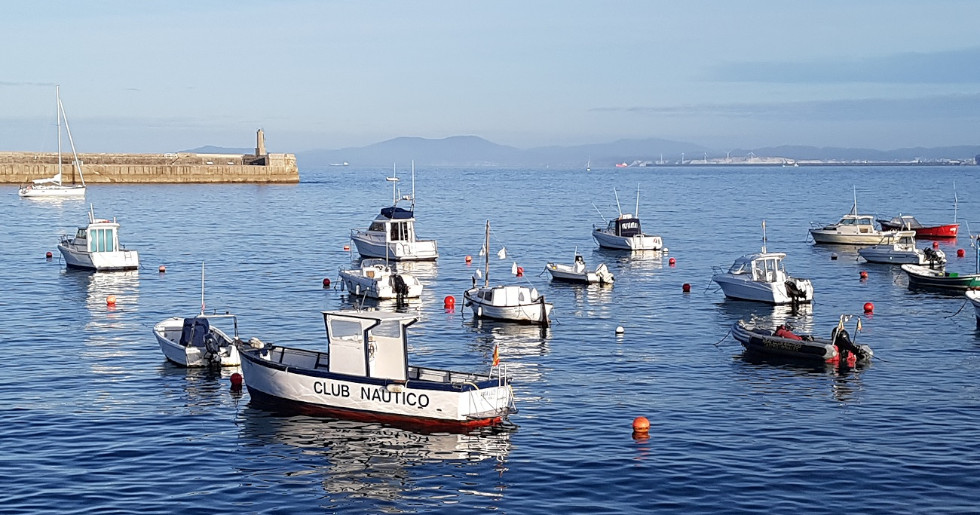
Written by Stephanie Mutsaerts Photos by Jesus Caso and Stephanie Mutsaerts Often people think of Spain and what comes to mind is flamenco and guitars or the Alhambra in Granada, or the architecture of Barcelona. But in northern Spain, there is not only a unique and rich culture full of music and history, and a lush green landscape thanks to the plentiful rains, but also an abundance of activities to occupy every type of traveler. This allows them to experience the culture, traditions and beauty of the region in many different and diverse, fun ways. Whether you like to glide through mountains on a bike, or surf on easy, sandy beaches, hike an ancient pilgrimage route, or play a round of golf, there are endless activities on offer in northern Spain, adaptable to anyone’s level or desires. Cycling in Northern Spain Whether you are a passionate pro rider or an enthusiastic novice, the north of Spain has enough bike paths of every kind to keep you happy: sleek roads or gravel, packed dirt, cobblestones, or mud and rock. Taking you through the stunning Pyrenees scenery and vibrant cities, along sweeping coastlines and through enchanted forests, this area has everything to offer cyclists. The opportunity to stay in top-notch hotels and eat at the best restaurants, along with immersion in the traditional ways of life and cultures, allows cyclists to really enjoy and understand this part of the world. It is noted throughout Spain as the best area for cycling, and the drivers show respect for people traveling on two wheels. It is common on the weekends to see plenty of riders flying down smooth, hilly roads, or pumping up a steep mountain pass. For more relaxing rides, there are the Via Verdes, a series of routes made on old railroad tracks, which are generally flat and fun for families to cruise along. You can follow the coastline and enjoy the vistas and beautiful sandy beaches. The Tour de France often dips down into this area, and La Vuelta, Spain’s annual bike race always includes a portion in the Pyrenees. It is also possible to join the famous Camino de Santiago, and bike with other pilgrims on this historic path. There is no question that if you love cycling, you will be blown-away by the options for world class riding in northern Spain. Hiking and Trekking in Northern Spain There is no doubt that the Camino de Santiago is now one of the most famous hikes in the world. Winding down from France, through the Pyrenees or down along the Basque Coast, this route is actually a pilgrimage. Dating from the medieval era it was, even then, the third most trodden pilgrimage route only after the ones to Rome and Jerusalem. There is evidence that it was a route long before that, according to one legend, as a path following the Milky Way to the end of the Earth. In any case, it is an ancient road, and hiking along it with the other pilgrims through history is an incredible experience, even if just for a day or two. But that is not even close to all of what northern Spain has to offer hikers. Extensive trekking and hiking can be done in the Pyrenees, allowing even the most intrepid to explore wild forests and the top of mountain peaks. Or, walk through the rolling vineyards of Rioja, passing through tiny medieval villages on your way to sampling delicious wines at 300 year old wineries. The coast of the Basque Country is another beautiful area to hike, with views of the Cantabrian Sea and the wide sandy beaches. Stopping for a fresh seafood lunch in a pretty fishing village is one of life’s great pleasures. Plentiful accommodation and high quality eateries make hiking in northern Spain accessible to everyone, including families with children and less avid hikers. Ocean Adventure in Northern Spain Basque Country sits facing the Atlantic Ocean, looking north and westwards, offering a long and beautiful coastline lined with sandy beaches, festive beach towns, and a surfing culture dating back to the 1960s when it trickled down from France’s Basque surf city, Biarritz. By the 70s several “tribes” of surfers had formed up and down the coast at beaches such as Gros, Zarautz, Bakio and Sopela. Zurriola Beach in San Sebastian attracts surfers from all over the world who can take surf lessons and then enjoy the fun nightlife. There are also opportunities to kite surf and windsurf all over that area with schools providing private or group lessons. For the truly adventurous, there are numerous diving shops which take people out to scuba dive and visit rock caves or to look for blue sharks. Sailing is another popular and accessible activity with a fishing and mariner culture that is still thriving. Sailing along the coast into the harbor of San Sebastian at sunset while sipping sparkling wine and eating fresh sardines on bread is unbeatable. For more of a taste of Basque culture, the trainera is a type of traditional rowing boat originally used for fishing in rough seas, but now it has become a popular racing sport with annual competitions called estropadak in Basque (trainera regatta) where 13 oarsmen and women fight it out through waves and choppy seas to be number one. This competitive tradition can be traced back to the fact that the first fishermen arriving from a day at sea would usually get the best prices at the market for their catch. It was essential to be among the first vessels to arrive. Of course there is one last “water sport” and everyone’s favorite: luxuriating on the beach in the sun all day and going for relaxing swims in the blue sea. La Concha beach in the heart of San Sebastian’s Old Town is the perfect spot for this, with a pontoon to swim out to that has water slides, and a great atmosphere. Or you can go further afield along the coast and find wide, empty beaches to have to yourself. Adrenaline in Northern Spain If you are looking for a good rush or two, the north of Spain will not disappoint. Equestrian activities are abundant, with horseback rides over longer distances, or dressage and jumping lessons. Amble through beautiful countryside and medieval towns, through woods and vineyards, past castles and Romanesque churches on well-trained and well-kept horses. Spanish culture is still deeply connected to horses and riders’ expertise and love of them is clear. If speed is more up your alley, there is skiing and snowboarding in the Pyrenees mountains in the winter easily accessible from Pamplona. If you like to get airborne, there are many paragliding schools in the Pyrenees and the best in all of Spain where you can do a tandem jump with an experienced professional. Soaring high over the mountains and forests of the Pyrenees is simply magical. The Pyrenees also provide great rock climbing, both sport and trad with hundreds of accessible routes for all levels. And of course, if you are very brave (or crazy enough) the north of Spain has numerous summer village and town festivals where you can try to run with the bulls. The most famous bull run is in Pamplona during the San Fermin festival, but plenty of smaller towns have their own encierro (bull run) which are always much less crowded and free of other tourists. This is a truly dangerous activity with no guarantee of safety but it is an incredibly moving and traditional local experience that will provide an adrenaline rush for hours following. Even the spectators get a thrill and a buzz from the event. Whatever your taste in intrepid activity is, northern Spain has some of the best. Relaxing Activities in Northern Spain There are plenty of options for those who prefer to have a relaxing time in northern Spain. There is a culture of hot baths going back to the last century when people came to unwind and relax or recover from health issues. The spas in the area carry on this tradition with plenty of luxury options attached to hotels in beautiful locations. San Sebastian has a famous therapeutic bath house on La Concha beach, where you can move from cold pools to hot pools or out onto the beach to go for a swim in the sea before returning to the baths again. The salt baths at ElGorriaga Hotel and Spa are also divine and will melt away all the stresses of life. Get in lots of massages and treatments so you return from your trip refreshed and glowing. Yoga is also on offer all over the north of Spain. Yoga can be therapeutic as well as great for fitness and flexibility in a gentle way. Breathe deeply, stretch and sweat out the troubles of life on the mat at numerous locations and retreats. And finally, there is golf in La Rioja wine region, on the Basque Coast and Navarra inland in Ulzama. In Conclusion Northern Spain is the perfect place to do any of these activities. With less tourism than other parts of Spain, you can really get immersed in the culture, gastronomy and history, as well as have fun and relax. The area also boasts amazing coastal hikes and even the chance to hike on the Northern Route of the Camino de Santiago. The Basque Coast Hiking Tour gives you the chance to sail into San Sebastian in style on an antique sailboat, docking in the Concha harbor for swimming and sunbathing before a night of pintxos, wine and nightlife. For incredible scenery and luxury accommodation cycle along the Basque coast on the Navarra to the Basque Coast Tour. A Feast for the Senses, is a chance to learn from the best chefs at a private show cooking and dinner experience at a local gastronomic society, so you can take home some of the skills to create the food you enjoyed so much. Regardless of your style of travel, whether meandering and luxuriating or cycling and high activity, or a good mix of both, the one thing that will blow everyone away is the unending brilliance of the local cuisine couched in warm hospitality, in all its forms. If you are looking for an adventure Northern Spain Travel will certainly create one that is just right for you.
Easter Weekend
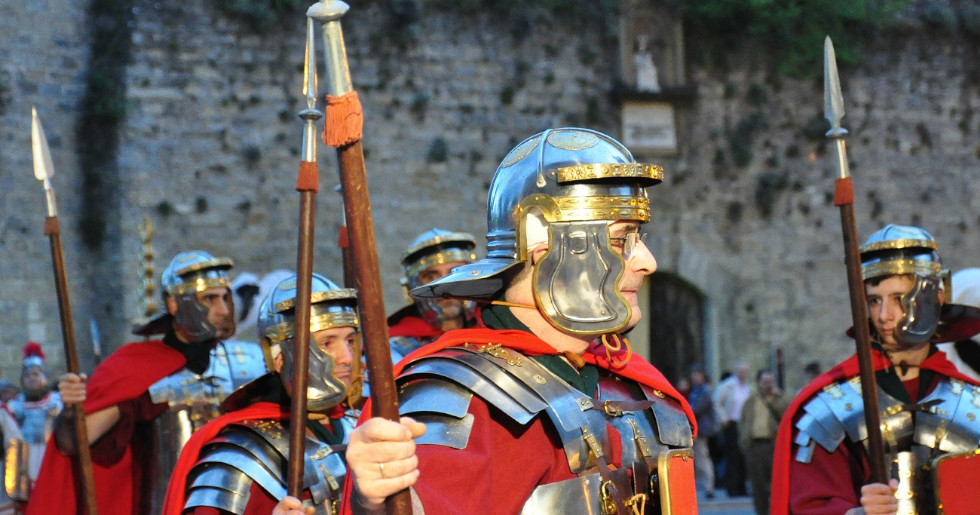
Written by Stephanie Mutsaerts Photos by Jesus Caso and Stephanie Mutsaerts Religious and not-so-religious activities The Easter Procession We came to northern Spain for the Easter weekend. Easter is a time of public religious celebrations – mostly in the form of processions through the ancient city. Groups, or guilds, carry heavy floats depicting scenes from the story of the passion, the stages of Christ’s arrest, trial, and crucifixion. Participants are dressed as Roman soldiers, residents of Jerusalem, or other characters that are part of the Easter story. Many carry lighted candles, palm fronds, weapons – whatever fits their part of the story. Musicians in bands also form part of the procession which moves slowly through the streets either to the beat of the music or to the beating of drums that set the pace. The floats are very heavy so frequent stops are made to allow the bearers to step aside and let new bearers take their place. While carrying the floats on shoulders is the traditional method, one of two floats on wheels that are pushed like hand carts have also been observed – these seem to lack the true sense of penance that is part of the Easter tradition however. We were able to observe a procession from the balcony of our luxury apartment in the old city centre. Lanz during Easter Pamplona is a city of ancient streets and buildings, surrounded by successful industries and some dense areas of apartment blocks. The greater city, in turn, is surrounded by rich green rolling hills, dotted with tiny villages and farms. On Easter Saturday our Northern Spain Travel guide took us to the local village of Lanz to get a feel for Navarran rural life. It was a fairly short journey to the village but the contrast between city and village life was striking. We walked the main (the only) street and enjoyed the stillness, the architecture, the bird song. It was definitely worth exploring this small, bucolic treasure, unwinding and relaxing before returning to the bustle of Pamplona. Easter Evening Mass in Spain That evening our guide picked us up and accompanied us to midnight Easter mass in the cathedral. As we walked uphill through narrow streets towards the cathedral we were startled by a very loud cracking and rattling. It sounded almost as though some sort of armed insurrection was underway! The noise we soon realized was coming from one of the cathedral towers from a huge wooden drum covered with wooden spikes which rattled as the drum was rotated – the signal to the town, at a time when the bells were silenced for the days leading up to Easter Sunday, that mass was about to start. The Easter weekend mass was quite a grand ceremony, spectacular with candles, bells, organ, singing, incense, costumes, processions etc. Bunkers from the Franco Era Easter weekend Sunday was a quiet day (our choice) but things became busy again on Monday (a holiday here in Spain). With our guide we drove out into the mountains making our first stop at a cafe on the Camino de Santiago (the pilgrim route to Santiago). Many pilgrims were already there, enjoying coffees, sausage, pastries, etc. outdoors in the sunshine. We talked to pilgrims from France, England, Canada, and Australia and wished them Buen Camino as they headed down the path, staff in hand, the symbolic scallop shell of Santiago pilgrims bouncing jauntily on their backpacks. With our guide we walked through a local nature preserve in search of bunkers that had been built during the Franco era. Franco had planned 10,000 of these bunkers all along the Pyrenees but only 6,000 were built. They were to deter the French, later the allies, and later still the Spanish who had fled from Franco during the civil war, from entering the country. The bunkers were never used and their existence was denied until about 10 years ago but now they have become of archeological interest and tours o bunkers, most of which are tucked into the mountain sides, are available. We found two of the bunkers – one in very good condition, the other all overgrown with weeds and brambles. In the years since they were built many have been used as animal shelters or storage barns by the locals who were aware of their existence despite the fact that they were supposed to be secret and hidden. Our guide was not only a history buff, but also a naturalist, archaeologist and general explorer of the area. He talked about plants, mushrooms, ferns, bird feathers – in many cases producing examples of the things he was talking about – a sort of Show and Tell of the area! One particularly unusual find he showed us was the remains of a tiny leather shoe that he had found in a mountain cave. After considering various possibilities regarding the possible history of the shoe, its shape and size, its construction, he hypothesized that it had probably belonged to a female dwarf who had perhaps been part of a travelling carnival troupe. Perhaps she had died in the area and her body left in the cave. Where were the bones? It may have been removed by wolves or other predatory animals that roamed the area until fairly recent times. A story without proof, but it made an interesting tale. Our walk also took us through meadows where beautiful horses grazed …. horses wearing bells with deep tones like the bells worn by mountain cattle. Alas, these lovely horses are bred to be eaten which is a sobering thought for any horse lover or admirer. Our walk ended with a yummy lunch of simple mountain food (no horse meat!!) This tour was tailor made by Northern Spain Travel, and reflects some of the elements of their Hidden Gems of the North Tour
The Weather in Northern Spain
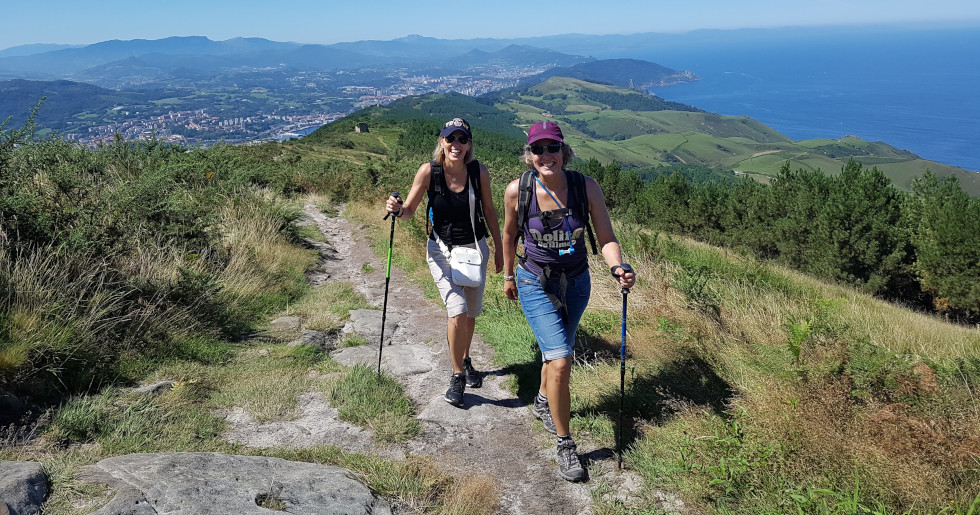
The Weather in Northern Spain Written by Stephanie Mutsaerts Photos by Jesus Caso and Stephanie Mutsaerts Are you planning a trip to Northern Spain? Then you absolutely must look at the one week Northern Spain Tour. The best time to visit northern Spain depends on your passions and your timing options and, of course, the weather. If you are looking for warm days and blue skies the best time to visit northern Spain is the months of June through to late November. But there are other options and Northern Spain Travel offers a series of travel ideas, some of which work well at other times of the year. The “best time of the year” could be any time! The High Season – from June to late September You will be pleasantly surprised by how great the weather is in the high season even though the variations in altitude and overall topographical differences of the region give rise to several mini- or micro-climates. Many travellers select Spain as their travel destination because of its reputation as a good weather destination where the sun shines all year round but this reputation does not always hold true, especially in the north where weather can be a little more unpredictable. It is recommended that you research the regional weather predictions before taking your travel decisions. So – its OK to think about the weather…. If what you are looking for is a high season travel destination that is not overly crowded, the north of Spain should be your choice. While in July and August, tourist-tangled destinations like Barcelona or Valencia are experiencing high humidity, and provinces in southern Spain are suffering from high temperatures, the north of Spain offers temperate weather conditions….so your best choice for both city and country destinations which are not overcrowded must surely be Northern Spain. You want a high season destination but want to avoid a sunburn? Then the north of Spain is a great option. Of course, wherever you choose to travel, applying sun block and avoiding the direct sunlight at peak hours is important, but the north of Spain offers destinations that keep sun intensity to a more comfortable level. As already stated, the north of Spain has a variable climate depending on the specific destination that you have in mind and the time of year you wish to be there. This article briefly describes different places to visit and events that you may wish to participate in – so possibly the best reason to come to northern Spain. The Weather in the Pyrenees Parts of northern Spain, such as some sections of Aragon and Navarra which are in the Pyrenees, form one of the most mountainous regions of Europe. Some areas offer warm days and cool evenings. Temperatures in the heart of the Pyrenees can reach highs of 38C and lows of 10C degrees, but in general you can expect an average temperature of 26 degrees Celsius/centigrade. You wish to go cycling and hiking? Take a look at this biking trip in North of Spain The weather on the Atlantic Coast For more information on what you can do in northern Spain, check out Northern Spain Travel. The climate of the Atlantic and Cantabrian (Galicia, Asturias, Cantabria and the Basque Country) is predominantly a maritime climate, where you can expect warm summers and mild winters. The humidity level is lower than on the Mediterranean coast, but there may be more cloudy days. The best time of the year to visit the coastal region is between June and November when the weather is generally unbeatable. But then, of course, the weather can be unpredictable even in the summertime. The Weather in the La Rioja Wine Region The weather in the wine regions of Navarra and la Rioja during the months of June to late November typically ensures the optimal months for visiting the area. In autumn these regions are paradise for wine lovers. The autumn weather is mild and the wineries are at their peak activities of harvesting the grapes. The vineyards turn from green to spectacular orange, ochre, and red, thus making the wine regions ideal for wine exploration in the months of October to mid-November. Expect to enjoy the comings and goings of tractors loaded with ripe grapes, and a sweet scent of wine on the breeze. In conclusion, the best time of the year to visit the northern region of Spain is from June through to late November, these being the warmest months of the year, but within this wider time frame you may narrow your selected months depending on the specific regions of the north you would like to explore and the activities you wish to engage in. Weather for Golfing in Northern Spain The north of Spain, within its diversity of landscapes, offers some excellent golf courses making this a true paradise for golfers – there are many jewels in the rough (yes, pun intended!) that are not widely known and are pleasant surprises to those who have come to this region with their putters and golf clubs. Just a one hour flight out of Madrid, Barcelona or Frankfurt, the airports of Bilbao, Pamplona, Vitoria or Biarritz will bring you to the golf courses along the Cantabria Coast, in the wine region of la Rioja, or the medieval landscapes of Navarra. While some months are better than others for golfing in The north of Spain, as all true golfers know, any time of the year is a good time to be out on the course! During the summer months from June to November, the temperatures can range from 20 degrees Celsius to 40oC depending on the region you choose to visit for your golfing pleasure. In the months of July and August, the wine regions of Navarra and La Rioja can easily reach upward of 40 degrees which for most is a little too hot, however, golf in these regions in the months of June, September, October and November is considered ideal. Perhaps choose the months of July and August for golfing in the coastal Basque lands and the Baztan region of Navarra which remain cooler and where the sunshine is your happy companion. Thinking of travelling to Northern Spain? In conclusion, the best time of the year to visit the northern region of Spain is from June through to late November, which are the warmest months of the year, but this will depend on the specific regions of the north you would like to explore. For more information on customized travel in northern Spain, check out Northern Spain Travel.
San Saturnino in Pamplona
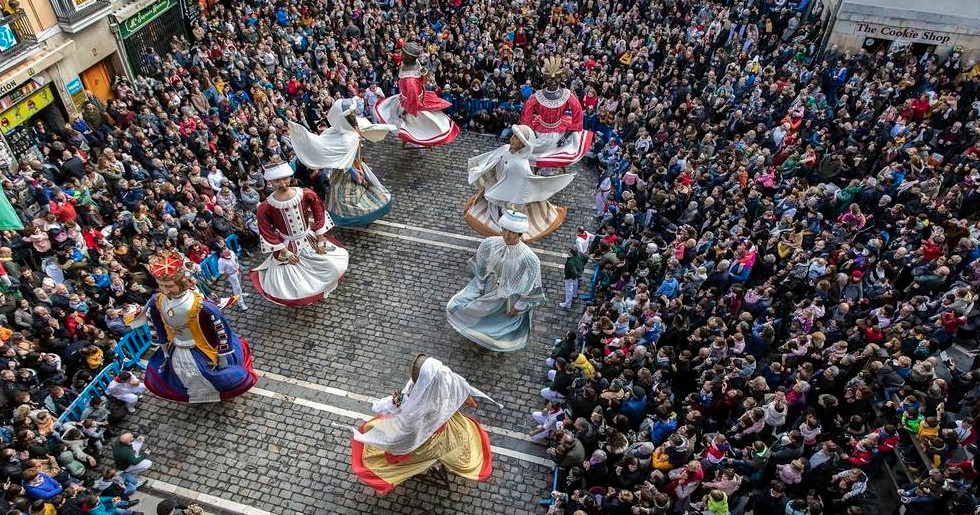
While Bulls May Run…Giants Can Roam… Written by Tim Pinks Photos by Jesus Caso and Stephanie Mutsaerts ‘Cos it’s not just bulls that run in the streets, but giants too… Pamplona is a magical, mythical town, to those of us who love it and it’s people. Placed at the heart of the beautiful, once-upon-a-time Kingdom of Navarra in Spain, it is the shining jewel in that region’s crown. The town is famed of course for it’s annual Fiesta of San Fermin, and it’s legendary Running of the Bulls. But it is known for many other things too. Ernest Hemingway for one, whose book The Sun Also Rises/Fiesta brought the town to worldwide attention. It also lies on one of the ancient ways to Santiago de Compostela, so every year thousands upon thousands of pilgrims, walkers and adventure seekers pass through the town. And there is so much more… The Patron Saint of Navarra San Francisco Javier But being a Spanish region, it also has it’s fair share of saints. And three directly connected to Pamplona. One of the Patron Saints of Navarra is San Francisco Javier, a Navarran cleric and an extraordinary man who travelled Asia in the Middle Ages and ended up in Japan. Then of course there is the aforementioned San Fermin, native of the city, first Bishop of Pamplona and also the Patron Saint of Amiens in France. The co-patron Saint of Navarra San Fermín That honour goes to one San Saturnino, also known in the city under his French name, San Cernin, and the church of the same name lies at the very epicentre of Pamplona’s old town. Which is a wee story in itself and worth briefly describing the history of. The original Pamplona began as a place called Iruña, which is also the other name for the town as it is the Basque/Navarran name. Iruña literally means ‘town’ or ‘city.’ La Ciudad de la Navarreria in other words. Navarreria is the first and original street. After many centuries another wee village sprang up nearby, only a matter of a minute away. This settlement became known as El Burgo de San Cernin. Then a third sprang up a couple of centuries later. La Población de San Nicholas. Neighbours being neighbours…they constantly fought. (I blame Patxaran, the local firewater…but that IS another story!) But Fermín is also the other co-patron of Navarra, along with Francisco Javier. Many people think or assume he is also patron saint of Pamplona…but – spoiler alert! – he isn’t. Our Patron Saint of Pamplona San Saturnino In 1423 the then King of Navarra, Carlos the Third, enacted the Privilege of the Union, that united the three places under the name of Pamplona. And that, very basically and simply, is how the city we know and love today came to be. The co-patron Saint of Navarra San Fermín The patron saint of Navarra San Francisco Javier The patron saint of Pamplona San Saturnino So…San Saturnino is the city’s patron saint, and his big day, his Feast Day, is on November 29th. He was Bishop of Toulouse and is said to have baptised the young Fermin of Iruña towards the end of the 3rd Century. As with many of these things that happened so long ago, there is very little proof of these stories and legends…but if you believe, perhaps it is true… Spain being Spain, and especially Pamplona being…well…Iruña…The Feast Day of San Saturnino is a big thing. And as alluded to in the title, although no bulls are let loose to run in the streets, some mythical and magical figures do come out to play. La Comparsa – The Troupe of Giants Giants! And Half men-Half horses, and Little Big heads, and old Vinegar Face, and Napoleon, and…but yet again, they are another story in themselves. Known collectively as La Comparsa – ‘The Troupe’ is how I translate – their Spanish names conjure up another world… Los Gigantes, Cabuzedos, Zaldikos…they all come out to play at various times of the year, and that includes The Feast day of San Saturnino. Mass in the San Saturnino Church Mass is then celebrated in the church, with music provided by the Orfeon Pamplones and the Orquesta Sinfonica de Navarra, and around midday or just after the whole entourage return to the Plaza Consistorial, the town hall square… … Where again the Giants will come alive before your eyes and dance. If you just watch the faces of the children and the look of wonder in their eyes as they see these paper mache figures reborn as living and dancing giants…well, just close your eyes for a second, imagine yourself as you were at their age…then open them again and you’ll feel that wonder and magic. San Saturnino church is right by Plaza Consistorial, the town hall square. San Saturnino and the Giants The Giant’s day is not quite done though, as they have to return home…which includes meandering along Mercaderes and up to the Plaza del Castillo, where farewell is bidden…until once again Giants walk Planet Earth. But the San Saturnino and the Giants have worked their magic because they’ve brought in Pamplona’s official start to festive season. Later, as darkness falls, is the official unveiling of the Nativity scene – which doesn’t do it justice as Spain has some amazing ‘Belens’ as they are called there. (Belen being the Spanish for Bethlehem.) Then the Christmas lights are switched on in the square,(and maybe all over the old town too, I’m not sure) and later on there is music and discussion/light opera/play…take your pick!… and more music at the Theatre Gayarre. And this, folks and folkeros, all happens in one day and heralds the start of Christmas in Pamplona, a special city of wonderful people, amazing traditions and a fiesta without equal. And that, ladies and gentlemen, girls and boys, and ghosts of Christmas’s past…is that! Viva San Saturnino! Gora!
CNN Benefits from Northern Spain Travel Insider Knowledge
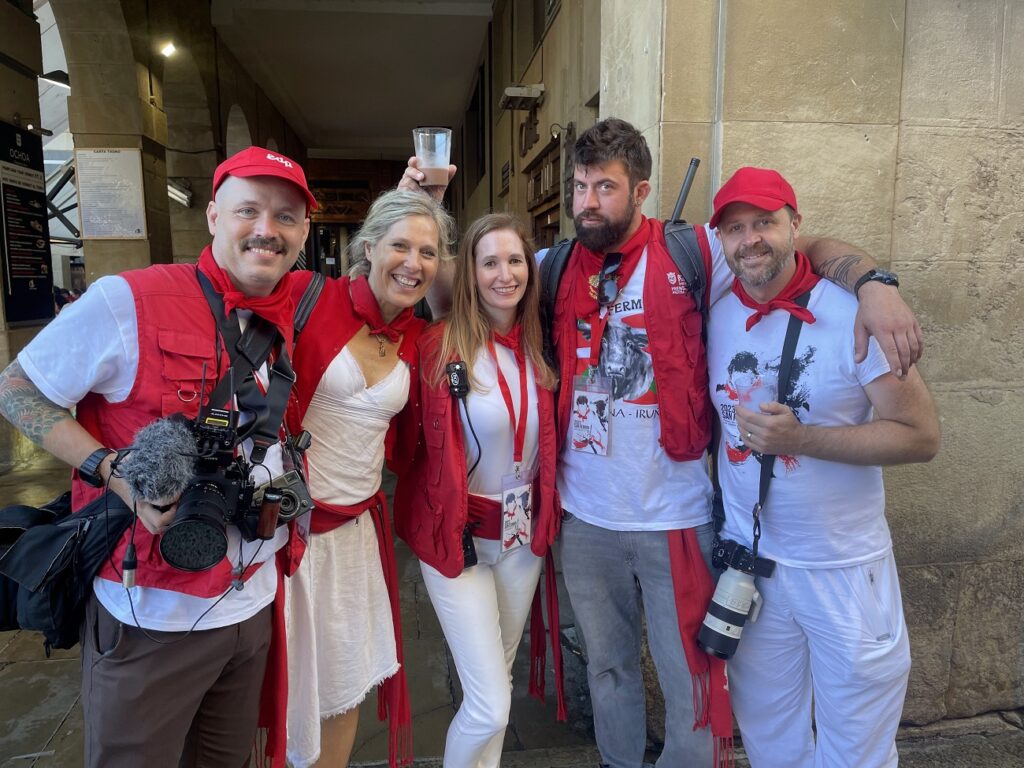
Northern Spain Travel: Adding Sophistication to your Adventure Article written by Stephanie Mutsaerts “It’s a tradition that dates back to the 14th century, but what is it really like to experience running with the bulls in Spain? David Culver heads to Pamplona to explore the lure of running with bulls, as well as the controversy around it.” The Whole Story, an Original CNN documentary Northern Spain Travel oversees ground production Northern Spain Travel is proud to have contributed to the CNN documentary on the running of the bulls, which is both informative and entertaining. It is a classic example of journalists maintaining objectivity while allowing viewers to form their own opinions. Beyond the Bulls: Extending Your Adventures in Northern Spain Explore the lure of the running of the bulls with Northern Spain Travel. The main focus of this documentary The documentary by David Culver focuses on presenting an objective view of the culture and traditions of the running of the bulls in the context of the San Fermn Festival. The result is a stunning documentary that delves into the many facets and hot button issues surrounding bull running and bullfighting, allowing viewers to make their own decisions. Culver’s documentary begins by following the lives of North American runners who return year after year to take part not only in the annual running of the bulls, but also in the weeks and days preceding San Fermn. Surprisingly, only 16 people have died while watching the bulls run since records began in 1910. Culver joins a group of runners who are receiving technique and tactics advice from seasoned competitors. As the race day approaches, Culver decides to don the traditional white pants and shirt, as well as the red scarf worn by runners, in order to experience and comprehend the thrill that so many runners seek. The documentary also addresses the contentious issue of bullfighting, which is condemned by animal rights organizations but considered an integral part of heritage and culture in many regions of Spain. Bill Hillmann from North America: An Important Perspective The CNN documentary, in our opinion, provides the best representation of the Pamplona bull runs by providing a comprehensive account of the runs provided by North American runners, one of whom is Dr. Bill Hillmann, a novelist and professor of creative writing at East-West University in Chicago. Bill Hillmann fell in love with the encierro (bull running) and now runs in several other Spanish towns, in addition to San Fermin in Pamplona, and has participated in well over 100 runs. We highly recommend Bill’s books “Mozos” or his most recent novel “Los Pueblos” for advice or inspiration to be a part of a San Fermin adventure. Bill Hillmann does an excellent job of sharing his passions with the rest of the world. Bill Hillmann is giving our Northern Spain Travel guests a private tour of the running of the bulls. A Personal Highlight of the Dangers of Running with the Bulls The Risks of running with the bulls One of the documentary’s personal highlights was seeing Tasio Blazquez, the 22-year-old son of Northern Spain Travel’s founder Steph Mutsaerts in action. Tasio tripped and fell in front of the entire herd on July 8th, the day the bulls from the Cebada Gago ranch ran the course, right where the CNN cameras were filming. Tasio had no idea where the cameras were, and the CNN crew had no idea who Tasio was. He was clearly performing for the cameras, making it a hilarious and awesome moment for his fifteen minutes of fame. Northern Spain Travel founder Steph Mutsaerts recounted the event as follows: “Here’s how the story goes: I wake up to a phone call from Ander Echanove, a Basque/North American runner and novelist, informing me that Tasio had been trampled by the herd but was fine. As I learn more, I realize that the fall occurred precisely where the cameras were installed. I tell CNN producer Natalie, ‘You must have seen my son get trampled today because it was exactly here’ (I point to the location). ‘That was your son?’ Natalie asks, puzzled. We witnessed the entire incident, in which the entire herd jumped over him and he miraculously escaped unharmed. We were going to interview him, but he bolted into the crowd. ‘And this is how Tasio was interviewed and filmed as he described a local runner’s experience running with the bulls.” Northern Spain Travel Gives Thanks: CNN Production Behind the Scenes First and foremost, we’d like to thank Bill Hillmann for recommending us to CNN as the best fixer in the region, with the know-how and contacts required to make this documentary a success. Second, it was a true pleasure to work with the lovely people behind this CNN production, the ‘A’ team, which included producer Natalie Angley, reporter David Culver, and cameramen Jordan Guzzardo, Martin Bourke, and Joe Teahan. David Culver is an incredible journalist, an incredible interviewer, and a kind and sensitive soul. He truly entered our community with an open heart, as evidenced by the film. The Trailer for the CNN San Fermin documentary Northern Spain Travel invites you to experience the allure of running with bulls Sign up for one of our tours to experience San Fermin from the inside. We offer packages that combine some of Spain’s best festivals, museums, gastronomy, and wine experiences. In a San Fermin experience, we highlight the true essence of Spain’s greatest festival of all. San Fermin is a once-in-a-lifetime ‘must’, a true bucket list adventure. Highlights of a sample package San Fermin from the inside. Watch the running of the bulls from the right balcony. Join us to private venues for insider cultural experiences. Day trip to to the wine regions from the historic and modern wineries. Boutique accommodation throughout your journey. Photos by Stephanie Mutsaerts
8-Day Luxury Walking Tour in Menorca
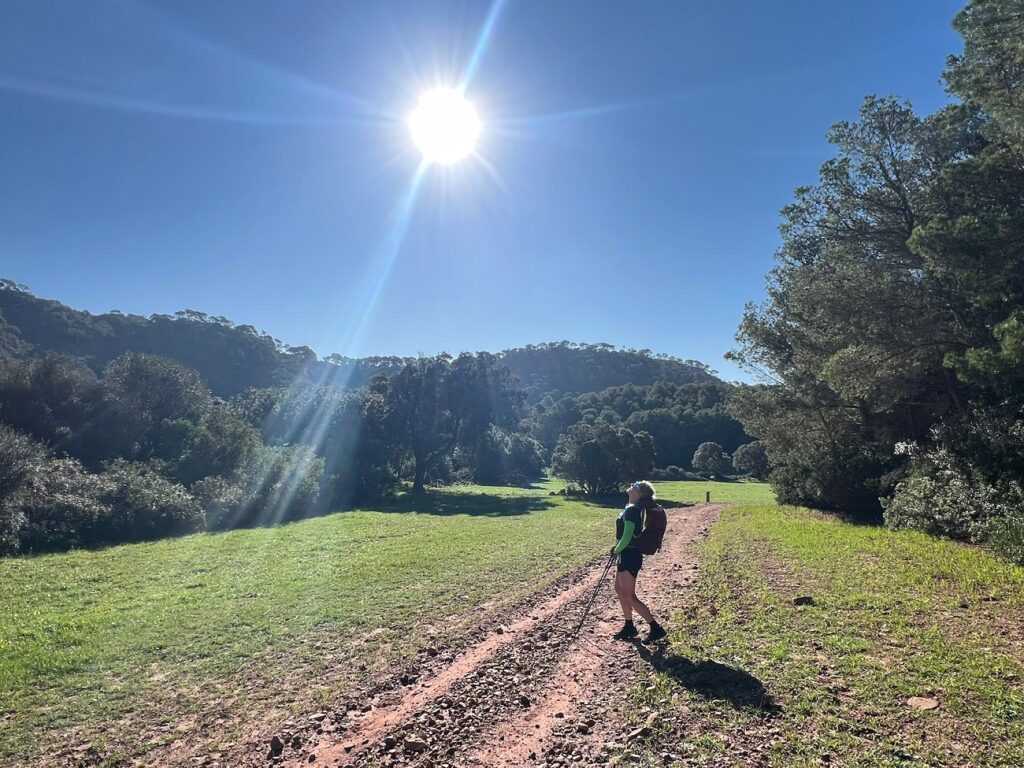
A Journeys with Soul: Menorca Article written by Stephanie Mutsaerts Northern Spain Travel Presents The 8-Day Walking Menorca Journey Learn more about this tour Journeys with Soul: Menorca A Walking Pilgrimage of Flavor, Silence, and Stone For eight days, Menorca unfolds not as a destination, but as a presence. You walk along its rugged coasts and through ancient pine forests, guided not by a map, but by the sound of wind in fig trees and the scent of wild rosemary. This is a journey for those who travel not to escape, but to encounter — the land, the silence, the self. Explore the lure of Menora with Northern Spain Travel. Menorca: A Hidden Jewel of Tranquil Luxury and Timeless Beauty Far from the bustling crowds of its Balearic sisters, Menorca is a sanctuary for discerning travelers seeking unspoiled nature, refined experiences, and quiet elegance. Designated a UNESCO Biosphere Reserve, the island offers a harmonious blend of wild Mediterranean landscapes, ancient history, and sophisticated charm. For hiking enthusiasts, Menorca is a dream. The legendary Camí de Cavalls, a historic coastal path encircling the island, guides you through a kaleidoscope of dramatic cliffs, pine forests, hidden coves, and rolling hills. Each step reveals a new vista — from turquoise waters framed by rugged rock formations to sweeping countryside dotted with wildflowers and ancient stone walls. Whether you’re trekking a gentle inland stretch or exploring cliffside trails with panoramic sea views, the serenity is unmatched. Gastronomy in Menorca is a deeply rooted and elegant affair. The island’s culinary tradition combines rustic authenticity with modern sophistication. Enjoy fresh-caught seafood, artisanal Mahón cheese, and local delicacies such as caldereta de langosta (lobster stew) in refined seaside restaurants or charming rural fincas. Pair every meal with excellent Balearic wines or a crisp gin tonic made with the island’s own Xoriguer gin, a nod to its British heritage. The true luxury of Menorca, however, lies in its peaceful rhythm. There are no loud parties, only sun-drenched days, golden sunsets over silent coves, and star-filled nights. It’s a place to slow down, reconnect with nature, and indulge in life’s simple yet profound pleasures — all in an atmosphere of understated elegance. Menorca is not just a destination — it is a retreat for the soul. Day 1: When Arrival Feels Like Belonging Mahón, is the island’s capital, where a soft light kisses honeyed stone walls. A private transfer takes you to a boutique hotel where linen curtains flutter with the sea breeze. The pace is already different here. In the afternoon, a private historian walks you through Mahón — its neoclassical façades, hidden staircases to the water, stories carved into limestone. As the sun drops, a private wine tasting offers the first sip of Menorca’s quiet richness. Whites cooled by sea air, reds rooted in clay. Local cheeses complete the ritual. Local Insight: Mahón’s history as a British stronghold lives in its architecture — and in its gin. Mahón’s history as a British stronghold lives on vividly in its architecture — and unmistakably in its gin. During the 18th century, when the British ruled Menorca, they left behind a distinct legacy: elegant Georgian-style buildings with sash windows and neoclassical facades that still define the town’s charm today. But perhaps the most enduring (and enjoyable) remnant is Xoriguer gin, a spirit crafted using traditional copper stills and infused with juniper berries. Originally created to satisfy the tastes of British sailors, Mahón’s gin has become a beloved symbol of the island’s unique cultural fusion and timeless character. Northern Spain Travel invites you not just to visit, but to experience Menorca — with heart, mind, and palate open. Day 2: Listening to the Wetlands From Cala Mesquida, the Camí de Cavalls leads into the s’Albufera des Grau Natural Park — a protected haven of marshes, cliffs, and hidden birdsong. Your guide moves slowly, letting the silence speak. Booted eagles soar above; lizards skitter below. By midday, you reach the stark elegance of the Favàritx Lighthouse. Here, the sea meets stone in a lunar dream. A picnic lunch tastes of olive oil, fresh bread, and the wild. In the afternoon, the Isabel II Fortress welcomes you with silence and wind — a monument to history and resilience. Northern Spain Travel Tip: Let the breeze at Favàritx guide your thoughts. It’s the kind of place that clears them. This is not a walking tour. It is a pilgrimage of senses. A journey with soul. Day 3: Clay Paths and Cliffside Wonder From the golden sands of Arenal d’en Castell, you trace the island’s northern spine — red earth underfoot, sea-glass waters to your right. The path climbs and curls through pine forests and dry stone terraces, toward Cavallería Beach. Here, you pause. Swim. Breathe. The clay cliffs are good for the skin and better for the soul. Afterward, you’re driven west to Ciutadella — a city of candlelit streets and Moorish echoes. A private walking tour with a local guide brings its stories to life. Evening suggestion: Let Ciutadella’s quiet alleys guide you to a tucked-away seafood tavern. No reservations. Just intuition. Day 4: Red Sands and the Geometry of Stone Today’s trail takes you from Cavallería to Cala del Pilar — one of Menorca’s wildest beaches. Reddish sands. Turquoise water. Silence layered in cicada song. Later, you visit Lithica — a former stone quarry turned labyrinth of art and shadow. You walk among carved geometry, cooled by walls that once held sea fossils. It’s not a monument. It’s a meditation. Local Hero: Margarita, the curator, speaks not of construction but of listening. “The stone knows more than we do,” she says. Evening is yours. Ciutadella waits, with its flickering lamps and open doors. Day 5: Memory Etched in Rock You hike along cliffs toward Cala Morell, where the past is carved into the earth. The Necropolis — a series of ancient burial caves — feels less like a ruin and more like a whisper from another time. Lunch arrives with sea views at a quiet cove. In the afternoon, choose your own experience: an archaeological walk, a tasting of Menorcan preserves and wines, or perhaps stargazing under skies that knew the Phoenicians. Flora Note: In spring, wild orchids line the trail like secrets waiting to bloom. Menorca is a haven for nature lovers, and one of its most enchanting treasures is the abundance of wild orchids that bloom across the island, especially in spring. With over 25 species found in its meadows, forests, and coastal paths, these delicate flowers add a splash of color to the island’s already rich biodiversity. From the striking Bee Orchid to the rare Man Orchid, each species reveals a glimpse into Menorca’s untouched ecological heritage. As part of its UNESCO Biosphere Reserve status, the island offers a uniquely protected environment where these botanical gems can flourish in serene, natural beauty. Day 6: Of Cheese, Stone, and Silence From Cala Morell, the trail winds toward the rugged west — past stone huts, grazing sheep, and a stillness shaped by wind. Punta Nati Lighthouse stands at the edge, unwavering. Your afternoon unfolds on a family-run estate. Beneath fig trees and tiled roofs, you taste artisan cheeses, sip local wines, and hear the stories of generations tied to this land. Travel Tip: Be sure to check out the circular dry stone constructions, a technique traditional to Menorca and other Mediterranean regions. This specific formation, with its stepped, circular, almost pyramid-like shape and surrounding curved wall, is a modern artistic interpretation or sculptural installation inspired by ancient Talayotic and dry stone architecture. It’s likely part of an interpretive or cultural walking route on the island — perhaps along the Camí de Cavalls, where art and nature often merge. These constructions celebrate Menorca’s UNESCO-recognized dry stone heritage, which uses no mortar and showcases the skill of shaping and balancing local stone. Day 7: Coves of Farewell On your final walk, you follow the island’s southern coast — Cala Macarella, Cala Turqueta, Son Saura. Water like cut glass. Sand fine as flour. Each cove is a farewell in slow motion. You lunch by the sea, your steps now measured not by distance, but by gratitude. Back in Mahón, your last night invites reflection — and perhaps one final toast. Day 8: The Quiet Departure You leave not hurriedly, but softly — with sun on your skin and salt in your hair. The landscapes of Menorca have walked with you. And you, with them. This is not just a holiday.It is a return — to stillness, to taste, to self. Photos by Stephanie Mutsaerts