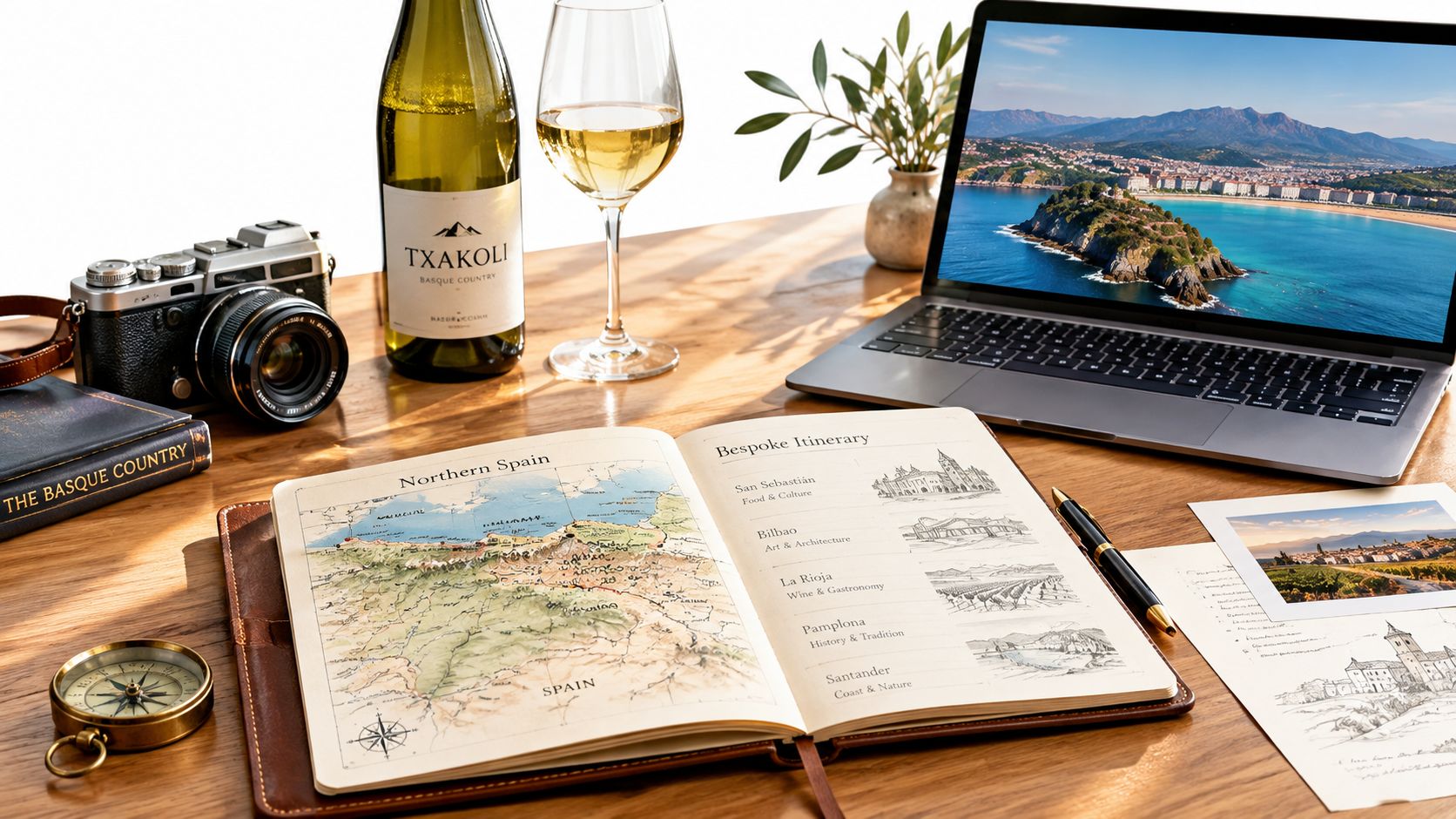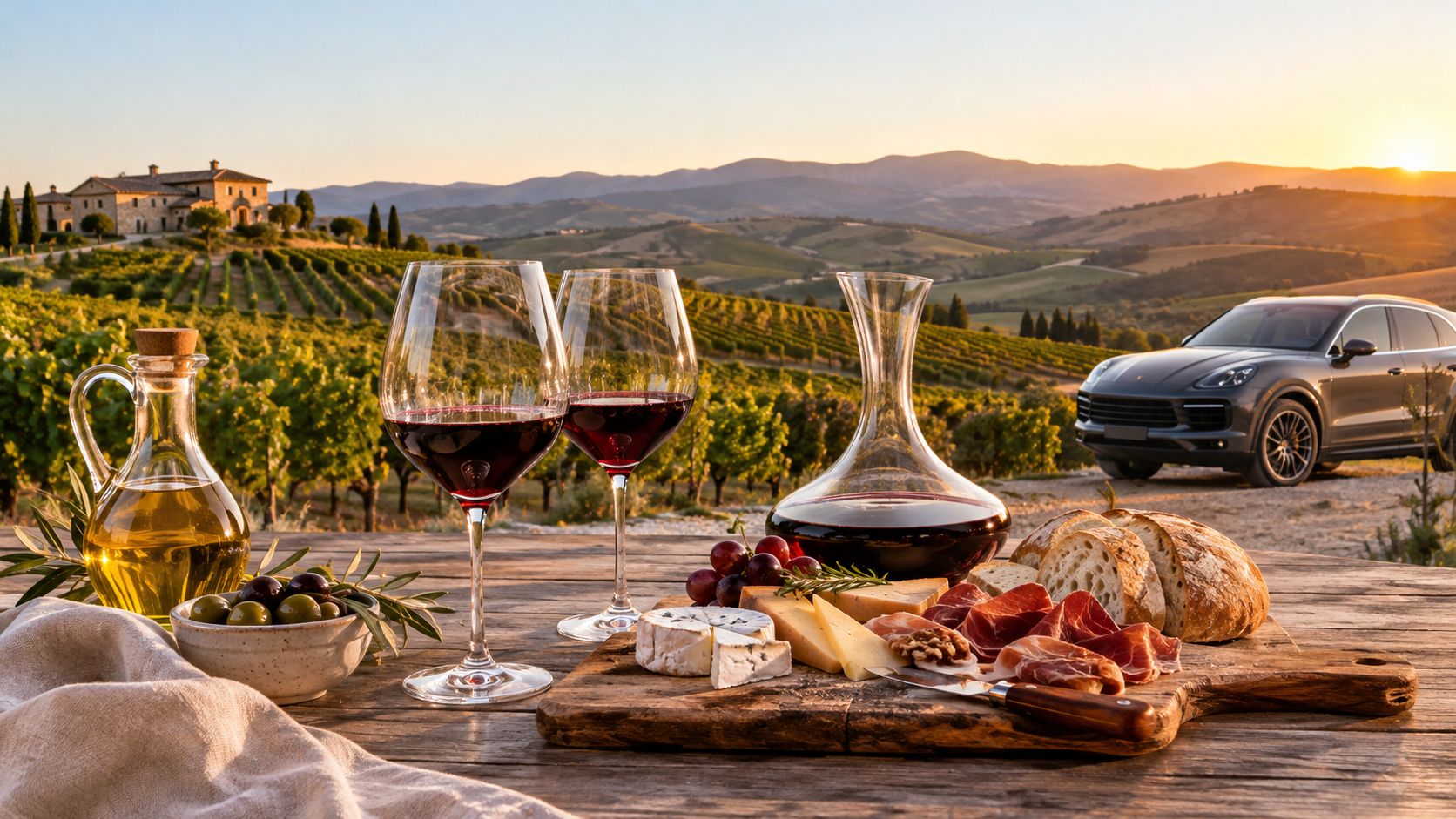
Northern Spain's cheese culture isn't built around one famous wheel. It follows a map of Atlantic pasture, green coastal valleys, protected sheep country, and high mountain caves. The northern Atlantic dairy belt, covering Asturias, Cantabria, Galicia, and the Basque Country, concentrated 79% of Spain's dairy farmers and 59% of Spanish dairy production in 2013, according to research on farm diversification in northern Spain. Cheese products also represented 54.1% of total sales among the surveyed farm-diversification businesses in that study, confirming the product's central role in the region's rural economy.
That depth makes choosing difficult. A creamy Cantabrian cheese suits a coastal lunch, while a smoked sheep's cheese belongs beside Txakoli, and an intense blue can become the defining moment of a mountain day. The best cheeses in northern Spain are best understood through milk type, region, aging, intensity, and access, not through a single ranking.
The guide below selects eight distinctive cheeses and matches each one to a palate, a place, a season, and a private travel experience. Northern Spain Travel can shape those discoveries into tailor-made journeys built around local producers, restaurants, vineyards, cider houses, coastal villages, and the Picos de Europa.
Table of Contents
- 1. Idiazabal
- 2. Queso de Nata de Cantabria
- 3. Queso Tetilla
- 4. Roncal
- 5. Queso de Valdeón
- 6. Queso de Cabrales
- 7. Queso Casín
- 8. Mahón-Menorca as a Regional Bridge
- Top 9 Northern Spanish Cheeses Comparison
- Build a Cheese Journey Around the Landscape
1. Idiazabal
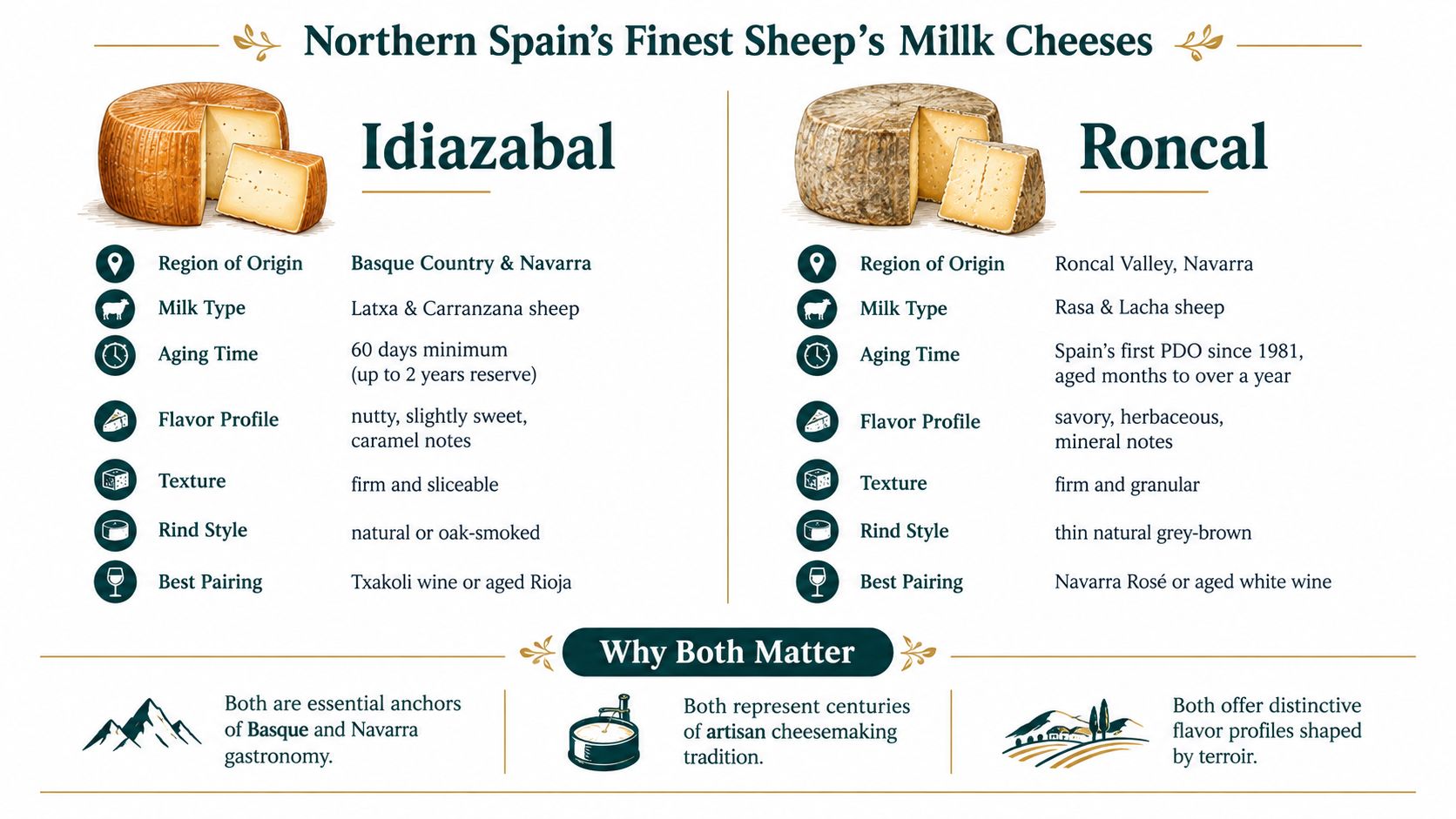
Idiazabal is the essential starting point for anyone drawn to firm, savory sheep's cheeses. Protected Designation of Origin status safeguards its identity across the Basque Country and Navarre, and its history is described as reaching back 8,000 years in a regional overview of Spanish cheeses. Made from native Latxa and Carranzana sheep, it offers a dense texture, nutty flavor, and a finish that can become more pronounced with age or smoke.
Choose the smoked version if you enjoy toasted, woodland notes. The natural-rind style is more pastoral and direct, making it easier to compare the character of the milk with the effect of maturation. Protected-origin status matters here because it gives travelers a clearer connection between the cheese, its permitted production area, and the sheep breeds behind it. Official Spanish materials also place Idiazabal among northern Spain's important origin-certified cheeses, alongside Roncal and several cow's milk specialties. Spain's official cheese catalogue provides useful context for that concentration of regional products.
Best setting and pairing
Serve Idiazabal at room temperature on slate or marble, where its texture and rind can be examined properly. Pair a younger or moderately aged wheel with Txakoli for a crisp Basque contrast, or use aged Rioja when the cheese needs a deeper, more structured companion.
A private tasting near Durango can turn the cheese into an experience shaped by the land. The Idiazabal cheese and Urkiola workshop gives travelers a practical way to connect the cheese with Basque mountain scenery and local production rather than treating it as an isolated tasting plate.
2. Queso de Nata de Cantabria
Queso de Nata de Cantabria is the right choice for travelers who want creaminess without aggressive intensity. Its name refers to cream, and the cheese delivers a pale, buttery interior with a delicate sweetness and a clean pastoral character. Made from cow's milk and protected by PDO status, it reflects the relationship between Cantabrian dairy farms, green pasture, and the region's Atlantic climate.
This is an especially effective cheese for a mixed group. Some guests may want a powerful blue, while others prefer something supple and mild. Nata de Cantabria gives a tasting a polished middle ground, with enough regional identity to feel distinctive but enough restraint to work before a seafood meal or alongside lighter wines.
Serving rule: Keep it cool but not refrigerator-cold. A gentle rise in temperature reveals the buttery texture without overwhelming its delicate flavor.
Put it beside the coast
Use this cheese early on a board, before firm sheep's cheeses and blues. Its soft profile works with crisp Cantabrian whites, light cider, grilled fish, and shellfish. The pairing is particularly effective in a coastal itinerary, where the cheese's creamy character can echo the richness of seafood without competing with it.
A private journey through Cantabria can frame the cheese as part of the Green Coast rather than as a standalone dairy product. The Cantabria travel guide can help place producer visits, seafood restaurants, coastal villages, and mountain scenery into a comfortable route for couples or families.
For a refined lunch, serve thin slices with lightly dressed shellfish or grilled fish. Avoid heavy preserves and intensely sweet accompaniments. Nata de Cantabria is at its best when the tasting leaves room for its fresh cream notes and quiet elegance.
3. Queso Tetilla
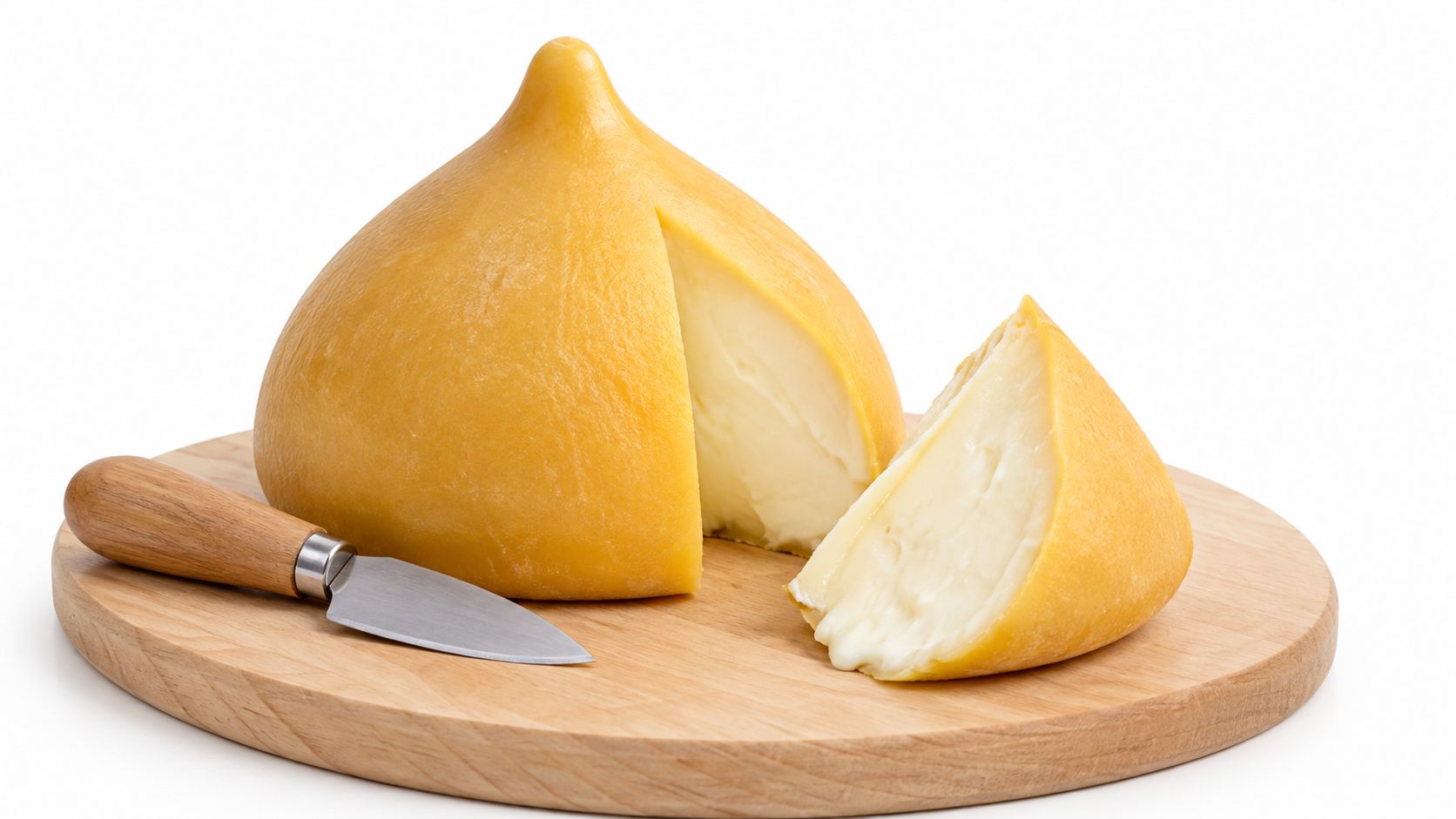
Galicia's Queso Tetilla is immediately recognizable by its distinctive, rounded form, but its appeal goes well beyond presentation. This PDO cow's milk cheese has a soft, buttery interior and a mild, slightly fruity flavor. As it warms, the texture becomes more yielding and can approach a gentle runniness, making it an accessible introduction to Galician cheesemaking.
Tetilla belongs on an Atlantic itinerary. Its flavor is delicate enough for travelers who usually avoid strong cheeses, yet its shape, regional name, and connection to Galician cattle traditions give it a clear sense of place. It's especially effective in a seafood-focused meal because it adds richness without masking the saline character of fish and shellfish.
How to serve it
Bring Tetilla to room temperature before serving. Place it near the beginning of a board, then follow it with more structured cheeses. A crisp Albariño is the obvious Galician partner, while Txakoli offers a similarly fresh counterpoint for travelers continuing east through the north.
Use simple accompaniments. Good bread, mild fruit, and perhaps a small amount of honey are enough. Strong chutneys can dominate the cheese's cream and butter notes.
Galicia's broader cheese identity is more varied than the familiar tourist list suggests. Current Spanish award coverage shows northern recognition extending across Galicia, La Rioja, Asturias, and Cantabria, rather than concentrating only on Basque and Asturian classics. The Cheese from Spain awards listing highlights that wider movement, including Savel from Chantada in Lugo, which won Champion Gold in the 2025 awards.
For a private journey, pair Tetilla with a Galician fishing village, a market visit, and an Albariño tasting. The result is a coherent coastal sequence, not just a stop at a cheese counter.
4. Roncal
Roncal is the choice for travelers who prefer firm, granular sheep's cheese with savory depth. Produced in Navarra's Roncal Valley, it is protected by PDO status and stands alongside Idiazabal as one of the region's defining sheep's cheeses. Its flavor is more mineral and herbaceous than creamy, with a structure that rewards slow tasting.
The valley context matters. Roncal belongs to inland pastoral country, where sheep's milk traditions provide a strong contrast to the cow's milk cheeses of the Cantabrian coast. Official Spanish cheese materials identify Roncal and Idiazabal among the northern PDO sheep's cheeses, reinforcing the importance of milk type when planning a regional tasting.
Choose it for a heritage-focused itinerary
Roncal works best as the firm centerpiece of a Navarra tasting. Serve it after Nata de Cantabria or Tetilla, when the palate is ready for more salt, structure, and length. Navarra rosé offers a lively regional pairing, while an aged white wine can soften the cheese's savory edge without erasing its character.
The cheese also creates a useful historical conversation. Spain's protected-origin system has helped formalize regional identity in cheese production, and Roncal's status makes it a natural example of how a valley's product can become a recognized part of national food heritage.
Practical rule: Buy Roncal from a reputable specialist or directly through a trusted producer connection. The label should be treated as part of the tasting, not as an afterthought.
For travelers visiting Navarra, plan Roncal alongside local cuisine, wine country, and mountain terrain. It gives a private itinerary a clear inland signature and works particularly well for couples who want a slower, producer-led experience rather than a sequence of major cities.
5. Queso de Valdeón
Queso de Valdeón brings the Picos de Europa to the table through blue-green veining, leaf wrapping, and mountain intensity. Its production is associated with the Picos region across Asturias and Castilla y León, and the cheese is known for its distinctive sycamore-leaf presentation. The texture is creamy yet firm, with mineral, herbal, and lightly sweet notes that make it more balanced than its appearance may suggest.
Valdeón is the blue to choose when Cabrales feels too forceful. It has enough character to satisfy experienced cheese lovers, but its sweetness and creamy structure give it a more measured profile. The leaf wrapping also makes it a natural focal point for a luxury board, especially when the tasting is part of a mountain itinerary.
Build the tasting around the landscape
Serve Valdeón after mild cow's cheeses and firm sheep's cheeses. Asturian cider provides a regional, refreshing pairing, while aged Oloroso brings a darker, nutty contrast. Keep the accompaniments restrained. Toasted bread, pear, or a small amount of dried fruit will support the cheese without turning the plate into dessert.
The wider northern cheese scene increasingly rewards travelers who look beyond the most familiar names. Recent award listings place northern blues from Asturias and Cantabria among prominent results, including Valfríu Cabrales and Javier Campo Picón Bejes-Tresviso. That recognition supports a broader approach to the region, one that includes protected classics and smaller producers gaining attention.
For an affluent couple or private group, Valdeón fits naturally after a scenic drive or gentle walk in the Picos. Use the leaf wrapping as the visual introduction, then let the tasting explain how mountain geography, milk, maturation, and presentation work together.
6. Queso de Cabrales
Cabrales is the dramatic choice. This Asturian PDO blue is associated with natural caves in the Picos de Europa and carries a bold, spicy, herbaceous profile. Its creamy yet crumbly texture and blue-green veins make it an unforgettable finish for travelers who actively seek intensity.
Don't serve Cabrales first. Give guests a small portion after lighter cheeses, then pause before adding another strong flavor. Natural dry Asturian cider is the regional pairing to prioritize because its acidity and freshness clear the palate while keeping the tasting rooted in Asturias.
Make it an experience, not a garnish
Cabrales works best when the production story has room to breathe. A cave-aged cheese tastes different when travelers have already seen the terrain, met a producer, or walked through the region that shapes the local food culture. It belongs beside a Picos de Europa adventure, not buried among generic restaurant accompaniments.
The Cangas de Onís mountain flavors and blue cheese experience offers a practical way to connect the cheese with Asturias's mountain setting. A Cares Gorge route can also end with a Cabrales tasting, giving active travelers a rewarding culinary conclusion after time outdoors.
Cabrales should arrive in a small portion, at the right temperature, with a regional cider and a clear sense of place.
Its intensity makes it ideal for a private tasting of adventurous travelers, but it can divide a multigenerational group. Offer it as an optional finale rather than assuming everyone wants the strongest cheese on the board.
The 2025 Cheese from Spain awards also placed Valfríu Cabrales among the northern cheeses receiving prominent recognition, a useful reminder that Cabrales represents both established tradition and current artisanal achievement.
7. Queso Casín
Queso Casín is the discovery for experienced travelers who want something rare, pungent, and unmistakably Asturian. This PDO cheese comes from the mountains of Asturias and is made from raw cow's milk. Its wrinkled grey-brown rind, pronounced aroma, and creamy interior with mushroom, herb, and spice notes make it a focused tasting rather than a casual snack.
Casín demands context. It isn't the cheese to place anonymously on a crowded board, where its aroma may overwhelm milder products and its production story will disappear. Serve it as a standalone course for one or two guests who enjoy challenging, highly individual cheeses.
Plan access before departure
Availability can be more limited than for better-known northern cheeses, so producer access should be confirmed before the itinerary is finalized. Ask a specialist guide or local host to arrange the tasting, verify the cheese's condition, and explain how it has been matured. That preparation is especially important for private journeys built around rare local access.
Pair Casín with Asturian cider or a mature, fortified wine such as Oloroso. The acidity and oxidative notes provide enough contrast for the cheese's earthy profile. Serve it with plain bread and avoid elaborate garnishes.
Casín suits the traveler who wants a story few visitors encounter. It can anchor a day of mountain villages, quiet roads, and conversations with artisans, especially for a couple or small private group that values depth over a checklist of famous sights.
The right serving sequence is simple:
- Keep the portion small: Its character is concentrated, so a little gives guests time to understand it.
- Protect its condition: Use careful wrapping and suitable transport if the cheese is purchased for later in the journey.
- Give it attention: Present the rind, aroma, texture, and finish as part of the experience.
8. Mahón-Menorca as a Regional Bridge
Mahón-Menorca isn't a northern Spanish cheese in geographic terms. It comes from the Balearic island of Menorca, yet it has a legitimate role in a broader Spanish tasting because protected regional products often travel through the country's specialist restaurants and cheese networks. Including it makes sense as a deliberate comparison, not as a claim that it belongs to the Cantabrian or Atlantic north.
This PDO cow's milk cheese has a pale interior, a characteristic shape, and a slightly salty, fruity flavor that becomes more complex with aging. It offers a Mediterranean counterpoint to northern sheep's cheeses and Atlantic cow's milk styles. On a carefully composed board, that contrast helps guests understand how Spanish cheesemaking changes with region, climate, milk, and culinary tradition.
Use it to close the Spanish sequence
Serve an aged Mahón-Menorca after local northern cheeses, especially when the meal is moving toward dessert or a digestif. Albariño and aged white Rioja create two different but effective pairings. The first supplies freshness, while the second emphasizes the cheese's mature, savory side.
Use a younger version for relaxed entertaining and an aged selection when the tasting has a more formal structure. Ask the cheesemonger to explain the cloth-wrapped style and maturation, then position it as an ambassador cheese linking northern Spain to the country's wider gastronomic identity.
For travelers in San Sebastián or Rioja, Mahón-Menorca can appear as a chef's comparative choice alongside Idiazabal, Roncal, or a northern blue. It gives a private tasting a broader Spanish arc without taking attention away from the places visited during the journey.
Top 9 Northern Spanish Cheeses Comparison
| Cheese | 🔄 Implementation complexity | ⚡ Resource requirements | ⭐ Expected outcomes | 💡 Ideal use cases | 📊 Key advantages |
|---|---|---|---|---|---|
| Idiazabal | 🔄 Medium, traditional sheep‑milk methods, optional smoking | ⚡ Moderate, Latxa/Carranzana milk, 60d+ aging, regional sourcing | ⭐⭐⭐, complex nutty, caramel notes; versatile (boards/grate) | 💡 Luxury cheese boards, reserve tastings, pairing with Txakoli/Rioja | 📊 PDO heritage, smoked/natural variety, strong terroir story |
| Queso de Nata de Cantabria | 🔄 Low, semi‑soft cow cheese, straightforward production | ⚡ Low, Friesian/Simmental milk, careful temp handling | ⭐⭐, mild, buttery, consistent and approachable | 💡 Inclusive multi‑generational tastings, seafood pairings | 📊 Elegant presentation, broad appeal, sustainable breed narrative |
| Queso Tetilla | 🔄 Low, simple shaping (conical), washed‑rind care | ⚡ Low, cow milk, room‑temp softening (18–20°C) | ⭐⭐, delicate, spreadable, creamy texture | 💡 Galician coastal menus, spreads, early cheese on boards | 📊 Memorable form, approachable flavor, year‑round availability |
| Roncal | 🔄 High, seasonal sheep milk, traditional aging and patterning | ⚡ Moderate, Rasa/Lacha milk, limited production windows | ⭐⭐⭐, savory, herbaceous, mineral complexity; high heritage value | 💡 Navarra‑focused tastings, heritage centerpiece, seasonal tours | 📊 Spain's first PDO, exclusivity, strong regional identity |
| Queso de Valdeón | 🔄 Medium, blue inoculation plus sycamore‑leaf wrapping | ⚡ Moderate, mixed milks, cave aging (3–4 months), seasonal | ⭐⭐⭐, bold blue, balanced minerality and subtle sweetness | 💡 Dramatic mountain presentations, paired with cider or Oloroso | 📊 Distinctive leaf wrap, visual impact, sophisticated blue option |
| Queso de Cabrales | 🔄 High, cave aging with mixed milks; variable maturation | ⚡ High, seasonal milk, cave conditions, intensive handling | ⭐⭐⭐, intense, spicy blue; highly memorable for adventurous palates | 💡 Standalone finale or small‑portion tastings, mountain storytelling | 📊 Authentic cave‑aged character, dramatic flavor, strong provenance |
| Queso Casín | 🔄 Very High, artisanal underground aging, extremely limited | ⚡ Very High, raw milk, underground galleries, tiny batches (<500/yr) | ⭐⭐⭐⭐, pungent, complex, exceptional exclusivity | 💡 Ultra‑luxury itineraries, connoisseur solo tastings, exclusive moments | 📊 Extreme rarity, unique sensory profile, highest exclusivity value |
| Mahón‑Menorca | 🔄 Medium, traditional island methods; remote supply chain | ⚡ Moderate, cow milk, 2–10 months aging, specialty distributors | ⭐⭐⭐, salty‑sweet, crystalline; versatile across courses | 💡 Cross‑regional comparisons, sommelier‑led tastings, bridge courses | 📊 Distinctive shape, Mediterranean heritage, reliable availability via imports |
| Mahón as Regional Bridge | 🔄 Low, used conceptually as comparative inclusion | ⚡ Low, procure via distributors for educational tastings | ⭐⭐, useful pedagogical contrast to Northern cheeses | 💡 Teach terroir/context, show broader Spanish cheese traditions | 📊 Connects Northern Spain to broader gastronomy; versatile talking point |
Build a Cheese Journey Around the Landscape
The best cheeses in northern Spain make more sense when you taste them in a deliberate progression. Start with Queso de Nata de Cantabria or Queso Tetilla if the group includes guests who prefer cream, butter, and gentle flavor. Both work well early in a meal and connect naturally with coastal food, especially seafood and crisp white wines.
Move next to Idiazabal or Roncal. These sheep's cheeses provide more structure, salt, and persistence. Idiazabal is the more versatile choice, particularly when you want to compare smoked and natural styles or pair the tasting with Txakoli. Roncal is better for a Navarra-focused route, where its firm texture and savory character can sit alongside regional wines and inland mountain cuisine.
Finish according to tolerance and access. Valdeón gives you a blue with balance and visual drama. Cabrales is the more forceful Asturian finale, best with dry cider and a strong connection to the Picos de Europa. Casín should be reserved for travelers who actively enjoy rare, assertive cheeses and appreciate a producer-led explanation. Mahón-Menorca can close a wider Spanish tasting as a regional bridge, but it shouldn't be presented as a local cheese of northern Spain.
Seasonal planning improves the experience, but availability matters more than rigid scheduling. Producer visits, cave-aged cheeses, small-batch wheels, and specialist tastings may require advance coordination. Confirm what can be sourced before travel, especially when the itinerary depends on a particular producer, maturation style, or private visit.
A practical route might begin in Galicia with Tetilla and seafood, continue through Cantabria with Nata de Cantabria, then move east toward Basque sheep's cheeses and Navarra's Roncal. Asturias provides the mountain finale, with Valdeón, Cabrales, or Casín paired with cider, village visits, and soft adventure. The result is a journey where every cheese answers a geographic question: coast or mountain, cow or sheep, gentle or intense, everyday pastoral tradition or rare artisan production.
Serving technique matters too. Bring firm cheeses to room temperature, cut portions modestly, and taste from mild to strong. For after-dinner pairings, these cheese board and whiskey pairing tips can help you choose a spirit that supports mature, savory cheeses without overpowering them.
Northern Spain Travel can turn this framework into a private itinerary around tastings, markets, cider houses, vineyards, coastal villages, and Picos de Europa experiences. Its tailor-made journeys are designed for private couples, families, celebrations, and food-led travelers who want local access with comfortable logistics and expert planning. Ask for producer availability before confirming the route, then build the trip around the cheeses that best match your palate, pace, and appetite for discovery.
Northern Spain Travel designs private, tailor-made journeys that connect exceptional cheeses with mountain creameries, cider houses, vineyards, coastal villages, and carefully chosen restaurants. Visit Northern Spain Travel to begin planning a food-led Northern Spain itinerary shaped around your preferred flavors, travel pace, and access to local producers.