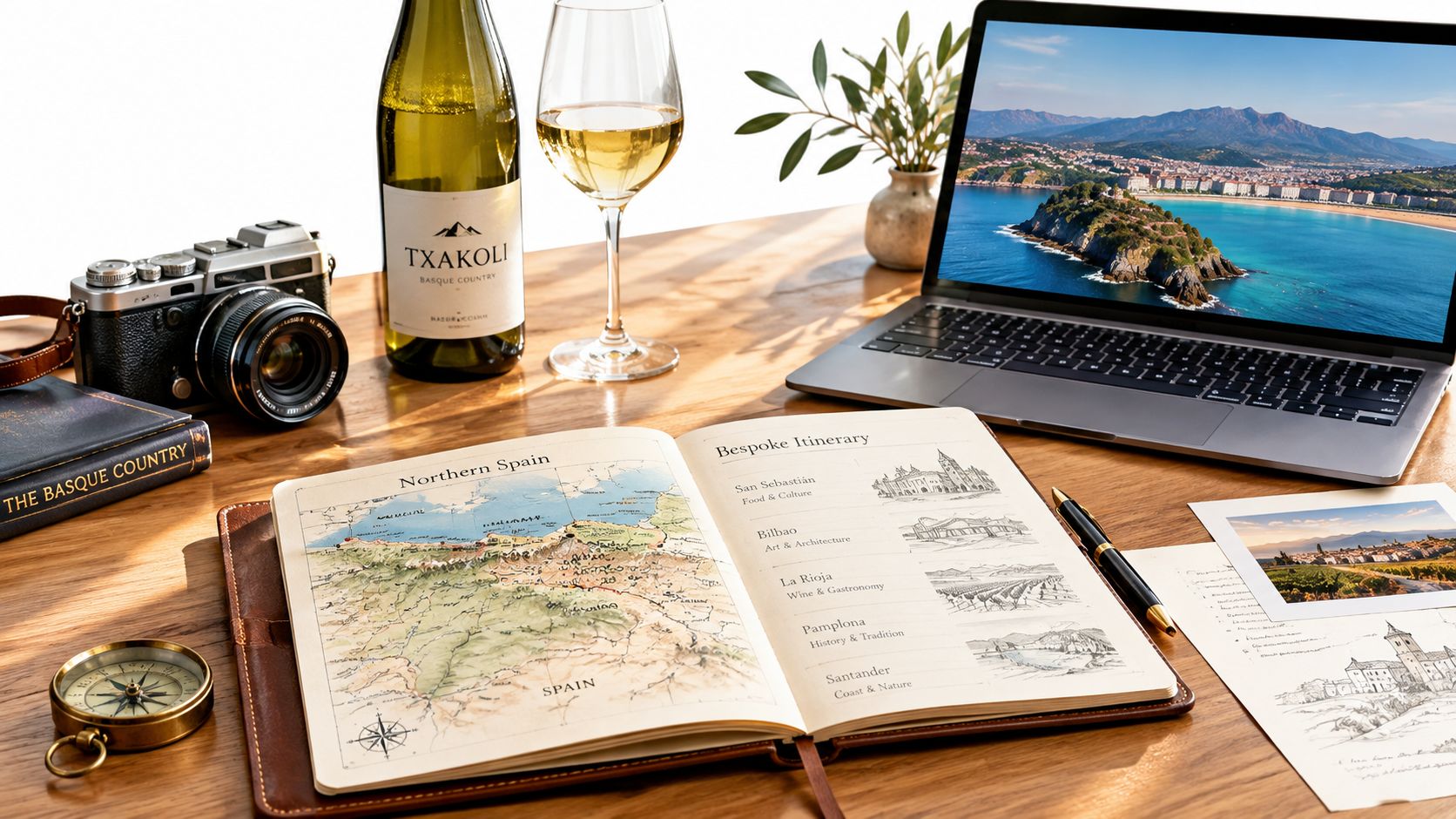
The strongest food itinerary in northern Spain isn't a checklist of famous restaurants. It combines celebrated tables with markets, working harbors, family bodegas, mountain producers, village kitchens, and the terrain that gives each ingredient its identity. That's why the best food towns in northern Spain suit different travelers for different reasons.
San Sebastián is the choice for Michelin prestige and polished pintxos culture. La Rioja is the natural base for serious wine immersion. Bilbao adds contemporary cooking to museums and urban design, while Navarra offers seasonal produce and rural authenticity. Along the coast, fishing villages put seafood and maritime traditions first. Asturias brings cider, mountain cheeses, and hearty cooking, Galicia delivers Atlantic food heritage, and rural villages offer the most hands-on access to producers.
Northern Spain Travel shapes private, tailor-made journeys around those distinctions, with hand-picked hotels, private drivers, guides, chefs, winemakers, and local insiders. Reserve headline restaurants and exclusive winery visits early, particularly for peak dates. Shoulder seasons often make the experience calmer, while nearby destinations can be combined efficiently with a private driver rather than a rushed sequence of day trips. For broader inspiration, explore these Food Escapes.
Table of Contents
- 1. San Sebastián The Culinary Capital of Spain
- 2. La Rioja Wine Heritage and Gastronomic Traditions
- 3. Bilbao Contemporary Culinary Innovation and Urban Gastronomic Renaissance
- 4. Navarra Rustic Authenticity Local Ingredients and Regional Culinary Pride
- 5. Coastal Fishing Villages Fresh Seafood Maritime Culture and Sustainable Gastronomy
- 6. Asturian Gastronomy Hearty Mountain Cuisine Cider Culture and Rural Traditions
- 7. Galician Seafood and Agricultural Traditions Hórreos Rías and Food Heritage
- 8. Mountain Villages and Rural Agritourism Farm Access Seasonal Produce and Slow Food Immersion
- 8 Northern Spanish Food Towns Comparison
- Design the Right Northern Spain Food Route
1. San Sebastián The Culinary Capital of Spain
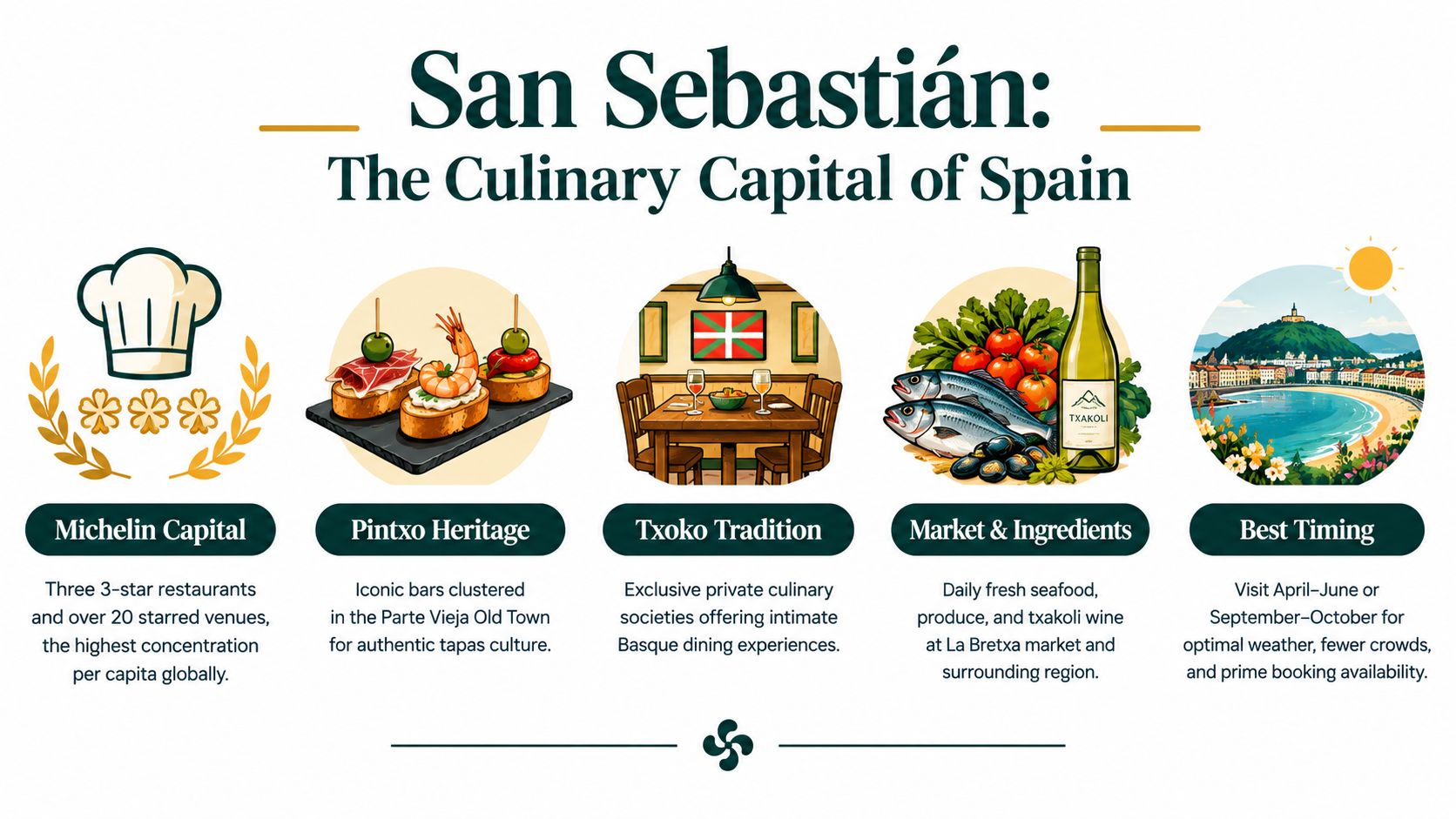
San Sebastián is the clearest answer for travelers who want culinary prestige in a compact, highly polished setting. Official tourism material lists 19 Michelin stars across 16 starred restaurants, including three three-star establishments, Arzak, Akelarre, and Martín Berasategui. The city has a population of about 188,000, and its tourism authority notes that, apart from Kyoto, no place has a greater Michelin-star density per square kilometer. See the official Michelin gastronomy overview from San Sebastián tourism for the city's current culinary profile.
That concentration makes San Sebastián exceptionally practical for a luxury itinerary. You can pair a private pintxo crawl with a Michelin dinner, move between several distinguished restaurants without long transfers, and add a market visit or chef-led cooking experience without losing the rhythm of the trip. The city's identity also extends beyond formal dining. Pintxos bars, txoko gastronomic societies, La Bretxa market, and Basque cooking traditions give the destination depth between tasting menus.
Build the itinerary around contrast
Start with a private market tour before lunch, using La Bretxa's ingredients as the basis for a cooking class with a professional chef. In the early evening, a local food historian can lead a pintxo route through the Old Town, when residents fill the bars and the city's social food culture feels most natural. Follow it with a reserved dinner at a restaurant selected for style and access, not merely fame.
Book the leading Michelin restaurants several months in advance. Mid-week dining is easier to manage, and a private driver should handle excursions to Getaria for Txakoli tastings, particularly when wine is part of the day. Use this guide to San Sebastián's best restaurants and bars to refine the dining portion of a longer route.
Practical rule: San Sebastián works best when you alternate formal meals with pintxos, markets, and producer visits. A succession of tasting menus can flatten the experience.
2. La Rioja Wine Heritage and Gastronomic Traditions
Choose La Rioja when wine should shape the journey rather than accompany it. This is Spain's most celebrated wine region, with a food culture built around local produce, lamb, regional stews, olive oil, and dishes that use wine as both ingredient and cultural reference. The experience feels agricultural and firmly rooted, especially when a private guide replaces the standard coach-tour circuit with visits to family bodegas and small producers.
A well-designed stay should include different generations of winemaking. Begin at a historic estate such as Marqués de Murrieta, then contrast it with a smaller family-run cellar where the owner or winemaker explains vineyard decisions, fermentation, and ageing in a more personal setting. A private sommelier adds technical context without turning the day into a lecture, while a bodega restaurant can provide a farm-to-table lunch paired with wines selected from the surrounding vineyards.
Stay in a wine lodge or a design-led property close to the cellars. The Marqués de Riscal hotel in Laguardia is an obvious immersion choice, while village accommodation can create a quieter, more residential experience. Either way, keep transfers private. Wine visits are more enjoyable when nobody has to drive after a tasting.
Make the table regional
Pair bodega visits with a cheese maker, olive oil producer, or private chef dinner featuring local ingredients. A harvest visit in September or early October gives travelers a closer connection to the work behind the bottle, but it also brings higher demand and more activity in the vineyards. For a calmer route, choose a shoulder-season stay and focus on cellar access, village dining, and vineyard walks.
Private winery appointments should be arranged well in advance, particularly for family bodegas that limit visits. Mid-week scheduling avoids the busiest tasting-room patterns and leaves time for a cooking class that connects regional dishes with the wines. The La Rioja wine tours collection can help shape a route around the right balance of historic estates, personal access, and comfortable accommodation.
3. Bilbao Contemporary Culinary Innovation and Urban Gastronomic Renaissance
Bilbao suits travelers who want food integrated with art, architecture, and city life. The former industrial center now offers a confident mix of Basque tradition, creative pintxos, chef-led restaurants, and contemporary dining. The Guggenheim gives the itinerary a cultural anchor, but the city's strongest days move between the museum district, the Casco Viejo, markets, and neighborhood producers.
Start at Ribera market with a private guide who can explain the ingredients, suppliers, and regional habits behind the displays. Follow the visit with lunch at a market stall or a carefully chosen restaurant, then spend the afternoon at the Guggenheim. In the evening, a food historian can lead a pintxo route through the old quarter, focusing on the difference between traditional preparations and newer interpretations.
Bilbao gives you more flexibility than San Sebastián. You can reserve a highly refined restaurant for one evening, then choose a more informal chef-driven venue or a progressive pintxo route the next. That makes the city especially effective for couples or families with different interests. One guest can spend the afternoon in galleries while another visits a chocolate maker, pastry chef, or local producer.
Match the hotel to the route
Stay in the Ensanche district for modern luxury, easy restaurant access, and straightforward transfers. A private guide should know the emerging dining scene rather than relying only on established names. Book the most sought-after restaurants several months ahead, but leave room for market lunches and neighborhood discoveries.
Visit Ribera in the morning, when the market has energy and food stalls are operating. Reserve pintxos for the early evening, then build in a later dinner only if the group wants a second, more formal meal. Bilbao is a strong base for combining urban food with a private excursion to the coast or wine country, provided the driver and timing are planned around the meal rather than added afterward.
4. Navarra Rustic Authenticity Local Ingredients and Regional Culinary Pride
Navarra is the choice for travelers who value regional character over celebrity. Its food culture centers on seasonal produce, family recipes, proud local identity, and ingredients such as white asparagus, piquillo peppers, truffles, and hearty stews. The region also offers wine, cider houses, traditional restaurants, and agricultural experiences that feel more intimate than the headline dining circuit of the Basque coast.
Build the route around the calendar. Spring is the right moment for asparagus-focused meals and producer visits. Later in the year, truffle hunting in the Pyrenean foothills can pair a walk with trained dogs, a tasting, and a rustic lunch. A local guide makes the difference in rural Navarra, where the story of an ingredient often matters as much as the final plate.
Pamplona can provide the cultural framework, but smaller towns such as Olite or Tafalla offer a more immersive base. A private market visit followed by a cooking class lets travelers work with the same produce they've just seen, while a multigenerational family lunch reveals the everyday side of Navarrese cuisine. In the north, a sagardotegi dinner in Elizondo adds fire-grilled meat, cider, and communal traditions.
Treat San Fermín as a separate planning project
San Fermín requires early, careful planning. Premium balcony access, private guiding, discreet transfers, and restaurant reservations should be secured before building the rest of the itinerary. The event can be exhilarating, but it also brings crowds and a faster pace, so a luxury program needs a quiet hotel base and protected time outside the central celebrations.
Navarra rewards travelers who leave room for the producer, the family table, and the seasonal ingredient. The best meal may be the one that never appears on an international ranking.
Arrange rural visits with guides who can translate both language and context. Book cider houses ahead because smaller establishments limit group sizes, and use private drivers for producer routes. Navarra works particularly well beside San Sebastián or La Rioja, adding seasonal depth to a more prestigious or wine-led itinerary.
5. Coastal Fishing Villages Fresh Seafood Maritime Culture and Sustainable Gastronomy
For many affluent travelers, the most memorable northern Spanish meal happens beside a working harbor rather than in a formal dining room. Getaria, Hondarribia, Bermeo, and Cudillero offer access to seafood, fishing traditions, coastal views, and village restaurants where the ingredient leads. This profile suits travelers who want authenticity, storytelling, and a slower relationship with place.
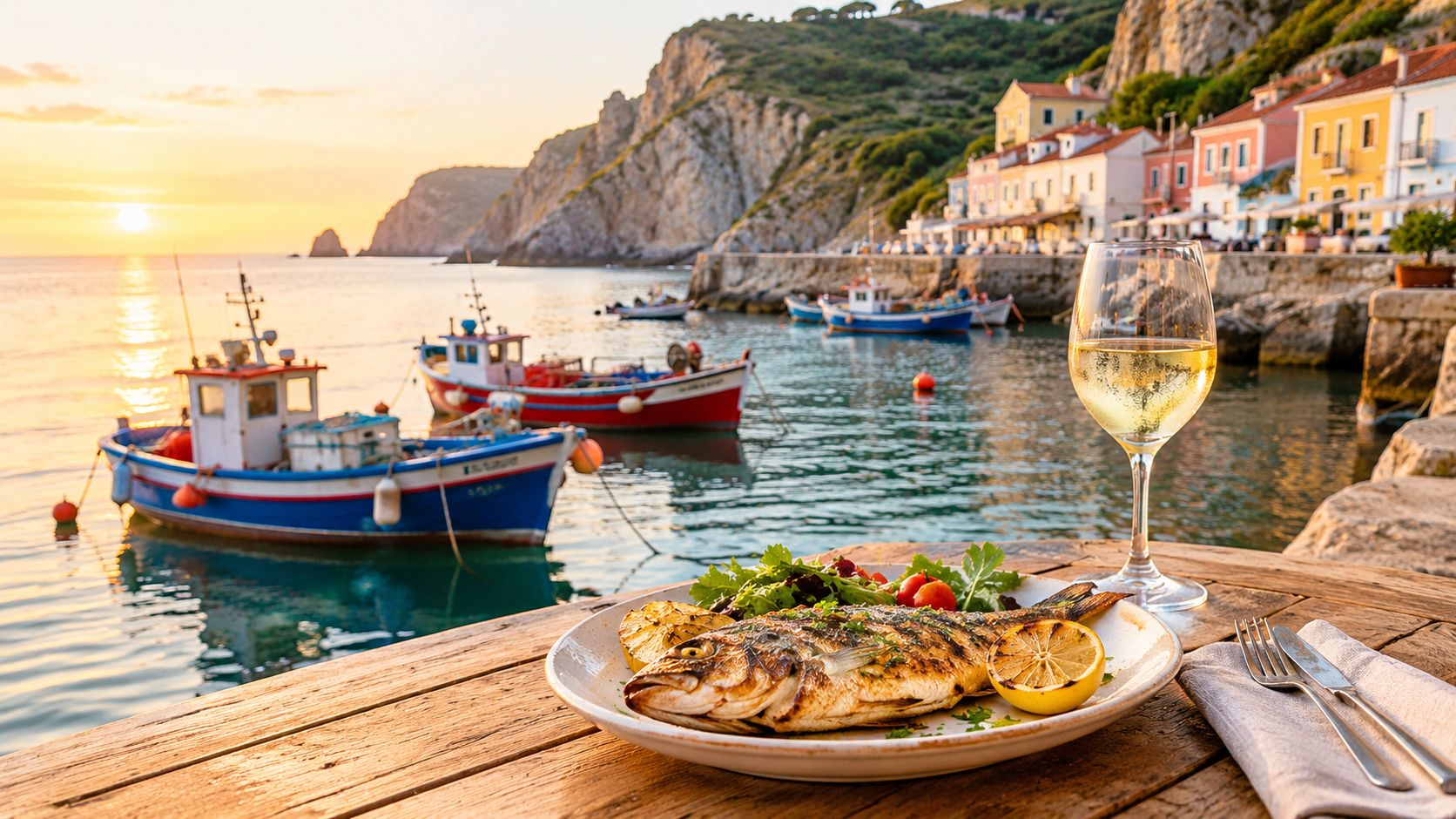
Begin before breakfast with a private market visit and a fishmonger who can explain the day's catch, species, and preparation. A chef-led cooking session can follow, or the group can take the ingredients to a restaurant connected to the harbor. In Getaria, combine grilled seafood with a Txakoli tasting. In Asturias, connect coastal dining with a cider house. In Galicia, pair harbor life with a rías excursion and local wine.
The access has to be genuine. Arrange boat or harbor experiences through local contacts and fishing cooperatives rather than treating the coast as a backdrop for a standard sightseeing tour. A knowledgeable guide should understand fishing culture, seasonal patterns, and the difference between a restaurant built for local regulars and one designed primarily for visitors.
Keep the day flexible
Morning markets are liveliest, but the sea sets the schedule. Weather, landings, and local opening hours can change the order of experiences, so a private driver and flexible planner are essential. Book seaside restaurants mid-week and outside the busiest summer periods when possible.
Add a coastal walk, lighthouse viewpoint, smokehouse, or cider producer so the day doesn't become a succession of meals. Then return to the harbor for a family-style lunch or a restaurant such as Elkano in Getaria, chosen for its culinary reputation and the opportunity to explore the relationship between fire, fish, and place. The experience should feel connected to the coast, not merely located beside it.
6. Asturian Gastronomy Hearty Mountain Cuisine Cider Culture and Rural Traditions
Asturias suits travelers who want food that is generous, regional, and rooted in daily life. The mountains meet the Atlantic in dishes built around fabada, preserved meats, seafood, farmhouse cheeses, and cider. International recognition is lighter than in the Basque Country, which makes Asturias a stronger choice for guests seeking local traditions, spacious routes, and genuine producer contact.
Start with a cider house. Arrange a private visit in Nava with the owner, learn the correct pour, and settle in for a meal designed for sharing. Ask the guide to explain the orchard, fermentation, pouring ritual, and family history without turning the visit into a staged performance. Small, family-run establishments usually provide more character than commercial operators, particularly when a local contact can introduce the people behind the food.
Build a more active day around a Cabrales cheese producer and a market lunch, or walk in the Picos de Europa before eating at a traditional mountain cabaña. A private cooking class can focus on fabada and finish with cider tasting. A charcuterie maker can also demonstrate curing methods before a dinner of smoked meats and regional accompaniments.
Let the terrain set the pace
Asturias rewards spacious scheduling. Mountain roads and small producer visits make rushed day trips frustrating, especially for multigenerational families. Hire a private driver who knows the routes, and choose a comfortable rural hotel or farm stay so the group can rest after outdoor activities instead of returning to a city each evening.
Plan cider visits around the September and October harvest period. Late spring works well for wildflowers and gentle mountain walks, while mid-week stays reduce pressure on smaller cider houses. Farm stays and agritourism visits need advance coordination because many operate on a family scale.
A better Asturian day: producer visit, scenic drive, unhurried lunch, and one meaningful cultural encounter. Leave room for the mountains and avoid filling every hour with transport.
Asturias combines well with coastal fishing villages or Galicia. That pairing gives travelers Atlantic seafood and inland mountain traditions, while keeping each destination focused on the culinary identity it handles best.
7. Galician Seafood and Agricultural Traditions Hórreos Rías and Food Heritage
Galicia is the strongest recommendation for travelers who want Atlantic food heritage with a powerful sense of regional identity. Its rías shape the seafood culture, while villages, farms, markets, hórreos, empanadas, and traditional wine regions create a broader agricultural story. Cooking tends to respect the ingredient rather than transform it beyond recognition, which makes Galicia especially rewarding for travelers who care about provenance and simplicity.
A private boat trip in the rías can introduce shellfish grounds, fishing practices, and the people who work them. Follow it with a cook-your-catch lunch or a harbor restaurant selected for freshness and local character. Other strong experiences include an empanada-making class with a village baker, a pulpo preparation session with an octopus supplier, or a farm stay where the group cooks with ingredients gathered nearby.
Rías Baixas makes a natural wine component. Choose small family bodegas and local wine bars over standardized tasting rooms, then connect the visit to a coastal walk through fishing villages. Combarro is particularly effective for travelers interested in the relationship between architecture, agriculture, and seafood, as explained in this guide to Combarro's cuisine and coastal character.
Travel beyond the summer rhythm
Galicia's coast can become busy in summer, so mid-week and shoulder-season travel generally creates a more relaxed experience. Harvests, shellfish availability, and village festivals should guide the dates. A local guide fluent in Galician culture can arrange access that visitors won't find through generic booking platforms.
Include hórreo villages, agricultural producers, and working harbors rather than planning only restaurant stops. A private driver is especially useful across the region, where distances between rías, wineries, and rural properties can make independent logistics tiring. Galicia is a destination for travelers who would rather understand where a dish comes from than just photograph it.
8. Mountain Villages and Rural Agritourism Farm Access Seasonal Produce and Slow Food Immersion
The most immersive food journey may not have a single famous town at its center. Northern Spain's mountain villages and rural communities offer direct access to cheese makers, vegetable growers, cider producers, bakers, and farming families. Choose this profile when cultural participation matters more than culinary prestige, and when the group wants to learn by doing.
A three-day farm stay can include a production tour, cooking class, garden harvest, and shared meal with the host family. Other possibilities include traditional bread baking, mushroom or truffle foraging with a local expert, apple picking for cider, or grape harvesting in a nearby wine village. These activities work particularly well for families because children and grandparents can participate at different levels without turning the day into a formal lesson.
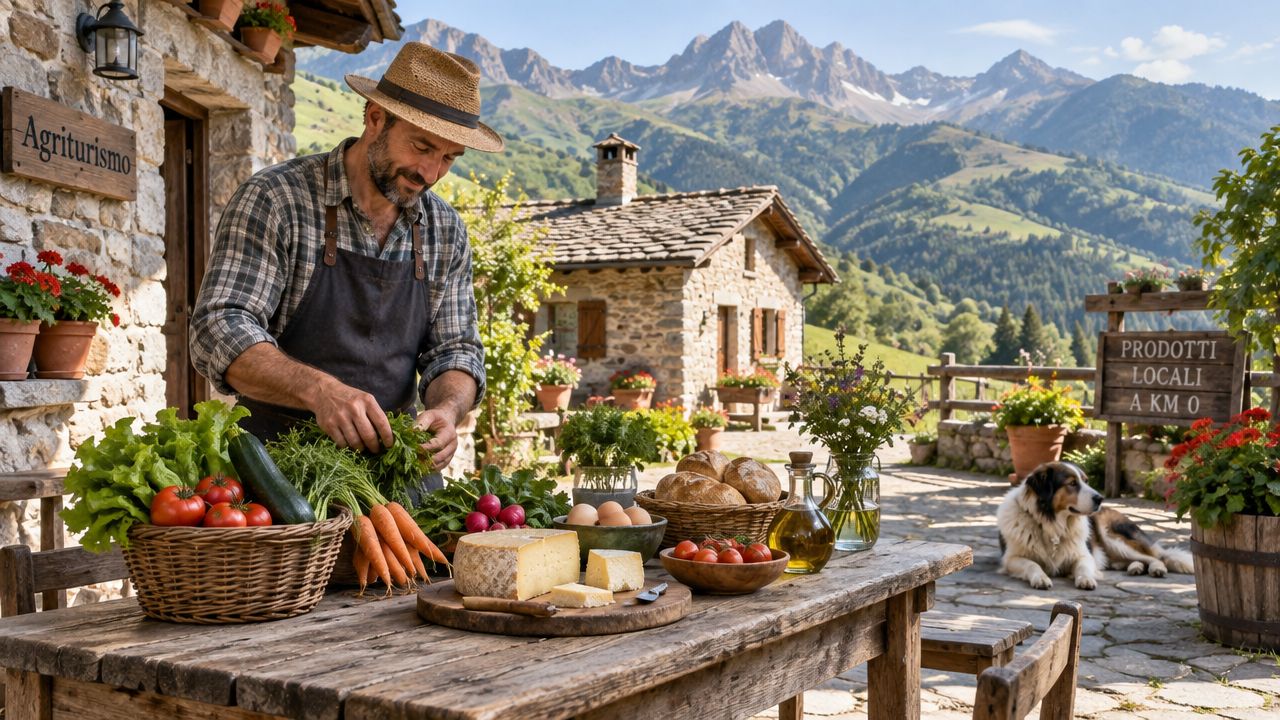
The logistics deserve as much attention as the experience. Rural roads can be slow, mobile coverage may be limited, and hosts may communicate primarily in Spanish or a regional language. A bilingual guide and private driver protect the day's quality, while carefully chosen accommodation provides comfort without stripping away the rural setting.
Build around one meaningful season
Seasonality should determine the route. Choose harvest activities when the work is happening, not when the weather is convenient. Ask producers how much time the group will spend outdoors, what footwear is appropriate, and whether the experience is suitable for children or older travelers.
Arrange farm stays several months ahead because many properties limit group sizes and coordinate visits directly. Combine two or three rural days with a more polished base in San Sebastián, Bilbao, or La Rioja. That contrast gives travelers both the satisfaction of hands-on access and the comfort of a refined hotel, chef-led dinner, or carefully reserved restaurant.
Slow food needs time. If the itinerary treats the farm as a quick photo stop, it loses the very authenticity that makes rural access worthwhile.
For travelers interested in culinary foraging, these resources for foraging cooks can help frame the experience before departure. The right local expert should still determine what can be gathered, prepared, and eaten safely.
8 Northern Spanish Food Towns Comparison
| Destination | Implementation Complexity 🔄 | Resource Requirements ⚡ | Expected Outcomes ⭐📊 | Ideal Use Cases 💡 | Key Advantages ⭐ |
|---|---|---|---|---|---|
| San Sebastián: The Culinary Capital of Spain | High, intensive planning; reservations months ahead | High, budget for multi‑Michelin meals, luxury hotels, concierges | World‑class tasting experiences; prestige dining and local pintxo immersion | HNW couples, serious food travelers, milestone celebrations | Concentration of Michelin stars; iconic pintxos; fresh seafood |
| La Rioja: Wine Heritage and Gastronomic Traditions | Medium, coordinate private bodegas and tastings | Medium, transport, private sommelier/guide, wine‑lodge stays | Deep terroir education; intimate winery access and harvest experiences | Wine aficionados, multi‑day immersions, refined HNW travelers | Historic family bodegas; harvest (vendimia) access; strong value‑quality |
| Bilbao: Contemporary Culinary Innovation and Urban Renaissance | Medium, urban logistics; easier reservations than top fine‑dining hubs | Medium, city hotels, guides; lower cost than San Sebastián | Innovative chef‑driven menus + cultural pairing (museums/markets) | Adventurous food travelers, culture+food itineraries, groups | Guggenheim synergy; emerging chefs; Ribera market access |
| Navarra: Rustic Authenticity & Regional Culinary Pride | Low–Medium, rural coordination; local contacts useful | Low–Medium, modest budgets; drivers/guides recommended | Authentic seasonal cuisine; hands‑on local food traditions | Authenticity seekers, families, agritourism travellers | Piquillo peppers, asparagus, cider houses; strong local produce |
| Coastal Fishing Villages: Fresh Seafood & Maritime Culture | Medium, align with fishing/market schedules; local contacts needed | Medium, boat hires, morning market visits, small‑scale guides | Ultra‑fresh catch‑to‑table meals; sustainable maritime gastronomy | Seafood lovers, soft‑adventure travellers, multigenerational groups | Direct daily catch, txakoli pairings, intimate harborside dining |
| Asturian Gastronomy: Hearty Mountain Cuisine & Cider Culture | Low–Medium, book sagardotegis and farm visits; seasonal planning | Low, affordable farm stays, cider houses, local guides | Participatory cider rituals; hearty regional meals and cheese tastings | Families, cider enthusiasts, soft‑adventure travellers | Fabada, Cabrales cheese, strong cider traditions and mountain scenery |
| Galician Seafood & Agricultural Traditions | Medium, coastal logistics; boat/harbor coordination | Medium, fishing boat access, guides, regional stays | Exceptional shellfish experiences; coastal festivals and traditions | Shellfish lovers, coastal immersion, festival participants | Rías shellfish (vieiras, percebes), pulpo, empanadas, local wines |
| Mountain Villages & Rural Agritourism | High, multi‑day coordination; season‑sensitive planning | Medium, farm‑stay bookings, bilingual guides, transport | Deep slow‑food immersion; hands‑on producer relationships | Multigenerational groups, sustainability‑minded travelers, educators | Direct farm access, foraging, artisan production, slow‑food authenticity |
Design the Right Northern Spain Food Route
The best food town in northern Spain depends on the experience you want to bring home. Choose San Sebastián for Michelin prestige, concentrated dining, and pintxos. Choose La Rioja for vineyard immersion, cellar access, and wine-led meals. Bilbao is the strongest fit for contemporary cooking combined with art and urban culture. Navarra offers seasonal produce, family recipes, cider houses, and a more intimate regional identity.
Choose the coast when seafood and maritime culture matter more than formal dining. Asturias is the destination for cider, mountain cheeses, fabada, and rural traditions. Galicia delivers Atlantic food heritage through rías, shellfish, agricultural villages, and family wineries. Mountain villages and rural agritourism provide the closest contact with producers, harvests, and food preparation.
San Sebastián remains the foundational reference point for northern Spain's fine-dining reputation. The wider Basque Country had already established itself as one of Europe's most concentrated gastronomic regions by 2014, when historical reporting identified five restaurants from the area among the world's 50 best and noted that half of Spain's three-Michelin-star restaurants were in the Basque Country. More recent official tourism material lists 19 Michelin stars in San Sebastián, while a 2026 report cited 36 stars across 26 restaurants in the wider Euskadi region. Read the historical context in El País's reporting on the Basque culinary rise.
Don't try to include all eight profiles in one trip. Combine two or three that complement one another. San Sebastián and La Rioja create a natural prestige-and-wine route. Bilbao, the coast, and San Sebastián balance art, urban dining, and seafood. Navarra and rural agritourism suit travelers who want hands-on experiences without giving up access to refined hotels. Galicia and Asturias form a compelling Atlantic journey built around seafood, cider, mountains, and local food traditions.
Reserve headline restaurants, private boat experiences, harvest visits, and exclusive winery appointments first. Then build market mornings, village lunches, coastal walks, and producer stops around local schedules. Keep driving times realistic, especially in mountainous areas, and use private drivers after tastings or when several generations need a comfortable pace. Guides matter too, not only for translation but for introductions, cultural context, and access to places that don't advertise publicly.
Northern Spain Travel can shape that route around your priorities, whether you're planning a food-focused couple's journey, a multigenerational celebration, a private group, or an active luxury itinerary. Its approach combines private hotels, drivers, chefs, winemakers, and local insiders with 24/7 on-the-ground support, so the itinerary remains personal from the first market visit to the final dinner.
Northern Spain Travel designs private, tailor-made journeys around the region's Michelin restaurants, wine estates, fishing villages, cider houses, and rural producers. Visit Northern Spain Travel to discuss a food route built around your preferred pace, access requirements, accommodation style, and culinary priorities.