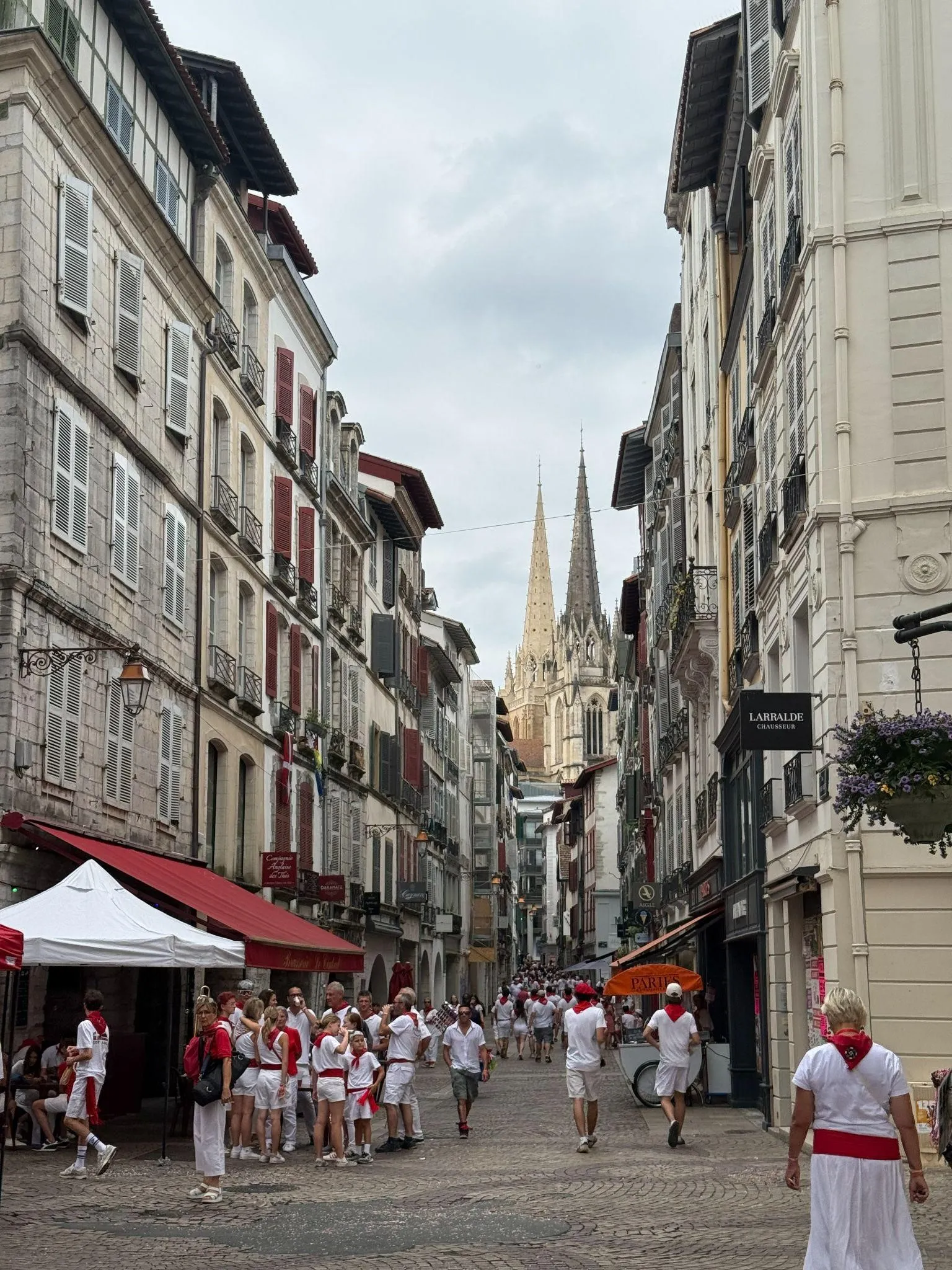
September is the month savvy travelers book Northern Spain and skip the usual European clichés. The weather still flatters the coast, but the main advantage is access. Tables open up in San Sebastián, top wineries in Rioja Alavesa and La Rioja are in harvest mode, and the north feels cultivated rather than crowded.
This is Northern Spain at its most rewarding for a high-end trip. You can spend the morning with a producer during vendimia, take a late lunch in a dining room that would be impossible to secure in August, and finish the day in a discreet Relais and Châteaux property or a design-led boutique hotel overlooking the Bay of Biscay. September also brings a sharper cultural calendar, with harvest celebrations, seafood at its best, and a more polished rhythm across the Basque Country, Navarra, Cantabria, Asturias, and Galicia.
For travelers who care about privacy and substance, this is the right time to go. The UN Tourism World Tourism Barometer has repeatedly noted strong late-summer and early-autumn demand patterns across Southern Europe, and Northern Spain benefits most when that demand shifts from peak-season volume to better planned, higher-value travel.
Start with the Basque coast if food matters. A private San Sebastián pintxos tour for discerning travelers sets the tone properly, with the right bars, the right timing, and access that ordinary city breaks rarely get.
The destinations below are the ones worth your September dates.
Table of Contents
- 1. San Sebastián (Donostia) – Culinary Capital
- 2. La Rioja – Exclusive Vineyard Escapes
- 3. Picos de Europa – Dramatic Mountain Scenery & Soft Adventure
- 4. Navarra – Medieval Culture, Pilgrimage Routes & Wine
- 5. Galicia Coast – Atlantic Villages, Seafood & Rías Exploration
- 6. Cantabria Coast – Green Cliffs, Beaches & Coastal Elegance
- 7. Asturias – Green Valleys, Cider Culture & Mining Heritage
- 8. Pyrenees – Alpine Scenery, Multi-Sport Adventure & Mountain Villages
- 9. Bardenas Reales – Otherworldly Desert Landscapes & Photography
- Top 9 September Destinations Comparison
- Designing Your September Escape to Northern Spain
1. San Sebastián (Donostia) – Culinary Capital
September is the month to do San Sebastián properly. Summer noise fades, the city keeps its appetite, and the best tables feel coveted rather than chaotic. If your standard for a food city is access, precision, and discernment, Donostia is the strongest opening move in Northern Spain.
Its reputation is earned. The city has one of the highest concentrations of Michelin stars in Europe, and September often coincides with a sharper cultural rhythm around food, film, and late-summer Basque social life. You feel that quality everywhere, from disciplined market shopping in the morning to serious tasting menus at night. For confirmation of the city's standing in fine dining, the Michelin Guide's San Sebastián selections remain the benchmark.
Where private access matters
Do not reduce San Sebastián to a casual bar crawl. The city rewards curation. A proper stay combines a private visit to La Bretxa Market, a historian-led pintxos route through the Parte Vieja, one major tasting menu, one more traditional Basque dining room, and a half-day escape into the txakoli hills or along the coast.
For a sharper model, start with this private San Sebastián pintxos tour for discerning travelers. Then balance the city with a wine-focused day inland. This culinary guide to the heart of Rioja's wine capital works well if you want the next leg of the journey to feel connected rather than random.
Skip broad group food tours. Book someone who knows which bars still hold back their best bites for regulars, when to arrive before the room hardens with visitors, and how to order beyond the obvious staples.
September also gives you experiences that feel more private by nature. Kitchens are back in full form after peak summer strain. Beach clubs and terraces remain attractive, but the city's real pleasure shifts indoors, into clubs, cellars, and dining rooms where introductions matter.
A polished stay usually looks like this:
- Book lunch as seriously as dinner: San Sebastián shines at midday. Service is calmer, pacing is better, and you avoid building the whole trip around late-night reservations.
- Use one boutique base: Stay close enough to walk into the Parte Vieja, but not inside it. You want quiet at night and instant access in the morning.
- Add one seasonal excursion: September is ideal for a private txakoli estate visit, a chef-led market session, or a coastal drive with a long seafood lunch in Getaria.
- Keep your restaurant mix disciplined: One temple of modern gastronomy, one classic grill, one private pintxos evening. More than that starts to feel like consumption instead of taste.
If wine is part of how you travel, keep notes properly. This guide for wine enthusiasts and collectors is useful for tracking bottles, vintages, and producer discoveries once the trip moves from San Sebastián into Rioja and beyond.
2. La Rioja – Exclusive Vineyard Escapes
September is the only month to do Rioja if you care about wine beyond labels and architecture. The region is working. Grapes are being picked, cellar teams are focused, and the best visits happen behind the public script.

Come in September for participation, not spectacle. This is when private vineyard walks have a point, barrel tastings feel relevant, and conversations with estate owners turn to picking decisions, ripeness, and what the vintage is becoming. If you want a polished but real wine escape in Northern Spain, Rioja earns its place here more convincingly than any generic harvest destination.
The common mistake is overbooking. Rioja does not reward quantity. It rewards contrast and access. I recommend three visits across two days: one serious family estate in Rioja Alavesa, one design-forward bodega with strong hospitality, and one older cellar in a village where the atmosphere stays restrained and personal.
Use Haro or Laguardia as your anchor, but sleep small. A boutique hotel in a vineyard setting or a carefully restored manor house will serve you far better than a large chain base. You want staff who can arrange a private aperitif among the vines, a table for an unhurried lunch, or an after-hours tasting when the public visit schedule has ended. For broader context before you refine your route, start with this culinary journey through Rioja's wine capital and pair it with ideas from these Picos de Europa trails and alpine villages if you plan to combine wine country with a mountain leg.
September also gives you experiences that are hard to secure at other times of year. Ask for a dawn vineyard visit with the technical director. Request a blending session or a barrel sample tasting in the production area, not just the showroom. Build one lunch around harvest cuisine, with seasonal vegetables, lamb, mushrooms, and older vintages pulled with intent rather than poured from the standard list.
Keep this visual introduction in mind as you plan the region's rhythm:
Practical rule: In harvest season, three excellent visits beat six rushed ones every time.
Start early. Finish slowly.
The best Rioja days begin in the vines, move into the cellar before lunch, and leave the late afternoon open for a terrace, a spa hour, or a quiet drive through stone villages such as Briones, San Vicente de la Sonsierra, or Labastida. If you track producers and vintages seriously, this guide for wine enthusiasts and collectors is useful for keeping tasting notes organized once bottles and future purchases start to accumulate.
3. Picos de Europa – Dramatic Mountain Scenery & Soft Adventure
For travelers who want Northern Spain's grandeur without giving up comfort, the Picos de Europa is the answer. The park gives you scale, altitude, and drama, but it doesn't require a rough-edged trip unless you choose one. In September, the mountains feel more composed, and private guiding becomes far easier to enjoy than in peak summer.

I recommend it for couples who want one or two days of active beauty folded into a broader gastronomy trip. It also works exceptionally well for multigenerational families because one group can hike with a private guide while another takes a scenic drive, enjoys a terrace lunch, or visits a village.
How to travel the park well
The mistake is treating the Picos as a check-the-box national park stop. It deserves curation. A private mountain guide who understands pace, comfort, and weather judgment will shape a far better day than a standard activity operator. The best routes are often moderate walks with commanding views, not punishing ascents.
For route ideas and village pairings, this Picos de Europa guide to trails and alpine villages is a strong starting point. Build around it with a private driver, a mountain lodge or refined rural hotel, and lunches that feel regional rather than generic.
- Start early: Morning departures give you cleaner light, quieter paths, and more flexibility if cloud builds later.
- Balance activity with recovery: Pair a guided walk with a long lunch or spa afternoon, not another demanding excursion.
- Keep transfers private: Mountain roads are part of the pleasure when someone else is driving.
The Picos work best when you approach them as a landscape of comfort and contrast, not as an athletic challenge to conquer.
4. Navarra – Medieval Culture, Pilgrimage Routes & Wine
Navarra is one of September's strongest choices for travelers who want substance, not spectacle. It gives you medieval architecture, serious wine, and Camino heritage in a region that still feels composed rather than overperformed. For a high-end trip in Northern Spain, that matters.
September is the month to do it. Harvest brings energy to the vineyards around Olite and the wider Navarra wine region, but the mood remains local and purposeful. The Camino is active as well, with pilgrims returning to the route after peak summer heat, so you get the atmosphere of movement and ritual without needing to commit to a full walking itinerary.
Choose Navarra if you want a trip built around access. Stay in or near Olite, where you can walk from a well-chosen boutique hotel to the Royal Palace in minutes, then spend the afternoon at a family-run winery that receives guests by appointment rather than volume. The best visits in September are not generic tastings. Ask for a cellar tour during harvest, a barrel sample with the winemaker, or a late lunch among the vines after the morning's work is done.
Where depth matters most
Olite is the right base for most refined itineraries. Its scale is a virtue. You can cover the old town easily, enjoy the palace before day-trippers thicken the lanes, and keep the rhythm civilized. Pair it with one private Camino segment, ideally on a quieter stretch outside the busiest arrival points, and you get the cultural weight of the route without turning your holiday into a logistical exercise.
The other smart move is contrast. Navarra works best when you combine its medieval core with one stark, design-rich natural experience, whether that means a guided excursion toward the Bardenas edge or a day shaped around vineyards and open country. September light flatters both.
- Base yourself in Olite: It offers the strongest mix of atmosphere, walkability, and access to wineries.
- Book harvest-period visits privately: Standard tasting rooms miss the point in September.
- Walk only the right Camino section: A guide should choose for scenery, quiet, and historical context, not volume.
- Keep the schedule loose: Harvest timing, local festivals, and long lunches deserve room.
Navarra rewards travelers who prefer discretion over hype. Done well, it feels cultured, grounded, and privileged.
5. Galicia Coast – Atlantic Villages, Seafood & Rías Exploration
Galicia is where September becomes saline, slower, and more elemental. If San Sebastián gives you culinary precision, Galicia gives you maritime abundance. The right trip here isn't about hopping between famous sights. It's about docks, estuaries, seafood, Albariño, and villages that still feel tied to working water.
This corner of Spain suits travelers who are tired of prettified coastal itineraries. Galicia still rewards early starts, market visits, and meals that begin with the day's catch rather than a marketing concept. That's why it works so well for people who say they want authenticity and mean it.
What to prioritize
Book privately on the water. A small boat in the rías, with a skipper who understands both weather and hospitality, changes the entire coastline. Add a seafood-focused lunch and an Albariño tasting, and Galicia becomes one of the best places to visit in September for travelers who prefer place over polish, but still want high standards.
The practical rhythm is simple:
- Go to market early: Dawn fish markets show the coast at work, not in performance mode.
- Build around the tide and weather: Galicia rewards flexibility more than rigid scheduling.
- Stay near the water: Village access matters more than oversized hotels.
In Galicia, the best table is often the one reached by relationship, timing, and local trust rather than reputation alone.
Private cooking classes with market sourcing also work exceptionally well here, especially for families or private groups. They turn a beautiful destination into a participatory one without feeling contrived.
6. Cantabria Coast – Green Cliffs, Beaches & Coastal Elegance
Cantabria is often overlooked by travelers who race from the Basque Country to Asturias. That's a mistake. In September, this stretch of coast becomes one of Northern Spain's most elegant detours. You get green headlands, refined seaside towns, serious seafood, and easy access to the mountains without the heaviness of a resort scene.
Santander is the obvious base, but the value of Cantabria lies in what surrounds it. Belle Époque architecture, quiet beaches, and cliff-backed drives give the region a composed, old-world ease. It fits travelers who want beauty with less theater than San Sebastián.
A refined route
Do Cantabria as a sequence of textures. Start with a polished city hotel in Santander, then move outward into coastal viewpoints, fishing villages, and lunches that don't need fanfare because the ingredients carry the meal. The coast also combines beautifully with a Picos extension if you want sea and mountain in one trip.
A good private driver is particularly useful here. Distances are manageable, but the pleasure comes from moving fluidly, stopping where the light is right, and not treating each day as a logistical exercise.
- Use mornings for coast: Visibility is often better and the roads feel calmer.
- Keep evenings urban: Santander is strongest for aperitifs, dinner, and architectural atmosphere.
- Mix stillness with movement: A beach walk, a seafood lunch, and a late museum visit are enough for a very good day.
Cantabria is for travelers who don't need their destination to announce itself loudly.
7. Asturias – Green Valleys, Cider Culture & Mining Heritage
Asturias has a different kind of luxury. It isn't polished in the same way as the Basque coast, and that's exactly why discerning travelers respond to it. The region offers green valleys, mountain villages, powerful food traditions, and a cider culture that still feels lived rather than packaged.
September is a strong month to lean into producers here. Cider houses, cheese makers, and rural kitchens are at their best when arranged privately and interpreted well. Standard sightseeing rarely does Asturias justice. It needs hosts, not just stops.
The experience to book privately
A private sidrería immersion is the clearest example. Done badly, it's a noisy demonstration. Done well, it's an invitation into a living tradition, with a producer or guide who can connect orchards, pouring rituals, and regional dishes. Pair that with Cabrales-focused tastings or a mining heritage visit, and Asturias starts to feel rich in the deepest sense.
This is also an excellent region for families with mixed interests. Some guests can hike or walk in the countryside while others enjoy a slower cultural program. Then everyone reconvenes over dinner.
Book Asturias for substance. If you need glossy perfection at every turn, choose another region. If you want character with standards, it excels.
A smart Asturias itinerary often works best in combination with the Picos. That pairing gives you one of Northern Spain's strongest contrasts: alpine scenery by day, cider and distinctly regional food by evening.
8. Pyrenees – Alpine Scenery, Multi-Sport Adventure & Mountain Villages
The Pyrenees are for travelers who want mountain air, precise light, and active days without surrendering comfort. September is the month when these regions become especially appealing to luxury travelers because the energy shifts. Routes feel calmer, the villages settle, and the atmosphere supports private guiding rather than crowded adventure logistics.
This region works especially well for couples who already know the classic urban Spain circuit and want something more restorative. It also suits private groups who want a base for hiking, mountain biking, scenic drives, and long lunches built around local produce and cheeses.
How to keep it luxurious
The trick in the Pyrenees is restraint. Don't overload the schedule with activities because the temptation is always there. Choose one serious outing per day, then return to a refined mountain property with a spa, a terrace, or an excellent dining room. That's the difference between alpine travel and overmanaged adventure tourism.
- Invest in the right guide: Technical competence matters, but so does social intelligence and pacing.
- Leave room for weather decisions: Mountains reward flexibility, and private planning makes that possible.
- Choose villages carefully: A beautiful base with calm access matters more than hopping nightly.
This is one of the best places to visit in September if you want your trip to feel physically alive but not exhausting. Crisp mornings, private transport, and a slow return to comfort each evening make the region especially appealing for high-end travelers.
9. Bardenas Reales – Otherworldly Desert Landscapes & Photography
Bardenas Reales delivers one of Northern Spain's strongest visual shocks. After green coasts, vineyards, and mountain valleys, this terrain feels almost cinematic. That's precisely why it belongs on a September list. It gives a discerning itinerary contrast, and contrast is what turns a good journey into a memorable one.

Bardenas shouldn't be approached like a public viewpoint circuit. It works best as a private half-day or full-day experience with a knowledgeable local driver-guide, especially if photography matters. The quality of light is the point, so timing is everything.
How to see it without doing it badly
Go at sunrise or late afternoon. Avoid the dead center of the day if you want atmosphere, comfort, or compelling images. A private vehicle lets you move between viewpoints smoothly and bring the right equipment without hassle.
This is also a strong destination for milestone moments. A discreet picnic setup, a private photo session, or a beautifully paced drive through the formations can feel exceptionally special when handled with restraint.
- Prioritize light over mileage: You don't need to cover everything.
- Protect gear: Fine dust is part of the environment.
- Pair it with Navarra: The desert is most effective as contrast within a broader cultural route.
Bardenas is one of the best places to visit in September for travelers who think visually and want a finish with drama.
Top 9 September Destinations Comparison
| Destination | Process Complexity 🔄 | Resource Requirements ⚡ | Expected Outcomes 📊 | Ideal Use Cases 💡 | Key Advantages ⭐ |
|---|---|---|---|---|---|
| San Sebastián (Donostia) – Culinary Capital | High, advance reservations, chef & guide coordination | High, luxury hotels, concierge, premium budget | Exceptional gastronomic experiences, curated tasting menus | Luxury culinary immersion, private chef & pintxo experiences | World-class Michelin density, pintxo culture, coastal elegance |
| La Rioja – Exclusive Vineyard Escapes | Medium, harvest logistics, bodega relationships | Medium, private transport, wine experts, estate lodging | Insider harvest access, cellar tastings, collector opportunities | Wine collectors, oenotourism, harvest participation | Direct harvest access, historic bodegas, estate gastronomy |
| Picos de Europa – Dramatic Mountain Scenery & Soft Adventure | Medium, mountain guides, fitness planning | Medium, private drivers, guided hikes, mountain lodges | Dramatic scenery, photography-ready landscapes, active experiences | Soft-adventure travelers, photographers, active families | Dramatic limestone massifs, exclusive trails, quality lodges |
| Navarra – Medieval Culture, Pilgrimage Routes & Wine | Medium, multi-site coordination, cultural guide expertise | Medium, boutique hotels, private transfers, specialist guides | Layered cultural immersion, pilgrimage segments, vineyard visits | Cultural enthusiasts, private Camino walks, mixed itineraries | Medieval towns, Camino history, compact varied landscapes |
| Galicia Coast – Atlantic Villages, Seafood & Rías Exploration | Medium, weather-dependent boat/market logistics | Medium, boat charters, market access, coastal accommodation | Dock-to-table seafood, Albariño pairings, coastal immersion | Seafood-focused trips, private boat tours, culinary explorations | Exceptional shellfish, Albariño wine, dramatic rías scenery |
| Cantabria Coast – Green Cliffs, Beaches & Coastal Elegance | Low, straightforward coastal planning | Medium, boutique stays, private drivers, regional guides | Refined coastal exploration, relaxed cultural & gastronomic balance | Boutique coastal relaxation, combined mountain-coast itineraries | Elegant Belle Époque towns, green cliffs, proximity to Picos |
| Asturias – Green Valleys, Cider Culture & Mining Heritage | Low, rural producer coordination, simple logistics | Low, rustic accommodations, local producers, guides | Authentic cider harvest experiences, hearty regional gastronomy | Culturally-curious travelers, cider-focused tours, rural immersion | Deep cider tradition, hearty cuisine, genuine local connection |
| Pyrenees – Alpine Scenery, Multi-Sport Adventure & Mountain Villages | Medium, altitude planning, expert guides required | Medium, specialist gear, private guides, boutique chalets | Alpine multi-sport outcomes, photography, wellness recovery | Active luxury itineraries, photography workshops, adventure families | High alpine peaks, varied activities, refined mountain hospitality |
| Bardenas Reales – Otherworldly Desert Landscapes & Photography | Low, simple driving routes, timing for light | Low, private driver/guide, camera protection, supplies | High-impact visual results, cinematic shoots, contemplative drives | Photographers, small private groups, film-location experiences | Unique badlands scenery, solitude, exceptional photographic light |
Designing Your September Escape to Northern Spain
Northern Spain rewards travelers who choose September deliberately. The region offers harvest energy, Atlantic freshness, refined cities, and mountain access in one coherent season. That's why it works so well for high-end travelers who want more than a hotel-and-dinner version of Spain. They want movement, access, and a sense that the month itself matters.
There's also a practical reason to focus here. Existing travel content still underserves private travelers, especially families and multigenerational groups. Data shows 68% of luxury multigenerational travelers cite logistical complexity and lack of privacy as major deterrents to September travel in crowded regions, while 79% of affluent multigenerational families in a 2025 AARP Luxury Travel Survey prioritize privacy over destination fame. That's exactly why generic September guides so often fail the clients who matter most.
September Logistics Weather, Crowds & Packing
Expect pleasant, mild conditions across much of Northern Spain. The region can shift quickly between sun, sea breeze, mist, and cooler evenings, so pack for range rather than uniformity. Light layers, a proper jacket, comfortable shoes, and polished casual dining wear will cover most journeys elegantly.
September also gives you one of the clearest luxury advantages in the region. Market analysis notes average conditions around 22°C to 26°C alongside a 40% reduction in tourist density compared with July. In practice, that means restaurants, roads, museums, and private experiences are easier to enjoy well.
Travel Tips for HNW & Multigenerational Groups
For private groups and families, the key isn't seeing more. It's reducing friction. A private driver and vehicle should be treated as standard, not optional. Northern Spain has too many worthwhile rural hotels, winery estates, mountain roads, and village restaurants to attempt it with improvised transfers.
Privacy matters just as much in dining and touring. A 2025 James Beard Foundation report found that 73% of high-net-worth food travelers seek authentic, non-public culinary access in September, and 61% report that standard tour operators can't provide it. For couples, that means chef-led dinners, private cellar tastings, and market visits with insiders. For multigenerational families, it means non-shared pacing, flexible timing, and space for different energy levels within one itinerary.
- Build around one anchor interest: Wine, food, coast, or mountains should lead. Everything else should support it.
- Use private guiding selectively: Not every day needs a guide, but the right days absolutely do.
- Avoid overstacking: Northern Spain excels when days feel full but never crowded.
- Stay boutique when possible: Character and service matter more here than scale.
Your Journey, Perfectly Crafted
The best places to visit in September aren't just about destination choice. They're about access, rhythm, and judgment. Northern Spain is particularly rewarding because the difference between a good trip and an exceptional one is often invisible at first glance. Which producer opens the cellar. Which village is worth lunch rather than a stop. Which road should be scenic and which should be efficient.
That level of travel design matters even more if your trip includes harvest visits, Michelin tables, soft-adventure days, or multiple generations. A specialist can coordinate the details that public travel products don't handle well, from private drivers and boutique hotels to discreet celebration meals and flexible day planning. If you want to stay connected smoothly while moving through the region, it's also sensible to set up an eSIM for Spain before arrival.
Northern Spain Travel designs private journeys precisely for this kind of traveler. The value isn't only in reservations. It's in knowing how to sequence San Sebastián, Rioja, Navarra, the coast, and the mountains so the trip feels smooth rather than assembled. That's how September in Northern Spain becomes more than a holiday. It becomes the trip other September advice never told you to take.
Northern Spain deserves more than a generic itinerary. Northern Spain Travel creates fully private, tailor-made journeys with boutique hotels, private drivers, expert guides, exclusive wine and culinary access, and the kind of local judgment that turns a good September trip into an exceptional one. If you want an effortless Basque, Rioja, Navarra, Galicia, Cantabria, Asturias, Pyrenees, or multi-region escape, contact their team and start designing it properly.