You're looking at a map of northern Spain, trying to decide whether Altamira is enough, whether the original caves can be entered, and how to turn a specialist interest into a polished journey rather than a sequence of museum stops. My advice is direct: don't build the trip around Altamira alone. The strongest experience comes from linking the cave sites of Cantabria, Asturias, and the Basque Country with private guiding, carefully timed reservations, and hotels that make the driving feel like part of the journey.
The original Altamira is largely a research sanctuary, not a conventional sightseeing attraction. Its Neocave and museum provide the dependable visitor experience, while other sites, including El Castillo and Tito Bustillo, offer a more immediate sense of entering the setting that preserved the art. The region rewards travelers who accept that access is controlled and plan around the caves rather than treating them as spontaneous detours.
Table of Contents
- Why Northern Spain Holds Europe's Greatest Cave Art
- Understanding the Paleolithic Context
- The Three Must-See Cave Regions
- Access, Tickets, and Preservation Rules
- What the Newest Dating Evidence Changes
- A Five-Day Private Cave Art Itinerary
- When to Go and How to Visit Well
- Designing Your Own Northern Spain Journey
Why Northern Spain Holds Europe's Greatest Cave Art

A private guide switches off the lights at El Castillo, and a hand stencil surfaces against the rock. The moment is quiet, physical, and far removed from a museum display. You are standing in the setting that preserved evidence of early European symbolic expression, with the cave itself shaping the experience.
That is the appeal of prehistoric caves in northern Spain. The sites form a connected heritage corridor rather than a loose group of attractions. UNESCO recognizes the decorated caves as one World Heritage property, beginning with Altamira's inscription in 1985 and expanding in 2008 to include 17 additional caves, for 18 caves in total across Cantabria, Asturias, and the Basque Country (UNESCO's World Heritage description). The property represents the height of Upper Paleolithic cave art in Europe, within a tradition broadly dated between 35,000 and 11,000 years ago.
The corridor is the point
The property includes 10 caves in Cantabria, 5 in Asturias, and 3 in the Basque Country. That spread gives a well-planned journey real variety. Coastal roads, limestone valleys, fishing towns, and historic villages connect a single artistic tradition across different regions.
Cantabria deserves the first position on a private itinerary. Altamira provides the strongest interpretive introduction, while El Castillo offers an exceptional encounter with early cave evidence. Asturias brings Tito Bustillo, whose intimate, gallery-like visit contrasts with the larger cultural profile of Altamira. The Basque Country completes the route through sites such as Santimamiñe and the wider Urdaibai area.
My recommendation: Plan two or three carefully selected cave visits, with private interpretation and enough time around each one. Collecting every open site creates a longer drive, not necessarily a better journey.
The limestone geology preserved deep galleries, sheltered chambers, and traces that would otherwise have vanished. Survival varies from cave to cave, so the quality of interpretation matters. A skilled guide can direct your attention to a faint engraving, red disk, or hand stencil and explain why it matters as much as a celebrated bison panel.
Use Northern Spain's UNESCO heritage sites to extend the route beyond the caves. A private driver then links the heritage stops with discreet boutique stays, regional dining, coastal time, and village visits, turning specialist interest into a polished multi-day corridor rather than a sequence of museum appointments.
Understanding the Paleolithic Context
A private cave itinerary works best when you read the art as a long record of changing human practice, not as one unified style. The Upper Paleolithic evidence includes painting, engraving, and shaping imagery inside caves, along with animals, geometric signs, hand stencils, disks, and engraved outlines. Some panels are immediately legible. Others appear only when a guide places a light across the rock at the right angle.
The Cantabrian tradition spans 35,000 and 11,000 years ago, according to the established chronology of the property. Altamira provides the clearest historical anchor. Its famous paintings date to approximately 14,820 to 13,130 years ago, while archaeological material from the vestibule records Solutrean occupation from roughly 21,000 to 17,000 years ago and Magdalenian occupation from roughly 17,000 to 11,000 years ago (Britannica's overview of Altamira).
What the guide's terminology means
Guides use cultural phases to place imagery within changing communities, technologies, and patterns of cave use. The terms describe more than decorative style, so ask your private guide to connect each label to a specific panel or archaeological trace.
| Phase | Approx. dates | Typical imagery |
|---|---|---|
| Aurignacian | Earlier Upper Paleolithic | Early signs, hand stencils, and initial figurative traditions |
| Gravettian | Upper Paleolithic | Animal imagery, signs, and evolving techniques |
| Solutrean | Roughly 21,000 to 17,000 years ago at Altamira | Engraving, hunting-related material culture, and continued cave use |
| Magdalenian | Roughly 17,000 to 11,000 years ago at Altamira | Recognizable bison, horses, deer, and highly developed painted panels |
The table's Altamira occupation dates follow the archaeological summary cited above. You do not need to memorize the sequence before arrival. You do need to understand why “Magdalenian” changes your reading of a painted panel. The image belongs to one layer in a long succession of visits, techniques, and visual habits.
Build one geological or natural-history stop into the itinerary. A well-selected Permian fossil from Astro West gives families and multigenerational travelers a tangible reference for deep time beyond human imagery (Permian fossil from Astro West). Pairing that object with a private cave interpretation helps younger visitors grasp the scale of the subject before they enter the galleries.
The Three Must-See Cave Regions
I'd divide the route into three regions and choose one anchor cave in each. That gives the journey a clear rhythm: early evidence in Cantabria, intimate painted galleries in Asturias, and Basque prehistoric heritage in the east. Trying to visit every available cave usually produces more logistics than insight.

Cantabria is the intellectual anchor
Choose El Castillo near Puente Viesgo if your priority is the age and significance of the evidence. The cave is close enough to Santander for a comfortable private excursion, and its early hand stencils and disks have been dated to at least 40,800 years ago (dating evidence from El Castillo). The visit has an architectural drama of its own, with the entrance leading into a network of limestone passages and chambers.
I'd pair El Castillo with Las Monedas only if your group wants a second guided cave on the same day. The choice depends on the official timetable, your walking tolerance, and whether you'd rather spend the afternoon in Santander or Santillana del Mar. A private guide adds interpretation and smoother transfers, but doesn't override conservation restrictions or guarantee access to closed areas.
Asturias delivers the strongest visual intimacy
At Ribadesella, Tito Bustillo is the Asturian priority. The cave is known for its painted galleries and the theatrical relationship between the visitor route and the rock. The arrival has a memorable sense of transition, and the experience feels more enclosed and personal than a large museum complex.
For a second Asturian visit, consider El Pindal or Covaciella when the official schedule aligns. These are better choices for travelers who want a quieter, more focused encounter rather than another headline attraction. Reserve before arranging the coastal drive, because a private vehicle can wait, but an unbooked cave slot can't be manufactured on the day.
The Basque Country rewards a slower approach
In the Basque Country, Santimamiñe at Kortezubi is the practical flagship for a cave-focused itinerary. The visit works best when combined with the small Paleolithic museum and a broader exploration of the surrounding area. The region's value lies in context as much as spectacle. Painted animals, local geology, food culture, and the coastal environment belong in the same day.
Ekain is often considered the stronger choice for travelers focused on refined animal imagery, but its replica-based visitor experience and access arrangements need checking before flights are booked. Don't assume that a famous name means a simple ticket. Official calendars, language availability, and group limits determine what a private designer can build.
A concise visual introduction to the corridor is available here:
The most comfortable version of this route uses Santander and San Sebastián as bookends, with boutique stays between them. You'll see less by rushing, but you'll understand far more.
Access, Tickets, and Preservation Rules
The most important planning fact is also the least glamorous: cave access is controlled. Many original decorated caves operate through guided visits, limited route access, seasonal calendars, and advance reservations. Altamira is the clearest example. The original cave isn't a normal public attraction, so most travelers visit the museum and Neocave, while scholars and specially authorized researchers handle access to the original sanctuary.
El Castillo, Las Monedas, Tito Bustillo, Ekain, and Santimamiñe each have their own operating systems. Schedules can vary by season, language, day, and conservation policy. Don't book a nonrefundable coastal hotel first and hope the cave fits afterward.
What the rules protect
Visitor limits protect the cave's microclimate. Human breath introduces moisture and carbon dioxide, while movement brings dust and microbial risk. Lighting, temperature changes, and physical contact can affect vulnerable surfaces. That's why photography is often banned, bags may stay outside, and guides insist that visitors remain on fixed routes.
| Cave | Reservation lead time | Daily visitor cap | Photography | Private tours |
|---|---|---|---|---|
| Altamira | Advance planning required for the museum and Neocave; original cave access is restricted | Controlled access | Follow the museum's current rule | Private museum and Neocave visits are available through specialist planning |
| El Castillo | Reserve ahead, especially for preferred language and timing | Controlled guided access | Follow the site's current rule | Private guiding can improve interpretation and transfers |
| Las Monedas | Advance booking recommended | Controlled guided access | Follow the site's current rule | Possible where the official operator permits |
| Tito Bustillo | Reserve ahead of travel | Controlled guided access | Follow the site's current rule | Private planning may help coordinate route and transport |
| Ekain | Check official availability before building the itinerary | Controlled access | Follow the site's current rule | Subject to official arrangements |
| Santimamiñe | Confirm operating days and guided requirements | Controlled access | Follow the site's current rule | Specialist planning can coordinate the visit |
The table intentionally avoids invented caps and booking promises. Official calendars change, and the exact limit is less useful than the operating principle: the cave determines the itinerary.
A private guide doesn't provide a secret entrance to a protected chamber. What they can provide is a better sequence, an appropriate expert, a smaller private party where permitted, and a driver who keeps the day calm. For Altamira, a private Altamira Museum and Neocave tour can turn a standard museum visit into a more coherent archaeological experience.
Preservation rule: Bring only what the official site allows, never touch a surface, and accept that a no-photography policy is part of protecting the reason you came.
What the Newest Dating Evidence Changes
A traveler who expects only the familiar Magdalenian gallery of bison, horses, and deer will miss the older story beneath it. Uranium-thorium dating at El Castillo places hand stencils and disks at at least 40,800 years ago. A symbol in Altamira's polychrome chamber dates to at least 35,600 years ago, according to the radiometric dating evidence.

Read the caves as archives, not galleries
Dating replaces visual guesswork with physical evidence. Stylistic comparison still helps, but calcite layers covering pigment can establish a chronology that a painting's apparent simplicity or sophistication cannot. Northern Spain's caves therefore preserve a far older, more complex record of mark-making than the standard visitor narrative suggests.
The earliest markings support the working hypothesis that Neanderthals may have made some of Europe's oldest cave marks. Later modern human communities produced the figurative imagery most travelers recognize. A hand stencil can feel more unsettling than a bison because it may come from a period before the classic painted tradition reached its later expression.
Look for sequence, not spectacle. Altamira's ceiling is one chapter in a long archive, not the beginning or the end of the story.
Brief clients accordingly. At El Castillo, ask your guide to point out repeated use and the difference between a sign and an animal figure. At Altamira, enjoy the polychrome paintings while remembering that the cave's occupation history spans approximately 22,000 years of intermittent use, from around 36,500 to 13,000 years ago, before the entrance was sealed, as recorded in the Altamira chronology. That continuity gives the visit its emotional force.
For a private multi-day route, schedule El Castillo and Altamira as connected evidence, not isolated attractions. A specialist guide can make that sequence intelligible, while a discreet boutique stay keeps the corridor comfortable between visits.
A Five-Day Private Cave Art Itinerary
A five-day route works best as a carefully paced loop between Santander and San Sebastián. It should include the Neocave, at least one original cave open to visitors, and enough time for coastal villages, serious meals, and unhurried transfers.
Day one, arrive in Santander
Settle into a discreet hillside or waterfront boutique hotel, then keep the first evening light. A private walking introduction to the old town is preferable to a formal lecture after a long flight. Ask your guide to frame Santander as the gateway to Cantabria's limestone country, not just as a place to sleep.
Day two, Altamira and Santillana del Mar
Begin with the Altamira Museum and Neocave. A private curator-led or specialist-guided visit gives the replica its proper context, especially for travelers who have seen images of the original but don't know why public access was restricted.
Continue to Santillana del Mar for lunch and a walk through the historic streets. The Regina Coeli cloister makes a good counterpoint to the prehistoric material, shifting the day from deep time to medieval craftsmanship without adding another exhausting museum. Return to Santander or stay in a historic property near Santillana if you prefer to reduce the next morning's transfer.
Day three, El Castillo and the Asturian coast
Drive west through Cantabria toward Asturias, stopping at El Castillo if the official schedule allows. This is the day for the strongest chronological conversation, because the early dating evidence gives the visit unusual intellectual force.
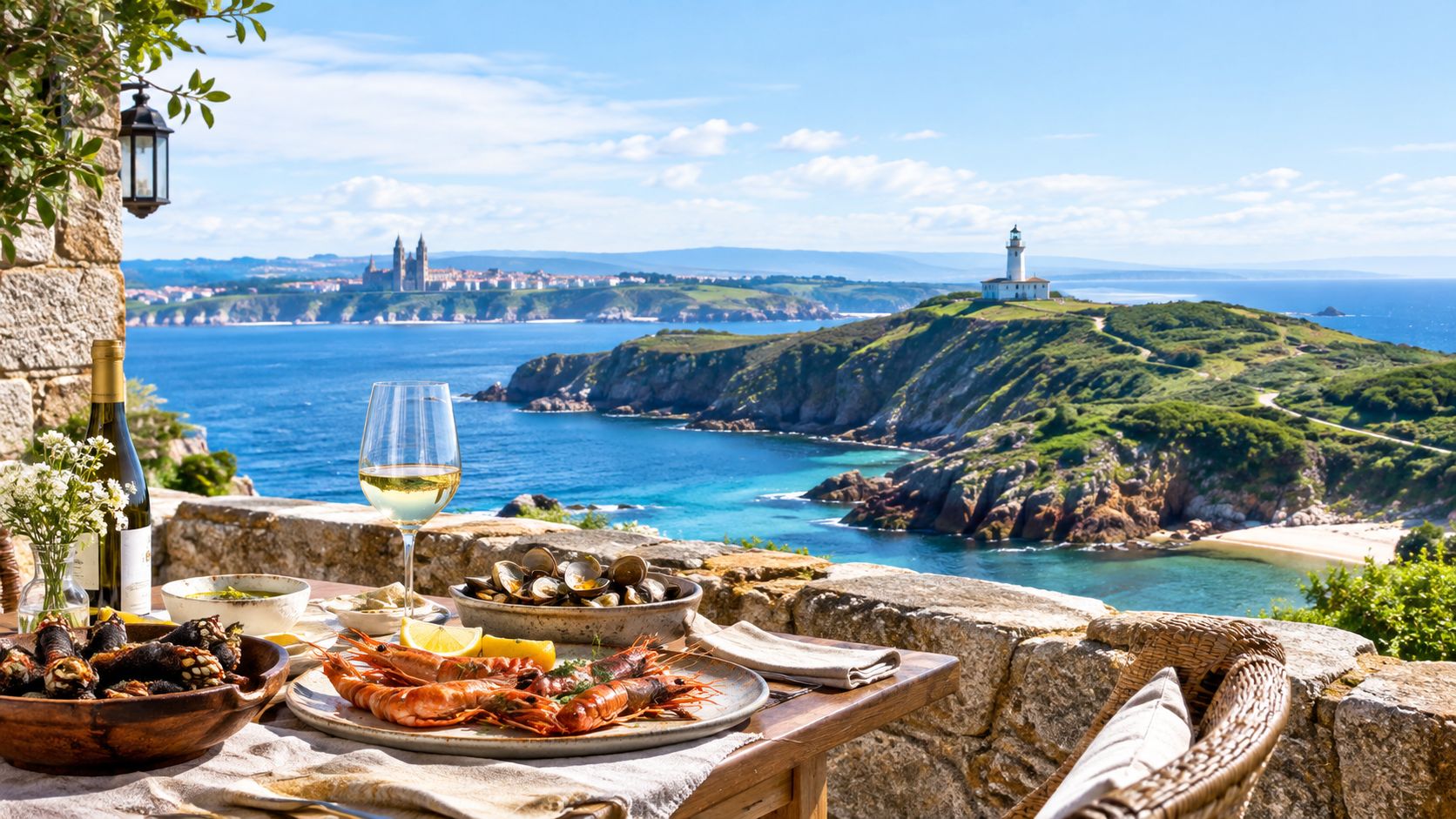
Continue toward Ribadesella for Tito Bustillo, then overnight near Cangas de Onís or on the eastern Asturian coast. A converted palace or refined rural hotel suits the surroundings better than a generic city property. For dinner, choose a restaurant that treats Asturian produce seriously, with cider or local seafood rather than a formal tasting menu forced into the wrong setting.

Day four, Basque heritage and San Sebastián
Cross east toward the Basque Country. Choose Ekain or Santimamiñe according to the confirmed timetable, route, and interests of the group. I prefer Santimamiñe for travelers who want a more explicit regional heritage context, and Ekain for those who prioritize animal imagery and a focused visit.
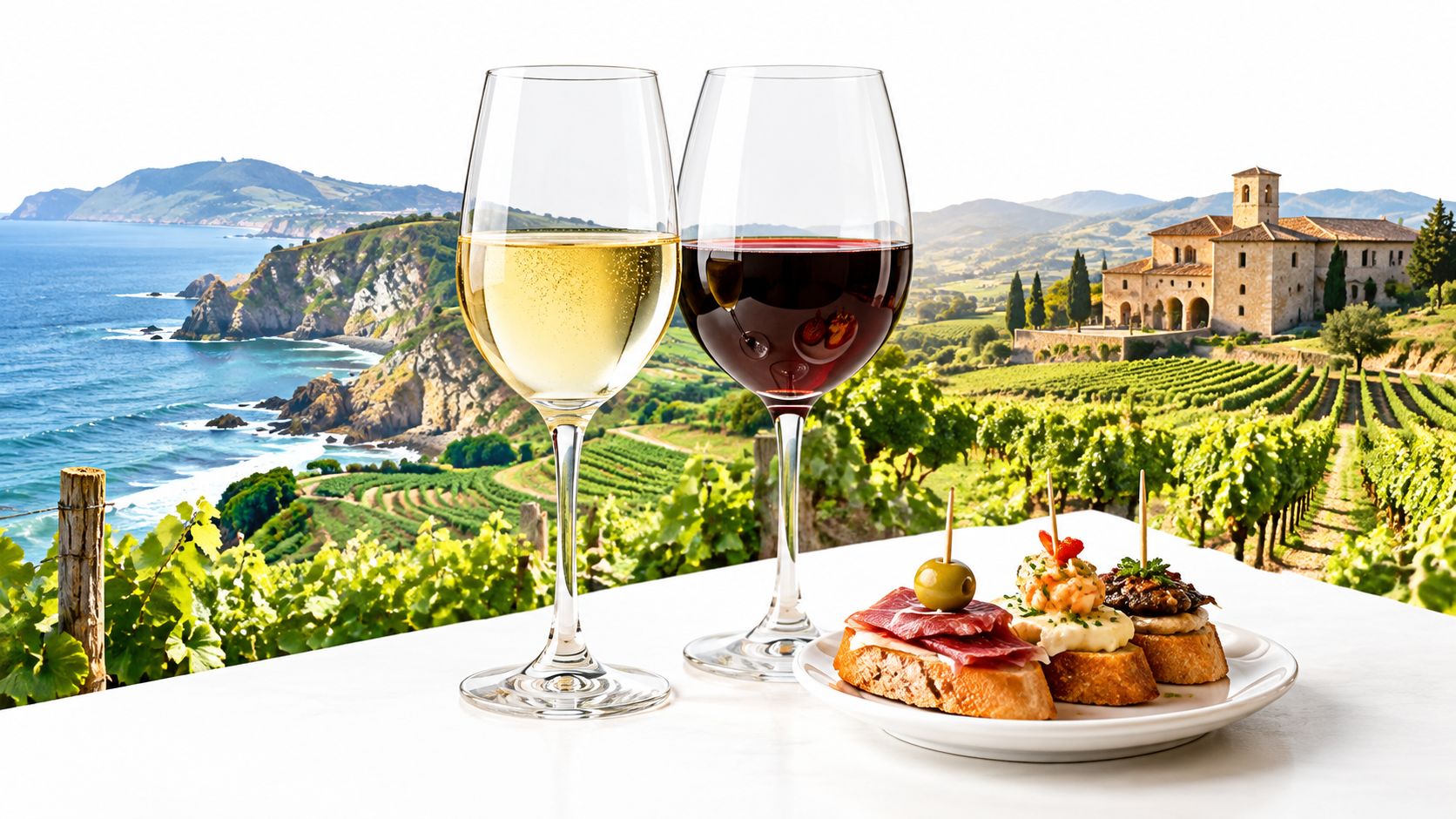
Continue to San Sebastián for pintxos with a private food guide. A txotx-style cider-house dinner can work for groups who enjoy informality and shared plates, but don't mistake rusticity for lack of planning. The best private arrangements balance local character with a comfortable return to the hotel.
Day five, finish without forcing another cave
Use the final morning for a gentle coastal walk, the Ekain replica if it wasn't visited, or a museum stop such as El Bistrul when the program fits. Then transfer to Bilbao or Santander. A private fixer is most valuable when a preferred cave slot falls through, a language-specific guide becomes unavailable, or a weather disruption forces the route to be reordered.
When to Go and How to Visit Well
For a cave-centered journey, I prefer April through June and September. These periods generally make it easier to combine comfortable coastal travel with focused guided visits, without building the entire trip around the busiest summer rhythm. The exact opening pattern still belongs to each official site, so confirm calendars before committing to flights.
Book the most constrained caves first. Tito Bustillo and El Castillo deserve advance planning, while the Altamira museum and Neocave may offer more flexibility depending on the date. Treat four to eight weeks as a practical planning window for a serious itinerary, not as a guarantee of availability. Popular language slots and private arrangements can disappear sooner.
Match the guide to the cave
Use official site guides when the visit is delivered through the heritage operator and the route is tightly controlled. Add an independent prehistory specialist when your group wants comparative interpretation across several caves, help reading faint engravings, or a stronger discussion of dating methods.
A private travel designer can coordinate both. Northern Spain Travel, for example, arranges private, tailor-made journeys with guides, drivers, hotels, and cultural experiences across the region. Present the request clearly: name the caves, your preferred languages, walking tolerance, food priorities, and whether the group includes children or older travelers.
Pack for conservation, not Instagram
Caves are cool, damp, and physically uneven. Wear light layers, secure walking shoes, and avoid loose bags. The most reliable etiquette is straightforward:
- Leave valuables behind: Bags, food, and drinks commonly stay at the entrance or in designated storage.
- Keep your hands off the rock: Even a seemingly harmless touch transfers oils and can damage surfaces.
- Follow the photography policy: Don't assume that a phone without flash is permitted.
- Stay with the guide: Fixed routes protect both visitors and the cave.
- Use the best time to visit Northern Spain guidance as a starting point: Confirm the individual cave's current calendar before booking.
You'll enjoy the visit more if you stop trying to document every panel. The darkness, the guide's beam, and the delayed recognition of a figure are part of the experience.
Designing Your Own Northern Spain Journey
The caves become more memorable when they sit inside a broader northern Spanish journey. Start with the heritage spine, then add experiences that change the pace rather than compete with it.
San Sebastián is the obvious culinary counterpoint. Give the city enough time for pintxos, a serious dinner, and a coastal walk. Bilbao works well at the end of the route, especially for travelers who want the Guggenheim after several days of archaeology and rural settings. The Picos de Europa add mountain scale, while the Green Coast supplies the open Atlantic perspective that the caves conceal.
Pair hotels with the geography
Near Altamira and Santillana del Mar, choose a historic palace or carefully restored manor. Around Asturias, a design-led hotel in Llanes or a refined countryside property near Cangas de Onís keeps the route comfortable without losing regional character. For Basque cave visits, a countryside finca or elegant coastal base near San Sebastián lets you combine early departures with relaxed evenings.
Use a private driver on the cave-heavy days. Self-driving can work for confident travelers who value independence, but it becomes less appealing when reservations are fixed, rural roads are unfamiliar, and the group wants wine or cider with lunch. A driver also allows the itinerary to absorb a village market, a coastal viewpoint, or an unplanned local recommendation without turning every stop into a parking exercise.
The right journey isn't the one with the most caves. It's the one where each visit has a distinct purpose: Altamira for the canonical experience, El Castillo for chronology, Tito Bustillo for intimacy, and the Basque sites for regional depth. Build around those anchors, then let food, coast, and mountains provide the breathing room.
If you want the route designed around your actual dates, interests, and access priorities, commission it rather than adapting a generic schedule.
Northern Spain Travel designs fully private, tailor-made journeys that combine Altamira and other prehistoric caves with expert guides, private drivers, boutique hotels, coastal villages, gastronomy, and carefully managed reservations. Visit Northern Spain Travel to request a cave-focused itinerary built around your preferred pace, travel dates, and level of access.