You're in Northern Spain for all the right reasons. The villa is perfect, the view is open to the sea, and the day has already given you enough movement, wine, and conversation. What you don't want that evening is a compromise. No fighting for the best reservation slot in San Sebastián. No noisy dining room when you'd rather hear the surf. No menu that almost works for everyone at the table, but not quite.
That's where private chef experiences change the rhythm of a trip.
In the right setting, dinner stops feeling like a booking and starts feeling like part of the journey itself. A chef arrives with a plan shaped around the people at your table, the season, and the place you're staying. In a Basque coastal home, that might mean pristine seafood, warm bread, and a slow progression of courses timed to sunset. In La Rioja, it could mean a menu built around the wines you tasted that afternoon. For a family gathering in Cantabria, it might mean something more generous and relaxed, with children fed happily, grandparents comfortable, and the adults still feeling they're having a refined evening.
That difference matters because Northern Spain rewards travelers who don't rush. Its best moments often happen in private. A long lunch after a market visit. A terrace dinner after a day in the vineyards. A final night meal that gathers the whole trip into one table.
Table of Contents
- An Invitation to Truly Personal Dining
- What a Private Chef Experience Truly Means
- Curated Dining Settings Across Northern Spain
- Crafting Your Perfect Menu From Market to Table
- The Logistics of Seamless Private Dining
- The Day of Your Experience What to Expect
An Invitation to Truly Personal Dining
The most memorable private chef experiences usually begin with relief. Relief that nobody needs to drive after a long winery visit. Relief that the grandparents can stay by the fire while the children settle into bed upstairs. Relief that dinner no longer depends on whether a restaurant can handle allergies, timing changes, or a group that wants elegance without stiffness.
In Northern Spain, that relief quickly becomes atmosphere.
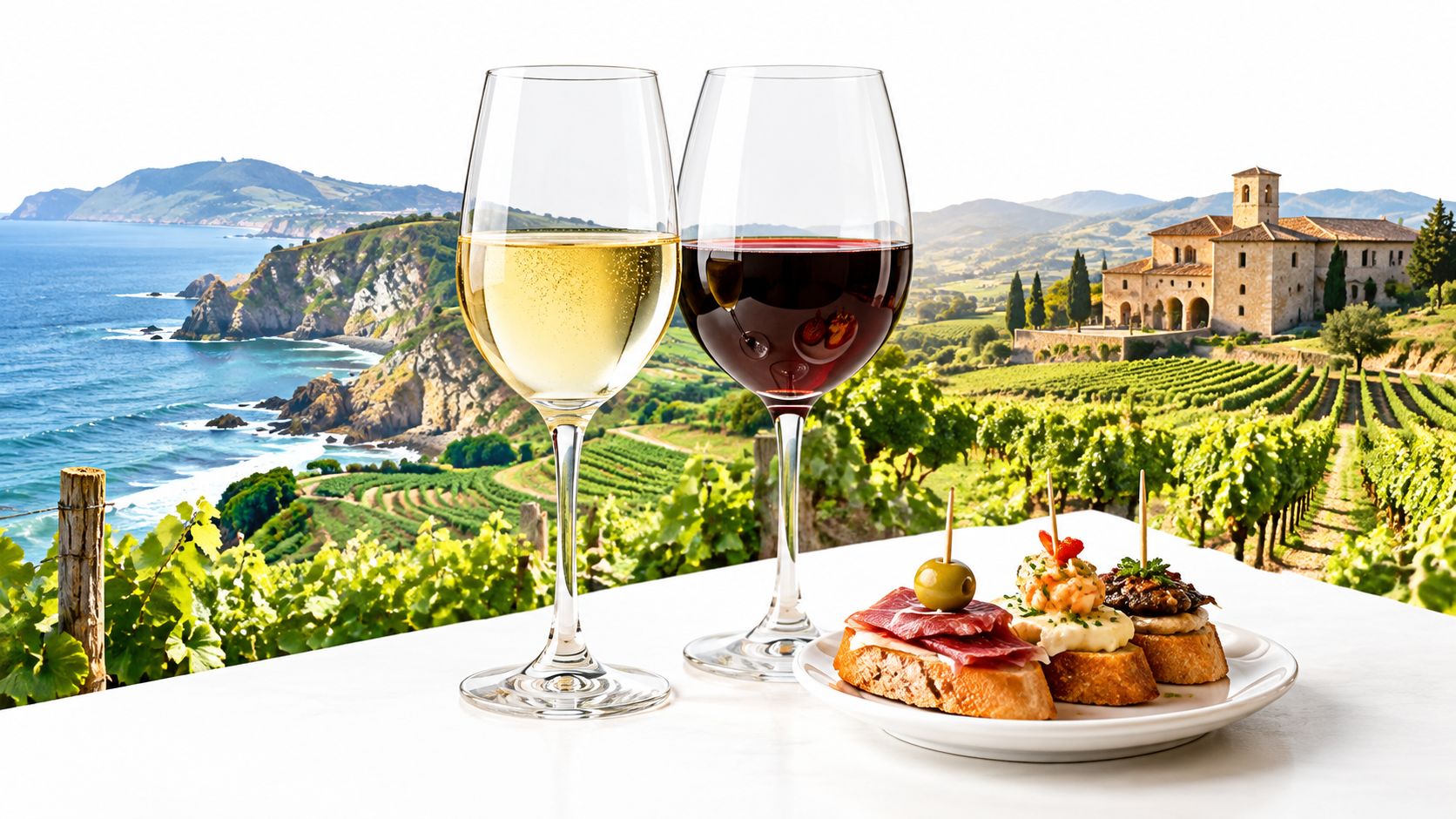
A couple might spend the afternoon along the cliffs near Getaria, return to their villa with salt still in the air, and find the kitchen already alive with quiet preparation. A chef is reducing a sauce, slicing seasonal vegetables, and setting out the first small bite to match a glass of txakoli. The room still feels like home, but the experience has moved well beyond anything casual. It feels composed.
For families and private groups, the appeal is even stronger. The table can stretch into the evening without pressure to give it back to a next seating. The menu can move at your pace. If someone wants more explanation about the fish, the cheese, or the local peppers, the chef can give it. If nobody wants ceremony, the evening can stay relaxed.
This is one reason the category has expanded so quickly. The private chef experience market was valued at $1.45 billion in 2024 and is projected to reach $2.3 billion by 2034, reflecting a broader shift toward personalized dining in luxury travel.
Private dining works best when it solves a travel problem and creates a memory at the same time.
A meal that belongs to the journey
A one-off dinner can be lovely. But on a well-designed Northern Spain itinerary, a private chef often belongs somewhere specific in the arc of the trip.
It suits the arrival night, when you want to land softly. It suits the winery day, when nobody wants another transfer before dinner. It suits milestone evenings, where the room, the view, and the guest list matter as much as the food. It also suits those in-between nights when you want a better version of staying in.
Why Northern Spain lends itself to this style
Northern Spain has strong ingredients, strong culinary identity, and a natural preference for place. Seafood tastes different when served near the Atlantic. Rioja wines land differently when the vines are outside the window. A farmhouse supper in green hills wants slower pacing than a city reservation ever allows.
That's why the best private chef experiences here don't feel imported. They feel rooted.
What a Private Chef Experience Truly Means
A private chef experience is bespoke dining in a private setting, built around your tastes, your pace, and your group. The chef isn't producing a generic event menu for a crowd. They're designing and executing a meal for your table.

The scale of the sector reflects how established this has become. The broader personal and private chef services market was valued at USD 16.6 billion in 2024 and is projected to reach USD 31.5 billion by 2034. That matters because it confirms this isn't a fringe indulgence. It's a serious part of modern luxury hospitality.
Core value: a private chef experience gives you restaurant-level skill, but the evening is shaped around your setting rather than the restaurant's rules.
Not catering and not restaurant private dining
People often group these together, but they work differently.
Catering is usually designed around event efficiency. It can be polished and delicious, but the operating model tends to prioritize scale, staffing, and throughput.
A private dining room in a restaurant gives you privacy, but you're still inside the restaurant's machine. The timing, menu framework, service style, and noise of the venue still influence the night.
A private chef experience is closer to a bespoke suit than something off the rack. The result is shaped to fit the room, the occasion, and the guests. If the table wants a longer pause before the main course, that's easy. If one guest wants no shellfish, another wants vegetarian dishes that don't feel like an afterthought, and another wants the local fish course explained, the evening can absorb that naturally.
Why the difference feels so significant
The food matters, of course. But the strongest private chef experiences also change the social feeling of dinner.
A few things tend to stand out:
- The chef's attention is focused: There isn't another dining room pulling focus.
- The menu has context: Dishes can reflect the region, the day's activities, and the wines already tasted.
- The room stays yours: Nobody is hovering for table turnover.
- The interaction is direct: Guests can ask questions and get real answers, in the moment.
That last point is often underestimated. A strong chef doesn't only cook. They interpret the meal. They explain why a particular fish works with a certain preparation, why a market ingredient is at its best now, or why a local cheese belongs where it does in the sequence.
A restaurant gives you a finished performance. A private chef gives you a conversation as well as a meal.
For travelers who care about food, that intimacy is the upgrade.
Curated Dining Settings Across Northern Spain
Northern Spain offers private chef experiences that feel completely different from one another, even when the standard of cooking is equally high. The setting changes the tone of the evening. So does the scenery outside the window.

The Basque coast at home
A modern villa on the Basque coast lends itself to precision. Clean lines. Big windows. A terrace that catches the last light. Here, the strongest dinners often feel refined but not formal.
The menu might open with a small bite built around anchovy, crab, or seasonal vegetables, then move into fish with a sauce that tastes bright rather than heavy. A chef working in this context can mirror the best parts of the region's culinary culture without reproducing a restaurant dining room inside the house.
This is also where accommodation matters. The right home gives the chef room to work, the guests space to settle, and the meal a setting worthy of the food. Travelers looking at private villa rentals in Northern Spain usually benefit from thinking beyond bedrooms and views. Kitchen layout, dining flow, and terrace protection from wind all influence how successful dinner will feel.
A finca table in the hills
In Cantabria or inland Asturias, the mood shifts. A restored stone finca invites a more rooted style of dining. You might have a long wooden table, thick walls that hold the evening cool, and gardens or green slopes just beyond the house.
This setting works beautifully for multi-generational travel because it can absorb different energies at once. Children can eat earlier without anyone feeling rushed. Adults can linger into the night. A chef can serve a menu that feels generous and grounded, with local produce, slow-cooked dishes, and desserts that belong in a country house rather than a tasting menu format.
What doesn't work here is trying to force a hyper-urban fine-dining tone into a rural property. The best result comes when the chef respects the house and cooks into it.
Galicia by the water
Galicia is where private chef experiences can feel almost elemental. The best tables face a ría, a harbor, or a stretch of Atlantic water that changes color by the hour. Seafood is the obvious anchor, but restraint matters. If the setting is already dramatic, the food doesn't need unnecessary complication.
For guests who want to deepen their understanding of regional ingredients, it helps to discover Spanish olive oil in practical terms before the trip. It gives useful context for how chefs think about finishing, balance, and the character of different oils at the table.
A Galician seaside supper usually succeeds when the pacing stays loose. Aperitifs outside. A first course carried in as the light softens. Perhaps a rice dish or a pristine fish course later, once everyone is fully settled.
A short film can give a sense of how place shapes the atmosphere of dining across Spain's north.
A vineyard dinner in La Rioja
A winery dinner asks for another register altogether. The wines are part of the setting, but they shouldn't dominate every decision. A chef working well in La Rioja builds a meal that leaves room for the wines to breathe.
That usually means smart progression. Nothing too aggressive too early. Good control of salt and richness. Courses that can stand beside mature reds without flattening them or being flattened in return.
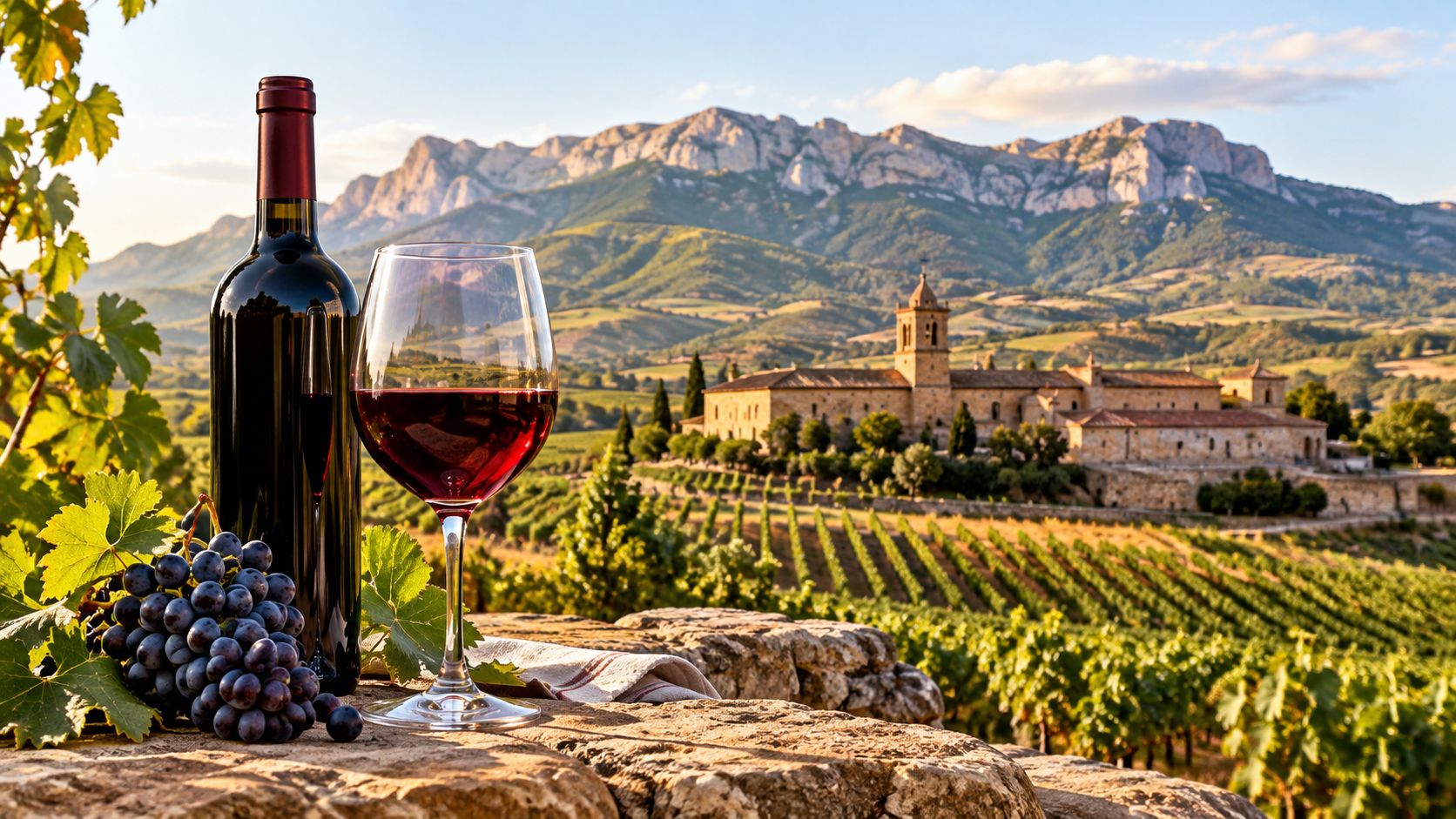
For groups celebrating a birthday, anniversary, or family reunion, this is often the most cinematic setting of all. Vines in rows, warm evening air, glasses catching the last gold of the day. But the logistics must be right. Temperature, transport, table setup, and service tempo all matter more in a vineyard than many guests expect.
Practical rule: the stronger the setting, the more disciplined the planning needs to be.
Crafting Your Perfect Menu From Market to Table
The menu is where guests typically first feel the difference between a standard dinner service and a serious private chef experience. Good chefs don't start with what they want to cook. They start with the people they're cooking for.

How menu planning actually happens
A professional chef normally works through a multi-round consultation, asking about preferred ingredients, cooking styles, and past meal experiences before refining the menu with client feedback. That same source notes that direct chef-client interaction during service, including explanations of ingredients and techniques, turns dinner into a more memorable exchange. It also notes that in major U.S. markets, 4-course menus range from $59 to $194 per person (Blas Dining).
That consultation should go beyond allergies.
A chef needs to know things like whether you prefer lighter seafood-led meals or richer meat courses, whether lunch will be substantial that day, whether the group likes surprise, and whether dinner is meant to feel celebratory, educational, or thoroughly relaxed. “No mushrooms” is easy. “We love classic flavors but don't want heavy food after wine tasting” is the kind of note that leads to a better outcome.
For travelers who enjoy the ingredient story as much as the final meal, a market to table cooking workshop in Santander gives useful insight into how local sourcing influences menu design across the north.
A seasonal Northern Spain menu
A strong menu in the Basque Country or nearby regions usually reads like a sequence, not a collection of favorite dishes.
For example:
| Course | Direction |
|---|---|
| Opening bite | Cantabrian anchovy or a seasonal vegetable pintxo |
| First course | Delicate soup, shellfish, or a composed salad with local character |
| Middle course | Idiazabal cheese soufflé or another warm savory transition |
| Main course | Fish from the coast or slow-roasted lamb, depending on season and setting |
| Dessert | Pantxineta or a fruit-led finish that doesn't feel too dense |
That's only a model. The core point is balance. Too many menus fail because every course arrives at the same volume. Rich, rich, rich, and then heavier dessert. A chef with judgment builds rise and contrast.
Menus should reflect appetite, weather, and what the guests have already done that day. A tasting menu that works in a city restaurant can feel exhausting after a vineyard afternoon.
Dietary needs handled properly
The deficiencies of some operators become apparent. Some chefs still “accommodate” dietary needs by subtracting ingredients. That's not good enough.
A vegetarian guest should receive a course with its own logic, texture, and sense of occasion. Someone avoiding gluten should feel considered, not managed. Allergy notes need to be treated as operational constraints from the beginning, not as annotations added after the menu is written.
A few practical markers separate thoughtful planning from lazy planning:
- Separate composition: Alternate dishes should be designed, not improvised.
- Shared experience: The table should still feel like one dinner, even when plates differ.
- Ingredient transparency: Guests should know what's in each course without having to interrogate the staff.
- Pacing integrity: Nobody should get a substitute plate that feels rushed or secondary.
When chefs get this right, customization doesn't feel like customization. It just feels like good hospitality.
The Logistics of Seamless Private Dining
Elegant private dining depends on quiet logistics. Guests see candles lit, glasses poured, and plates arriving at the right moment. What they don't see is the planning that made it possible.

What shapes the booking
Pricing isn't one number because the work isn't one thing. A private chef fee usually reflects the chef's time, ingredient sourcing, preparation, service, and cleanup. Then there are variables. Remote access. Premium wines. Extra staff. Challenging kitchens. Significant equipment needs.
That last point is more important than many travelers realize. If you've ever looked through an ultimate catering equipment checklist, you'll recognize how much professional service depends on tools most private homes don't naturally have on hand. The best chefs solve that by bringing what they need or adjusting the menu intelligently to the kitchen they'll face.
A useful way to think about booking is this:
- Base culinary work: chef time, planning, and execution
- Ingredient spend: driven by season, region, and menu choices
- Service layer: whether the evening needs additional hands or wine support
- Site complexity: access, timing, and suitability of the property
What doesn't work is treating private dining as if it were a restaurant bill transplanted into a villa. The operating model is different.
Why multi-day journeys need tighter coordination
One dinner is straightforward. A chef integrated into a multi-day luxury itinerary is something else entirely.
Practitioner insight points to growing demand for chefs as part of multi-day retreats, family reunions, and wine-focused escapes, where the chef has to coordinate with seasonal markets and the broader itinerary rather than only deliver a one-night event (practitioner discussion on experiential retreats).
That changes the planning questions. Not just what to serve, but when. If lunch is late after a private cellar visit, dinner may need to start later and feel lighter. If the group is moving from San Sebastián to La Rioja, ingredient sourcing and kitchen setup have to align with transfer timing. If a seaside house is followed by a boutique inland hotel, the dining style may need to change with the setting.
This is why broader trip coordination matters so much. Travelers using concierge services in Northern Spain usually get a better result because someone is connecting the dots between the chef, the driver, the hotel, the market day, and the group's actual energy.
The smoothest private chef experiences are rarely the simplest. They're the best coordinated.
A few trade-offs tend to matter most:
| Decision | What works | What often fails |
|---|---|---|
| Arrival-night dinner | Simple, comforting, beautifully cooked | Overly ambitious tasting format after travel |
| Winery-day dinner | Built around the day's wines and appetite | Heavy menu with no regard for earlier tastings |
| Family-group service | Flexible timing and layered menu design | One rigid service style for every age |
| Remote-property dinner | Chef adapts to site realities | Menu that assumes a perfect urban kitchen |
Good logistics don't make the evening feel operational. They make it feel effortless.
The Day of Your Experience What to Expect
By the time the evening begins, most of the work has already started. A professional private chef experience typically spans 5 to 7 hours total, including 2 to 4 hours of pre-event preparation and 2 to 3 hours of active cooking, plating, and guest interaction, followed by cleanup. Chefs often bring specialized equipment so they can produce consistent results even in an unfamiliar kitchen, as outlined in this overview of in-home private chef service.
Arrival and setup
The chef usually arrives well before guests sit down. That early window matters because private homes vary enormously. One kitchen has excellent ovens and no useful knives. Another has beautiful stone counters and limited workspace. Strong chefs assess quickly, organize the room, and create a working rhythm without turning the house into a production zone.
Guests often wonder whether they're supposed to entertain the chef or stay out of the way. Neither is required. The best service adapts. If you want to chat about the fish, the vegetables, or the local wine, the chef can engage. If you'd rather have the preparation happen in the background while you take an aperitif outside, that's equally natural.
Service and the feel of the evening
Once service begins, the tone should feel calm. Courses arrive with intention, not hurry. There's usually a brief explanation where it adds something, especially with ingredients that belong strongly to the region.
This is one of the clearest differences between a polished experience and a merely expensive one. Good service reads the room. A curious group may enjoy hearing about sourcing, technique, or why one course follows another. A celebratory family dinner may need less commentary and more flow.
If you'd like a point of comparison outside Spain, this piece on bespoke dining on the French Riviera is useful because it highlights the same core expectation in another luxury setting: intimacy, flexibility, and a meal shaped around the guest rather than a venue.
Guests should feel hosted, not managed.
The close of the night
The last magic trick is cleanliness.
A proper private chef experience doesn't end with dessert. It ends when the kitchen is restored, the evidence of production is gone, and the house feels like yours again, only better than you left it. That final detail carries enormous weight on a trip. You can finish the evening with one last glass of wine, walk out to the terrace, and let the night settle without thinking about dishes, bins, or the morning after.
That's why these experiences work so well in Northern Spain. The scenery invites lingering. The food rewards attention. And the best evenings don't push you back into the world when they're done. They let you stay exactly where you are.
A private chef dinner can be the highlight of a Northern Spain journey when it's placed at the right moment and shaped around the right setting. If you're planning a villa stay, wine escape, family celebration, or multi-stop culinary trip, Northern Spain Travel designs fully private itineraries with the local judgment, trusted partners, and on-the-ground coordination that make these experiences feel smooth.