Most advice about an Atlantic coast road trip gets the premise wrong. It assumes you want a long, casual, self-driven stretch of coast with motels, boardwalks, and a car full of snacks. If you value privacy, beauty, and serious food, that version is a compromise.
The better answer is Northern Spain.
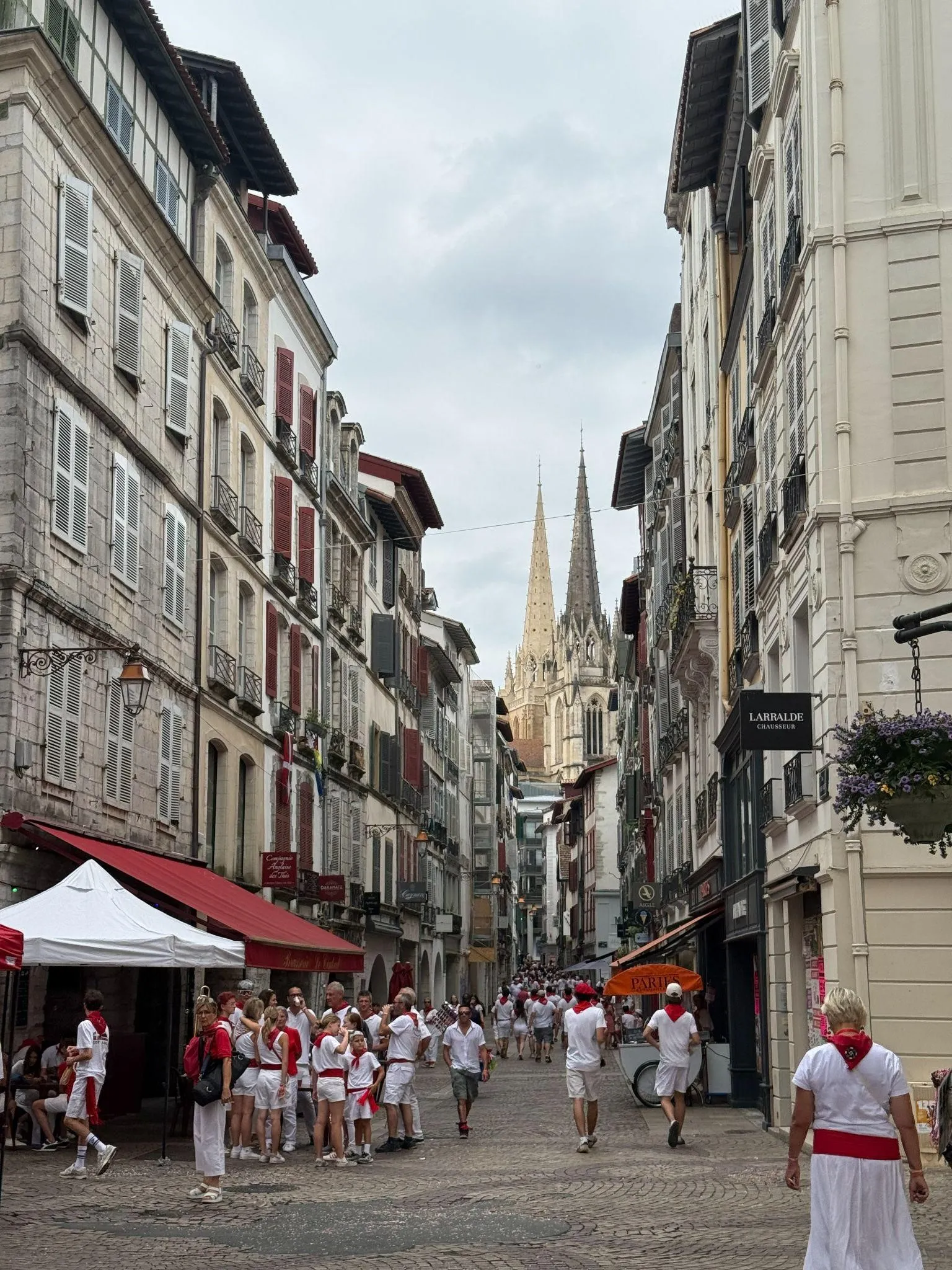
This is the Atlantic coast for travelers who've already done the obvious Spain. You come here for green cliffs instead of beach clubs, fishing villages instead of resort strips, and dinners worth planning a whole trip around. You also come here because the route feels protected from overexposure. The scenery is dramatic, the culture is distinctly regional, and the best experiences rarely sit on the main tourist circuit.
A proper Atlantic Coast road trip in Spain shouldn't feel like a road trip in the American sense. It should feel like a private journey. Someone else handles the driving. Your hotels have character. Lunch becomes a reason to stop. The route bends around market days, sea conditions, opening hours, and the handful of tables that matter.
Table of Contents
- Reimagining the Atlantic Coast Road Trip
- Mapping Your Journey from Basque Country to Galicia
- Crafting Your Perfect Pace Sample Private Itineraries
- The Pillars of a Luxury Trip Drivers Guides and Hotels
- A Taste of the Atlantic Coast Culinary and Wine Highlights
- Tailoring Your Trip Active Family and VIP Experiences
- Essential Logistics Timing Packing and Booking
Reimagining the Atlantic Coast Road Trip
The usual Atlantic coast road trip is sold as freedom. In practice, it often means long driving days, parking headaches, and forgettable stops stitched together by convenience. Northern Spain deserves a better format. The smart version is a private journey with a dedicated driver, carefully chosen hotels, and access that turns transit time into part of the pleasure.
That shift matters because this coast is not one thing. It is a sequence of distinct worlds. The Basque Country, Cantabria, Asturias, and Galicia share the Atlantic, but little else. Food changes. Architecture changes. Pace changes. Even the quality of silence changes.
A rushed self-drive reduces all of that to mileage. A well-designed private journey gives each region room to register. You arrive rested. You stop where the day is strongest, not where parking is easiest. You keep the coast's drama and lose the admin.
Practical rule: Use the car as a private salon with a view. Let someone else handle the road.
The appeal here is not novelty. It is discernment. San Sebastián offers polish without feeling synthetic. Cantabria brings restrained grandeur, old stone villages, and a sense of inheritance. Asturias feels deeper, greener, and more rural in the best way. Galicia closes the route with granite towns, tidal inlets, pilgrimage history, and some of Spain's purest seafood cooking. If you want a clearer sense of how this route can be shaped around wine, gastronomy, and regional character, this Northern Spain luxury road trip perspective is a useful reference.
The better comparison
Comparing this coast with the American East Coast misses the point. Comparing it with a campervan holiday misses it completely. Northern Spain is the luxury alternative for travelers who want Atlantic drama without mass-market clutter.
Choose it for specific reasons:
- Privacy over performance: You get space, discretion, and fewer places built to attract a crowd.
- Regional depth: Languages, traditions, and building styles shift noticeably as you move west.
- Atmosphere over glare: The Atlantic light is softer, the air cooler, and the mood more complex.
- Serious food: Pintxos bars, cider houses, seafood grills, and old-school dining rooms make this one of Europe's most satisfying coastal routes.
Call it a road trip if you like. The best version is a curated private journey, and that distinction changes everything.
Mapping Your Journey from Basque Country to Galicia
The cleanest version of this journey starts near the French border and moves west. You're not just following a coast. You're crossing four distinct cultures that happen to share the Atlantic's drama.

Why this route works so well
Northern Spain's Atlantic edge is widely regarded as the country's most scenic coastal drive because of its rugged green shores, cliffs, rougher ocean conditions, and minimal urban development, as noted in this discussion of the Bay of Biscay coast from Vigo to San Sebastián. That matters for luxury travel because the scenery still feels intact. You're not spending your days driving through overbuilt coastal sprawl.
The geography also creates a natural rhythm. Cities appear where they should. Villages remain villages. Inland detours produce genuine contrast, not filler. If you want a broader sense of how these journeys can be shaped around food, wine, and regional character, this Northern Spain luxury road trip perspective is a useful complement.
This route rewards restraint. Fewer stops, longer lunches, and hotels chosen for setting usually outperform ambitious daily mileage.
The four regions at a glance
| Region | Best starting point | What defines it | Why it earns time |
|---|---|---|---|
| Basque Country | San Sebastián or Bilbao | Culinary ambition, design, modern art, coastal polish | It sets the standard high immediately |
| Cantabria | Santillana del Mar area | Historic towns, prehistoric heritage, elegant rural landscapes | It slows the trip in the right way |
| Asturias | Villages between coast and mountains | Green valleys, surf beaches, cider culture, mountain access | It adds depth and a stronger sense of place |
| Galicia | Santiago de Compostela and the coast beyond | Pilgrimage heritage, granite architecture, maritime identity | It gives the journey a powerful finish |
Basque Country
Begin with refinement. San Sebastián is the obvious anchor because the city combines walkability, beachside elegance, and a dining scene that justifies planning ahead. Bilbao works well as an arrival or departure point, especially if you want architecture and museum time before shifting into a more coastal rhythm.
This first stretch is where many travelers make the mistake of overbooking restaurants and underestimating how enjoyable simple grazing can be. Leave room for spontaneity.
Cantabria
Cantabria is where the pace should soften. Small towns such as Santillana del Mar have enough architectural atmosphere to justify lingering, and the region's prehistoric legacy gives it unusual depth. This is also a good place to prioritize a countryside hotel rather than a city base.
The point here isn't volume of sights. It's tonal change.
Asturias
Asturias feels more elemental. The sea is present, but so are the mountains. The result is one of the most satisfying contrasts on the route, especially if you want scenic drives paired with short walks, a proper cider lunch, or a day that starts on the coast and ends in a highland village.
Galicia
Galicia closes the journey with gravitas. Santiago de Compostela has ceremonial weight and architectural beauty, but the coast beyond it is what gives the route its final signature. Fishing harbors, estuaries, and seafood-driven villages make the western finish especially strong.
Crafting Your Perfect Pace Sample Private Itineraries
The mistake is treating this coast like a drive to complete. Northern Spain rewards restraint. If you want the Atlantic coast at a high level, build the journey around long lunches, late check-ins that still feel calm, and enough flexibility to follow weather, appetite, and mood.

For most travelers, the question is not how much ground you can cover. It is how much friction you are willing to tolerate. A self-driven, hotel-hopping version can compress the route into a week. A properly curated private journey should not.
San Sebastián deserves time. So does Galicia. The middle sections benefit from selectivity, not box-ticking. That is why I would frame the route in three clear versions.
Seven days for culinary and cultural highlights
Seven days works if your aim is a polished introduction, not full immersion. Keep the structure disciplined. Choose strong bases, accept a few omissions, and protect your evenings.
A smart seven-day rhythm looks like this:
- Days 1 to 2 in San Sebastián: Give the city enough room for both formal dining and casual pintxos. Add one private walking experience, either architecture, food markets, or Belle Époque history.
- Day 3 in Bilbao and onward to Cantabria: Stop for the Guggenheim if it matters to you. Then continue. Bilbao is useful here as a curated pause, not a second urban chapter.
- Day 4 in Cantabria: Pick one atmospheric town and one coastal viewpoint or beach. Keep the schedule light enough for a proper hotel afternoon.
- Days 5 to 6 in Asturias: Stay somewhere with easy access to both coast and inland scenery. This is the right stretch for a cider house lunch and one scenic excursion rather than constant movement.
- Day 7 in Santiago de Compostela: Finish with a serious final night. Santiago has presence, and it deserves an arrival before dark.
This version succeeds only if you accept its limits. You get the spine of Green Spain, not its hidden texture.
Ten days for a more civilized rhythm
Ten days is the sweet spot for travelers who want the coast to feel private, smooth, and well judged. The change sounds minor. It is not. Two-night stays become standard, transfers stop dominating the day, and the journey gains shape.
Use a structure like this:
| Days | Base | Focus |
|---|---|---|
| 1 to 3 | San Sebastián | Pintxos, beach promenade, one destination dinner, private city access |
| 4 to 5 | Cantabria | Heritage towns, quieter coastline, a hotel chosen for setting rather than convenience |
| 6 to 7 | Asturias | Cider culture, green inland scenery, slower lunches |
| 8 to 10 | Galicia | Santiago, estuaries, seafood-driven villages, a graceful finish |
Ten days also gives you something mainstream road trip guides consistently ignore. Recovery time. You can arrive before lunch, settle in properly, spend the afternoon by the water or on a coastal walk, and go to dinner composed. That is a better use of Northern Spain than collecting extra check-ins.
Do not spend ten days across ten hotels. Repetition improves comfort, service, and the overall quality of the journey.
Fourteen days for the version worth doing
Two weeks turns the route from an itinerary into a private coastal life. This is the version I recommend most often for high-end travelers because it allows the region's contrasts to register fully.
With fourteen days, three things improve at once:
- Hotels start working for you instead of against you. You can stay long enough to enjoy the property itself, not just sleep in it.
- Experiences fit naturally into the route. A winery lunch, a private boat outing, a guide in Santiago, a slower morning after a late dinner. Nothing has to compete for space.
- The journey can respond to conditions. Northern Spain is at its best when you have the freedom to adjust for weather, sea conditions, or a restaurant opportunity that merits a detour.
A strong two-week plan usually begins with urban polish in the Basque Country, then shifts into smaller coastal and rural stays through Cantabria and Asturias before finishing with depth in Galicia. That final stretch should never be rushed. Galicia is not a closing stop. It is a destination in its own right.
If you have the time, choose the longer version. This coast is not compelling because it is long. It is compelling because it changes gradually, and those tonal shifts are the whole point.
The Pillars of a Luxury Trip Drivers Guides and Hotels
A luxury Atlantic Coast road trip succeeds or fails on logistics. Northern Spain rewards discernment, not improvisation. If you want this route to feel private, polished, and calm, build it around three decisions: who handles the driving, who provides context, and where you stay long enough to settle in.

Private driving is the smartest decision
Treat this as a private journey, not a self-managed drive. Roads across the north are generally good, but summer traffic, historic centers, valet gaps, and the constant friction of parking all drain the day. For high-end travelers, driving yourself rarely improves anything.
A private driver changes the quality of the entire route.
- Arrivals stay graceful: You reach lunch, hotels, and old towns composed.
- Wine regions make sense: A long seafood lunch with Albariño or a serious cellar visit becomes part of the day, not a compromise. If wine is part of the plan, arrange it with the same care as your hotels, ideally alongside private winery tours in Spain with insider access.
- Detours become easy: A harbor, cliffside chapel, or overlooked village can be added without turning the afternoon into a logistical exercise.
- The route feels lighter: Someone else handles pick-up times, luggage, tolls, and the small corrections that guests should never have to notice.
This coast is too good to spend it looking for parking.
Guides create access, not noise
Private guides matter most where context changes what you are seeing. That means old quarters with layered history, pilgrimage sites, studio visits, market mornings, wine estates, and working fishing towns where introductions open doors. A strong guide protects your time as much as they add knowledge.
The right guide edits aggressively. They know which stop deserves an hour and which one deserves five minutes. They also understand the social side of luxury travel. When to speak, when to step back, and when privacy matters more than performance.
Use guides selectively. San Sebastián, Bilbao, Santiago de Compostela, and specialist food or wine experiences benefit from them. Quiet coastal walks, afternoons at the hotel, and some rural stretches are better left unstructured.
The best guide removes dilution. They do not perform expertise. They direct it with precision.
Hotels should anchor the rhythm
Hotel selection on this route requires taste, not brand loyalty. Generic five-star polish misses the point in Northern Spain. The best stays feel rooted in place, but they still deliver proper bedding, sound insulation, serious bathrooms, and staff who can solve problems quickly and discreetly.
Choose hotels that give each stretch of the journey a clear role.
| Hotel role | What it should provide | What to avoid |
|---|---|---|
| Urban base | Walkability, quiet rooms, strong concierge, polished service | Large anonymous chain energy |
| Rural retreat | Scenery, stillness, local character | “Rustic” properties that sacrifice comfort |
| Coastal finale | Views, seafood access, a sense of occasion | Resorts disconnected from local life |
Sequence matters as much as the properties themselves. Start with urban sophistication in the Basque Country, shift into smaller countryside or coastal hotels with warmth and privacy, then finish in Galicia somewhere with depth, space, and a real connection to the sea.
Luxury here is not about excess. It is about removing friction so the coast can register properly.
A Taste of the Atlantic Coast Culinary and Wine Highlights
Northern Spain rewards travelers who eat with discipline. The strongest version of this journey is not a parade of famous dining rooms. It is a carefully edited progression from Basque bar culture to Asturian cider ritual to Galician seafood at its source.

How to eat well in Northern Spain
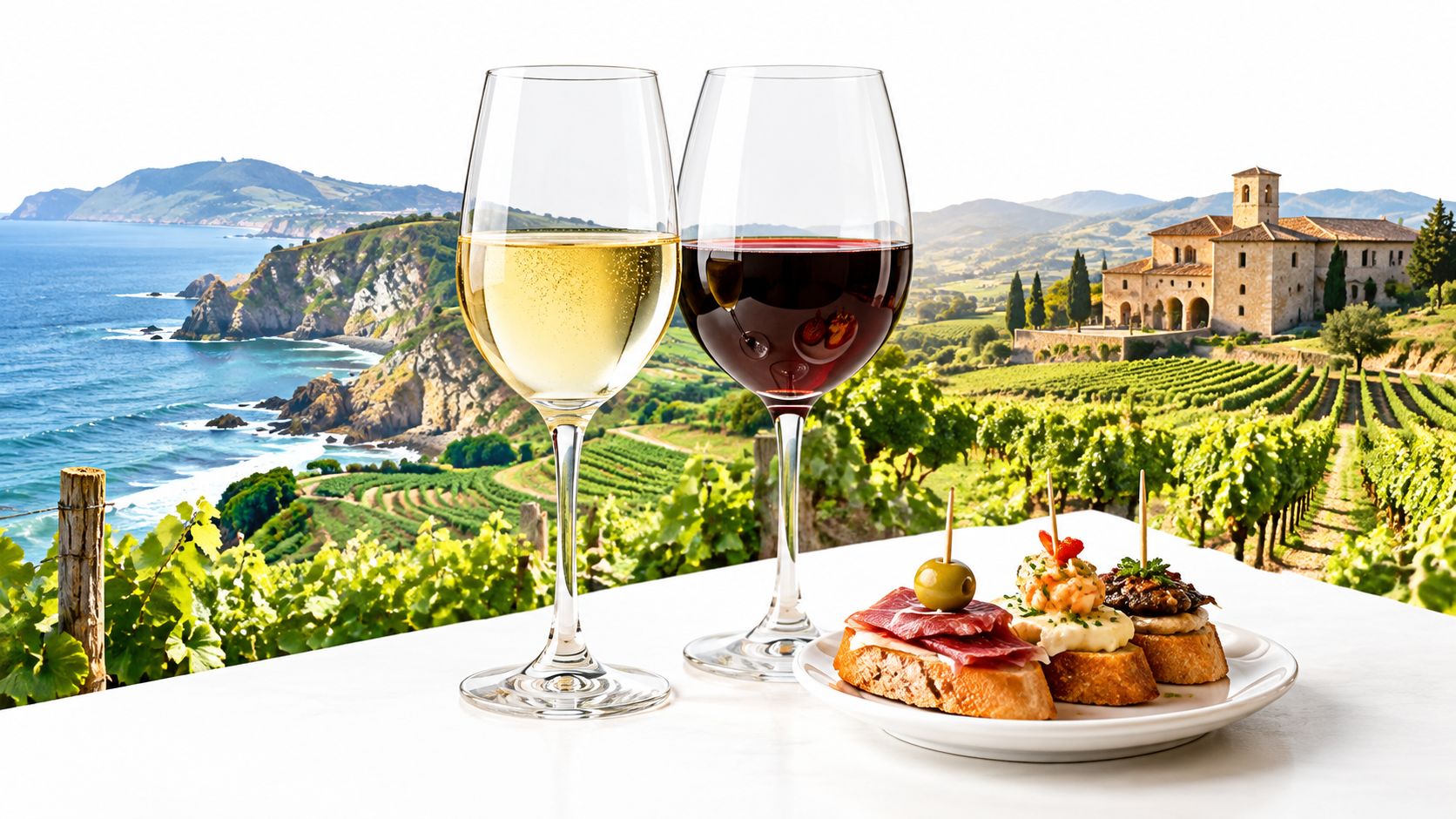
Begin in San Sebastián at standing height. Pintxos are the correct entry point because they teach you how this coast thinks about appetite, product, and restraint. Choose a few bars with purpose. One for anchovies and guindilla peppers. One for something cooked to order. One for a richer house specialty that justifies a final glass before dinner, or replaces dinner entirely.
Then adjust your standards as you move west. Northern Spain does not repeat itself, and your dining strategy should not either.
In Asturias, reserve a serious sidrería and treat it as a cultural institution, not a novelty stop. The pour, the room, the noise, and the timing all matter. Cider belongs in context.
In Galicia, simplify. Order shellfish, hake, turbot, or octopus in places that buy directly and have no need to decorate the plate. Galicia's shellfish sector is one of the defining forces in Spanish seafood, according to the regional government's overview of the industry at Xunta de Galicia. That scale matters because it supports the kind of local supply chain luxury travelers notice. Better product, less handling, shorter distance from water to table.
Small towns often deliver the most convincing lunches. The dining room may look plain. The buying is not. Prioritize restaurants with a focused menu, local regulars, and staff who speak about ingredients with specificity rather than performance.
Order for provenance. Prestige is unreliable. Product is not.
What to drink and where it matters
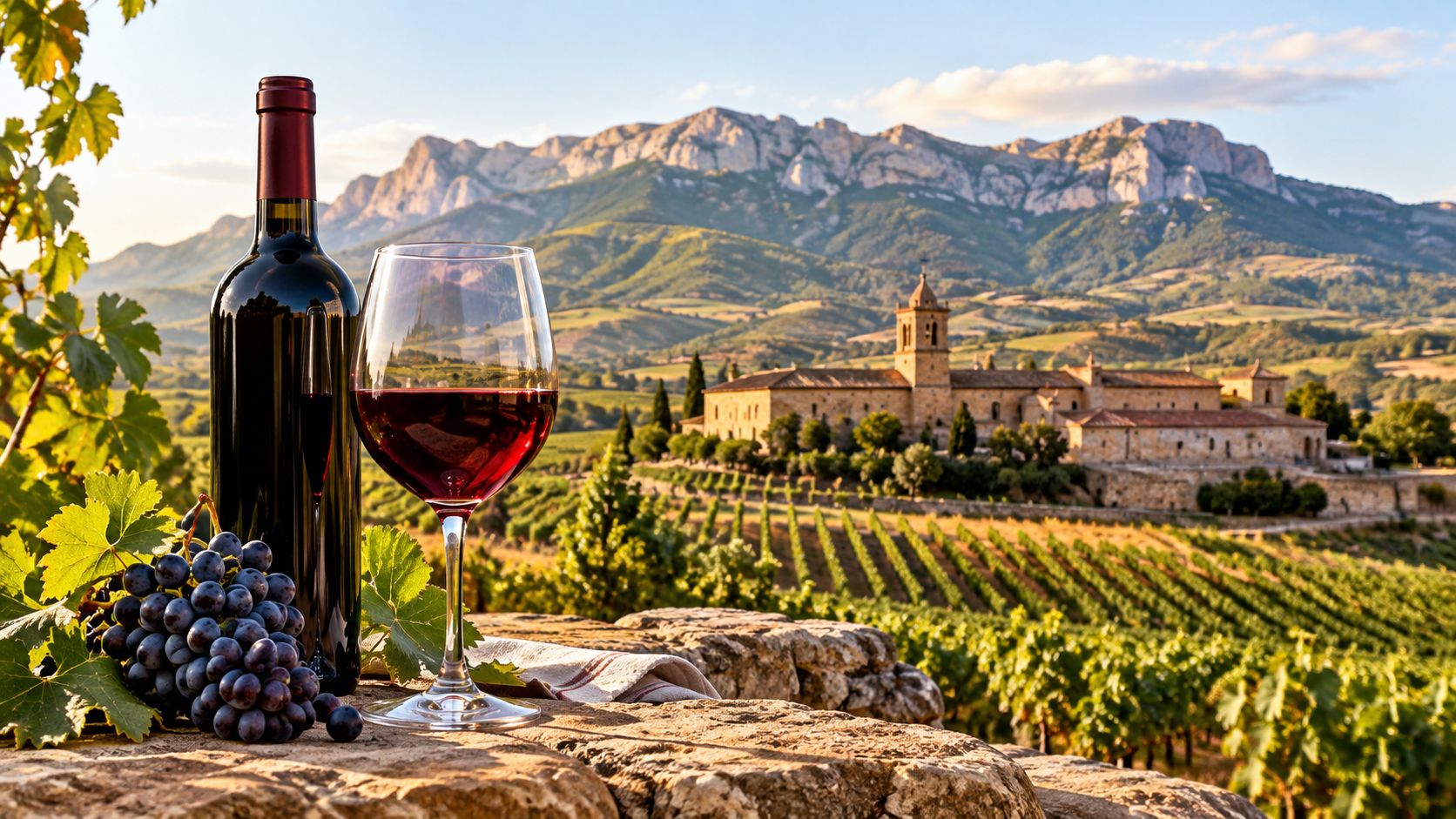
Drink according to geography. Txakoli makes sense on the Basque coast, close to salt air and grilled fish. Albariño belongs near the Galician estuaries, where its acidity and salinity meet shellfish properly. In Asturias, cider is not an alternative to wine. It is the point.
Avoid broad, commercial cellar visits. They consume time and reveal little. The better choice is a private tasting with an owner, estate manager, or serious local guide who can explain site, harvest pressure, and why one parcel matters more than another. This insider's guide to private winery tours in Spain shows the difference between a standard visit and one worth arranging.
Use a simple hierarchy:
- Pintxos bars for judgment and rhythm
- Sidrerías for regional identity
- Seafood restaurants for purity of product
- Michelin dining rooms for technique, service, and occasion
- Private winery visits for access and conversation
Cheese deserves the same seriousness. Across the north, excellent local cheeses reflect pasture, altitude, humidity, and aging traditions with unusual clarity. Handle them properly. Order them before dessert, not as an afterthought, and with someone who knows how to sequence them. That is often where a good lunch becomes a memorable one.
Tailoring Your Trip Active Family and VIP Experiences
The best Atlantic Coast road trip in Northern Spain isn't fixed. It changes according to who's traveling and what the trip is meant to celebrate. The route is flexible enough to support very different versions of luxury without losing coherence.
For active luxury travelers
If you like movement, build the trip around natural features rather than landmarks. Asturias is the natural heart of this version because it lets you combine the coast with mountain access in the same day. Guided walks in or near the Picos de Europa work especially well when paired with a long lunch instead of a packed excursion schedule.
The Basque coast can add surfing or coastal walking, while selected stretches further west suit scenic cycling or golf. The rule is simple: choose one physical anchor per day. Don't stack activities and call it balance.
For premium families
Families need frictionless days more than they need ambitious ones. Northern Spain works well for multigenerational travel because the variety is built into the area itself. Grandparents can enjoy village promenades and long lunches. Teenagers usually engage with caves, boats, beach time, and hands-on food experiences more readily than they do with formal sightseeing.
A strong family version of the trip often includes:
- Prehistoric discoveries: Cave-related heritage and interpretive visits give children and adults something concrete to respond to.
- Interactive food experiences: Private cooking classes or market visits turn meals into part of the day's entertainment.
- Space to decompress: Rural hotels with gardens, views, and flexible common areas outperform urban schedules for mixed-age groups.
For VIP-focused journeys
Some travelers don't want “nice.” They want access.
That version of the route works best when the backbone stays the same but selected moments are enhanced: a private yacht day in Galicia, a closed-door tasting with a winemaker, preferred seating at a hard-to-book restaurant, a private cultural visit outside public hours, or strategic timing around a local festival. The key is discretion. Exclusive experiences only feel luxurious when they're integrated cleanly.
Here's the difference in structure:
| Traveler type | Best pace | Best focus | Planning priority |
|---|---|---|---|
| Active luxury | Moderate | Hikes, coast, scenic movement | Weather-sensitive routing |
| Premium family | Relaxed | Flexible days, varied interests, comfort | Logistics and room configuration |
| VIP-focused | Tailored | Rare access, privacy, standout dining | Advance coordination and local relationships |
A good itinerary doesn't try to satisfy every possible travel style at once. It chooses one center of gravity and builds around it.
Essential Logistics Timing Packing and Booking
Northern Spain punishes casual planning. That is precisely why it works so well as a private Atlantic coast journey. The map looks straightforward, but the difference between a rushed self-drive and a well-composed route is enormous. On this coast, timing shapes access, privacy, and the quality of every stop.
When to go
Choose May, June, September, or early October.
Those months give you the version of the coast that discerning travelers want. Hotels feel calmer. Dining rooms are easier to secure at the right hour. Roads, towns, and promenades still have life, but not the crowded, performative mood that summer can bring. Spain's official tourism data from INE also shows the clear concentration of visitor demand in the summer season, which is exactly why shoulder periods are the smarter choice for this route.
July and August are workable, but only with advance planning and tempered expectations. Beaches are busier, prized rooms disappear first, and even excellent places can feel overexposed. Winter has real appeal for food, dramatic weather, and lower occupancy, yet it suits travelers who care more about atmosphere than swimming or long coastal days.
What to pack
Pack for changeable weather and polished evenings. That is the rule.
Northern Spain rarely stays in one mood for a full day. A cool morning in San Sebastián can turn into warm afternoon light in Cantabria, then end with wind and rain on the Galician coast. Your wardrobe should handle that shift without looking overly practical.
Use this baseline:
- Refined layers: Light knits, crisp shirts, versatile trousers, and pieces that combine easily.
- A proper waterproof outer layer: Bring a real rain jacket, not a fashion compromise.
- Supportive walking shoes: Old quarters, harbor fronts, and coastal paths reward stable footwear.
- Smart evening options: Many top restaurants are relaxed, but casual does not mean careless.
- Compact travel extras: A packable tote, sunglasses, and a discreet day bag keep transfers and day outings tidy.
If you want a practical companion piece before you pack smarter for your road trip, that checklist is useful for refining the basics. For a destination-specific reference, use this Northern Spain packing guide for 2026.
Dress for Atlantic weather and serious dining on the same day. You often will.
How to book it properly
Start with route logic, not hotel lust.
The strongest version of this journey usually runs point-to-point, often with one airport in the Basque Country and another in Galicia or Asturias. A forced loop wastes time and weakens the middle of the trip. Private drivers matter here because the value is not just transport. It is the freedom to enjoy long lunches, coastal wine tasting, and scenic stretches without parking, backtracking, or fatigue.
Book in this order:
- Set the pace first. Ten well-spaced nights outperform twelve rushed ones.
- Fix your airport strategy. Open-jaw flights usually make more sense than returning to your starting point.
- Secure the right hotels early. On this route, room category matters almost as much as the property itself.
- Reserve signature dining and specialist visits in advance. The best tables and private access do not wait.
- Confirm driver and guide availability before finalizing dates. High-quality people are often the first piece to sell out.
- Protect unplanned time. Weather shifts. So does appetite. Good itineraries leave room for both.
A polished private journey along Spain's Atlantic coast should feel easy because the hard decisions were made early and made well.
If you want a private version of this journey done properly, Northern Spain Travel designs bespoke itineraries across the Basque Country, Cantabria, Asturias, Galicia, and beyond, with private drivers, hand-picked hotels, exclusive food and wine access, and on-the-ground support throughout.