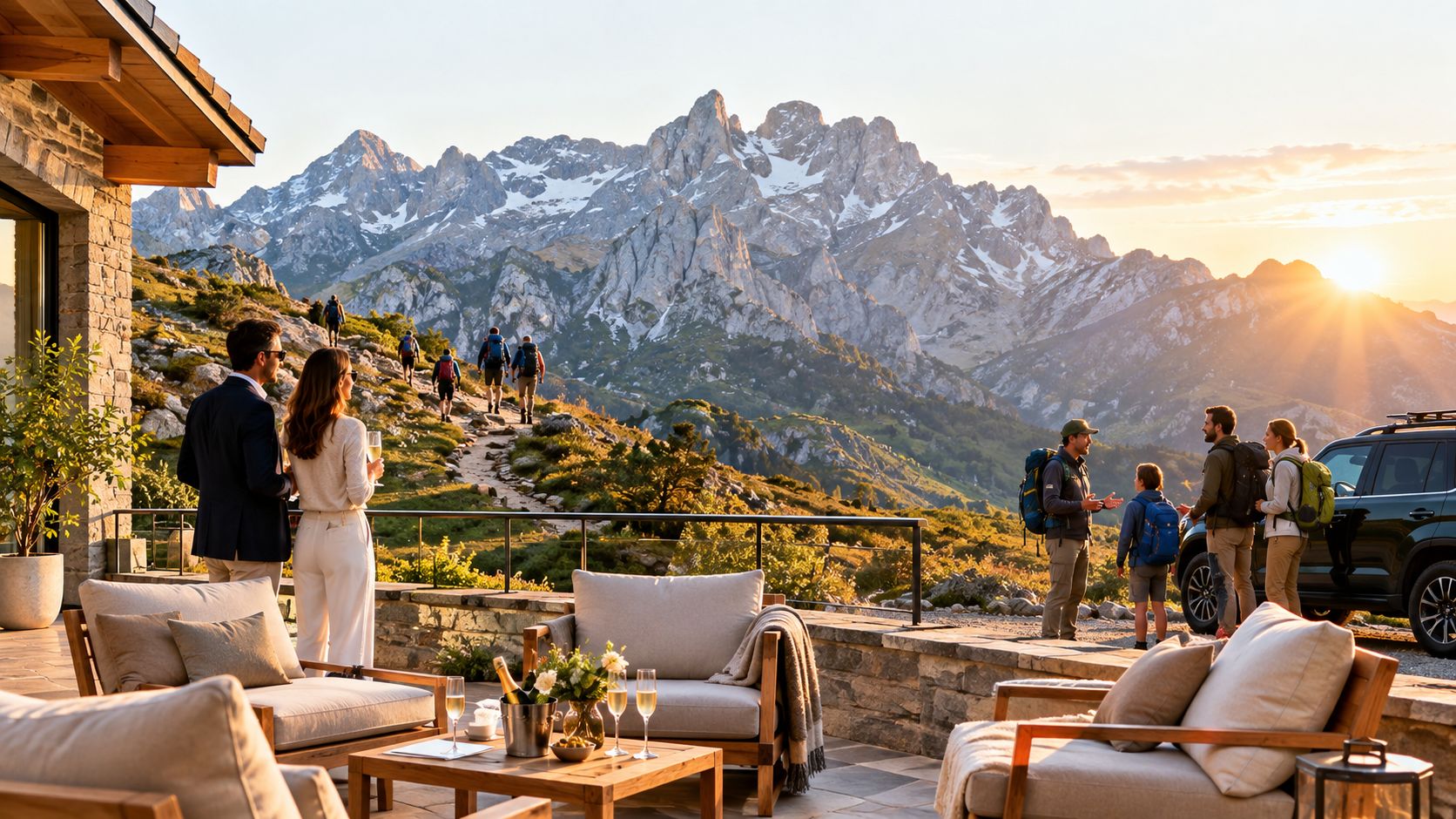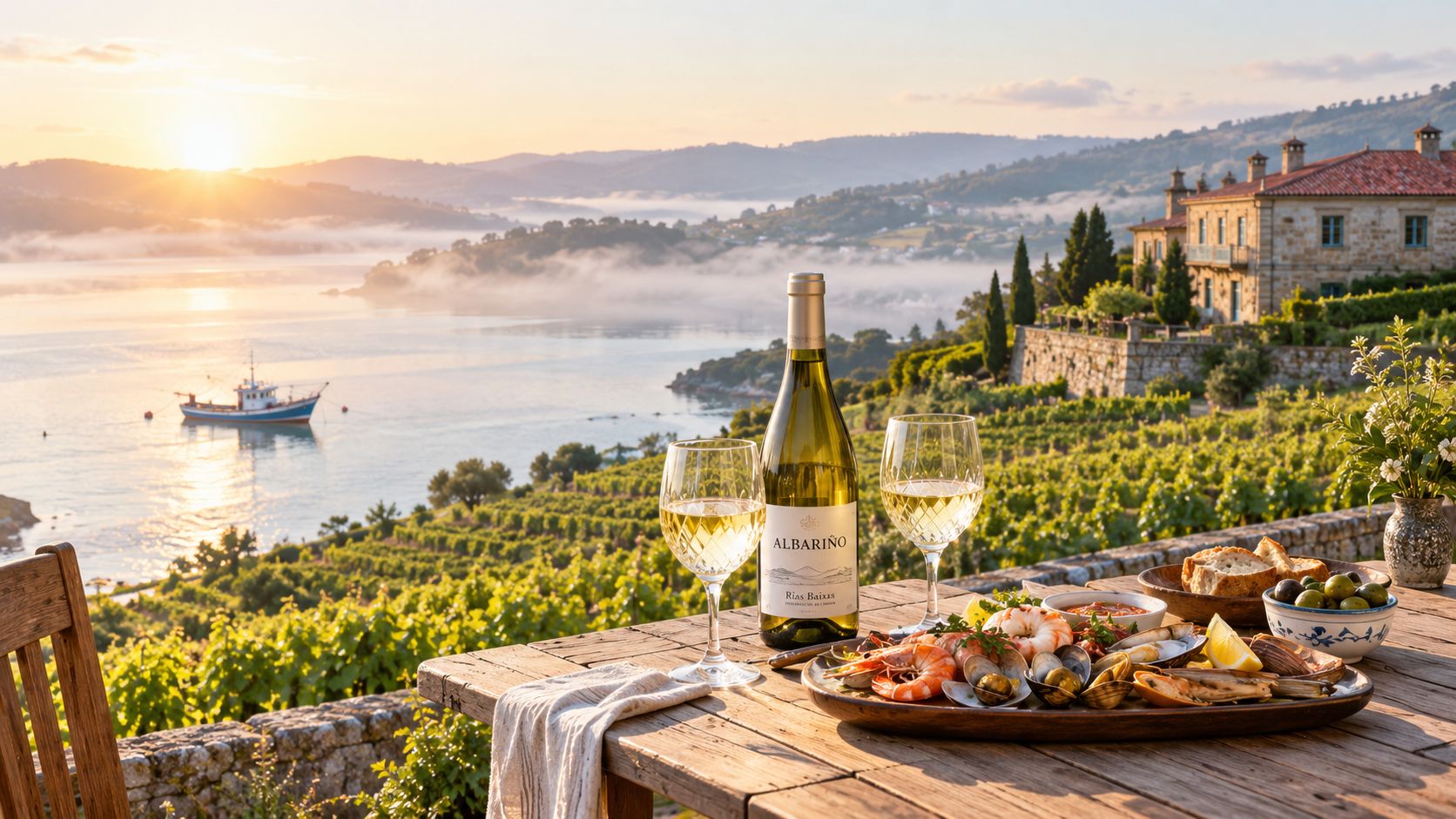
You've already done the obvious Spain trip. You've booked San Sebastián tables, toured Rioja, and perhaps driven the coast. What you want now is access with context. Not another generic “food festival in Spain” roundup, but a smart way to experience gastronomy festivals without wasting time in lines, overcommitting your schedule, or landing in events that don't suit your pace.
Spain rewards travelers who plan around the right festival, not just the most famous one. Some are wild and photogenic. Some are serious professional gatherings. Some are best approached with a private guide, a driver, and a late lunch reservation already secured. That matters because gastronomy festivals now sit at the center of travel culture. Research by Doğdubay and İlsay found that 30% of all festivals held worldwide are gastronomy festivals, making them the largest single category of global cultural events (Emerald on gastronomy festivals and event development).
Beyond the Michelin star, Spain's culinary heart beats strongest in its regional celebrations. The right one gives you food, place, ritual, and local identity in a single day. This guide focuses on the Spanish festivals worth building a 2026 trip around, especially in Northern Spain, and on how to experience them with comfort, style, and authentic access.
Table of Contents
- 1. “The Wine Battle” – Iconic Festival Experience in Haro
- 2. San Sebastián Gastronomika
- 3. Festa do Marisco de O Grove
- 4. Arrain Azoka (Bermeo Fish Fair)
- 5. Semana del Pincho de Navarra
- 6. Jornadas de Exaltación y Fiestas de la Verdura (Tudela)
- 7. Fiesta de la Sidra Natural de Gijón
- Top 7 Gastronomy Festivals Comparison
- Planning Your Bespoke Gastronomy Tour
1. “The Wine Battle” – Iconic Festival Experience in Haro

If you want one festival that feels unmistakably Spanish and impossible to replicate elsewhere, Haro's Wine Battle is the standout. In public form, it's joyful chaos. In private form, with the right planning, it becomes one of the strongest luxury event experiences in Rioja.
Northern Spain Travel's Wine Battle Festival Experience in Haro gets the framing right. Instead of dropping you into the most crowded moments and hoping for the best, it wraps the festival in boutique accommodation, private transfers, local guidance, cellar visits, and a pace you can enjoy. That's the difference between “we attended” and “we understood what we were attending.”
Why it works for luxury travelers
The festival itself is loud, wet, and exuberant. The luxury is everything around it. A strong itinerary can include Rioja dining, private tastings, and time in Haro that goes beyond the spectacle and into the wine culture that made the event possible in the first place.
That matters because affluent food travelers increasingly want experiences, not just reservations. The global culinary festival tourism market reached USD 42.7 billion in 2024, and the same market analysis says over 40% of global consumers indicate a high likelihood of attending food and drink festivals annually (Dataintelo culinary festival tourism market report). Haro delivers the kind of immersion that fits that shift, especially when paired with private access.
A useful pre-read before you go is this culinary guide to Haro and Rioja's wine capital. It helps place the event within the wider region, which is essential if you're staying several nights.
Practical rule: Don't treat Haro as a day trip if comfort matters. Arrive settled, sleep nearby, and let someone else manage transfers, timing, and post-festival logistics.
For readers in the event world, there's also a helpful guide to art and wine event management that captures why wine-centered events need tighter coordination than they first appear to.
Best fit and real trade-offs
This is the best choice for travelers who want one iconic, sensory-rich festival and are happy to lean into the region around it. It works especially well for couples, milestone trips, and private groups that want a memorable event without sacrificing hotel standards or dining quality.
The trade-off is simple. Even with excellent planning, the core event remains messy. If your idea of luxury means pressed linen, silence, and controlled environments all day, this isn't your festival.
- Best reason to book: Private curation turns a chaotic public event into a polished Rioja experience.
- Best add-on: Pair it with boutique winery days and long lunches before or after the festival.
- Main caution: Dates matter, availability tightens early, and the style is celebratory rather than serene.
2. San Sebastián Gastronomika

You arrive at the Kursaal after breakfast, spend the morning in chef-led sessions and tastings, then step out into San Sebastián with time for a proper lunch, a rest, and a serious dinner reservation. That rhythm explains why Gastronomika works so well for travelers who want access to culinary talent without giving up comfort.
San Sebastián Gastronomika is a congress first, and that focus is its strength. The format attracts chefs, producers, buyers, journalists, and committed food travelers, so the value comes from curation rather than spectacle. You can review the current program and access options on the official San Sebastián Gastronomika website.
The location does a lot of the work. The Kursaal keeps the event contained and efficient, while the city around it provides the pleasures a professional venue cannot. Walkable distances matter here. They let you split the day intelligently between conference content and the restaurants, bars, and hotels that make San Sebastián one of the most polished culinary bases in Northern Spain. This San Sebastián guide on where Michelin stars meet the Bay of Biscay helps shape that wider city stay, and if your trip continues west, this look at Combarro's Galician seafood culture and coastal dining is a useful next step for a broader northern Spain food route.
For affluent travelers, the right approach is selective. A full congress pass suits guests seeking masterclasses, producer insight, and front-row culinary programming. Many others do better with a lighter schedule, one or two high-value sessions, a private guide for pintxos rounds, chauffeured transfers for out-of-town meals, and restaurant reservations locked in well ahead of arrival.
Research published in the International Journal of Gastronomy and Food Science notes that food festivals influence destination image and travel decisions, particularly when visitors connect the event with local identity and product quality (study on gastronomy festivals, destination branding, and tourist behavior). Gastronomika does that in a more disciplined format than a public street festival. It sells San Sebastián through expertise, provenance, and access.
Book Gastronomika for the program, then build the trip around the city. The congress supplies the framework. Private dining, hotel choice, and pacing determine whether it feels refined or exhausting.
The trade-offs are straightforward. This is one of Spain's best food events for travelers who like substance and are happy to plan ahead. It is less satisfying for anyone expecting spontaneous revelry or casual drop-in grazing all day. Sessions can sell out, headline restaurants fill early, and the city's popularity means the best rooms and tables rarely reward late booking.
3. Festa do Marisco de O Grove

By late morning, the queues start to form, trays of shellfish move quickly, and the waterfront takes on the rhythm of a town that knows exactly what it is serving. O Grove is one of the clearest expressions of Galicia's seafood culture. The product is the luxury here: crab, mussels, scallops, razor clams, and octopus served close to the estuaries and rafts that define this coast.
That is why the festival works. It gives affluent travelers something many polished food events cannot: direct access to place. The official Festa do Marisco website is still the best starting point for dates, program details, and logistics, but the key difference comes from how you frame the visit.
Treat O Grove as a private coastal itinerary with a festival at its center, not as a full day of casual wandering. I usually advise clients to stay outside the busiest pedestrian core, book a driver for the day, and pair lunch at the festival with a winery appointment in Rías Baixas or a boat-based outing on the estuary. That pacing gives the trip shape and keeps the experience comfortable.
For a broader coastal route, this guide to Combarro, Galician seafood, and coastal charm adds context that many visitors miss if they only pass through O Grove for a few hours.
Planning matters here because the festival's strengths and weaknesses are closely linked. The atmosphere is lively, the seafood quality can be excellent, and the setting is local in character. Service is also informal, seating can be limited at peak times, and the best experience usually goes to travelers who arrive with a clear schedule rather than hoping for refined spontaneity. The Spain.info page on Festa do Marisco is useful for confirming the event's official tourism listing while you map the wider trip.
- Go for: Outstanding Galician seafood, strong local character, and a less mediated festival experience.
- Plan around: Midday congestion, simple service, and limited privacy.
- Improve it with: Chauffeured transfers, a polished hotel in the wider Rías Baixas area, and pre-arranged winery or sailing add-ons.
O Grove suits travelers who care more about provenance than ceremony. It is less persuasive for anyone who expects hushed rooms, exact service, and restaurant-level pacing at every stop. Done well, though, it becomes one of the smartest luxury detours in Atlantic Spain because you get the region's defining product at source, then retreat to a better base once the crowds build.
4. Arrain Azoka (Bermeo Fish Fair)

Arrain Azoka is one of the best festivals in Northern Spain for travelers who prefer producer contact over spectacle. Bermeo's fishing identity gives the fair its backbone, and the focus on conservas, smoked products, and local seafood makes it especially interesting for travelers who already know Basque dining and want to go one level deeper.
It's also manageable. You can talk to people here. That's a major advantage when many larger gastronomy festivals are better for atmosphere than for understanding. Event information is listed through Euskadi Tourism's Arrain Azoka page.
Who should choose it
Choose Bermeo if you want substance, not celebrity. It suits travelers who enjoy learning how products are made, how they're preserved, and why local fishing culture still shapes the table in the Basque Country.
A broader issue also sits behind festivals like this. Some food festivals market inclusion while excluding lower-wage workers and lesser-known culinary professionals from meaningful participation. One critique argues that many such events have become the “province of the very wealthy,” even while they may boost revenue for organizers (Southern Foodways on the hidden costs of food festivals). Smaller fairs with stronger local producer presence often feel more grounded, though curation still matters if you want your spending to support the right people.
Smaller festivals often deliver the best conversations. You won't always get the biggest names, but you'll often get the clearest sense of place.
Bermeo is easy to combine with the Basque coast, private producer visits, or a scenic day linking fishing villages and lunch. The main drawback is accessibility in the broad sense. Content can be more local, more bilingual, and less designed for international visitors. That's precisely why a guide adds value here. Without one, you may enjoy the fair but miss half the story.
5. Semana del Pincho de Navarra

Semana del Pincho is ideal for travelers who like movement. You're not anchored to one venue. You're navigating bars, comparing bites, and reading a city through its counter culture. Pamplona suits that format well because the old center is compact enough to cover on foot but varied enough to keep the route interesting.
The official Semana del Pincho website is the place to track participants and current details. This is a competition week, not a single-site festival, which means your route determines your experience.
How to taste without burning out
The smartest approach is a selective one. Don't try to taste everything. Pick neighborhoods, reserve one proper lunch or dinner, and use a guide or a curated map to avoid weaker stops.
What works here is the combination of local energy and low-friction tasting. What doesn't work is improvising at peak hours and assuming every participating bar is equally strong. They aren't.
There's also a wider practical context. Some observers now question how travelers can attend food festivals without reinforcing the commercialization that sidelines local workers, especially as festival economics become more fragile. One commentary notes that 25 American food festivals have vanished since 2024 due to unsustainable pressures, while asking how travelers can seek more equitable experiences (discussion of food festival inequity and closures). In Navarra, the answer often lies in thoughtful curation. Spend across strong local bars, not just the most publicized names.
- Best for: Couples who enjoy bar culture, city walking, and tasting many small creations.
- Less ideal for: Travelers who dislike standing-room venues or shifting plans.
- Worth adding: A private historical walk of Pamplona and a slower wine-focused day in Navarra afterward.
This is one of the most sociable gastronomy festivals in Spain. It's also one of the easiest to overdo. Three excellent bars beat ten forgettable ones.
6. Jornadas de Exaltación y Fiestas de la Verdura (Tudela)

A well-planned spring day in Tudela can start with white asparagus cut that morning, continue with artichokes and baby lettuces at the market, and end at a restaurant where the menu reads like a map of the Ribera. For travelers who care about provenance, seasonality, and access, this is one of the most rewarding food festivals in northern Spain.
The festival revolves around the produce of the Ribera of Navarre. Restaurants, market programming, cooking demonstrations, and local events build the case for vegetables as serious regional cuisine, not a side note. Current event details are typically listed through Navarra tourism's page for the vegetable festival in Tudela.
What matters here is curation.
Tudela works best with a tight plan: one standout lunch, one producer or market visit, and enough private transport to avoid wasting time between scattered events. The trade-off is clear. The festival has authenticity and product quality in abundance, but it rarely hands visitors an effortless itinerary. Without advance reservations and local coordination, the experience can feel fragmented.
I recommend Tudela most often to travelers who have already covered Rioja, San Sebastián, and the larger headline festivals. It offers a different kind of luxury. Better access to growers, quieter dining rooms, and plates that make sense only in this place and this season.
A wider travel shift also supports Tudela's appeal. Industry reporting has pointed to rising interest in sustainable food tourism and region-specific culinary travel, which helps explain why a produce-led festival now draws serious gastronomic attention beyond Navarra (UN Tourism report on gastronomy tourism).
“Luxury” in Tudela means the right table, the right host, and context. It means arranging a market-led morning with a local expert, then following it with a tasting menu that treats borage, peas, cardoons, and asparagus with the same care other destinations reserve for caviar or truffles.
The main constraint is logistics. Accommodation in Tudela is limited compared with larger food cities, top dining rooms fill early during the festival period, and some of the most interesting experiences sit behind personal introductions rather than polished public booking systems. For the right traveler, that is precisely the appeal.
7. Fiesta de la Sidra Natural de Gijón

Late afternoon in Gijón, the terraces fill, bottles start to tilt high above the glass, and the city shifts into its natural register. Fiesta de la Sidra Natural works best for travelers who want to step into that rhythm comfortably, with the public celebration handled well and the private side of Asturian cider arranged properly.
This festival stands apart because it is built around a living habit. Sidra in Asturias is daily culture, social ritual, and local identity. During the festival, Gijón brings that culture into the open through tastings, pouring demonstrations, cider routes, and larger civic events. The practical starting point is Spain.info's page for the Fiesta de la Sidra Natural de Gijón.
A more refined approach
The strongest itinerary pairs time in the city with access to a traditional llagar outside the center. Public events give you atmosphere. A private visit gives you context, better pacing, and the chance to taste with a producer who can explain apple varieties, fermentation, and why natural cider in Asturias is poured and served the way it is.
For high-end travelers, that combination matters. Gijón can be festive and crowded, particularly during headline moments, and the center rewards flexibility more than precision. A car and driver changes the day completely. It allows lunch on the coast, a late-afternoon visit in Villaviciosa or Nava, then a return to the city for the evening program without relying on improvised transport.
Luxury travel demand has also shifted toward experience-led itineraries with stronger local access, a pattern reflected in the Virtuoso Luxe Report. Gijón suits that style of planning especially well because the public festival is only half the story.
- Choose it for: Asturian cider culture, sociable city energy, and a late-summer stop that works well within a broader northern Spain route.
- Watch for: Busy central events, limited last-minute tables, and a program that often rewards local knowledge.
- Improve it with: Reserved dining, a private driver, and llagar visits in cider-producing areas such as Villaviciosa or Nava.
I recommend Gijón to travelers who enjoy a lively atmosphere but do not want to spend the day standing in the wrong queue or guessing where the better cider houses are. Handled well, the festival gives you both sides of Asturias. The convivial public face in the city, and the quieter, more serious craft behind it.
Top 7 Gastronomy Festivals Comparison
| Event / Experience | Implementation complexity 🔄 | Resource requirements ⚡ | Expected outcomes 📊 | Ideal use cases 💡 | Key advantages ⭐ |
|---|---|---|---|---|---|
| “The Wine Battle” – Haro | High, complex private logistics, date‑specific | High, private transfers, guides, boutique lodging | Immersive, safe luxury festival access and deep wine/food focus | Luxury travelers wanting curated, sensory festival immersion | ⭐ Exclusive access, expert guides, gourmet pairings |
| San Sebastián Gastronomika | Medium, structured program, timed sessions | Medium, conference pass, reserved seating, travel | High-quality chef insights, trends and networking opportunities | Culinary professionals and serious food travelers | ⭐ World-class chefs, content-rich agenda, networking |
| Festa do Marisco de O Grove | Low, open public festival, straightforward entry | Low, pay-per-dish, casual attire, patience for queues | Wide sampling of Rías Baixas seafood; informal tasting experience | Seafood lovers and day-trippers seeking regional specialties | ⭐ Benchmark seafood variety; excellent Albariño pairings |
| Arrain Azoka (Bermeo) | Low, small fair, short 3‑day window | Low–Medium, purchases from producers, short visits | Discover local conservas, smoked products and community culture | Conservas enthusiasts; curated producer visits or tastings | ⭐ Direct producer access; manageable, authentic scale |
| Semana del Pincho de Navarra | Low, mapped, juried competition across bars | Low, fixed-price pintxos, walking, local booklet | Broad sampling of pintxo innovation at controlled cost | Budget-minded food explorers and guided tasting routes | ⭐ Cost-effective sampling; strong local buzz |
| Jornadas de la Verdura (Tudela) | Medium, dispersed events across region | Medium, restaurant bookings, farm visits, seasonal timing | Deep seasonal-vegetable focus and farm-to-table experiences | Seasonal produce enthusiasts and private farm/chef tours | ⭐ Hyper-seasonal freshness; chef and farm access |
| Fiesta de la Sidra Natural de Gijón | Low–Medium, citywide events, variable schedules | Low–Medium, guided routes, tastings, public events | Immersive sidra culture, demonstrations and family activities | Cider lovers and cultural-immersion travelers | ⭐ Unique Asturian tradition; llagar visit opportunities |
Planning Your Bespoke Gastronomy Tour
The best gastronomy festivals don't work as isolated bookings. They work as anchors. A wine battle becomes extraordinary when it sits inside a Rioja itinerary with private cellar access and the right hotel. A seafood festival becomes richer when you add estuary views, producer visits, and a long lunch by the water. A cider celebration lands differently when you've already spent time with Asturias beyond the city.
That's the main planning mistake independent travelers make. They choose a festival, then fit the rest around whatever remains. The stronger approach is the reverse. Start with the pace you want, the style of access you value, and the kind of food culture you're most curious about. Then build the festival into a route that has room for recovery, surprise, and quality.
This matters even more now because gastronomy festivals can be both rewarding and uneven. Some are excellent at showcasing local identity. Some are crowded, commercial, and hard to find your way without support. Some deliver their best moments outside the official program. The ultimate luxury is knowing the difference before you arrive.
Northern Spain is particularly good for this style of travel because the regions connect so well thematically while remaining distinct. Rioja gives you cellar culture and ritual. The Basque Country offers chef-driven precision and coastal identity. Navarra adds seasonal produce and pintxo creativity. Galicia brings Atlantic seafood and white wine. Asturias contributes cider, green scenery, and a different tempo entirely.
For travelers who want more than tickets and hotel bookings, a private designer makes the experience smoother and smarter. Northern Spain Travel specializes in fully private journeys that combine festival timing with boutique hotels, private guides, drivers, dining strategy, and rare local access. If you're thinking about a milestone trip, a food-and-wine journey, or a multigenerational itinerary built around one of these events, it's worth starting with a team that knows which festival should be the centerpiece and which should remain a supporting note. For broader high-end trip design ideas, you can also explore personalized travel solutions.
Northern Spain Travel creates private, tailor-made journeys that turn Spain's gastronomy festivals into well-executed, uniquely personal experiences. If you'd like help choosing the right festival, securing the right hotel, and building a refined itinerary around food, wine, and local access, visit Northern Spain Travel to start planning your 2026 trip.