You're probably having the same conversation many seasoned travelers have by late winter or early spring. You want summer to feel effortless, familiar enough to be dependable, and polished enough to justify the time. New England is the classic answer. It offers sailboats, cedar shingles, private gardens, lobster on the terrace, and that old-money ease people still try to imitate elsewhere.
But the standard version of a New England summer isn't what most discerning travelers want anymore. They don't want to queue for a seaside restaurant, share a beach with half the Northeast, or spend serious money to feel like they booked the obvious choice. They want the iconic setting, yes. They also want space, silence, and logistics that don't fray the experience.
That's the question now. Not whether New England is beautiful. It is. The question is whether you can still shape it into something private.
If you're also weighing the pull of the coast against a more original Atlantic summer, it's worth keeping one eye on how affluent travelers are rethinking maritime travel more broadly. Even browsing curated information on cruise ships is useful for understanding which style of sea access feels elegant and controlled, and which feels crowded before you ever commit to a port-based itinerary.
Table of Contents
- The Pursuit of the Perfect Summer Escape
- Understanding the New England Summer Climate and Vibe
- Exploring Elite Coastal Enclaves and Private Harbors
- Discovering Serene Inland Retreats and Cultural Havens
- Designing Curated Itineraries for Your Group
- Mastering Logistics for a Seamless Journey
- Considering Northern Spain A Sophisticated Alternative
The Pursuit of the Perfect Summer Escape
The most disappointing luxury trips usually fail in one of two ways. They're either overexposed, meaning everyone else had the same idea, or overprogrammed, meaning every hour is spoken for and none of it feels like leisure. A proper New England summer should do neither.
The appeal is obvious. You have maritime charm, old estates, hydrangea-lined lanes, regattas, understated hotels, and a social code that still respects discretion. For travelers who value polish over novelty for its own sake, that combination still works. But only if you approach the region like an editor, not a tourist.
What the best trips get right
The right New England plan is selective. It does not try to “see” the whole region. It picks one atmosphere and commits. That might mean a harbor-facing stay with boat access and private dining, or an inland cultural retreat with no pressure to perform summer in the usual way.
A poor itinerary chases reputation. A strong one protects the mood.
Practical rule: If a place is famous for summer, assume you need a strategy for entering it privately or skip it altogether.
Many standard guides often fall short. They praise the same names but don't address the actual friction points. Which islands reward staying outside the center. Which coastal towns are elegant by day and chaotic by dinner. Which inland properties let you disappear without feeling exiled.
The modern luxury question
The issue isn't whether Nantucket, Newport, or the Vineyard deserve their reputations. They do. The issue is whether your version of them will feel refined once peak-season demand compresses everyone into the same ferry schedules, dining windows, and beach rituals.
That's why I now advise clients to think in two categories:
| Travel priority | Better approach |
|---|---|
| Iconic East Coast summer | Choose one marquee destination and build private access around it |
| Privacy first | Shift dates, stay outside the obvious center, or consider a different coastline entirely |
| Cultural depth | Mix coast with inland music, art, gardens, and estate experiences |
| A fresh Atlantic summer | Look beyond the American classics |
New England still works beautifully. It just doesn't reward lazy planning anymore.
Understanding the New England Summer Climate and Vibe
You arrive to exactly the summer scene everyone wants. Salt air at breakfast, a polished terrace by late afternoon, dinner outdoors in a linen jacket. By 1 p.m., the heat is heavy, the roads are slower than expected, and the quality of the day depends on whether your hotel, driver, and timing were chosen with care.
That is the modern New England summer. The appeal remains intact. The margin for error is smaller.

The modern seasonal reality
New England still offers the classic mix people come for: warm days, cooler evenings inland, humidity along the coast, and a social rhythm built around water, gardens, and long twilight. Earth at Home's New England climate overview remains a useful baseline for understanding that broader regional pattern. What matters for trip design, though, is that the old assumptions are less reliable than they were.
Massachusetts makes the point clearly. Average summer temperatures in Massachusetts have risen by 2.75 degrees Fahrenheit over the past 55 years, and New England cities that once saw only a handful of 100°F days could face far more by the end of the century, according to CommonWealth Beacon's reporting on new data.
For a luxury traveler, this is not a theoretical climate note. It affects the shape of the day. Midday sailing is still attractive, but long exposed lunches need shade and an exit plan. Garden visits are best scheduled early. Formal evening events remain enjoyable if you protect the hours before them with proper cooling, quiet downtime, and short transfer windows.
My recommendation is straightforward. Treat New England as a morning and evening destination in peak summer, unless you are staying somewhere with serious grounds, strong air conditioning, and privacy on site.
When comfort matters more than calendar prestige
Late July and early August still carry social cachet. They do not always deliver the best experience.
Mid-June and early September often do. You still get long light, open restaurants, boating weather, and gardens in form. You usually avoid the worst combination of heat, traffic, and performative crowding. For clients who want the New England idea without the full weight of New England demand, those windows are often the smarter buy.
That timing question also explains why some travelers should reconsider the region altogether. If your priority is Atlantic culture, elegant food, and coastal beauty with less ritualized congestion, Northern Spain can be the more refined choice. New England wins on nostalgia and social shorthand. Northern Spain often wins on ease, authenticity, and the ability to disappear without sacrificing standards.
Use this filter:
- Choose coastal New England if you want classic American summer codes and are willing to plan around heat, reservations, and access.
- Choose inland New England if you want cooler evenings, cultural programming, and more privacy with less social theater.
- Choose Northern Spain instead if you want an Atlantic summer that feels cultivated rather than over-scheduled.
The vibe by geography
The coast is ceremonial. It runs on harbor mornings, pressed shirts at lunch, boats, cocktails on lawns, and dinners that start late because everyone is arriving from somewhere else.
The interior is calmer and, in many cases, better mannered. You trade some maritime glamour for space, air, music, gardens, and a pace that does not require constant tactical booking.
Choose based on temperament, not mythology. If you prefer privacy, cooler evenings, and culture that does not announce itself, inland New England or Northern Spain will often suit you better than a famous island in August.
Exploring Elite Coastal Enclaves and Private Harbors
If you're choosing the coast, choose your town with precision. New England's best-known enclaves aren't interchangeable. Each has its own social rhythm, visual language, and tolerance for exposure.

Choose the town by temperament
Nantucket suits travelers who want elegance without theatricality. The best version of it involves a polished inn, a driver or bicycle strategy, early dinner reservations, and beach access arranged away from the most obvious public patterns. It's charming, yes, but it's also highly observed in season. Go there if you appreciate restraint and can secure the right base.
Martha's Vineyard is broader and more flexible. It allows for a softer, more residential kind of luxury. If you know where to stay, you can create a multi-generational rhythm there that feels easier than Nantucket. The mistake is treating the island as one thing. It isn't. Different corners suit different temperaments.
Newport is for travelers who enjoy visible polish. Yachting culture, Gilded Age architecture, manicured lawns, and a more openly social luxury scene define it. If you want grandeur, Newport delivers. If you want anonymity, it requires more care.
Kennebunkport is gentler. It's less about display and more about a well-run summer house mood. That makes it attractive for couples and families who want good food, coastal walks, and a quieter cadence.
Here's the simplest explanation:
| Destination | Best for | Watch out for |
|---|---|---|
| Nantucket | Refined privacy, small-scale chic, discreet boutiques | Tight availability and heavy peak-season visibility |
| Martha's Vineyard | Families, repeat summers, varied atmospheres | Overcommitting to island transit without a plan |
| Newport | Yacht culture, mansions, statement weekends | A scene that can feel more public than restful |
| Kennebunkport | Soft luxury, slower days, understated comfort | Assuming low-key means no need to pre-book |
What privacy really requires on the coast
Privacy doesn't happen by booking the most expensive room. It comes from sequencing.
First, avoid the most obvious arrival pattern. If everyone lands, transfers, checks in, and dines on the same timetable, the whole destination feels compressed. Second, favor properties with physical separation. Cottages, detached suites, and residences outperform glamorous but dense main buildings during summer.
Third, build the day around private access, not around public landmarks.
- On the water: Charter a boat for a half-day or sunset run rather than joining a popular excursion.
- At the beach: Prioritize properties or house rentals with easier access to quieter stretches, not just “proximity.”
- At dinner: Book the first or last seating and let lunch carry more of the culinary ambition.
- For shopping: Use the early morning window. Coastal towns are most appealing before they fill.
The coast is at its best before noon and after six. Plan around that and you'll feel as if you've rented the place rather than arrived with the crowd.
The harsh truth is that many so-called exclusive New England experiences aren't exclusive at all. They're just expensive versions of the public itinerary. A better approach is narrower and more controlled. One beautiful harbor. One excellent hotel. One well-timed boat day. One dinner that's worth dressing for. That's enough.
Discovering Serene Inland Retreats and Cultural Havens
The inland version of a New England summer is often the smarter choice. It's less photographed, less performative, and far easier to shape around rest.

The Berkshires and parts of Vermont offer something the coast often struggles to preserve in peak season. Silence. Not emptiness, but breathable space. You can have a serious cultural calendar, an excellent meal, a scenic drive, and a proper night's sleep without feeling obliged to compete for position.
The Berkshires for culture without spectacle
A strong Berkshire day starts late. Breakfast on a terrace, a private movement or wellness session, perhaps a leisurely drive through villages rather than a rigid timetable. The luxury here is not just in the room or the spa. It's in the pace.
By afternoon, this part of New England rewards travelers who like substance. Estate grounds, independent galleries, bookshops, gardens, and a music program that gives the day shape without swallowing it whole. Tanglewood remains the cultural shorthand, but the region works best when you combine one anchor event with a quiet lunch and a flexible evening.
That rhythm is easier to see than describe. This gives a useful sense of the setting and tone:
What I like most about the Berkshires is that luxury doesn't need to announce itself. A refined country inn, a private house rental, or a wellness-forward property can all work. What matters is having enough seclusion to read, nap, dress slowly, and still make a concert or tasting without stress.
Vermont for quiet luxury with air around it
Vermont has a different register. Less social, less decorative, more restorative. The Woodstock and Stowe area suits travelers who like mountain views, polished inns, local produce handled seriously, and outdoor activity in measured doses.
A very good Vermont afternoon might include:
- A gentle scenic walk: Not a punishing hike. Something shaded, beautiful, and short enough that you still want dinner.
- A farm-led lunch: Seasonal ingredients, proper service, no gimmicks.
- A private tasting or gallery visit: Better than trying to string together too many public stops.
- A long evening on the terrace: That's often the high point, not the prelude.
Inland New England suits people who want to feel restored by summer, not merely entertained by it.
If the coast feels like a stage, the interior feels like a house with the doors open. For many experienced travelers, that's the better luxury.
Designing Curated Itineraries for Your Group
The only itineraries worth building are the ones that respect the group's actual behavior. Not their fantasy behavior. If a couple likes slow mornings, don't give them sunrise sailing. If grandparents tire by late afternoon, don't anchor the whole trip around long transfer days and dinner reservations that start too late.
For couples who want mood not movement
For couples, I'd keep the structure elegant and spare. Three anchors per day is plenty. A late breakfast, one meaningful outing, one polished evening plan.
That might look like a harbor walk followed by a private boat charter, then a long break before dinner. Or it could be an inland gallery visit, spa treatment, and concert night. Couples don't need variety for its own sake. They need atmosphere, privacy, and no administrative friction.
A useful benchmark when comparing trip styles is to review how luxury planners frame personalization. Resources like Haute Black's custom travel options show the difference between buying a package and shaping a trip around actual preferences. The same principle applies here. Build less into the day, then enhance each piece.
If you want a good example of how private travel should feel when it's designed around access rather than volume, this guide to bespoke Spain luxury travel and exclusive access captures the standard well, even if your summer remains in the Northeast.
For multigenerational families who need smooth pacing
Families spanning three generations need elasticity. The trick isn't finding activities for everyone. It's preventing anyone from being trapped by the same activity all day.
I'd structure it like this:
-
Shared morning ritual
Breakfast together, a relaxed beach window, or a garden walk. Something low-pressure that includes everyone. -
Split midday programming
Children go crabbing or on a nature outing with a guide. Parents take a boat trip or lunch. Grandparents rest or enjoy a local cultural stop. -
A reconvening event
Early dinner at a comfortable property, lawn games, private chef meal, or sunset cruise.
The common mistake is overvaluing “togetherness” and undervaluing comfort. Families are happier when everyone gets a little autonomy.
For private groups celebrating something important
Milestone trips need one signature moment. Not ten.
A private dinner in a historic setting. A sail timed for sunset. A chef-led tasting with wines selected in advance. A reserved lawn or terrace after a performance. Those are memorable because they're controlled and specific.
Use this menu when shaping the trip:
| Group type | Best anchor experience | What to avoid |
|---|---|---|
| Couple | Private boat day and one major dinner | Too many restaurant reservations |
| Family | Villa or residence-based stay with flexible outings | Constant repacking and island hopping |
| Celebration group | One standout evening event with full buyout feel | Overloaded schedules that dilute the occasion |
Good curation is subtraction. If the group returns saying the trip felt easy, you got it right.
Mastering Logistics for a Seamless Journey
A New England summer can start badly before you even reach the hotel. The usual failure points are predictable. Traffic out of Boston stalls for hours. Ferry schedules dictate the day. Island transfers look charming on paper and feel tedious with children, luggage, and peak-season delays. Handle the routing properly and the trip feels calm from the first hour.
Arrival strategy matters more than people think
Choose the entry point based on friction, not geography. For Nantucket or Martha's Vineyard, that usually means reducing handoffs and protecting against missed connections. For the Berkshires, Litchfield County, or coastal Maine with a private house base, a chauffeured drive is often the better answer than a flight plus rental car plus final transfer.
I advise clients to simplify aggressively. One airport. One well-timed transfer. One arrival. Every extra junction creates another chance for delay, lost luggage, or a tired group arriving in poor form.
Book the middle of the journey as carefully as the hotel itself. That includes drivers, baggage assistance, ferry priority where available, marina transfers, and a proper lunch plan if timing slips. Premium capacity disappears quickly in July and August.
The operating principle is simple. The guest should feel movement, not coordination. This guide to luxury travel concierge services that keep complex itineraries easy and discreet captures that standard well.
Health comfort and timing
Heat now belongs in transport planning, not just packing. A study published in the National Institutes of Health database found that a 1°C rise in summer mean temperature in New England is associated with a 1.0% higher death rate, with a 95% confidence interval of 0.6% to 1.5%, according to the NIH-hosted research article on temperature and mortality in New England.
Treat that as a planning prompt, not a footnote.
- Book properties with proven cooling: Historic charm means very little if bedrooms trap heat and common rooms never recover by late afternoon.
- Protect the center of the day: Put walking tours, sport, and exposed boat time in the morning or early evening.
- Pack for swing conditions: Chilled interiors, humid afternoons, and cool coastal nights can all happen in the same 24 hours.
- Leave room to reset: A quiet hour before dinner improves the trip more than one more reservation.
Comfort is part of logistics. In summer, a beautiful hotel without reliable air-conditioning is a planning error.
This is also where New England begins to lose ground to Northern Spain for travelers who care as much about privacy as pedigree. In New England, exclusivity often depends on timing around congestion, ferries, and thin inventory. In Northern Spain, the same level of polish is often easier to arrange, with less crowd pressure and fewer operational compromises. If you want the classic American summer ritual, New England still delivers. If you want the calmer version of Atlantic elegance, that comparison deserves serious attention.
Considering Northern Spain A Sophisticated Alternative
You can spend July in New England managing around ferry schedules, packed harbors, and thin villa inventory. Or you can choose Northern Spain and keep the Atlantic beauty, serious food, and old-world character, with far less performance around exclusivity.

Why New England no longer has the category to itself
New England still delivers a very specific summer ritual. Clambakes, cedar-shingled inns, yacht clubs, and long family traditions remain appealing. But privacy now comes at a premium, and often with compromises. You need better timing, more patience, and a higher tolerance for crowded infrastructure than many well-traveled guests want to accept.
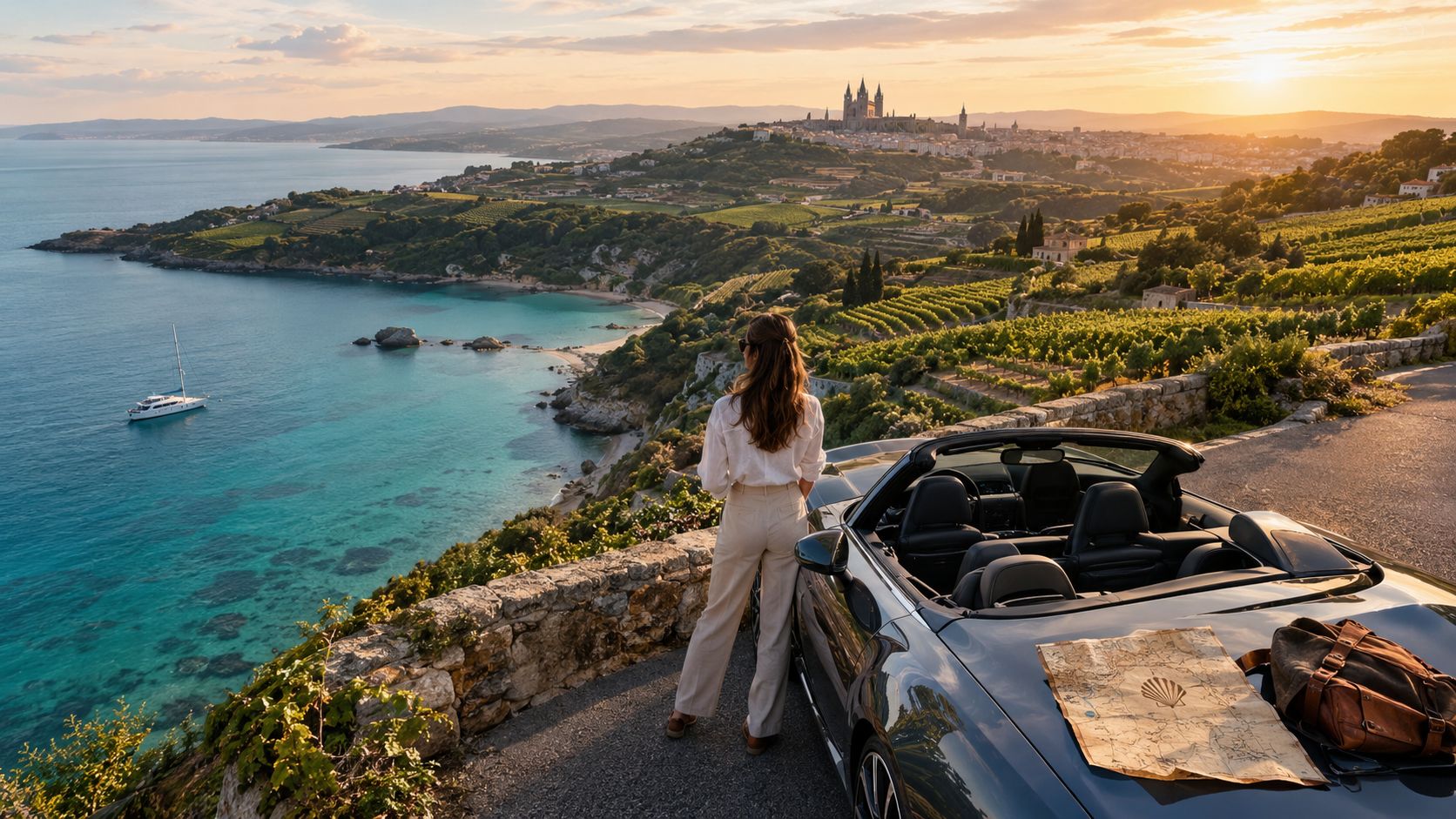
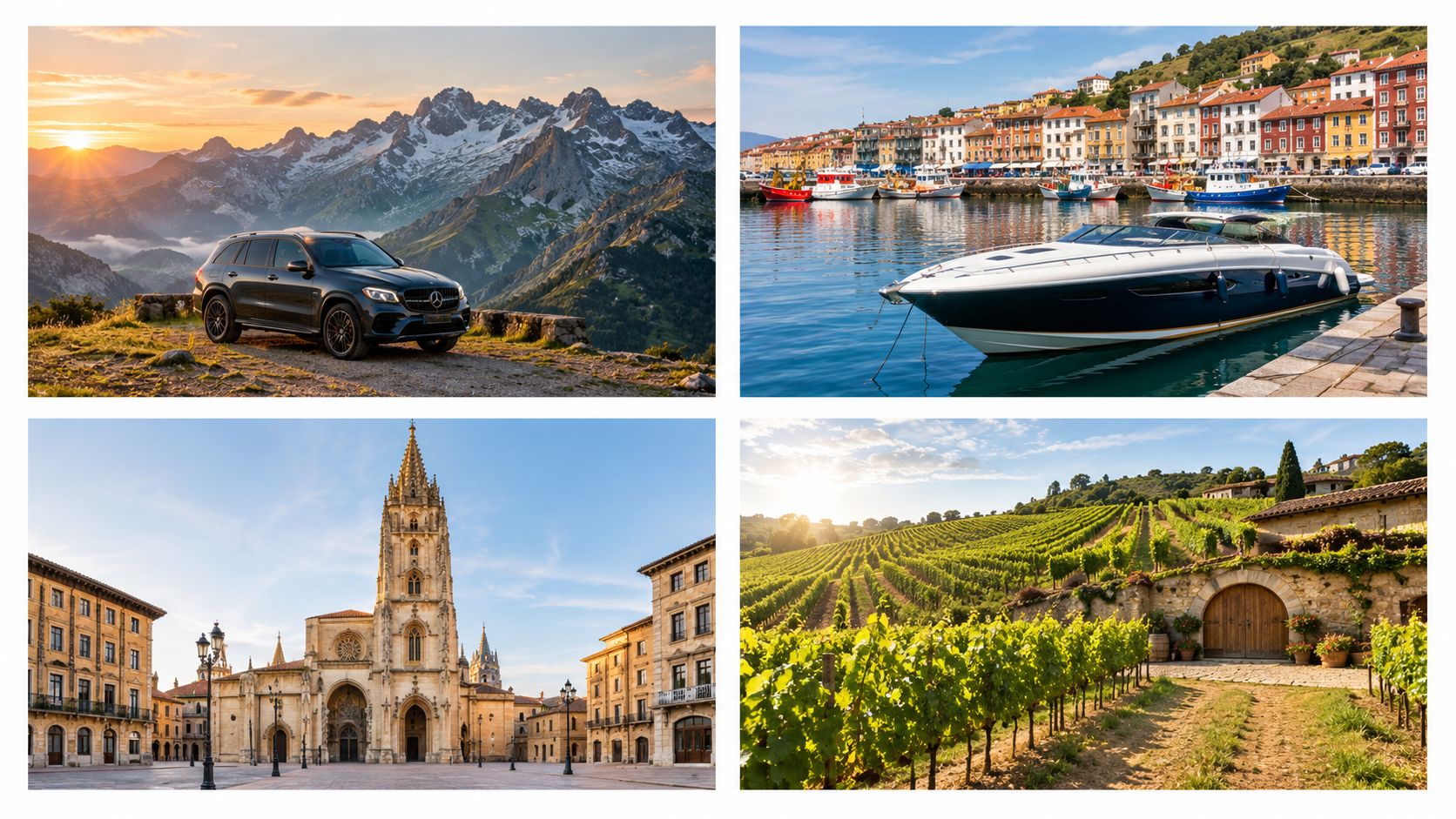
Northern Spain answers the same desire with more ease. The Basque Coast, Asturias, Cantabria, Galicia, and nearby wine country offer Atlantic scenery, firmly rooted culture, excellent hotels, and first-rate dining, but without the same social congestion attached to the American classic.
That difference matters for travelers who already know what they like.
What Northern Spain does better
Northern Spain feels less curated for outsiders and more complete in its own right. That is precisely the appeal. You are not buying access to a summer scene. You are stepping into places with strong local identity, serious culinary standards, and a pace that still leaves room for privacy.
The practical advantages are clear:
- Coastal settings feel more discreet. You can base yourself in San Sebastian, Getaria, Comillas, Ribadesella, or coastal Galicia and still find calm, character, and space.
- Food is easier to build around. Private winery visits, long lunches, market-driven cooking, and destination dining can anchor the trip without every reservation turning into a competitive sport.
- The culture runs deeper than the postcard. Romanesque villages, contemporary art, pilgrimage routes, Belle Epoque architecture, and working fishing ports sit within easy reach of one another.
- Discovery replaces repetition. You are not paying a premium for familiarity alone.
This is the stronger choice for clients who want an Atlantic summer with taste and substance, but no interest in spending the week defending their privacy.
For a clearer sense of why this part of Europe is drawing more high-end travelers, read our guide to why Northern Spain is the next big luxury destination in Europe.
New England remains the right answer if your priority is tradition in its classic American form. Northern Spain is the better answer if you want authenticity, superb gastronomy, and a quieter kind of distinction.
If you're ready for a summer planned with privacy, discretion, and substance at the center, Northern Spain Travel designs fully private tailor-made journeys across the Basque Country, La Rioja, Asturias, Galicia, Cantabria and beyond, with boutique hotels, private guides, exceptional food and wine access, and logistics handled to a level that lets you only arrive and enjoy.