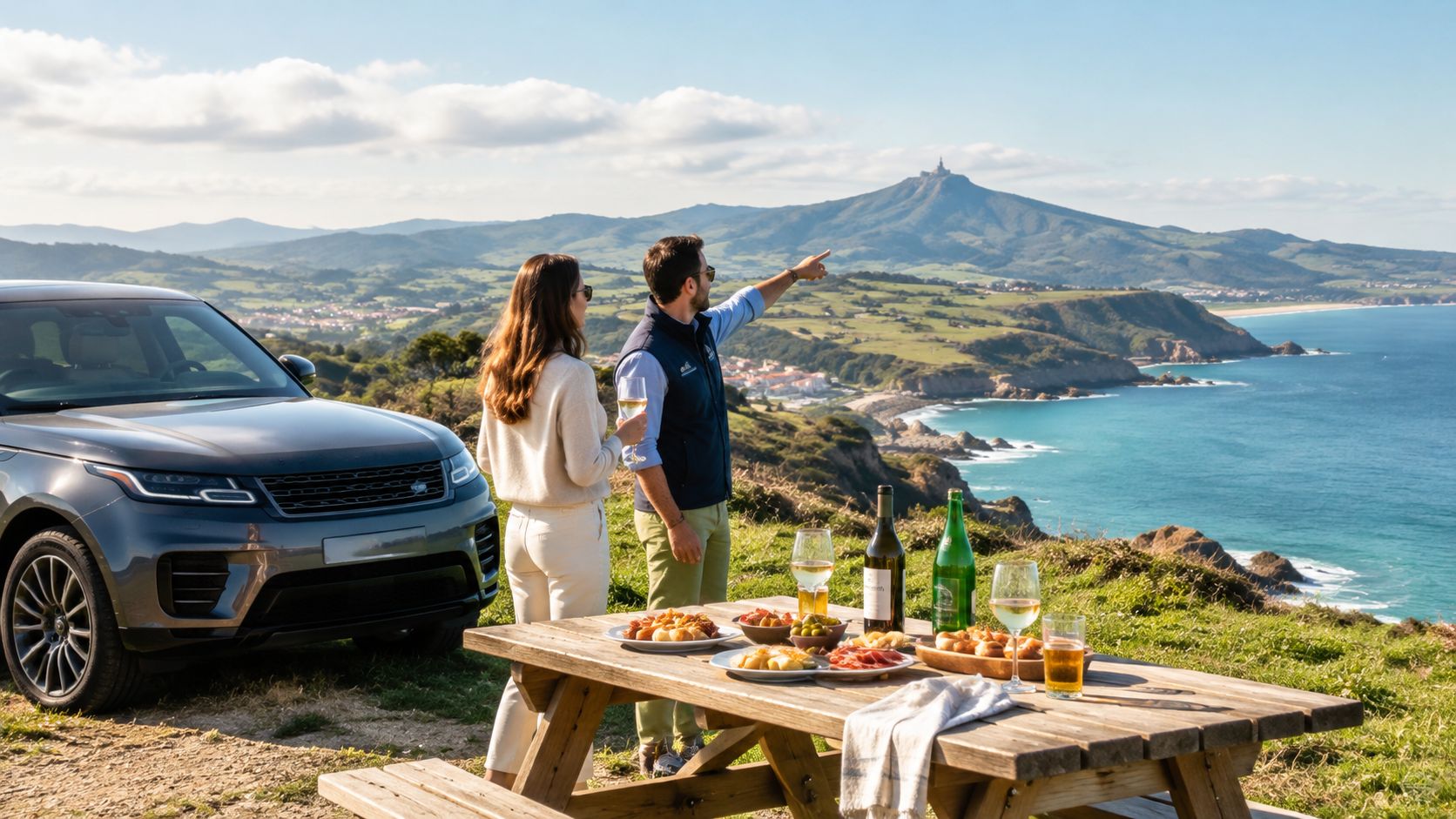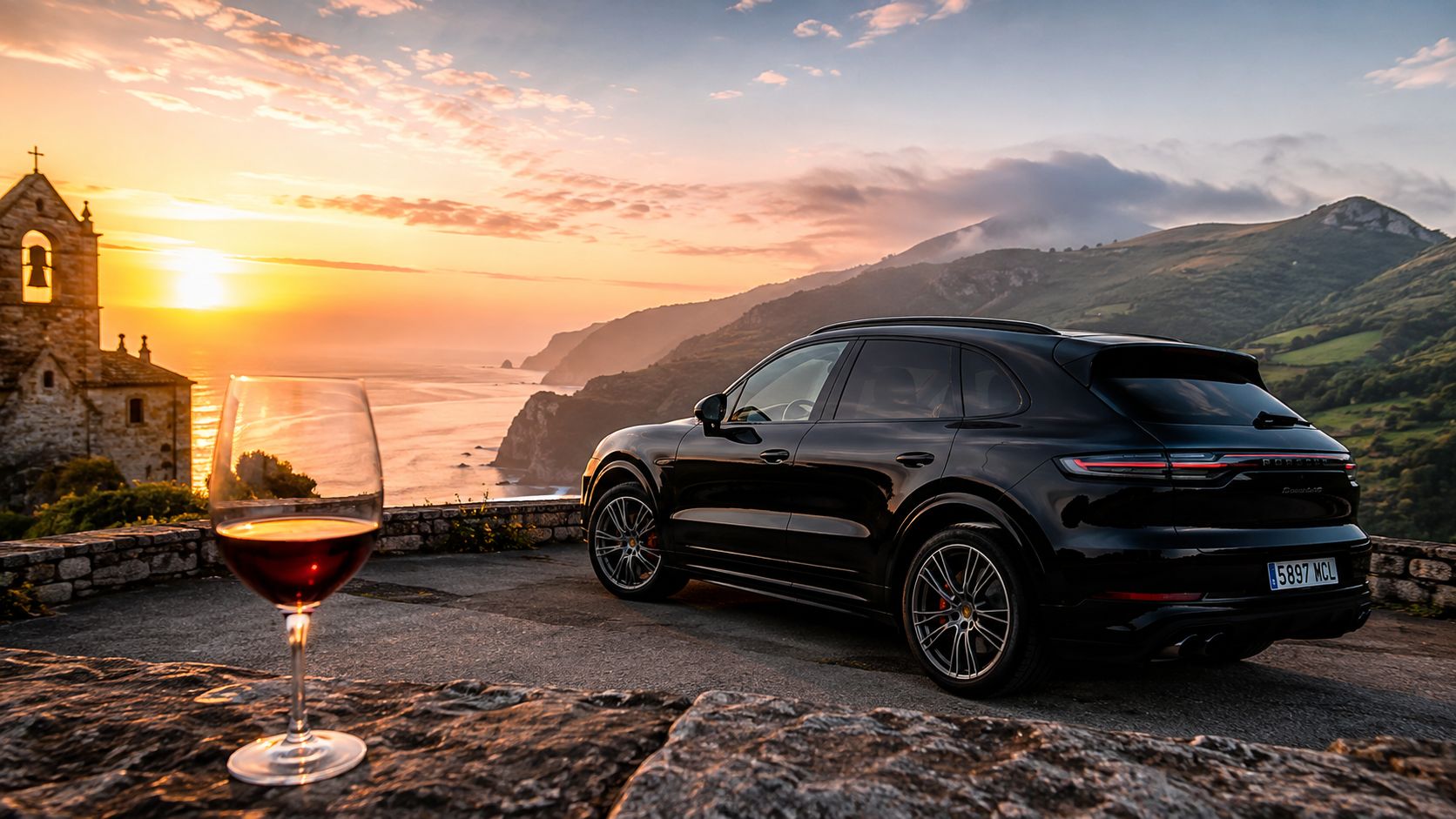
You're likely planning a Spain trip that already has the obvious stops covered. Barcelona, Madrid, Andalusia, maybe San Sebastián. What you want now is a region with depth, elegance, and enough breathing room to enjoy it properly. Cantabria is the right answer.
It's a small northern region with a serious tourism profile, not a sleepy sideline. In 2025, it welcomed 430,573 international tourists (countryeconomy.com), which tells you two things at once. First, the region has proven demand and solid infrastructure. Second, it still feels far less saturated than Spain's headline destinations, so the experience stays more personal and more comfortable.
For travelers who like their Spain polished, scenic, and offering a unique, uncrowded ambiance, Cantabria delivers that rare mix of coast, heritage, and mountain country without forcing you into a rushed circuit. If you're also thinking about longer stays or even life in Spain, the broader context in understanding life as an expat in Spain helps explain why this part of the north attracts people who value quality of place over spectacle.
Table of Contents
- Why Choose Cantabria for Your Next Spanish Journey
- Essential Logistics for a Seamless Cantabria Trip
- Signature Experiences for the Discerning Traveler
- Our Handpicked Guide to Cantabria's Finest Stays
- Sample Luxury Itineraries A Glimpse into Your Journey
- Begin Planning Your Private Cantabria Tour
Why Choose Cantabria for Your Next Spanish Journey
Cantabria is for travelers who've already done the grand, obvious Spain and are now after something better. Not bigger, not louder, better. The region feels like Green Spain in the most literal sense, with an Atlantic coast, mountain valleys, and a pace that rewards people who know how to travel well rather than quickly.
Its appeal is not speculative. Cantabria's tourism sector generated €2.160 billion in 2024, equal to 12.2% of regional GDP, and supported 32,814 jobs, or 13.3% of total employment (cantabria.es). That scale matters. It usually means stronger hospitality, better guiding, and a deeper ecosystem of restaurants, hotels, and operators than you get in lightly visited regions.
A region that feels refined, not rehearsed
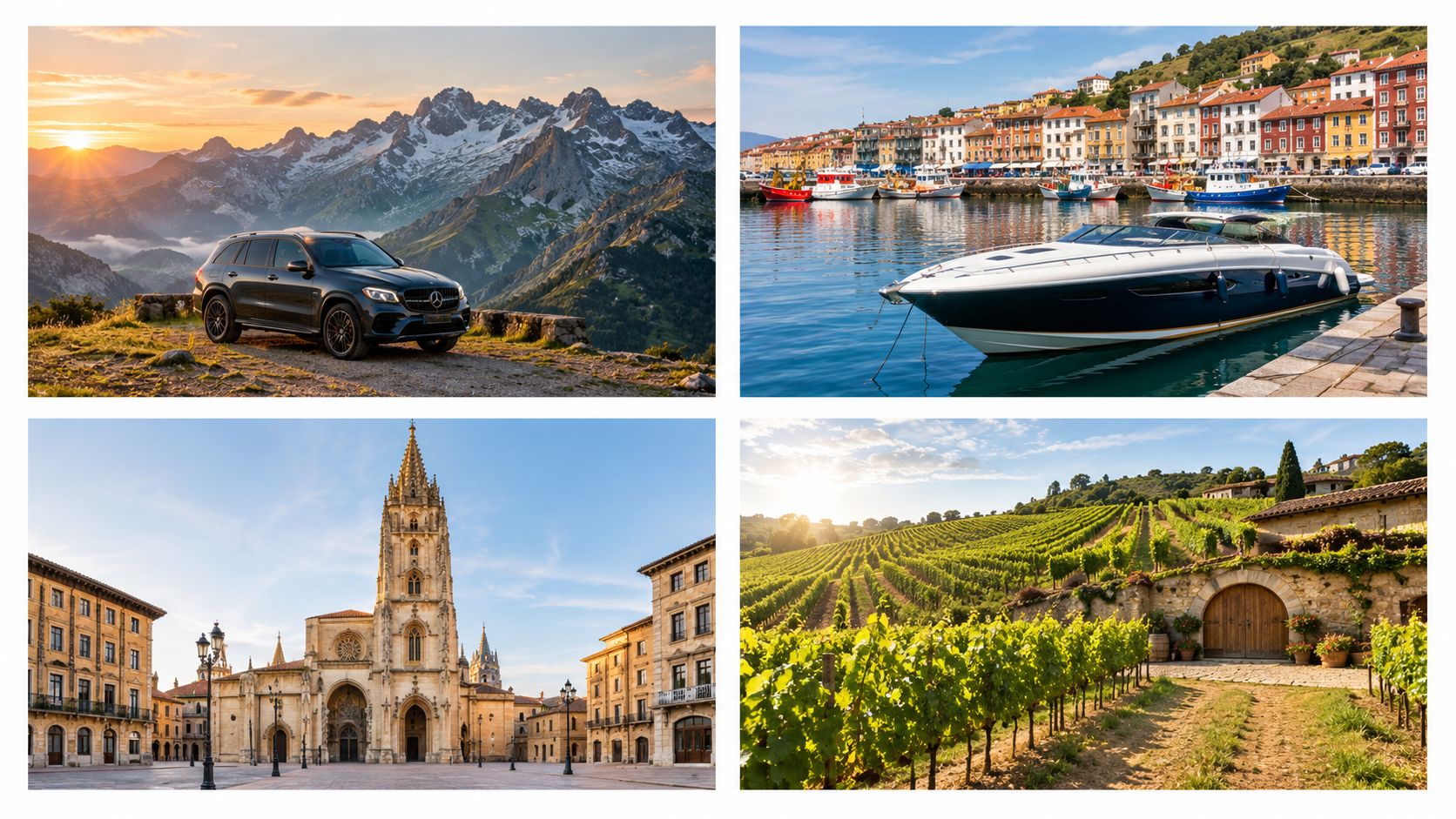
The smartest way to read Cantabria is as a region that combines authenticity with enough tourism maturity to make a luxury journey easy. Santander, Comillas, Santillana del Mar, and the Picos de Europa each offer a distinct mood, but none of them feel overbuilt for visitors. You get historic architecture, coast, caves, and mountain scenery without the constant pressure that defines Spain's busiest circuits.
That balance is why Cantabria works so well for couples, families, and small private groups. There's enough demand to support quality, but not so much volume that every beautiful place feels exhausted. For a discerning traveler, that's the sweet spot.
Practical rule: choose Cantabria if you want Spain with texture, not performance. It's a region that rewards slow lunches, private guides, and good routing.
The luxury value is in the atmosphere
Cantabria's international profile is rising, but it still feels selective rather than crowded. That's a true luxury here. You can move from a seaside promenade to a medieval lane to a mountain viewpoint in a single day, and still end the evening somewhere quiet enough to hear the room around you.
The region also suits travelers who care about cultural density. You're not just ticking landmarks. You're moving through places shaped by prehistoric art, Belle Époque coastal style, and inland villages that still feel properly lived in. That's a far more compelling travel proposition than another polished but generic resort stay.
Essential Logistics for a Seamless Cantabria Trip
Cantabria rewards good planning. It punishes casual planning. The region is compact, but it's also topographically tricky, with a short coastline, mountain interiors, narrow roads, and sudden weather shifts. If you want the trip to feel effortless, you need to make the right calls on timing, base locations, and transport.

When to go and how long to stay
The sharpest advice is simple. Avoid peak summer if you can. Independent guidance on the region points to spring and autumn as the better balance of weather and crowd levels, while August concentrates demand (plymouthtosantander.co.uk). That matters most if you care about service levels, availability, and the pleasure of moving around without friction.
If this is your first Cantabria trip, don't try to “do it all.” The region has enough density for a proper week, but shorter stays can still work if you choose a single theme, coast or mountains, and resist overpacking the days. For travelers who value pace, a private journey should feel composed, not compressed.
Best practice: stay longer in fewer places. In Cantabria, the quality of the experience rises when you reduce transfers and let each base do real work for you.
Transportation is the make-or-break decision
Most generic guides are weak on the topic of Cantabria's challenging roads. Into the uplands, they are often narrow, steep, and bend-heavy, and weather can shift quickly in the mountains (finet52.com). If you're comfortable driving in that setting, self-drive gives you flexibility. If you want a smoother, more luxurious trip, a private driver is the better choice.
A driver changes the rhythm of the whole journey. You can stop for views, linger over lunch, and avoid the mental load of navigation on roads that demand attention. For families and multigenerational groups, that comfort is worth more than the false independence of managing every transfer yourself.
For broader context on mobility across the region, the guide to transportations in Spain for luxury travelers is worth reading before you decide whether to rent, drive, or hand the logistics over entirely.
Book the time-sensitive pieces early
Cantabria is not fully spontaneous if you want the most desirable experiences. Advance booking is advised for the Fuente Dé cable car, Cueva El Soplao, and Gaudí's El Capricho, especially in peak periods (magnificentworld.com). That's not a limitation. It's a reason to plan properly.
If you travel with fragrances, liquids, or carry-on-only discipline, check the TSA rules for fragrance travelers before you pack. It's a small detail, but luxury travel is built on small details.
| Cantabria by Season | Climate & Atmosphere | Key Activities & Events | Insider Tip |
|---|---|---|---|
| Spring | Fresh, green, and calmer than summer | Coastal walks, cave visits, inland touring | Book popular sites early and use the season for relaxed pacing |
| Summer | Warmest and busiest | Beach time, mountain day trips, long lunches | Keep expectations tight, and don't leave prime tickets to chance |
| Autumn | Soft light, fewer visitors, excellent for touring | Heritage towns, vineyard-adjacent food stops, mountain scenery | The best balance for private travel |
| Winter | Quiet and atmospheric | City breaks, spa time, low-key cultural visits | Build a slower itinerary and stay close to your main base |
Signature Experiences for the Discerning Traveler
Cantabria isn't about collecting attractions. It's about assembling the right sequence of experiences so the day feels coherent. The region works especially well when you mix culture, food, and scenery in a single flow, then leave enough time for lunch, a coastal pause, or a quiet return to your hotel.

Culture and history with private access
Start with the places that make Cantabria intellectually satisfying. Altamira, or its neocave experience, is one of the region's defining cultural anchors, and it belongs on any serious itinerary. Add Santander's architectural and arts side, then move into the old streets of Santillana del Mar and Comillas, where the built environment tells the story better than any summary ever could.
A private guide matters here because the value isn't just in seeing the sites, it's in interpreting the sequence. The best visits connect prehistoric art, religious history, and the coastal Belle Époque in one narrative. That kind of continuity is hard to create on your own and easy to lose if you're jumping around with no structure.
For a more structured gastronomy angle around one of the region's heritage towns, the private option at Santillana del Mar gastronomy experience shows how food can be woven into the cultural day rather than tacked on at the end.
Coast and mountains without the rush
Cantabria's terrain has real dramatic contrast, and the luxury version of that contrast is pacing. A morning in the Picos de Europa, then a long lunch near the coast, then a slow afternoon in a fishing village, is a much better use of the region than trying to cram in three mountain stops and two beaches in one breathless loop.
Private boat time along the coast is another smart play if you want the region to feel more exclusive. It gives you a different reading of the shoreline, and it removes the friction of crowded roadside viewpoints. The same applies to well-designed hiking, where the goal is not athletic proof but scenery, air, and calm.
The most satisfying Cantabria days are usually the least ambitious ones on paper.
Food, craft, and the value of local relationships
Cantabria's food culture deserves more than a table reservation and a menu photo. The region is strongest when you meet the people behind the product, whether that's a chef, cheesemaker, anchovy producer, or a guide who knows which market is worth your time. A thoughtfully built journey should include at least one meal that feels like a local relationship, not a transaction.
A bespoke planner proves invaluable. Northern Spain Travel can line up private guides, drivers, and hand-picked dining stops, but the key is coordination. When transport, timing, and reservations all work together, the trip stops feeling improvised and starts feeling designed.
Our Handpicked Guide to Cantabria's Finest Stays
A Cantabria trip lives or dies by where you sleep. Choose badly, and you'll spend too much time moving around the region. Choose well, and the hotel or villa becomes part of the experience, not just a place to recover from it.
For a refined city base, Santander is the obvious starting point. Stay somewhere modern and well-located if you want easy access to the bay, dining, and cultural stops. It's the right choice for travelers who like a clean urban edge before or after time in the countryside.
For something quieter, a countryside parador or restored palace gives you a different cadence. These properties work best for couples and small groups who want space, views, and a sense of place without sacrificing comfort. They're especially smart if you're building an itinerary around Santillana del Mar, Comillas, or the inland valleys.
If you're focused on the coast, a well-chosen villa or boutique stay near the shoreline gives you the most flexible rhythm. That matters if your days will involve surf lessons, beach time, or short scenic drives rather than fixed sightseeing. The priority should be privacy, parking ease, and a staff or host who can solve problems quickly.
For travelers who want a broader coastal shortlist with the same design logic, luxury coastal retreats is a useful reference point.
One thing to avoid. Don't book a hotel just because it's available. In Cantabria, location and transfer time matter more than generic star ratings. A slightly smaller property in the right place will outperform a larger one that forces unnecessary driving.
Sample Luxury Itineraries A Glimpse into Your Journey
Cantabria works best when the trip has a clear shape. A cultural route needs different bases and a different rhythm from a coast-and-mountains journey, and that is why bespoke planning matters.

A four-day cultural circuit
Start in Santander. The bay gives the trip an elegant opening, and the first day should stay light. Settle in, walk the waterfront, and keep dinner simple and well placed. This is not the day to cram in every landmark.
On day two, move into the region's historical core. Altamira, then Santillana del Mar, gives the journey proper depth. The order matters. Visiting the cultural site first, then the village, lets the history settle before you move on.
Day three belongs to Comillas and its architectural character. The town adds a different layer to the trip, especially for travelers who prefer coastal places with a strong identity. Keep the pace disciplined, one thoughtful visit, a long lunch, and a slow afternoon.
Finish with a final coastal stop such as Castro Urdiales before departure. It is a practical route, and it keeps the trip elegant rather than repetitive.
A seven-day coast and mountains journey
A longer trip should breathe. Begin again in Santander, but use the city as a launch point rather than the focus. Let the first day be about arrival, sea air, and a relaxed dinner.
Then divide the region into two clear moods. One side is heritage and coast, with Santillana, Comillas, and a shoreline day. The other side moves inland toward Potes and the Picos de Europa, where the mountain scale changes the tone completely. A private driver is the smart choice here. The value is in moving well, not in fighting the roads.
The middle of the trip is where the luxury shows. Build in a long lunch, an easy walk, and at least one afternoon with nothing urgent on the schedule. That is how the scenery stays with you.
Routing rule: do not stack your hardest drives on your biggest sightseeing days. In Cantabria, the pace is part of the experience.
Cantabria's compact scale makes this kind of sequencing realistic. The region packs over 220 km of coastline and the high peaks of the Picos de Europa into a relatively small area, which is why multi-stop programs work so well here. plymouthtosantander.co.uk You get variety without punishing transfer days.
Why this structure works
A strong Cantabria itinerary is not about maximizing the checklist. It is about protecting your energy. When the route is well designed, the days feel lighter, the meals feel better, and the region gives up more of itself.
That matters most for families and couples traveling together. Some people want coast, some want culture, some want mountain air. Cantabria can handle all three, but only if the order is set correctly.
Begin Planning Your Private Cantabria Tour
If you want Cantabria to feel polished, relaxed, and memorable, the details have to be handled before you land. The region is beautiful on its own, but the difference between a good trip and an exceptional one is usually routing, timing, and access.
Independent travelers run into the same problem again and again. Cantabria looks simple on a map, but the practical reality is more nuanced. Base towns, road choice, and when to use a private driver all affect the comfort of the trip, and a bespoke plan solves that by reducing wasted motion and matching each place to the right pace (goaskalocal.com).
That is exactly where a private journey earns its value. You're not paying for a list of places. You're paying for a trip that avoids friction, preserves energy, and gives you the right local support when you need it. For clients who want that level of precision, Northern Spain Travel can design a fully private Cantabria itinerary built around your dates, pace, and priorities.
A CTA for Northern Spain Travel.