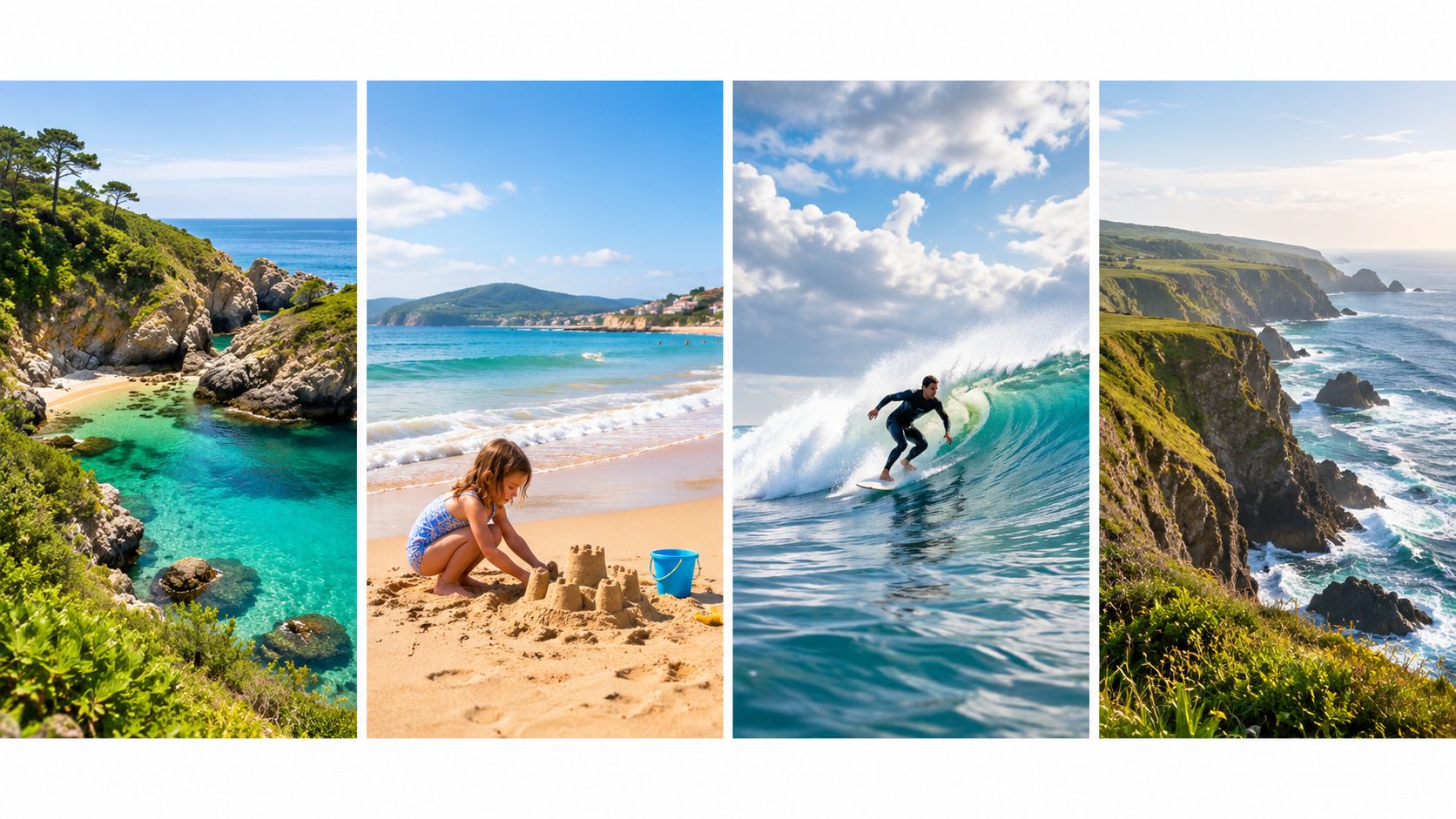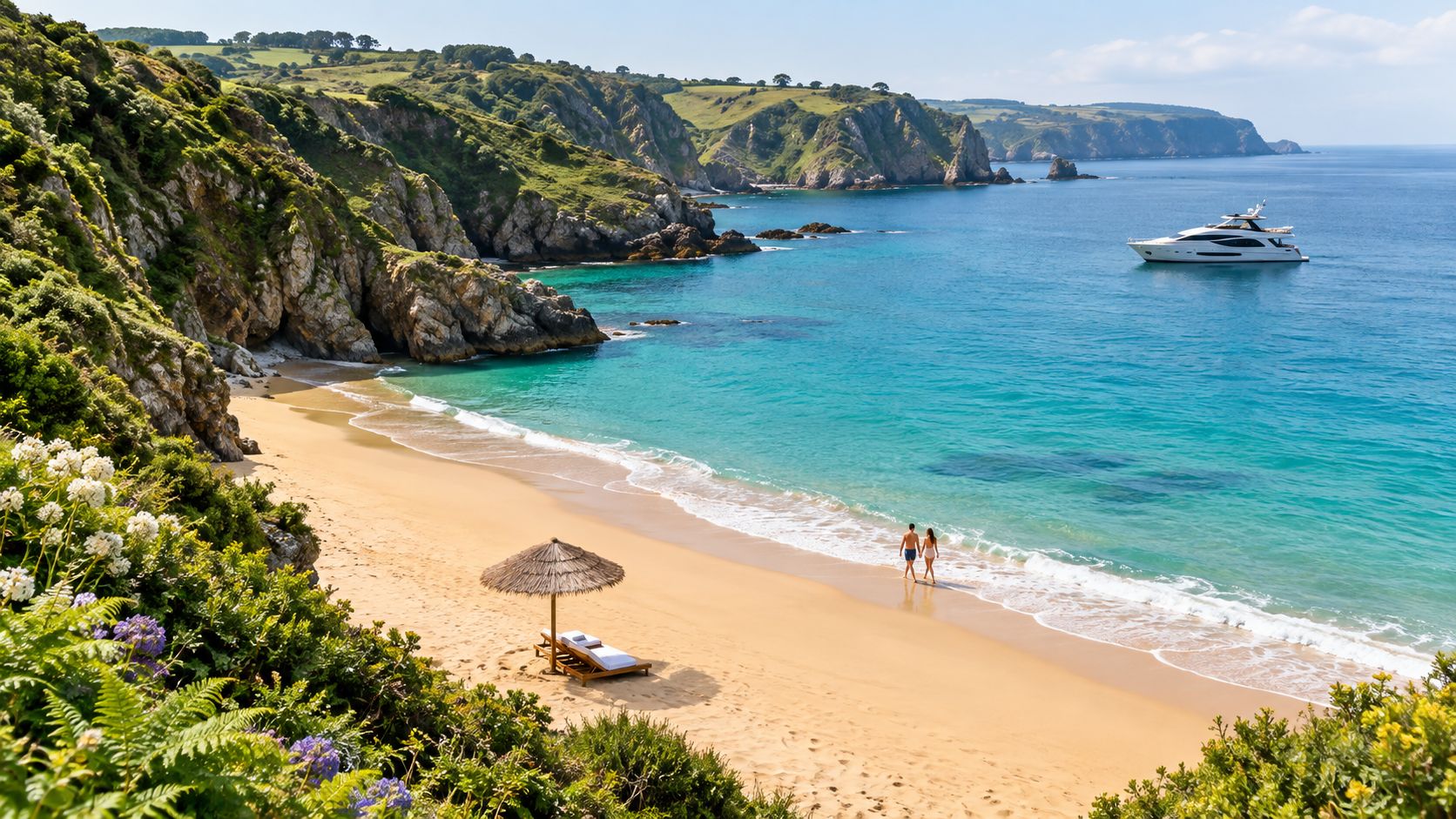
You're landing in Costa Rica with a spreadsheet of hotel options, a chat thread full of kid ages, and one hard question nobody answers cleanly: what works when the group includes toddlers, parents, and maybe a grandparent who wants comfort more than canopy swings? That's the right question. Costa Rica families don't fit one template, and the best trips here are built around who's in the room, not around a generic “family adventure” checklist.
Costa Rica itself is changing in the same direction. INEC's July 2024 survey estimated 1,821,955 households with an average of 2.91 persons per household, down from 2.94 in 2023, while 43.0% of households were headed by a woman and 33.6% were female-headed without a partner, which tells you a lot about how modern family life looks on the ground (INEC household survey). That matters for travelers because the country's real family structure is smaller, more diverse, and more single-adult than the old postcard idea of a big multi-child household. If your own trip includes a single parent, a blended family, or grandparents, you're not an exception here. You're planning in line with the country's lived reality.
Table of Contents
- What Modern Costa Rica Families Actually Look Like
- Choosing the Right Family-Friendly Region
- Age-Appropriate Activities That Are Worth the Splurge
- Safety, Health, and Logistics for Traveling Families
- Two Sample Itineraries You Can Copy and Adapt
- Seasonal Timing and What to Pack for Each Family
- Why Booking Through a Private Specialist Changes the Trip
- Your Costa Rica Family Trip Checklist
What Modern Costa Rica Families Actually Look Like
A family arrives in La Fortuna after a long travel day. The parents want hot springs and wildlife. The grandmother wants a room close enough to reach without stairs and a pace that does not punish her knees. The teenager wants Wi-Fi, the eight-year-old wants sloths, and the single parent in the group wants the whole trip to feel easy instead of improvised.
That mix is normal. Costa Rica's own household patterns support it. The country is moving toward smaller households and more female-led homes, not the old large-family model. As noted earlier from INEC data, the 2024 household survey shows an average household size of 2.91 persons, and it also shows a sharp difference between households that are poor and those that are not, with 4.10 members per household among households in poverty by both measures versus 2.77 among households not poor by any method.
Why that matters for travelers
If you are traveling as a multigenerational group, a high-net-worth family, or a single-parent household, stop thinking in “resort versus villa” terms only. The key question is privacy, pacing, and how much friction the trip creates at each transition. Smaller family units at home usually mean more personalized logistics, and Costa Rica rewards that kind of planning.
The fertility picture points the same way. Independent reporting says fertility has fallen to 1.2 children per woman in 2025, down from about six children per woman in 1950, and that 44% of homes are single-person or two-person households when those categories are combined (Tico Times). That means “family-friendly” in Costa Rica is broader than kid-friendly. It also fits child-free couples, grandparents, and households with one caregiver carrying the load.
Practical rule: Match the itinerary to the most vulnerable traveler in the group, not the most energetic one. If the slowest person is comfortable, the whole trip works better.
The best Costa Rica trips feel like a private home base, not a theme park schedule. Fewer hotel switches. Fewer high-friction road days. More time in places where children, elders, and tired adults can all stay comfortable without compromise.
Choosing the Right Family-Friendly Region
Choose the base first, then build the days around it. That's the mistake most families make, they pick activities before geography, then spend the trip in the car. In Costa Rica, the region determines the energy level, the road stress, and whether the trip feels luxurious or merely busy.
Region comparison at a glance
| Region | Best for Ages | Signature Activity | Transfer from San José | Stay Style |
|---|---|---|---|---|
| Arenal / La Fortuna | 3 to 17, especially mixed-age families | Hot springs, wildlife, hanging bridges | Longer road transfer, private car is the smarter choice for families | Luxury resorts with pools, spring access, and spacious rooms |
| Manuel Antonio | 5 to 17, plus grandparents who want easy access | Beach plus wildlife in one compact base | Easier than deep wilderness regions, private transfer still worth it | Boutique resorts, villas, and walkable setups |
| Nicoya Peninsula | 7 to 17, surf-minded families, older kids | Beach time, surf, and low-key coastal rhythm | Road time can be a drag, private driver helps a lot | Stylish villas, surf lodges, beach houses |
| Osa / Golfo Dulce | 10 to 17, adventure-heavy families | Remote nature, boats, and serious wildlife | Longest and most remote of the four, best approached with a private plan | Eco-luxury lodges with strong guiding and boat access |
Arenal and La Fortuna are the easiest recommendation for first-timers. You get hot springs, wildlife, and rainforest scenery without needing a complicated daily structure. Families with toddlers, early elementary kids, and grandparents usually do best here because the region gives you a lot without requiring a lot back.
Manuel Antonio is the cleaner beach choice. It's where I send families who want a more compact, polished trip with less tactical effort. The beach-plus-wildlife combination keeps children engaged, and the area works especially well when someone in the group needs shorter walks and easier access.
The Nicoya Peninsula is the place for families who want a more relaxed coastal personality, especially if surfing or beach downtime matters more than nonstop touring. Osa and Golfo Dulce are the strongest fit for families who want to feel far from the crowds, but they're not casual add-ons. They deserve a longer stay and a more deliberate arrival plan.
If the trip is under 7 days, don't try to “do Costa Rica.” Pick one base. If it's 10 days or more, combine two regions, no more.
Families who want a classic first trip often pair Arenal with Manuel Antonio, which is a sensible combination because it gives you rainforest and coast without asking the kids to endure endless road transfers. If your group is more high-end and wants privacy, the Nicoya Peninsula and Osa can be better, but only if you're willing to trade convenience for remoteness.
Age-Appropriate Activities That Are Worth the Splurge
Not every “must-do” is worth your family's time or money. Costa Rica is full of activity marketing that looks great on a screen and turns irritating in real life, especially with strollers, mixed ages, or kids who melt down after 90 minutes in heat. Spend on the experiences that create real memory value, and skip the ones that mainly create logistics.
Toddlers and preschoolers, keep it simple
For ages 3 to 6, the winners are low-pressure and sensory. Hot springs, gentle wildlife viewing, short guided walks, and boat rides with shade all work. The best experiences for this age group are the ones where they can move, snack, nap, and leave without a dramatic arc.
Skip long waterfall hikes, aggressive zipline days, and anything that depends on a child standing still and “being impressed.” A useful outside reference for thinking about this age band is the activity guide from Hiccapop, which reinforces the same idea, younger children need contained, flexible, age-matched movement, not adult-paced adventure.
Kids and teens, lean into the big moments
For ages 7 to 12, the best bets are night walks in Arenal, hanging bridges, sloth-focused wildlife outings, and chocolate or coffee farm visits. These are the kinds of activities that feel interactive without becoming exhausting, and they keep the whole family in the same emotional lane. Teenagers usually respond best when there's an actual challenge or a sense of discovery.
For ages 13 to 17, I'd prioritize surf lessons, private boat excursions, canopy experiences, and active wildlife days that don't feel scripted. The teen activities guide is a useful reminder that older kids need autonomy, novelty, and a little status. Costa Rica gives you that if you choose the right mix.
Here's my blunt take on the overhyped stuff:
- Crowded waterfall hikes with little children: usually not worth it unless your kids love walking.
- Generic ziplines: only book them if the operator is excellent and the setup is age-appropriate.
- Long crocodile stops from bridges: not my favorite use of family energy.
- Overscheduled “combo adventure” days: they look efficient and feel punishing.
The trips families remember most are the ones that balance one headline activity with one easy recovery block. A sloth boat ride, then pool time. A surf morning, then a lazy lunch. A chocolate tour, then an early dinner. That rhythm beats cramming in three tours every day.
Safety, Health, and Logistics for Traveling Families
Costa Rica doesn't require paranoia. It requires smart logistics. The biggest mistakes families make are underestimating road time, overpacking the schedule, and assuming a shared shuttle will feel fine with jet-lagged kids and an elderly traveler who's done with waiting.
Use private transport whenever the group is mixed-age or the itinerary includes multiple region changes. A private SUV or van gives you flexibility for bathroom stops, snacks, child meltdowns, and weather delays. Shared shuttles are cheaper, but they lock you into somebody else's timetable, and that's usually where family patience dies.
Health prep that actually matters
Bring the basics, then don't overthink it. Sunscreen, insect protection, a compact first-aid kit, any prescription medication, and motion-sickness remedies if anyone needs them. For travel coverage, the insurance guidance for digital nomads is a helpful framework for understanding why you want a policy that's clear on urgent care and evacuation, not just the cheapest checkbox option.
Serious medical issues belong in San José. That's the city where you want your contingency mindset to live. For normal family travel, though, the practical concerns are more mundane, sun exposure, dehydration, road fatigue, and insect bites.
Practical rule: If a transfer looks “fine” on paper but would be miserable after a 10-hour flight, it's the wrong transfer.
Water and food are usually manageable in quality lodges and restaurants, but families should still choose properties with strong service and responsive kitchens, especially if kids are picky eaters. A private driver and a good guide do more than move you around. They make the day feel adjustable instead of brittle.
Road conditions can be part of the adventure, but they can also drain the trip. In the wrong hands, a scenic drive becomes the most memorable and least enjoyable part of the vacation. In the right hands, it becomes a calm transition with cold drinks, controlled timing, and no one asking whether you're lost.
Two Sample Itineraries You Can Copy and Adapt

The strongest itineraries are slow enough to survive real family life. That means one anchor experience each day, a real lunch, and space for an early return if someone is tired. These two versions work because they respect the shape of the group, not because they try to maximize activity count.
Multigenerational 10-day plan
Days 1 to 4, Arenal / La Fortuna. Arrive, settle in, and keep the first afternoon light. Use the next two days for hot springs, a guided wildlife walk, and one memorable canopy-style experience that everyone can handle at their own pace. Grandparents usually love the scenery and the resort rhythm, while kids get enough novelty to stay interested.
Days 5 to 7, Nicoya Peninsula. Move west and slow down. Plan beach time, an easy boat outing, and one ocean activity if the kids are old enough, then leave the rest of the day open. This is the stretch where parents finally breathe because the pace drops and everyone gets a reset.
Days 8 to 10, return and depart. Keep the final stay close enough to the airport that departure day doesn't turn into punishment. The last two nights should be about comfort, not squeezing in one more excursion.
Luxury-family 7-day plan
Days 1 to 3, Manuel Antonio. Land, get to a polished base, and use the first full day for a wildlife-focused outing plus beach time. The area works best when you let the resort and the beach do half the work.
Days 4 to 7, Osa / Golfo Dulce. Shift into a more remote, high-end nature experience. Private boat time, guided wildlife viewing, and chef-driven meals are the point here. Teens usually get into the remoteness once they realize how different it feels from the standard beach resort circuit.
The luxury version works only if you want a real change of tempo. If your family needs easy walks, closer services, and less uncertainty, the multigenerational plan is the stronger default.
Who enjoys what most
- Grandparents: Arenal comfort, scenic transfers, and calm lodges.
- Toddlers: Pools, short walks, and resort-based wildlife.
- School-age kids: Wildlife tours, boat outings, and chocolate or coffee experiences.
- Teens: Surf, boats, and properties with a stronger sense of privacy.
Seasonal Timing and What to Pack for Each Family
Season matters more than most families realize. Dry season is simpler, but green season can be fantastic if you're willing to accept some rain and build around it. Rain changes roads, wildlife viewing, crowd levels, and the feel of the trip, so don't treat the calendar like a minor detail.
Dry season is the safer choice for families who want the least friction. Green season can be excellent for empty beaches and a softer, lusher look, but it rewards travelers who are comfortable with flexibility. If your kids need structure or your group hates weather uncertainty, choose the calmer window.
Pack by person, not by category
Toddlers: quick-dry clothes, extra changes, hats, and anything that helps with naps on the move.
Kids: swimsuit, reef-safe sunscreen, sandals that handle wet ground, and one dry layer for cooler evenings.
Teens: light performance clothing, a good day bag, and something they'll wear in photos.
Grandparents: comfortable walking shoes, sun protection, and layers that make resort mornings and air-conditioned transfers easier.
Parents: a compact first-aid kit, chargers, a reusable bottle, and patience.
Don't overpack formal clothes. Costa Rica rewards practical wardrobes, not outfit changes. Most strong lodges can handle the rest.
For a helpful seasonal planning mindset, the best winter trips for families guide is a smart parallel read because it reinforces the same principle, good family travel is about matching climate and energy, not chasing a calendar label.
The items repeat travelers always bring are the boring ones, and they matter most. Reef-safe sunscreen, bug protection, and one set of clothes you don't mind getting muddy. The things you can leave behind are the bulky extras you're sure the resort “might not have.” Most good properties already solve for comfort.
Why Booking Through a Private Specialist Changes the Trip
DIY Costa Rica planning looks simple until the trip begins. Then the weak spots show up. Lodge quality varies more than expected, some guides are not good with children, and transfer days can take a bigger bite out of the trip than families planned for. That hits Costa Rica families harder than couples, because one bad choice affects everyone at once, including the parent who has to absorb the stress.
A private specialist handles the parts that matter most. They pre-vet the lodges, build backup plans for rain, choose drivers who understand family pacing, and arrange guides who can keep a child engaged without dragging the day down. They also take care of the details that stop a trip from fraying, like restaurant bookings that work for picky eaters and last-minute adjustments when a toddler is finished for the day.
For families considering a more personalized planning model, expert trip planning services are worth understanding because the value is not just convenience, it is risk reduction. In Costa Rica, that matters. If one decision is off, it affects transfers, energy, and enjoyment for the rest of the trip.

The true luxury in family travel is not a bigger villa. It's a trip where nobody has to negotiate the day every hour.
If you are deciding between piecing it together yourself and using a specialist, ask one direct question. Do you want to solve problems on the ground, or do you want to arrive with the problems already handled? For single-parent trips, multigenerational groups, female-headed families, and high-net-worth travelers alike, the answer usually points to using polished luxury travel support.
A concierge-style approach also fits families who want control, flexibility, and a contact who fixes issues before they become part of the memory. That is what good planning does in Costa Rica. It keeps the trip calm, keeps the adults out of logistics mode, and gives the children a day that works.
Your Costa Rica Family Trip Checklist
Start with the region. If this is your first trip, choose Arenal plus Manuel Antonio. If your family wants beach rhythm and surf energy, shift toward the Nicoya Peninsula. If privacy and serious nature matter more than convenience, look at Osa.
Choose the travel window second. Dry season is the safer default for families who want predictability. Green season works if you're comfortable with rain and want a quieter feel.
Pick the lodging style that matches the group. Villas and suites suit blended and multigenerational families. Resort bases are better when you need easy food, pools, and low-friction logistics.
Decide whether you want to book independently or with a designer. If the trip includes grandparents, young children, or multiple transfers, I'd use a private specialist without hesitation. The margin for error is too small.
Book the trip around the family that's traveling, not the one in the brochure. That's how you get a Costa Rica vacation that feels calm, luxurious, and worth repeating.
If you want a trip designed around your family's ages, pace, and priorities, Northern Spain Travel can help you think like a private luxury planner, not a generic booking engine. Visit Northern Spain Travel to see how carefully curated private travel works, then build the kind of Costa Rica family journey that feels effortless from the first transfer to the last beach day.