You're choosing between another night of pintxos in San Sebastián, a Rioja cellar lunch and a few days in the mountains. Each sounds appealing. The difficulty is fitting them together without turning a private holiday into a sequence of hotel check-ins and motorway transfers.
The best Northern Spain destinations work better as connected bases than as a checklist. Finish a food-led stay on the Basque coast, move inland for vineyards and medieval villages, then decide whether your next chapter should be Atlantic fishing harbors or mountain valleys. You don't need to include every region to experience the north properly.
The geography matters. The Basque Country, La Rioja, Navarra, Cantabria, Asturias, Galicia and the Pyrenees have different terrain, practical demands and rhythms. A coastal lunch needs a different kind of planning from a mountain walk, while a festival stay needs more advance commitment than a quiet village break.
Start with your priorities. Choose the experiences you'd regret missing, then build the route around them. Don't book scattered hotels first and try to make the journeys work afterward.
For a compact holiday, I'd recommend a city base with carefully chosen excursions. For a longer journey, combine neighboring regions and leave room for a change of weather or an unhurried lunch. The suggested stays below are planning recommendations, not minimum requirements.
We design fully private, tailor-made journeys at Northern Spain Travel, working with boutique hotels, private guides, drivers and local insiders. The useful distinction isn't between independent and guided travel. It's knowing where private support adds something meaningful, whether that's interpreting a cellar, adapting a walk to different generations or removing the need to drive after a tasting.
Table of Contents
- 1. San Sebastián (Donostia), Basque Country
- 2. Bilbao and the Guggenheim Museum, Basque Country
- 3. La Rioja Wine Country (Haro, Logroño and Rioja Alavesa)
- 4. Navarra and Pamplona, including San Fermín
- 5. Getaria and the Basque Coast (Txakoli Country)
- 6. Cantabria, Santillana del Mar, Comillas and the Coast
- 7. Picos de Europa National Park
- 8. Asturias, Coastal Villages, Oviedo and Cider Culture
- 9. Galicia, Santiago de Compostela and the Rías Baixas
- 10. Pyrenees, Ordesa y Monte Perdido and the Aragonese and Navarran Valleys
- How the 10 Northern Spain destinations compare by audience, signature experience and main drawback
- Building Your Northern Spain Route Around the Places That Suit You
1. San Sebastián (Donostia), Basque Country
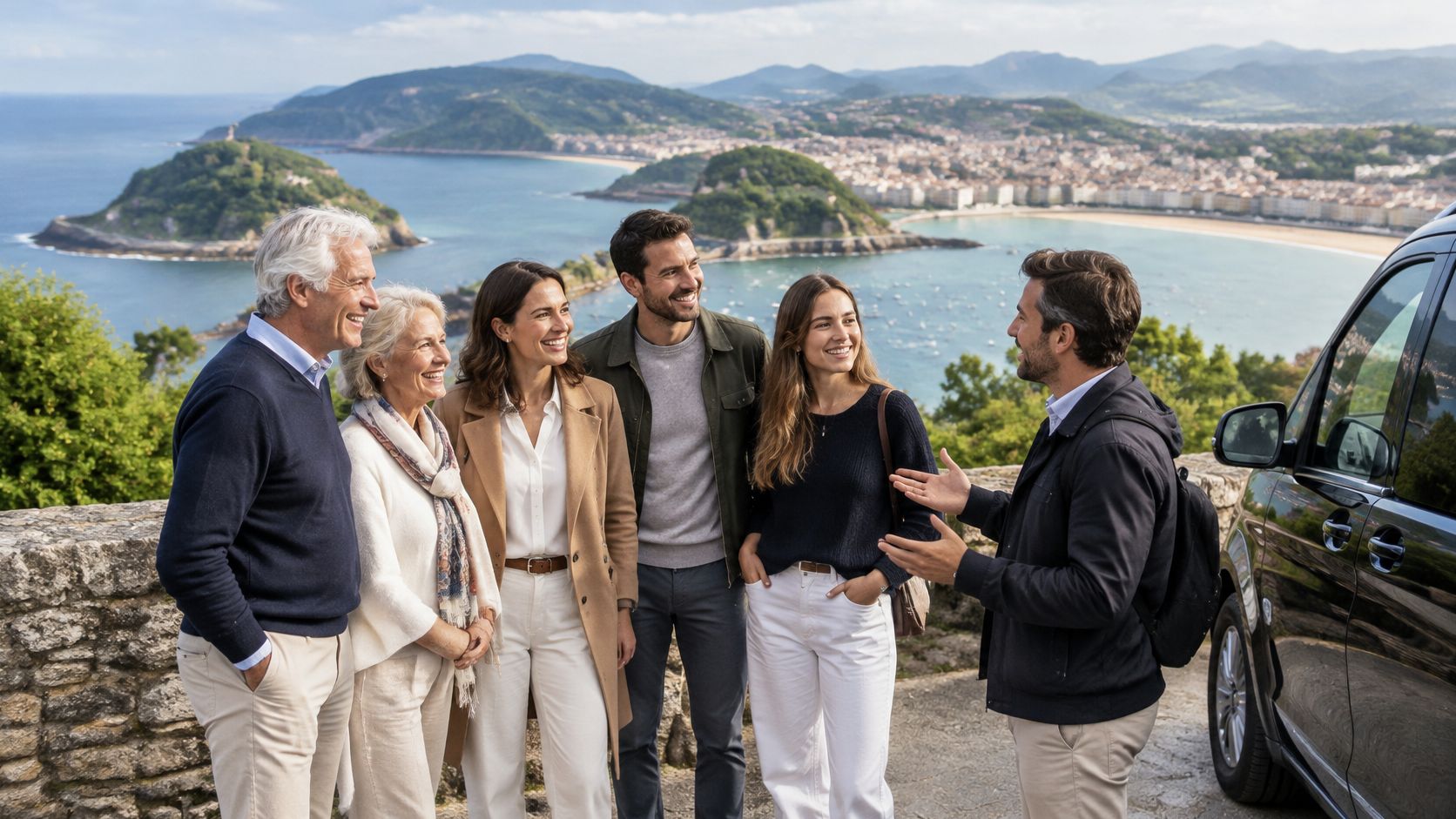
San Sebastián suits travelers who want food to shape the day without filling every hour. The Parte Vieja offers pintxos bars and lively streets, while La Concha gives you somewhere to walk between meals. Monte Urgull adds a more active option, and Zurriola brings a different beach atmosphere.
For food-focused couples, I'd allow a few nights rather than a rushed overnight. Build the stay around contrasting experiences: an informal pintxos outing, a carefully chosen fine-dining reservation and a slower excursion into cider country. Arzak is an option for travelers interested in modern Basque cooking, but don't let a restaurant shortlist dictate every day.
Choose the dining experience that fits your pace
A private pintxos guide is useful early in the stay. You can learn how to order, distinguish house specialties from familiar counter displays and avoid spending the evening following the busiest crowd. Private guidance doesn't mean private bars, though, and travelers who need guaranteed seating should mix bar visits with reserved meals.
- For curious eaters, arrange a guided Parte Vieja outing with room for spontaneous orders.
- For a celebration, prioritize the restaurant reservation before fixing excursions.
- For mixed generations, combine a promenade walk with a seated lunch rather than a long standing-only crawl.
A workable couple's day might start beside La Concha, continue with a free afternoon and finish with a guided food walk. Keep the following morning light if dinner is elaborate.
The trade-off is atmosphere versus quiet. Staying close to the old town makes evenings easy, but room location matters if you're sensitive to street noise. A driver becomes more useful for Astigarraga, Getaria or Hondarribia than for moving around the central city.

2. Bilbao and the Guggenheim Museum, Basque Country
Bilbao is the stronger choice when art, architecture and urban life matter as much as food. Frank Gehry's Guggenheim provides the obvious starting point, but the riverside, Casco Viejo and Mercado de la Ribera deserve time of their own. Treating Bilbao as a museum stop between airport and hotel misses much of its character.
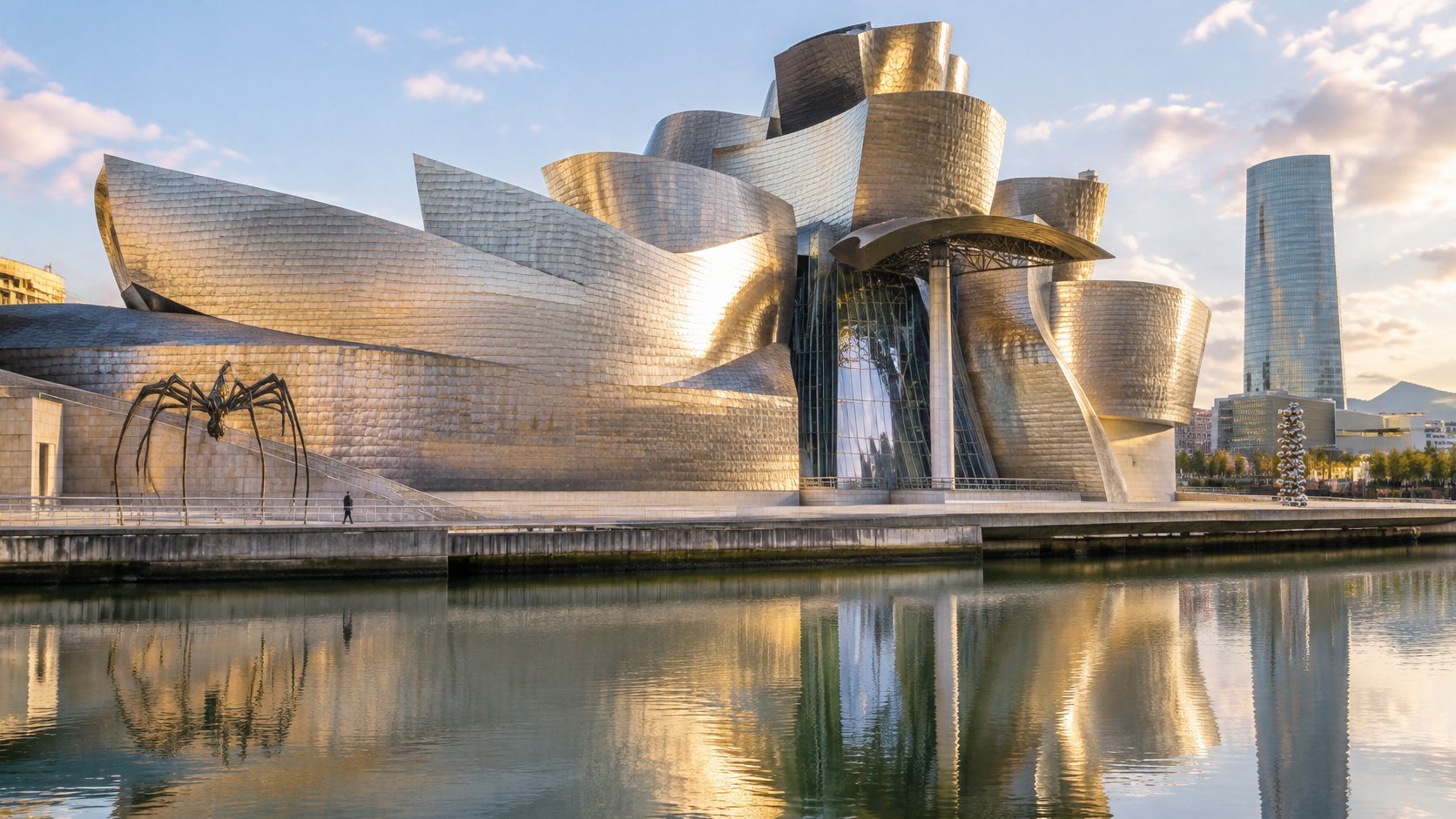
I'd recommend a couple of nights for a culture-led introduction, extending the stay if you want coastal excursions. For a deeper understanding of the city's layers, our Bilbao guide to industrial history and modern architecture helps connect the museum with its wider setting.
Make the museum visit selective
A private guide is most valuable when the visit follows your interests rather than an exhaustive tour. An architecture enthusiast might spend longer outside and around the building; a contemporary-art collector may prefer a focused look at the exhibitions. Confirm what's on display before deciding how much of the day to reserve.
Don't assume that hiring a private guide includes admission outside public hours. Private interpretation and exclusive museum access are different arrangements, and any special access needs explicit confirmation.
For an art-loving family, a sensible day pairs a focused Guggenheim visit with lunch and an old-town walk. A market visit can add food context without committing everyone to another formal tasting menu.
Bilbao also works as an arrival or departure base, but avoid adding a rural outing just because it looks nearby on a map. Urdaibai or Gernika deserves a deliberate excursion, not a hurried detour with luggage in the vehicle. Choose Bilbao over San Sebastián if your priority is cultural variety; choose San Sebastián if you want beach walks and dining to dominate.
3. La Rioja Wine Country (Haro, Logroño and Rioja Alavesa)
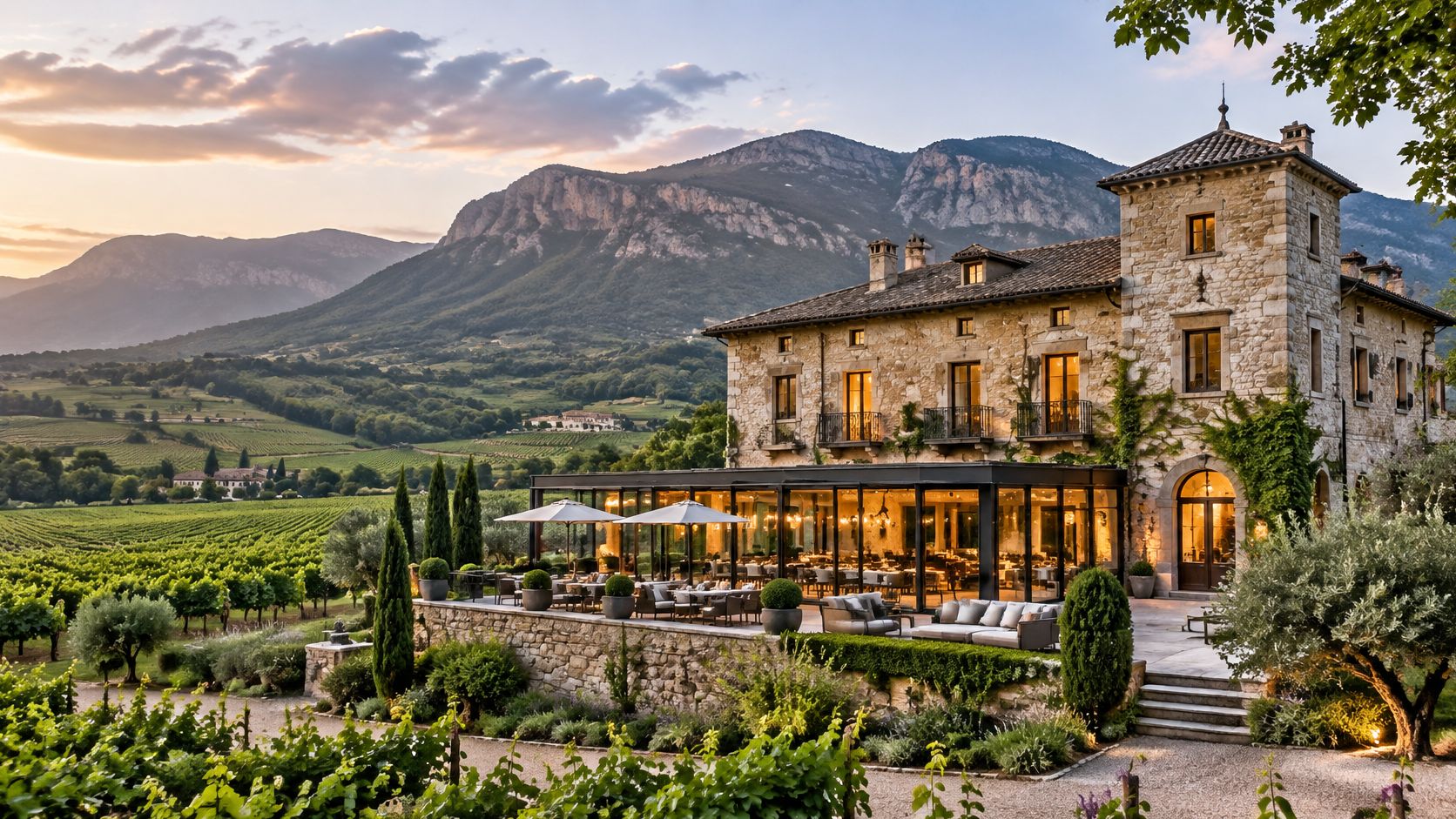
A cellar visit becomes more interesting when you understand the scenery outside it. Rioja is for travelers who want wine, villages, architecture and regional cooking together, not just a succession of tasting counters.
UNESCO's tentative-list documentation for La Rioja and Rioja Alavesa describes a wine region shaped by approximately 2,000 years of viticulture and winemaking. That depth makes a strong case for combining established cellars, vineyard walks and village time rather than choosing wineries solely for their buildings.
Pick your base before your bodegas
Haro is a practical focus for traditional cellar culture. Logroño suits travelers who want an urban evening and the food scene around Calle del Laurel. Laguardia offers a village setting in Rioja Alavesa, although you should check hotel access carefully if steps, luggage or walking gradients are concerns.
I'd plan several nights for a wine-led stay, especially when pairing Rioja with the Basque coast. Our guide to private Rioja wine itineraries explores how cellar visits and accommodation choices fit together.
- Choose contrasting appointments, such as a traditional cellar and an architecture-focused visit at Ysios or Marqués de Riscal.
- Reserve a driver, so everyone can taste without calculating who's driving afterward.
- Protect lunch, rather than squeezing another winery into the middle of the day.
For an anniversary trip, consider a private cellar tasting followed by a vineyard lunch, then return to the hotel with nothing scheduled before dinner. That's usually more satisfying than collecting winery names.
The trade-off is access versus spontaneity. Private tastings require coordination, and working wineries can't always accommodate your preferred timing. During busy production periods, remain flexible about the exact estate while holding firm on the style of experience you want.
4. Navarra and Pamplona, including San Fermín
Pamplona during San Fermín and Pamplona outside the festival are different travel propositions. Choose the festival for its intensity and public celebrations. Choose a quieter stay if you want to explore the old town, regional food and Navarra's wider countryside without organizing the journey around a major event.
I'd allow a short city stay for Pamplona alone, or a more substantial Navarra chapter if Olite, wine estates and the Bardenas Reales are priorities. Don't treat the region's vineyards, dry plains and mountain valleys as interchangeable excursions. Pick a direction that matches your interests.
Decide how close you want to be to the festival
For San Fermín, secure accommodation and your preferred viewing arrangement before adding sightseeing. A balcony can offer a more controlled setting than a crowded street, but check the exact position, stairs, seating, facilities and arrival instructions. Premium access doesn't eliminate noise or crowds around the venue.
Choose festival accommodation for the night you want to have, not just the event you want to watch. Central convenience and uninterrupted sleep don't always come together.
A milestone group might combine a hosted festival morning with a quieter meal and an afternoon away from the busiest streets. Travelers who dislike dense crowds should consider visiting Pamplona outside the celebrations instead.
Practical packing matters here. A guide to what to pack for music festivals offers useful prompts for reusable water bottles, weather protection and carrying essentials, although Pamplona requires its own event-specific instructions.
Beyond the festival, pair a guided visit to Olite with a reserved wine tasting, potentially at an estate such as Chivite, subject to arrangements. Keep Bardenas as a separate, weather-aware outing rather than an extra stop after a long lunch. Navarra suits travelers who enjoy contrast, provided the itinerary doesn't try to cover everything in a single day.
5. Getaria and the Basque Coast (Txakoli Country)
For a couple who'd rather spend the afternoon over grilled fish than move between major attractions, Getaria is an excellent counterweight to San Sebastián. The fishing-town setting, txakoli vineyards and nearby coastline support a slower stay without abandoning food and culture.
Getaria works as a day excursion, but I'd recommend an overnight stay or a few quieter nights if coastal life is central to the holiday. The Cristóbal Balenciaga connection adds a useful indoor cultural option, while nearby Zarautz and Zumaia give you different reasons to explore beyond the harbor.
Build the day around lunch and conditions
Start with a private txakoli visit, continue with a reserved seafood lunch and leave the afternoon flexible. A booking at Elkano can be the anchor for a food-led excursion, but confirm its operating schedule before arranging everything around it.
- For wine lovers, choose an appointment that explains vineyard conditions and production, not just a quick pour.
- For walkers, select a coastal route according to wind, footing and comfort with exposure.
- For families, combine a short cultural visit with beach or harbor time instead of adding more tastings.
Zumaia's flysch coastline calls for care. Tide timing matters for shoreline access, and exposed rocks aren't an invitation to walk wherever the view looks best. A guided boat outing may suit some travelers better, but sea conditions still determine whether it's appropriate.
A private driver is useful for a Getaria, vineyard and coast combination, particularly when lunch includes wine. It also removes parking from the day's decisions.
The main trade-off is variety after dark. Getaria offers a quieter evening than San Sebastián, which is precisely the attraction for some couples. If you want numerous dining choices and lively streets every night, keep the city as your base and visit the coast privately.
6. Cantabria, Santillana del Mar, Comillas and the Coast
Cantabria suits families and couples who want varied days without changing hotels constantly. Santillana del Mar supplies historic streets, Comillas brings architecture, and Santander offers a more urban coastal base. The right choice depends less on which town is prettiest than on how you want to spend your evenings.
I'd allow several nights, with breathing room between village visits, coast and mountains. A Cantabria tourism-climate study presented through the European Geosciences Union identifies pronounced seasonality and concentrations of visitors in late summer and Easter. Don't assume that a rural-looking itinerary will be quiet because it avoids a major city.
Choose a base with a weather fallback
Santillana or Comillas can suit a quieter, character-led stay. Santander is worth considering when your group values a broader choice of restaurants, waterfront walks and indoor alternatives. Check whether a rural hotel serves dinner on the evenings you plan to stay in.
For a multigenerational family, a workable pattern is a guided Santillana visit and Altamira Museum experience, followed by a less structured coastal day. Add Comillas for travelers interested in Gaudí's El Capricho, rather than expecting every family member to enjoy repeated heritage visits.
Distinguish the Altamira Museum and replica experience from access to the original cave. Don't build expectations around entering the cave itself, and confirm the admission arrangement you're booking.
Private guidance is particularly helpful when different generations need different amounts of walking. Historic streets, gradients and surfaces deserve attention before the itinerary is finalized.
Cantabria's trade-off is the temptation to overfill the day. Santander, Santillana, Comillas and Liébana shouldn't become a race between stops. If mountain scenery matters, give Potes and its surroundings a dedicated outing or an overnight chapter instead of adding them after a full coastal schedule.
7. Picos de Europa National Park
The right question in the Picos de Europa isn't whether you hike. It's what kind of mountain day you'll enjoy safely. Limestone peaks, gorges and upland scenery can appeal to active walkers and travelers who prefer viewpoints, short paths and a good lunch.
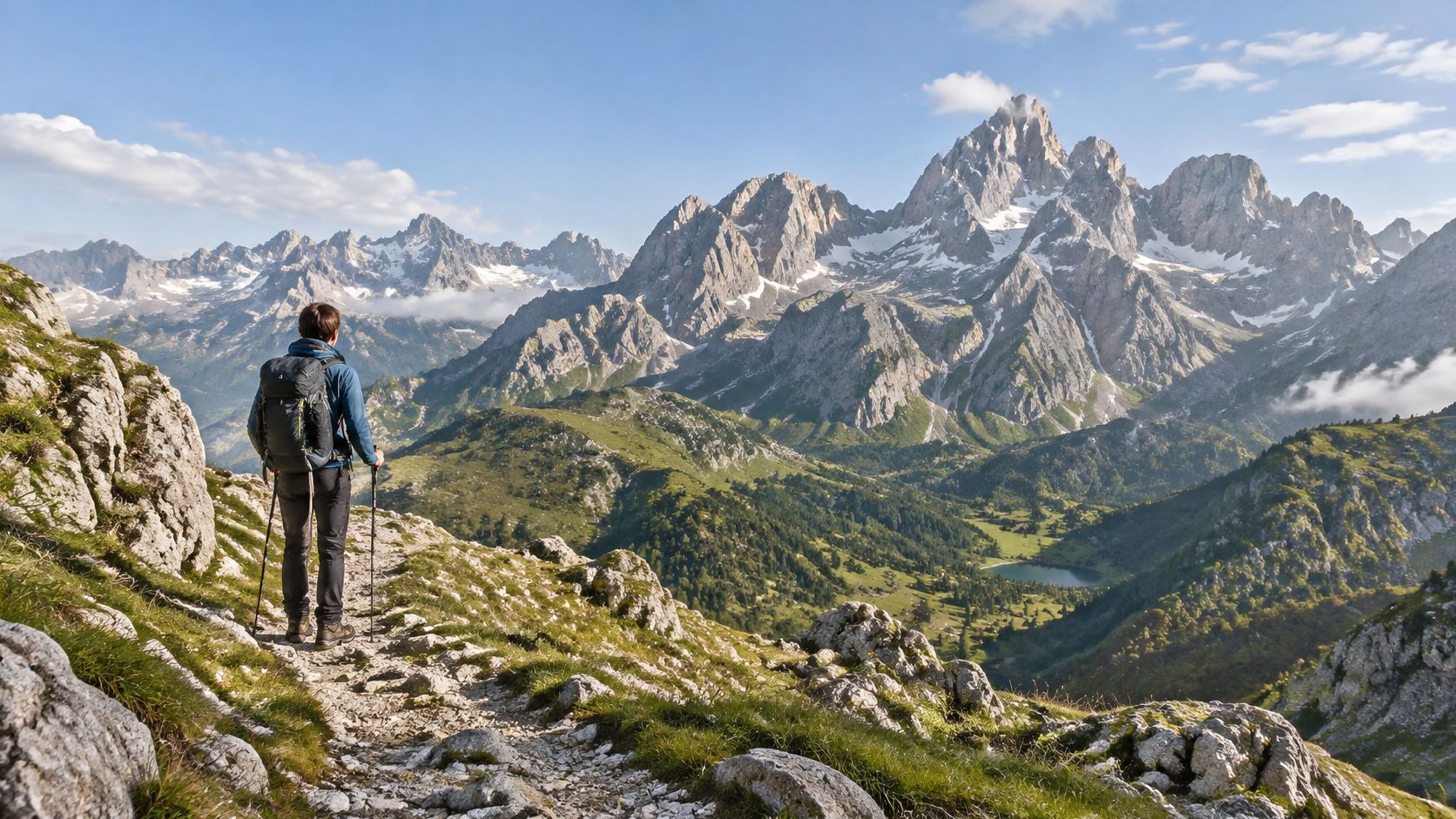
I'd recommend a mountain stay rather than relying on a single weather-dependent excursion. Potes works for a Liébana and Fuente Dé focus; Cangas de Onís is useful for an Asturias-side itinerary. Neither should be treated as a universal base for every corner of the park.
Match the route to the least confident walker
The Cares Gorge requires an honest discussion about exposure, footing and stamina. A path doesn't need technical climbing to feel uncomfortable, and a dramatic photograph says little about whether grandparents or children will enjoy it.
- For confident walkers, arrange a private mountain guide and agree on route length, terrain and turnaround decisions.
- For soft adventure, consider Fuente Dé with a suitable walk, subject to weather and cable-car operation.
- For mixed abilities, choose a scenic outing with optional walking rather than expecting everyone to complete the same trail.
For example, an active couple might dedicate a day to a guided gorge walk, then follow it with a gentler village-and-food day. A family may prefer Covadonga scenery and short walks, with transport and access arrangements checked beforehand.
Mountain rule: Keep the objective flexible. A guide should be able to change the route when visibility, wind or the group's comfort makes the original plan unsuitable.
Private transport helps with access and differing start and finish points, but it doesn't remove mountain-road conditions or park controls. Confirm current arrangements close to departure, and keep a lower-level alternative available.
8. Asturias, Coastal Villages, Oviedo and Cider Culture
Choose Asturias for regional food, working coastal towns and a less formal rhythm. Oviedo offers heritage and city comforts, while Llanes and Cudillero give the journey a maritime character. Cider houses provide a social dining experience that contrasts well with elaborate restaurant evenings elsewhere.
Allow several nights if you want both Oviedo and the coast. Don't assume that rural character means every hotel will meet the same requirements for rooms, dining or accessibility. CaixaBank Research's tourism analysis found improving high-season occupancy and profitability in Asturias, Cantabria and Galicia, while noting that Asturias still had room to improve revenue per available room.
Let the hotel choice follow the daily rhythm
For couples who enjoy walking to dinner, Oviedo makes a sensible base. A coastal property may suit travelers who want sea air and quieter evenings, provided they're comfortable relying on arranged transport for some meals and outings.
A family day could combine a short guided Oviedo walk with free time, followed by a reserved cider-house dinner featuring dishes such as fabada. Explain the pouring tradition and order for the group's appetite rather than treating the evening as a performance everyone must follow.
The following video offers a visual introduction to the region.
Coastal villages need selective planning. Cudillero's hillside setting can involve more climbing than a harbor photograph suggests, while a succession of village stops can become repetitive for children. Choose a meaningful walk and a good lunch rather than stopping everywhere.
We provide private drivers and expert guides, which helps when the group wants coastal scenery without handling parking or navigation. The important trade-off is between a broad regional sweep and a relaxed stay. If you're also visiting the Picos, reduce the coastal ambitions rather than sacrificing every unscheduled afternoon.
9. Galicia, Santiago de Compostela and the Rías Baixas
Santiago and the Rías Baixas make a strong pairing because they offer different kinds of depth. Santiago centers on pilgrimage, architecture and the life of its historic streets. The coast adds Albariño, seafood and time beside the estuaries.
The pilgrimage atmosphere is substantial, not incidental. A Camino tourism study published in Sustainability reports that more than 530,000 official Compostela certificates were issued in 2025. Plan central visits thoughtfully rather than expecting the cathedral surroundings to feel secluded.
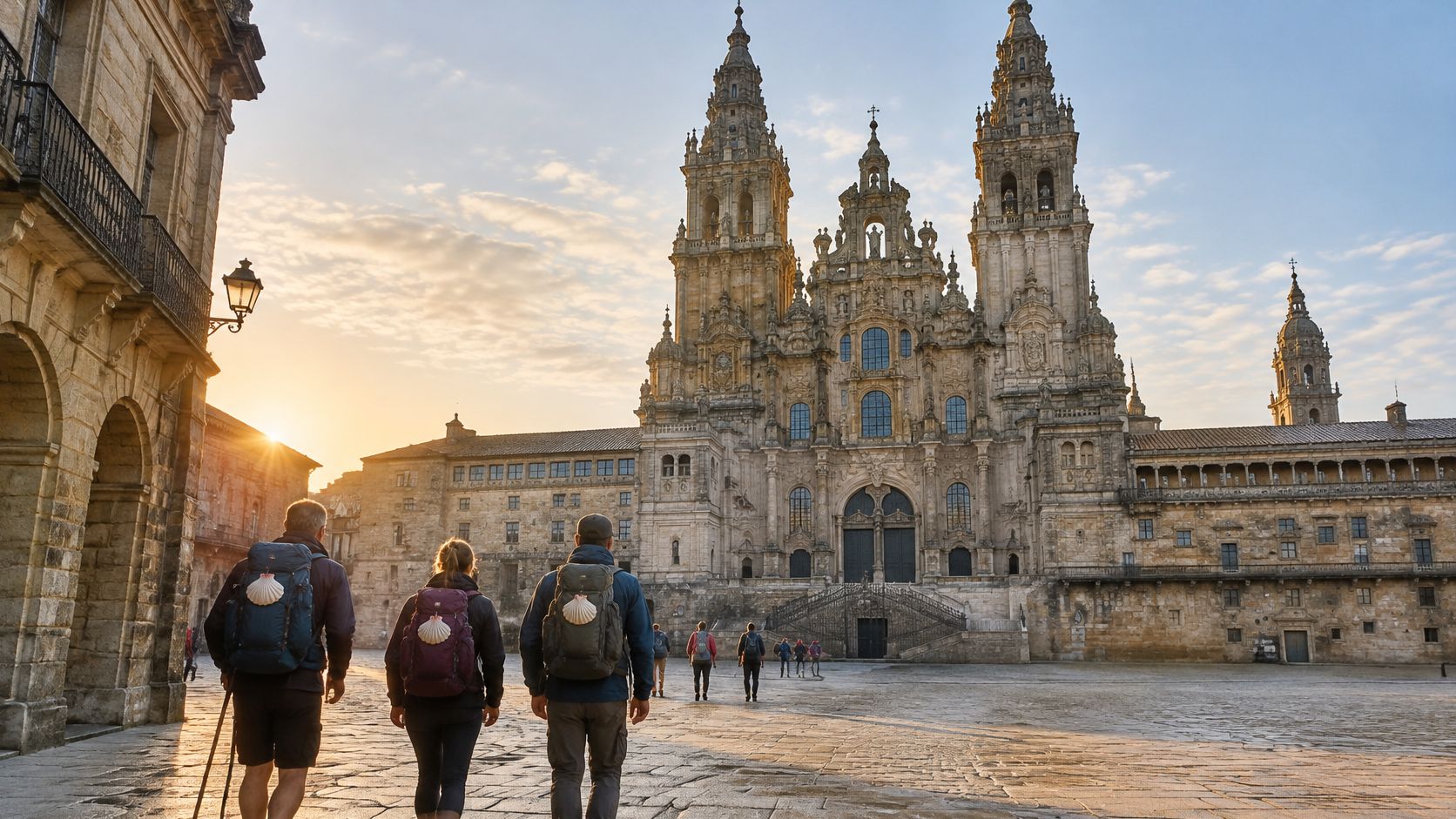
I'd recommend a few nights in Santiago and a separate coastal stay when both are priorities. Our Galicia private-itinerary guide develops the combination without treating the coast as an afterthought.
Separate heritage days from sea days
A private guide can give Santiago's cathedral and historic center context while adapting the walking to your interests. If you'd like to experience the Camino, choose a suitable stage for its scenery and practical demands. A selected walk isn't the same thing as completing a certificate-qualifying pilgrimage.
- For food-and-wine couples, combine a Salnés Valley estate appointment with an unhurried seaside lunch.
- For families, balance Santiago's cultural visits with coastal time and shorter walks.
- For island enthusiasts, arrange Cíes permissions and transport carefully, with a mainland alternative if sailing conditions change.
A workable celebration trip might begin with Santiago's cultural setting, then shift to a coastal hotel for wine visits and seafood meals. That change of pace is more effective than returning to Santiago after every coastal excursion.
Historic accommodation brings atmosphere, but check vehicle access, lifts and room configuration. A charming address isn't a substitute for a comfortable arrival, especially with luggage or reduced mobility.
10. Pyrenees, Ordesa y Monte Perdido and the Aragonese and Navarran Valleys
The Pyrenees suit travelers who want mountains to be the main event, not a scenic interruption between cities. Ordesa offers canyon and waterfall walking, while Torla, Aínsa, Benasque and the Navarran valleys support different styles of mountain stay.
Don't combine those names as though they belong to the same easy day trip. I'd recommend a dedicated mountain chapter with several nights in a carefully chosen base. Torla suits an Ordesa-focused stay, while Benasque deserves its own planning logic; a Navarran valley can work better when continuing from Pamplona.
Choose the valley before the hotel
Start with the walking you want to do, then choose accommodation. A beautiful lodge is less useful if reaching every preferred trail requires a tiring drive. Confirm dining arrangements too, especially if you want relaxed evenings without returning to the vehicle.
For an active couple, a private guide can plan an Ordesa walk with a realistic alternative for poor conditions. For a multigenerational group, choose valley-floor outings, village visits and optional extensions rather than describing the whole program as easy hiking.
- Check access arrangements, including seasonal road restrictions, parking and any transport controls.
- Describe mobility, including tolerance for steps, uneven ground and sustained descents.
- Keep a flexible day, so the main walk isn't tied to unsuitable weather.
The logistical challenge isn't unique to the mountains. CNN's reporting on lesser-visited Spain highlights the limitations of public transport in rural areas, a useful reminder that quieter destinations require more deliberate access planning.
A private driver removes navigation and luggage handling, while a qualified mountain guide handles route decisions. Those roles complement each other; neither makes an unsuitable trail appropriate. Choose the Pyrenees over another coastal stop when you want a genuine change of scenery and are willing to give the mountains enough time.
How the 10 Northern Spain destinations compare by audience, signature experience and main drawback
| Item | Best For | Signature Experience | Main Drawback |
|---|---|---|---|
| San Sebastián (Donostia), Basque Country | Food and wine lovers, couples, families | Pintxos crawl through the Parte Vieja and Michelin-starred dining | Top restaurants book up months ahead; summer crowds and hotel rates rise |
| Bilbao and the Guggenheim Museum, Basque Country | Culture and architecture travelers, couples, private groups | Guggenheim Museum and Bilbao's contemporary architecture | Rainy weather and long museum queues |
| La Rioja Wine Country (Haro, Logroño and Rioja Alavesa) | Food and wine lovers, couples, milestone celebrations | Private cellar tastings and tours of historic and modern wineries | Rural distances make a private driver essential |
| Navarra and Pamplona, including San Fermín | Festival seekers, food and wine lovers, private groups | San Fermín celebrations and the Running of the Bulls | Festival crowds, high prices, and limited availability |
| Getaria and the Basque Coast (Txakoli Country) | Food and wine lovers, couples, soft adventure | Seaside txakoli tastings and grilled seafood in a fishing village | Limited lodging and changeable weather |
| Cantabria: Santillana del Mar, Comillas and the Coast | Couples, families, soft adventure | Medieval Santillana del Mar and Gaudí's El Capricho in Comillas | Cool coastal weather and limited high-end stays outside key towns |
| Picos de Europa National Park | Nature lovers, active travelers, families | Cares Gorge hike, Fuente Dé cable car, and mountain scenery | Fast-changing weather; some hikes require good fitness |
| Asturias: Coastal Villages, Oviedo and Cider Culture | Food and wine lovers, couples, soft adventure | Coastal village drives and traditional cider-house experiences | Frequent rain and limited rural public transport |
| Galicia: Santiago de Compostela and the Rías Baixas | Food and wine lovers, culture-seeking couples, milestone celebrations | Santiago's cathedral, Albariño tastings, and Galician seafood | Rainy weather; Cíes Islands require advance bookings |
| Pyrenees: Ordesa y Monte Perdido and the Aragonese and Navarran Valleys | Nature lovers, active travelers, families | Guided hikes among Ordesa's cliffs, waterfalls, and canyons | Long drives and seasonal road closures |
Building Your Northern Spain Route Around the Places That Suit You
Start with the traveler profile, not the map. Food-led couples will often get more from San Sebastián and Rioja than from a broad journey across the entire north. Families may prefer Cantabria and Asturias, with a carefully chosen Picos outing, while travelers drawn to San Fermín should organize the holiday around the festival rather than fit it into an already crowded route.
For a food-and-wine journey, I'd recommend beginning with the Basque coast, moving inland to Rioja and resisting the urge to add a distant region just because it's famous. You'll have time for contrasting meals, a meaningful cellar visit and an afternoon that doesn't depend on a reservation. Bilbao can supply an architectural opening or closing chapter if it fits your flights.
Build around the commitments that matter
Book the experiences with the least flexibility first. A particular restaurant, festival viewing arrangement or private cellar appointment may determine the order of your stays. Fishing villages, scenic walks and free afternoons should provide breathing room around those commitments, not become additional obligations.
- For couples, protect time together outside guided visits and tasting appointments.
- For families, confirm room layouts, walking demands and meal timing before refining sightseeing.
- For private groups, agree on the balance between shared experiences and independent time.
- For active travelers, choose the mountain base around suitable routes, not photographs alone.
There's a case for looking beyond conventional summer travel. A Bank of Spain tourism analysis found that international arrivals increased more during autumn and winter relative to the 2016–2019 average than during summer. That doesn't promise good weather, but it supports considering a food, wine or culture-led trip outside the busiest holiday period.
Plan for comfort, not just coverage
Weather flexibility means giving yourself alternatives you'd enjoy. In Bilbao, that might be a longer museum visit; in Rioja, a cellar appointment instead of a vineyard walk. In the mountains, it may mean changing altitude or postponing the main outing rather than proceeding because the itinerary says so.
Private transport is most useful where it solves a specific problem: wine tasting, rural access, luggage on a transfer day or different walking abilities within the group. You don't need a vehicle following every urban stroll. You do need clear arrangements for the moments when public transport or a last-minute taxi would make the day awkward.
A comfortable route leaves something out deliberately. The aim is to enjoy the places you choose, not prove how much ground you can cover.
At Northern Spain Travel, we tailor each journey around your interests, pace and preferred level of support. There are no planning fees, so you can shape the route before committing. A private consultation is the practical starting point for matching dates, budget, accommodation and access to a combination of destinations that makes sense for your group.
Northern Spain Travel designs fully private journeys combining boutique hotels, expert guides, drivers and food, wine, cultural and outdoor experiences. Visit Northern Spain Travel to request a private consultation, share your preferred dates and interests, and begin shaping a route around the Northern Spain destinations that suit you.