In Haro, the Station Quarter packs some of Rioja’s great historic cellars side by side. It exists because phylloxera destroyed the vineyards of France and French merchants came to
Rioja looking for wine. Many of them never quite left. Three of the great houses stand on the same avenue, at numbers 3, 6 and 8 of Avenida de Vizcaya.
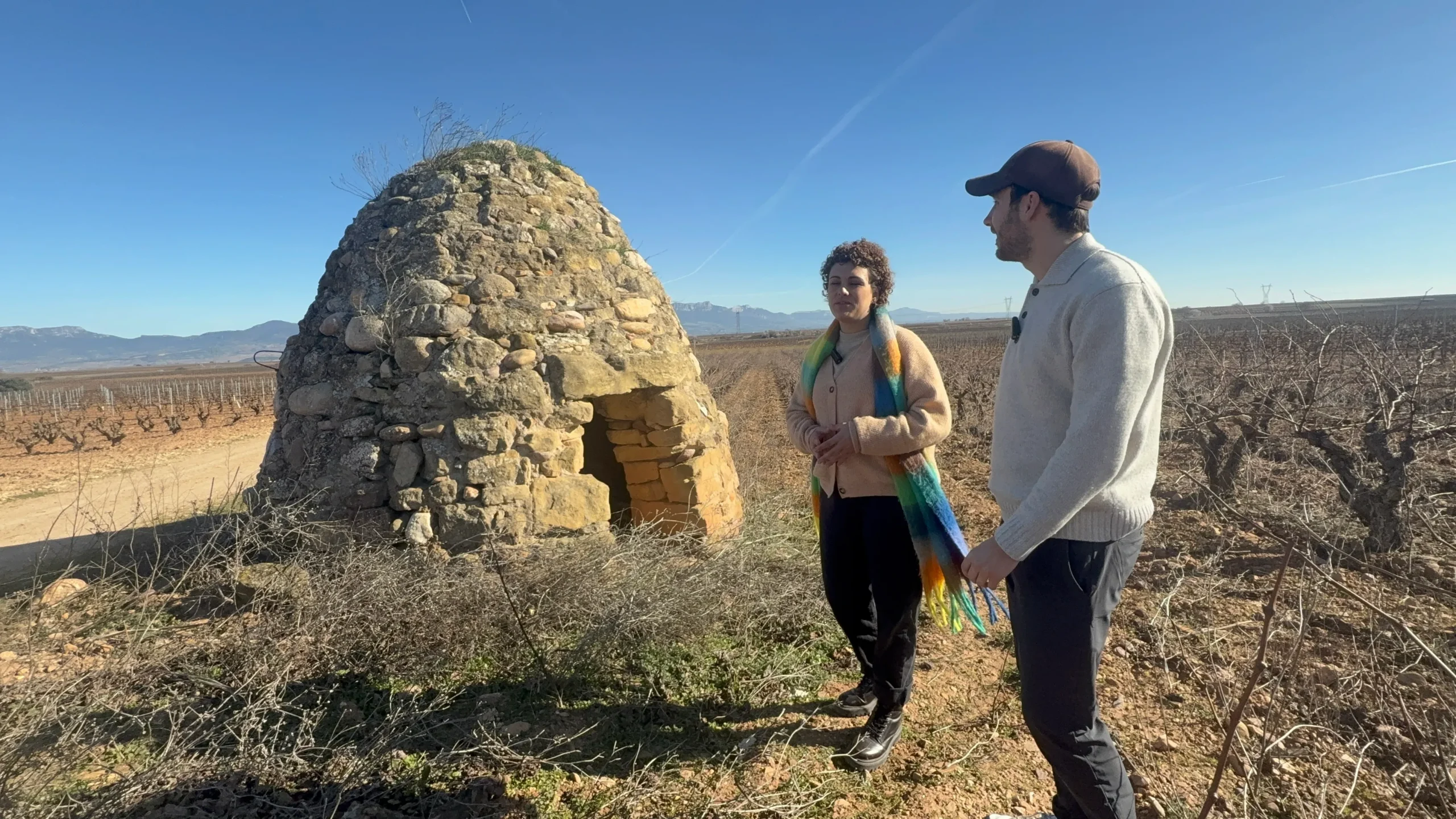
José María Pascual makes very little. He has a small cellar of his own in La Rioja and a vineyard that is small and singular, and he has decided never to use grapes from anywhere else. Every bottle he makes comes from those vines and only those vines. There are not many of them, and that is the point.
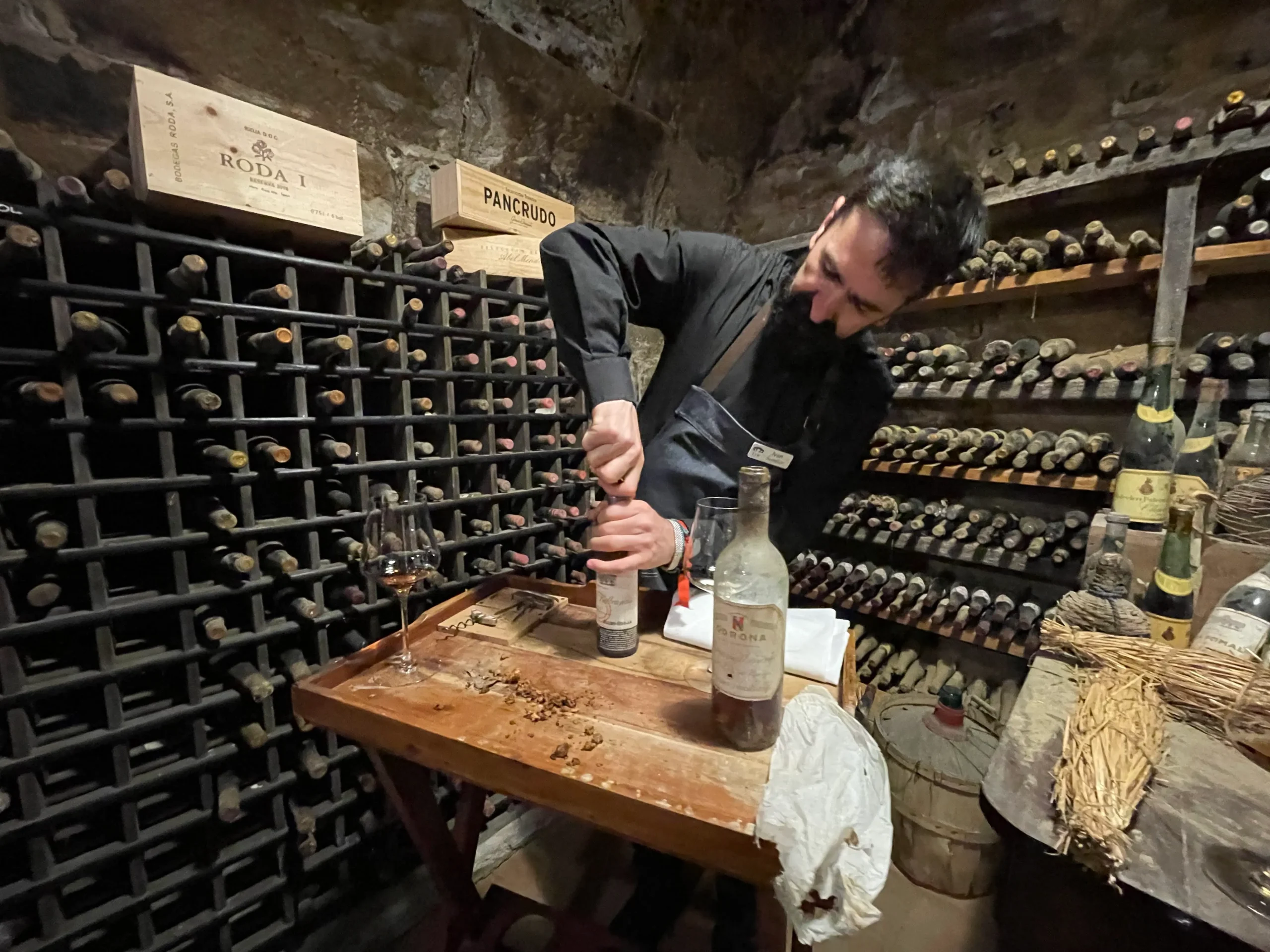
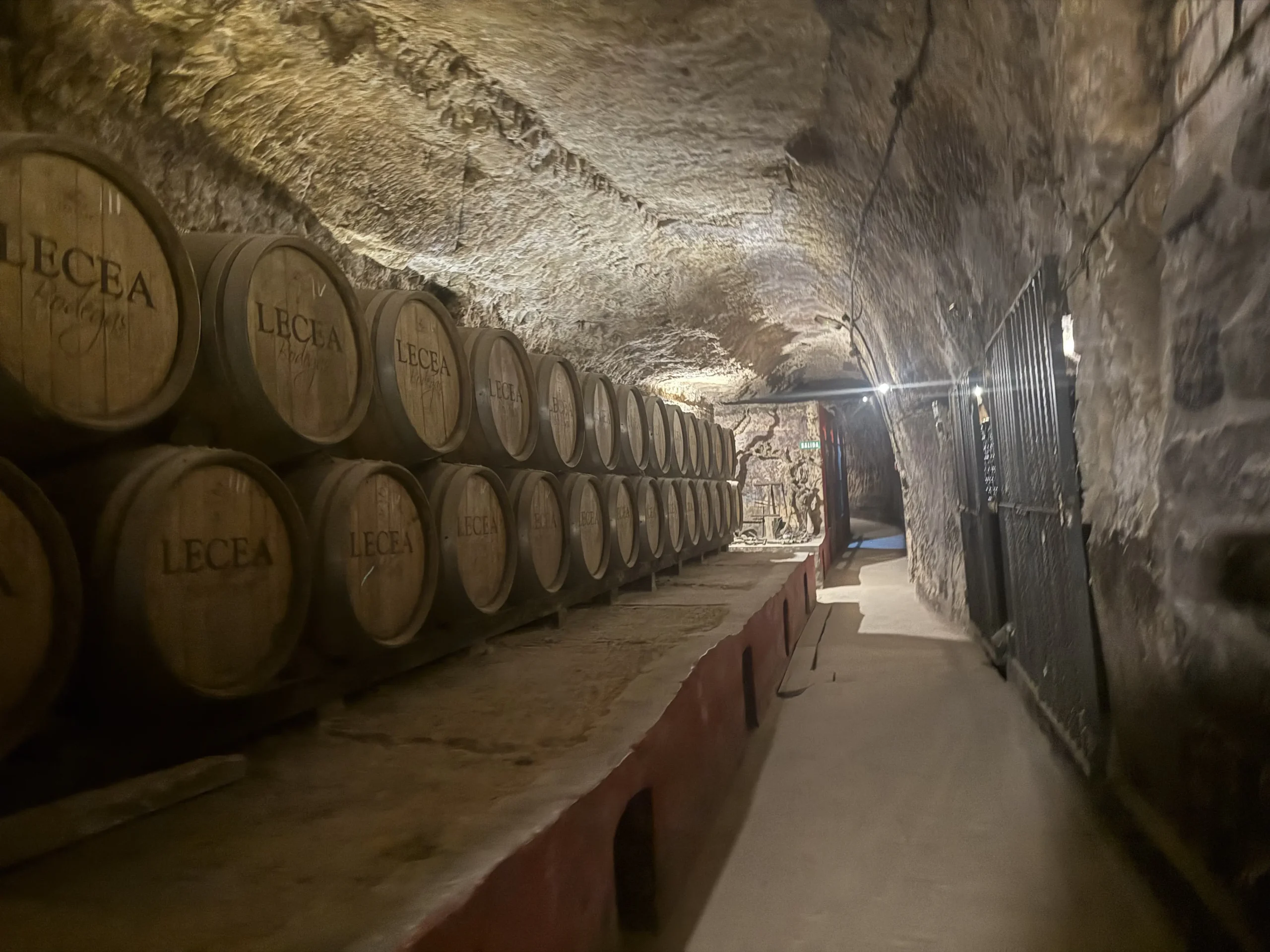
He knows wine from both ends: how it is made, and how it is sold. That is why he guides you through the quarter. With him you taste vertically: several vintages of the same wine, side by side, so that you taste what each year left behind. You do it at López de Heredia, begun in 1877 and the oldest winery in Haro; at La Rioja Alta, S.A., where its own coopers make the barrels; and at Gómez Cruzado, the smallest cellar in the quarter.
He is one of the local heroes of Rioja. Rioja is explained best by someone who lives from it.
We asked the man who only uses his own grapes. —
Northern Spain Travel
How a journey works. It begins with a conversation about what you want to accomplish and what has surprised you on other journeys. Then you are introduced to the people who hold the places: families, producers and guides who have lived here for generations, whose projects are put on the map. Behind every journey, a team watches every transfer and every driver. Hotels and hosts know the hour you arrive and say your name before you give it. One person is assigned to you, and the phone is answered at any hour.
Start the conversation.