Spring is a bigger travel season in Europe than many visitors realise. From March through June, the European Union recorded more than 900 million tourist accommodation nights, nearly one third of the annual total, while EU residents took almost 400 million overnight trips during the period, according to Eurostat's tourism analysis. Northern Spain is particularly well suited to that demand, with generally mild conditions, seasonal produce, green hills, blooming scenery, and a more measured rhythm than the peak summer months.
The important distinction is between travelling in spring and booking a spring journey. The first concerns weather, ingredients, access, and terrain. The second concerns securing the tables, guides, boutique hotels, drivers, winery appointments, and event access that make a dispersed region feel effortless. Travel commerce data shows that travellers are increasingly researching spring trips well ahead of departure, with the strongest search growth in longer planning windows, as reported in Expedia Group's travel trends.
Use April and May for San Sebastián, Rioja, the Basque coast, and Galicia. Move toward May and June for higher mountain walks in the Picos de Europa. Treat Atlantic weather as changeable, pack for rain and sun, and keep outdoor days flexible. The ideas below give you ten practical ways to shape a private Northern Spain journey, followed by three adaptable approaches for couples, families, and active-luxury travellers.
Table of Contents
- 1. San Sebastián Culinary Spring Escape
- 2. Rioja Wine Harvest & Vineyard Immersion
- 3. Picos de Europa Spring Mountain Hiking & Alpine Lodges
- 4. Atlantic Coast & Fishing Village Slow Travel
- 5. San Fermín Festival VIP Access & Pamplona Experience
- 6. Basque Country Cultural & Gastronomic Deep Dive
- 7. Private Golf & Active Outdoor Pursuits
- 8. Galicia Cultural Heritage & Celtic Connections
- 9. Northern Spain Spring Highlights
- 10. Planning & Booking Recommendations for Spring Luxury Travel
- 10 Northern Spain Spring Escapes Compared
- Turn the Strongest Idea Into Your Spring Journey
1. San Sebastián Culinary Spring Escape
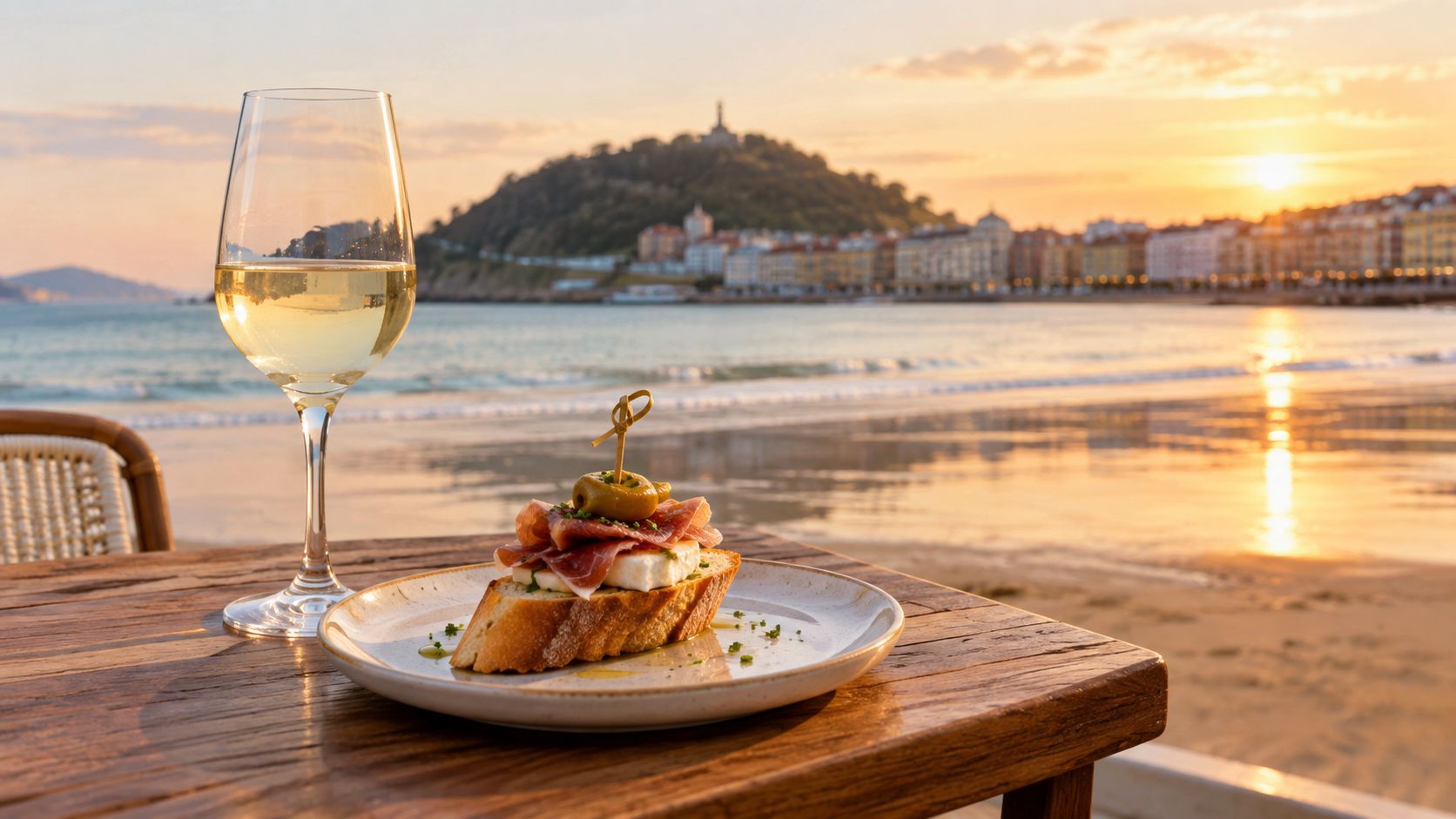
San Sebastián rewards travellers who plan around meals rather than attractions. Build a private stay around the Old Town, the Mercado de la Bretxa, the Concha waterfront, and a sequence of dining experiences that moves from market ingredients to pintxos, cooking, and ambitious tasting menus.
Start with a morning market visit while produce and seafood are at their freshest. A private chef can explain the ingredients, then continue the experience with a cooking class in a refined apartment overlooking the bay. Schedule that class early in the stay. It gives you a useful vocabulary for the dishes and traditions you'll encounter later.
For evenings, reserve Michelin-starred restaurants well ahead and pair formal dining with a private pintxo route. The guide matters more than the route itself. A guide who knows the bar owners can secure a seat, explain the unwritten etiquette, and arrange extended tastings without turning the experience into a conventional group tour. A personal sommelier can also sharpen the wine side of the journey through this specialist service.
Practical rule: Stay within walking distance of the Old Town, then keep a private driver available for coastal excursions and Rioja.
Spring's lighter crowds make it easier to adjust dinner times, revisit a favourite bar, or linger over lunch. For deeper context on the city's food culture, use this San Sebastián culinary guide.
A three- or four-day San Sebastián stay pairs naturally with one or two nights in Rioja. That combination creates a complete food-and-wine narrative without forcing you to change hotels every night.
For a more unusual angle, ask your local travel designer about chef introductions, private access to traditional cider or txakoli producers, and a route that gives equal weight to the city's formal restaurants and everyday food culture.
2. Rioja Wine Harvest & Vineyard Immersion
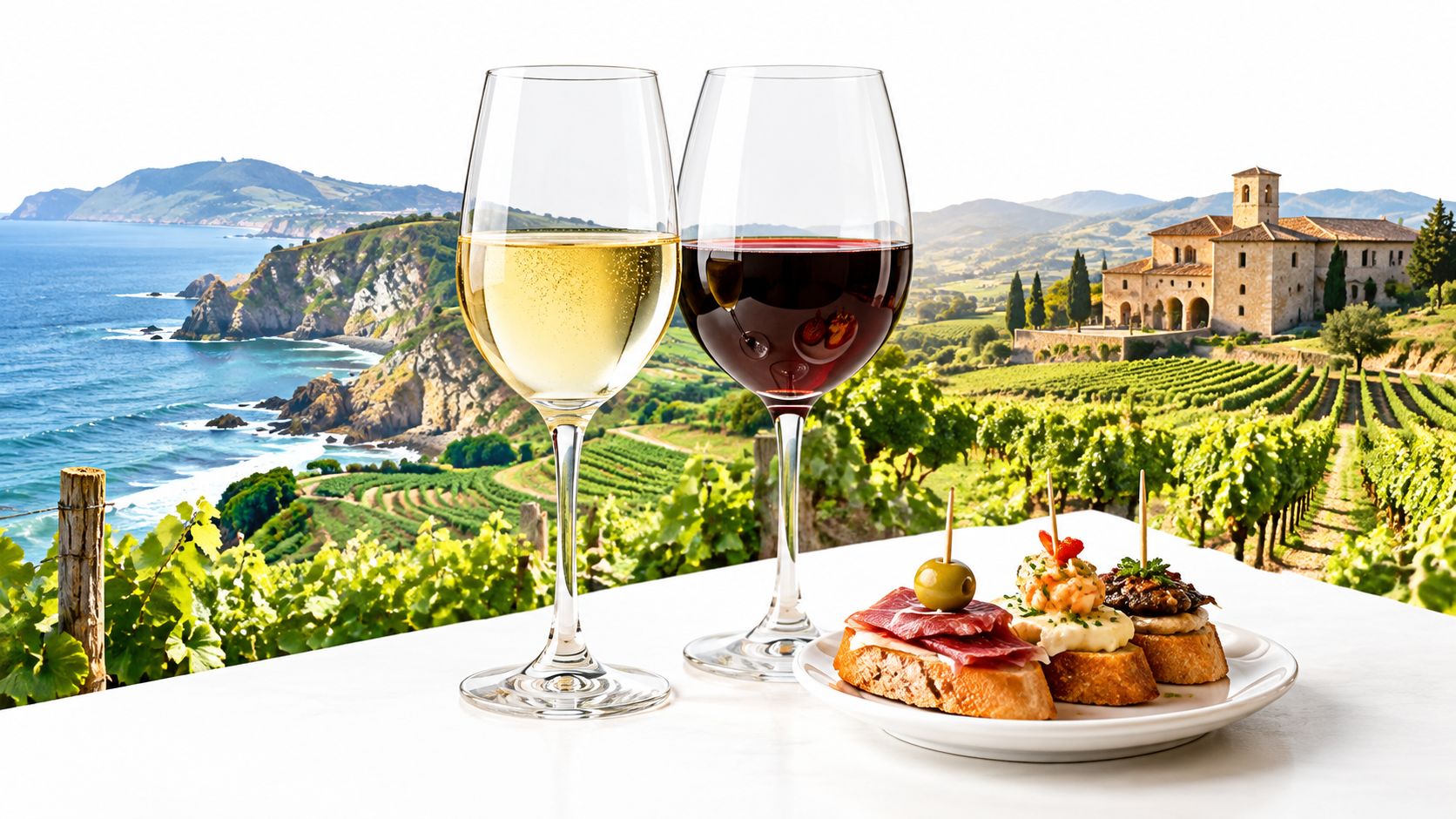
Rioja in spring is about observing the vineyard before the spectacle of harvest. Budbreak and flowering reveal the beginning of the growing cycle, giving wine lovers a more intimate view of how producers think about a future vintage.
Base yourself in or near Haro to reduce unnecessary driving. Begin with an early-morning winemaker meeting, when the estate's team has more time for a serious conversation. Follow it with a vineyard walk in the later morning, then a long lunch built around spring ingredients and lighter wines, including rosados and younger Riojas.
The best day has contrast. Visit a historic estate such as Marqués de Murrieta for cellar history and reserve tastings, then move to a smaller producer where the winemaker can discuss farming choices, barrel selection, and blending in a more personal setting. A private guide with established relationships is essential because many boutique bodegas operate by appointment rather than through a predictable visitor schedule.
Shape the tasting around your palate
A blending workshop makes the experience participatory without becoming theatrical. Rather than just tasting a flight, you can compare components, identify the structure you prefer, and assemble a personal selection with guidance from the producer.
Include a private lunch at López de Heredia, followed by a cellar visit, then leave the afternoon open. Rioja's villages and surroundings are best experienced without rushing from one appointment to another.
The strongest Rioja itinerary alternates technical insight with pleasure. A serious cellar visit should be followed by a generous meal, a scenic drive, or time to walk through Haro.
Give Rioja two or three days and connect it with San Sebastián, which is within practical driving distance for a private transfer. For travellers drawn to the physical work behind the wine, a hands-on vendimia experience in Haro offers a useful complement, even when the main journey takes place outside harvest season.
3. Picos de Europa Spring Mountain Hiking & Alpine Lodges
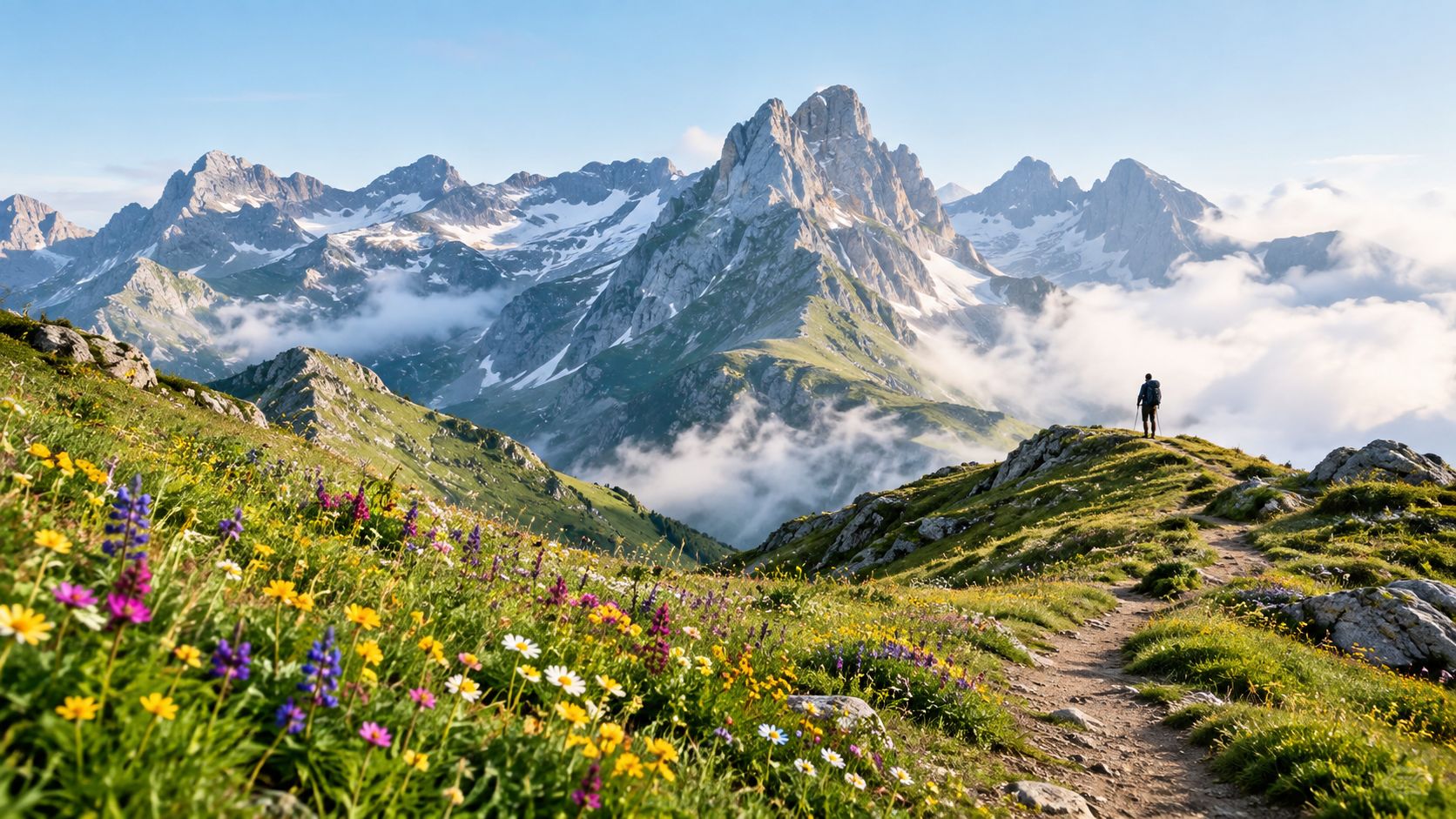
Picos de Europa is Northern Spain's strongest spring choice for travellers who want serious mountain scenery with private, comfortable arrangements. Limestone peaks, alpine meadows, deep valleys, and Asturian villages create a sharp contrast with the culinary cities and wine estates farther east.
Schedule the most demanding walks for May or June, when lower trails are often more comfortable and wildflowers brighten the meadows. A private mountain guide should set the route each morning according to weather, fitness, confidence, and the group's interests. At elevation, spring conditions can shift quickly, so a published trail should guide the plan, not dictate it.
Choose the itinerary style to match the travellers. Couples can take the Fuente Dé cable car, walk toward Espinama, and stay near Potes. Families and multigenerational groups are better served by meadow walks, a village cheese-making visit, and a refined regional dinner. Active-luxury travellers can take a longer route with a private picnic and photography stops, provided the guide approves the conditions.
Pack for the mountain, not the forecast
Bring waterproof layers, fast-drying trousers, proper walking shoes, and a warm mid-layer. Valleys and the coast may feel mild while exposed paths remain cold, wet, or windy. For equipment choices, consult this guide to electric push carts before deciding what belongs in your luggage.
Choose accommodation with spa facilities where possible. A sauna, massage, or quiet treatment after a long walk gives the trip a more balanced rhythm, particularly when strenuous days are paired with fine dining.
Use a private transfer between the Picos and coastal Asturias. Distances are spread across mountain roads, and a knowledgeable driver can reduce travel fatigue while allowing time for worthwhile viewpoints. Northern Spain Travel's Picos de Europa itinerary guide helps determine how much hiking suits your journey. Book guides and preferred lodges early, especially for late-spring departures.
4. Atlantic Coast & Fishing Village Slow Travel
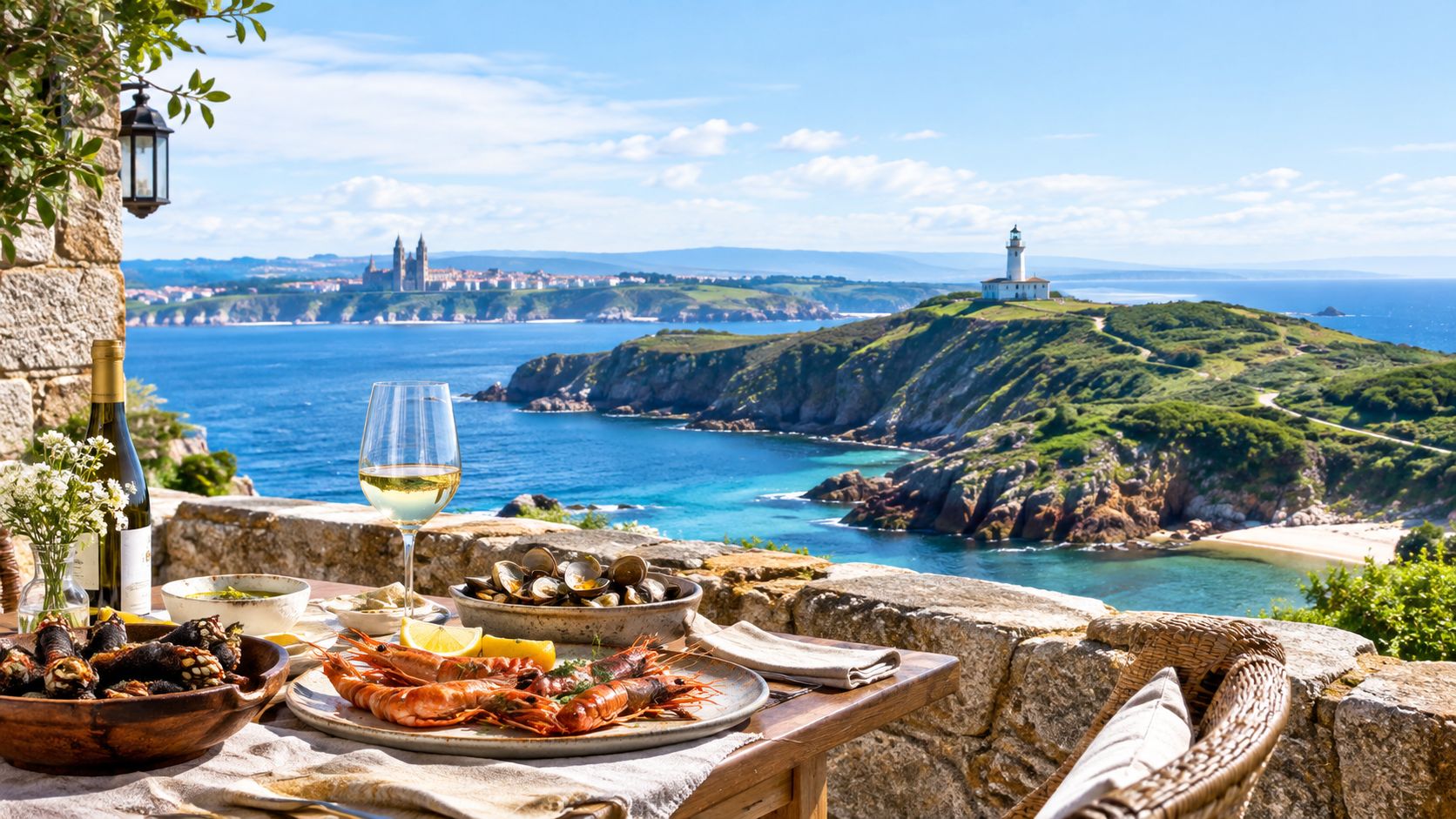
The Atlantic coast works best when you stop trying to see all of it. Choose a stretch of Asturias or Galicia, then build the days around working harbours, seafood, coastal viewpoints, and the people who still make their living from the water.
Early mornings reveal the coast's working character. Arrive in a fishing village as boats return and markets receive the day's catch. A local connection can arrange a meeting with fishermen, a boat-building family, or a market trader. These encounters should feel personal and unhurried, not like staged entertainment.
In Asturias, a three-day route might include breakfast in Cudillero, a private boat excursion, a clifftop walk near Luarca, and dinner at a family-run seafood restaurant. In Galicia, add a market tour in a working port, a fresh-catch cooking class, and a night in a historic village hotel.
Let the driver manage the coastline
Coastal roads reward flexibility, but only when somebody else is watching the route. Ask for a driver who knows the smaller roads, viewpoints, restaurant access, and places where a short walk delivers the best scenery.
Set out in the middle of the morning for coastal drives, when the light is favourable and the day has properly opened. Keep boat excursions movable because wind and sea conditions can change. A thoughtful itinerary will include a land-based alternative rather than treating a cancelled boat as a failed day.
For couples, combine viewpoint stops with a seaside lunch, a sunset beach walk, and a spa evening at a clifftop hotel. For families, alternate easy walks with boat time and village exploration. Bring waterproof jackets and layers. Atlantic weather can shift quickly, even when the morning begins bright.
5. San Fermín Festival VIP Access & Pamplona Experience
San Fermín takes place in July, but the journey belongs on a spring planning calendar. The festival's scale, concentrated demand, and limited supply of desirable accommodation and balcony positions make advance organisation central to the experience.
A private itinerary should do more than place you in Pamplona during the event. Arrange a balcony with a clear sightline, a private driver, expert cultural briefings, and a calm base away from the most intense movement. Discuss whether you prefer a position near the beginning or finish of the route, then build the rest of the day around rest, meals, and controlled access.
Choose immersion without surrendering comfort
A couple might attend selected runs, take a private tour focused on Hemingway and Pamplona's history, and spend quieter afternoons outside the centre. A private group can combine premium festival access with carefully planned meals and a post-event retreat in Rioja.
The running culture deserves respectful explanation. Ask for a knowledgeable briefing on the tradition, crowd behaviour, and personal safety before the festival begins. Private security advice can also be appropriate for travellers who want to move through the city discreetly.
Start discussions in spring and secure the core arrangements as early as possible. High-end restaurants fill quickly during festival week, so reserve meals before arrival and keep some flexibility for changes. Three or four nights in Pamplona can work well when paired with pre-festival cultural visits and several quieter nights in wine country.
San Fermín is not the right choice for every luxury traveller. It suits visitors who want energy, tradition, and an event that demands logistical discipline. If you prefer quiet surroundings and long lunches, choose Rioja, Galicia, or the coast instead.
6. Basque Country Cultural & Gastronomic Deep Dive
The Basque Country deserves more than a food itinerary. Its language, maritime history, architecture, art, farming traditions, cider culture, and communal dining customs all become more meaningful when a guide connects them.
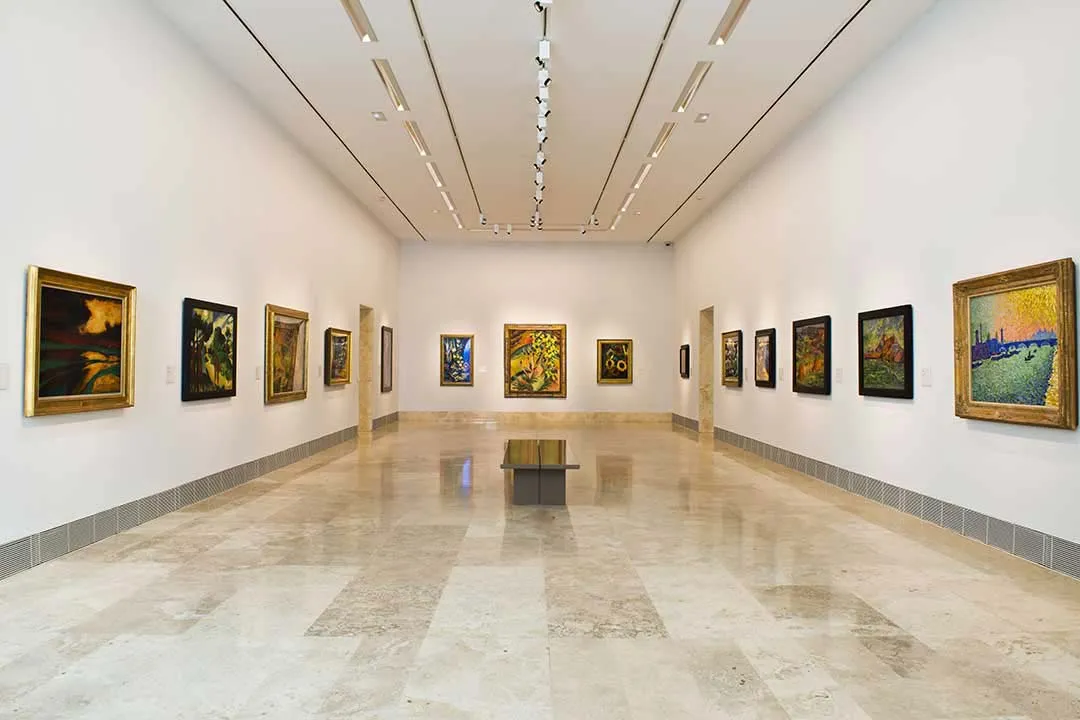
Build a five-day journey around Bilbao and San Sebastián, then add Getaria or another coastal village. Start in Bilbao with an early visit to the Guggenheim Museum, using timed admission and a private art guide to give the collection context. Continue through the city's food markets and historic districts before moving east toward San Sebastián.
San Sebastián can carry two or three days, especially when the programme includes a market visit, cooking, a pintxo route, a Michelin dinner, and access to a txoko. Arrange txoko access through a trusted local partner well in advance. These spaces are private by nature, so an introduction matters more than a standard reservation.
Pair food with history
Ask the guide to explain why certain ingredients, techniques, and communal traditions matter. A cider-house visit, artisan meeting, or market conversation becomes more memorable when you understand the relationship between language and cuisine.
For couples, add a coastal walk in Getaria, a family-run restaurant, and a visit to the Arantzazu sanctuary. Families and multigenerational groups can balance museums with easy coastal paths, village exploration, and boat time.
Spring brings a useful combination of seasonal gastronomy, comfortable touring conditions, and access to local agricultural rhythms. Request menus that reflect what is available rather than asking for a fixed catalogue of dishes. That approach gives the chef room to work with the market and keeps the meal connected to place.
7. Private Golf & Active Outdoor Pursuits
Northern Spain works particularly well for travellers who want movement during the day and serious hospitality at night. Golf, hiking, kayaking, cycling, coastal walks, wellness, and fine dining can sit in the same itinerary when the schedule respects recovery.
Start with golf rather than adding it as an afterthought. Arrange a mid-morning tee time, ideally after the first weather window has settled, and use a professional instructor during the opening rounds if technique or local course strategy matters. Follow golf with a quieter afternoon, not another demanding activity.
A five-day active journey might combine two championship rounds, a coastal hiking day, private kayaking, cycling through wine country, and Michelin-starred dinners. Couples can add a guided walk in the Picos and a seaside lunch. Families can use executive courses, short hikes, boat trips, and age-appropriate water activities.
Design the effort level day by day
The region's topography makes a private guide especially valuable for cycling and hiking. A route that looks moderate on paper can feel demanding after a transfer, a long lunch, or a previous activity. Let the guide adjust distance and terrain rather than forcing the original plan.
Book hotels with spa facilities and reserve treatments before arrival. Recovery should be part of the itinerary, not a reward that disappears when the day runs late. A private driver is also essential because the best courses, coastlines, mountain routes, and restaurants aren't concentrated in one compact area.
Active luxury depends on pacing. Schedule demanding activities on separate days, then protect the evening for food, wine, and proper rest.
8. Galicia Cultural Heritage & Celtic Connections
Galicia offers a different emotional register from the Basque Country. Its Atlantic atmosphere, granite villages, medieval history, pilgrimage traditions, seafood, music, and Celtic associations create a journey that feels contemplative rather than tightly programmed.
Give Santiago de Compostela two days. A private guide can interpret the cathedral, surrounding streets, monastic sites, and pilgrimage history without reducing the city to a quick architectural stop. If your dates overlap with Easter, build the schedule around processions, pilgrim movement, and the possibility of heavier demand at major sites.
Continue to the Rías Baixas for Albariño, then move toward the coast. Small wineries often work by appointment, so reserve visits in advance. Pair the tasting with a seafood lunch, a market visit, or a private boat excursion rather than filling the day with cellar doors.
Stay on the coast overnight
Coastal villages deserve more than a rushed stop between Santiago and the next hotel. Spend the night, walk the harbour, and allow the rhythm of the place to emerge after day visitors have left.
A couple might combine the cathedral, monastic sites, a medieval town, Albariño tasting, Celtic music, and a refined dinner. Families can focus on Santiago's accessible cultural sites, coastal villages, markets, and boat time, with walks adapted to the group.
Hire guides who can work fluently in Galician and Spanish when possible. The language question isn't cosmetic. It can help explain local identity, place names, music, and the difference between a visitor's view of Galicia and the way residents understand it.
Pack waterproof layers and expect intermittent rain. Galicia rewards travellers who accept changing skies rather than waiting for a completely dry forecast.
9. Northern Spain Spring Highlights
The strongest spring journeys don't attempt to include every attractive region. They select a clear theme, connect two or three complementary areas, and protect enough time for weather changes, long meals, and spontaneous local access.
Use this framework to match the terrain to the traveller:
- Food and wine: Combine San Sebastián with Rioja, using private dining, market access, winemaker meetings, and a driver.
- Slow coastal culture: Choose Asturias or Galicia, then stay in villages rather than treating the coast as a sequence of day trips.
- Mountain and wellness: Pair the Picos with coastal Asturias, balancing guided walks with spa time and regional cuisine.
- Art and history: Build around Bilbao, San Sebastián, Santiago de Compostela, or Pamplona, depending on whether modern art, Basque identity, pilgrimage, or festival culture leads the journey.
- Seasonal events: Plan San Fermín as a separate July experience whose access and accommodation are secured during spring.
Protect the itinerary from the weather
Boat trips and high-mountain walks require alternatives. Keep one flexible day where possible, and don't place the most important outdoor experience at the very end of the journey. If conditions prevent a hike, substitute a village, cheese-maker, museum, market, or long lunch, rather than forcing an unsafe plan.
Spring is also a strong period for shoulder-season value. The Leading Hotels of the World luxury travel report describes average shoulder-season growth of 13%, with particular strength in April and May. The implication for Northern Spain is clear. Premium travellers can seek more considered timing, but scarce rooms, guides, and high-end tables still need to be secured before demand compresses availability.
10. Planning & Booking Recommendations for Spring Luxury Travel
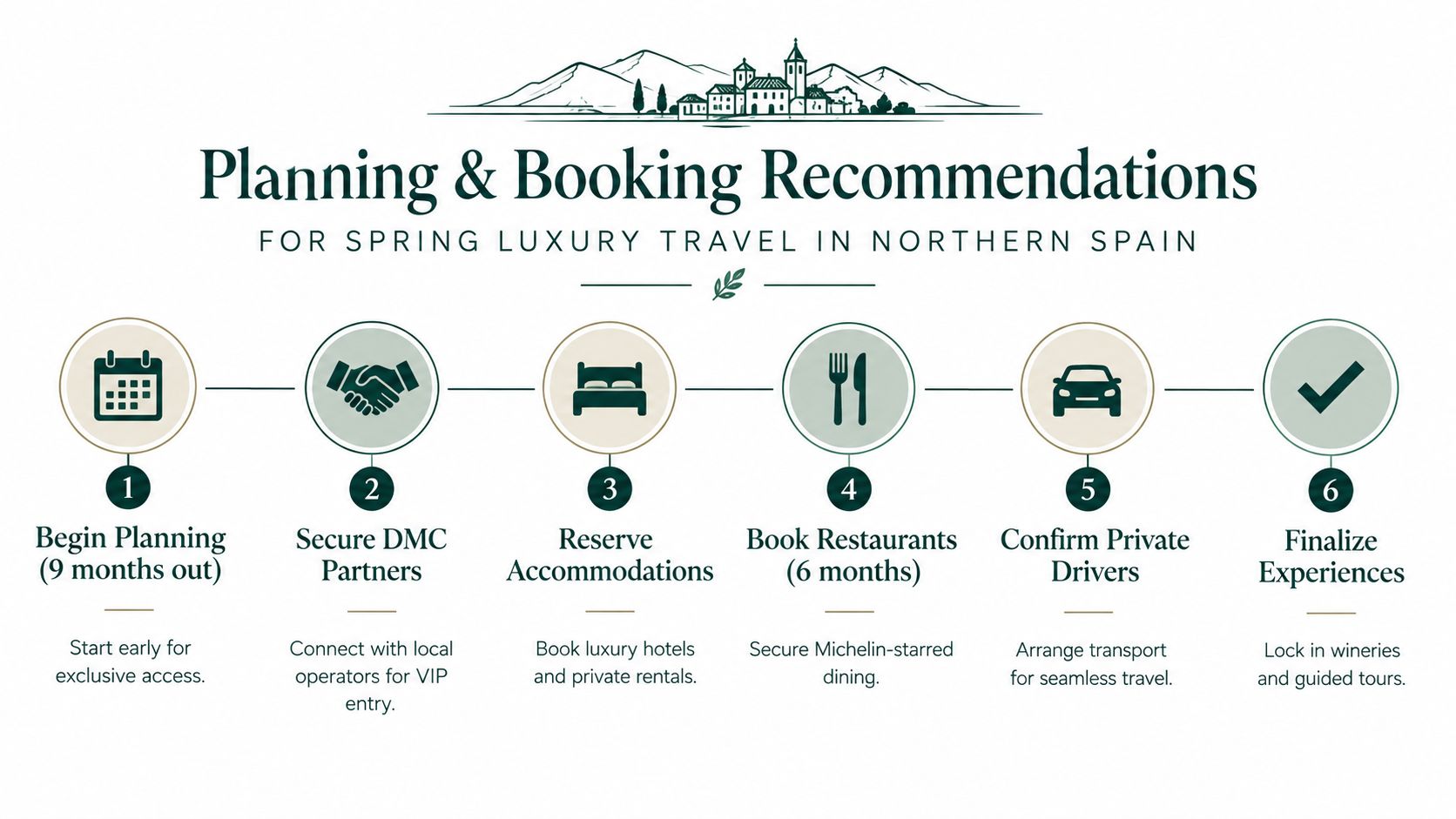
Begin with the experience that has the fewest substitutes. A private winemaker meeting, a preferred festival balcony, a sought-after restaurant, or a specialist mountain guide can determine the rest of the route. Secure that anchor first, then build hotels, transfers, and meals around it.
For ordinary spring travel, begin several months ahead. San Fermín needs an earlier conversation because the event falls in July and concentrates demand in a short period. Private drivers and specialist guides should also be reserved early, especially when the journey crosses the Basque Country, Rioja, Navarra, Cantabria, Asturias, and Galicia.
Give your planner useful constraints
A good itinerary depends on information that travellers sometimes leave until the last minute. Share:
- Dietary needs: Give the full detail, including allergies, intolerances, preferences, and whether cross-contamination matters.
- Mobility requirements: Explain walking tolerance, stairs, uneven surfaces, and transfer needs before guides and hotels are selected.
- Pacing preferences: State whether you want long lunches, early starts, late dinners, or a slower morning after a demanding day.
- Access priorities: Identify the experiences that justify private arrangements, such as txoko access, cellar tastings, fishing-village introductions, or event seating.
- Weather tolerance: Decide which activities can move and which should have a cultural or culinary alternative.
Confirm cancellation, postponement, and rescheduling terms for high-cost bookings. Weather-sensitive experiences need realistic contingency plans, and the terms should be clear before deposits are paid.
A private driver is usually more than transport in Northern Spain. The right person can adjust the route, recommend a village stop, manage timing, and help the day feel unforced. If you plan to drive yourself, review the practical requirements in this guide to driving in Spain with a US licence, but remember that self-driving adds responsibility on unfamiliar roads and weather-sensitive routes.
10 Northern Spain Spring Escapes Compared
| Experience | 🔄 Complexity | ⚡ Resources Required | ⭐ Expected Outcomes / 📊 Impact | Ideal use cases | 💡 Key advantages |
|---|---|---|---|---|---|
| San Sebastián Culinary Spring Escape | 🔄 High, months-long Michelin & txoko access needed | ⚡ Very high, premium budget, DMC relationships, private drivers, advance reservations | ⭐ Exceptional culinary quality; 📊 High probability of exclusive dining, chef interaction, seasonal ingredients | Food & Wine lovers, luxury couples/groups focused on gastronomy | 💡 Michelin dining + private pintxo tours; farm-to-table and chef access |
| Rioja Wine Harvest & Vineyard Immersion | 🔄 Medium‑High, appointment-only bodegas and winemaker timing | ⚡ High, private guides, vineyard transport, cellar tasting logistics | ⭐ Deep wine education; 📊 Access to small-production & vertical tastings | Wine enthusiasts, small private groups, educational trips | 💡 Private cellar access, phenology observation during budbreak |
| Picos de Europa Hiking & Alpine Lodges | 🔄 Medium, weather and altitude contingencies; guide-dependent | ⚡ Moderate, private guides, lodge stays, transfers, safety equipment | ⭐ High scenic/wildflower impact; 📊 Strong wellness and active-experience outcomes | Soft-adventure travelers, active couples, multigenerational families | 💡 Scalable hikes, luxury lodges with spa, peak wildflower season |
| Atlantic Coast & Fishing Village Slow Travel | 🔄 Medium, tide/weather windows and local schedules | ⚡ Moderate, private driver, local DMC, boat/guide coordination | ⭐ Authentic cultural immersion; 📊 High seafood and photography value | Slow-travel enthusiasts, food lovers, couples seeking authenticity | 💡 Genuine village access, private market/boat meetings, calm spring seas |
| San Fermín Festival VIP Access & Pamplona Experience | 🔄 Very High, festival logistics and strict booking windows | ⚡ Very high, VIP seating, security, concierge, early reservations | ⭐ Iconic cultural spectacle; 📊 High excitement but crowded environment | VIP event seekers, high-net-worth guests wanting exclusive festival access | 💡 Reserved balcony views, VIP club access, expert safety/logistics |
| Basque Country Cultural & Gastronomic Deep Dive | 🔄 High, many bespoke introductions and language nuance | ⚡ High, expert guides, DMC coordination, multi-site logistics | ⭐ Deep cultural fluency; 📊 Broad interdisciplinary impact (art, food, history) | Culturally curious travelers, food & wine lovers, intellectually engaged groups | 💡 Combines Guggenheim + traditional villages, txoko and artisan access |
| Private Golf & Active Outdoor Pursuits | 🔄 Medium, multi-activity pacing and booking coordination | ⚡ High, course access, PGA instruction, equipment, spa recovery | ⭐ High activity satisfaction; 📊 Performance gains and holistic wellness | Golfers seeking luxury, active couples, families combining sport + leisure | 💡 Optimal spring course conditions, integrated wellness and varied activities |
| Galicia Cultural Heritage & Celtic Connections | 🔄 Medium, pilgrimage timing and festival dependencies | ⚡ Moderate, private guides, transport, Albariño winery appointments | ⭐ Strong cultural & spiritual resonance; 📊 Authentic, less-touristed experiences | Cultural travelers, pilgrims, food & wine lovers interested in Celtic heritage | 💡 UNESCO pilgrimage sites, Rías Baixas Albariño pairing, Celtic traditions |
| Northern Spain Spring Highlights (overview) | 🔄 Low‑Medium, complexity scales with chosen regions | ⚡ Moderate, private driving, staggered bookings across regions | ⭐ High variety exposure; 📊 Efficient multi-region sampling when well-planned | First-time luxury visitors wanting a curated spring sampler | 💡 Clear trip building blocks (gastronomy, wine, mountains, coast), seasonal timing tips |
| Planning & Booking Recommendations for Spring Luxury Travel | 🔄 Low, guideline implementation; requires lead time discipline | ⚡ Low‑Moderate, DMC engagement, advance reservations, contingency plans | ⭐ Improved access success; 📊 Higher probability of securing exclusive experiences | Travel planners, advisors, guests booking high-end spring itineraries | 💡 Clear lead times (4–9 months), DMC value, contingency & pacing strategies |
Turn the Strongest Idea Into Your Spring Journey
You don't need to fit every Northern Spain experience into one trip. The best itinerary has a point of view, then gives that point of view enough time to develop.
Choose San Sebastián and Rioja if food and wine are the reason you're travelling. San Sebastián provides the energy of markets, pintxos, chef-led meals, and the Bay of Biscay. Rioja adds vineyard scenery, cellar history, winemaker conversation, and the pleasure of moving through wine country at a slower pace. Together, they make a particularly coherent journey for couples, milestone celebrations, and travellers who want refined dining without a constant succession of formal restaurants.
Choose Galicia or the Atlantic coast if you want slower cultural immersion. Galicia suits travellers drawn to pilgrimage history, medieval towns, Albariño, coastal villages, and Atlantic identity. Asturias works beautifully for seafood, fishing communities, green settings, and gentle coastal exploration. In both regions, staying overnight in smaller places matters. It lets you experience the harbour, market, village restaurant, or waterfront walk without reducing everything to a daytime visit.
Choose the Picos de Europa if active luxury is the priority. Private guiding, carefully selected mountain walks, village food, and spa accommodation create a strong balance between effort and comfort. This option also suits multigenerational groups when the programme separates strenuous walks from meadow paths, cheese-making, scenic drives, and wellness.
Choose San Fermín only if a major cultural event appeals to you. It's an extraordinary experience, but it demands early planning, tolerance for crowds, and a willingness to follow a more structured logistics plan. A private balcony, careful transport, expert briefings, and a quiet retreat in Rioja can make the festival more manageable, but they won't turn it into a tranquil holiday.
For most travellers, the ideal Northern Spain journey combines two or three regions over seven to twelve days, with buffer time for weather, long lunches, and experiences that take longer than expected. Keep the first and last days light, avoid changing hotels every night, and place your most weather-dependent activity before the final stretch.
Demand is also becoming more deliberate. One travel sentiment study found that 61% of travellers had trips planned more than three months in advance for 2026, while 36% used AI tools to research destinations and 25% used them to compare prices or determine when to book, according to the Travel Sentiment Study. Those figures reinforce a useful principle for luxury planning: research broadly, then use expert local judgement to narrow the choices.
Give your planner your preferred dates, interests, pace, dietary requirements, mobility needs, and desired level of access. Northern Spain Travel can turn those details into a private, tailor-made journey across the Basque Country, Rioja, Navarra, Cantabria, Asturias, Galicia, the Pyrenees, and neighbouring regions, with private guides, drivers, boutique hotels, chefs, winemakers, and local contacts arranged around your priorities. Request your itinerary through Northern Spain Travel and start with the one experience you most want to remember.
Northern Spain Travel designs private, tailor-made journeys around food, wine, culture, nature, seasonal events, and rare local access. Visit Northern Spain Travel with your preferred dates, interests, pace, dietary or mobility needs, and access priorities to begin planning a spring itinerary that fits the way you want to travel.