June and September are the best time to visit San Sebastián. If you want the cleanest balance of warm weather, lower crowd pressure, and better access to premium dining, skip the peak of July and August.
Most guides stop there, and that's lazy advice. For an affluent traveler, the central question is which specific week gives you the right mix of La Concha weather, Michelin booking ease, and a hotel market that hasn't fully surrendered to peak-season pricing. In San Sebastián, that answer changes fast once festivals, school holidays, and restaurant closures enter the picture.
Table of Contents
- San Sebastian Weather and Sunshine by Month
- Seasonal Trade-Offs for Discerning Travelers
- Festival Calendar and Exclusive Event Access
- Michelin Dining and Pintxo Seasonality
- Beach Conditions and Coastal Activities
- Strategic Advantages of Shoulder Season Travel
- Month by Month Recommendation Matrix
San Sebastian Weather and Sunshine by Month
San Sebastián rewards travelers who respect its climate rather than guessing at it. The city's most reliable warm-weather window runs from late June to mid-September, with the strongest tourism score landing in the third week of July according to WeatherSpark. July is the clearest sun play, with a Sunshine Score of 82/100, about 2,077 hours of sunshine a year, average daytime highs around 23°C / 73°F, and roughly 48 mm of rain in the month, which is why outdoor dining and beach time feel most dependable then. WeatherSpark's San Sebastián weather profile

The warm-season pattern that matters
The useful range begins in June, when highs are already around 20°C and the sea is still catching up, then moves into July and August, when daytime temperatures reach about 23°C to 24°C and marine temperatures rise into the 21°C to 22°C range. By September, the city still feels warm enough for outdoor lunches and bayfront walks, with TUI listing monthly averages around 23°C and climate guides still treating early autumn as prime outdoor travel territory. TUI's San Sebastián weather guide
That is why the best time to visit San Sebastian is not really spring and it is not winter. Spring can be pleasant, but the sea still trails the air temperature, and that matters if you care about beach clubs, boat days, or lingering lunches on the bay. June and September win because they give you the city's best weather without making every reservation feel like a fight.
Practical rule: If your trip is built around La Concha, private boating, and terrace dining, do not chase the hottest month. Chase the month where the sea, the air, and the city all cooperate at once.
Why July is good, but not my first choice
July is the sunniest month, and that matters if your ideal day ends with a long walk along the bay or dinner outside after sunset. But July is also part of the highest-demand season, which means the weather is excellent precisely when everyone else decides to come. That puts pressure on top restaurants, beachfront hotels, and any experience with fixed capacity.
August looks similar on paper, but it is the month I least like recommending to luxury travelers. The conditions are strong, yet the operational friction is higher, and by late summer you are paying peak-season prices for an experience that feels busier than elegant. If you want easy movement, not just warm afternoons, June and September are smarter.
Seasonal Trade-Offs for Discerning Travelers
San Sebastián is not a four-season city in the equal-opportunity sense. It has one season that feels effortless, one that feels busy, one that feels contemplative, and one that feels best reserved for people who value solitude over outdoor life. For luxury travelers, that distinction matters more than generic weather charts.
Spring, summer, autumn, winter
Spring brings a softer city. Crowds are lighter, restaurant rooms feel less compressed, and the promenade has an easy pace, but the sea still lags behind the air, so the beach experience is only half-open. Summer flips the script with longer days, warmer water, and a lively coastal atmosphere, then pays for it through congestion, premium pricing, and harder reservations.
Autumn is the best compromise for most high-end visitors. The city feels more local again, the food scene stays strong, and the climate remains generous well into September, which is why so many serious travelers treat early fall as the sweet spot. Winter strips San Sebastián down to its essentials, quieter streets, moody seascapes, and indoor dining that feels more intimate than theatrical.
San Sebastián is at its weakest when you try to force a beach holiday in the wrong month. It is at its strongest when you let the season match the trip.
What affluent travelers should actually choose
If you want polished energy and maximum outdoor use, choose June. If you want the strongest mix of warmth and breathing room, choose September, especially the first half. If you care most about a lively social scene and don't mind paying for it, July works, but you need to accept the trade-offs. August is for travelers who are willing to absorb peak demand because their dates are fixed.
That's the ultimate luxury decision in this city. It isn't just about weather, it's about how much friction you're prepared to tolerate for that weather. The smartest trips land in shoulder season because they preserve the atmosphere without sacrificing comfort.

Festival Calendar and Exclusive Event Access
The festival calendar is where San Sebastián stops being a pretty coastal city and becomes a pricing engine. If you land during the wrong event week, you'll feel it in hotel availability, restaurant access, and the general tempo of the city. If you land during the right one, you get a front-row seat to Basque culture, but you need to know exactly what you're signing up for.
The dates that change the experience
August is loud because of Semana Grande, which turns the city into a festival-heavy, high-traffic destination. September changes the mood again when the San Sebastián International Film Festival arrives in late September, and that is the single most important micro-timing issue for affluent travelers who want a calm luxury stay. Existing guides mention September as a good month, but they often skip the important difference between early and late September, which is a major mistake for travelers who care about pricing and access. San Sebastián best-time guide with festival timing
July also brings regional spillover from the broader summer event calendar in northern Spain, so the city doesn't exist in a vacuum even when its own agenda looks manageable. By the time late September arrives, the film crowd changes the market tone again. That is when you can still have excellent weather but lose the breathing room that makes a luxury trip feel luxurious.
How I'd time a luxury trip around events
If you want the glamorous, highly social version of San Sebastián, choose late September only if you're comfortable with tighter inventory and sharper pricing. If you want the city at its most balanced, choose early September before the festival atmosphere takes over. If you want to avoid event-driven disruption altogether, go in June.
For a VIP-style stay, the logic is simple. Target event periods only when the event itself is the point of the trip. Otherwise, stay outside the pressure windows and use the city's normal rhythm to your advantage.
Michelin Dining and Pintxo Seasonality
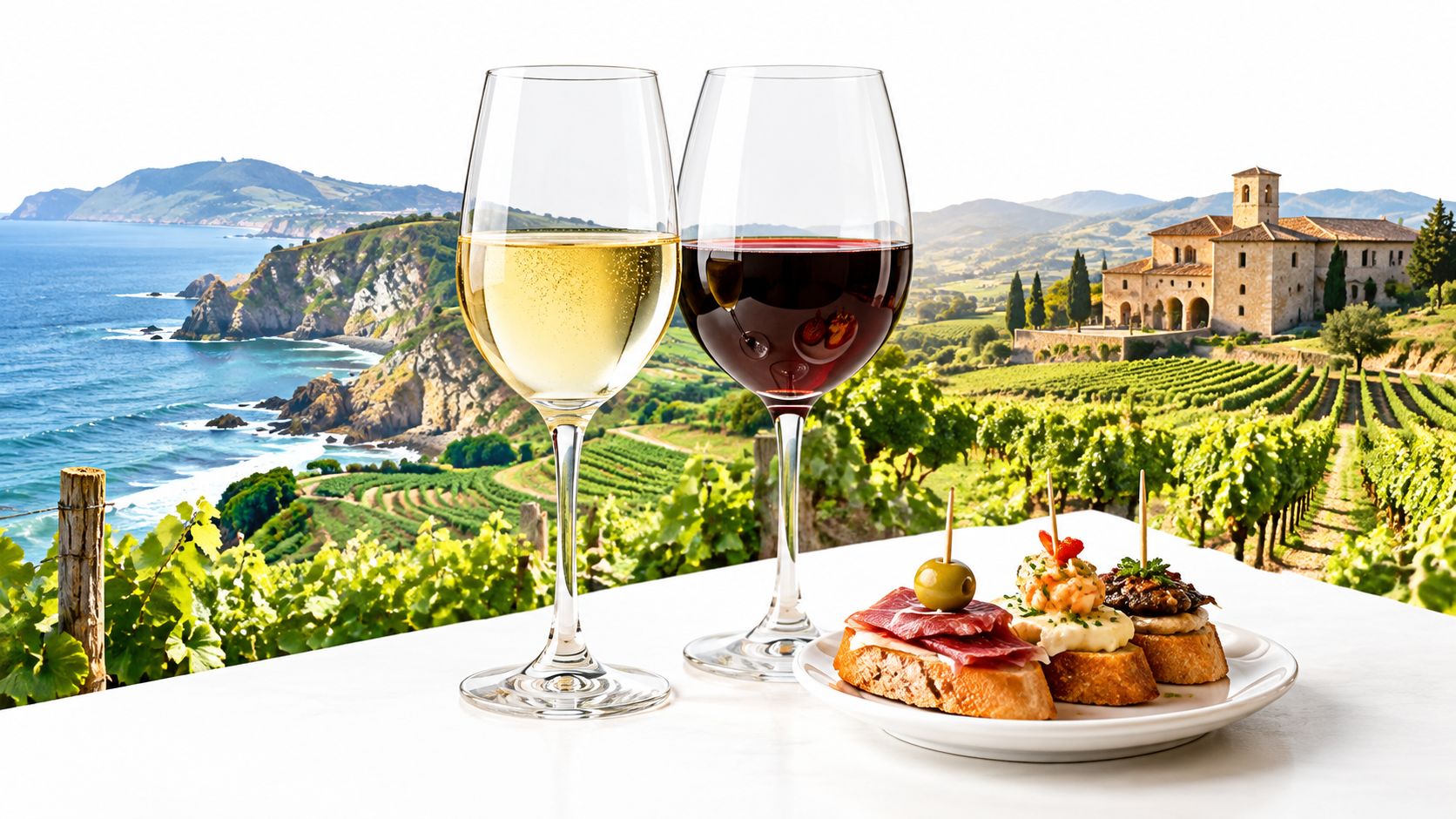
In San Sebastián, food timing matters as much as hotel timing. The city's Michelin dining culture is deep, and the easier your calendar lines up with the local rhythm, the better your odds of getting the tables you want without awkward compromises. That's especially true if you want to pair fine dining with relaxed pintxo hopping instead of fighting the clock every night.
When to book and when to avoid
High-demand months require discipline. August reservations need to be handled months ahead, because the city is already operating at peak pressure before you even factor in the most coveted kitchens. By contrast, January and February are easier for access, but some restaurants reduce operations or keep tighter menus, so the experience is less complete even when the availability is better.
For travelers who want the best food calendar, June and September stand out again. You still have strong culinary energy, but you're less likely to run into the kind of booking bottlenecks that turn a relaxed food trip into a spreadsheet exercise. If you need a broader planning reference for the dining side of the city, the internal guide on San Sebastián where Michelin stars meet the Bay of Biscay is the right place to start.
Seasonal menus and serious food timing
San Sebastián's best kitchens lean into the ingredients of the moment, which is why the city feels different from one season to the next. Spring brings lighter coastal produce, summer turns the market into a heat-and-sunshine show, and autumn carries the richer, deeper flavors that make long dinners feel more memorable. That seasonal variation is part of the city's identity, not a side detail.
If you care about wine pairings and broader Basque Country sourcing, the latest wine industry digest is a useful read for understanding the wider regional backdrop. It isn't about San Sebastián alone, but it helps frame the food-and-wine ecosystem that serious travelers are booking into.
Booking rule: If dinner is a priority, lock in the trip dates around the restaurant, not the other way around. In San Sebastián, that simple reversal saves a lot of disappointment.
Beach Conditions and Coastal Activities
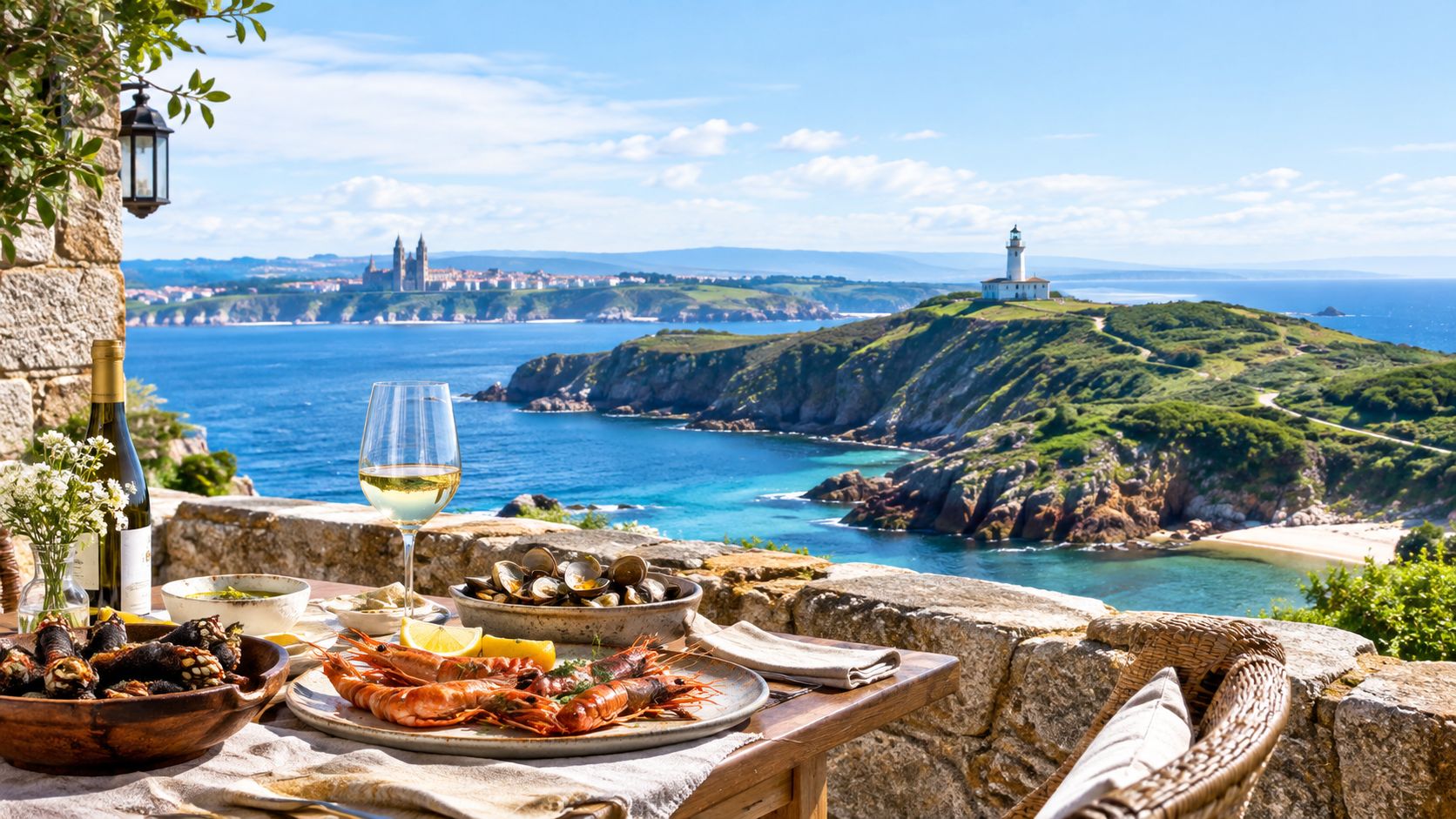
San Sebastián's coast rewards precise timing. La Concha, Ondarreta, and Zurriola do not suit the same kind of beach day, so choose the week based on whether you want calm water, active surf, or a polished coastal half-day with a private finish.
When the bay works best
The sweet spot for beach time runs from June through September, when warm air and usable sea temperatures overlap. Sea conditions improve steadily through the summer, with water temperatures rising from about 18°C in June to 21°C or 22°C in August, as noted earlier. That is the window for beach lounging, paddleboarding, private boat time, and long coastal walks without the bite of colder Atlantic water.
For clients who want the best balance of comfort and space, I steer them to June or early September. The water is warm enough to enjoy, but the shoreline has not yet absorbed the full peak-season pressure. August still works for swimming, but it is the month I avoid for a refined beach day if the goal is room to breathe and easier movement along the promenade.
Which activities belong in which season
La Concha is the polished choice. It suits a scenic, relaxed afternoon more than a surf-focused outing, and it is the beach I recommend when the priority is atmosphere over action. Zurriola is the active edge of the city, which keeps it relevant for surfers well beyond the core summer stretch. For a private boat excursion to Santa Clara Island or a coastal half-day that feels discreet rather than crowded, book it in June or early September.
For readers who want a broader reference on easy shoreline pacing, Lounge Wagon's guide to easy beach days is a useful companion, even if San Sebastián offers a more refined setting than a standard family-beach roundup. If you want a focused local outing, the private boat experience on La Concha Bay fits best in the shoulder months, when both the water and the city feel easy to use.
Strategic Advantages of Shoulder Season Travel
June and September are the months I'd put my own clients in first. They sit in the zone where the weather is still excellent, but the city hasn't fully hardened into peak-season logistics. That combination is exactly why these months beat July and August for most luxury travelers.
Why shoulder season feels better
The biggest advantage is control. You get better odds on preferred hotels, easier access to private guides and curated experiences, and less friction at the city's most in-demand restaurants. Even when the weather isn't absolutely perfect, the overall trip often feels smoother because you're not constantly negotiating with the crowd.
There's also a cultural difference. In shoulder season, San Sebastián feels more like a living city and less like a destination performing for visitors. The pace is calmer, locals are easier to encounter, and the experience feels more like you've arrived at the right time rather than a busy one.
The trade-offs are manageable
Yes, some evenings are cooler. Yes, occasional rain can still show up, especially in a northern coastal city. Those are small costs if the reward is better access, better pacing, and better odds of the exact dinner or boat day you wanted in the first place.
The first half of September is especially strong because it keeps the warm-weather appeal while avoiding the later-month festival pressure noted earlier. That's the version of San Sebastián I recommend most often to couples and families who want polish without drama.

Month by Month Recommendation Matrix
If you want the simple answer, use this: June for the best balance, early September for the smartest luxury timing, July for peak sunshine, and August only if your dates are fixed. Late September is excellent for energy and culture, but only if you're comfortable with festival pressure and sharper demand.
| Traveler Priority | Best Months | Key Reason |
|---|---|---|
| Beach and boat days | June, July, early September | Warm weather and usable sea conditions |
| Michelin dining focus | June, September | Better booking access and less pressure |
| Festival atmosphere | August, late September | Semana Grande and Film Festival energy |
| Quieter luxury stay | June, early September | Lower crowd density and smoother service |
| Sunniest planning window | July | Most statistically reliable sunshine |
| Solitude and city calm | Winter, early spring | Fewer visitors and a slower pace |
If you're still deciding, use your main priority as the filter. Choose June if you want the most balanced trip, early September if you care about elegance and access, and late September only if the Film Festival atmosphere is part of the appeal. That's the most honest way to approach the best time to visit San Sebastián, because the city rewards precision, not generic timing.
Northern Spain Travel designs private San Sebastián itineraries around the exact week that fits your goals, whether that means quieter beach time, Michelin dining, or a festival-driven stay with better access. If you want a trip planned with real local judgment, visit Northern Spain Travel and start the conversation.