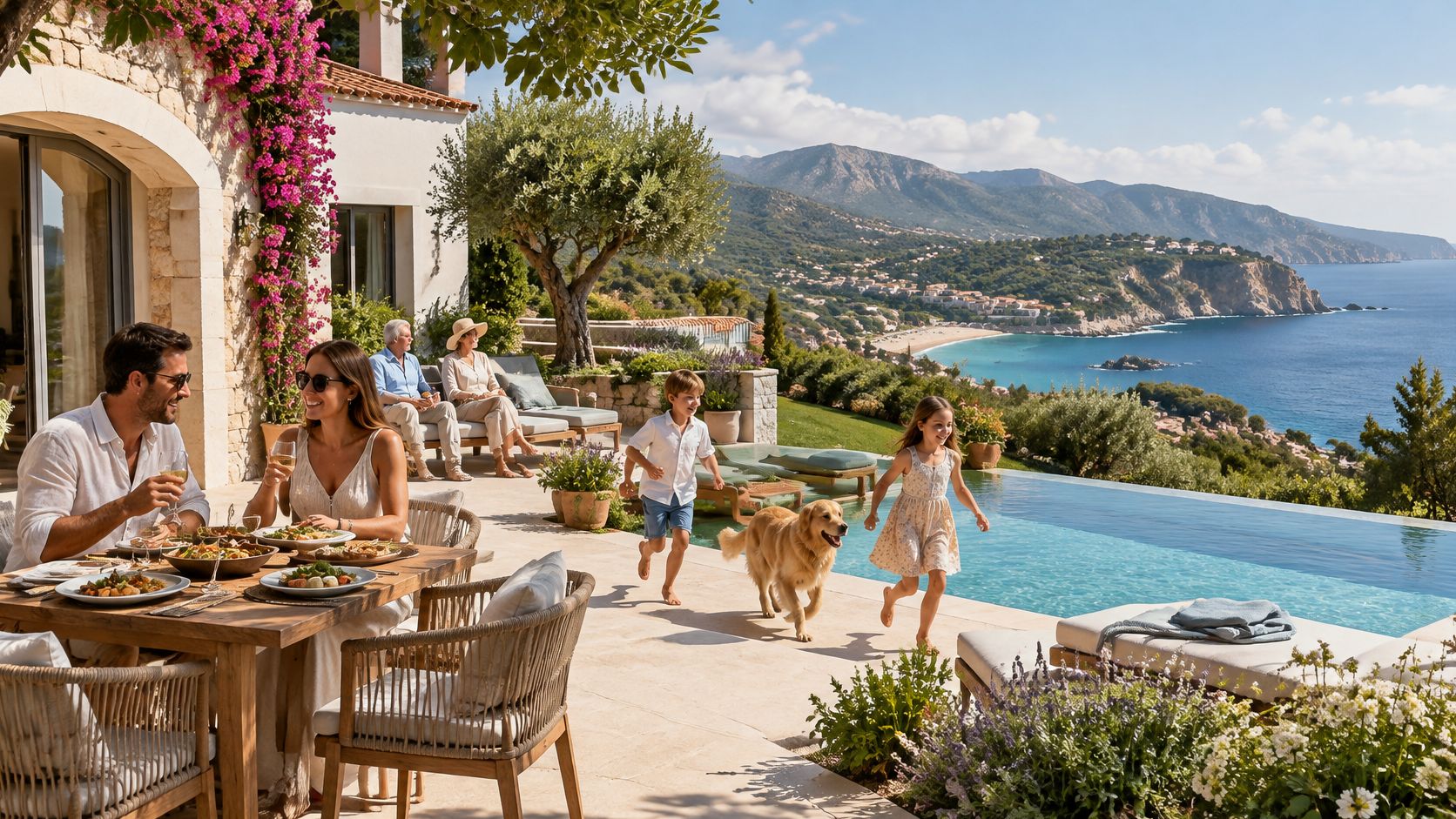
The family chat has reached the difficult part. Everyone wants Northern Spain, but one person wants long coastal walks, another needs regular rests, and the parents are wondering whether dinner can happen before the children fall asleep. You're not struggling to choose a destination. You're trying to design a holiday that feels like a holiday for everyone.
Private group travel works best when togetherness doesn't require identical participation. The important decisions concern what you share, what each traveler can choose, and how the transport, accommodation and reservations support both.
Table of Contents
- What Private Group Travel Means in Practice
- Why Affluent Groups Are Booking Private Trips
- Transport, Lodging and Access for Mixed-Age Groups
- Sample Northern Spain Itineraries Built Around Anchor Days
- Personalizing Shared Moments Without Losing Privacy
- Pitfalls That Derail Private Group Trips
- Pricing and Booking Timeline for Private Groups
- Confirm Your Planning Brief Before You Book
What Private Group Travel Means in Practice
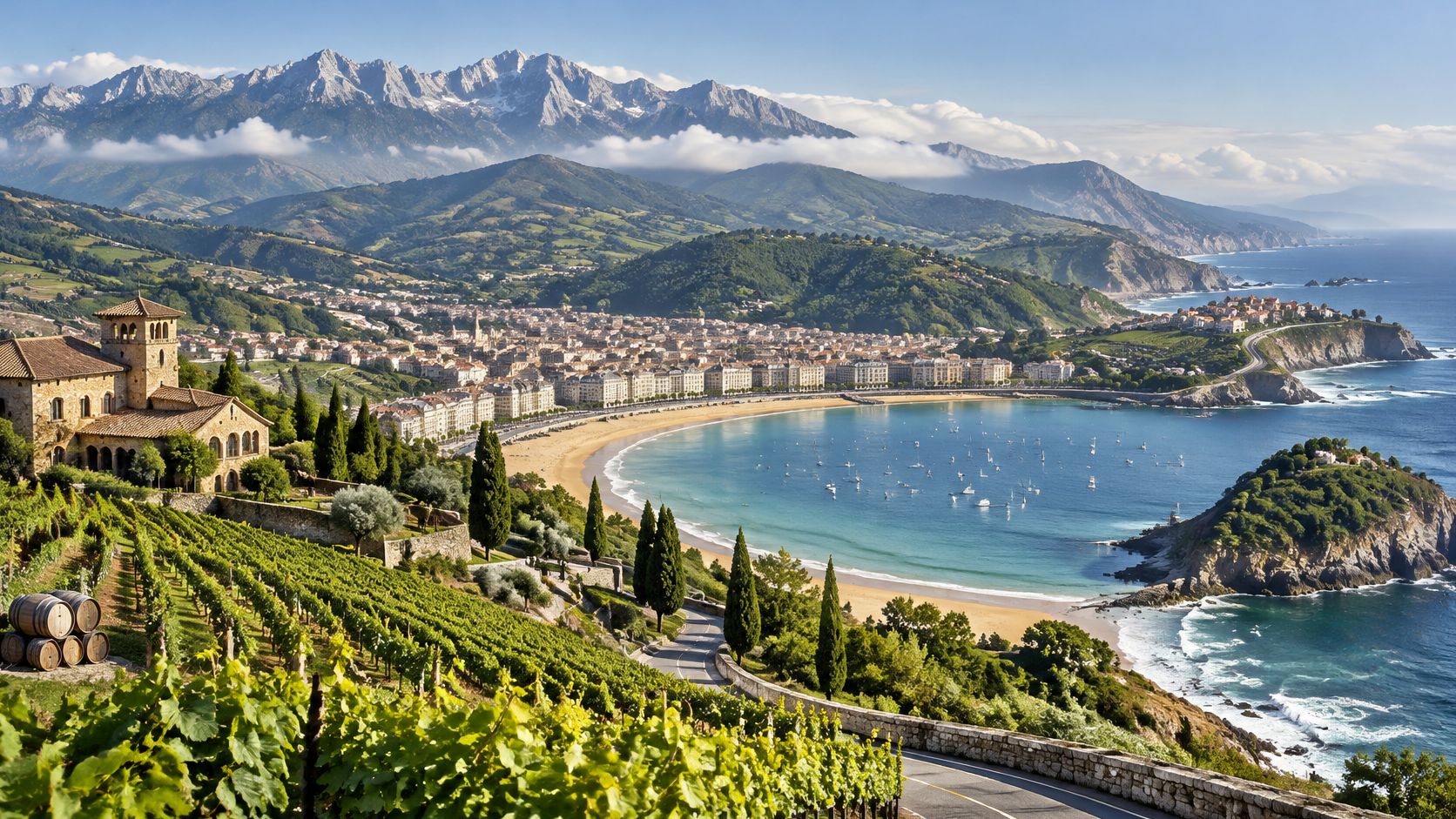
Say your family arrives in San Sebastián. You'd like a market visit, the grandparents would prefer a relaxed lunch, and the teenagers want time by the water. Those decisions belong to your party, rather than to an operator balancing your preferences against a coach full of strangers.
Private group travel is a trip arranged exclusively for your own party, with the agreed transport, guiding and experiences reserved for you. It doesn't automatically mean buying out an entire hotel or winery.
Private group travel compared with other formats
| Feature | Private group travel | Escorted group tour | Independent trip |
|---|---|---|---|
| Who the group shares the trip with | Only your own party | Other travelers booked on the departure | Only your own party |
| Typical group size | Your invited party, within vehicle and venue capacity | Operator's published departure capacity | Your self-organized party |
| Itinerary control | Set by your group, with changes subject to availability | Fixed by the operator | Entirely self-directed |
| Transport | Private vehicle and driver when included | Shared coach or tour vehicle | Self-arranged or public transport |
| Guiding | Private guide or local host when booked | Shared tour leader | None unless hired |
| Logistics handled | Specialist manages agreed arrangements | Operator-managed | You manage everything |
Private formats aren't an obscure preference: 50% of U.S. travelers surveyed in Arival's 2024 Tour Taker research chose private tours, according to TravelDailyNews' account of the findings.
What exclusivity should cover
- Vehicle and driver: Reserved for your party during the contracted service.
- Accommodation: Your confirmed rooms, not necessarily exclusive hotel occupancy.
- Guiding: A guide addressing your interests rather than a mixed group's.
- Venue access: Private tastings or kitchen sessions only where specifically confirmed.
The practical test is whether you can request a longer lunch or skip a museum without negotiating with strangers. A private structure makes that possible, but timed tickets, kitchen arrangements and driver hours still set boundaries.
Why Affluent Groups Are Booking Private Trips
71% of grandparents reported taking a multigenerational trip during the previous three years, while 44% said they were likely to take one during the following three years, according to the 2025 U.S. Family Travel Survey summarized by Road Scholar.
The planning conversation starts with who's coming, not just where you're going.
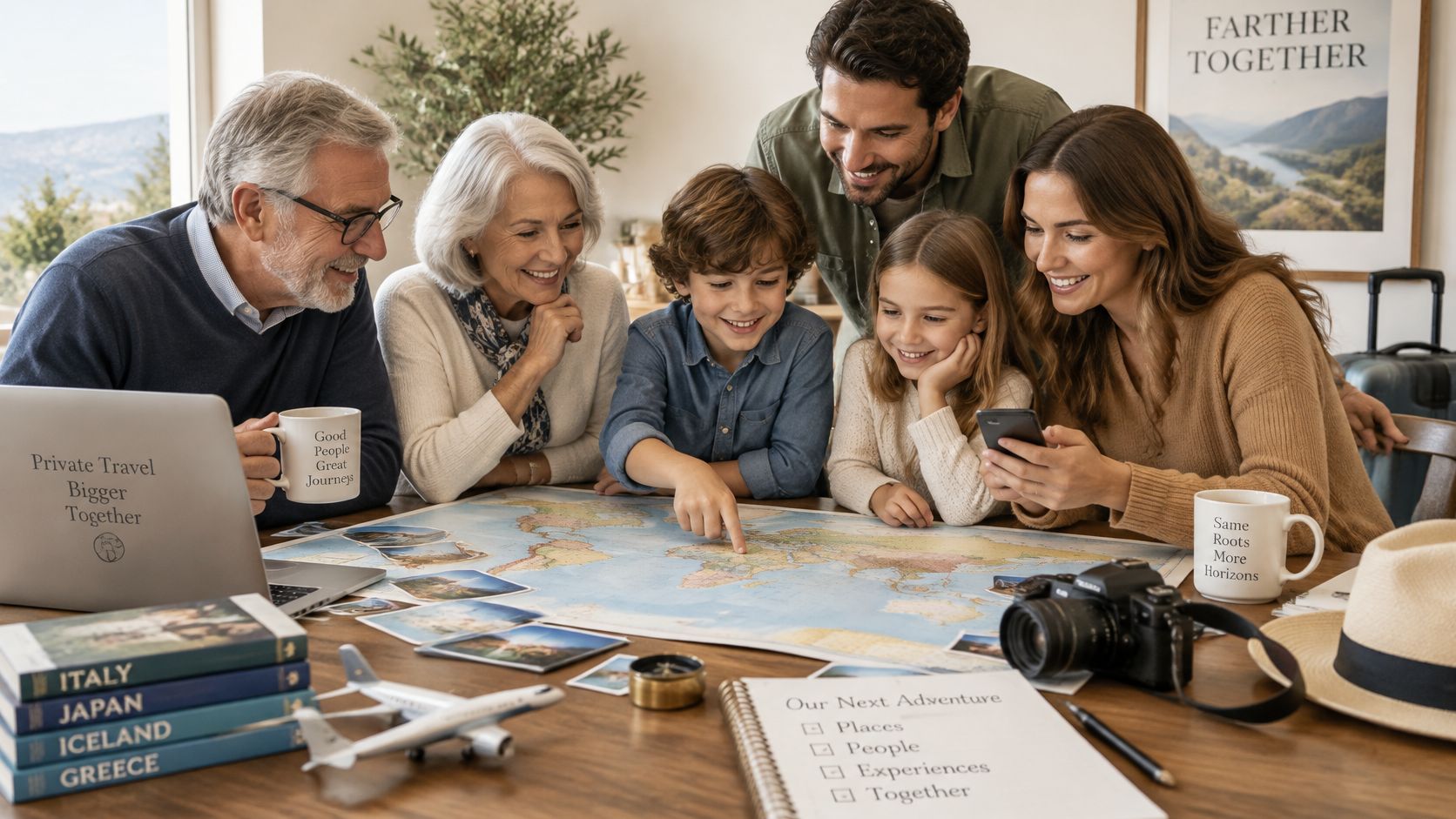
For these families, privacy can be a functional requirement. They want conversation without a tour leader moving everyone along, and an itinerary that accommodates children's needs without making older relatives feel responsible for slowing the day.
There's also willingness to pay for distinctive access. In 2024, 93% of approximately 675 U.S. luxury travelers surveyed by Flywire said they would pay more to travel with a private group for unique experiences, according to Flywire's luxury travel survey.
Recognize your group's main priority
- Established couples: Having already explored Spain's major destinations, they may want deeper conversations with winemakers, smaller hotels and time to absorb a place.
- Multigenerational families: Their core need is coordinated movement without imposing the same stamina, meal schedule or interests on everyone.
- Milestone travelers: Friends and relatives celebrating an anniversary, retirement or reunion want a meaningful occasion, not just adjacent hotel reservations.
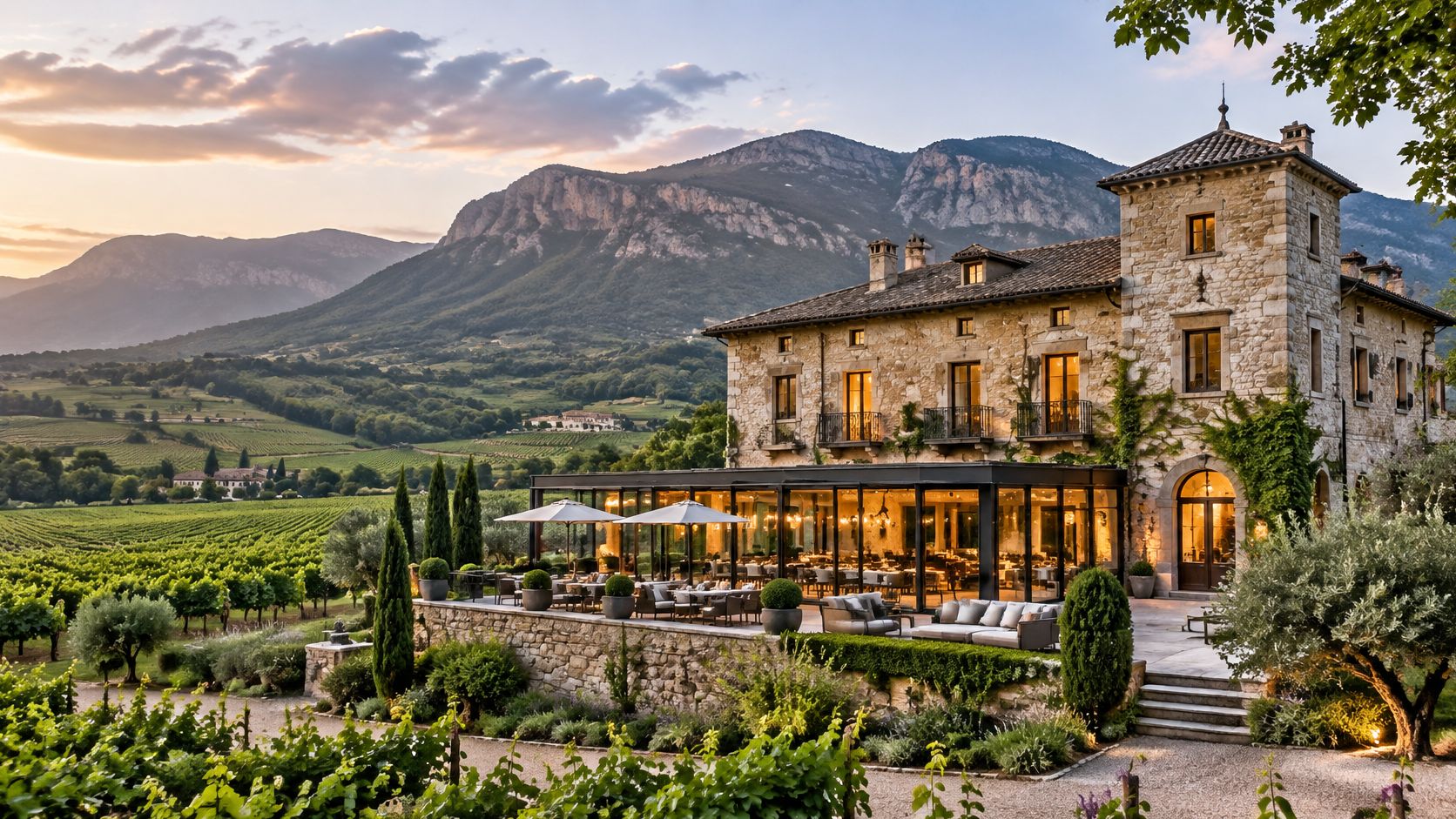
Accommodation choices reveal those differences quickly. A couple may prioritize atmosphere, while a family comparing luxury resorts for families should also consider room connections, quiet spaces and how easily everyone can meet.
This travel perspective offers another starting point for the group's discussion.
Ask yourselves whether age, mobility or activity preferences would make a fixed schedule uncomfortable. If so, spend your planning effort on flexibility rather than adding more attractions.
Transport, Lodging and Access for Mixed-Age Groups
Personalization means little if someone can't enter the vehicle comfortably or reach their room without stairs. Start with physical requirements, then select the experiences. Reversing that order can leave a beautiful itinerary that part of the group can't enjoy.
BCG's leisure-travel analysis discusses Hilton's 2025 finding that 37% of travelers often vacation with their parents. Mixed-generation logistics deserve attention from the beginning.
Logistics priorities by group type
| Group type | Logistics priority | Accommodation need | Transport need |
|---|---|---|---|
| Three generations with grandparents | Step-free access and rest breaks | Ground-floor or lift-access rooms, adjoining rooms | Private vehicle with easy entry and luggage space |
| Parents with young children | Early dinners and nap windows | Family rooms, cots, quiet room options | Car seats and a driver with flexible start times |
| Milestone couples and friends | Shared dining and flexible nights | Boutique hotels with private dining | Private transfers between towns |
| Mixed-ability active group | Walking distances and optional hikes | Central base with short transfers | Driver for non-hikers, suitable walking routes for others |
Verify facts rather than labels
Collect requirements before committing to accommodation. Ask travelers privately about walking tolerance, steps, standing time, dietary restrictions and room arrangements. Someone who manages a promenade comfortably may find a prolonged standing tasting exhausting.
For hotels, request specific answers: Is the route from the entrance to the room step-free? Does the bathroom have a walk-in shower, grab rails or a threshold? Are connecting rooms guaranteed, or merely requested? A lift alone doesn't establish accessibility.
Transport requires the same precision. Confirm passenger capacity with the actual luggage load, child-seat arrangements, entry height and storage for mobility equipment. When comparing luxury coach services, inspect the vehicle specification rather than judging comfort from exterior photographs.
Design alternatives that actually work
A driver can take non-walkers to a scenic stop while others follow a coastal path, but only if pickup locations and timing are realistic. If separate activities overlap, confirm whether additional transport or another guide is necessary.
A traveler with limited stamina may enjoy the Picos de Europa through viewpoints, accessible stops and a leisurely lunch. Don't promise participation until the exact venue, terrain and weather contingency have been checked.
Practical rule: Choose a base that reduces tiring transfers, not simply the hotel with the most impressive photographs.
For dinners, distinguish a preference from a requirement. An early meal for children can precede an adults' tasting menu, provided supervision and return transport are explicitly arranged.
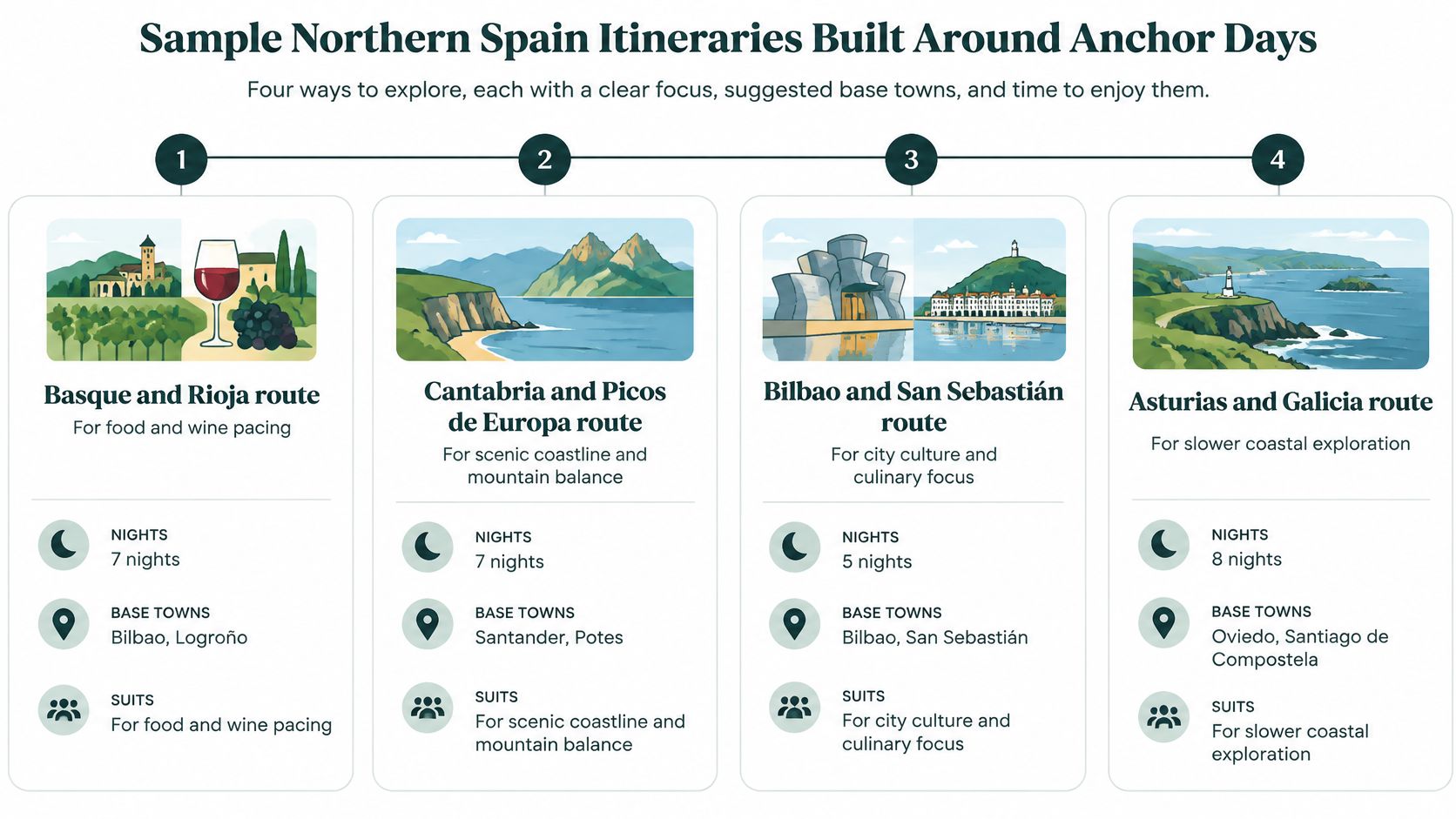
Sample Northern Spain Itineraries Built Around Anchor Days
| Route | Nights | Base towns | Best fit |
|---|---|---|---|
| Basque Country and La Rioja | Set around city time and a separate wine-country stay | San Sebastián, Bilbao, Logroño | Food, wine and city pacing |
| Cantabria and Picos de Europa | Allow separate coastal and mountain stays | Santander area, Potes | Mixed-ability nature and coast |
| Asturias and Galicia coast | Leave room for unhurried coastal stops | Oviedo, Cudillero, Santiago de Compostela | Slow fishing villages and culture |
| Pyrenees and Navarra | Set around scenic outings and recovery time | Pamplona, Olite | Multigenerational groups and scenic drives |
These are illustrative route structures, not fixed departures. Decide the overnight allocation after checking arrival times, hotel changes and the group's tolerance for moving luggage.
The visual offers another way to discuss regional combinations.
A worked Rioja day
Use an anchor-and-option pattern: a shared event gives the day its center, while optional activities let travelers choose their level of participation.
- Begin with an agreed collection time. A private driver takes everyone to a Rioja cellar. Select the departure around the confirmed appointment and the group's morning routine, not an arbitrary early start.
- Share the winery lunch. This is the anchor, where everyone reconnects around the same table. Confirm non-alcoholic options and dietary arrangements so participation doesn't depend on drinking wine.
- Offer different afternoons. Some travelers might choose a brief village stroll or return to the hotel. Active members could take a guided walk, provided the terrain, transfer and staffing work.
- Leave the evening uncommitted. Travelers can decide between a light meal, rest or further exploration without putting another prepaid reservation at risk.
Without an anchor, subgroups can spend the day apart and feel they've booked parallel holidays. Without options, the most energetic travelers may feel constrained while others become exhausted.
Change the pace before extending the map
When adding a night, consider keeping the same base and creating breathing room. When removing a night, cut an excursion or regional move rather than compressing every appointment.
The useful test is personal: each traveler should be able to name something they chose, rather than only activities they agreed to tolerate.
Personalizing Shared Moments Without Losing Privacy
A chef-led meal in a San Sebastián kitchen can give a family more to talk about than another hurried sightseeing stop. Someone asks about an ingredient, a teenager joins the preparation, and relatives have time to hear each other's stories. The value lies in participation, not just exclusivity.
In the Transamerica Institute's report on multigenerational travel, 47% of families identify bonding and memory creation as a leading benefit, while 39% value reconnecting with relatives they don't often meet. That's a strong reason to leave space for conversation.
Match the experience to the relationship
- A private Rioja cellar tasting: Suitable for wine-curious friends when the host can adapt the technical depth and provide worthwhile alternatives for non-drinkers.
- An Asturias cider-house session: An opportunity to connect food, local customs and hands-on participation, with age-appropriate involvement confirmed beforehand.
- A coastal photography session: Particularly useful for a reunion, provided the walking route and timing suit everyone.
- A local producer's hosted visit: Choose a host whose work interests the group, rather than treating private access as sufficient reason to go.
- A milestone dinner in a private room: Check acoustics, seating and service pace alongside the menu.
Privacy needs a clear definition. An exclusive guide doesn't guarantee an empty venue. Ask whether the tasting room is reserved solely for your party, whether other visitors use adjacent spaces and whether photography is permitted.
A memorable shared experience gives people something to discuss. It doesn't need to occupy the whole day.
To choose among tempting options, ask each traveler which experiences they would most regret missing. Prioritize those with genuine shared appeal, and protect an unscheduled block around emotionally important occasions.
A private lounge or comfortable dining room can be more useful than another excursion. It gives relatives somewhere to gather without requiring everyone to keep ordering, walking or following a guide.
Pitfalls That Derail Private Group Trips
Private doesn't mean identical preferences. A customized itinerary can still frustrate everyone if nobody has agreed who decides, what's compulsory or how extra costs are divided.
The desire to coordinate is real: 71% of adults planning a 2025 holiday wanted to synchronize dates with friends or family, according to British Airways' travel-trends reporting on YouGov research. Sharing dates, however, doesn't settle the decisions that follow.
The most useful safeguards are straightforward.
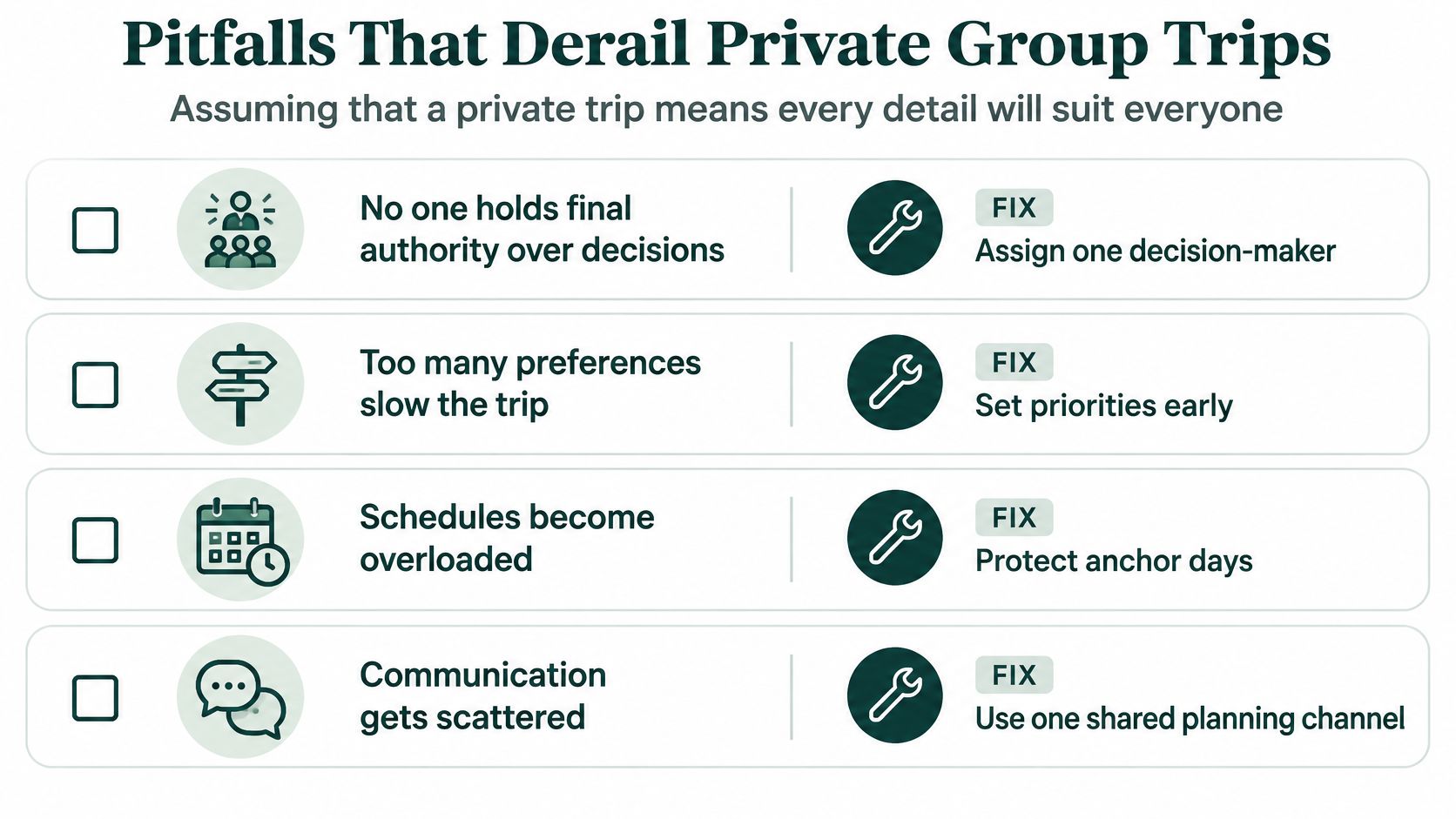
Agree the rules before reservations
- Nobody holds final authority: Nominate a lead planner who can approve routine decisions within the agreed brief. Don't require a group vote over every restaurant.
- Upgrades create resentment: Separate shared costs from personal extras in writing. Clarify whether a larger room or special tasting is paid individually.
- Opting out feels disloyal: Make declining an activity acceptable, and establish whether doing so changes anyone's payment obligations.
- A cancellation changes the finances: Confirm what happens to shared vehicle, guiding and accommodation costs if someone withdraws.
- Requirements remain assumptions: Record supplier confirmation of accessibility and dietary arrangements. A note in a family chat isn't a confirmed booking instruction.
- The itinerary leaves no recovery time: Remove a lower-priority commitment before tired travelers have to abandon something important.
Keep decisions fair without making them endless
Use a private questionnaire to collect budget comfort, essential experiences and hard constraints. Travelers may disclose concerns more openly when they don't have to contradict a relative in public.
Reserve private voting for expensive or consequential choices, such as the hotel category or celebration dinner. Give the lead planner authority over smaller adjustments, and keep approved decisions in a shared planning channel.
Before confirmation, review the group's rules alongside its travel brief. A well-organized trip needs both: an itinerary explains where you're going; an agreement explains how you'll travel together.
Pricing and Booking Timeline for Private Groups
Booking timeline for a private group trip
| Time before travel | What to lock | Why it matters |
|---|---|---|
| When dates are first discussed | Travel dates and core group | Establishes availability requirements |
| Before requesting detailed proposals | Lead planner, budget and shared versus optional costs | Sets decision rights early |
| Before paying booking deposits | Lodging, transfers and vehicle for each party | Confirms essential access and capacity |
| Before the itinerary is finalized | Health, diet, mobility and room requirements | Allows unsuitable arrangements to be replaced |
| Before final payment deadlines | Final itinerary, reservations and cancellation terms | Makes financial commitments clear |
| Immediately before departure | Driver, guide and contact details | Establishes on-the-ground communication |
Treat this as a planning sequence, not a universal booking deadline. Event-led journeys and groups needing particular room configurations should establish those requirements at the outset.
Understand what the quote covers
A quote may be expressed per person or for the whole party. Shared driver and guide costs can be spread across more travelers, but the saving isn't automatic: a larger party may require another vehicle, additional guiding or different accommodation.
Season, room category, overnight allocation and private venue arrangements also affect the total. Confirm whether flights are included rather than assuming that a package covers them.
- Transport: Driver hours, waiting time, fuel, tolls, parking and additional transfers.
- Guiding and access: Guide fees, entrance tickets and private-session charges.
- Hospitality: Included meals, drinks, tasting menus and dietary substitutions.
- Other payments: Tips, local charges and optional activities.
For coordinating reimbursements and keeping financial discussions separate from itinerary messages, Divvy's guide to the best group trip apps for 2026 provides a useful starting point.
Compare the complete commitment: A lower headline price isn't necessarily a lower trip cost.
Ask for itemized inclusions and exclusions, then compare proposals using the same dates, party composition, room arrangements and service coverage. Otherwise, you're comparing different journeys rather than different prices.
Confirm Your Planning Brief Before You Book
Complete this checklist together, with sensitive requirements shared privately where appropriate.
- Must-have experiences. Distinguish essentials from attractive possibilities. A private wine visit and a celebration dinner are actionable priorities; wanting to see everything isn't.
- Dream destinations. Name the places that matter, and explain why. An interest in Atlantic coast views may allow more flexibility than a wish to revisit a particular village.
- Preferred travel dates. Include arrival and departure constraints, not just the nights you hope to spend away.
- The style of journey you imagine. Describe leisurely mornings, guided cultural days, active outings or evenings centered on food.
- Group composition and ages. Include household groupings and room-sharing preferences so accommodation can be considered sensibly.
- Mobility, dietary and medical notes. Describe practical assistance needs and restrictions relevant to the itinerary. Share only the medical information necessary for safe arrangements.
- Budget per person, excluding flights. State whether that allowance must also cover meals, drinks, tips and optional activities.
- The lead decision-maker. Name who consolidates feedback and approves the draft on the group's behalf.
Turn preferences into a workable proposal
Northern Spain Travel designs a personalized draft itinerary from your must-have experiences, dream destinations, preferred dates and imagined journey style. You can request a customized version of a journey or a private consultation before committing.
For a concrete budget reference, Wine & Friends is a 6-night journey from €5,200 per person excluding flights, based on 2 people sharing. That's a starting benchmark for that journey, not a transferable group rate or a promise that adding travelers reduces every cost.
When considering tailor-made tours in Europe, evaluate how clearly the proposal translates your requirements into actual arrangements. A destination list alone won't tell you whether someone can rest comfortably while others continue exploring.
Make the booking decision concrete
Review the draft against room access, vehicle suitability, meal arrangements and participation choices. Resolve any essential requirement marked as requested rather than confirmed, and read the cancellation terms before paying a deposit.
Book when the group understands both its shared commitments and its individual freedoms. That's what turns a private itinerary into a journey people can enjoy together.
Northern Spain Travel designs private, tailor-made journeys around your group's interests, pace and accommodation needs. Visit Northern Spain Travel to share your planning brief and request a personalized draft or private consultation, with meaningful shared experiences and room for each traveler to choose their own pace.