Rioja wine tours from Bilbao are usually sold as efficient excursions. That's the problem. A fixed day of two wineries, a hurried village stop, and lunch squeezed between appointments may be convenient, but it rarely gives Rioja the attention it deserves.
The better approach is to treat the journey as a private wine day, not a checklist. Choose one subzone, match the wineries to your taste and energy, allow the driver to absorb the long road sections, and protect enough time for a proper meal. For couples and multigenerational families, fewer, better visits usually create a richer day than collecting tasting rooms.
Table of Contents
- Why the Standard Rioja Day Trip Undersells the Region
- Understanding Rioja's Geography From Bilbao
- Getting From Bilbao to Rioja and Back
- Two Sample Private Itineraries You Can Actually Book
- Choosing Your Wineries and Towns
- Best Times of Year and How Far Ahead to Book
- Why a Bespoke Operator Changes the Experience
- Turning a Day Trip Into a Journey Worth Remembering
Why the Standard Rioja Day Trip Undersells the Region
Many Rioja excursions from Bilbao follow the same formula. They run for roughly 7.5 to 9 hours, include two wineries, add a quick visit to Haro or Laguardia, and bundle lunch or pintxos into the route. That format works if you want an affordable introduction and enjoy staying on a strict schedule. It's a weak choice if you've travelled to Northern Spain for depth, privacy, and a sense of place. Current Rioja day-trip listings illustrate how strongly this fixed format dominates the market.
The issue isn't the quality of Rioja. It's the rhythm. Winery appointments don't begin whenever you arrive. They run at set times, often with a guided cellar visit, a tasting, and a shop or farewell conversation at the end. Add the drive from Bilbao, parking, photographs, lunch, and a village walk, and the day can become a sequence of departures and arrivals.
Tasting fatigue is another overlooked trade-off. Three winery visits can sound more impressive than two, but by the final tasting you may be concentrating less on the wine and more on the clock. Children, older relatives, and non-drinkers often feel the pressure even more clearly.
The private advantage: Use the transfer to cover distance, not to create another rushed sightseeing stop.
What a better day looks like
A private Rioja day should have a clear center of gravity. That might be a deep cellar visit in Haro, a design-led pairing around Elciego, or a traditional estate near Laguardia followed by a long lunch. The rest of the itinerary should support that choice rather than compete with it.
A well-paced day normally prioritizes:
- One coherent route: Stay within one subzone instead of crossing the region between appointments.
- A deliberate winery mix: Pair a historic estate with a modern producer only when the contrast adds something to your understanding.
- A protected lunch: Treat the meal as part of the cultural experience, not as fuel between tastings.
- Room to adapt: Leave enough flexibility to shorten a village walk, linger with a winemaker, or stop for a view without damaging the return journey.
Rioja has the scale to support this kind of planning. The region recorded 1,164,388 total wine-tourism visits in 2025, including 930,364 traditional winery visits and 170,841 wine-bar services, while 226 wineries were open to visitors, the highest number in the monitor's history. The official report places the estimated economic impact of wine tourism at €214.38 million. DOCa Rioja's 2025 executive report confirms that this is a mature destination with enough variety to reward careful selection.
The practical decisions are straightforward. Decide how much wine you want to taste, choose the subzone before choosing the winery, and let the transfer serve the itinerary rather than dictate it.
Understanding Rioja's Geography From Bilbao
Rioja sits southeast of Bilbao, on the other side of the Basque mountains. The drive moves you from Bilbao's Atlantic-influenced cityscape into a drier inland region of vineyards, stone villages, fortified hills, and broad valley views.
The region is divided into Rioja Alta, Rioja Alavesa, and Rioja Oriental. You don't need a technical lesson in soil or climate to plan well, but you do need to understand that these are distinct touring areas. Rioja's official tourism framework presents them as three routes, and its visitor network includes more than 500 wineries, with more than 80 offering tourist visits. La Rioja's official wine-tourism guide is useful for seeing how the region's wineries, villages, and routes fit together.
Think of Rioja like a large city. If you're visiting for one day, you'll have a better experience exploring one neighborhood properly than zigzagging between distant districts because each has a famous address. The same principle applies here. A route clustered around one subzone leaves time for a cellar conversation, a proper meal, and an unhurried walk.
The main bases and what they offer
Haro is the strongest choice for travelers drawn to Rioja's historic wine culture. Its traditional bodega district carries the atmosphere of established estates and long-standing production. Choose Haro when you want cellar history, classic reds, and a route that feels anchored in the region's commercial wine heritage.
Laguardia is the more atmospheric village option. Its medieval walls, position, and compact old town make it an excellent addition to a Rioja Alavesa itinerary. It suits travelers who want wine paired with architecture, views, and an elegant village setting rather than winery visits alone.
Elciego is associated with the contemporary architectural side of Rioja. It works particularly well for travelers who enjoy design, visual drama, and the relationship between a building and the wine made inside it. It's a strong choice for a couple interested in modern Spain, but architecture shouldn't replace the quality of the tasting.
Logroño is the region's urban base and a sensible overnight stop if you're extending the trip. For a single private day from Bilbao, however, it's usually better treated as a route landmark or lunch possibility than as the center of a winery-dense itinerary.
For a broader explanation of how Rioja compares with other Spanish wine destinations, McLaren Vale Cellars' guide to Spain's wine regions offers helpful context on Rioja, Ribera del Duero, and Priorat.
The essential planning rule is simple: select the neighborhood first, then build the day within it. The route will feel relaxed because every stop supports the same geographic and cultural story.
Getting From Bilbao to Rioja and Back
For winery-dense itineraries, a private road transfer is the clear winner. The core drive from Bilbao to Logroño is approximately 138 kilometers and about 1 hour 23 minutes by car. The bus takes about 1 hour 45 minutes, while rail takes around 2 hours 31 minutes, according to current Bilbao to La Rioja transport timings.
Those differences matter more than they look on paper. Winery appointments are fixed and often staggered. If you lose time at the start of the day, you can't just ask the cellar team to move the tasting because your train was delayed or the bus connection took longer than expected. Private transport puts the road sections under your control and preserves time for the experiences you came to enjoy.
| Transport | Approx. time | Flexibility | Best for |
|---|---|---|---|
| Private car and driver | About 1 hour 23 minutes to Logroño | Highest, with hotel pickup, luggage flexibility, and route changes | Winery-dense private itineraries |
| Bus | About 1 hour 45 minutes to Logroño | Moderate, with fixed departures and onward transfers | Independent travelers with a simple plan |
| Rail | Around 2 hours 31 minutes to Logroño | Limited for multiple wineries | Travelers prioritizing rail over route efficiency |
How the private transfer works
A driver collects you from your Bilbao hotel at a time that protects the first appointment. The vehicle remains available through the day, so you don't need to return to a station, find a taxi between wineries, or calculate whether everyone can manage another transfer after lunch.
This is particularly useful if you're travelling with luggage or continuing to San Sebastián, Navarra, or another Northern Spain base. A private arrangement can be designed around your actual journey rather than treating Bilbao as both the beginning and end of an isolated excursion.
Two or three winery appointments are possible when the route is clustered and the reservations are sensibly staggered. They're not automatically desirable. The right number depends on whether each visit is a short tasting, a full cellar tour, or a more personal appointment with a producer.
The road from Bilbao should feel like part of the day's private space, not dead time between activities.
Use the drive for a scenic introduction, a conversation about Rioja's wine styles, or a quiet pause before the first tasting. Travelers who want to practice useful Spanish before speaking with hosts can also work through real-world Spanish travel verb drills, especially vocabulary around arriving, travelling, ordering, and asking questions.
For a wider look at premium transport choices across Spain, this luxury traveler's guide to transportation in Spain provides useful planning context. The decision remains straightforward. Take the bus or train when independence and budget matter most. Choose a private car when the day's value lies in fitting several carefully timed experiences into one comfortable route.
Two Sample Private Itineraries You Can Actually Book
The difference between a standard excursion and a private day becomes obvious when you assign time to each part of the route. Both examples below are realistic planning templates, but the exact appointment times depend on winery availability and the season.
The classic private wine day
8:00, Bilbao pickup. Leave after breakfast with a driver who knows the route and has already confirmed the appointments. The early departure protects the morning and avoids turning the first tasting into a race.
9:30, first winery in Rioja Alta or Rioja Alavesa. Begin with a guided visit and tasting at a producer chosen for its style. This is the moment for a structured introduction to the region, not a second generic tasting that repeats the first.
11:30, second appointment. Visit a contrasting winery nearby. A historic estate followed by a modern producer can work well, provided the contrast is intentional. If both bodegas offer similar formats and wines, replace one with a village walk or a more substantial cellar experience.
13:30, lunch. Settle into a proper meal rather than eating quickly between reservations. Rioja's food culture deserves time, and a long lunch also gives the palate a reset.
15:30, village or architecture stop. Choose Laguardia for medieval atmosphere or Elciego for design-led architecture. Keep this stop flexible. Some travelers want photographs and a short walk, while others would rather stay at the table or return to the winery conversation.
17:00, return to Bilbao. The driver handles the road while you rest, discuss the wines, or make plans for the evening.
This version suits a couple who wants a broad introduction or a family group with varied interests. It offers variety without forcing every member to spend the entire day in tasting rooms.
The slower luxury day
8:30, Bilbao pickup. Start later and use the drive as a calm transition from the city to the vineyards.
10:00, one deep cellar visit. Choose a winery willing to provide more than a standard tasting. Ask about the production process, the estate's history, barrel or cellar areas, and the differences between the wines in the glass. A single thoughtful visit can hold more value than several abbreviated ones.
12:30, scenic village stop. Walk through Laguardia or another carefully selected village at an easy pace. The point isn't to collect landmarks. It's to experience the setting that gives the wine its context.
14:00, unhurried lunch. Build the day around a meal with local pairings and enough time for conversation. This is the better format for milestone trips, older relatives, and travelers who dislike being hurried from one reservation to another.
16:30, optional second tasting or coffee stop. Add a second winery only if the group still has appetite and curiosity. Otherwise, extend the meal, visit a viewpoint, or return through the countryside.
17:30, return to Bilbao. The day ends with energy left for dinner, rather than with the sensation of having completed an endurance event.
For additional inspiration, sample wine-tour routes can help you compare different ways of balancing tastings, meals, and scenic stops.
My recommendation is the slower version for affluent couples and multigenerational families. Choose the classic format only when the group wants multiple winery styles and accepts that each visit will be more concise.
Choosing Your Wineries and Towns
The right winery isn't necessarily the one with the most famous name. It's the one that fits the group's palate, curiosity, tolerance for crowds, and preferred atmosphere.
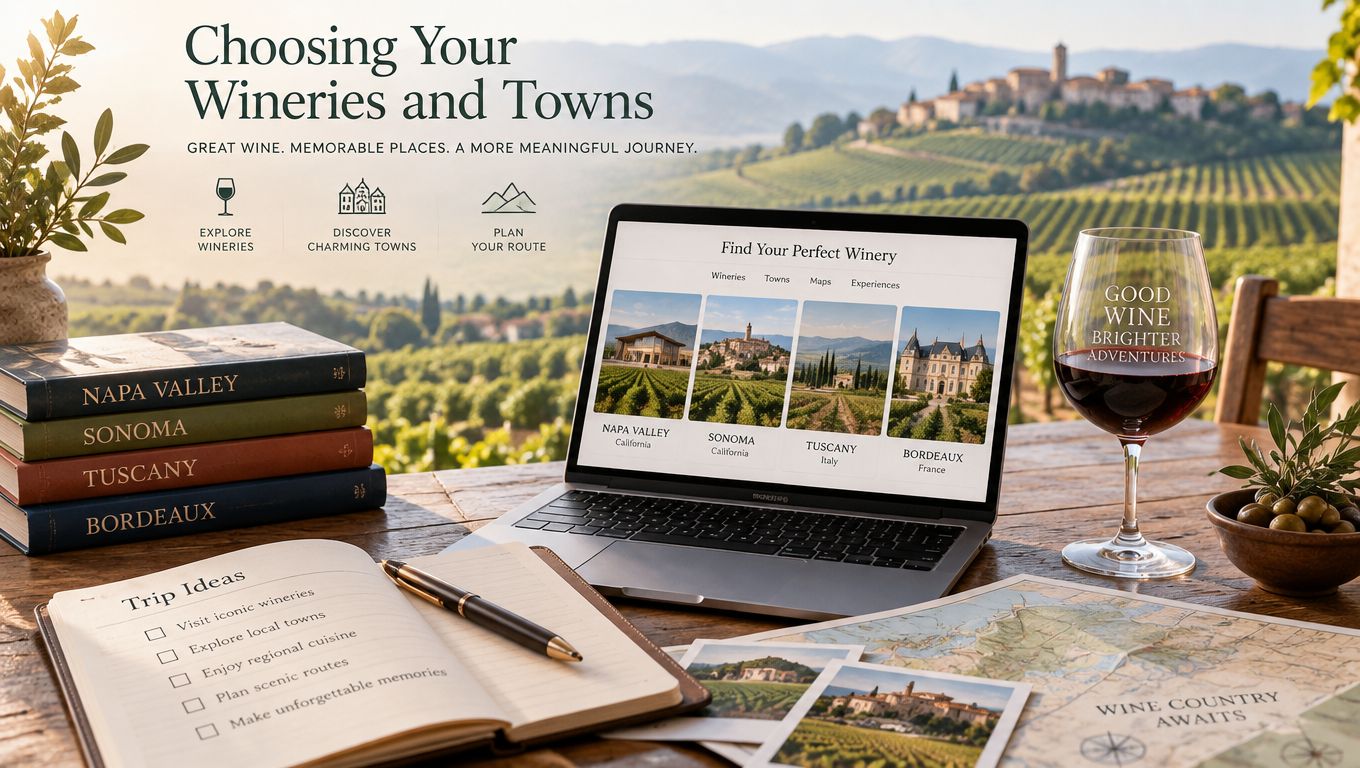
Start with the town, then decide what kind of bodega belongs there. Haro gives you historic depth and a classic wine identity. Laguardia gives you a fortified village, superior views, and a strong Rioja Alavesa setting. Elciego gives you contemporary architecture and a more design-conscious experience.
Historic estates or design-led bodegas
Historic estates are the better choice for travelers who want to understand Rioja's traditional identity. Family-owned producers can offer a more direct conversation about farming, cellar work, aging, and the decisions that shape the final wine. They may also provide a quieter visit with fewer distractions.
Design-led bodegas make sense when architecture is part of the reason you're travelling. A dramatic building can turn the visit into a memorable cultural experience, especially for family members who aren't passionate wine drinkers. Don't choose one solely for the photograph, though. The tasting still needs to be relevant to your interests.
A mixed pairing can be excellent. Visit one traditional producer and one modern estate if you want to compare approaches. Rioja has a meaningful conversation between heritage and innovation, and the contrast becomes far clearer when both visits are selected deliberately.
The difference between a standard tasting and a private cellar visit also matters. A standard format may focus on a set flight and a short explanation. A private appointment can be shaped around your questions, preferred styles, previous wine knowledge, and interest in production. Ask the planner to confirm what is included instead of assuming that “private” means access to every part of the estate.
For accommodation and route decisions, this guide to where to stay in the Rioja wine region is a useful companion. An overnight stay can change which wineries are practical, but you don't need to add a hotel just to justify a more thoughtful route.
Match the winery to the traveler
A couple who collects classic Spanish reds may prefer historic cellars and a vertical tasting. A design-conscious pair may value Elciego and a modern architectural landmark. A family with mixed interests should combine one substantial tasting with a village, countryside, or food experience.
The strongest shortlist answers four questions:
- What wine style do you enjoy? Tell the planner whether you prefer traditional, structured, fruit-forward, elegant, or experimental wines.
- How much cellar depth do you want? Decide whether the visit should be educational and detailed or social and light.
- How does the group handle tasting fatigue? Children and non-drinkers need meaningful alternatives, not an empty chair beside the tasting table.
- What atmosphere feels right? Choose heritage, architecture, intimacy, views, or a blend, rather than selecting solely by reputation.
A Rioja day becomes personal when the winery mix reflects the travelers, not the operator's default contract.
Use the video as visual inspiration, but make the final choice through route logic and wine preference. The most photogenic estate may not be the most rewarding appointment for your group.
Best Times of Year and How Far Ahead to Book
Rioja changes character through the year, and your preferred season should influence the route rather than determine the wardrobe.
Spring brings a fresher atmosphere and a comfortable setting for combining wine with village walks. It's a strong period for travelers who want outdoor time without building the day around heat. Plan for a balanced itinerary with one substantial tasting and a scenic stop.
Summer offers long, lively days, but the combination of heat, visitors, and full restaurants can expose weak planning. Start early, keep the route compact, and avoid stacking appointments too tightly. A private vehicle with air conditioning and a shaded lunch reservation makes a noticeable difference.
Harvest season has an energy of its own. Vineyards feel active, and the working side of wine production becomes more visible. It's also the period when popular appointments and restaurants can become difficult to coordinate, so travelers should reserve early and accept that some access may depend on the producer's workload.
Autumn shoulder periods can be especially attractive for travelers who value calm and conversation. The best itinerary still depends on the availability of the wineries rather than a generic seasonal promise.
Book the experience, not just the vehicle
Reserve the core winery appointment first. A driver can be arranged around a confirmed cellar visit, but the reverse approach often leaves you with awkward gaps or a route built around whichever tasting still has space.
Ask for the following when making enquiries:
- A private guide or host: Confirm whether the visit is exclusive or led by a guide within a larger group.
- A tasting designed around your preferences: State your preferred grapes, regions, vintages, and level of wine knowledge.
- Cellar depth: Ask whether the appointment includes production areas, aging spaces, or a conversation with someone from the estate.
- Lunch pairing: Clarify whether lunch is a relaxed gastronomic stop or a quick meal attached to the excursion.
- A route with breathing room: Request enough time for parking, walking, and the possibility of lingering without missing the next reservation.
For sought-after bodegas, begin planning as soon as your Bilbao dates are fixed. Don't wait until every detail of the wider Northern Spain journey is finished. The winery appointment is the anchor, and the villages, lunch, and return route should follow it.
Why a Bespoke Operator Changes the Experience
A fixed tour sells access to a route. A bespoke operator designs the day around the people travelling.
That distinction matters when one guest wants a serious cellar conversation, another wants architecture and villages, and a third needs a slower pace. A shared excursion can't easily change course when the first tasting runs long, the family wants to skip the second appointment, or a restaurant becomes more appealing than another flight of wine.
A private planner can coordinate the driver, reserve the right cellar format, cluster the route, and keep alternatives available. The value isn't only the winery. It's the judgment behind the sequence, the quiet vehicle between stops, the meal chosen for the group, and the ability to adjust without making everyone anxious about the return to Bilbao.
For travelers considering a more expansive route, this guide to bespoke Rioja wine journeys outlines how wine can be combined with walking, culture, and longer stays.
A standard small-group tour is perfectly reasonable if the group wants a social atmosphere, a simple introduction, and a lower-complexity day. Pay for private planning when privacy, pace, special access, and personal wine preferences matter more than ticking off the maximum number of stops.
Turning a Day Trip Into a Journey Worth Remembering
The best Rioja wine tours from Bilbao are built around rhythm. Cluster the route within one subzone, choose wineries for their fit rather than their fame, use a private transfer to protect appointment times, and leave enough space for lunch and conversation.
Rioja's visitor economy is substantial and still expanding. In 2024, wineries welcomed 912,438 visitors, following 879,423 in 2023, and international visitors represented 36.27% of winery guests in 2024. The U.S. was the largest overseas market, with the U.K. second, according to reporting on Rioja's 2024 wine-tourism results. You're not choosing an obscure detour. You're entering a mature destination that deserves more than a rushed pass through it.
If the day leaves you wanting more, extend the journey through the Basque Country, Navarra, or the northern coast. The point isn't to see everything. It's to return to Bilbao feeling that the day belonged to your group, not to a timetable.
Northern Spain Travel designs private, tailor-made journeys that connect Bilbao with Rioja through carefully selected wineries, drivers, guides, meals, and cultural stops. Visit Northern Spain Travel to request a Rioja itinerary built around your preferred wine style, pace, and wider Northern Spain plans.