October is when many seasoned travelers start asking a better question. Not where is the weather still decent, but where can I travel now and feel the place properly. In much of Europe, October sits in that sweet shoulder-season window when temperatures are often in the 60s to 70s °F and crowds are smaller than peak summer, which is why it works so well for city, coast, and countryside travel according to EF Ultimate Break's October travel overview.
Northern Spain takes that advantage and sharpens it. The summer crush fades. Harvest energy remains. Restaurants, wineries, fishing villages, mountain inns, and cultural towns still feel alive, but not overrun. That matters more than generic “pleasant weather” lists admit. Many October roundups recycle the same obvious picks, yet a key luxury question is which places still feel exclusive once harvest demand, city-break traffic, and premium hotel availability are factored in, a gap noted in Wilderness Travel's October destination roundup.
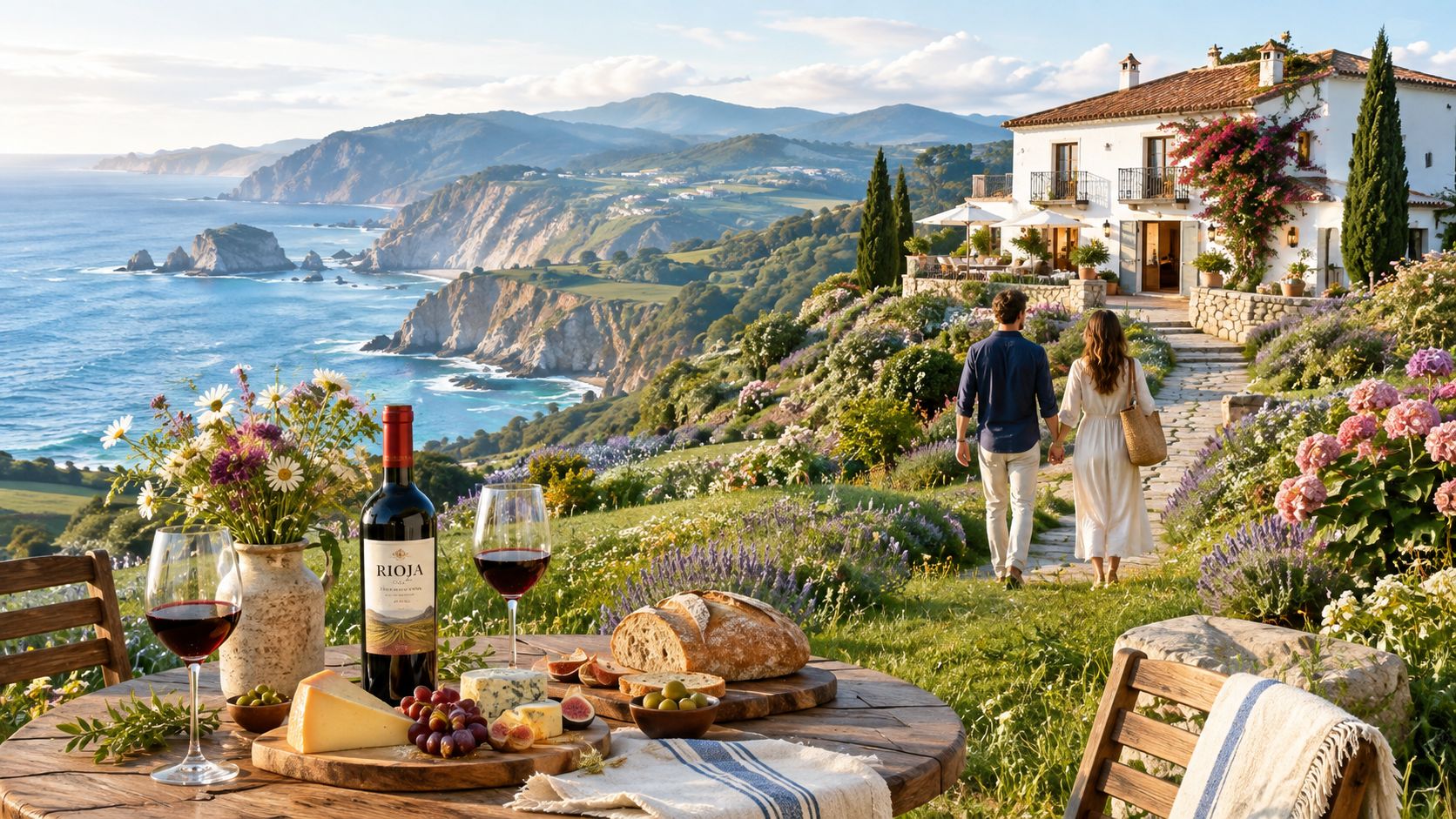
Why October is Northern Spain's Golden Secret? Because this is when the region becomes easier to experience privately and more rewarding to experience fully. You can pair a long lunch in San Sebastián with a coastal walk that doesn't feel crowded. You can visit Rioja during harvest season and still keep the day elegant if you structure it properly. You can move from Atlantic seafood in Galicia to mountain air in the Picos de Europa without feeling like you're cramming in peak-season logistics.
For travelers looking for the best place to travel in October, Northern Spain isn't just another option. It's the rare destination that improves when summer ends. The list below focuses on how to do it well, where insider access matters, and which trade-offs are worth making.
Table of Contents
- 1. San Sebastián, Basque Country – Culinary Capital
- 2. Rioja Wine Region – Private Cellar Tastings & Harvest Season
- 3. Picos de Europa – Soft Adventure & Mountain Luxury
- 4. Galicia – Atlantic Coast, Wine & Food Villages
- 5. La Rioja Alta – Historic Wine Estates & Cultural Immersion
- 6. Navarra & Pyrenees – Cultural Festivals, Hiking & Mountain Villages
- 7. Asturias – Green Coast, Cider Houses & Fishing Heritage
- 8. San Sebastián's Beach Culture & Coastal Day Trips
- 9. Wine Harvest & Grape Festivals – San Fermín Adjacent Cultural Experiences
- 10. Private Groups & Milestone Celebrations – October Hosting
- Top 10 October Travel Destinations Comparison
- Designing Your Perfect October Journey in Spain
1. San Sebastián, Basque Country – Culinary Capital
San Sebastián is one of the strongest answers I know to the question of the best place to travel in October if your trip revolves around food. October gives the city breathing room. The dining scene remains fully serious, the beaches still frame the city beautifully, and the old town becomes easier to enjoy when you're not navigating peak-summer congestion.
Why it works in October
The best version of San Sebastián isn't an endless restaurant sprint. It's contrast. A polished lunch, a slow afternoon, a casual pintxos crawl, then one major dinner. That rhythm lets the city feel generous rather than exhausting.
For luxury travelers, a key advantage is flexibility. You can pair a dinner at Akelarre or Martín Berasategui with a private market visit, a guided wine excursion inland, or a chef-led cooking session rather than treating every meal like a trophy booking. If you want a more hands-on day, these San Sebastián cooking classes for 2026 give a useful starting point for private culinary planning.
- Book flagship restaurants early: The most sought-after tables won't wait for last-minute decisions, especially on weekends.
- Balance high and low: One Michelin-level meal paired with excellent pintxos is more satisfying than trying to dine formally twice in one day.
- Use the local meal rhythm: Lunch lands late, dinner later. Fight that schedule and the city feels awkward.
Practical rule: In San Sebastián, overbooking food is the fastest way to flatten the experience.
A strong October day might start with shopping at San Martín market, continue with a private cooking lesson, leave room for a rest or promenade walk, then end with a measured pintxos route through Parte Vieja. What doesn't work is stacking too many reservations and treating the city like a checklist.
2. Rioja Wine Region – Private Cellar Tastings & Harvest Season
Rioja is where October becomes tactile. You're not just tasting finished bottles. You're stepping into a region still in motion, with sorting tables active, cellar conversations sharper, and the harvest mood shaping the day.

A lot of travelers make the same mistake here. They book too many bodegas and too little context. Rioja is better when you visit fewer estates, stay longer in each, and let one informed guide tie the technical side together.
How to structure a harvest day properly
Start with one family-owned bodega where harvest activity is visible. That might include vineyard context, a walk through production areas, and a seated tasting that doesn't feel rushed. Then move to lunch. Only after that should you consider a second, contrasting producer, ideally one with a more architectural or contemporary style.
For travelers who want atmosphere as much as wine, the Laguardia underground wine cellars tour adds historical texture that many standard cellar visits miss.
- Choose contrast carefully: One traditional estate and one modern producer usually beats a marathon of similar tastings.
- Keep the technical guide private: An enólogo or specialist guide helps decode the day and improves conversations with winemakers.
- Protect the middle of the day: A proper lunch is part of the experience, not a logistical filler.
Later in the trip, a short visual introduction can help set the scene before you arrive in person.
October works especially well in wine regions because harvest creates access and atmosphere at the same time. It also creates pressure. Some estates are busier than travelers expect, so the right appointments matter more than broad availability.
3. Picos de Europa – Soft Adventure & Mountain Luxury
If your version of the best place to travel in October includes space, clean air, and movement without hardship, the Picos de Europa belongs high on the list. This is mountain travel for people who want drama without giving up comfort.

The region works best when you stop trying to conquer it. October favors scenic drives, moderate walks, cable-car planning, long lunches, and excellent rural hotels. That's very different from summer's more crowded and more aggressively active energy.
What works better than overplanning
A smart Picos stay usually combines one signature scenery day with one gentler cultural day. Think Covadonga lakes with a private hiking guide, then a slower route through villages, cheese country, and a cider house. For mixed-age families, this approach is much more effective than forcing everyone into a single strenuous itinerary.
The Picos de Europa guide to trails and alpine villages is helpful for understanding how varied the region is, especially if you're deciding between walking, scenic touring, and village-based stays.
Mountain luxury in Northern Spain isn't about remote excess. It's about access, pacing, and returning well.
What doesn't work is treating the area as a fast day trip from the coast. The roads deserve time, weather can shift, and the mood of the place only settles once you stay overnight. Rural posadas and country houses often deliver more character than larger resort-style options.
4. Galicia – Atlantic Coast, Wine & Food Villages
Galicia suits travelers who no longer need a destination to perform for them. It's quieter, saltier, and less polished on the surface than the Basque coast. That's precisely why October can feel so rewarding here.
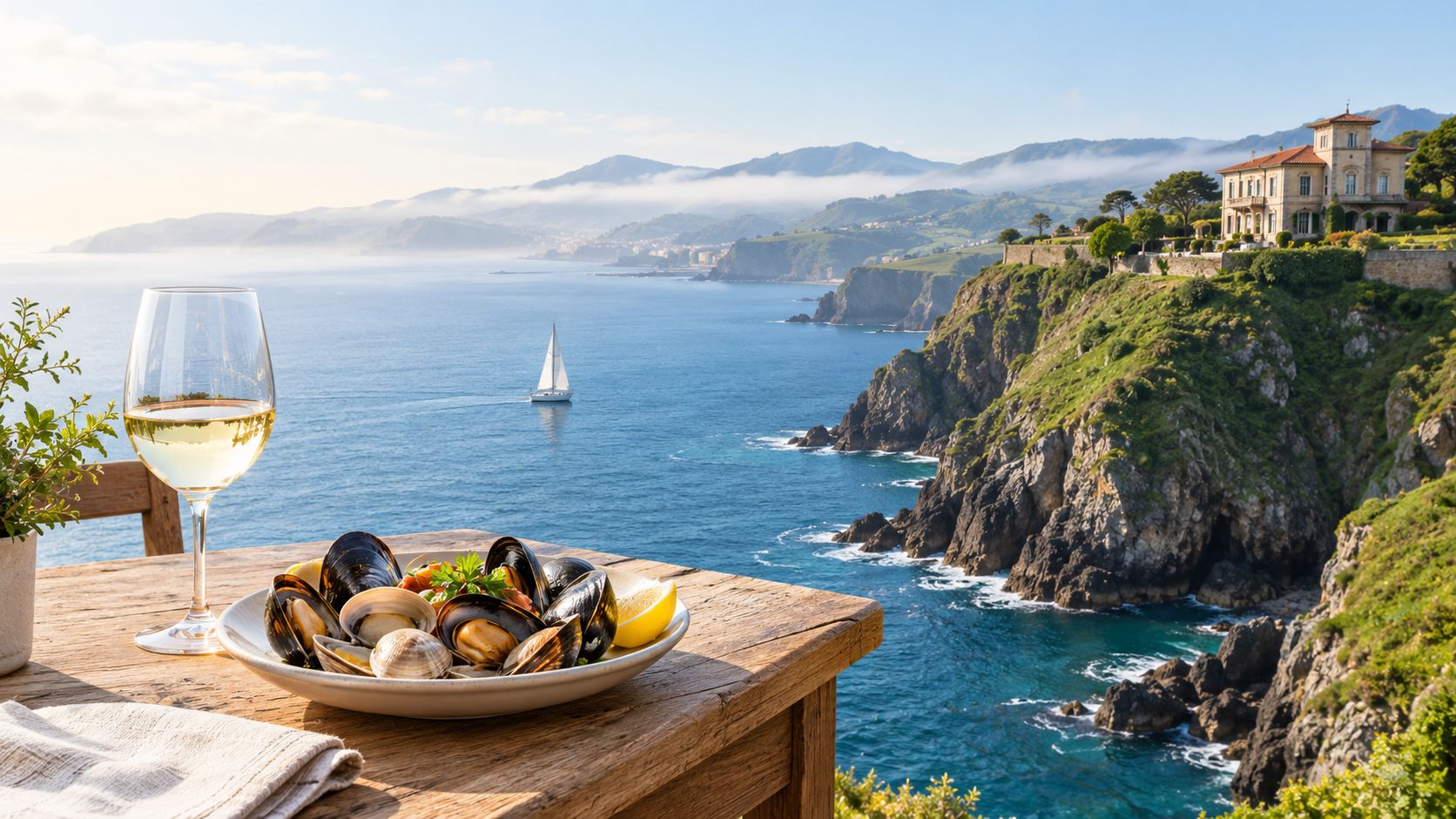
The luxury version of Galicia isn't about checking Santiago and moving on. It's about staying somewhere with a strong sense of place, then building private experiences outward from that base. A fishing village, a waterfront lunch, a boat outing into the rías, a family winery, a private seafood dinner. That sequence fits the region better than a rushed circuit.
Where luxury travelers often get Galicia wrong
They choose convenience over atmosphere. Larger towns may simplify logistics, but smaller bases such as Combarro or areas near Cambados often create a more personal experience. You hear the water, eat better, and move at the right tempo for the surroundings.
A good Galician itinerary often includes these elements:
- Choose a village base: Smaller coastal locations generally feel more intimate than city hotels.
- Book private maritime experiences: Oyster and scallop farming visits make far more sense by boat than from land.
- Treat wine as part of the coast: Albariño belongs with seafood, estuaries, and long lunches, not isolated tasting-room hopping.
Galicia also complements the rest of Northern Spain well. Pair it with San Sebastián and Rioja and you get a trip with real contrast: Atlantic village life, major gastronomy, and serious wine culture. What doesn't work is trying to make Galicia flashy. Its appeal is depth, not spectacle.
5. La Rioja Alta – Historic Wine Estates & Cultural Immersion
If the broader Rioja region is about harvest energy, La Rioja Alta is where that energy becomes more refined and historically grounded. This is the part of wine country where architecture, family legacy, barrel rooms, and old-school hospitality tend to matter as much as the tasting itself.
For travelers who care about wine culture rather than just wine consumption, this is one of the most convincing October destinations in Spain. You're surrounded by estates where the visit can evolve into lunch, discussion, a walk through cellars, and occasionally a conversation that feels less staged than at more heavily trafficked properties.
The right rhythm for estate visits
One historic estate in the late morning is enough to set the tone. Add a serious lunch, then perhaps one more producer in the afternoon with a different style. That contrast is where the region becomes interesting. A prestigious classic house followed by a more modern cellar often tells a fuller story than two traditional visits back to back.
I usually advise travelers to focus on a few forms of access rather than pure quantity:
- Estate storytelling: Ask for hosts who can explain family history and vineyard decisions, not just pour wines.
- Barrel and blending experiences: When available, these make the visit participatory rather than passive.
- Overnight immersion: Staying on or near an estate changes the pace of the whole region.
Booking note: Prestigious winery visits in October often depend less on public availability and more on relationships, timing, and how thoughtfully the request is framed.
What doesn't work here is treating La Rioja Alta like a conveyor belt of appointments. The appeal is cultural immersion. Leave room for town squares, unhurried aperitifs, and conversations that don't feel scheduled down to the minute.
6. Navarra & Pyrenees – Cultural Festivals, Hiking & Mountain Villages
Navarra is one of the best choices for travelers who want October variety without constant packing. Medieval towns, wine country, mountain roads, local food, and Pyrenean scenery all sit within a manageable planning frame. It's a region that rewards curation.
This is also where many affluent travelers find the balance they've been looking for. Rioja can lean wine-heavy if overdone. San Sebastián can lean dining-heavy. Navarra gives you room to shift between culture, scenery, and village life.
Best pacing for a two- or three-night stay
Base yourself in a town with character rather than defaulting to a larger city. Olite works for history and wine access. Other smaller heritage towns work well if you want a quieter evening atmosphere and easier departures into the countryside. Add a private guide who can handle both historical interpretation and practical logistics, and the region opens up quickly.
A well-shaped stay might include one cultural day and one mountain day:
- Medieval architecture and local gastronomy: Castles, old streets, and family-run dining rooms suit a slow October rhythm.
- Pyrenean walking with flexibility: Moderate hikes and scenic drives work better than ambitious full-day treks for most luxury travelers.
- Seasonal market experiences: Truffles, produce, and autumn food culture can be woven into the trip when timing aligns.
Navarra also pairs naturally with the Basque Country. What doesn't work is underestimating driving times through rural routes or assuming every village remains lively late into the evening. October is atmospheric, but it isn't high summer. Planning the right base matters.
7. Asturias – Green Coast, Cider Houses & Fishing Heritage
Asturias feels generous in October. The coast is moody, the interior stays lush, and the local food culture becomes easier to access without summer pressure. For travelers who value authenticity over polish, this region is one of Northern Spain's strongest cards.
The key is to lean into what Asturias does best. Cider houses, fishing towns, cheeses, traditional dishes, and dramatic coastal drives. If you arrive expecting a glossy Mediterranean-style seaside experience, you'll miss the point. Asturias is richer, greener, and more grounded than that.
What to book in advance
Private sidrería evenings are worth arranging properly. A good host can explain the pouring ritual, introduce the owners, and keep the dinner from feeling like a performance for outsiders. The same goes for producer visits in Cabrales country or market-led cooking experiences with a local chef.
- Reserve evening cider-house visits: That's when the culture feels lived-in rather than staged.
- Add one coastal village with purpose: Lastres or Cudillero work best with a guide who knows local rhythm.
- Pair coast and mountains: Asturias becomes more memorable when you combine shoreline and inland terrain.
Go to Asturias for texture. The meal might be louder, the weather softer, and the village less polished than in more obvious luxury regions. That's why it stays with people.
What usually disappoints travelers is trying to make Asturias too formal. The pleasure is in excellent ingredients, warm hospitality, and places that still belong to local life.
8. San Sebastián's Beach Culture & Coastal Day Trips
At 8:30 a.m., La Concha is quiet, the promenade belongs to walkers instead of summer crowds, and San Sebastián starts to make sense as an October base. This is the month to use the city for what it does unusually well: combine urban polish, a proper beach setting, and easy access to working coastal towns, all without packing and unpacking every night.

The common mistake is treating San Sebastián as a restaurant city with a beach attached. In practice, October rewards a more balanced plan. Use the mornings for the waterfront, a late breakfast, or a guided surf session at Zurriola if the group wants some energy. Then leave the city with purpose. Hondarribia works for old-town atmosphere and a refined seafood lunch. Getaria suits travelers who care about txakoli, grilled fish, and a port that still feels active. Pasaia is smaller and more atmospheric, especially with a local guide who can explain the maritime history instead of turning it into a generic photo stop.
Timing matters here.
By early afternoon, a coastal drive feels productive rather than rushed. By evening, San Sebastián gives you something the smaller towns cannot: serious dining, strong hotel service, and the option to return to a suite overlooking the bay instead of settling for whatever is available near the harbor.
A practical October rhythm often looks like this:
- Start on La Concha or Zurriola: Best for a slow morning and clear light.
- Plan one focused coastal outing: Choose one village well, rather than trying to collect three in a day.
- Book lunch before the drive: The best waterfront tables and private tastings do not stay open on speculation.
- Return to the city for dinner: San Sebastián is strongest after dark, especially if lunch was long and coastal.
For luxury travelers, the advantage is control. Day trips from San Sebastián can be customized very precisely. A private boat along the bay if conditions cooperate. A reserved table in Getaria where the kitchen knows your fish preferences in advance. A driver who waits while you spend an extra hour in Hondarribia because the old quarter is livelier than expected. October makes these adjustments easier because the city is no longer operating under peak-summer pressure.
San Sebastián works best for travelers who want coastal atmosphere without giving up standards. You get beach walks, strong food, and access to the Basque shoreline from one elegant base. In October, that combination is hard to beat.
9. Wine Harvest & Grape Festivals – San Fermín Adjacent Cultural Experiences
A good October day in Navarra often starts calmly. You leave a polished hotel after breakfast, spend late morning with a winemaker checking the last fruit coming in, join a local harvest lunch that would be hard to access without introductions, and return before the crowds and noise start to wear thin. That is the right way to use festival season here.
This part of Northern Spain works best for travelers who want culture with proximity, but not chaos. Pamplona gives the reference point many people know because of San Fermín, yet October is more useful for luxury travel. The energy is regional rather than theatrical, and that usually translates into better food, easier movement, and more meaningful contact with producers and local hosts.
How to do festivals without giving up standards
The strongest itineraries do not revolve around one public event. They use harvest activity as a timed accent inside a wider trip that already has a strong foundation, usually with a private driver, a guide who knows which villages are worth the stop, and winery access arranged in advance.
A few practical rules make a real difference:
- Base yourself well: Stay in Pamplona, the Navarra countryside, or a refined wine estate rather than booking solely for festival proximity.
- Prioritize producer access over spectacle: A private tasting during harvest, a cellar lunch, or time with an estate owner usually delivers more than standing in a packed square.
- Keep the day adjustable: Harvest schedules shift with weather, picking pace, and local timing.
- Use a guide with local relationships: Smaller gatherings are often the most rewarding, but only if someone can tell you which ones are genuine and which are mostly logistical hassle.
San Fermín itself is not an October event, but it still shapes how travelers think about Pamplona and Navarra. The smarter approach is to use that recognition as an entry point, then shift toward the region's autumn strengths. October gives access to wine villages, harvest rituals, market produce, and local celebrations that feel closer to daily life.
For discerning travelers, that distinction matters. Public culture is enjoyable in small doses. Private context is what turns it into a trip worth designing well.
10. Private Groups & Milestone Celebrations – October Hosting
October is one of the most practical months for private groups in Northern Spain because the region's variety starts working in your favor. You can combine food, wine, coast, and mountains without forcing everyone into peak-season bottlenecks.
For milestone travel, that matters. Celebrations fall apart when every restaurant is overbooked, roads are clogged, and the schedule has no elasticity. October tends to allow better pacing, better private dining possibilities, and more elegant movement between regions.
What makes October easier for private groups
A well-designed group trip usually needs parallel tracks. Some guests want a scenic drive. Others want a hike. Some want a long lunch and no agenda at all. Northern Spain supports that better than many single-focus destinations.
I've seen the strongest October group itineraries use a pattern like this:
- One anchor city: San Sebastián works well for arrivals, gastronomy, and polished hotels.
- One wine region: Rioja or La Rioja Alta gives the group a shared centerpiece.
- One scenic shift: Picos de Europa, Asturias, or the Galician coast adds air and variety.
- One private finale: Villa dinner, chef-led meal, or estate celebration closes the trip properly.
Portugal is often identified by major travel publishers as one of Europe's best October choices because mild weather and fewer crowds make beaches, countryside, and historic towns easier to enjoy, according to Scott Dunn's October travel guidance. That same shoulder-season logic applies to Northern Spain, but with a stronger advantage for private groups who want a single trip to cover multiple styles of experience without feeling scattered.
Top 10 October Travel Destinations Comparison
| Experience | Complexity 🔄 | Resources ⚡ | Expected outcomes 📊 | Ideal use cases 💡 | Key advantages ⭐ |
|---|---|---|---|---|---|
| San Sebastián, Basque Country – Culinary Capital | High, advance Michelin reservations & local coordination | High, $4k–8k pp, private guides, fine‑dining bookings | Exceptional gastronomic depth: Michelin meals + pintxos immersion | Food & wine lovers; HNW couples seeking culinary intensity | World‑class restaurants, concentrated Michelin scene, boutique support |
| Rioja Wine Region – Private Cellar Tastings & Harvest Season | Medium‑High, harvest timing and winery access coordination | Medium, $2.5k–5k pp, private tastings, transport, guide | Intimate cellar tastings and harvest participation | Wine enthusiasts; bespoke wine itineraries | Family bodegas, harvest access, strong quality‑value ratio |
| Picos de Europa – Soft Adventure & Mountain Luxury | Medium, remote logistics and guide coordination | Medium, $2k–4k pp, boutique lodges, private guides | Scenic hiking, nature immersion, comfortable adventure | Soft‑adventure travelers; multigenerational families | UNESCO landscapes, quiet trails, mountain + coast combos |
| Galicia – Atlantic Coast, Wine & Food Villages | Medium, regional travel and boat/sea logistics | Medium, $2.5k–5k pp, private guides, small‑boat options | Authentic coastal culture, Albariño tastings, seafood at source | Food & wine lovers; authenticity‑seekers; soft adventurers | Less touristy, excellent seafood, strong value |
| La Rioja Alta – Historic Wine Estates & Cultural Immersion | High, securing elite estates and private estate access | High, $3.5k–7k pp, luxury lodging, private estate access | Exclusive heritage wine experiences and estate dinners | VIPs; HNW couples; wine connoisseurs seeking prestige | Centuries‑old bodegas, private winemaker interaction, prestige |
| Navarra & Pyrenees – Cultural Festivals, Hiking & Villages | Medium, multi‑site planning and weather variability | Medium, $2k–4.5k pp, guides, transport, modest luxury options | Cultural immersion, medieval towns, accessible Pyrenean hikes | Soft‑adventure travelers; cultural immersion seekers | Authentic medieval character, good value, adaptable activities |
| Asturias – Green Coast, Cider Houses & Fishing Heritage | Medium, local coordination and cultural navigation | Low‑Medium, $2k–3.5k pp, local guides, boutique stays | Immersive cider culture, coastal authenticity, artisanal food | Authenticity‑seekers; food lovers; nature couples | Deeply authentic traditions, strong local hospitality, value |
| San Sebastián's Beach Culture & Coastal Day Trips | Low‑Medium, day‑trip logistics and accommodation booking | Medium, $3k–6k pp, beachfront hotel, private driver | Relaxed beach time combined with top gastronomy and day trips | HNW couples; multigen families; beach‑focused travelers | Seamless beach + Michelin dining integration; strong infrastructure |
| Wine Harvest & Grape Festivals – Regional Harvest Celebrations | Medium, festival calendar research and flexible planning | Medium, $2.5k–5k pp, festival access, guide, tastings | Time‑limited cultural immersion and lively harvest experiences | Cultural immersion seekers; wine lovers; VIP event attendees | Genuine local festivals, harvest energy, easy estate integration |
| Private Groups & Milestone Celebrations – October Hosting | High, complex scheduling, contingency & on‑site coordination | High, variable; dedicated coordinator, multiple bookings & transport | Tailored multi‑guest celebrations with curated pacing | Groups of 8–20 for milestones, corporate retreats, private events | Personalized logistics, boutique buyouts, flexible activity tracks |
Designing Your Perfect October Journey in Spain
Northern Spain stands out in October because it solves several luxury travel problems at once. You get seasonal atmosphere without the full pressure of peak summer. You get depth instead of generic prettiness. You get variety without needing a frantic pace. For travelers who've already done Madrid, Barcelona, and Andalusia, that combination is hard to beat.
The decision isn't whether Northern Spain belongs on a list of the best places to travel in October. It does. The main decision is how to shape it around your priorities. A food-first couple should structure the trip very differently from a multigenerational family, and both should travel differently from a private birthday group or a wine-focused circle of friends. The region rewards selectivity.
In practice, the strongest itineraries usually combine only two or three major elements. San Sebastián and Rioja work beautifully together. Galicia can pair well with the Basque coast if you want Atlantic breadth. The Picos de Europa and Asturias make sense for travelers who want nature woven into a high-comfort trip. Navarra can bridge wine, heritage, and mountain scenery with very little fuss if the routing is done properly.
What doesn't usually work is trying to “see Northern Spain” in one sweep. That creates too much driving, too many hotel changes, and too little time for the moments that justify coming in October. Harvest lunches, private cellar visits, village seafood meals, beach walks, and mountain mornings only feel luxurious when there's room around them.
This is also where specialist planning becomes useful. October may be easier than summer in some respects, but it still has pressure points. Harvest can create hidden demand. Premium restaurants still need advance strategy. Smaller hotels can fill on key weekends. Private access often depends on who is arranging the request, not just when you ask. If you're planning a celebration or traveling with family, transport and pacing become even more important. For larger parties, practical planning can even extend to broader transportation research such as coach hire for group travel when comparing how different destinations handle group movement.
Northern Spain Travel is one relevant option for travelers who want a private, tailor-made journey through the region. Because the company focuses on Northern Spain specifically, it can help connect the ideas in this list to a workable itinerary with private guides, drivers, boutique stays, and region-specific experiences.
October doesn't need to be a compromise month. In Northern Spain, it often feels like the upgraded version of the trip. Better light, better rhythm, better access, and fewer reasons to rush.
If you want a private October journey built around Northern Spain's wine harvests, coastal villages, fine dining, mountain scenery, and boutique hotels, Northern Spain Travel can help design it around your pace, interests, and preferred level of access.