Most advice on Pyrenees hiking in Spain is built for backpackers, not for travelers with standards. It pushes famous hut-to-hut routes, shared dorms, and rigid multi-day treks as if discomfort were part of the reward. I disagree. The Spanish Pyrenees are one of the best mountain regions in Europe for active luxury, but only if you stop copying budget trekking advice and start designing the trip around privacy, pacing, and access.
That means choosing the right part of the range, hiking the best sections instead of blindly chasing mileage, and staying somewhere you'll want to return to after the trail. The Pyrenees can deliver dramatic peaks, wildlife, deep cultural texture, and polished comfort in the same trip. You just need to be selective.
Table of Contents
- Choosing Your Pyrenees A Region for Every Traveler
- Signature Hikes Reimagined for Comfort
- Curated Itinerary Ideas for Discerning Travelers
- Luxury Stays From Boutique Hotels to Private Refuges
- Essential Trip Planning When to Go and What to Bring
- Seamless Logistics Your Private Guide and Driver
- Expert Answers to Your Pyrenees Hiking Questions
Choosing Your Pyrenees A Region for Every Traveler
Stop treating the Spanish Pyrenees as one interchangeable mountain break. That mistake produces bland itineraries, too much driving, and the wrong hotel in the wrong valley. The range is long, varied, and full of trade-offs. Choose your base with precision, or the trip never feels refined.
For high-end travelers, region choice matters more than trail choice. You are not just picking walks. You are choosing the pace of the days, the quality of the hotels, the style of guiding, the transfer times, and whether the trip feels polished or patchworked together from public trail logic.

Western Pyrenees for culture and softer walking
Choose the west if you want a mountain trip with elegance rather than intensity. Navarra and the Basque-facing valleys suit travelers who care as much about lunch, wine, and historic villages as they do about mileage. The walking is usually gentler, the mood is greener, and the experience feels more rooted in local life than in trekking culture.
I recommend this area for couples who want active days without turning the holiday into a physical project. You can hike in the morning, return for a late terrace lunch, and still have energy for a proper dinner in a characterful small hotel. That balance is hard to get right in more demanding parts of the range.
Choose the western Pyrenees if you want walking to support the trip, not dominate it.
Central Pyrenees for the classic high mountain version
The central sector is the strongest choice for travelers who want the Pyrenees at their most dramatic. Aragón delivers the big walls, deep valleys, and high-alpine character that many travelers picture before they arrive. It is the region I book most often for first-time visitors with strong taste and limited time, because the visual payoff is immediate.
The key is to avoid the standard hut-based mindset. Base yourself well, use private transfers, and build around standout day walks with a guide who knows when to start early, when to change valleys, and which access points save time. If you want a sharper sense of the area, this guide to the Huesca Aragonese Pyrenees is a useful starting point.
Eastern Pyrenees for variety and a lighter rhythm
The eastern Pyrenees work best for travelers who want range rather than intensity. Catalonia gives you mountain days, strong regional food, Romanesque heritage, and a rhythm that feels more flexible over a shorter stay. It is a smart choice for families, multigenerational groups, and returning European travelers who have already done the obvious Alpine addresses.
I also like this part of the range for clients who want active luxury without too much ceremony. You can combine polished boutique stays with scenic walks, cultural stops, and easier access from Barcelona. The trip feels curated and relaxed, not overbuilt.
| Region | Best for | Hiking style | Overall feel |
|---|---|---|---|
| Western Pyrenees | Culture-led travelers and couples | Softer, more flowing walks | Green, historic, understated |
| Central Pyrenees | First-time visitors seeking the strongest mountain setting | Big day hikes with private support | Dramatic, vertical, iconic |
| Eastern Pyrenees | Families and travelers wanting variety | Flexible scenic hiking | Lighter, regional, distinctive |
Signature Hikes Reimagined for Comfort
The Pyrenees do not reward unnecessary suffering. They reward judgment. Travelers who default to hut to hut circuits often spend too much of the trip dealing with packing, timing, shared facilities, and tired legs, then call the experience “authentic” because the photos look heroic.
I would do the opposite.
The famous routes are useful as references, not templates. The High Route of the Lost is the clearest example. Wilderness Travel describes it as a demanding multi day circuit with long distances, major climbing, and consecutive hard days on foot in its Pyrenees hiking tour overview. Serious walkers may enjoy that format. High net worth travelers rarely need it. The stronger choice is to extract the best mountain scenery from the route and experience it through selected day hikes, private guiding, and a proper bed at night.
That approach improves almost everything. You keep the grand limestone walls, glacial basins, and high passes. You drop the dorms, the rigid stage planning, and the dead time that comes with point to point trekking.
Famous terrain deserves editing
Comfort does not mean softer travel. It means sharper travel.
In the Pyrenees, the smart move is usually to base in one or two excellent properties and hike the strongest sections with support. A private guide can start early, choose quieter access points, adjust for weather, and finish the day where the walk naturally ends instead of where a refuge booking forces you to stop. A driver turns one way routes into realistic options, which is far more elegant than retracing the same valley because your car is parked at the start.
Use this filter when choosing hikes:
- Skip routes that are famous mainly because they are continuous. Continuity matters to thru hikers. It matters far less to travelers who want the finest scenery with none of the operational drag.
- Choose trails with visual payoff early and throughout the day. The best walks build drama steadily instead of saving everything for the final hour.
- Favor flexible logistics over fixed stages. Private support gives you better starts, better finishes, and better lunches.
- Protect your evenings. If a hike wrecks dinner, the hike was badly chosen.
The right way to do Ordesa
Ordesa deserves its reputation, but it is often handled badly. The standard pattern is predictable. Mid morning arrival, crowded trail, slow progress through the main corridor, then a return in the busiest part of the day. You see the park, but you experience it like everyone else.
A better Ordesa day starts early and is planned around pace, light, and crowd avoidance. The classic Cola de Caballo route is still worth doing for the right client, especially with a guide who can control timing and decide whether the full out and back makes sense. On other days, I would be more selective and focus on a stronger slice of the park rather than treating the headline trail as obligatory. As noted earlier, the marquee route is long enough to shape the whole day. That is exactly why it needs editing.
The same principle applies across the range. Do not ask which hike is most famous. Ask which hike gives you the best mountain day, then lets you return to a quiet terrace, a hot shower, and a serious dinner.
That is active luxury in the Pyrenees. Strong walking, expertly chosen, with none of the communal trek culture that dominates standard advice.
Curated Itinerary Ideas for Discerning Travelers
A strong Pyrenees itinerary doesn't start with trail lists. It starts with the people traveling. A couple celebrating an anniversary needs a different rhythm from a family spanning grandparents to teenagers.
A seven day luxury escape for couples
For couples, I'd build around Aragón. The structure is simple. Stay well, hike selectively, eat very well, and never move hotels so often that the trip starts feeling operational.
Day one should be arrival, not ambition. Settle into a refined mountain base in a stone village or quiet valley setting, with views that immediately place you in the surroundings. Day two can introduce the region with a moderate scenic walk rather than a signature challenge. That first hike should calibrate pace, fitness, and preferences.
Then raise the drama. Use one or two standout mountain days in the central range, with a private guide choosing the strongest sections and avoiding the least interesting effort. The reward in this style of itinerary isn't only the trail. It's returning to a proper room, a serious dinner, and a table already reserved.
A couples itinerary in this region also benefits from contrast. One day can lean hard into alpine scenery. Another can pivot toward culture, a scenic drive, and a private tasting in Somontano. That mix gives the trip shape.
A clean seven-day rhythm often looks like this:
- Arrival and reset in a quiet mountain village hotel.
- Warm-up walk with light elevation and a long lunch.
- High-impact scenic hike in Aragón's classic terrain.
- Wine and culture day with private tastings and no boots required.
- Second major hike with stronger visual payoff.
- Flexible final day for a market visit, spa time, or shorter nature walk.
- Departure without the usual end-of-trip fatigue.
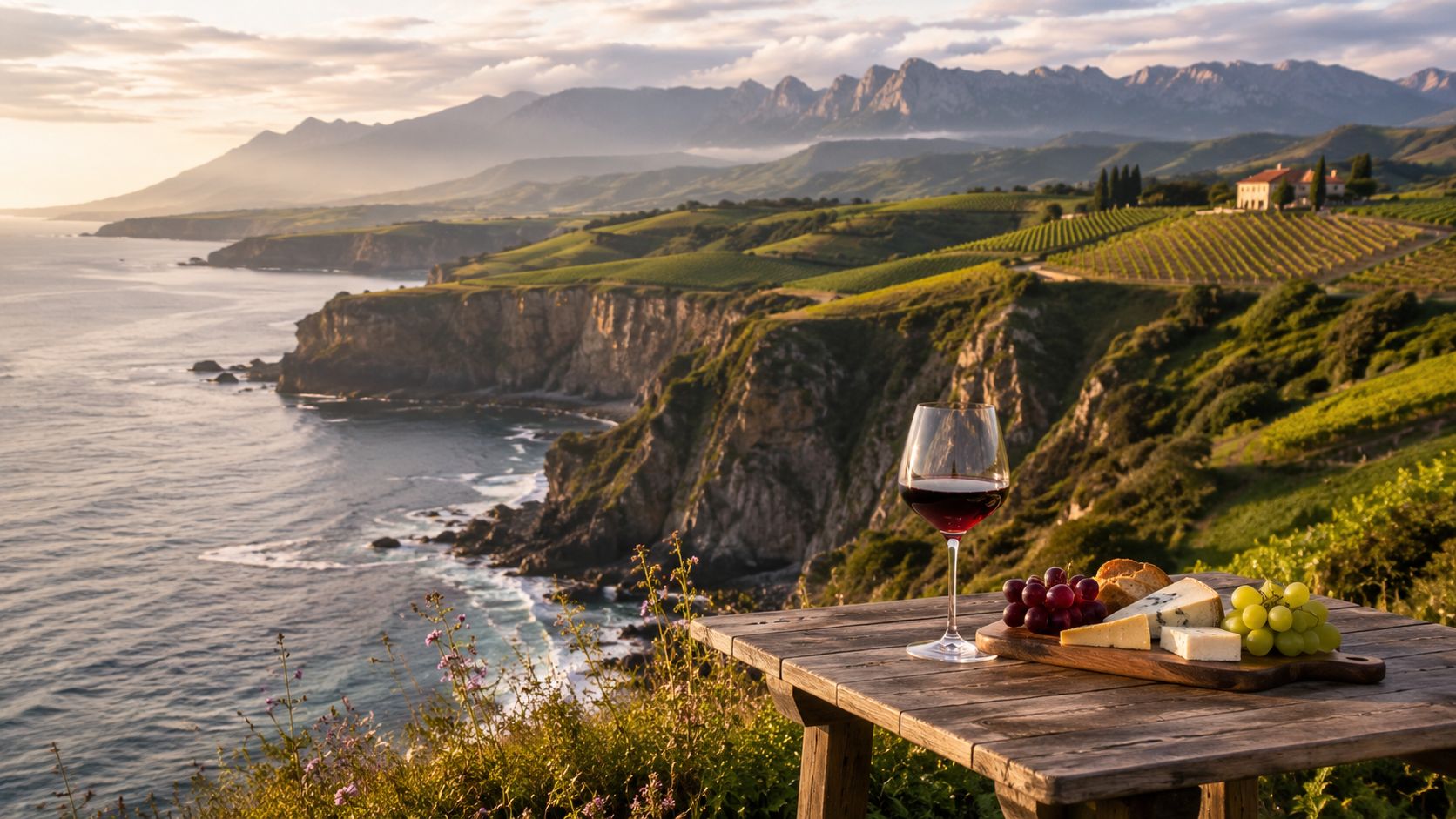
Later in the trip, visual inspiration helps when choosing the tone of the mountain days:
A five day Pyrenees discovery for families
Families need something different. The main high range often gets overprescribed, when the smarter answer is the Spanish Pre-Pyrenees, which offer 42% lower visitor density and trails that are 30% less steep, making them especially suitable for multigenerational travel, according to this overview of the Spanish Pre-Pyrenees.
That matters because family luxury travel isn't about shaving minutes off a route. It's about keeping everyone engaged without forcing the least mobile person to endure a punishing day. The Pre-Pyrenees make that easier.
Here's the version I prefer:
- Base in one place: Constant repacking erodes family patience fast. One well-chosen base creates calm.
- Use shorter scenic walks: Children stay interested when there's variety. Grandparents stay comfortable when gradients remain reasonable.
- Add cultural texture: Medieval villages, local food stops, and hands-on experiences matter as much as the walk.
- Keep one day free: Families need room to adjust. Weather, moods, and energy levels change.
For multigenerational groups, gentler terrain isn't a compromise. It's what allows the whole trip to feel elegant.
The family version of Pyrenees hiking in Spain should feel fluid. You want nature, but you also want everyone arriving at dinner in good spirits. That's what separates a well-curated family trip from an itinerary built for the fittest person in the group.
Luxury Stays From Boutique Hotels to Private Refuges
Accommodation decides whether a Pyrenees trip feels refined or merely athletic. It's a common pitfall for many mountain holidays. Travelers spend all day pursuing beauty, then sleep in conditions they'd never accept anywhere else.
The hut-to-hut model is the biggest offender. Shared dorms, noise, limited privacy, and a general tolerance for inconvenience dominate most standard advice. That might work for committed trekkers. It's a poor fit for anyone paying for a high-level travel experience.
Why shared refuges miss the point
This isn't just a matter of taste. A key market gap remains because 68% of affluent clients in 2024 explicitly rejected shared accommodations, while most guides still focus on communal hut-to-hut formats rather than private cabins or exclusive-refuge upgrades, as noted in this piece on the High Route of the Lost and shared accommodation realities.
That number confirms what experienced travel designers already know. Privacy isn't a perk in this market. It's baseline. If you're planning Pyrenees hiking in Spain for a couple, a family, or a milestone trip, stranger-sharing should be off the table unless the travelers specifically ask for it.
A mountain holiday should restore you at night. If your room feels like a compromise, the whole trip contracts around that problem.

What to book instead
The alternatives are better, and they create a completely different rhythm.
Some travelers should choose a boutique village hotel with character, strong service, and a restaurant worth dressing for. Others do better with a small luxury lodge where hiking access is easy and evenings stay quiet. For private groups, a fully privatized mountain property can be ideal, especially when catering and vehicle support are integrated.
What matters most is the match between trail design and where you sleep. A serious hike followed by a proper bath, a terrace, and a thoughtful dinner isn't indulgence. It's intelligent sequencing.
A simple accommodation filter works well:
| Stay type | Best for | Why it works |
|---|---|---|
| Boutique hotel | Couples | Privacy, style, food, village atmosphere |
| Luxury lodge | Soft adventure travelers | Easy access to trails with stronger comfort |
| Private refuge or exclusive-use property | Families and groups | Control, privacy, flexible dining, space |
Essential Trip Planning When to Go and What to Bring
Season choice in the Pyrenees shouldn't be reduced to weather alone. The right window depends on what you want the trip to feel like. Wildflowers, crisp visibility, lower traffic, or broad trail access each create a different version of the mountains.
Packing should work the same way. You're not packing for a pure trekking expedition, and you're not packing for a city break. You need technical gear that performs on the trail and clothing that still feels appropriate at a polished mountain hotel.

When the Pyrenees feel at their best
Late spring is excellent for travelers who value freshness over bragging rights. Lower trails tend to feel alive, temperatures are often more comfortable, and the trip can lean toward scenic walking rather than pure mountain performance.
Summer opens the full high-mountain menu, but it also requires discipline. Start early, avoid the most obvious timing, and don't build the itinerary around midday trailhead chaos. Summer can be superb if it's managed well.
Early autumn is often my favorite for couples. The atmosphere settles, the light improves, and the entire trip feels more composed. It suits travelers who care about photography, food, and quieter mountain days.
What to pack for the trail and for dinner
Don't overpack, but don't wing it. The Pyrenees reward good kit because mountain weather can shift quickly.
A clean packing list looks like this:
- Layered clothing: Merino base layers, a light insulating mid-layer, and a quality shell are smarter than bulky single-purpose pieces.
- Broken-in boots: New boots ruin good trips. If you need a style-first but functional reference, this guide on what to look for in travel boots is a useful place to start.
- Daypack discipline: Bring one comfortable daypack with water, snacks, sun protection, and a light waterproof, not a giant bag full of “just in case” items.
- Evening reset clothes: One or two refined off-trail outfits are enough. Think relaxed luxury, not formalwear.
- Small essentials: Sunglasses, a hat, blister care, and charging cables always matter more than people think.
For a more complete checklist suited to the region, this edit on what to pack for Spain in 2026 is a practical reference.
Pack for movement first, then for comfort. Most people get that order backwards and end up underprepared on the trail.
Seamless Logistics Your Private Guide and Driver
Luxury in the Pyrenees has very little to do with thread counts and everything to do with control. The wrong logistics turn a refined mountain trip into a series of small irritations. Missed timings, mediocre trailhead parking, awkward route reversals, and backup lunch plans have a way of draining the day before the walking even gets good.
Private support fixes that.
For high-end travelers, the best Pyrenees experience is rarely hut-to-hut. It is a well-planned day hike with a private guide, a waiting driver, a proper lunch, and a strong hotel or private refuge at the end of it. You get the mountain drama without carrying the administrative burden of the mountains.
A guide should shape the day, not just lead it
A serious private guide does far more than point at a trail marker. They choose the right route for the weather, adjust pace without fuss, manage timing around light and lunch, and steer you toward the sections that justify your time.
That judgment is what clients are paying for.
A good guide also adds context that changes the walk from scenic to memorable. You understand why one valley feels greener, why certain villages sit where they do, which peaks hold local significance, and where to stop for the best views instead of the nearest ones. Travelers looking for that level of planning usually start with well-designed private guided tours in Northern Spain because the advantage is curation, not just companionship on the trail.
A private driver gives you better routes and a better rhythm
Driver support is not an indulgence. It is how you avoid building the trip around parking lots, shuttle schedules, and circular walks that are only chosen because the car is waiting in the wrong place.
It improves the trip in obvious ways:
- Cleaner trail design: You can start high and finish in a different valley, which opens far better one-way walks.
- Better timing: Early starts, long lunches, and weather pivots become easy to handle.
- Less dead time: No retrieval logistics, no doubling back, no post-hike transport puzzle.
- More comfort off the trail: Bags, extra layers, snacks, and restaurant transfers are handled properly.
The best itineraries run like a private operation. Guide, driver, hotel, lunch reservation, and route plan all work together. That is what active luxury looks like in the Pyrenees. You still earn the views. You just stop wasting energy on the parts that should have been arranged for you in advance.
Expert Answers to Your Pyrenees Hiking Questions
Most final booking hesitation comes down to practical concerns. Fair enough. The Pyrenees are rewarding, but they're still mountains. The right answers aren't vague reassurance. They're clear decisions.
| Question | Expert Answer |
|---|---|
| Do I need to be an experienced hiker? | No. You need the right itinerary. Some travelers want demanding mountain days, but many do far better with curated moderate walks, selective elevation, and strong guide support. |
| Is the Pyrenees suitable for couples who prioritize comfort? | Yes, if the trip is built around private guiding, well-chosen day hikes, and excellent accommodation. No, if you copy standard backpacker routes. |
| Are the Pyrenees realistic for multigenerational families? | Yes, especially when the itinerary favors gentler terrain, shorter transfers, and one well-located base instead of constant movement. |
| Do I need to speak Spanish? | Not on a properly supported private trip. Local guidance, drivers, and pre-arranged logistics remove the friction. |
| Is hut-to-hut hiking necessary for the “real” Pyrenees? | Absolutely not. That's one version of the mountains, not the definitive one. Many travelers have a better experience through day hikes with a refined base. |
| Can I combine hiking with food and wine? | You should. Northern Spain works best when mountain days are balanced with regional cuisine, village culture, and carefully chosen tastings. |
| How many nights do I need? | Long weekends work for a focused escape, but a fuller trip allows better pacing and stronger contrast between hiking, scenery, and downtime. |
| Is a private guide worth it if I'm already fit and outdoorsy? | Yes, because fitness doesn't replace local judgment. A guide improves route choice, timing, interpretation, and the overall flow of the day. |
A few final points matter just as much as the trail itself.
First, don't overload the itinerary. Two excellent mountain days often outperform four tired ones. Second, don't chase only the most famous names. Some of the best days in the Pyrenees come from less obvious routes handled well. Third, don't compromise on your base. Privacy, food, and recovery shape the memory of the trip more than most travelers expect.
If you're planning Pyrenees hiking in Spain, be selective. Choose the right region, edit the hiking intelligently, and build the trip around comfort instead of proving endurance. That's how the Pyrenees become exceptional rather than purely strenuous.
If you want a fully private, high-comfort version of the Pyrenees designed around your pace, interests, and standards, Northern Spain Travel creates tailor-made journeys with boutique stays, private guides, smooth transfers, and the kind of local access that turns a good mountain trip into a memorable one.