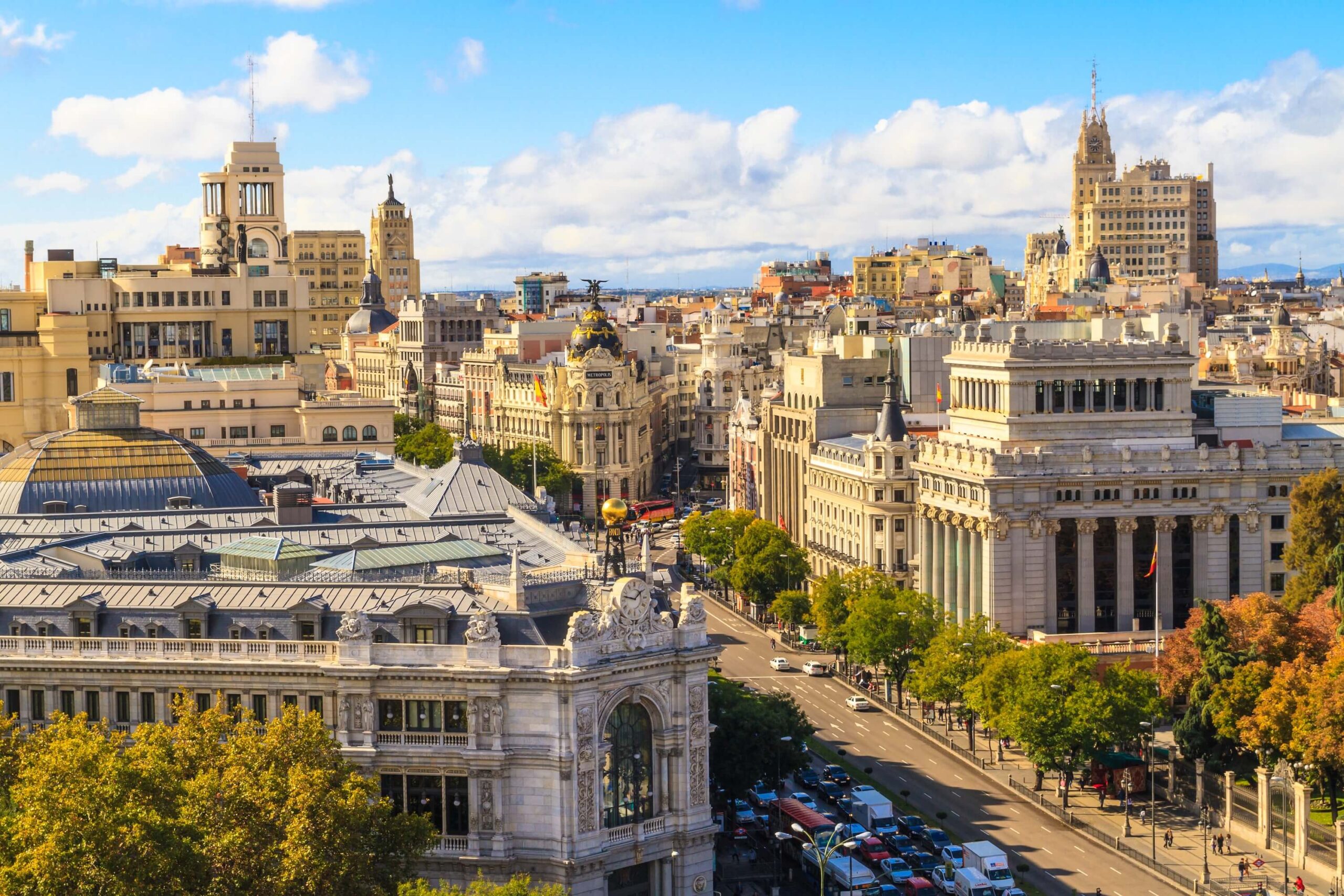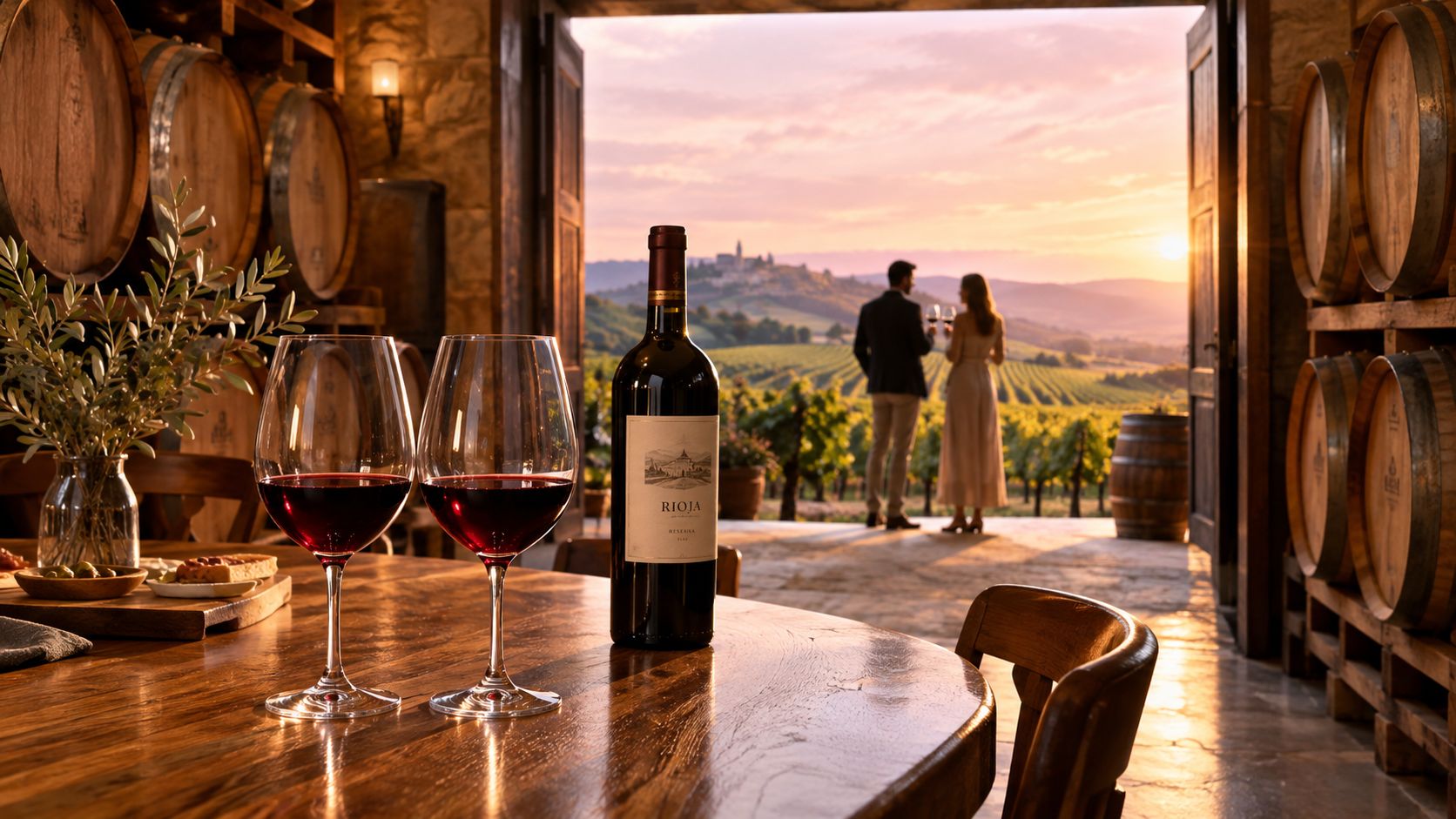
You've done Barcelona, Madrid and Andalusia. The next Spanish journey often starts with a familiar problem: you want more depth, but every itinerary seems to offer the same short list of dishes, markets and famous restaurants. A photograph of pintxos, a bottle of Rioja and a souvenir tin of anchovies won't give you Northern Spain. The place reveals itself when you taste a product beside its origin, meet the person who still makes it, and arrive in the season when it has something distinctive to say.
Northern Spain's regional specialties work best as an itinerary logic, not a shopping list. Protected wines, vegetables, cured meats, seafood, cheeses and ciders provide anchors, while access determines the quality of the experience. A market morning offers immediacy. A producer visit adds provenance. A private cellar appointment, chef-led pairing or harvest participation creates the kind of connection affluent travelers remember.
Table of Contents
- Why Northern Spain Is a Living Laboratory of Regional Specialties
- The PDO and PGI Logic Behind Northern Spain's Food Identity
- The Basque Country, Navarra and La Rioja Triangle
- Cantabria, Asturias and Galicia on the Atlantic Edge
- The Pyrenees as the Wild, Woolly Specialty Region
- A Seasonal Calendar for Northern Spain Regional Specialties
- Private Access and How to Actually Experience a Specialty
- Planning the Trip Around Specialty Priorities
Why Northern Spain Is a Living Laboratory of Regional Specialties
A couple who's grown tired of repeating Spain's grand-city circuit should head north with a different question. Instead of asking, “What dish should we try?”, ask, “Which terrain, season and producer can we reach privately, and what should we taste there?”
That shift opens a remarkably varied corridor. The Basque Country brings pintxos, txakoli and a refined relationship between sea, farm and kitchen. Navarra contributes vegetables, peppers and mountain-influenced cooking. La Rioja organizes an entire travel experience around vineyards and cellar culture. Cantabria adds fishing traditions, anchovies and dairy. Asturias brings cider, orchards and hearty mountain food. Galicia is defined by Atlantic seafood, shellfish, pork products and white wines. The Pyrenees provide altitude, pastoral traditions and quiet rural meals that feel far removed from urban Spain.
The density matters. The European Union had registered more than 3,500 geographical-indication names by March 2024, and EU geographical indications generated an estimated €74.76 billion in sales in 2017, equivalent to 6.8% of the EU food-and-drink sector's sales value. European Commission data on protected local food and drink shows that place-rooted food isn't a niche curiosity. It's a major economic and cultural system.

Plan by access, not by fame
For a private journey, I use four access levels:
- Market mornings: Best for travelers who want to understand what local cooks buy, with a guide translating products, customs and seasonal choices.
- Producer visits: Ideal when the product itself matters, whether that means a bodega, cider house, dairy, vegetable grower or curing workshop.
- Chef-led tastings: The right format for comparing products and seeing how a skilled kitchen interprets regional ingredients.
- Festival windows and participation: The most immersive option, but also the least flexible. Harvests, food celebrations and local rituals require careful timing and respectful planning.
This framework keeps the trip from becoming a sequence of interchangeable tastings. A private txakoli appointment should feel different from a Rioja cellar visit. A Galician fish-market morning should lead to a slow lunch near the water, not a rushed transfer to another city.
The central principle is simple: choose the specialty, then choose the access level that makes its origin intelligible. That's how Northern Spain becomes a living laboratory, with every stop connecting flavor to terrain, labor, weather and local memory.
The PDO and PGI Logic Behind Northern Spain's Food Identity
Before planning a food-and-wine route, learn to read two labels: PDO, Protected Designation of Origin, and PGI, Protected Geographical Indication. These marks define how closely a product is tied to its place, which makes them useful tools for choosing producers, tastings and regional comparisons.
A PDO demands the strongest territorial relationship. The product's quality or characteristics must come from its geographic environment, and production, processing and preparation must all occur within the defined area. A PGI permits more flexibility. At least one stage must take place there, while the product's reputation or a key characteristic remains linked to the origin. The European Commission's explanation of geographical indications sets out the distinction clearly.
For travelers, the difference shapes the itinerary. A protected label gives you traceable production rules, so you can ask better questions than a restaurant description or marketing claim alone would allow. The label also provides a defensible starting point for selecting a bodega, cider house, dairy, curing workshop or chef-led tasting.

Spain's place in the European system
Spain ranks among the European Union's leading countries for protected regional foods and beverages. Earlier EU data linked to the World Intellectual Property Organization recorded 148 Spanish PDO, PGI and TSG registrations by May 2011, placing Spain third at that point behind Italy and France. The Council of the European Union's overview of geographical indications explains how the system separates products closely tied to place from specialties defined more strongly by traditional methods or recipes.
Northern Spain gives travelers practical examples of both systems:
- Rioja wines use a tightly defined origin framework that supports cellar visits and terroir-focused tastings.
- Espárrago de Navarra PGI links the vegetable to local growing conditions and post-harvest handling standards.
- Lacón Gallego preserves specifications for a traditional Galician meat product, making it a useful anchor for regional comparisons.
- Chorizo Riojano, Chosco de Tineo and Chorizo de Cantimpalos show how formulation, curing, smoking and other processing conventions preserve local identity.
Practical rule: Let the protected label guide your questions. Ask where the product was made, who produced it, which stage happened locally and how the tasting reflects the surrounding landscape.
For itinerary design, these products work best as anchors rather than souvenirs on a checklist. Build a Navarra day around protected asparagus and a chef-led lunch. Shape a Rioja stay around vineyard roads and a private bodega appointment. In Galicia, place protected pork products beside seafood and wine, then use the meal to explain how inland and coastal foodways meet.
That approach also keeps access level aligned with the product. A source visit reveals labor and handling; a cellar appointment explains aging and place; a chef-led tasting shows how regional rules translate onto the plate. The strongest specialty experiences make the rules, people and terrain visible, giving each stop a clear reason to belong on the route.
The Basque Country, Navarra and La Rioja Triangle
The Basque Country, Navarra and La Rioja form the most useful culinary triangle in Northern Spain. Their traditions differ, but the distances and food relationships make them natural partners. You can move from San Sebastián's energetic pintxos culture to Navarra's vegetable-led cooking and then into Rioja's vineyard country without changing the underlying theme, which is the relationship between origin, technique and hospitality.
The Basque Country suits travelers who want lively urban food with a strong regional accent. San Sebastián is the obvious base for a carefully paced pintxos crawl, but the refined version isn't a race between crowded counters. A private guide should read the room, choose the right sequence, explain the ingredients and protect time for a proper meal. Outside the city, Getaria and the surrounding coast offer a more direct way to understand txakoli, especially when a tasting happens with a producer rather than at a generic wine bar.
Navarra offers a quieter, more ingredient-driven experience. Its cuisine moves from the Pyrenean foothills toward the Ebro valley, and protected produce gives the itinerary a clear seasonal focus. Espárrago de Navarra PGI is particularly useful because the label connects the asparagus to local conditions and handling standards. I'd pair a source visit or market appointment with a private kitchen that can show the same ingredient in different preparations, rather than scheduling several restaurants that all serve a similar tasting menu.
La Rioja is the natural choice for travelers who want wine to structure the day. A proper Rioja program includes more than tasting glasses. It should include a scenic transfer through vineyard country, a bodega appointment selected for its character, and a conversation about how the estate works with its place and traditions. For clients who want a more detailed route, this guide to bespoke Rioja wine tours is a useful planning reference.
Match the triangle to your appetite
| Region | Strongest appeal | Best private format |
|---|---|---|
| Basque Country | Pintxos, txakoli, seafood and culinary creativity | Guided old-town crawl, coastal producer visit or chef-led meal |
| Navarra | Protected vegetables, peppers and inland mountain cuisine | Market morning, farm visit and seasonal pairing lunch |
| La Rioja | Vineyard landscapes, cellar culture and structured tastings | After-hours bodega visit with a focused wine-and-food pairing |
The most balanced combination pairs Basque Country with La Rioja. San Sebastián supplies movement, design and culinary intensity, while Rioja slows the rhythm and gives wine room to dominate. Add Navarra when vegetables, pastoral countryside or a more intimate rural register matter as much as fine dining.
For travelers researching Basque food traditions beyond Spain, find Basque Roots Farms offers useful context on how Basque agricultural identity continues outside the peninsula. It's not a substitute for tasting txakoli at the source, but it reinforces an important point: regional specialties travel through families, farming practices and communities, not only through restaurants.
Cantabria, Asturias and Galicia on the Atlantic Edge
The Atlantic north changes the emotional temperature of a Spanish journey. Green hills, damp stone, orchards, fishing villages and dairy farms replace the dry, sunlit image many visitors carry. Cantabria, Asturias and Galicia share a food culture shaped by the sea and by rain-fed pasture, but each region expresses that inheritance differently.
Cantabria is a strong choice for travelers who want seafood with a working coastal identity. Anchovies, dairy and fishing traditions make a market morning especially worthwhile, provided the guide can explain what's being sold and where it comes from. A private lunch should stay close to the coast and leave space for conversation. The point isn't to collect another famous dish. It's to understand why preservation, salinity and freshness matter in a region built around the Atlantic.
Asturias is the cider country of the north. The ritual of pouring cider from height, known as escanciado, is best experienced inside a cider house with someone who can explain the rhythm and etiquette. Asturias also rewards travelers who enjoy hearty food, including fabada, Cabrales and other mountain-linked specialties. The best sequence is often an orchard or cider-house visit followed by a long lunch, rather than a formal tasting squeezed between sightseeing stops.
Galicia offers the most dramatic coastal food experience. A morning in a fish market around A Coruña, followed by a slow lunch on a ría, allows seafood to remain connected to its maritime setting. Percebes, octopus, shellfish and Galician wines belong in a route that respects tides, supply and preparation. Inland, Lacón Gallego provides a useful counterpoint, showing how protected meat traditions sit alongside the region's marine abundance.
Slow pacing is the luxury
These regions punish rushed planning. Transfers between coastal villages can take longer than a map suggests, and the experience improves when you allow weather, market schedules and restaurant timing to shape the day.
- Cantabria: Choose a coastal base and build around anchovies, dairy and a private seafood meal.
- Asturias: Prioritize a cider house, orchard countryside and one substantial regional lunch.
- Galicia: Give the coast time, with a market morning, fishing-village visit and ría-side dining.
For a deeper look at the western coast, use this Cantabria travel guide when deciding whether to build a dedicated base or include the region between Bilbao and Asturias.
The Atlantic edge is best for couples and families who value atmosphere over accumulation. It's also an excellent choice for multigenerational groups because food, scenery and gentle cultural encounters can share the same day without forcing every traveler into strenuous activity.
The Pyrenees as the Wild, Woolly Specialty Region
The Pyrenees are where many Spain food itineraries become too cautious. They stay on the coast or in the wine country and miss a mountainous corridor where Basque, Navarrese and Aragonese traditions meet around pasture, smoke, river fish and forest herbs.
This is not the place for a dense restaurant schedule. The Pyrenees reward a rural base, a private driver and a willingness to let the region lead. Regional cheeses, lamb, trout, mountain herbs and small-batch wines make sense when tasted near the farms, valleys and villages that support them. A shepherd's cheese beside a mountain road tells you more about local food culture than another polished tasting room in a city.
Match the season to the landscape
Spring brings tender greens, herbs and the first clear mountain drives. It's a good time for a gentle walk followed by a cheese-focused lunch, especially for travelers who want nature without expedition-style logistics.
Summer is the best period for combining the Pyrenees with Navarra. Long daylight supports scenic transfers, village visits and outdoor dining, while cooler mountain air provides a welcome contrast to coastal and inland heat.
Autumn changes the emphasis toward forest products, lamb, mushrooms and small-batch wines. I prefer this season for travelers who want a more contemplative journey, with fewer programmed stops and longer meals.
Winter suits clients who enjoy woolly, slow-cooked food, cured cheeses and a fireside atmosphere. Road conditions and mountain access need careful checking, so the itinerary should remain flexible and use an experienced driver.
The Pyrenees work best as a contrast day or short mountain extension, not as a standalone food week for most visitors. Pair them with Navarra to connect altitude and agricultural abundance, or with the Basque Country to move from Atlantic sophistication into pastoral quiet.
The region is for travelers who want the story behind the plate to become less polished and more physical. Expect pasture, weather, winding roads and small producers. That's precisely the appeal.
A Seasonal Calendar for Northern Spain Regional Specialties
Northern Spain changes substantially with the calendar. A traveler who visits in the wrong season can still eat well, but they'll miss the reason a product belongs to a particular place at a particular moment.
Spring from March through May
Spring belongs to asparagus, young produce and txakoli. Navarra is the obvious anchor for Espárrago de Navarra PGI, particularly if you want a farm or market visit followed by a chef-led interpretation. White asparagus celebrations in Navarra are associated with April and May, making that period useful for travelers who want a more public expression of local food culture.
In the Basque Country, spring is a strong period for coastal drives and txakoli tastings. Keep the experience private and source-focused. A bottle served with a view is pleasant. A producer explaining the vineyard, harvest and food pairings is much more valuable.

Summer from June through August
Summer favors the Atlantic coast. Galicia is the place for bonito, sardines, octopus, shellfish and long lunches near the water. Cantabria and Asturias offer similar coastal appeal, but the experience should be adapted to each region's traditions rather than presented as one generic seafood route.
San Fermín takes place in Pamplona in July, while Semana Grande celebrations take place in August in parts of the north, including the Basque Country. These events can add energy and cultural access, but they also increase demand and crowd pressure. If you want comfort and discretion, stay outside the busiest core and arrange transfers, dining and viewing access well ahead.
A summer itinerary should include:
- A market morning: Meet vendors before the day's heat builds.
- A coastal meal: Keep seafood close to its fishing roots.
- A private tasting: Use a producer appointment to escape the busiest public venues.
Autumn from September through November
Autumn is Rioja's defining season, with grape picking and harvest activity generally associated with September and October. A harvest weekend can combine vineyard walks, cellar access and a meal built around the region's produce. It's the right moment for travelers who want wine to be more than a tasting flight.
Wild mushrooms, quince and new wine also suit the season. Navarra and the Pyrenees become especially appealing for scenic drives and rural lunches.
Winter from December through February
Winter favors Asturias, where cider houses, orchards and substantial regional cooking create a natural indoor-outdoor rhythm. Cured cheeses and pork specialties also make sense in cooler weather, especially when paired with a fireside hotel and a slow itinerary.
The calendar should guide your route, not merely decorate it. This seasonal food and wine video offers another way to visualize how products and places connect across the year.
Private Access and How to Actually Experience a Specialty
The difference between an ordinary food tour and a serious regional-specialties journey is access. A guide can show you what to order. A well-designed private program shows you why that product belongs there, who makes it and how the season changes the experience.
Start with the format that matches your curiosity:
- Market mornings suit first-time visitors and families. A local guide can introduce vendors, explain unfamiliar products and help the group understand what appears on the stalls.
- Producer tastings work for travelers who want provenance. Visit a dairy, bodega, vegetable grower or cider house, then taste the product in context.
- Chef-led experiences are best for comparison. Ask a chef to pair txakoli with seafood, Navarra produce with regional preparations or Rioja wines with a progression of local ingredients.
- After-hours visits create a quieter atmosphere at cellars and cider houses, particularly for couples who don't want a public tasting-room experience.
- Participation days offer the deepest connection. Harvests, escanciado lessons and other seasonal activities require advance planning and a willingness to follow local etiquette.

The luxury isn't the number of tastings. It's the quality of the access and the intelligence of the sequence.
For advisors comparing specialist resources, Samba for food tours can help frame the range of guided culinary formats available. The same principle applies locally: choose an experience that gives the traveler a relationship with the product, not just a plate of it.
Northern Spain Travel's guide to elite artisan food producers is also useful when you're deciding which source visits deserve time in a private itinerary. The right producer may not be the most famous. It's the one whose location, method and personality fit the traveler.
Planning the Trip Around Specialty Priorities
Choose the priority first, then build the route around it.
A pintxos-and-Rioja week suits couples who want San Sebastián's culinary energy followed by private cellar time and vineyard views. Add Navarra if protected vegetables and a quieter inland register matter.
A green-coast slow week works for travelers drawn to cider, seafood, orchards and fishing villages. Base the journey in carefully chosen coastal hotels, use private drivers and avoid changing hotels every night.
A Pyrenees-and-Navarra contrast is ideal for clients who want mountain quiet, pastoral food and agricultural depth after experiencing more polished urban dining.
Book the most access-sensitive elements first, especially producer visits, chef-led meals, harvest participation and festival programs. Choose hotels for their position within the food scene, not just their room category. Build in recovery time after long lunches, and never underestimate the value of a driver on mountain roads or between scattered cider houses.
Etiquette matters. Arrive on time, ask before photographing producers and accept that a small family operation may not behave like a formal tasting room. A skilled destination-management company coordinates reservations, dietary needs, transfers, guides and weather contingencies so the journey feels effortless without flattening its local character.
Northern Spain Travel designs fully private, tailor-made journeys around regional specialties, wine, coast, culture and rare local access, from Rioja cellar visits to cider houses and Atlantic fishing villages. Visit Northern Spain Travel to begin shaping a season-aware itinerary around the products and experiences you want to taste.