Most Rioja buying advice starts and ends with Crianza, Reserva, or Gran Reserva. That's useful, but it's also incomplete. The category tells you how long the wine has matured under Rioja's rules. It doesn't tell you whether the fruit came from an inspired hillside parcel, whether the producer farmed carefully, or whether the winemaker used oak as seasoning rather than camouflage.
So, what is a good Rioja wine? It's a bottle where fruit, acidity, tannin, oak, origin, and producer intent make sense together. Sometimes that's a traditional Gran Reserva. Sometimes it's a fresh village wine, a single-vineyard bottling, or a white Rioja that never receives the attention it deserves. Before your next tasting in the region, use the ageing label as a starting point, not a verdict.
Table of Contents
- Why the Aging Label Is Only Half the Answer
- The Official Rioja Aging Ladder Explained
- What Balance Looks Like in the Glass
- Rioja's New Geography Categories and Why They Matter
- How to Read a Rioja Label Like a Buyer
- The White Rioja Opportunity Most Buyers Overlook
- Choosing, Buying, and Tasting With Confidence
Why the Aging Label Is Only Half the Answer
The ageing ladder is Rioja's most recognizable quality signal, but it isn't a ranking of every wine from best to worst. It establishes minimum maturation requirements. A producer can meet those requirements with an ordinary regional blend, while another can release a more compelling wine from a precise village or old vineyard under a less prestigious-sounding category.
A Crianza from a large commercial blend and a Crianza from a carefully farmed parcel near Haro may share a legal classification while offering completely different experiences. The label alone won't tell you about altitude, soil, vine age, orientation, yields, harvesting decisions, or fermentation vessels. Those details shape the wine before it reaches the barrel.
Look beyond the front label
Three questions usually reveal more than the ageing category:
- Who made it? A producer's farming and cellar philosophy can matter more than the tier printed below the vintage.
- Where did the grapes come from? Village, slope, soil, and climate influence freshness, ripeness, tannin, and aromatic character.
- How was it made? American oak, French oak, concrete, larger vats, native fermentation, and extraction choices leave distinct fingerprints.
Traditional Rioja often relies on oak and bottle evolution to create a polished, savory style. Newer producers increasingly want the vineyard to speak more clearly, with fruit, precision, and site identity taking priority over a broad regional profile. That shift is reflected in recent coverage of Vino de Municipio and Viñedo Singular, geography-based categories that place greater emphasis on origin and individual parcels (Decanter's 2026 Rioja report).
Private tasting rule: If the category is the only thing you know about a Rioja, you don't know enough to predict the glass.
The practical framework is simple. First, use the ageing category to estimate texture and maturity. Then assess balance, origin, producer philosophy, and fit with the meal or occasion. That approach will lead you toward better bottles than automatically reaching for the oldest-sounding label.
The Official Rioja Aging Ladder Explained
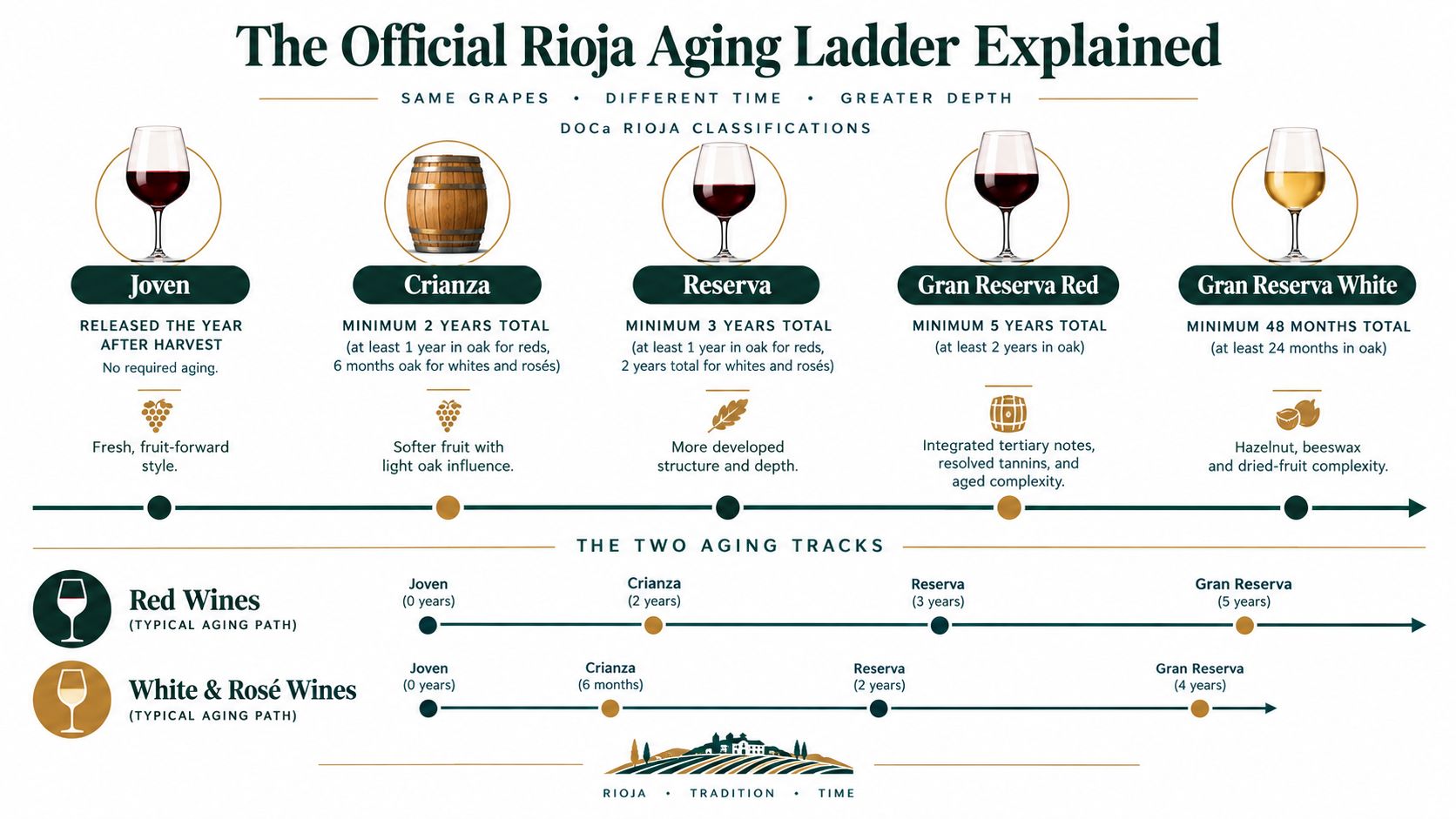
Rioja's official classification gives buyers a dependable baseline. For red wines, Crianza requires at least two years of total ageing, including at least one year in oak. Reserva requires at least three years total, with at least one year in oak and six months in bottle. Gran Reserva requires at least five years total, including at least two years in oak and two years in bottle. These are minimums, not promises of greatness.
White and rosé Rioja follow a shorter but still structured path. A Crianza requires two years total with at least six months in barrel. Reserva requires two years total, while Gran Reserva requires four years total. The official Rioja classification provides the complete framework for these categories (Rioja's official classification).
What each category usually delivers
Crianza is generally the most direct expression of young Rioja fruit with a clear, often restrained oak signature. In red wines, expect fresh cherry and plum, moderate tannin, and a style that's usually ready for the table without requiring long cellaring. It's often the sensible choice when you want Rioja character without the deeper tertiary profile of a mature bottle.
Reserva adds more time for oak and bottle development. The fruit often becomes less primary, while savory notes, softer tannins, and a more developed structure begin to emerge. A good Reserva is especially versatile with roasted poultry, grilled lamb, mushrooms, and mature cheese.
Gran Reserva is designed for extended evolution. In a successful bottle, the oak should feel integrated rather than dominant, and the palate should show resolved tannins alongside dried fruit, leather, tobacco, cedar, spice, and earth. Rioja's Gran Reserva category is typically associated with the best vintages, because prolonged ageing demands fruit with sufficient concentration and extract (The Wine Society's Rioja guide).
| Category | Red ageing minimum | White or rosé ageing minimum | Style expectation |
|---|---|---|---|
| Crianza | Two years total, including one year in oak | Two years total, including six months in barrel | Fresh fruit with light oak influence |
| Reserva | Three years total, including one year in oak and six months in bottle | Two years total | More developed structure and depth |
| Gran Reserva | Five years total, including two years in oak and two years in bottle | Four years total | Integrated tertiary notes and aged complexity |
The rules are especially useful when comparing bottles in a shop. They're less useful when treated as a complete quality ranking. Grape sourcing, vintage character, producer style, and the decision to exceed the minimum ageing period still determine whether the wine feels elegant or merely mature.
For a deeper look at the grapes behind Rioja and other wine regions, the grapes plant profile is a useful reference before you begin comparing varieties. If you're visiting Haro, arrange a focused Rioja vertical winery tasting rather than sampling unrelated bottles. Tasting one producer across categories shows what ageing really changes.
What Balance Looks Like in the Glass
A good Rioja doesn't win by being the biggest wine in the room. It wins because fruit, acidity, tannin, and oak stop competing and start supporting one another.
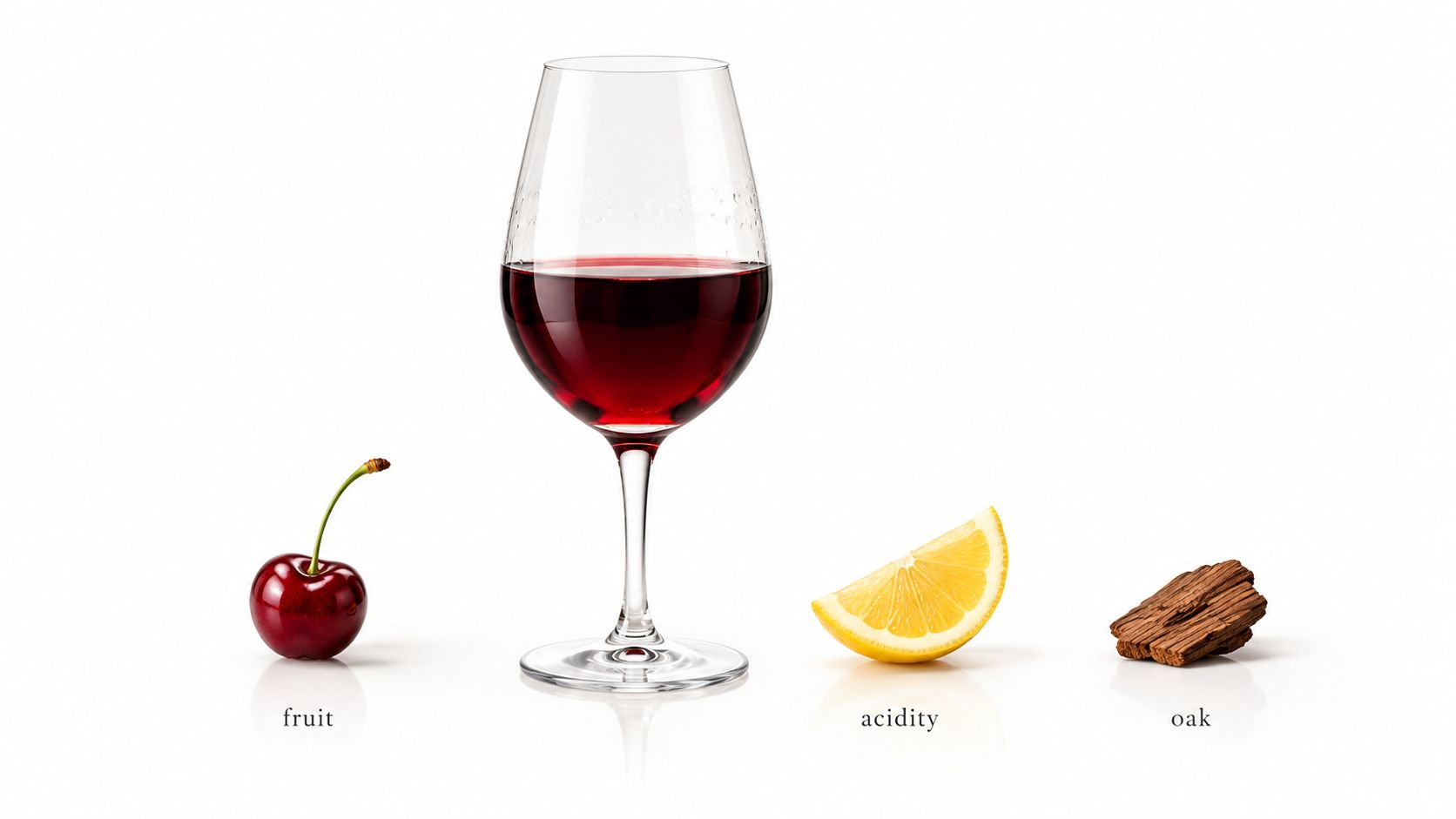
In a young Tempranillo-led red, balance often appears as ripe cherry, plum, or red berry fruit held upright by lively acidity. The tannin should give the wine shape without drying the mouth, while American oak may contribute vanilla, coconut, dill, or sweet spice. The result should feel medium-bodied and energetic, not syrupy.
Young and mature wines speak different dialects
Traditional aged Rioja follows a different pattern. Bright primary fruit gives way to dried fig, leather, tobacco, cedar, earth, and sometimes forest-floor notes. The tannins should feel polished and almost silky, with savory flavors carrying through the finish. Rioja's own guidance describes the region's style through smooth tannins and balanced acidity, while its tasting material distinguishes fresh, juicy younger reds from the layered character of Reserva and Gran Reserva wines (Rioja's guide to the taste of its wines).
Balance fails in recognizable ways:
- Flat: The fruit has faded, but acidity no longer provides lift.
- Over-oaked: Vanilla, toast, coconut, or smoke cover the vineyard and fruit.
- Jammy: Ripeness has overwhelmed freshness, leaving a heavy, sweet impression.
- Green-edged: Unripe flavors and abrasive tannin dominate the finish.
Taste the mid-palate, not just the opening. A wine can smell bright and inviting, then collapse once the initial fruit disappears. Ask whether the acidity keeps the wine moving through the center of the palate, and whether the tannin feels fine-grained or coarse.
Then compare the finish with the nose. If the aroma promises complexity but the wine vanishes immediately, the bottle lacks the structural depth you expected. If the finish stays savory and precise without becoming harsh, you're probably tasting genuine balance rather than a simple oak or fruit effect.
Rioja's New Geography Categories and Why They Matter
Regional Rioja blends remain important. They offer consistency, recognizable house style, and an accessible way to understand the appellation. But the more interesting question for a serious buyer is increasingly, which village and which vineyard are speaking through the wine?
Vino de Municipio identifies wine connected to a named municipality. It gives the buyer more geographic information than a broad regional label, while still allowing the producer to express a village-level style. Viñedo Singular goes further, focusing on a single named vineyard parcel and a tighter connection between bottle and site.
Regional blend versus place-driven bottle
A regional blend may combine fruit from different parts of Rioja to achieve a familiar profile. That can be a strength when the producer wants balance and consistency. A site-specific wine accepts more variation in exchange for character. You may find firmer acidity from a cooler site, darker fruit from a warmer exposure, or more mineral and savory detail from a particular soil type.
The new categories reward that transparency, but they don't eliminate the need to evaluate the producer. A named place isn't automatically a guarantee of elegance. Look for a back label that clearly identifies the municipality or vineyard, and ask whether the wine's production is genuinely narrow rather than merely presented with geographic language.
The best modern Rioja doesn't reject tradition. It asks tradition to become more precise.
For buyers, three signals matter:
- Clear origin: The label names a village or single vineyard rather than stopping at regional identity.
- Focused production: The producer communicates why this parcel or municipality deserves separate treatment.
- Distinctive texture: The wine tastes more specific, not merely more powerful or more expensive.
A Viñedo Singular bottling can be more compelling than a conventional Reserva, even if the latter sounds more prestigious. Conversely, a carefully made traditional Reserva may offer greater pleasure at the table than a site wine that lacks integration. Choose the bottle by style and producer, not by hierarchy alone.
Travelers who want to compare these approaches should build time for village visits and cellar conversations into their plans. A customized Rioja wine escape itinerary can make room for both historic houses and producers pursuing more precise geographic identities.
How to Read a Rioja Label Like a Buyer
Read the label in layers. Start with the producer, then the vintage, then the ageing category, and finally the geographic information. That sequence keeps you from letting the most familiar word, usually Reserva or Gran Reserva, make the decision for you.
The producer tells you what kind of house you're dealing with. A traditional bodega may favor long periods in American oak and extended bottle ageing. A newer estate may emphasize concrete, larger vessels, restrained oak, native fermentation, or a named village. Neither approach is automatically superior. The question is whether the style matches what you want to drink.
Decode the essentials
The vintage matters because weather affects ripeness, acidity, tannin, and the wine's capacity to evolve. It matters even more when you're considering a Gran Reserva or a single-vineyard bottling, where the character of one harvest can show clearly. A mature traditional blend may aim for house consistency, while a site-focused wine will usually reveal more variation from year to year.
Look for:
- Producer name: The most useful first clue to house style.
- Vintage: A guide to harvest character and expected maturity.
- Ageing category: A legal minimum for maturation, not a final quality score.
- DOCa seal: Confirmation that the bottle belongs to Rioja's controlled designation.
- Village or vineyard: Evidence of a more specific geographic identity.
- Back-label detail: Bottled origin, alcohol, acidity, and production notes can clarify the wine's intended style.
A missing vintage isn't automatically disqualifying, but it gives you less information. A generic regional bottling with little producer detail also demands more caution. If a bottle claims high-category prestige at an unusually low price, ask whether the producer, vintage, and sourcing justify the apparent bargain before buying several.
Make a prediction before opening
Take one bottle from a shop shelf and study only the label. Predict whether it will taste traditional or modern.
A long-established producer, an ageing category, and references to extended maturation suggest a more evolved, oak-shaped profile. A named municipality or vineyard, a less familiar estate, and language emphasizing parcel identity point toward fresher fruit and greater site expression. Then open the bottle and test your prediction.
That small exercise trains your palate faster than memorizing tasting notes. You're learning to connect label information with actual texture, aroma, and finish.
The White Rioja Opportunity Most Buyers Overlook
If a traveler asks me to recommend one category that deserves more attention, I don't automatically say red Reserva. I say white Rioja.
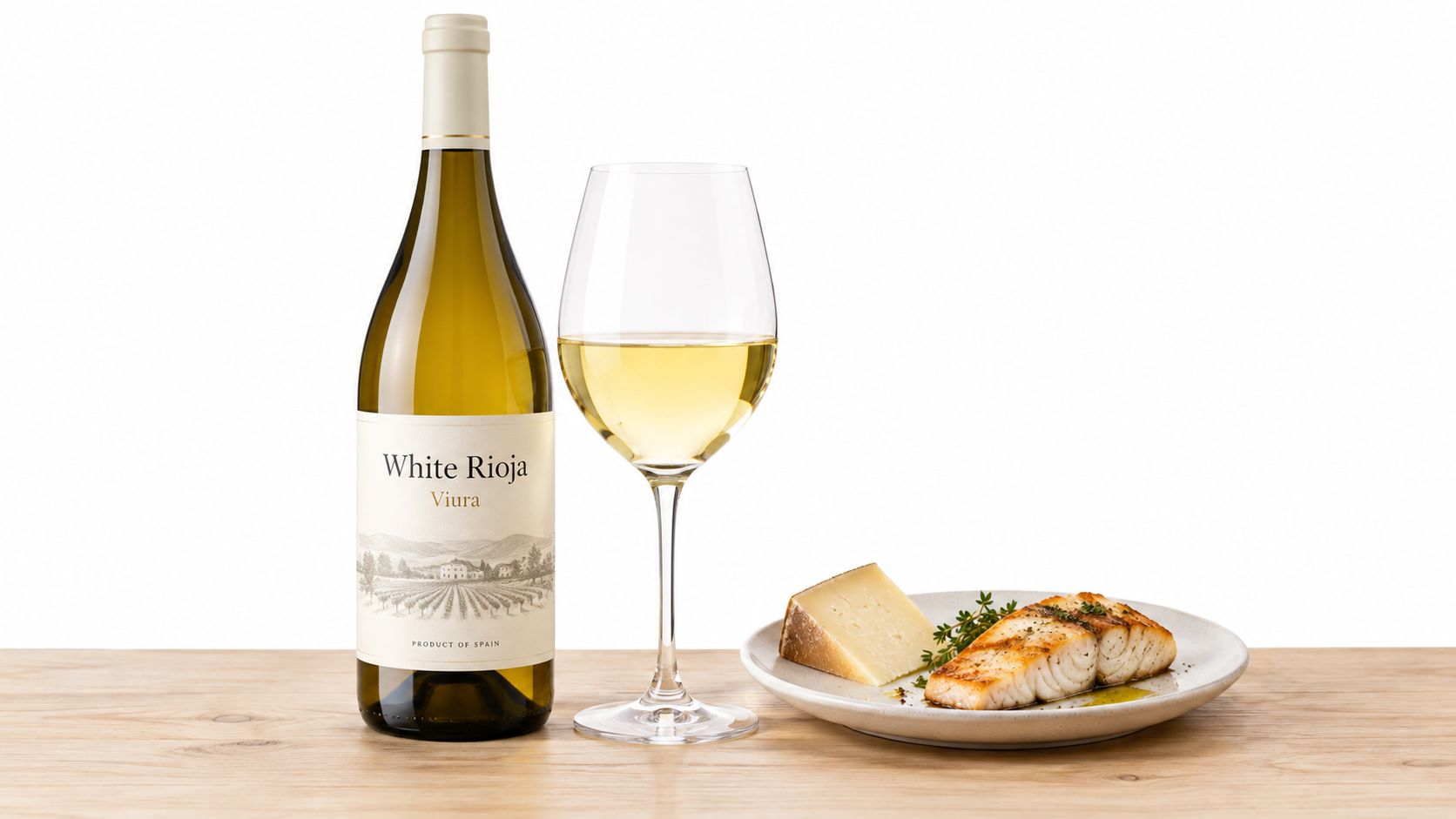
White Rioja can be fresh and bright, richly textured, intensely savory, or deliberately mature. Viura remains central, while Garnacha Blanca, Malvasía, Tempranillo Blanco, and Sauvignon Blanc add different forms of aroma, body, and acidity in newer interpretations. The region's recent quality momentum is clear. Harpers reports that white wines represented a record 24% of the wines of the year in Tim Atkin's Rioja Report 2026 (Harpers on the rise of white Rioja).
Choose the style, not the color alone
Young white Rioja is often the sharper, more immediate choice. Stainless-steel or lightly handled examples can show citrus, apple, pear, herbs, and a clean mineral impression. They're excellent with grilled fish, shellfish, vegetables, and lighter lunches in the vineyards.
Barrel-aged white Rioja is a different proposition. Oak and bottle time can produce hazelnut, beeswax, dried fruit, toast, and a broader, more layered palate. The official ladder gives white Crianza two years total ageing with at least six months in barrel, Reserva two years total, and Gran Reserva four years total. The category is a useful guide to maturity, but the producer's handling determines whether the result tastes refined or merely woody.
For the table, look beyond tapas. A mature white Rioja can handle aged sheep cheese, grilled fish, roast poultry, creamy sauces, and richly seasoned vegetables. Its acidity keeps the wine fresh, while its developed texture gives it enough weight for substantial food.
Ask a sommelier for both ends of the spectrum: a bright young bottle and a barrel-aged example. That comparison usually changes the drinker's idea of what Rioja can be. For travelers who want distinctive bottles rather than the predictable red order, white Rioja is one of the region's smartest discoveries.
Choosing, Buying, and Tasting With Confidence
Build your Rioja decisions around three actions: match the producer and place to your preferred style, taste across ageing categories, and record what the bottle delivers.
Start by deciding what you want at the table. For fresh fruit, lively acidity, and less overt development, scout producers working with high-elevation or village-focused wines and look toward recent vintages. For leather, tobacco, dried fruit, and softer tannins, choose a mature Reserva or Gran Reserva from a house with a proven extended-oak style.
Use a vertical tasting as your shortcut
A vertical or category comparison is more revealing than a random flight. Request Crianza, Reserva, and Gran Reserva from the same producer, ideally with fruit drawn from a related source. You'll see how oak, bottle time, and release decisions reshape texture and aroma without confusing producer style with regional difference.
When arranging a private visit, send a written brief in advance. Include:
- Preferred structure: Fresh and medium-bodied, or mature and savory.
- Oak tolerance: Restrained, traditional American oak, or more polished French oak.
- Color preference: Include white Rioja if you want to explore the region's broader range.
- Food plans: Tell the host whether the bottles will accompany lamb, fish, cheese, or a tasting menu.
- Experience level: A good host can adjust the order and vocabulary to your group.
If you're carrying bottles home, plan storage before you buy. A practical wine cooler guide from Blanc Haute Luxury Kitchens can help you think through capacity and cellar placement without treating every bottle as an immediate-drinking purchase.
Record more than your first impression
Bring a notebook and use a simple scorecard with five headings: fruit, acidity, tannin, oak, and finish. Add the producer, village, vintage, ageing category, and food served. Don't score the wine before tasting it with a meal if that's how you expect to drink it.
For a focused itinerary, book tastings in advance and use a clear progression. Start with a younger wine, move into a village or vineyard bottling, then finish with an aged classic or mature white. These expert wine-tasting tips for Northern Spain help keep the palate attentive without turning the experience into a technical exam.
Cellar rule: Buy the bottle you can describe clearly, not the bottle with the most impressive category name.
A Vino de Municipio release may be a fascinating conversation starter with the winemaker, but it won't necessarily please every guest. Gran Reserva should come from a producer whose oak and bottle-ageing style you already enjoy. Recent vintages are a sensible choice for fresher, more modern profiles, while traditional mature wines reward patience and careful service. Decant only when the bottle needs air or sediment management, and let your notes, not the label hierarchy, determine what you buy next.
Northern Spain Travel designs private Rioja journeys with winery access, private guides, boutique hotels, and carefully managed logistics for travelers who want to taste beyond the standard Crianza and Reserva circuit. Visit Northern Spain Travel to plan a customized wine itinerary built around the villages, producers, food pairings, and Rioja styles you want to understand.