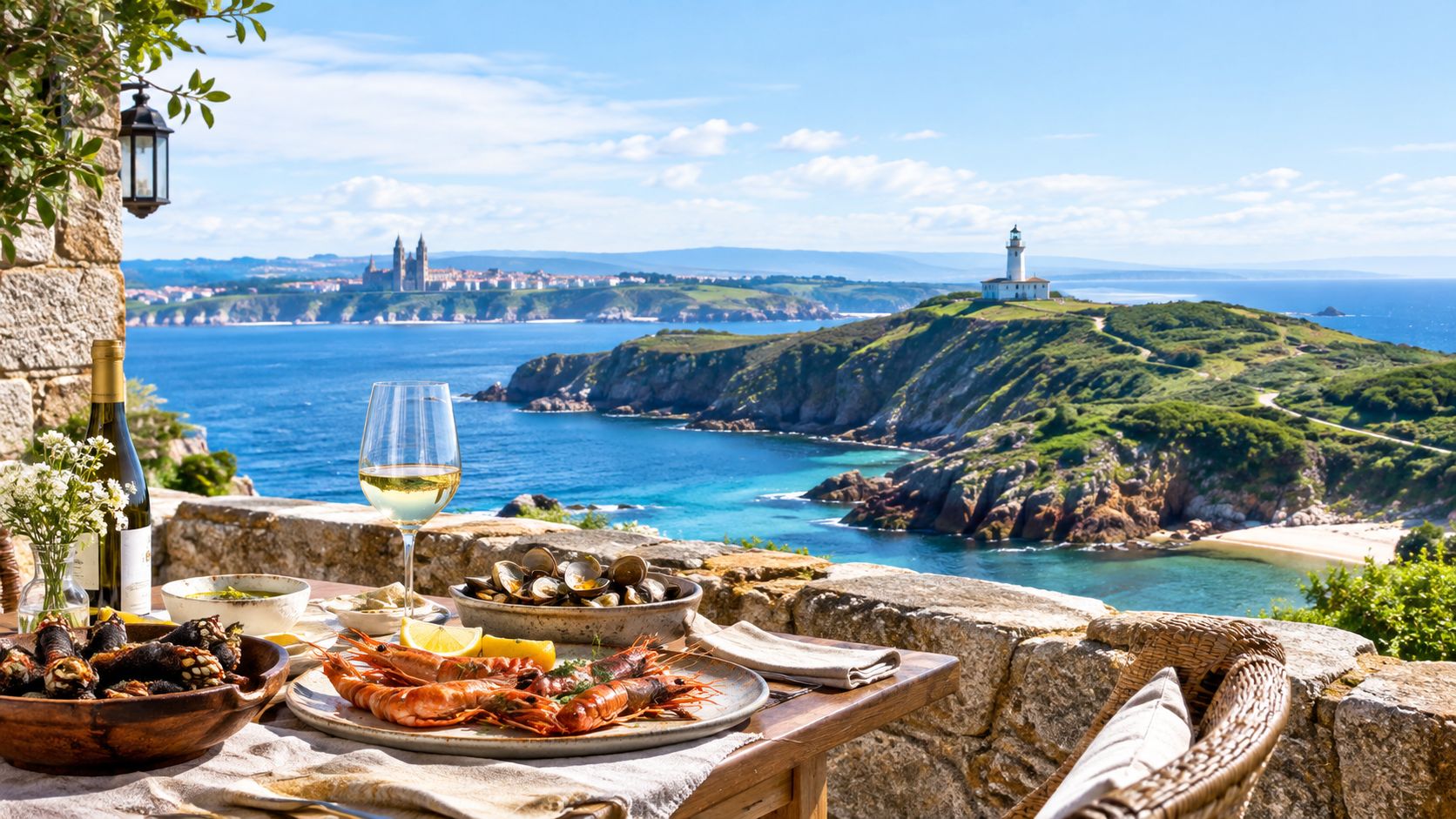
Spain's most talked-about beach advice usually points south, to crowded Mediterranean icons and peak-summer heat. That's the wrong starting point for July if you want a trip that feels polished, relaxed, and memorable. Northern Spain gives you the Atlantic's fresher climate, a stronger sense of place, and the rare luxury of being able to pair beach time with serious food, wine, and culture without sacrificing comfort.
That doesn't mean dismissing the classic July beach logic. In fact, the broader pattern is exactly why this region works so well. July demand for sunlit beaches has surged well above pre-pandemic levels, with Travel + Leisure citing Expedia data that showed double- sometimes triple-digit percentage increases and naming Punta Cana, Cancun, and Turks and Caicos among the most sought-after beach destinations for July (Travel + Leisure via Yahoo Lifestyle). The lesson is simple, high-intent July travelers want certainty, availability, and a beach experience worth planning early.
Northern Spain answers that brief differently. Instead of chasing the hottest water or the loudest resort scene, you can choose between culinary capitals, surf villages, family-friendly bays, and multi-beach itineraries that stay refined rather than frantic. The best beaches in July aren't one formula. They're a curated portfolio, and Spain's north coast is where that curation pays off.
Table of Contents
- 1. San Sebastián (Donostia) – The Culinary Capital Beach
- 2. Playa de Zarautz – Bohemian Beachside Village with Gastronomy
- 3. Playa de Laredo – Family-Friendly Beach with Cantabrian Charm
- 4. Playa de Gijón – Historic Port City Beach with Industrial-Chic Culture
- 5. Playa de Nerja – Andalusian East Coast Alternative with Cave Heritage
- 6. Playa de Getaria – Coastal Wine Village with Michelin-Starred Dining
- 7. Playa de Mundaka – Bohemian Basque Surf Village with White-Water Estuary
- 8. Playas de Llanes – Multi-Beach Coastal Town with Adventure Access
- 9. Playa de Ribadesella – Prehistoric Cave Heritage Beach with Summer Festivals
- 10. Playas del Cantábrico Bay, Cantabrian Coast Overview
- Top 10 July Beaches Comparison
- Designing Your Perfect Northern Spain Beach Journey
1. San Sebastián (Donostia) – The Culinary Capital Beach
San Sebastián earns its reputation quickly if you care about July beach travel with proper polish. La Concha, Ondarreta, and Zurriola offer three distinct settings in one compact city, from formal promenade lounging to a more active surf-oriented edge. Very few beach destinations let the shoreline sit inside a serious urban experience, and that is exactly why this place suits luxury travelers who want more than a simple sun-and-sea stop.
The city's food culture sets the pace for the entire day. A private morning on the sand can shift into a market visit at Mercado de la Bretxa, then a pintxo crawl with a local gastronomy guide, and later dinner in one of the city's more exacting dining rooms. The exclusive dining experiences in Northern Spain page shows how well this city rewards travelers who plan with intention instead of arriving and hoping for the best.
Practical rule: In San Sebastián, keep the beach as the anchor and let food shape the hours around it. If you leave dining plans until the last minute in July, you are far more likely to settle for what is left than to secure the city's strongest tables.
July also suits long evening walks along the promenade. Around golden hour, the city feels social and self-assured, with a Basque character that never slips into generic resort polish. For guests who want more than a row of sunbeds, a private pintxo-bar crawl or a reserved beachfront suite at Akelarre gives the day a clear point of view rather than a loosely stitched schedule.
How to do it well
A better San Sebastián day starts with the details that remove friction. Book beachfront restaurants well ahead, since the most desirable tables disappear fast, and private dining rooms are worth considering for small groups that want privacy without losing the atmosphere. Add a beach concierge so chair placement, umbrella setup, and restaurant coordination happen without constant back-and-forth. Pair beach mornings with market visits, because that rhythm keeps the day elegant and avoids the midday rush. For travelers extending the journey inland, a Rioja or Navarra addition fits naturally after a coastal stay.
For couples, San Sebastián is one of the best beaches to travel to in July because it offers cultured variety without logistical strain. For families, it works because everyone can find a different pace without needing to split the day into separate plans.
2. Playa de Zarautz – Bohemian Beachside Village with Gastronomy
Zarautz has the kind of quiet confidence wealthy travelers often overlook on a first trip through northern Spain. The beach is long, sandy, and easy to enjoy, yet the village still feels tied to Basque daily life rather than packaged for visitors. July suits it well, because the weather usually makes the shoreline appealing without giving the town the overstated feel of larger resort destinations.
Its appeal comes from the way seafood, surf, and village routines sit together. Breakfast at a beachfront chiringuito can stay unhurried, lunch may move into a more serious seafood restaurant, and the evening often ends with another walk on the sand. That rhythm lets you have a proper coastal day without sacrificing polish.
For food-led travelers, the fish market sets the pace. A guided early visit to the market, followed by a private chef who cooks what was bought that morning, gives you a better result than a standard group lunch. Zarautz works best that way, because it feels lived-in, and private experiences can be built directly into that local texture without forcing the town into a luxury script. For a broader sense of the region, the Cantabria travel guide is useful for comparing how the coast changes from one stop to the next.
The strongest version of Zarautz is unhurried. If you fill the day with too many stops, the place loses what makes it worth the trip.
Surf culture also matters here in July. Even guests who never step on a board can enjoy the atmosphere, since the village carries a gentle bohemian energy rather than an aggressive sports mood. The places to surf guide at Northern Spain Travel's surf collection fits naturally for travelers who want lessons without a party-town backdrop.
A practical Zarautz day is simple: beach time in the morning, market-driven lunch, then a slow late-afternoon stretch before dinner. That structure suits couples who want a softer July beach with culinary depth, and it suits families who prefer a place that feels relaxed without becoming dull. It also keeps transport light, which matters if you want the day to feel carefully arranged rather than overplanned.
3. Playa de Laredo – Family-Friendly Beach with Cantabrian Charm
Laredo is the July beach choice for families who want room to breathe without drifting into a resort cliché. The long sandy stretch gives children space to move, swimmers calmer water to enjoy, and adults a chance to decompress without a constant sense of crowding. It suits travelers who want a classic Spanish seaside day with less pressure than the bigger Atlantic and Mediterranean names.
The advantage is how easily the beach pairs with the rest of Cantabria. Laredo gives you direct access to the coast, while the inland route can still include a day excursion into the Picos de Europa. That combination works particularly well for multigenerational groups, because the trip does not have to revolve around the shoreline alone. Slow beach mornings, an inland outing, and unhurried village meals can all sit comfortably in the same itinerary without long transfers.
For families, the food side is better when it stays local and low-key. A private cooking class built around Cantabrian seafood and regional cheeses makes more sense than chasing hard-to-book headline restaurants every night. It keeps the mood relaxed and lets younger travelers, or grandparents, join in without the formality that often comes with a high-end culinary trip.
Laredo also suits travelers who want the beach to feel like part of daily life, not a stage set. July school holidays bring more family activity to the region, which helps children feel part of something genuine rather than managed through a luxury bubble. The pace is slower, the beach is generous, and the logistics stay very manageable.
The best way to use Laredo is to give each day a clear shape, then leave room for unplanned time.
Family planning that works
- Choose beachfront hotels with reserved access. It cuts down on arrival friction and makes beach days simpler from the start.
- Use a private driver for mountain days. The drive to Picos de Europa is worth treating as a comfortable outing, not a basic transfer.
- Plan an afternoon pause. Spanish family rhythms fit siesta time far better than rigid, all-day scheduling.
- Book dinners earlier than local custom if needed. Families often do better with a softer evening start.
The Cantabria travel guide fits this style of travel well, because Cantabria works best when the itinerary is balanced rather than overloaded.
4. Playa de Gijón – Historic Port City Beach with Industrial-Chic Culture
Gijón suits travelers who want the beach tied to a lived-in city, not a polished resort strip. The golden-sand shoreline is only part of the appeal. Around it, you get museums, street art, a historic quarter, and a restaurant scene that feels confident without tipping into overproduction.
July works particularly well here for clients who prefer cultural density over uniform beach days. A morning on the sand can lead into a maritime museum visit, a walk through Cimadevilla, or a route that traces the city's industrial and artistic layers. The city rewards people who enjoy context, because its character comes from trade, labor, and a coastline that never tried to look artificial.
The strongest itineraries here keep movement in the day. A private tapas crawl through working-class neighborhoods, especially with a guide who knows the local food culture, gives the trip more depth than another generic lunch by the water. In practice, Gijón often feels like a coastal city break with an excellent beach, not a beach holiday with a city attached.
For international visitors, a local guide pays off quickly. The city's identity is less immediately readable than San Sebastián's, and the industrial history adds useful context to what you are seeing. That makes each stop clearer, and the day feels more coherent as a result.
Expert move: Use Gijón for travelers who like variety. Beach in the morning, culture in the afternoon, cider or dinner at night. The rhythm keeps the stay from becoming repetitive.
Best fit for
- Couples who want urban energy with coastal access.
- Families who need museums and open space in the same destination.
- Groups that care about food but do not want a full culinary pilgrimage.
The nearby sidra houses in Villaviciosa and Nava work well for private day experiences, since they add a distinctly Asturian layer without forcing a long detour. Gijón is less famous than San Sebastián, and that is part of its appeal in July. It feels discovered, not performed.
5. Playa de Nerja – Andalusian East Coast Alternative with Cave Heritage
Nerja sits outside Northern Spain, yet it still belongs in a curated July portfolio because it answers a different brief. Some travelers want the cooler Atlantic tone, the kind of coastline that feels refined and understated. Others want Mediterranean heat, clear coves, and a beach holiday that reads more openly sunny. Nerja suits clients who want that southern contrast without losing the comfort of a well-planned, high-end trip.
The appeal becomes clear almost immediately. The village feels more intimate than many southern resort names, and the 16 golden-sand coves create enough variation to keep each day distinct. The famous caves add a cultural dimension that works especially well for travelers who want more than time on the sand, and the concert series gives the destination a more deliberate sense of occasion.
For a custom itinerary, Nerja works best as a change of register. After several days in San Sebastián, Getaria, or Llanes, a short flight or drive south can introduce hotter swimming conditions and a brighter beach rhythm. That makes it particularly effective for couples who want a more romantic pause, and for multigenerational families that prefer variety over repetition.
I would treat a private villa with chef service as the smartest setup for a short stay here, especially for groups. It gives you control over beach mornings, cave visits, and evening promenades without having to arrange your day around hotel dining times. In a destination that feels more classical than Northern Spain's Atlantic coast, that kind of arrangement restores privacy quickly and keeps the pace calm.
A good Nerja itinerary works best when the day is divided deliberately. Start early at the caves, when the heat is lower and the atmosphere is quieter. Spend late morning or early afternoon on a cove that matches the mood of the group, then reserve the Balcón de Europa area for an unhurried evening walk. The setting suits travelers who like their beach time to feel balanced rather than crowded with activities.
What to prioritize
- Book cave concert programs early. July performances draw strong demand, and the calendar fills quickly.
- Visit the caves in the morning. The experience is calmer before the day heats up.
- Use the Balcón de Europa area for evening walks. It gives the day a natural finish.
- Consider a 3-day or 4-day format. That is usually enough to enjoy the beaches without making the stay feel stretched.
If your trip needs a warmer southern counterpoint, Nerja is the cleanest add-on. It is not the core of a Northern Spain itinerary, but it is a smart extension for travelers who want Mediterranean swimming conditions in July.
6. Playa de Getaria – Coastal Wine Village with Michelin-Starred Dining
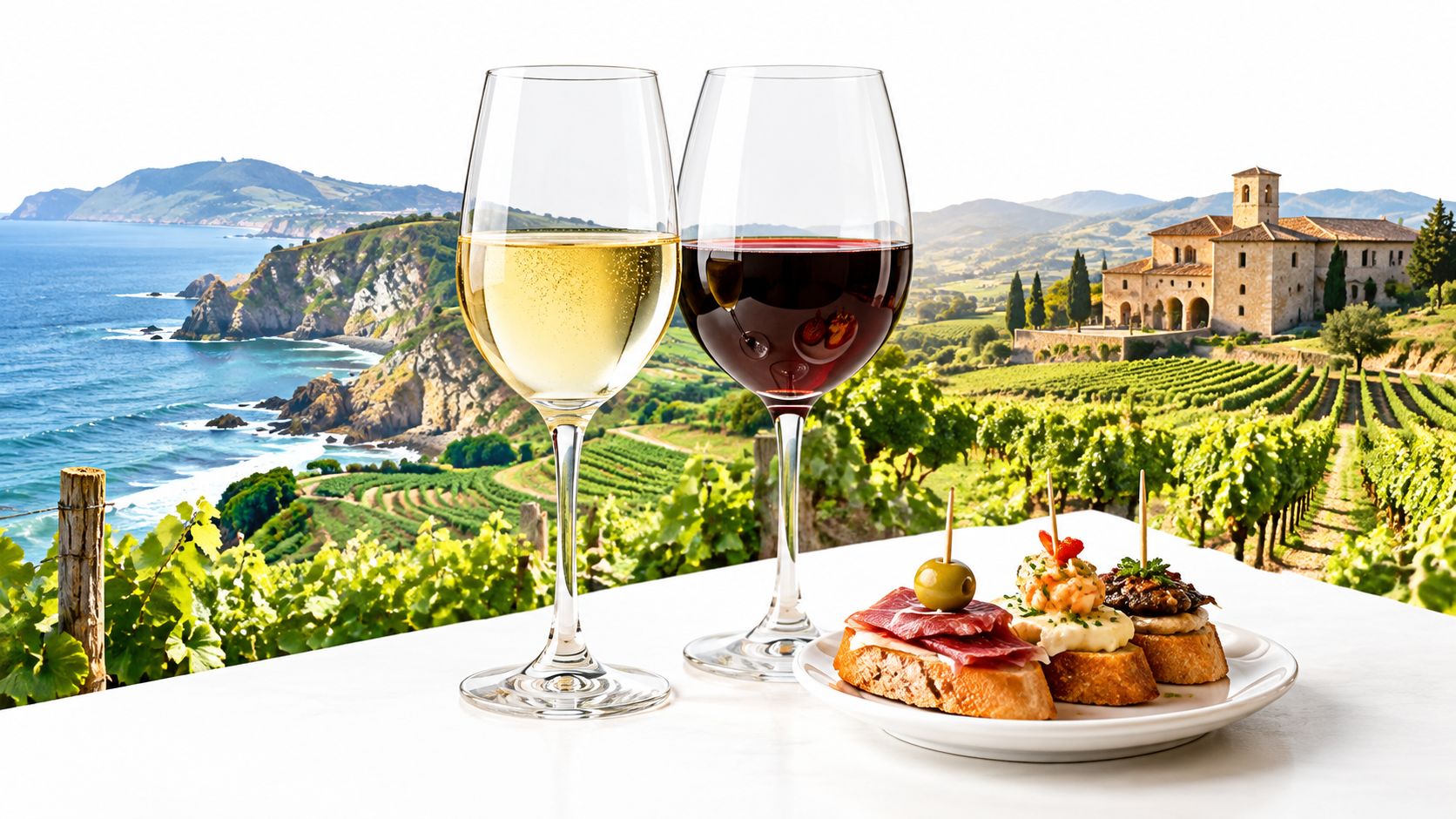
Getaria makes sense for travelers who want the best beaches to travel to in July and care as much about what is on the table as what is on the shoreline. The village is compact, the coast feels shaped rather than crowded, and txakoli, grilled fish, and a small-scale rhythm give the whole place a distinctly personal feel. It suits people who prefer depth over display.
The beach itself is only part of the appeal. The stronger draw is how easily a morning by the water turns into a tasting, then into lunch at a serious asador, then into an unhurried afternoon built around conversation and wine. That tight connection between sea, vineyard, and dining is what makes Getaria feel so complete.
For couples and small groups, the village works particularly well because the day can stay intimate from start to finish. A private guide who understands both wine and fish traditions can add real texture, especially for travelers who want the Basque Country's food culture in a coastal setting rather than in a city restaurant circuit. Self-guided travel can still work, but it usually misses the details that give the place its character.
July requires planning here. Restaurants and stays should be reserved early, because the village does not have much slack in high season. The reward is a stay that feels calm once everything is in place, with little friction between the beach, the table, and the walk back through town.
The strongest Getaria itinerary stays restrained. Beach, txakoli, grilled fish, a long lunch, then a quiet walk as the light fades.
Ideal use case
- Food-and-wine couples who want a destination rooted in terroir.
- Small celebration groups that want privacy and memorable meals.
- Travelers combining Getaria with San Sebastián to widen the culinary range.
Getaria also pairs naturally with San Sebastián and Laredo in a multi-stop coastal route. It gives you a different register of the Basque coast, one that feels more intimate and more explicitly tied to the sea.
7. Playa de Mundaka – Bohemian Basque Surf Village with White-Water Estuary
Mundaka suits travelers who want a beach destination with character and a bit of roughness around the edges. Surf is the headline, but that description leaves out the village's creative streak, its easygoing social rhythm, and the sense that people come here to live, not to perform for visitors. For couples and small groups, that makes the atmosphere feel real rather than curated.
A July stay works well because the days are long enough for a full outdoor rhythm, and the estuary gives the group options beyond the waves. One person can take a surf lesson while another heads out kayaking, and someone else can walk the shore or linger over lunch in town. That flexibility matters in a place like this, because the best trips here are built around choice, not fixed schedules.
The appeal also lies in what Mundaka does not try to be. It does not mimic San Sebastián, and that restraint gives it more personality. Galleries, summer events, and a casual dining pace create a setting that suits travelers who prefer local texture to polished symmetry. The food is honest, the mood is relaxed, and the village feels open to people who want to stay curious.
For active couples, Mundaka is an easy fit. Families do best when interests are mixed, since surfers, walkers, and culture-minded travelers can each pursue their own pace without splitting up the day entirely. A guide who knows the surf breaks and the local creative scene can make the experience far more specific, especially if you want a route that balances time on the water with time in the village.
Practical rule: In surf villages, reserve the activity first and the restaurant second. The best tables and the best conditions do not always line up with a standard lunch hour.
Good pairing options
- San Sebastián for a sharp contrast between surf energy and culinary polish.
- Estuary-focused activities for travelers in the group who do not want to surf.
- Photography walks at golden hour, when the coastline takes on more depth and texture.
Mundaka rewards travelers who are comfortable with a different version of luxury. Here, comfort comes from access to the water, an unforced pace, and a village identity that still feels lived in.
8. Playas de Llanes – Multi-Beach Coastal Town with Adventure Access
Llanes suits July travelers who want more than a standard beach stop. The town gives you several different beaches, a striking cliff line, and fast access to hiking country, so the day can shift from sea level to mountain air without feeling forced. For soft-adventure travelers who still care about good food and a comfortable base, that combination is hard to beat.
The advantage is choice. One shore can feel right on a breezy morning, another may work better once the light softens, and a third can suit a family group that wants calmer water and easier access. That flexibility is especially useful for private itineraries, because it lets the day respond to weather, energy, and who in the group wants to stay active. It also keeps a longer stay from feeling repetitive.
Llanes pairs naturally with the Picos de Europa, which gives the destination a different rhythm from the more purely coastal stops on this list. A morning by the water can lead into an afternoon hike, then a village dinner and an unhurried walk through the medieval quarter. That sequence works well for travelers who want variety without losing the thread of the day.
The practical luxury here is control. A private guide who knows both the coast and the mountains can help decide whether to hike, paddle, or stay close to town depending on conditions and energy levels. That makes Llanes a smart base for groups that want options without the friction of improvising every decision.
Best way to use Llanes
Start with the beaches, then shape the rest of the day around them. If the coast is the anchor, the hike becomes the contrast, and the village becomes the place to slow down.
- Rotate beaches during the stay. It keeps the experience visually and physically varied.
- Book hikes ahead in July. Summer is peak season for the mountains as well as the coast.
- Use the village for lunch and evening walks. That keeps the day coherent.
- Reserve adventure gear through your hotel. It is easier than arranging it piece by piece.
Llanes is a polished choice for active travelers who do not want to give up the beach. It is quieter than some coastal towns, but that restraint is part of its appeal.
9. Playa de Ribadesella – Prehistoric Cave Heritage Beach with Summer Festivals
Ribadesella works best for travelers who want their beach time to carry more texture. The draw is not just the sand and sea, but the way the town folds together heritage, local rhythm, and summer energy without feeling overbuilt. A July stay here suits people who prefer a place with substance, where a beach day can sit beside a cave visit and still leave room for a long dinner in town.
Tito Bustillo Cave gives Ribadesella a dimension many coastlines lack. For a private itinerary, that means the day can be shaped around a cultural anchor rather than built only around the tide. Families often appreciate that balance. Children who are comfortable with a cave visit get a very different kind of holiday, while adults gain a stop that feels layered and specific instead of generic.
The town's festival calendar changes the mood in useful ways. River descent events bring local energy into the trip, and the effect is strongest when the schedule leaves space for them instead of treating them as background noise. For luxury travel, that timing matters. One or two well-placed events can give the entire stay a stronger sense of place, especially when the rest of the route stays calm and well paced.
A pairing with nearby Llanes gives the coastline more range without adding much friction. Ribadesella contributes heritage and a lived-in Asturian center, while Llanes brings a different set of beaches and a slightly broader walking circuit. Photographers and culturally curious travelers tend to benefit from that combination, since the light, streets, and shoreline all work together rather than competing for attention.
Ribadesella also rewards travelers who do less in a day. One beach afternoon, one cave visit, and one good meal in town will usually feel more satisfying than trying to pack in every available activity. The town has enough character to hold a slower rhythm, and that restraint is part of why it feels polished without being showy.
The smartest Ribadesella itineraries leave space for an unhurried beach afternoon. The cave visit and the festival energy are stronger when the day is not overpacked.
Considerations that matter
- Reserve cave tours early. Access is limited, and English-language tours are less common.
- Plan festival week carefully. Accommodation availability becomes much tighter.
- Use it as a cultural anchor. It works better as part of a route than as a standalone resort stay.
- Keep the pace relaxed. Too much movement defeats the point of the town.
Ribadesella suits travelers who want a beach trip with intellectual depth and a clear sense of place, without giving up leisure.
10. Playas del Cantábrico Bay, Cantabrian Coast Overview
A multi-beach route across the Cantabrian and Basque coasts is often the best answer for travelers who don't want to choose just one mood. July beach travel then becomes a portfolio, not a single booking. San Sebastián, Zarautz, Getaria, Mundaka, Laredo, Llanes, Ribadesella, and Gijón all work differently, and the right combination depends on whether the trip is built around food, family, culture, or soft adventure.
The value of a regional itinerary is pacing. Instead of overspending energy on one famous destination, you can move through a sequence of places that each deliver something distinct. A few nights in San Sebastián satisfy the culinary brief. A quieter stop in Getaria adds wine and coastal intimacy. Llanes and Ribadesella introduce mountain access and cultural variety. Gijón brings a more urban, artsy edge.
This kind of route is especially effective for high-end travelers because it allows private drivers, boutique hotels, and carefully timed reservations to do real work. A good itinerary keeps driving legs modest, avoids exhausting backtracking, and leaves enough space for beach mornings and long meals. That is what turns a scenic coastal drive into a luxury trip.
The same logic explains why a Mediterranean extension can still make sense. If a group wants warmer swimming water after several Atlantic days, Nerja or another southern stop can provide that contrast cleanly. The broader point is that July beach travel in Spain doesn't need to be a single-region decision. It can be a thoughtfully sequenced one.
The most effective route styles
- Culinary-first route. San Sebastián, Getaria, Zarautz.
- Family-balanced route. Laredo, Llanes, Ribadesella, Gijón.
- Active coastal route. Mundaka, Llanes, Ribadesella.
- Mixed luxury route. San Sebastián, Getaria, Gijón, then a southern extension if desired.
For affluent travelers and advisors, this is often the strongest model because it avoids the false choice between beach, food, and culture. Northern Spain lets you have all three, if you plan the movement carefully.
Top 10 July Beaches Comparison
| Destination | 🔄 Implementation Complexity | 💡 Resource Requirements | ⭐ Expected Outcomes | 📊 Ideal Use Cases | ⚡ Key Advantages |
|---|---|---|---|---|---|
| San Sebastián (Donostia) – The Culinary Capital Beach | High, advanced Michelin & beachfront bookings required | High, concierge, private guides, Michelin reservations, luxury hotels, yacht access | ⭐⭐⭐⭐⭐ World-class gastronomy + refined seaside leisure | Food & Wine Lovers; HNW couples; private groups | ⚡ Unrivaled culinary scene, elegant promenade, exclusive beach clubs |
| Playa de Zarautz – Bohemian Beachside Village | Moderate, advance dining & boutique hotel booking advised | Medium, beachfront restaurants, surf schools, boutique stays | ⭐⭐⭐⭐ Strong seafood culture + relaxed surf vibe | Couples; food-focused travelers; surfers | ⚡ Long sandy beach, authentic fishing-village charm, better value than big cities |
| Playa de Laredo – Family-Friendly Cantabrian Charm | Low–Medium, family logistics and excursion planning | Medium, family hotels, transfers to Picos de Europa, kid services | ⭐⭐⭐⭐ Calm, safe beach days + nature excursions | Multigenerational families; soft-adventure travelers | ⚡ Huge sandy beach, calm shallow waters, excellent value |
| Playa de Gijón – Historic Port City Beach | Moderate, cultural itinerary needs a local guide for depth | Medium, museums, cultural guides, affordable boutique hotels | ⭐⭐⭐⭐ Cultural immersion with beach leisure | Cultural travelers; creative/bohemian visitors; families | ⚡ Authentic port-city character, festivals, strong value |
| Playa de Nerja – Andalusian East Coast Alternative | Moderate, requires add-on travel logistics (flight/drive) | Medium, cave concert tickets, villas/hotels, private boats | ⭐⭐⭐⭐ Mediterranean warmth + unique cave concerts | Couples; families seeking warmer water; itinerary extensions | ⚡ Much warmer waters, Nerja Caves concerts, varied coves |
| Playa de Getaria – Coastal Wine Village | High, very limited rooms and Michelin-asador availability | High, txakoli appointments, Michelin bookings, specialist guides | ⭐⭐⭐⭐⭐ Exceptionally intimate food & wine experiences | Food & Wine Lovers; HNW couples; small private groups | ⚡ Michelin grilling tradition + doorstep vineyard tastings, extreme authenticity |
| Playa de Mundaka – Bohemian Surf Village | Moderate, surf-season bookings and small-village logistics | Medium, surf coaching, boutique guesthouses, cultural guides | ⭐⭐⭐⭐ World-class surf + bohemian cultural authenticity | Soft-adventure travelers; surfers; creative groups | ⚡ Legendary wave, estuary landscapes, vibrant artist community |
| Playas de Llanes – Multi-Beach Coastal Town | Moderate, coordinate beaches + Picos excursions | Medium, adventure guides, equipment rentals, boutique stays | ⭐⭐⭐⭐ Balanced beach + mountain activity mix | Active couples; families; soft-adventure groups | ⚡ Multiple beaches, direct Picos access, varied activity options |
| Playa de Ribadesella – Prehistoric Cave Heritage Beach | Moderate–High, cave tour and festival timing critical | Medium, UNESCO cave reservations, festival planning, guides | ⭐⭐⭐⭐ Cultural and educational beach experience | Families; culturally-curious travelers; festival-goers | ⚡ Tito Bustillo cave access, Sella River festival, authentic atmosphere |
| Playas del Cantábrico Bay (Regional Itinerary) | Very High, multi-stop logistics and transfer coordination | High, private transfers, region-wide bookings, multi-reservations | ⭐⭐⭐⭐⭐ Highly varied, bespoke regional experience | Tailored groups; HNW clients; food, culture & adventure seekers | ⚡ Flexible multi-destination variety, combines best beaches, wine, caves and mountains |
Designing Your Perfect Northern Spain Beach Journey
Choosing the right beach in July is really about choosing the right rhythm. Some travelers want the composed elegance of San Sebastián, where the beach sits alongside some of Spain's most serious dining. Others want Zarautz or Getaria, where the day can revolve around seafood, surf, and village life. Families often do better in Laredo or Llanes, where the beaches are more spacious and the pace gives everyone room to breathe. Travelers who want cultural depth should look hard at Gijón or Ribadesella, while active, offbeat clients often connect more naturally with Mundaka.
The biggest mistake I see is overfocusing on scenery and underestimating pacing. In July, the right destination is the one that makes your whole day feel easy. That means checking how you'll move between beach, lunch, hotel, and evening plans. It also means thinking about whether you want a city beach, a village beach, a surf beach, or a multi-stop coastal route that gives you more variety than any single place can provide.
For luxury travelers, booking timing matters as much as destination choice. The best July experiences are usually gone first, especially in the headline food destinations and on the limited-capacity cultural experiences. If you want a private guide, a reserved restaurant table, or a boutique hotel with the right location, plan early and treat the coast as a designed sequence rather than a loose list of stops.
The strongest itineraries in northern Spain usually combine several forms of pleasure. A beach morning. A proper lunch. An evening walk. Maybe a winery, a market, or a cave visit. That structure gives the trip shape without making it rigid, and it's the difference between a nice beach holiday and one that feels just for you.
If you're ready to turn one of these beaches into a fully private itinerary, Northern Spain Travel can design it around your pace, your priorities, and your preferred style of luxury. Start with the coast, then let us build the rest, from boutique stays and private drivers to wine tastings, culinary reservations, and cultural access that fits July 2026 perfectly.
Northern Spain Travel designs fully private coastal journeys for discerning travelers who want more than a hotel and a beach. Visit Northern Spain Travel to start planning a bespoke July itinerary with the right hotels, guides, dining, and transfers already secured.