Bilbao is more than a city break with a famous museum. It's one of northern Spain's most effective bases for reaching coastal villages, culinary centers, wine country, and mountain terrain without turning every excursion into a major relocation. San Sebastián sits about 1 hour 15 minutes away by motorway, San Juan de Gaztelugatxe is roughly 45 minutes away, and Rioja lies about an hour south, according to regional day-trip guidance from The Basque Way.
That geography makes the right Bilbao day trip a question of priorities, not popularity. Food lovers should head east toward San Sebastián or Getaria. Wine travelers have a choice between Rioja's cellar culture and Navarra's medieval heritage. Families may prefer the coast or Bilbao's museums, while active travelers need to balance mountain access against weather, walking ability, and return-time fatigue.
The recommendations below compare realistic half-day and full-day plans, transport choices, seasonal timing, private upgrades, and suitability for multigenerational groups. Some destinations work beautifully as a day trip. Others are better treated as the centerpiece of a slower overnight journey.
Table of Contents
- 1. San Sebastián Donostia for Culinary Prestige and Coastal Elegance
- 2. Getaria and Zarautz for Txakoli and Fishing Heritage
- 3. Rioja for Private Cellars and Architectural Wineries
- 4. Picos de Europa for Soft Adventure with Comfort
- 5. Guggenheim Museum and Bilbao's Contemporary Art for Cultural Prestige
- 6. Navarra and Pamplona for Wine, Heritage, and Local Character
- 7. The Green Coast for Maritime Character and Coastal Scenery
- 8. Pyrenees Mountains for Alpine Scenery and Outdoor Luxury
- 9. Bilbao City and Casco Viejo for Urban Culture and Gastronomy
- 10. Regional Logistics, Seasonality, and Booking Guidance
- Bilbao Day Trips: Top 10 Comparison
- Turn the Shortlist into a Seamless Journey
1. San Sebastián Donostia for Culinary Prestige and Coastal Elegance
San Sebastián is the strongest choice for travelers who want culinary prestige without sacrificing beauty. The city combines Atlantic beaches, Belle Époque architecture, an atmospheric Old Town, and a dining culture that rewards both careful planning and relaxed exploration. It's also close enough to Bilbao for a demanding but rewarding full day, with the motorway journey taking about 1 hour 15 minutes according to The Basque Way's Bilbao day-trip guide.
A practical full-day plan starts with a morning arrival and a walk around La Concha Bay. Continue through Parte Vieja before lunch, then choose between a long restaurant meal or a private pintxo crawl. The best version doesn't try to combine every beach, viewpoint, and restaurant. It protects time for conversation, local specialties, and a late return to Bilbao.
Practical rule: Treat San Sebastián as a food-led itinerary, not a sightseeing checklist.
A private pintxo crawl with a Michelin-trained guide gives couples a more intelligent introduction to the Old Town than moving from bar to bar without context. Families can keep the pace lighter with La Concha, the historic center, and welcoming pintxo establishments. For a deeper culinary route, combine San Sebastián with Getaria or a txakoli producer, but that requires a private driver and a full day.
Book acclaimed restaurants well in advance, especially if the itinerary includes a destination dinner. A bespoke upgrade can include a market visit with a private chef, a cooking session, a sommelier-led meal, and a curated introduction to Basque cuisine, pintxos, and Michelin-star dining. September is a particularly attractive period for travelers seeking milder weather, a calmer atmosphere, and the beginning of the culinary season.
2. Getaria and Zarautz for Txakoli and Fishing Heritage
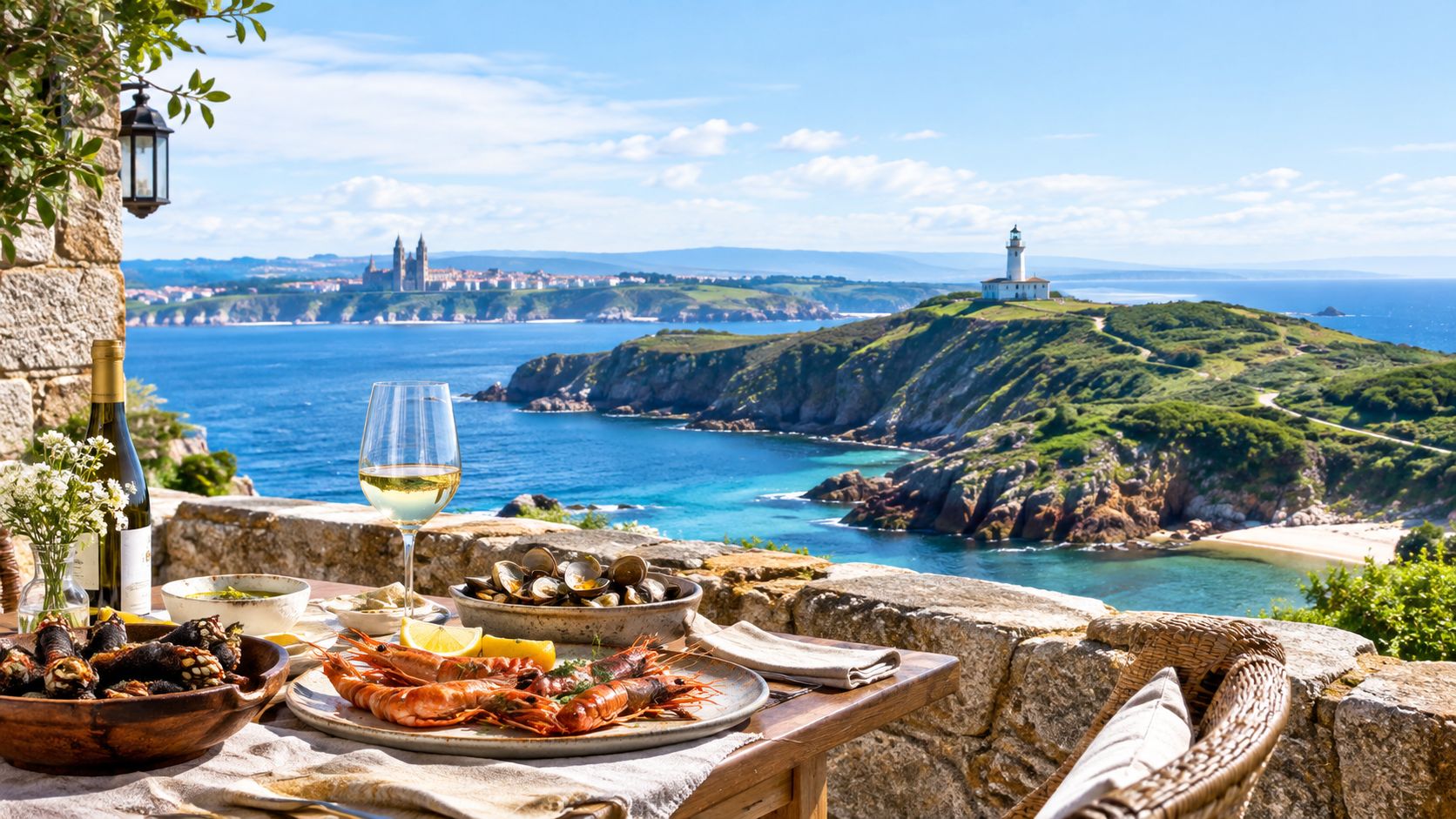
Getaria and Zarautz suit travelers who want white wine, seafood, and village character rather than a major urban attraction. The two coastal towns create a coherent full-day excursion, with vineyards, headlands, beaches, and fishing traditions packed into a manageable route. They're especially appealing to couples and small private groups who value a local producer over a large commercial tasting room.
Start in Zarautz with a coastal walk and time on the beach if weather allows. Continue to Getaria for its harbor, narrow streets, and a long seafood lunch. A private txakoli tasting can then anchor the afternoon, ideally with a vineyard walk and a conversation about the region's distinctive white wine. The route works as a half day if you focus on Getaria and one bodega, but a full day feels more natural.
Choose access over volume
Family-run bodegas often operate on a small scale, so arrange visits in advance and ask for a private appointment rather than assuming walk-in access. A strong itinerary might include one producer, a guided tasting, and lunch featuring the local catch. Visiting several wineries can sound impressive, but too many stops reduce the time available for the villages and coastline.
Getaria's restaurants deserve advance planning, particularly when the meal centers on grilled whole fish. Pack layers because Atlantic weather can change quickly, and check tide conditions before committing to a coastal walk around El Peñón. The walk is more enjoyable when the route, footwear, and tide are aligned.
September and October bring harvest interest and a more immersive wine context. A private driver is the best option from Bilbao, particularly when the day includes wine tasting and a long lunch. Advisors can also combine the coast with a cider-house experience or extend the journey toward Rioja, though that becomes a demanding multi-stop day. For historical context and route ideas, consult Getaria's coastal paths and vineyards.
3. Rioja for Private Cellars and Architectural Wineries
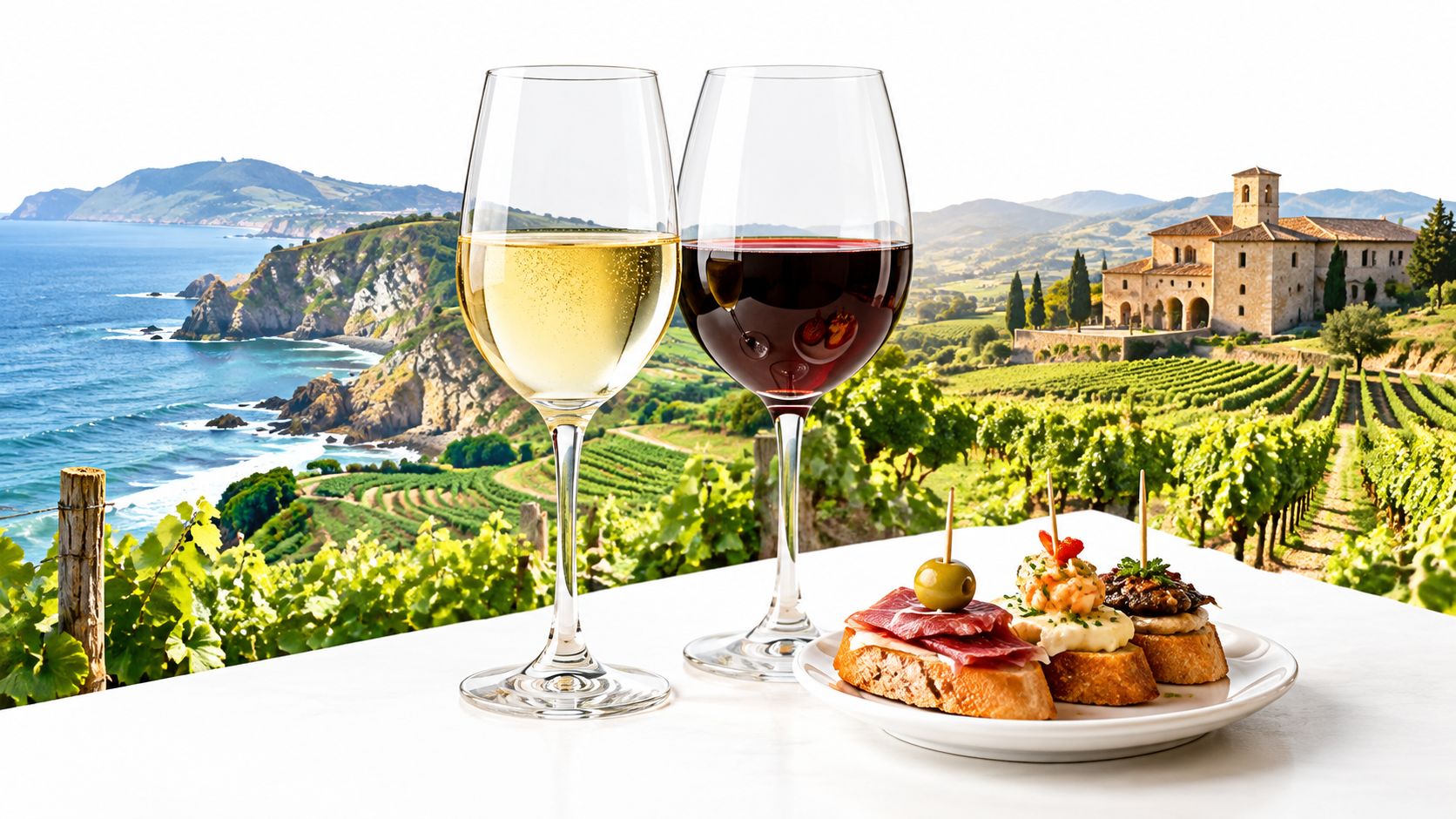
Rioja is the clear recommendation for travelers whose priority is serious wine access. The region pairs vineyard-covered hills and Tempranillo-based reds with medieval towns, family producers, architectural wineries, and long lunches. Bilbao's position makes a day trip feasible, but the experience improves sharply when the itinerary has room for unhurried tastings and a proper meal.
A full-day plan should begin with a private driver and a carefully selected bodega visit. Follow with a second appointment chosen for contrast, perhaps a family cellar after an architectural winery, then pause for lunch before an afternoon tasting or village walk. The quality of the schedule matters more than the number of wineries. Three rushed appointments will feel less luxurious than two well-matched visits with time to ask questions.
Wine days should never depend on the client driving between tastings.
A private sommelier or wine educator can translate the region's styles, aging decisions, and vineyard differences into an accessible narrative. The premium version includes a behind-the-scenes cellar visit, a meeting with a winemaker, a vertical tasting, and assistance arranging purchases and shipping. Travelers interested in design can include wineries such as Ysios or Marqués de Riscal, while those seeking intimacy should prioritize smaller family producers.
September and October are the most compelling months for harvest-related access, including grape-picking or fermentation observations where available. Those experiences require advance planning, and the most sought-after appointments should be secured early. If the itinerary includes several tastings, a private driver is essential.
For couples who want to slow down, Laguardia makes a better overnight base than Bilbao. A medieval-town walk, an early vineyard morning, and a relaxed dinner create a more coherent wine journey than returning late after a compressed excursion. The planning principles behind this kind of route are outlined in this guide to bespoke Rioja wine tours.
4. Picos de Europa for Soft Adventure with Comfort
The Picos de Europa reward travelers who want mountain drama without giving up a refined itinerary. Limestone peaks, gorges, villages, cable-car viewpoints, and regional gastronomy create a strong contrast with Bilbao's urban culture. The trade-off is distance and weather. This is not the destination to choose when the group has limited time or wants a guaranteed low-effort day.
For a gentle outing, use a private vehicle and focus on a scenic viewpoint, a cable-car experience where operating conditions permit, and lunch at a mountain restaurant. Add a village stop such as Cangas de Onís for history and atmosphere. This approach works for multigenerational families because the day can deliver dramatic scenery without committing everyone to a demanding trail.
Active travelers can work with a private mountain guide on a longer route, including the Ruta del Cares for groups prepared for a substantial walk. The guide should adapt the route to weather, mobility, and confidence rather than treating a named trail as mandatory. A picnic, a cheese-producer visit in Cabrales, or a village meal adds local character without turning the day into an endurance exercise.
Plan for the mountains, not the forecast
Mountain conditions can shift rapidly, so every itinerary needs layers, appropriate footwear, and a fallback plan. September and October offer appealing conditions for travelers seeking clearer weather and autumn color, while May and June bring spring scenes and longer daylight. Early starts improve the experience on active days and leave more flexibility if conditions change.
A private mountain guide adds safety and interpretation, particularly for visitors unfamiliar with the terrain. Families should contact small dairy producers in advance, especially when they want a personal visit rather than a standard retail stop. If the Picos appeal strongly, stay overnight instead of forcing the range into a rushed return journey. An additional coastal day around Llanes or Ribadesella can create a satisfying mountain-and-sea circuit.
5. Guggenheim Museum and Bilbao's Contemporary Art for Cultural Prestige
For cultural prestige without a long transfer, choose the Guggenheim. It is Bilbao's strongest international tourism draw, receiving 1,301,343 visitors in 2024, just under 2% below its 2023 record, according to the Guggenheim Museum Bilbao's 2024 visitor release. The museum gives travelers a focused art program while keeping the rest of the day flexible.
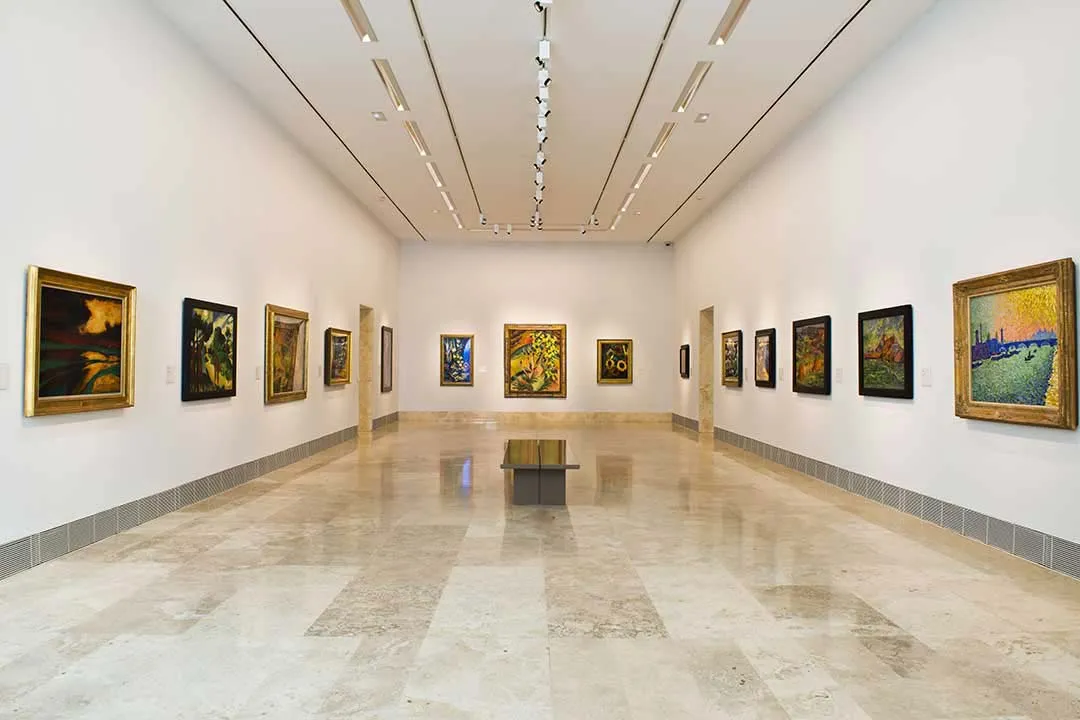
Allow a half day for the galleries, Frank Gehry's building, and the riverfront setting. Add lunch at Nerua, then cross into Casco Viejo for a different view of Bilbao's character. This plan works particularly well in wet weather, when a coastal excursion becomes less comfortable. Families can shorten the museum visit and continue with pintxos, while art-focused guests can give the exhibitions more time.
A private museum guide is a strong upgrade for first-time visitors, collectors, and teenagers who need context rather than a room-by-room summary. Luxury travelers can request a curator-led or specially arranged experience, subject to availability. Architecture-focused clients should consider a guided Gehry discussion followed by a photography-oriented walk. Families usually get more from a concise gallery visit paired with an informal meal.
Use timing to protect the experience
Book an early morning or late afternoon entry for a calmer rhythm, especially during summer and major events. Confirm photography rules before arranging a dedicated shoot. If the museum anchors the itinerary, reserve admission and dining before arrival, then leave the rest of the day deliberately light.
Public transport and walking are sufficient for a half-day visit, but a private driver suits guests combining the museum with a longer Bilbao program or a polished lunch reservation. Allow a full day only when adding Casco Viejo, a second cultural stop, or an architecture tour. The Guggenheim is a dependable choice in uncertain weather, though travelers seeking open views should choose a coast or mountain excursion instead when conditions are favorable.

6. Navarra and Pamplona for Wine, Heritage, and Local Character
Navarra suits travelers who want wine paired with history, rather than a wine itinerary alone. The route can combine family bodegas, medieval Olite, local dining, and Pamplona's cultural identity. It's a full-day commitment from Bilbao, so it makes sense for returning visitors or clients who've already covered the city's principal sights.
Begin with Olite, where the medieval setting gives the day an immediate sense of place. Continue to a private bodega appointment in the surrounding wine country, then arrange lunch around local products and regional wines. A sommelier-guide can connect the tasting to Navarra's Garnacha and white-wine traditions while keeping the experience accessible to guests who aren't specialists.
Keep Pamplona purposeful
Pamplona adds cultural depth, but it shouldn't be treated as an obligation after a long wine program. Choose either a focused historical walk through the old city or a more wine-centered route with Olite and a producer. Trying to include every attraction creates a long day with little time for the meals and conversations that make the region distinctive.
Smaller wineries may offer more flexibility than famous estates, but they still need advance coordination. Harvest visits in September can include grape work or fermentation observation when arranged ahead of time. A private driver allows the group to taste responsibly and eliminates the stress of navigating unfamiliar rural roads.
San Fermín requires a separate planning approach. VIP hospitality and preferred access must be organized through an experienced luxury agency, with planning commonly needed 4–6 months in advance, as reflected in the supplied regional planning guidance. Travelers should never attempt an improvised visit during the festival. For most clients, Navarra is better as a carefully paced wine-and-heritage day or an overnight extension.
7. The Green Coast for Maritime Character and Coastal Scenery
The Green Coast is the right choice for travelers drawn to working harbors, beaches, sea cliffs, and seafood. Routes through Cantabria and Asturias feel less polished than a classic resort circuit, which is precisely their appeal. The experience depends on weather, driving comfort, and a willingness to let the coast set the pace.
A coastal half day can focus on Llanes, with a harbor walk, beach time, and a seafood lunch. A full-day route can continue toward Ribadesella or Cudillero, adding a light coastal walk and a cider-house visit. For families, choose short promenades, a flexible lunch, and a village with enough space for different generations to explore independently.
The coast is at its best when you leave room for weather to change the plan.
May and June, or September and October, are strong periods for combining outdoor time with quieter villages. July and August bring a busier family atmosphere, so travelers seeking privacy should avoid building the itinerary around the most popular beaches at peak times. Atlantic fog may lift later in the morning, making a slightly later coastal start more comfortable.
A private driver is the most practical choice because the best stops are spread along the shoreline and public transport won't provide the same flexibility. Arrange harbor-view dining and reserve cider houses for groups. Travelers interested in local life can ask a concierge to arrange an early fish-market visit, but the day should then start early and remain focused.
The strongest upgrade is a two-night base in Llanes, with a private chef dinner, beach walks, and a selected section of the coastal route. Combine the coast with the Picos de Europa for a mountain-and-maritime itinerary, but don't force both into a single day unless the group accepts substantial time on the road.
8. Pyrenees Mountains for Alpine Scenery and Outdoor Luxury
The Pyrenees are a strong fit for active luxury travelers who want altitude, space, and comfortable support. They're less suitable as an improvised day trip from Bilbao because mountain access rewards a slower approach. Couples with a particular interest in hiking, photography, or alpine scenery should consider an overnight base rather than a long return drive.
A lighter plan uses a cable car or mountain access point where available, followed by a guided alpine walk and a picnic or mountain lunch. This format gives guests scenery without committing to a strenuous route. A more active full day can focus on a guided trail in the Ordesa area, with the route selected around fitness, conditions, and the group's appetite for elevation.
Let the guide control the variables
A professional mountain guide provides route judgment, weather awareness, and interpretation. That matters in terrain where conditions can shift quickly and where a trail's difficulty feels different across age groups. Pack waterproof layers, sun protection, and sturdy footwear even when the lowland forecast looks comfortable.
September and October are attractive for clearer conditions and autumn scenery, while May and June bring spring views and longer daylight. Begin active days early, particularly when the itinerary includes photography or a longer walk. The early start also gives the guide more flexibility to alter the route if weather deteriorates.
The best private version uses a mountain lodge or boutique base, a guide for daily activities, and meals designed around regional produce. Add sunrise photography or a private chef dinner instead of filling every hour with movement. For multigenerational groups, divide the day into optional tracks, allowing active guests to hike while others enjoy a scenic drive and a leisurely meal.
If the Pyrenees are a central reason for visiting northern Spain, make them a destination in their own right. Bilbao works better as the opening or closing city than as the base for an ambitious alpine schedule.
9. Bilbao City and Casco Viejo for Urban Culture and Gastronomy
Not every traveler needs to leave Bilbao. The city itself is the best day-trip choice for guests who prefer short transfers, cultural variety, and a flexible pace. Bilbao recorded 1,240,007 arrivals and 2,465,033 overnight stays in hotels and tourist apartments in 2024, according to Bilbao Ekintza's 2024 tourism report. The figures reflect a substantial visitor base, not a city used only as a quick stop between larger destinations.
A well-designed city day can begin at the Museo de Bellas Artes, continue with a relaxed lunch in Casco Viejo, and finish with a river walk or contemporary gallery visit. Another option is a morning Guggenheim visit followed by the medieval quarter, then an evening pintxo route and a carefully reserved dinner. The city's contrast between post-industrial architecture, historic streets, and modern dining is more rewarding when guests aren't rushing to a distant attraction.
Make the city work for different generations
Grandparents may prefer a shorter walking circuit with seated stops, while teenagers can focus on architecture, art, or food. A private guide can adjust the route in real time and prevent the day from becoming a lecture. Families should build in a proper meal rather than relying on constant snacking, especially when the afternoon includes museum time.
Bilbao is also the most practical logistics hub for regional excursions. Bilbao's public transport guidance describes Bilbaobus service across 35 lines, generally operating from roughly 06:00–07:00 until 22:00–23:00, with typical headways of 10–30 minutes. Night-bus routes run every 30 minutes from 23:00 until about 02:00–02:30 on Fridays, and throughout Saturday nights, according to the same source.
That network can support independent city movement, but private vehicles remain preferable for rural day trips, luggage, and groups with limited mobility.
10. Regional Logistics, Seasonality, and Booking Guidance
The best Bilbao day trips fail when logistics are treated as an afterthought. A coastal route can be undermined by rain, a wine day by driving responsibilities, and a mountain itinerary by an unrealistic return schedule. Luxury planning means protecting the experience from those predictable problems.
Use the city as a hub when the group values restaurant access, museum time, and evening flexibility. Choose a private vehicle for rural coastlines, wine country, and mountain routes. Bilbao's airport has no metro connection, and the Bizkaibus A3247 is the principal public option, while the Barik card supports integrated transit use, as explained in this practical Bilbao transport guide.
Match planning time to the experience
- Reserve San Sebastián dining early: Top restaurants may require 4–6 months of planning, based on the supplied regional booking guidance.
- Secure Rioja appointments ahead: Important bodegas should be approached around 6–8 weeks in advance, while harvest experiences need more preparation.
- Use specialists when expertise matters: Private sommeliers improve wine interpretation, and mountain guides improve route selection and safety.
- Pack for Atlantic conditions: Waterproof layers and adaptable clothing are essential on the coast and in the mountains.
- Plan wine transport properly: Include a private driver and arrange shipping for purchases rather than carrying bottles through multiple transfers.
Seasonality should shape the route. San Sebastián and the Basque coast can work well outside the busiest summer period. Picos and Pyrenees itineraries are especially attractive in September and October or May and June, while the Green Coast suits May and June or September and October. Always add weather flexibility to coastal walks and mountain days.
For accommodation planning beyond hotels, this Spain vacation homes guide can help advisors consider residential options for families and private groups.
Bilbao Day Trips: Top 10 Comparison
| Destination | 🔄 Implementation complexity | 💡 Resource requirements | ⭐📊 Expected outcomes / Impact | Ideal use cases | ⚡ Key advantages |
|---|---|---|---|---|---|
| San Sebastián (Donostia) – Culinary Capital & Coastal Elegance | 🔄 High, advanced reservations; seasonal crowd management | 💡 High, private driver, concierge, 4–6 month restaurant bookings, luxury hotels | ⭐⭐⭐⭐⭐ / 📊 World‑class culinary immersion; high client satisfaction | Food & Wine lovers; HNW couples; bespoke gastronomic journeys | ⚡ Exceptional Michelin dining, compact walkable Old Town |
| Getaria & Zarautz – White Wine Villages & Fishing Heritage | 🔄 Medium, small‑scale bodega scheduling, village logistics | 💡 Moderate, private driver, 2‑week bodega notices, modest lodging | ⭐⭐⭐⭐ / 📊 Intimate txakoli tastings; authentic village experiences | Wine enthusiasts; active luxury travelers; half‑day/full‑day excursions | ⚡ Intimate family bodegas; better value than city centers |
| Rioja Wine Region – World‑Class Vineyards & Cellar Experiences | 🔄 Medium–High, top bodega lead‑times, vineyard routing | 💡 High, private sommelier/guide, driver, 6–8 week bookings | ⭐⭐⭐⭐⭐ / 📊 Deep wine education; VIP cellar access and harvest options | Wine‑focused luxury travelers, collectors, VIP events | ⚡ Vast bodega choice; immersive harvest and vertical tastings |
| Picos de Europa – Mountain Majesty & Soft Adventure | 🔄 Medium, mountain timing, safety planning, early starts | 💡 Moderate, private mountain guide, lodge stays, layered gear | ⭐⭐⭐⭐ / 📊 Dramatic scenery and active experiences; strong visual impact | Soft‑adventure travelers; multigenerational active families | ⚡ Accessible alpine drama with fewer crowds than major Alps |
| Guggenheim Museum & Contemporary Art Scene – Bilbao | 🔄 Low–Medium, VIP tours require advance arrtngmnts | 💡 Moderate, tickets, VIP tour fees, curator access for collectors | ⭐⭐⭐⭐ / 📊 High cultural prestige; architectural highlight in Bilbao | Art & architecture collectors; cultural connoisseurs; VIPs | ⚡ Iconic architecture, easy urban access, arrangeable after‑hours |
| Navarra Wine Region & Pamplona – Culinary & Cultural Heritage | 🔄 Medium, festival and bodega coordination (when applicable) | 💡 Moderate, guide/sommelier, festival VIP bookings need months | ⭐⭐⭐⭐ / 📊 Cultural + wine diversity; less crowded than major routes | Wine & culture explorers; San Fermín VIP guests; medieval town tours | ⚡ Medieval towns, Garnacha value, accessible bodegas |
| Green Coast (Costa Verde) – Atlantic Fishing Villages & Coast | 🔄 Medium, weather contingency planning; coastal routing | 💡 Moderate, private driver, waterproof gear, flexible timing | ⭐⭐⭐⭐ / 📊 Authentic maritime culture; excellent seafood and coastal walks | Soft‑adventure families; seafood lovers; coastal photographers | ⚡ Genuine fishing villages, excellent value, accessible walks |
| Pyrenees Mountains – Alpine Scenery & Outdoor Luxury | 🔄 Medium–High, longer transfers, safety & altitude considerations | 💡 High, mountain guide, lodge reservations, multi‑day logistics | ⭐⭐⭐⭐ / 📊 Dramatic alpine vistas; immersive outdoor luxury | Multi‑day outdoor immersions; photographers; active HNW couples | ⚡ Alpine grandeur with fewer crowds; cable cars for access |
| Bilbao City & Casco Viejo – Urban Culture & Gastronomy | 🔄 Low, compact urban logistics | 💡 Low, walkable; dining reservations advisable | ⭐⭐⭐⭐ / 📊 Dense cultural and culinary hub; ideal logistics base | Cultural connoisseurs; travelers using Bilbao as regional base | ⚡ Convenient transport links; strong mix of museums and pintxos |
| Regional Logistics, Seasonality & Booking Guidance | 🔄 High, coordinating lead‑times, seasonality, transport | 💡 High, concierges, private drivers, guides, advanced bookings | ⭐⭐⭐⭐ / 📊 Maximizes access and reduces friction for HNW groups | Travel advisors; luxury planners; multigenerational trip organizers | ⚡ Essential planning framework; aligns expectations and access |
Turn the Shortlist into a Seamless Journey
Choose San Sebastián or Getaria when the trip revolves around food, seafood, txakoli, and the pleasure of a long coastal lunch. San Sebastián delivers the broader culinary and cultural experience, while Getaria and Zarautz offer a more intimate combination of fishing heritage, vineyards, and Atlantic scenery. Both work well for couples, food-focused travelers, and families who want a destination with strong dining but enough open-air space.
Select Rioja or Navarra when wine and heritage lead the itinerary. Rioja offers the deeper cellar culture and stronger concentration of architectural wineries, while Navarra creates a more varied day through Olite, Pamplona, family producers, and medieval scenes. Neither region should be reduced to a series of tastings. A private driver, an informed wine professional, and time for lunch determine whether the day feels curated or merely busy.
The Green Coast is the best match for maritime character and flexible outdoor time. It suits travelers who enjoy fishing villages, harbor restaurants, beaches, and light walking, particularly when the weather allows the route to breathe. Picos de Europa and the Pyrenees serve active luxury travelers, but they demand more discipline. Check mobility, footwear, weather tolerance, and the group's willingness to spend time on the road before confirming a mountain excursion.
Bilbao itself remains the smartest choice when the group has limited time, variable mobility, or a strong interest in art and gastronomy. The city offers a reliable cultural day, excellent dining, and straightforward logistics. It also provides a useful launch point for a longer private journey through the Basque Country, La Rioja, Navarra, Cantabria, Asturias, and the Pyrenees.
Travel advisors should weigh five practical questions before confirming the route:
- How much time is available: A half day favors Bilbao's museums or a nearby coastal stop. A full day opens San Sebastián, Getaria, Rioja, or the Green Coast.
- How much driving is acceptable: A private driver protects flexibility, but distant mountain routes may be better as overnight experiences.
- What weather can the group tolerate: Coast and mountains need buffers, layers, and alternative plans.
- Which reservations matter most: Fine dining, private wineries, harvest access, and specialist guides all require advance coordination.
- What pace suits the travelers: Affluent couples often prefer fewer stops and longer meals, while multigenerational families need optional activities and easy transitions.
Northern Spain Travel can shape these decisions into a fully private itinerary, using drivers, local guides, chefs, winemakers, boutique hotels, and carefully selected access across the region. Its Bilbao-related planning includes a private journey built around art, architecture, the historic quarter, the Guggenheim, and Basque flavor. The agency also provides on-the-ground support for travelers who want to combine city culture with wine, coast, gastronomy, or soft adventure without managing each transfer themselves.
Bilbao day trips work best when they reflect the traveler rather than a generic list of attractions. Start with the motivation, protect the pace, and let the route follow the experience you want to remember.
Northern Spain Travel designs fully private, tailor-made journeys through Bilbao, the Basque Country, Rioja, Navarra, the Atlantic coast, and the mountains, with private drivers, expert guides, chefs, winemakers, boutique hotels, and local support. Visit Northern Spain Travel to begin planning a Bilbao-based itinerary shaped around your preferred pace, interests, and level of access.