The popular advice is simple: wait for the biggest red wine discount and buy before the offer expires. That advice is useful only if you care more about the percentage on the screen than the wine in the glass. A bottle marked down by half can still be poor value when its provenance is unclear, its vintage is weak, or shipping turns the apparent bargain into an expensive inconvenience.
For serious buyers, true value sits at the intersection of liquid quality, documented storage, scarcity, and total delivered cost. The right red wine offers can uncover exceptional bottles, but the best opportunities rarely look like desperate clearance. They're often quiet allocations, direct releases, library parcels, seasonal campaigns, or mixed cases assembled around a specific producer or region.
Table of Contents
- The Reality of Red Wine Discounts and Market Shifts
- Where to Source Premium Red Wine Allocations
- Evaluating Provenance and Vintage Variation
- Calculating the True Delivered Cost of Wine Offers
- Strategies for Bulk Purchases and High-End Gifting
- Building a Private Sourcing Pipeline Through Travel
The Reality of Red Wine Discounts and Market Shifts
A 50% discount isn't evidence of quality. It's evidence that a merchant wants you to notice the discount. The reason for that reduction could be an overstocked vintage, an awkward remaining quantity, a distributor change, a slow-moving label, or a genuine opportunity that deserves immediate attention. The sticker tells you nothing until you understand the bottle behind it.
Red wine remains the largest single wine category by global retail value. A 2024 industry report projected the category at $183.8 billion worldwide, while also recording a 7.2% fall in red wine sales volume in France in the year to August 2024. The same report presents that contradiction clearly: red wine still leads by scale, yet its dominance is weakening in important Western markets. The 2024 global wine consumption report is useful precisely because it shows why merchants continue promoting reds even while demand becomes more selective.
Why merchants discount
A retailer holding too much inventory has several choices. It can wait, repackage the offer, move the stock through a flash-sale channel, or reduce the price and recover cash. None of those choices tells you whether the wine has the concentration, balance, or cellaring potential that a collector wants.
Promotional volume has been a long-established feature of online wine selling. WineBusiness Analytics reported that six leading flash-sale sites offered 318 wines in December, with average discounts ranging from 29% to 53% and average offered prices of roughly $22 to $32, depending on the site. Historical snapshots from the same source recorded 559 flash offers in September 2013, followed by an 88% increase above 2014 levels in September 2015. Many wines were offered at 30% to 50% below retail. Those figures appear in WineBusiness Analytics coverage of online wine promotions.
That pattern makes flash sales effective for bargain hunters, but it also creates a bad habit among affluent buyers. They start judging the offer before judging the wine. A prestige label with uncertain storage becomes tempting because the discount is dramatic, while a smaller estate with impeccable provenance and a modest reduction gets ignored.
The buyer's rule: Treat the discount as a question, not an answer.
Allocation or fire sale
An allocation usually has a coherent reason for existing. The producer made a limited amount, the importer received a defined parcel, or the merchant is releasing stock to an established customer base. The wine has a story that remains valuable even if the price is unchanged.
A fire sale has a different character. The language emphasizes urgency, volume, and percentage reduction, while the offer provides little detail about storage, import history, vintage conditions, or remaining stock. That doesn't make the bottle undrinkable. It means the buyer is being asked to accept uncertainty in exchange for a lower price.
For a high-end cellar, mediocrity is expensive even when it's cheap. A discounted bottle that never improves, never impresses a guest, and occupies space that could have gone to a more distinctive wine is a poor purchase. Buy the wine first. Negotiate the price second.
Where to Source Premium Red Wine Allocations
Premium red wine sourcing starts with leaving the generic deal feed. Flash-sale sites can be useful for discovery, but they're a weak foundation for a serious cellar because they tend to present whatever inventory is available rather than what suits your palate, meal plans, or aging priorities.
The better approach is to build a small network of producers, importers, and merchants who know what you drink. That network takes effort, but it replaces random urgency with informed access.
Start with the producer
Look for boutique estates that sell directly through a winery portal or maintain a private mailing list. Subscribe selectively, not indiscriminately. A crowded inbox encourages impulse buying, while a short list of estates you respect gives each release proper context.
When you contact a producer, state your preferences with precision. Mention the regions, grape varieties, structure, and maturity you enjoy. Explain whether you're buying for immediate drinking, a developing cellar, or gifts. A winery can respond far more intelligently to “structured Tempranillo with mature savory character” than to “send me your best red.”
Ask four practical questions:
- Who owns the stock? Confirm whether the winery, an importer, or a secondary merchant is fulfilling the order.
- Where has it been stored? Request a clear description of temperature control, warehouse conditions, and transport.
- Which vintage is available? Never assume that a label's reputation transfers automatically from one year to another.
- What else belongs in the parcel? Producers often know which smaller cuvées, library bottles, or neighboring estates complement the headline release.
Use specialist merchants deliberately
A specialist merchant should add judgment, not inventory. Ask whether the merchant buys direct from the estate, controls its own storage, and can document the chain of custody. For older bottles, those answers matter more than a polished product page.
En primeur campaigns can be worthwhile when the producer, region, and release terms are clear. They're less attractive when the merchant uses vague prestige language without explaining allocation size, delivery expectations, or the conditions governing the purchase. Library releases deserve the same discipline. Age creates value only when the bottle has been protected throughout its life.
Specialized merchants also make it easier to assemble a mixed case around a theme. You might request a selection of mature Rioja, Northern Italian reds with firm structure, or elegant Pinot Noir from cooler sites. The merchant earns its margin by filtering the market and explaining the differences, not by forcing you to buy a preselected box.
For travelers who want to develop relationships before buying, private winery tours in Northern Spain can provide useful context. Meeting producers, tasting across several wines, and seeing how a cellar operates gives you information that no discount banner can supply.
Build a buying record
Keep notes on every purchase. Record the merchant, importer, vintage, storage statement, price, delivery terms, and your assessment after opening. Over time, you'll identify which merchants answer questions directly, which producers consistently deliver, and which offers rely on reputation rather than substance.
That record becomes your personal allocation map. It helps you buy less often, with greater confidence.
Evaluating Provenance and Vintage Variation
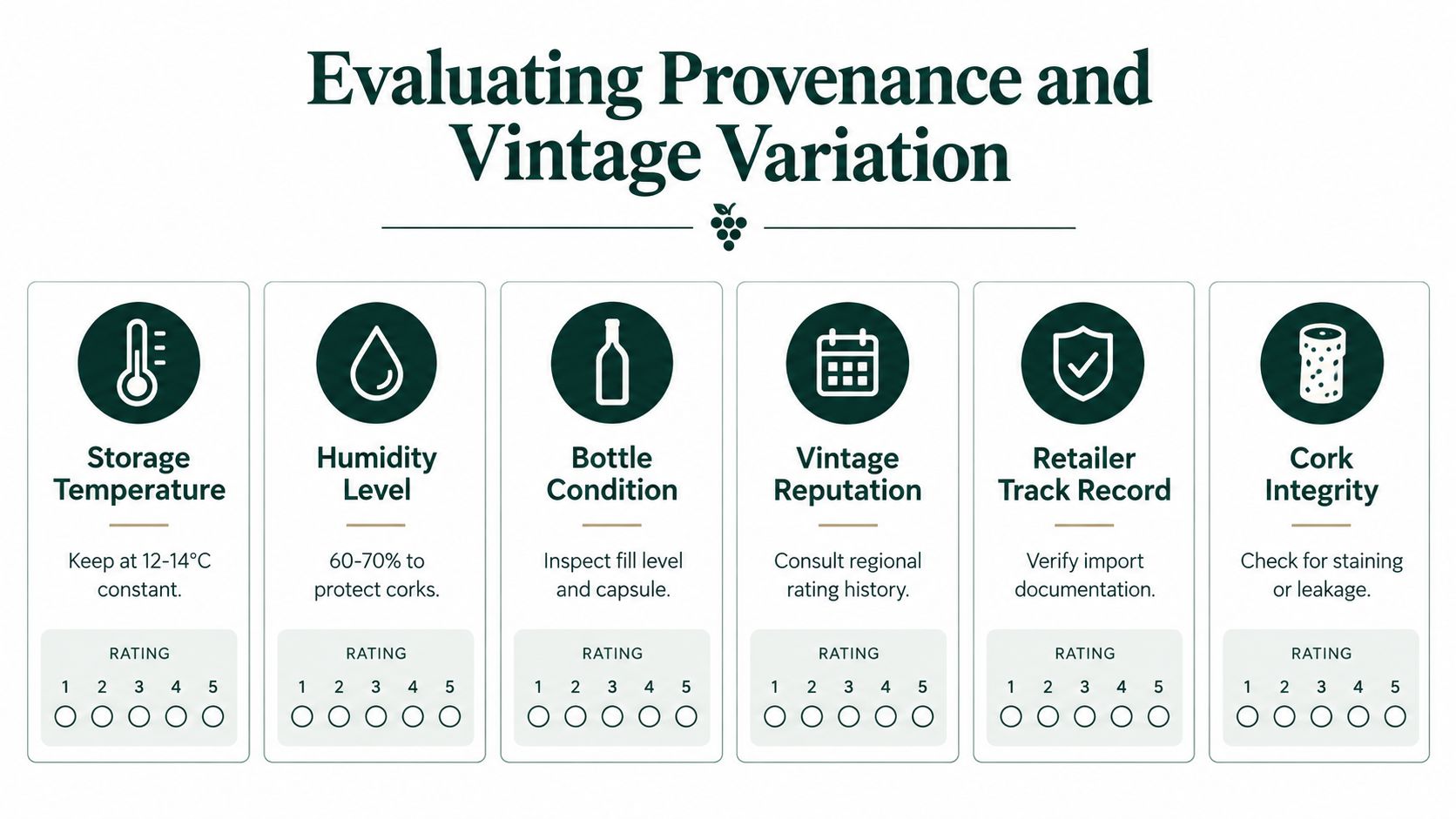
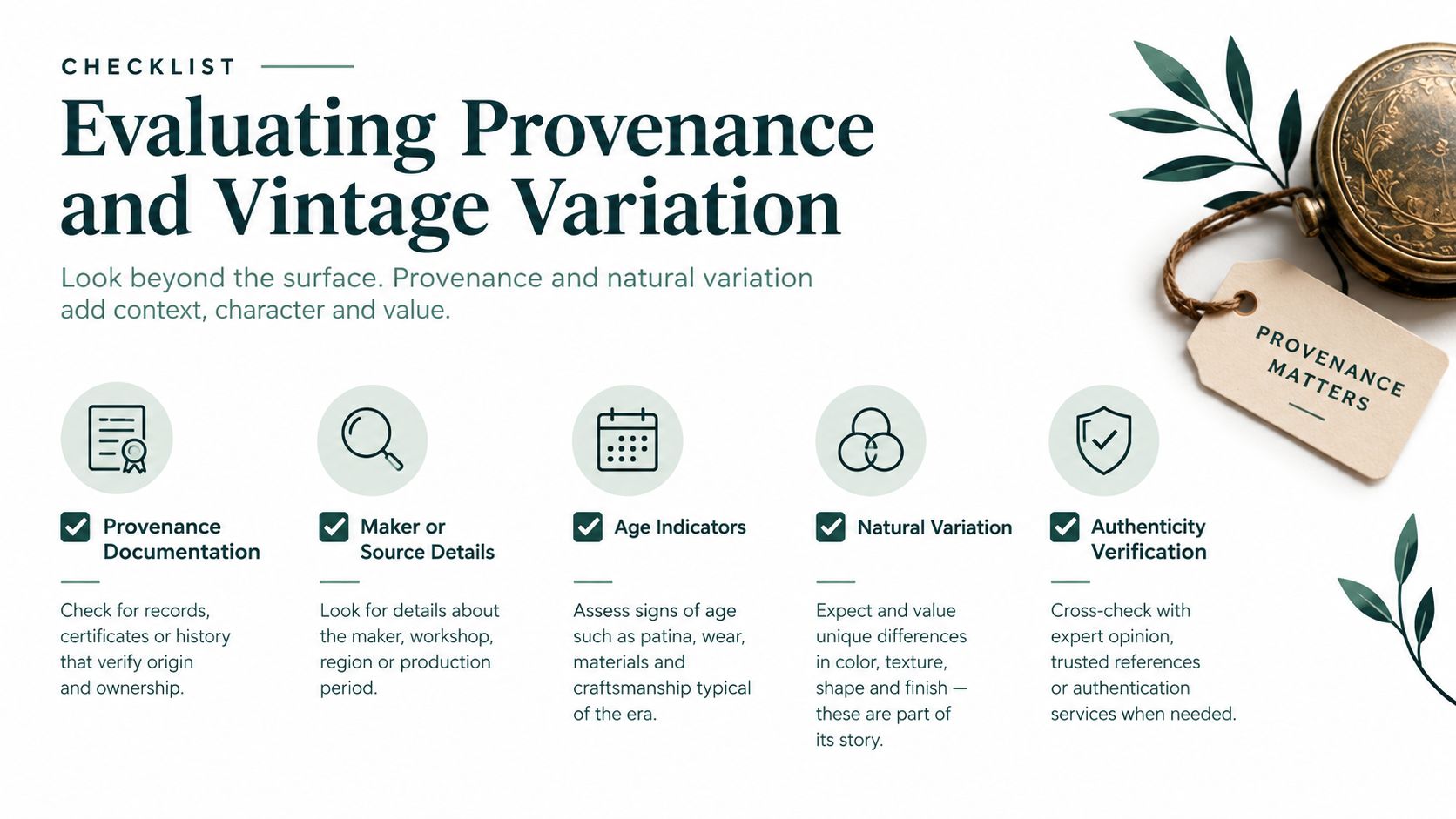
A prestigious label doesn't guarantee a sound bottle. Provenance is the missing half of quality when you buy premium or mature red wine online. The wine may have been excellent when released, but poor storage, repeated temperature swings, careless transport, or a compromised closure can erase the value you thought you were purchasing.
Start with the producer, then examine the vintage. Producer reputation matters because experienced estates usually have stronger vineyard control, more consistent cellar practice, and clearer release standards. It still doesn't eliminate variation. Weather conditions, harvest decisions, yields, and winemaking choices can change the character of a wine from one vintage to the next.
Ask questions that reveal the chain of custody
A merchant who handles fine wine should be able to explain where the bottles came from and how they were held. “Stored properly” is too vague. Ask whether the stock was kept in a professional temperature-controlled facility, whether it moved through a climate-sensitive transport network, and whether the merchant bought it directly from the estate or through another party.
Inspect the listing for physical details. Fill level, capsule condition, label wear, seepage, and staining can reveal how a bottle has been treated. None of these signs proves that a wine is faulty, but they determine how much uncertainty you're accepting.
Practical rule: The older or more expensive the bottle, the more specific the merchant's answers should be.
For regional context, don't rely on a generic vintage score detached from place. A year that produced generous, immediately appealing wines in one region may have created more austere or variable results elsewhere. Compare the producer's own vintage commentary with independent regional assessments, then ask whether the current price compensates for the risk.
Separate bottle condition from label prestige
Collectors often overpay for a famous name in compromised condition. A clean label and an impressive château or estate name don't confirm that the wine will perform. Conversely, a bottle with modest cosmetic wear can be perfectly sound if its storage history is documented.
Evaluate each offer across five dimensions:
- Producer: Is the estate respected for the specific wine, not merely for a famous portfolio?
- Vintage: Does the year suit the style you want, whether youthful, powerful, fresh, or mature?
- Provenance: Can the seller explain ownership, storage, and transport?
- Condition: Are fill level, capsule, label, and closure consistent with the bottle's age?
- Purpose: Will you drink it soon, cellar it, or present it as a gift?
Origin matters in wine for the same reason it matters in other agricultural products. A useful primer such as Learn Olive Oil's origin guide offers a parallel way to think about geographic identity, production context, and traceability without treating the label as a complete quality guarantee.
For buyers exploring Spanish reds, a practical guide to what makes a good Rioja wine can help clarify how region, aging style, and producer decisions affect the experience. The same principle applies everywhere: buy the specific wine from the specific place and year, not the category name alone.
Calculating the True Delivered Cost of Wine Offers
A discount is only meaningful after the bottle reaches your door. Shipping, insurance, taxes, minimum order rules, delivery restrictions, and the cost of buying unwanted bottles can change the economics completely.
Use one calculation for every offer:
True delivered cost per bottle = total checkout cost divided by the number of bottles you want to keep.
Include the wine, shipping, insurance, taxes, duties where applicable, and any compulsory service charges. If a mixed case contains bottles you wouldn't otherwise buy, allocate their cost to the bottles you do want. A case isn't a saving if half of it becomes unwanted cellar inventory.
Compare the structure, not the headline
| Offer Type | Headline Appeal | Hidden Friction | Best Use Case |
|---|---|---|---|
| Single-bottle discount | Low commitment and an obvious reduction | Shipping can dominate the final price | Testing an unfamiliar producer when delivery is reasonable |
| Mixed-case offer | Lower apparent bottle price and broader selection | You may pay for wines outside your taste | Building a deliberate regional or stylistic tasting |
| Free-shipping threshold | Removes a visible delivery charge | Encourages unnecessary additions | Buying a planned order that already approaches the threshold |
| Group-buy savings | Shared purchasing can improve total economics | Coordination, collection, and delivery become more complex | Trusted friends or family buying a defined parcel together |
Online wine buyers commonly want both a lower bottle price and cheaper or complimentary shipping, along with easier ordering and delivery. Research summarized by Wine Business on online purchasing and group buying also found that 86% of respondents wanted the ability to buy wine with others online. That finding supports a practical conclusion: the commercial opportunity isn't just a bigger discount. It's a smoother way to share a well-chosen parcel.
The case decision
Buy a full case when three conditions hold. You already know the producer, you have a clear use for the quantity, and the delivered price remains attractive after including every bottle. A case can make sense for a private cellar because it creates consistency across dinners and allows you to follow the wine's development.
Walk away when the merchant hides the shipping calculation until checkout, insists on a mixed case without describing its contents, or uses the discounted price to obscure an inflated delivery fee. Affluent buyers often waste more money on unwanted convenience bundles than they would have spent on a properly priced single bottle.
The cleanest offer is the one you can calculate before you commit.
Strategies for Bulk Purchases and High-End Gifting
Buying for a cellar and buying for a recipient require different judgments. A cellar rewards continuity, drinkability, and development. A gift rewards immediate presentation, personal relevance, and confidence that the bottle will perform when opened.
A pre-packaged merchant gift box may look polished, but it often prioritizes packaging and inventory clearance over the recipient's taste. I prefer a curated parcel with a clear idea behind it. The theme gives the gift meaning, while the individual bottles provide enough variety to make the experience feel generous rather than repetitive.
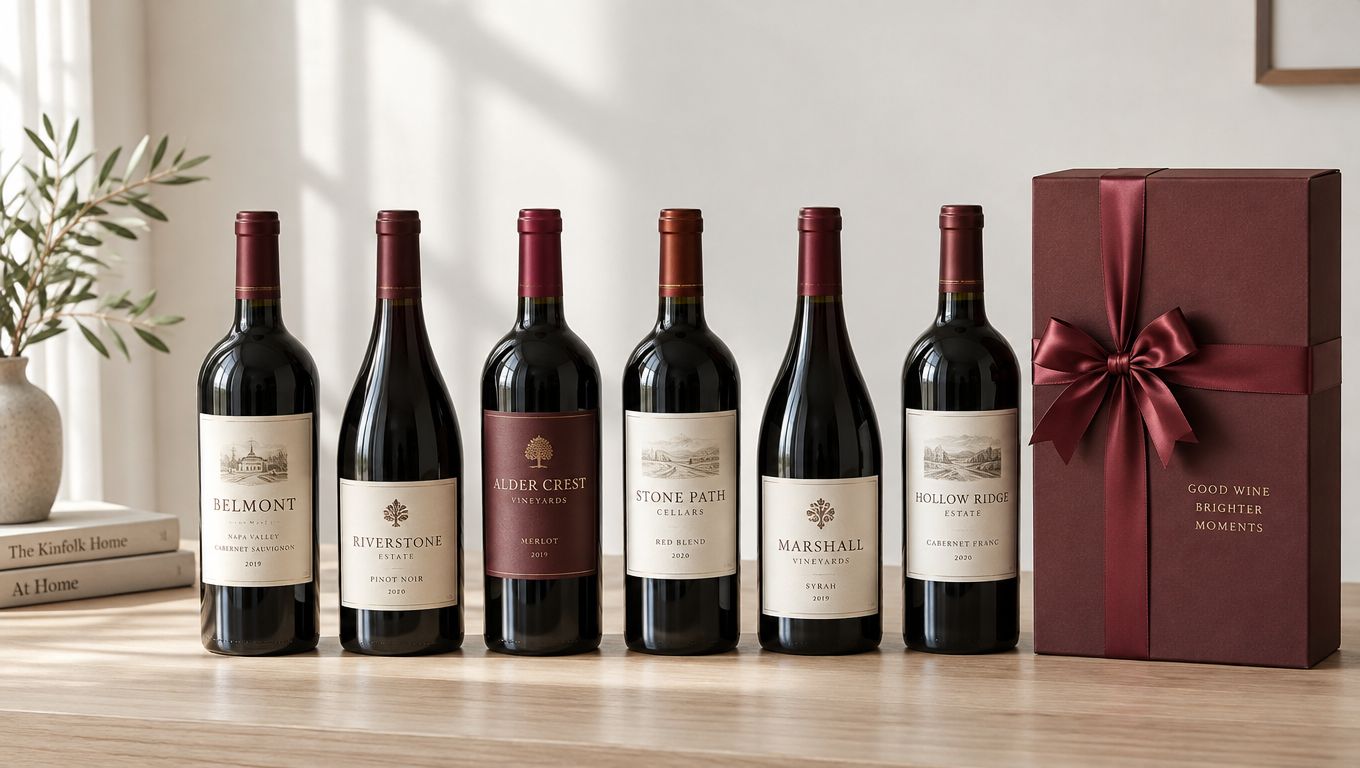
Assemble a case with intent
A horizontal tasting brings together different producers from the same region and vintage. It works well for a client or host who enjoys comparison and conversation. A vertical tasting follows one producer across several vintages, if the merchant can document storage and release history. It's more personal and better suited to someone who already has a favorite estate.
A third option is an occasion-led case. Pair a fresh, lighter red with poultry and vegetables, a more structured bottle with a substantial meal, and a mature example for the final course. Don't select by price alone. Select by the recipient's habits, the menu, and the moment when the wine will be opened.
Wine promotions can also work in hospitality when someone removes uncertainty from the choice. A controlled field study in a mid-price chain restaurant recorded a 12% increase in wine sales from effective recommendations, a 7.6% increase from food and wine pairing recommendations, and a 48% increase from tastings. The study also found that 21% of incremental sales came from risk-averse diners, while a promotion featuring five wines increased promoted-wine sales by 39%, total wine purchases by 12%, and total restaurant sales by 4%. These results are detailed in the field study of wine promotions in restaurants.
Those findings have a direct lesson for gifting. Context sells better than pressure. Give the recipient a short note explaining why each bottle is included, what to serve with it, and whether to open it now or hold it.
Add service, not clutter
Contact the winery or specialist merchant before ordering. Ask about personalized packaging, a handwritten note, delivery timing, and whether the bottles can be shipped in a temperature-sensitive window. A direct-sales team may also know about library releases or smaller parcels that aren't visible on the main shop page.
For a corporate or milestone gift, simple accessories can help if they serve the occasion rather than inflate the box. A thoughtfully selected set of custom barware gift sets with stemless glasses can complement a wine parcel when the recipient entertains frequently, but it shouldn't distract from the bottles.
If you're buying for a group, ask whether everyone wants the same wine or whether the parcel should be divided by preference. Shared purchasing works best when the participants agree on the producer, delivery method, and collection plan before the order is placed.
A gift should feel considered before the first cork is pulled. That means fewer, better-chosen bottles, secure delivery, and a reason for every inclusion.
Use the video as inspiration for presentation, but don't let visual polish replace the essentials. The recipient will remember whether the wine was enjoyable, appropriate, and easy to open far longer than the color of the tissue paper.
Building a Private Sourcing Pipeline Through Travel
The most interesting red wine offers often never reach a public promotion. A small estate may sell its production through existing relationships, reserve a portion for returning visitors, or release mature bottles only after the winemaker knows who is buying. Access comes from trust, patience, and being present in the region.
Northern Spain offers a particularly strong example. Rioja and Navarra contain large, established producers, historic cellars, and smaller estates where the identity of the winemaker still shapes the buying experience. A private tasting can reveal differences between entry cuvées, reserve wines, single-vineyard bottlings, and limited parcels that a retail listing compresses into a few lines of text.
Turn a visit into a relationship
Don't treat a winery visit as a tour followed by a gift-shop purchase. Arrive with questions. Ask how the estate chooses its parcels, which wines are made in the smallest quantities, how the current vintage differs from the previous one, and which bottles the team opens at home.
Taste broadly, then buy narrowly. You don't need to purchase every wine that impressed you during a tasting. Choose the bottles that fit your cellar, and ask whether the winery can reserve future releases or notify you about library stock. That conversation is more valuable than chasing a public discount after returning home.
A useful travel plan combines several types of access:
- Private cellar visits: See storage conditions and discuss older bottles with someone who knows their history.
- Winemaker tastings: Taste beyond the flagship label and learn which wines reflect the estate's real priorities.
- Regional comparisons: Put neighboring producers and villages into context rather than judging one bottle in isolation.
- Direct fulfillment: Confirm how purchases can be shipped, stored, or collected in compliance with the relevant rules.
Travel changes the economics of buying. You aren't merely reducing the price of a bottle. You're reducing uncertainty, improving selection, and creating a relationship that can lead to wines unavailable through a mass-market channel.
Make the itinerary part of the cellar strategy
Plan around the wines you want to understand, not around a checklist of famous names. A slow route through Rioja can pair historic bodegas with modern estates, private meals, and time to taste without rushing between appointments. Navarra can add a different perspective on Spanish reds while broadening the regional conversation.
For clients who want a more structured approach, a guide to luxury Rioja wine region tours and private itineraries can help shape a journey around private tastings, historic wineries, and direct local access. The value lies in the curation: the right producer, at the right time, with enough space to ask intelligent questions and make decisions without pressure.
After the trip, maintain the relationship. Send a concise note to the winery, record what you tasted, and follow up when the next release appears. If you bought a case, open one bottle early and keep notes on the rest. The producer will appreciate informed feedback, and you'll build a more useful reference point for future purchases.
The strongest sourcing pipeline is personal. It connects a place, a producer, a vintage, and a reason to buy. That combination will always be more persuasive than a countdown clock and an oversized percentage reduction.
Northern Spain Travel offers fully private, tailor-made journeys across Rioja and Northern Spain, including private winery access, tastings with winemakers, and carefully planned food and wine itineraries. If you want to turn regional travel into a more informed red wine sourcing strategy, visit Northern Spain Travel to begin planning.