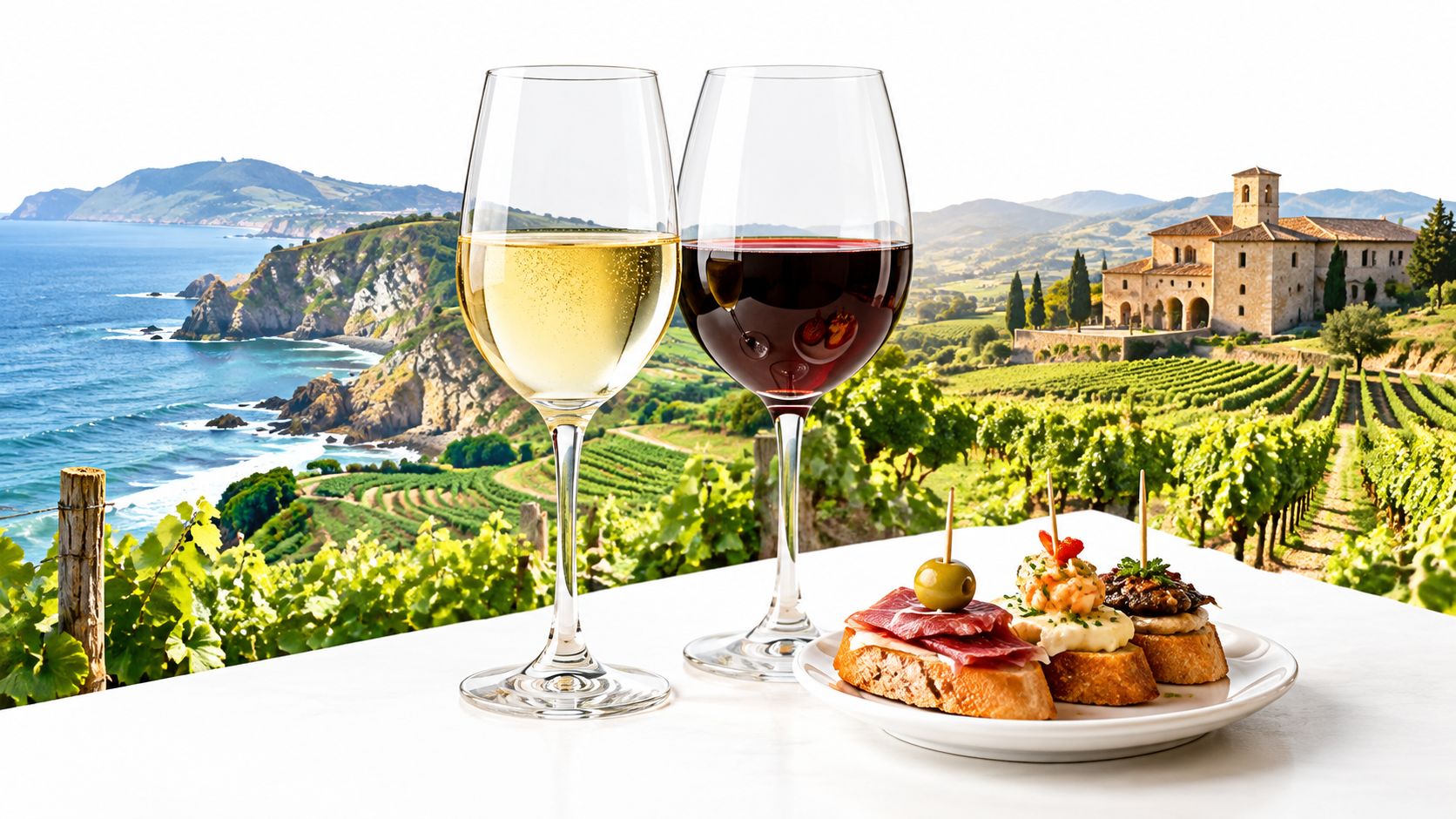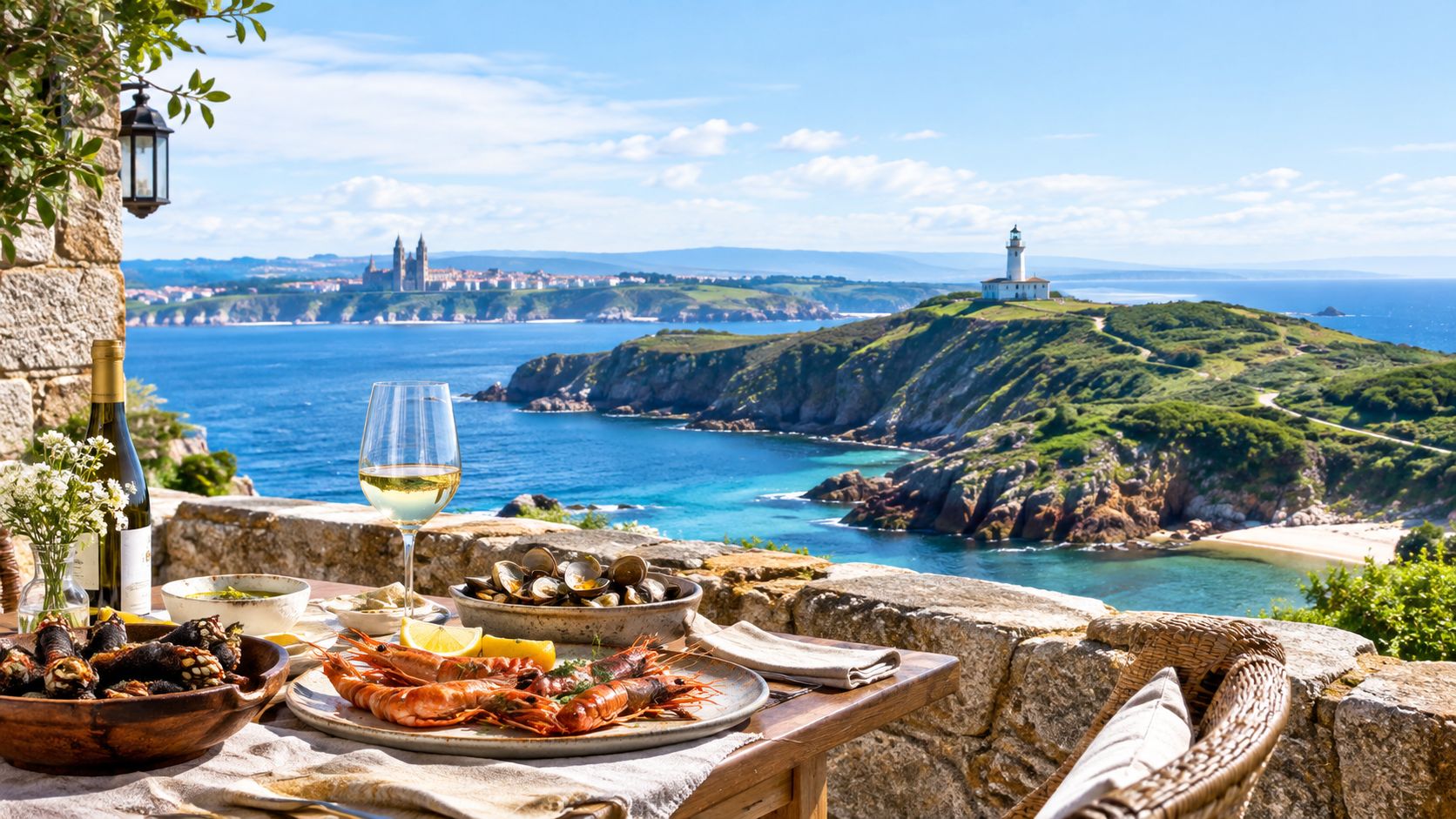
July and August are often treated as the obvious answer for Northern Spain. That advice is incomplete. Summer offers the strongest odds of sustained sunshine, but it also compresses demand around the coast, the major culinary cities, popular festivals, boutique hotels and sought-after restaurants. For a luxury traveler, the best time to visit Northern Spain is usually the period that protects the quality of the journey, not the month with the warmest forecast.
Late spring and early autumn generally offer the strongest balance. You can still plan coastal drives, outdoor dining, vineyard visits and long walking days, while gaining more flexibility for private guides, discreet accommodations and serious restaurant reservations. September is my first choice for most food-and-wine travelers. May, June and the first half of October are excellent alternatives, depending on whether your priority is the coast, the mountains, harvest activity or cultural access.
Table of Contents
- Why the Best Time to Visit Northern Spain Is Not Always Summer
- Understanding Northern Spain's Atlantic Climate and Seasons
- Regional Nuances Across the Basque Country, Galicia, Rioja and the Pyrenees
- Month-by-Month Highlights for Northern Spain Travelers
- Packing and Planning for Changeable Atlantic Weather
- Sample Seasonal Itineraries for Private Northern Spain Journeys
- Designing Your Own Best Time to Visit Northern Spain
Why the Best Time to Visit Northern Spain Is Not Always Summer
July and August make sense if your priority is dependable warmth, long days and the region's most visible festival energy. They're also the months when Northern Spain attracts the greatest leisure demand. That matters in San Sebastián, where culinary travel is built around a limited number of exceptional tables, intimate hotels and highly desirable private experiences.
Official 2025 San Sebastián tourism data recorded 2.12 million overnight stays, with international visitors representing 66.05% of the total, according to reported official tourism figures for San Sebastián. The average stay was only 2.05 nights, a pattern that creates short, intense periods of demand rather than a relaxed flow of visitors. During Semana Grande in 2025, the city recorded 26,674 visitors and 64,655 overnight stays, while occupancy reached 87.7% for beds and 93.1% for rooms in the reported period.
Access is part of the climate decision
A sunny day isn't enough if your preferred restaurant has no table, your first-choice hotel is unavailable, or a private driver must restructure the route around compressed demand. Luxury travel depends on access. It also depends on pace, privacy and the ability to change plans without sacrificing the character of the trip.
Late spring and early autumn usually give you more room to make those decisions intelligently. You can build a morning pintxos tour, a coastal drive and a long lunch without treating every reservation as a high-stakes logistical exercise. You can also spend more time in a village, rather than moving constantly to protect a rigid schedule.
My practical rule: Choose July or August for sunshine and major events. Choose September, May or June when restaurant access, private guiding and an unhurried rhythm matter more.
Match the month to the experience
The right timing changes with the itinerary. A family that wants beaches and festivals may prefer summer. A couple focused on San Sebastián, Rioja and chef-led dining will usually gain more from September. Travelers who want wildflowers and quieter mountain paths should look toward spring, while autumn suits harvest activity and seasonal forest produce.
That's the distinction generic climate advice misses. Northern Spain rewards travelers who plan around what they want to do, not just how warm they want it to be.
Understanding Northern Spain's Atlantic Climate and Seasons
Northern Spain's identity is inseparable from its Atlantic climate. The Basque Country, Cantabria, Asturias and Galicia stay greener and more temperate than much of southern and central Spain because rain arrives throughout the year, often with quick changes in wind, cloud and light. The result is dramatic coast, lush hills and comfortable conditions for active travel, but not a guarantee of uninterrupted sunshine.

Independent regional climate summaries place annual rainfall near 1,000 to 1,900 mm in several major north-coast cities, with roughly 130 to 145 rainy days per year in places including A Coruña, Santander and San Sebastián/Bilbao, as outlined in this Northern Spain weather guide. Those figures explain why the area looks so fertile, and why even summer itineraries need a sensible wet-weather plan.
The seasonal pattern
Winter is the dampest and cloudiest period across much of the Atlantic north. San Sebastián's monthly averages show 127 mm of rainfall in January, while November and December reach 143 mm and 133 mm respectively, according to San Sebastián monthly climate averages. That doesn't make winter impossible, but it makes exposed coastal touring and long outdoor days more vulnerable to interruption.
Summer is drier. San Sebastián's average temperatures reach around 20.7°C in June, 23.3°C in July, 23.4°C in August and 22.4°C in September, while rainfall averages 77 mm, 62 mm, 90 mm and 97 mm in those months. For coastal dining, walking city visits and scenic drives, late May through September offers the clearest comfort window.
The shoulder seasons often outperform midsummer for travelers who want flexibility. Guidance for Northern Spain describes summer as typically having about 4 to 7 rainy days per month, compared with roughly 10 to 15 rainy days in wetter seasons, as detailed in this regional weather planning guide. May and June bring fresh scenery and manageable conditions. September and early October preserve much of the coastal ease while reducing the pressure associated with the main holiday period.
What this means for a private itinerary
Plan outdoor highlights in the morning when the forecast looks favorable, then keep a museum, cooking session, cellar visit or extended lunch available as a substitute. That isn't a compromise. It's how experienced planners preserve the quality of a trip in an Atlantic environment.
Regional Nuances Across the Basque Country, Galicia, Rioja and the Pyrenees
Northern Spain isn't one climate zone or one travel style. The Basque coast, Galicia's estuaries, Rioja's inland vineyards and the Pyrenees each reward different timing.

| Region | Strongest seasonal fit | Best suited to |
|---|---|---|
| Basque Country | Late spring, summer and early autumn | Pintxos, Michelin dining, coastal villages and cultural cities |
| Galicia | Summer and early autumn | Seafood, fishing villages, Rías Baixas and Atlantic scenery |
| Rioja | Spring and autumn | Vineyard landscapes, cellar visits and harvest-led experiences |
| Pyrenees | Winter for snow activities, spring and summer for walking | Mountain scenery, gentle hikes and active luxury |
Basque Country
San Sebastián and Bilbao work well across much of the year, but the coast is easiest to enjoy from late spring through early autumn. June through September combines the warmest conditions in San Sebastián with lower rainfall than winter, making outdoor dining and coastal drives more comfortable. For a detailed city-specific decision, use this guide to the best time to visit San Sebastián for luxury travelers.
Summer is compelling for festival energy, but it requires advance control of the details. If your priorities are Michelin-starred restaurants, private culinary access and boutique hotels, September is usually more efficient than August.
Galicia
Galicia is the most overtly Atlantic of these destinations. Its appeal lies in seafood, green vistas, fishing villages and dramatic coastal inlets. Summer generally gives you the strongest conditions for exploring exposed viewpoints and arranging long lunches by the water, while early autumn can add a quieter atmosphere and excellent seasonal depth.
Rioja
Rioja has a more continental character than the coast. Spring brings green vines and comfortable touring conditions, while autumn introduces harvest activity and a richer vineyard atmosphere. If wine is the central purpose of the journey, September and early October deserve priority, although exact harvest timing varies.
Pyrenees
Elevation changes everything. Mountain weather can feel cooler and less predictable than conditions in Bilbao or San Sebastián on the same day. Spring is attractive for wildflowers and quieter trails, while summer favors hiking and scenic drives. Winter belongs to snow-focused itineraries, not coastal touring.
Match the region to the purpose. A September Rioja visit and a July Galicia coast itinerary may both be excellent, but they deliver different versions of Northern Spain.
Month-by-Month Highlights for Northern Spain Travelers
Northern Spain rewards timing that matches the experience you want. The calendar determines more than temperatures. It shapes restaurant access, harvest encounters, festival energy, coastal privacy and the ease of moving between regions.

January and February suit travelers drawn to atmospheric cities, serious regional cooking and quiet cultural visits. Expect wetter, cooler coastlines, then build the itinerary around museums, private culinary appointments, long lunches and well-appointed hotels. Exposed walks should remain optional.
March and April introduce the first clear signs of spring. Higher inland areas and the Pyrenees can still feel wintry, while lower valleys and city streets brighten. April and May bring wildflowers and quieter mountain trails, a strong combination for active travelers who do not require beach weather.
May is one of my preferred months for a first Northern Spain journey. The countryside looks fresh, walking conditions are generally comfortable, and Rioja fits naturally into a route linking San Sebastián and Navarra. Keep coastal plans flexible. Atlantic showers remain part of the itinerary.
June combines warmth with a full program of food, villages, scenic drives and moderate outdoor time. San Sebastián averages around 20.7°C, with average rainfall of 77 mm, according to San Sebastián climate data. Reserve sought-after hotels and restaurants before arrival, particularly for weekends and festival dates.
July and August provide the clearest summer conditions for beaches, festivals and coastal walks. Northern Spain remains more temperate than many other Spanish regions, but peak demand compresses access to premium hotels, leading restaurants and private guides. Secure the core itinerary early, then preserve flexibility for weather and road conditions.
September is my preferred month for many luxury travelers. Rioja's harvest gives vineyard visits a stronger sense of place, coastal conditions usually remain favorable, and the post-holiday rhythm improves access. Families also gain a refined route without the intensity of peak summer.
October works particularly well for vineyards, seasonal food and cultural depth, especially during the first half of the month. As rain becomes more frequent, private drivers and well-planned indoor alternatives protect the quality of the journey.
November and December bring wetter Atlantic conditions. San Sebastián averages 143 mm in November and 133 mm in December, according to the monthly climate reference cited above. Choose intimate city stays, gastronomy and indoor cultural experiences, treating coastal walks as welcome opportunities rather than fixed commitments.
Packing and Planning for Changeable Atlantic Weather
Pack for movement between microclimates, not for one idealized forecast. A morning in San Sebastián, an afternoon in the hills and an evening in a stone-built village can demand different layers, even during the warmer travel window.

Build a polished working wardrobe
Choose lightweight layers that can move from a vineyard to a restaurant. A breathable shirt, fine knitwear, well-fitted trousers, a compact waterproof jacket and comfortable leather walking shoes will cover most city and countryside situations. Add a warmer layer for mountain routes and cool coastal evenings.
A waterproof outer layer matters more than an umbrella on windy Atlantic promenades. Sun protection also belongs in the day bag, because cloud cover doesn't eliminate glare or exposure. For more general European packing guidance, these 10 packing tips for Europe provide a useful checklist before departure.
Plan days with a weather hierarchy
Put the least replaceable outdoor experience on the day with the strongest forecast. A private coastal drive, vineyard walk or mountain excursion deserves priority, while museums, tastings, cooking sessions and extended lunches can absorb a change in weather.
Use a flexible structure:
- Morning outdoors: Schedule the coast, countryside or trail when visibility and energy are strongest.
- Midday pause: Reserve time for lunch, a cellar tasting or a relaxed hotel reset.
- Afternoon alternative: Keep a museum, market, chef appointment or cultural visit available.
- Evening anchor: Confirm the restaurant, but avoid packing several distant commitments around it.
Protect access before arrival
Peak summer requires earlier reservations for premium properties, private drivers and highly sought-after restaurants. Shoulder seasons are more forgiving, but the best tables and guides still aren't unlimited. Ask your planner to confirm cancellation terms, weather alternatives and driving times before finalizing the route.
The right luxury plan doesn't pretend the weather is predictable. It gives every important day a strong primary option and a worthwhile secondary one. That preserves comfort without turning the trip into a sequence of defensive decisions. More detailed regional advice is available in this Northern Spain packing guide.
Sample Seasonal Itineraries for Private Northern Spain Journeys
The strongest seasonal itineraries don't add destinations. They pair each destination with the conditions that make its signature experiences feel effortless.
Late spring for food, coast and mountain air
Begin in Bilbao with private architecture and contemporary art access, then move to San Sebastián for a carefully paced culinary stay. Build in a private txakoli experience and a coastal village excursion, with a flexible day for weather-dependent walking.
Continue inland toward Navarra and Rioja while the vineyards are fresh and green. A private cellar visit works particularly well in this period because the focus can remain on the scenery, winemaking and conversation rather than harvest logistics. Finish in the Pyrenees with gentle valley walks, allowing spring flowers and quieter trails to shape the experience.
This format suits couples and multigenerational families because the itinerary can alternate active mornings with long lunches and cultural visits. It also avoids forcing every day into a beach or festival template.
Summer for the Atlantic coast and festival energy
Use summer when the coast is the point of the journey. Start in San Sebastián, then follow a private route through Getaria, Cantabria and Asturias, choosing fishing villages, cliff viewpoints and seafood restaurants over a checklist of crowded attractions.
If a major event is central to the trip, secure accommodation, transport and dining as one coordinated plan. Festival dates can reshape availability across an entire city, so treating the event as a standalone ticket rather than the backbone of the itinerary creates unnecessary risk.
Summer works best when the pace is deliberately spacious. Leave room for late lunches, beach walks and weather changes, rather than adding too many inland transfers.
Early autumn for Rioja and Galicia
September is my preferred design for serious gastronomy. Start in Rioja during harvest season, with private access to selected wineries and time to understand the difference between large historic estates and smaller family producers. Then travel north toward San Sebastián for pintxos, fine dining and a coastal reset.
Continue to Galicia for seafood, Rías Baixas wines and fishing villages. Autumn's seasonal character adds depth to the route, while reduced post-summer pressure can improve access to boutique hotels, private drivers and chef-led experiences, as described in this Northern Spain luxury timing guide.
For milestone trips, this itinerary has the right balance of celebration and discovery. It feels generous rather than rushed, and every region contributes something distinct.
Designing Your Own Best Time to Visit Northern Spain
Choose the month by ranking your priorities. If sunshine and festivals come first, select July or August and accept that premium access must be organized early. If food, wine and privacy matter most, choose September. If you want fresh scenery, comfortable walking and more flexible logistics, choose May or June. For harvest-led travel, prioritize September and the first half of October.
Northern Spain's Atlantic climate rewards travelers who leave room for change. The region's wetter winter and autumn patterns make a rigid outdoor schedule vulnerable, while the drier summer window improves reliability but increases demand. A well-designed shoulder-season journey often delivers the more refined result because it protects access without sacrificing the experiences that brought you north.
Start planning before your preferred restaurant, boutique hotel and private guide are already committed. Share your ideal pace, food priorities, mobility requirements and appetite for outdoor activity with a specialist who can build the route around both seasonal conditions and real availability.
Northern Spain Travel designs fully private, tailor-made journeys across the Basque Country, Rioja, Galicia, Asturias, Cantabria and the Pyrenees, with private drivers, guides, winemakers and chefs arranged around your timing. Visit Northern Spain Travel to begin shaping a Northern Spain itinerary that protects access, privacy and seasonal experiences from the first conversation.