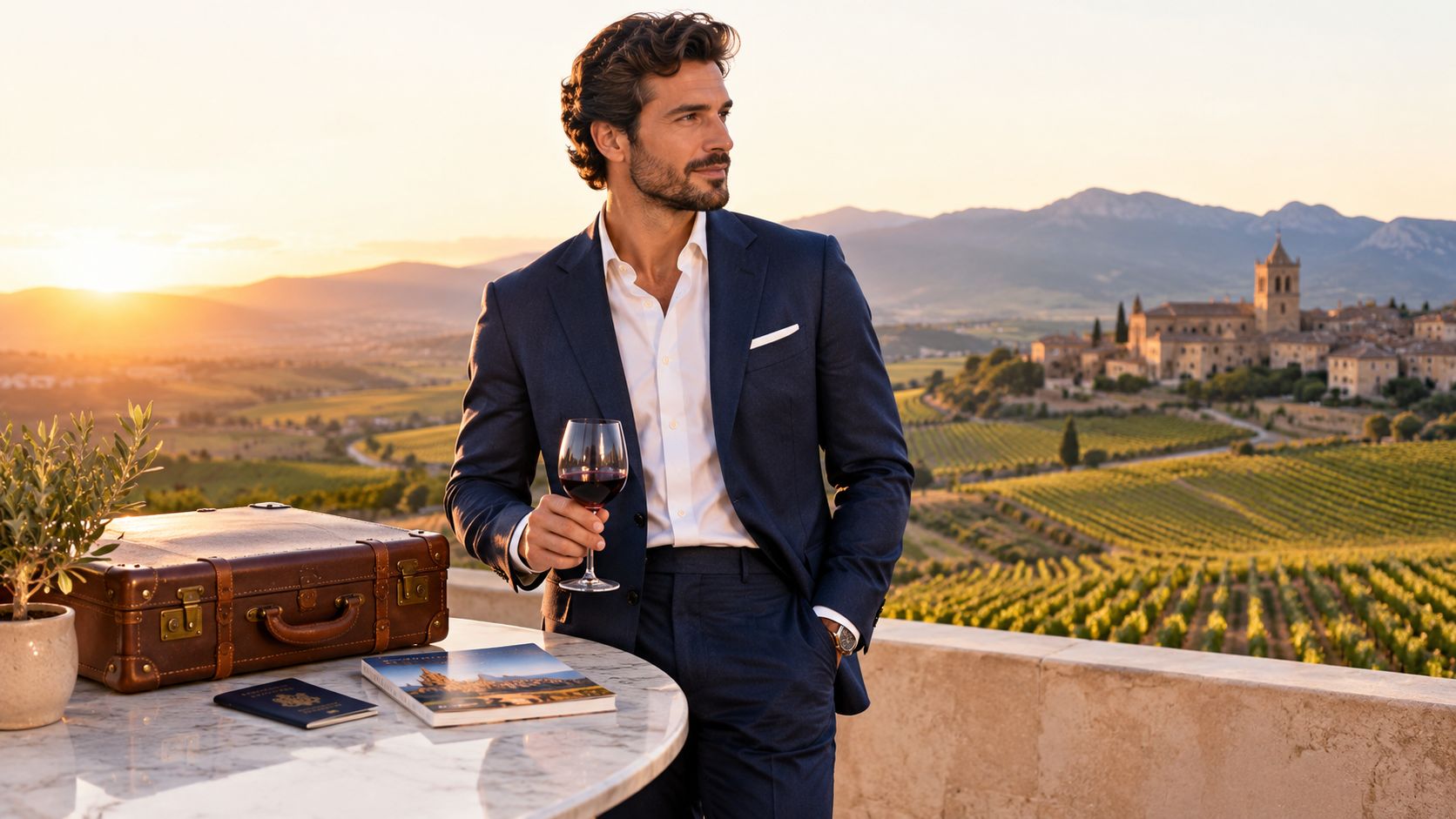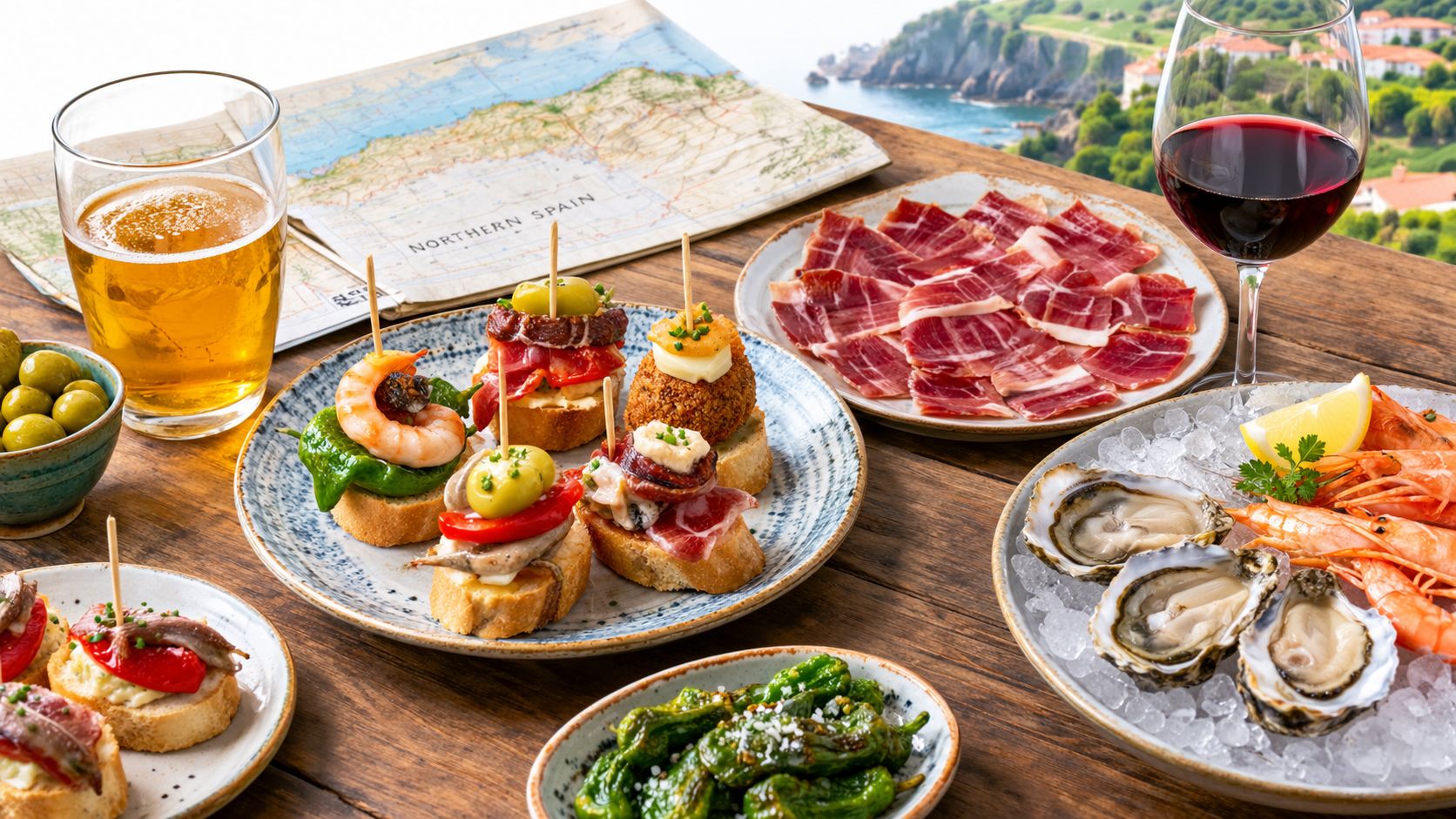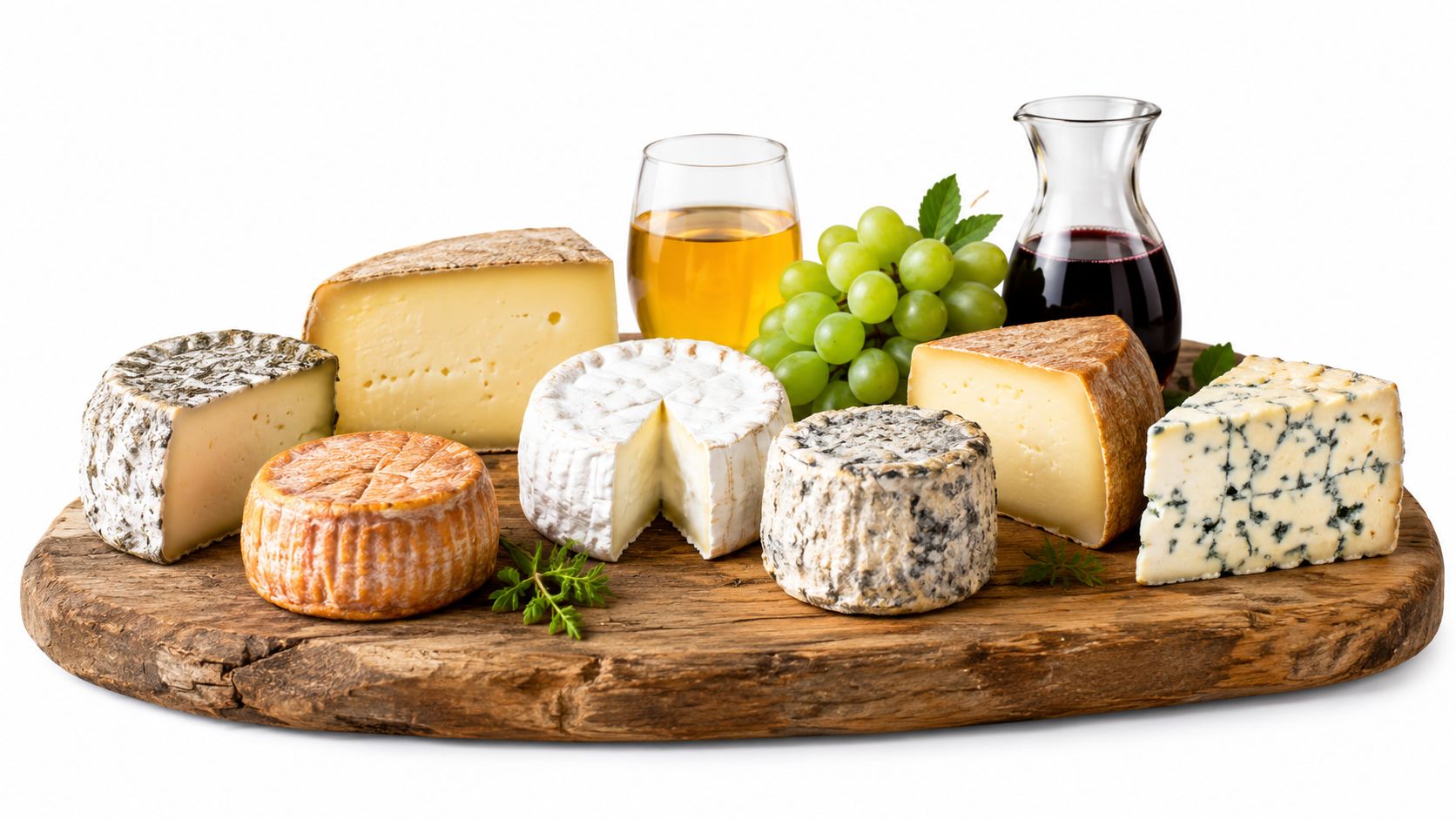
You've probably saved a dozen wineries, bookmarked restaurants in San Sebastián, and discovered that every itinerary promises an “authentic” taste of Northern Spain. The difficulty isn't finding places to eat or producers to visit. It's deciding how many experiences belong in one day, which doors are worth opening privately, and when a beautiful route becomes a tiring checklist.
After designing private journeys across Northern Spain, I've learned that the strongest food and wine tours aren't built around maximum coverage. They're built around pace, access, and context. One thoughtful bodega visit with the right guide can reveal more than three hurried tastings. A market morning can matter more than another formal lunch. The difference lies in the design.
Table of Contents
- A Morning in Rioja and What It Reveals About How to Tour
- What Sets a True Food and Wine Tour Apart
- The Four Tour Styles Worth Knowing
- Matching the Tour to Your Pace and Interests
- Why Northern Spain Is the Premium Choice Right Now
- Sample Itineraries That Bring It to Life
- Booking, Timing, and What Private Access Really Costs
- Designing a Trip Around Fewer, Deeper Experiences
A Morning in Rioja and What It Reveals About How to Tour
At a family bodega in La Rioja Alavesa, the best morning starts before the public tour schedule. You arrive while the village is quiet, walk between old-vine Tempranillo plots with the winemaker, and hear how the slope, soil, exposure, and farming decisions shape the fruit. There's no microphone, no queue behind you, and no pressure to move on because another coach has arrived.
Back at the estate, the tasting takes place in the barrel room. Three Reservas are poured alongside pintxos prepared by the chef, each bite chosen to show how the wine changes with salt, fat, acidity, and texture. The winemaker doesn't just describe aromas. They connect the vineyard under your feet to what you're tasting in the glass.
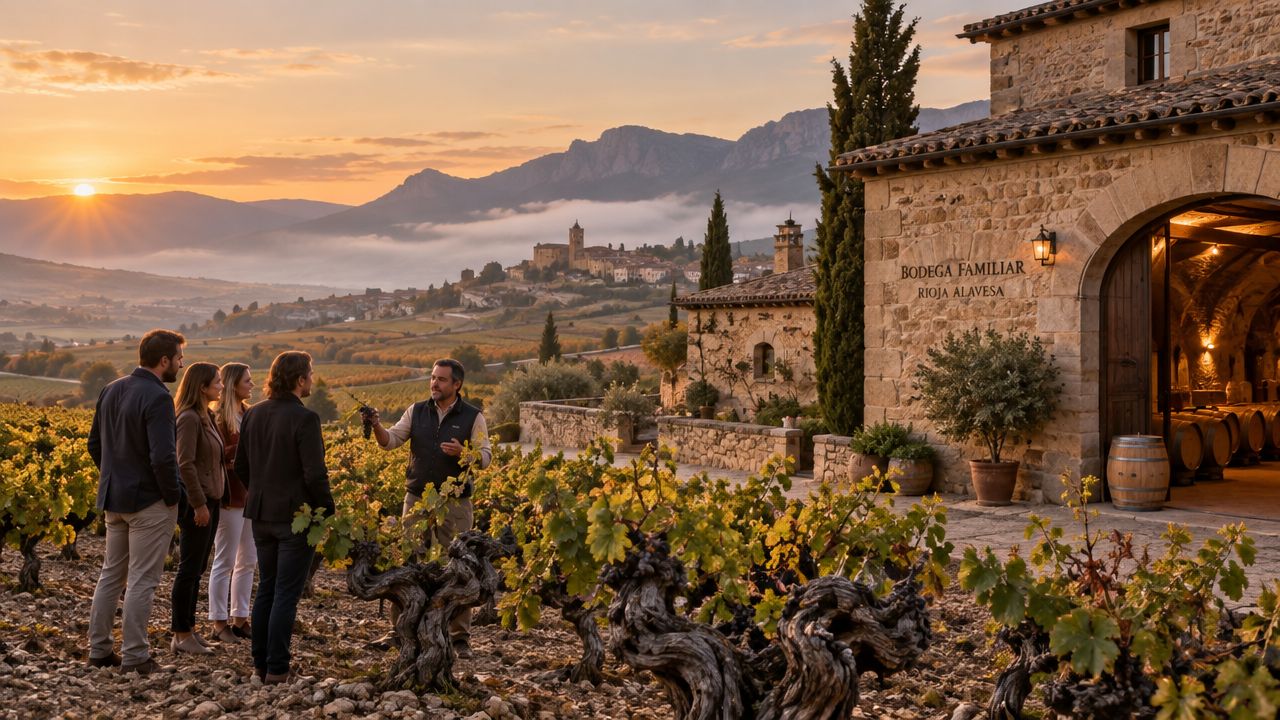
That morning contains the essential design choices behind excellent La Rioja wine tours. Early timing protects the experience from crowds. One producer creates a coherent story. Private access makes conversation possible. Regional interpretation turns tasting into understanding.
A generic itinerary might add several bodegas just because they appear close together on a map. That approach looks efficient, but it often dulls attention. By the second or third tasting, guests are comparing labels rather than listening to the person who made the wine. The driver is watching the clock, lunch becomes compressed, and the surroundings become scenery viewed through a vehicle window.
The rest of your planning should follow the same discipline. Choose the experience first, then shape the route around it. Decide whether the day is about Rioja's historic styles, Basque food culture, Atlantic seafood, or the relationship between all three. Once the central idea is clear, the right producer, chef, market, and hotel become much easier to select.
What Sets a True Food and Wine Tour Apart
A true food and wine tour isn't a sequence of tastings connected by transport. It's a curated journey that explains why a region eats and drinks the way it does. The wine should have a place, a history, and a production philosophy. The food should reveal local habits, seasonal ingredients, and the people who keep those traditions alive.
A standard food tour is usually urban and culinary first. It might move through pintxos bars, bakeries, cheese shops, or markets, with the guide explaining neighborhood history and dishes. A wine tasting is narrower, often centered on one producer or a particular appellation. A group bus itinerary adds scheduled stops and shared timing, which can work for travelers who value convenience over flexibility.
The stronger format joins these elements through three tests:
- A regional thesis: The route answers a meaningful question, such as how Rioja's wine culture connects with Basque cooking, or how Galicia's coast shapes its seafood traditions.
- Hands-on access: You meet the winemaker, cook with a chef, visit a market with someone who knows the vendors, or see production areas that ordinary visitors don't enter.
- Conversation-led pacing: The day leaves room for questions, detours, and a proper meal. It doesn't treat every stop as a box to tick.
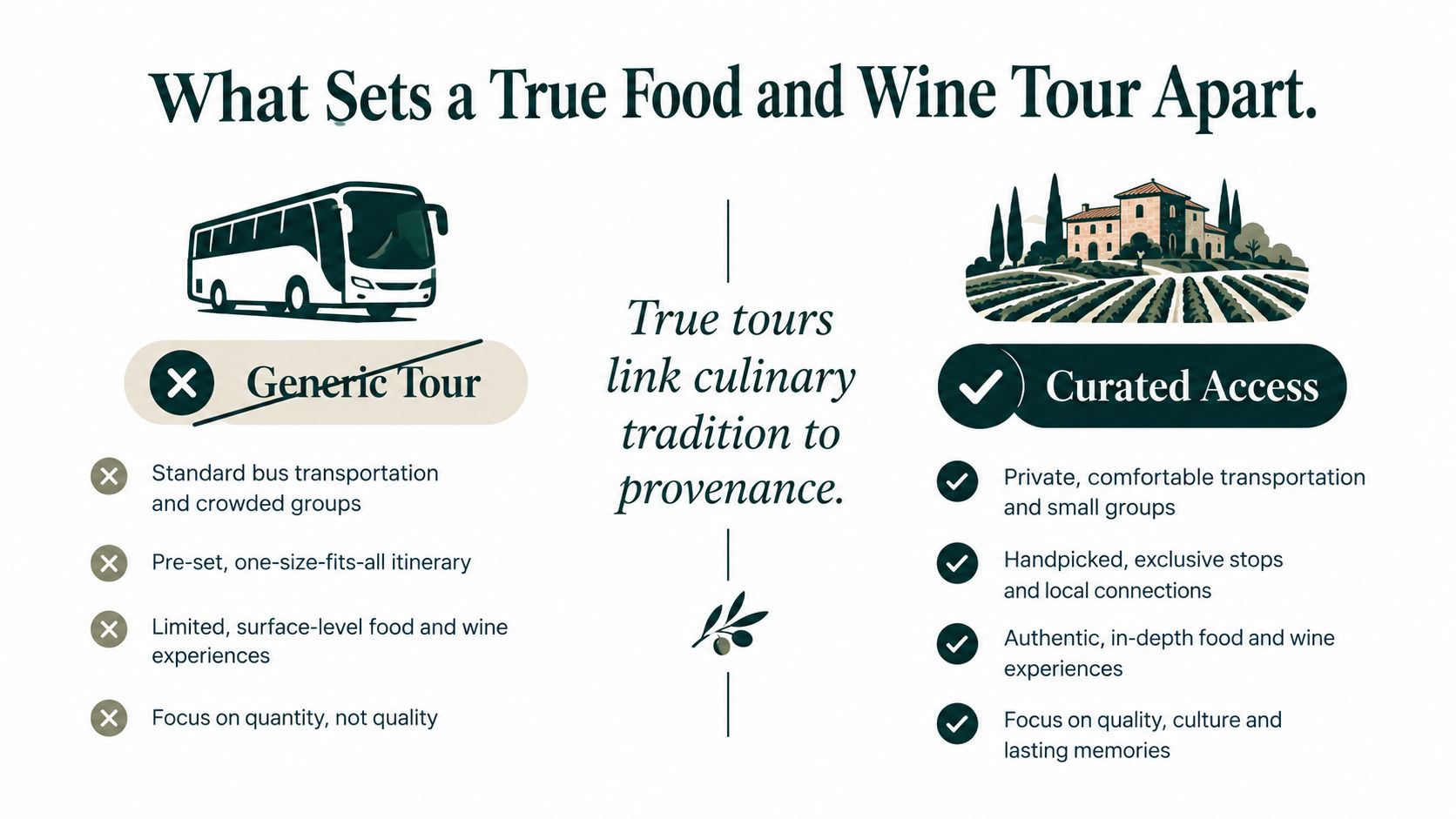
Practical rule: If an itinerary lists many venues but can't explain the relationship between them, you're looking at logistics, not curation.
Private design also matters because access changes the quality of the story. A cellar visit arranged around the producer's schedule feels different from a standard tasting-room presentation. A chef's explanation at the market carries more weight when they're selecting the ingredients you'll cook and eat later.
For broader context on wine-market conditions and tourism-related developments, the Wine Labs tariff relief analysis is a useful resource. It reinforces why thoughtful operators should understand both the cultural and commercial sides of wine travel.
The Four Tour Styles Worth Knowing
The four most useful tour styles differ less by destination than by access, pace, and the kind of attention they demand. Choose the format that matches your curiosity, not the one with the most impressive list of inclusions.
Private tasting-focused tours
This is the right choice for travelers who want to understand wine without spending an entire day moving between estates. A private sommelier or producer can pour a comparative flight, explain ageing decisions, and pair reserve wines with carefully chosen bites. The day works best with a couple or a small private party, where everyone can ask questions and follow the discussion.
Fitness demands are low, although vineyard walks may involve uneven ground. The pace is deliberately slow, with one principal producer and perhaps a substantial meal rather than a chain of appointments. Choose this format if you care about vintage variation, cellar methods, or the difference between neighboring vineyards.
Chef-led experiences
A chef-led day begins in a market, continues in a kitchen, and ends at the table. You might select seafood in Galicia, prepare a regional sauce, or learn how a local cook balances acidity and salt in a dish that looks simple but depends on technique.
This format suits food-first travelers and families who need an active element without a strenuous hike. It also works well for multigenerational groups because the experience can be adjusted around ability and appetite. The chef provides the access, while the market explains the supply chain.
Market and street-food tours
Market and street-food tours are more mobile and social. A knowledgeable local can introduce you to vendors, guide you through counter tastings, and explain the difference between eating a dish quickly at a bar and ordering it as part of a formal meal.
In Northern Spain, that might mean tasting txangurro, percebes, or queso Idiazábal while moving through neighborhoods and market halls. Expect moderate walking, standing, and an urban rhythm. This is the best fit for travelers who learn through conversation and observation rather than prolonged cellar visits.
Winery immersion tours
Winery immersion is for serious wine travelers who want a complete relationship with one estate. The visit may include vineyards, harvest decisions, blending, barrel work, and a vertical tasting that shows how a wine evolves across releases.
It's a full-day commitment, often involving walking between plots and production areas. Keep the group small and avoid adding unrelated tastings afterward. The reward comes from depth, particularly for travelers who read about producers before arriving or want direct time with the winemaking team.
| Tour Style | Access & Format | Pace & Stops | Group Size | Fitness Demand | Best For |
|---|---|---|---|---|---|
| Private tasting-focused | Producer or sommelier, comparative tasting, matched bites | Slow, one main producer | Couple or small private party | Low | Wine-focused travelers |
| Chef-led | Market, kitchen, and shared meal | Active but unhurried, several connected stages | Private family or small group | Low to moderate | Food lovers and families |
| Market and street-food | Vendor introductions, counter tastings, neighborhood context | Walking-based, frequent short tastings | Small private group | Moderate | Curious urban explorers |
| Winery immersion | Estate, vineyards, cellar, blending, vertical tasting | Full day, one estate | Couple or small private group | Moderate | Dedicated oenophiles |
Matching the Tour to Your Pace and Interests
Start with a self-diagnosis, not a destination list. The wrong format can make a beautiful region feel exhausting, while the right one makes a demanding day feel effortless.
Begin with your interest profile. If you spend evenings reading vintage charts, comparing producers, or studying appellation maps, choose winery immersion or a private tasting. If farmers' markets, seafood stalls, and regional cooking make you impatient to travel, start with a market or chef-led experience. Most couples are happiest with a balanced route that alternates wine depth with food and scenery.
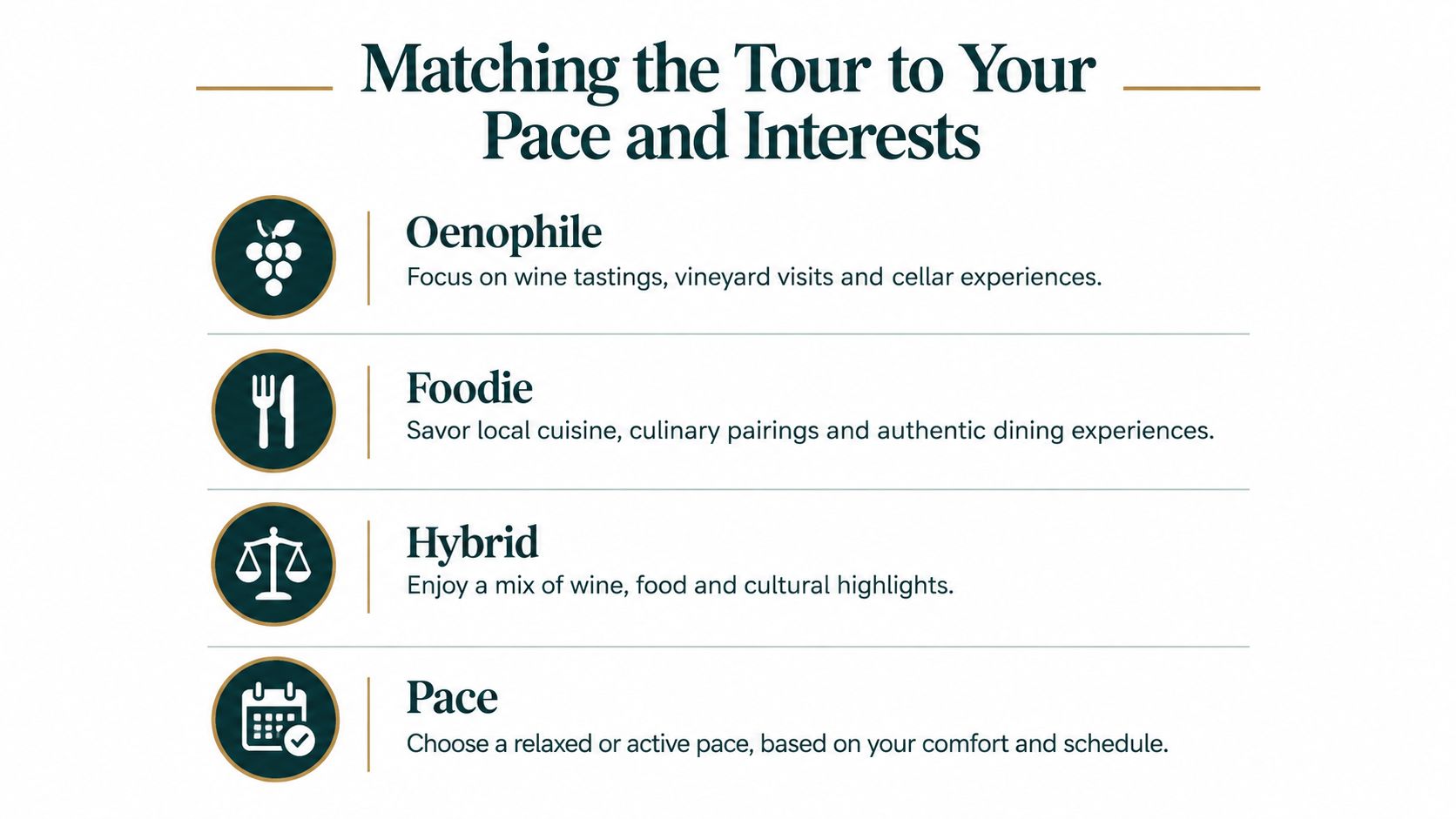
Then assess the group. A couple may want long conversations with a winemaker and an intimate chef's table. A multigenerational family needs variety, comfortable transfers, flexible meal timing, and activities that don't require everyone to share the same level of wine knowledge. Teenagers may engage more readily with a market challenge, cooking session, or coastal boat trip than with a formal tasting.
Physical pace is equally important. Pintxos routes involve standing and walking through busy streets. Vineyard days bring uneven paths, slopes, sun, and rural transfers. Ask whether your party enjoys movement between experiences or prefers to settle into one place and go deeper.
Time also changes the answer. A long weekend needs a strong urban anchor, perhaps San Sebastián with one carefully chosen wine day. A longer journey can alternate coast, city, countryside, and cellar time without forcing every day to carry the same weight.
Three winery visits in one day usually produce less insight than one well-hosted visit followed by a generous lunch.
Back-to-back tasting menus create the same problem from the food side. Build contrast into the calendar: a market morning after a formal dinner, a coastal walk after a cellar day, or a relaxed village lunch between more structured appointments. Match the tour to your appetite for attention, movement, and conversation.
Why Northern Spain Is the Premium Choice Right Now
Northern Spain deserves consideration as a deliberate premium destination, not as a substitute for more familiar wine regions. The concentration is exceptional. In one carefully planned week, you can move from San Sebastián's pintxos culture to the hillside bodegas of Rioja Alta and continue toward the Atlantic vineyards of Rías Baixas without leaving the country.
That density creates design flexibility. You can pair an urban food scene with rural wine estates, coastal seafood, mountains, and historic villages. Tuscany offers extraordinary food and wine, but its established routes can feel heavily programmed. Bordeaux rewards careful planning, yet château access often depends on rigid appointment structures. Northern Spain gives you a different proposition, less polish in the public-facing layer and more authenticity behind the door.
Privacy here often looks understated. A family-run Rioja or Bierzo winery may open by request rather than operate as a polished visitor attraction. A fishing cooperative in Galicia may host a seafood lunch for a private party. In Bilbao, a local fixer can arrange a chef's table that would never appear on a standard sightseeing schedule.
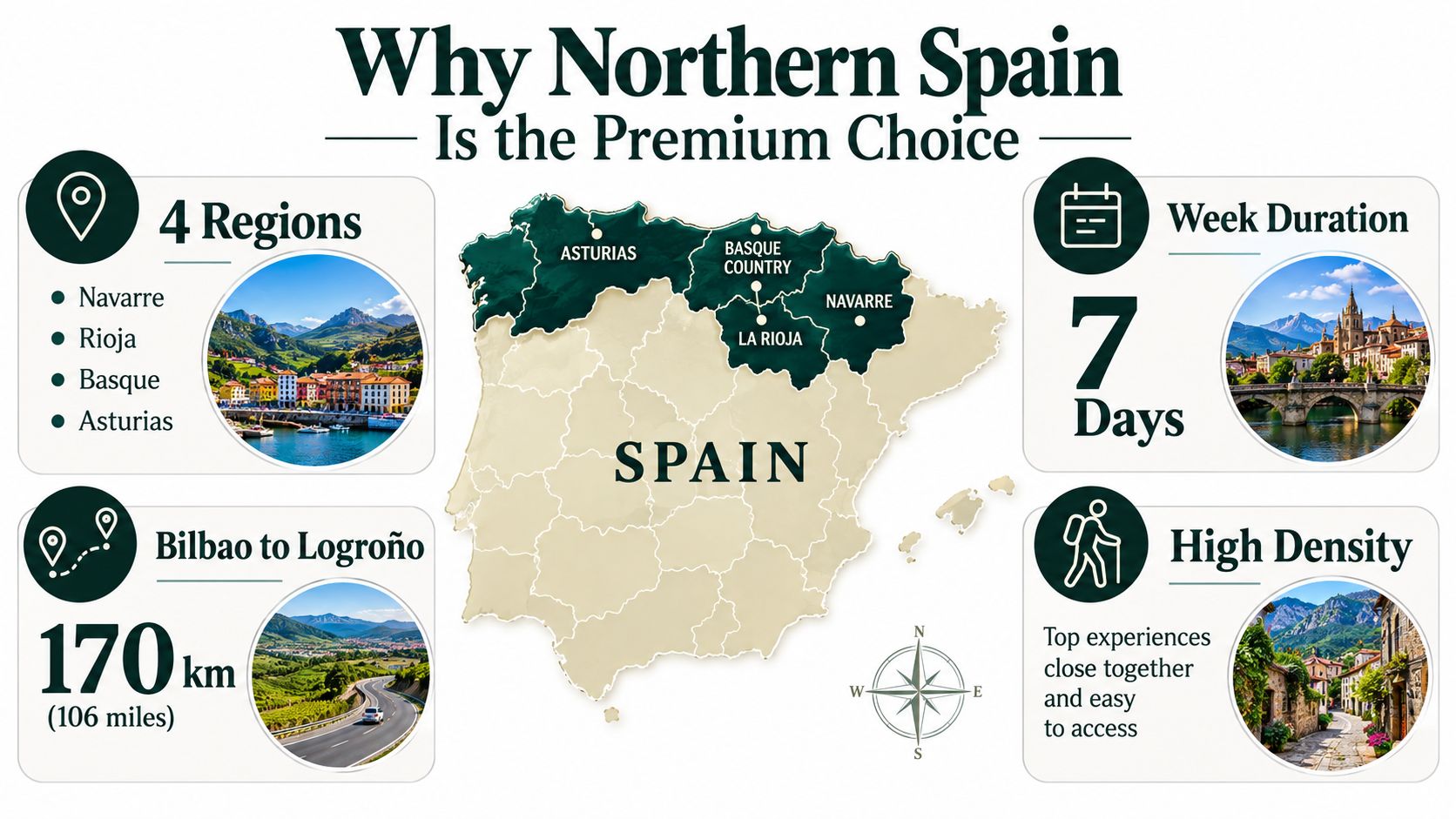
The tradeoffs are real. English signage is less consistent outside major cities. Branded luxury hotels are fewer than in Spain's most established resort areas. A driver-guide is often necessary if you want to combine rural estates with proper tastings rather than limit yourself to places reachable by public transport.
Those frictions protect the experience. They discourage casual drop-ins, preserve local character, and make the role of a regional specialist more valuable. The premium isn't only the meal or the wine. It's the judgment required to reach the right place at the right time, with someone who can translate the setting.
For travelers adding a gentle hike to a food and wine itinerary, practical preparation still matters. The Sonoma hiking safety tips offer useful general reminders about terrain, hydration, weather, and footwear, even though the destination discussed is elsewhere.
Here's a visual introduction to the region and the type of terrain that gives these journeys their character:
Sample Itineraries That Bring It to Life
A well-designed itinerary doesn't fill every hour. It gives each day two or three anchors, then leaves enough space for lunch, conversation, and the unexpected detail that makes a private journey feel personal.
Seven days from San Sebastián to La Rioja
Begin in San Sebastián with a private Parte Vieja pintxos walk. The guide should introduce the logic of the bars, not just deliver a succession of small plates. Keep the afternoon open for the beach, a gallery, or a quiet hotel interval.
Transfer inland toward Haro on the next day, stopping for a substantial lunch and a carefully arranged evening experience. A weeknight harvest visit or vertical tasting is more valuable than adding another public tour, particularly if the producer can explain how the cellar changes through the season.
Spend the following day with a Rioja Alta winemaker. Walk the vines, taste from barrel where appropriate, and connect the estate's farming choices to the wines. Finish with a relaxed dinner rather than another formal tasting.
Close in San Sebastián or Bilbao with a chef's table at a highly regarded kitchen. The point isn't to collect famous reservations. It's to end with a meal that reflects the ingredients and techniques you've encountered along the route.
Choose boutique luxury hotels or discreet design properties, with private transfers between regions. The private-access moments are the winemaker's time, the flexible harvest arrangement, and a restaurant experience secured around your interests.
Five days through Galicia and Rías Baixas
Start on the coast with a private boat outing to an oyster bed, followed by Albariño pairings that explain the relationship between brine, acidity, and the Rías Baixas region. Keep the rest of the day light, perhaps with a waterfront walk and an informal seafood dinner.
Spend the next morning in Vigo's market with a local cook. Select ingredients together, then move to a kitchen for a practical regional meal. This gives the group a stronger connection to Galicia than a restaurant-only schedule.
Use the following afternoon for two contrasting family bodegas in the Salnés Valley. The comparison should be intentional, perhaps different vineyard settings or cellar philosophies, rather than two similar tasting-room presentations. End with a coastal hotel stay and an unhurried dinner.
The final day can combine a village visit, a fishing tradition, and a closing meal. Lodging should favor a refined coastal hotel, restored manor, or small luxury property with easy access to the water and countryside.
| Day | San Sebastián & La Rioja | Galicia & Rías Baixas |
|---|---|---|
| One | Private Parte Vieja pintxos walk | Coastal arrival and private oyster outing |
| Two | Transfer toward Haro, evening tasting | Vigo market and cooking session |
| Three | Rioja Alta winemaker day | Two Salnés family bodegas |
| Four | Flexible Rioja village and food experience | Coastal landscape and seafood lunch |
| Five | Return toward San Sebastián or Bilbao | Closing village visit and dinner |
| Six | Culinary free time and chef-led meal | Optional coast or cultural day |
| Seven | Final chef's table and departure | Departure |
Booking, Timing, and What Private Access Really Costs
Bespoke planning needs lead time because the best experiences depend on people, not inventory. Allow 8 to 12 weeks for full customization. San Sebastián festival week and Rioja harvest, generally September through October, require 4 to 6 months of planning because guides, drivers, wineries, and restaurants face concentrated demand.
A private driver-guide changes more than the transport. They coordinate cellar reservations, keep the route realistic, secure the right arrival window, and adjust the day when weather, appetite, or a producer's schedule changes. They also prevent the common mistake of designing a route that looks short on a map but feels punishing on the road.
Pricing depends on access and scope. Private driver-guided day tours commonly run €900 to €1,500 for two guests, while full-week bespoke itineraries with accommodation, private tastings, and guides often fall between €6,000 and €12,000 per couple, as outlined in the planning brief for this journey. Treat those figures as planning ranges, not fixed quotes.
| Service | Typical Range (EUR) | What It Covers |
|---|---|---|
| Private driver-guided day tour | €900 to €1,500 for two guests | Dedicated vehicle, driver-guide, planned visits, and regional logistics |
| Full-week bespoke itinerary | €6,000 to €12,000 per couple | Accommodation, private tastings, guides, transfers, and itinerary design |
Before booking, ask what is included and what is optional. Michelin reservations, private boat charters, rare-vintage access, harvest arrangements, and upgraded rooms may sit outside the core plan. Clarify cancellation terms, meal inclusions, wine shipping, and whether the driver remains with you throughout rural sections.
Also ask about seasonal supplements. Harvest surcharges, weekend pricing, and premium December windows can alter the final proposal. A specialist should identify these items before you commit, not add them after the itinerary has been approved.
For travelers comparing formats, private winery tours provide a useful starting point for understanding how producer access can shape a rural day.
Designing a Trip Around Fewer, Deeper Experiences
Depth beats volume. The most rewarding Northern Spain journeys usually allow three or four meaningful experiences across a day, not a race through every available tasting room. Guests remember the winemaker who explained the hillside, the cook who chose the fish, and the guide who made the region make sense.
Build around two anchor experiences first, one culinary and one wine. Then place the hotels, meals, walks, and transfers around them. This is the practical meaning of slow travel in Northern Spain, not just staying longer, but giving each encounter enough space to matter.
Northern Spain Travel designs private, tailor-made journeys that connect food, wine, culture, nature, boutique accommodation, and local access across the region. Visit Northern Spain Travel to begin with your preferred pace, interests, and ideal access, then shape the route around the experiences you'll still be discussing years later.